
Why Jaldapara is Perfect for Your Celebration
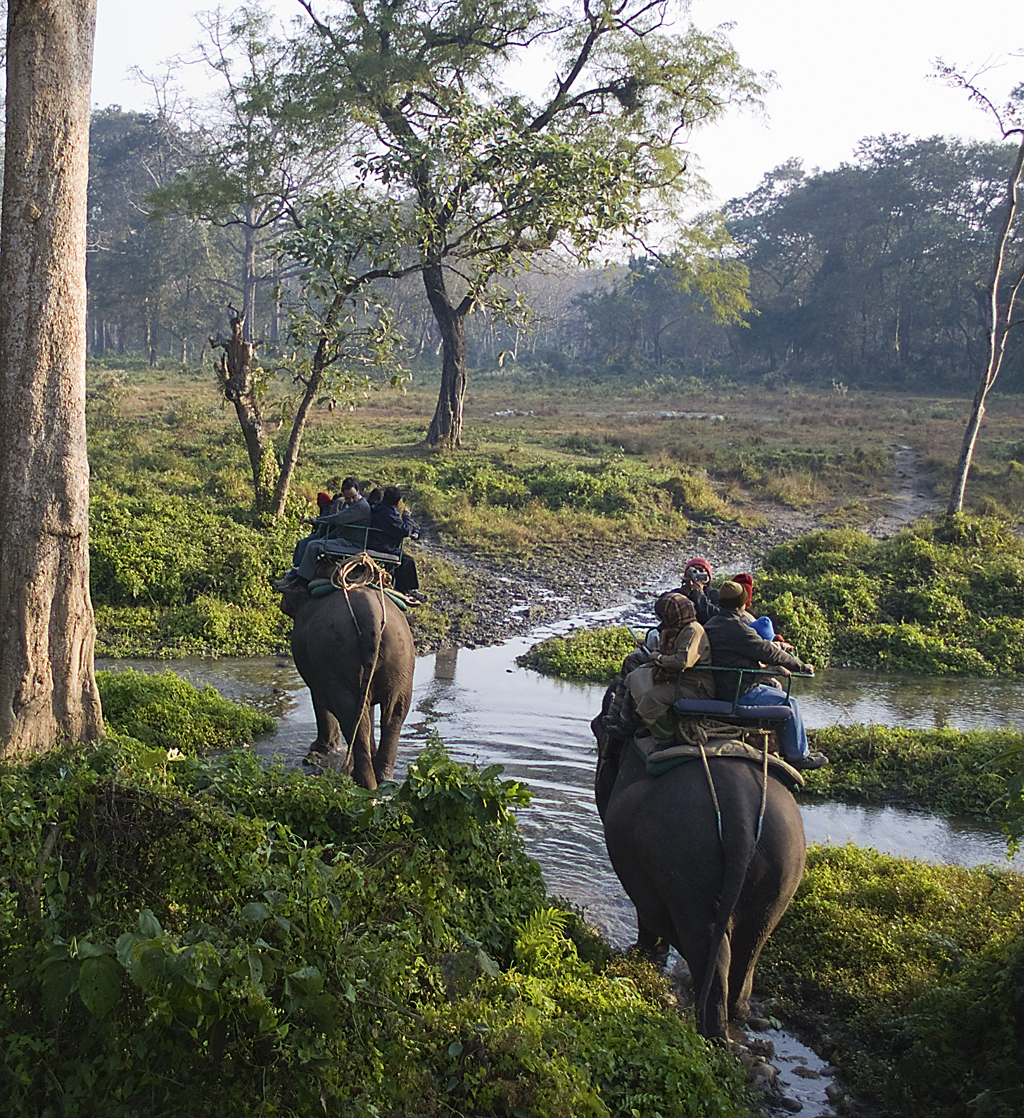
- Home to Jaldapara National Park — one of India's premier one-horned rhinoceros habitats, offering genuine wildlife safari experiences as a group activity
- Secluded forest lodges and eco-resorts provide a distraction-free, immersive environment ideal for leadership retreats and strategy meets
- Cool, dry winters (November–February) create comfortable outdoor conditions for team-building activities, bonfires, and open-air gatherings
- Proximity to the Torsa and Hollong rivers adds scenic variety and opportunities for nature walks and riverside events
- Relatively uncrowded compared to mainstream Dooars destinations, offering privacy and exclusivity for milestone birthday getaways and corporate offsites
- Well-established forest department and eco-lodge hospitality culture means group accommodation and guided experiences are genuinely available

Top Venues in Jaldapara
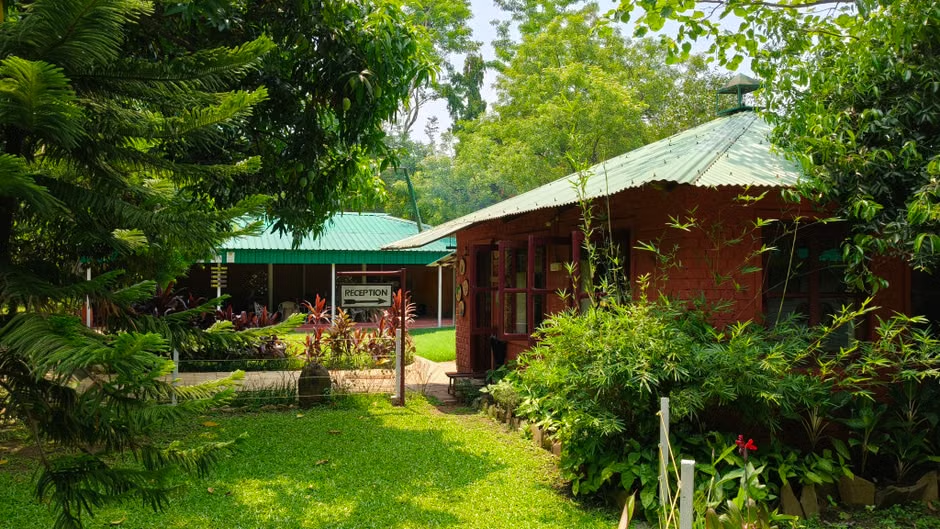
Hollong Tourist Lodge
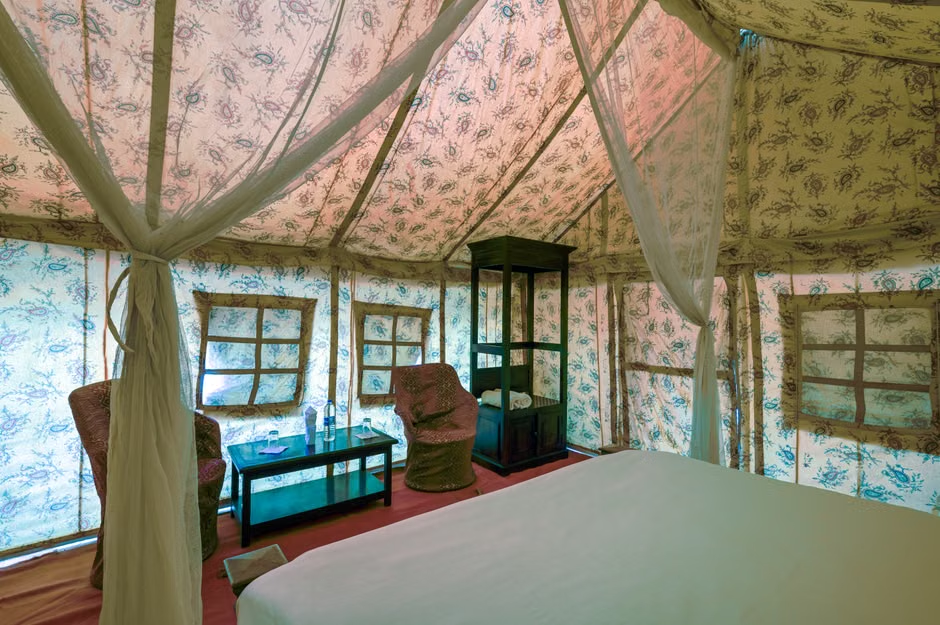
Chilapata Forest Lodge
Compare Jaldapara with Other Top Destinations
Frequently Asked Questions
Is Jaldapara a good destination for a corporate leadership retreat?
Yes. Jaldapara is particularly well-suited to leadership retreats. The forest setting, limited mobile connectivity, and absence of urban distractions create a naturally focused environment. Eco-lodges in and around the national park can accommodate small senior groups, and guided wildlife experiences — elephant safaris, nature walks — provide meaningful shared activities that complement a retreat agenda.
What size group can Jaldapara realistically accommodate for an event?
Jaldapara works best for groups of roughly 20 to 100 guests. Individual properties typically accommodate 30–80 guests comfortably. Larger groups can be split across multiple nearby properties, but this requires advance coordination. The destination is not well-suited to events requiring a single venue for 150 or more guests.
How do guests typically travel to Jaldapara for an event?
Most guests fly into Bagdogra Airport (IXB) near Siliguri, then travel approximately 120–130 km by road — a 3–4 hour drive. Guests from eastern India often travel by train to New Jalpaiguri (NJP) or Alipurduar Junction, then continue by road. Coordinating group transfers in advance is strongly recommended, as local public transport is limited.
What is the best time of year to hold an event in Jaldapara?
November through February is the optimal window. The national park is open, wildlife safaris are available, temperatures are cool and comfortable, and humidity is low — all of which make multi-day outdoor events genuinely pleasant. The monsoon (June–September) closes the park and makes outdoor activities impractical, and March–May brings rising heat and humidity.
What kinds of venues are available in Jaldapara for group events?
Jaldapara offers forest lodges, eco-resorts, and nature retreat properties rather than conventional banquet halls. Venues typically include open-air lawns, bonfire areas, dining halls, and riverside or grassland spaces. Some properties offer tented setups. The overall character is immersive and nature-forward — suited to retreats and intimate celebrations rather than large formal events.
What team-building activities are genuinely available in Jaldapara?
Jaldapara's natural environment provides built-in team-building activities: elephant and jeep safaris inside the national park, guided birdwatching, nature interpretation walks, riverside activities along the Torsa and Hollong rivers, and campfire group sessions. These are organically available through forest department operators and local guides, without needing elaborate external vendors.
Is Jaldapara suitable for a 40th or 50th birthday celebration?
Yes, particularly for guests who want a genuinely adventurous and memorable experience rather than a conventional party. A milestone birthday celebrated in a rhino habitat, with safari experiences and forest lodge hospitality, offers a distinctive story. The destination suits intimate groups of close friends or family rather than large social gatherings.
How reliable is internet and mobile connectivity in Jaldapara?
Connectivity is limited inside and around the national park zone. Mobile network coverage is patchy, and high-speed internet is not reliably available at most forest lodges. For retreat organisers, this is often a deliberate benefit. For events requiring continuous video conferencing or real-time digital coordination, this is a genuine operational constraint to plan around.
Do I need to bring event production vendors from outside Jaldapara?
For anything beyond a basic retreat setup, yes. Local availability of AV equipment, specialist décor, and event production vendors is limited. Groups planning themed celebrations, formal corporate awards evenings, or events with complex catering requirements should plan to bring vendors from Siliguri or Kolkata, factoring in the additional logistics and lead time this requires.
Is Jaldapara open year-round for events?
Accommodation properties are generally available year-round, but Jaldapara National Park — the destination's primary experiential draw — is typically closed during the monsoon season (roughly June to September). Planning an event outside the November–February window means losing access to safaris and most outdoor activities, which significantly reduces the destination's distinctive appeal.
What makes Jaldapara different from other corporate offsite destinations in eastern India?
Jaldapara's defining difference is direct access to a functioning national park with one-horned rhinoceros and elephant safaris as genuine group activities. This is not a manufactured experience — it is a real wildlife habitat. Combined with forest lodge seclusion and low tourist footfall, it offers a level of immersion and exclusivity that hill stations or resort towns in the region typically cannot match.

Ready to explore venues in Jaldapara?
Jaldapara: Wildlife Retreats, Corporate Offsites & Nature Event Venues
◆Jaldapara is a wildlife and forest destination in the Dooars region of West Bengal, best suited to leadership retreats, corporate offsites, team-building retreats, and offbeat milestone celebrations. Its primary vibe is Adventure & Offbeat — anchored by Jaldapara National Park, one-horned rhinoceros safaris, and sal forest eco-lodges that create a genuinely immersive, distraction-free environment. The destination is most accessible and comfortable during winter (November–February), when the national park is fully open and the weather is cool and dry. Guest travel requires advance planning — the nearest airport is roughly 120–130 km away — making Jaldapara a considered choice rather than a last-minute one, and best suited to groups that value exclusivity and nature over urban convenience.
Jaldapara at a Glance
| Category | Details |
|---|---|
| Best For | Leadership Retreat, Corporate Offsite, Team-Building Retreat, 40th / 50th Birthday |
| Primary Vibe | Adventure & Offbeat |
| Other Vibes | Nature Immersion, Secluded & Private, Eco-Conscious |
| Best Season | Winter (November–February) |
Why Choose Jaldapara?
- Genuine wildlife immersion: Jaldapara National Park is one of India's most significant habitats for the Indian one-horned rhinoceros. Elephant safaris and jeep safaris inside the park are a built-in group activity that no conventional conference venue can replicate.
- Distraction-free retreat environment: The forest setting, limited mobile connectivity, and absence of urban noise make Jaldapara particularly effective for leadership retreats and board strategy meets where focused thinking is the goal.
- Scenic natural variety: The Torsa and Hollong rivers, dense sal and simul forests, and open grasslands provide multiple backdrops for outdoor team-building activities, nature walks, birdwatching, and riverside gatherings.
- Relative exclusivity: Compared to more mainstream Dooars destinations, Jaldapara sees lower tourist footfall, which means groups can secure a more private, uncrowded experience — particularly valuable for milestone birthday getaways and incentive trips.
- Established eco-lodge and forest hospitality culture: The West Bengal Forest Development Corporation and several independent operators have long-standing experience hosting groups, providing a baseline of organised accommodation and guided experiences.
- Winter climate genuinely suited to outdoor events: November through February brings cool temperatures, low humidity, and clear skies — conditions that make outdoor bonfires, open-air dinners, and daytime activities comfortable for guests from across India.
Which Celebrations Work Best in Jaldapara?
Leadership Retreat: Jaldapara's forest isolation and absence of urban distractions make it one of the more effective settings in eastern India for senior leadership gatherings. The environment naturally encourages reflection, candid conversation, and strategic thinking away from office pressures.
Corporate Offsite: The combination of comfortable eco-lodge accommodation, guided safari experiences, and open natural spaces gives corporate groups a genuinely different offsite experience. The setting reinforces themes of exploration, adaptability, and perspective — common goals for corporate offsites.
Team-Building Retreat: Nature-based team-building activities — wildlife tracking, river walks, group safaris, birdwatching challenges, and campfire sessions — are organically available here without needing elaborate external vendors. The forest environment itself becomes the activity infrastructure.
40th / 50th Birthday: A milestone birthday celebrated in a rhino habitat and sal forest carries a story that a hotel ballroom simply cannot. Jaldapara suits guests who want their 40th or 50th to feel genuinely adventurous and memorable rather than conventionally glamorous.
Board / Strategy Meet: Small, senior groups benefit from the privacy and focus that Jaldapara's lodges provide. A board meeting held in a forest lodge, followed by an evening safari, creates a distinctive rhythm that tends to generate stronger engagement than a standard conference room setting.
Destination Birthday Getaway: For guests who want to mark a birthday with an experience rather than a party, Jaldapara offers a curated escape — wildlife, nature, and a sense of genuine remoteness that feels like a real getaway rather than a local celebration with a different backdrop.
Venues & Event Spaces
Jaldapara's event venue landscape is defined by forest lodges, eco-resorts, and nature retreat properties rather than conventional banquet halls or urban hotels. The primary venue types include:
- Forest department lodges: Properties operated within or adjacent to the national park buffer zone, offering direct access to wildlife areas and a genuinely immersive forest setting. These typically accommodate smaller groups and are best suited to intimate retreats and leadership gatherings.
- Independent eco-resorts: A growing number of privately operated nature resorts in the broader Dooars belt around Jaldapara offer more structured event facilities — open-air lawns, bonfire areas, dining halls, and basic AV setups — while retaining the forest character of the destination.
- Riverside and grassland outdoor spaces: Several properties have access to open grassland or riverside areas that can be used for outdoor team-building sessions, sundowner events, and informal group dinners under the forest canopy.
- Tented and semi-permanent structures: Some operators offer tented accommodation and event setups that enhance the adventure character of a retreat without sacrificing basic comfort.
Groups should note that Jaldapara's venue inventory is not suited to very large gatherings — the destination's strength lies in intimate, immersive experiences for groups typically ranging from 20 to 100 guests. For events requiring large banquet halls, stage productions, or high-capacity accommodation under one roof, the local inventory may require supplementing with properties in the wider Dooars or Alipurduar area.
Best Time to Celebrate
Winter (November–February) is the clear optimal window for events in Jaldapara, and the reasons go beyond simply "pleasant weather."
- National park access: Jaldapara National Park is typically open to visitors during this period, meaning safari experiences — the destination's signature group activity — are actually available. Planning an event here outside this window risks losing the very feature that makes Jaldapara distinctive.
- Wildlife visibility: Cooler temperatures bring animals to open grasslands and water sources more reliably, making rhino and elephant sightings more likely during group safaris — a meaningful difference for an incentive trip or team-building event where the experience needs to deliver.
- Outdoor comfort: Daytime temperatures in the 15°C–22°C range and cool evenings make outdoor activities, bonfires, and open-air dining genuinely comfortable rather than merely tolerable.
- Low humidity: Unlike the monsoon and pre-monsoon months, winter air in the Dooars is relatively dry, which matters for multi-day events where guests are spending significant time outdoors.
Monsoon (June–September) brings heavy rainfall to the Dooars — among the highest rainfall zones in India — and the national park is typically closed during this period. Road access can be disrupted, and outdoor events are largely impractical. March through May sees rising heat and humidity that makes outdoor activities uncomfortable, and wildlife visibility in the park declines as vegetation thickens. October is a transitional shoulder month that can work for some events but carries residual monsoon risk early in the month.
Getting There & Local Connectivity
Jaldapara is reachable but requires deliberate travel planning — it is not a drop-in destination for guests expecting easy last-minute access.
- By air: Bagdogra Airport (IXB), near Siliguri, is the nearest functional airport and is well-connected to Kolkata, Delhi, Mumbai, and other major Indian cities. From Bagdogra, Jaldapara is approximately 120–130 km by road, typically a 3–4 hour drive depending on route and conditions.
- By train: Madarihat is the closest railway halt to the national park area, and Alipurduar Junction — roughly 30 km away — offers broader rail connectivity including trains from Kolkata (Howrah/Sealdah) and the Northeast. Several overnight trains from Kolkata make this a viable option for guests travelling from eastern India.
- By road: Road access from Siliguri or New Jalpaiguri (NJP) is the most common route for groups arriving by air or train. The roads through the Dooars are generally passable in winter but can be slow due to single-lane stretches and forest road conditions.
- Local movement: Once at the destination, groups typically rely on resort-arranged vehicles, jeeps, and elephant-back safaris for movement within and around the park. There is no public transport infrastructure suited to group travel within Jaldapara itself, so coordinating local transport through the resort or a local operator in advance is essential.
- Connectivity: Mobile network coverage inside and around the national park is limited — this is both a practical consideration for event logistics and, for many retreat organisers, a deliberate feature of the destination.
Local Vendor & Hospitality Ecosystem
Jaldapara's hospitality ecosystem is functional but modest relative to mainstream event destinations. Key characteristics include:
- Forest department and eco-lodge operators have genuine experience managing group stays, guided safaris, and basic catering for retreat-style events. This is a well-worn format here, and the core experience is reliably delivered.
- Catering at most properties is handled in-house and tends toward Bengali and North Indian cuisine. Specialist catering for large events or specific dietary requirements may need to be arranged with vendors from Alipurduar or Siliguri, which adds logistical complexity.
- Event production vendors (AV, décor, entertainment) are not locally abundant. Groups planning anything beyond a simple retreat setup — such as a themed birthday celebration or a formal corporate awards evening — should expect to bring vendors from Siliguri, Kolkata, or their home city.
- Guided nature experiences — elephant safaris, jeep safaris, birdwatching guides, nature interpretation walks — are genuinely available through the forest department and local operators, and represent the strongest part of the local experience ecosystem.
- Accommodation capacity across the destination is limited. Groups larger than 80–100 guests will likely need to split accommodation across multiple properties, which requires careful coordination but is manageable with advance planning.
Pros & Things to Consider
Why Jaldapara Works Well
- Genuinely unique setting — a rhino habitat and sal forest is a rare event backdrop in India
- Naturally distraction-free environment, well-suited to focused retreats and strategy sessions
- Built-in group activities (safaris, nature walks, birdwatching) reduce the need for external entertainment vendors
- Cool, comfortable winter climate makes multi-day outdoor events genuinely pleasant
- Lower footfall than mainstream destinations means groups enjoy a more private, exclusive experience
- Accessible by both air (via Bagdogra) and train (via NJP or Alipurduar), giving guests travel options
Things to Consider
- Travel time from major metros is significant — guests from Mumbai, Delhi, or Bengaluru face a full day of travel including a flight and a 3–4 hour road transfer
- Venue capacity is limited; the destination is not suited to large gatherings of 150+ guests without splitting across multiple properties
- Event production infrastructure (AV, décor, specialist catering) is sparse locally and must largely be imported from Siliguri or Kolkata
- Mobile and internet connectivity is limited inside the forest zone — a feature for some groups, a genuine operational challenge for others
- The national park is closed during the monsoon, which eliminates the destination's primary experiential draw for roughly four months of the year
- Medical facilities and emergency services in the immediate area are limited; groups with guests who have significant health considerations should factor this in
When Jaldapara May Not Be the Right Fit
- Large guest lists (150+): The local accommodation and venue inventory cannot comfortably absorb very large groups under one roof. If your event requires a single property hosting 200 or more guests, Jaldapara's current infrastructure is unlikely to meet that need without significant logistical compromise.
- Guests with limited travel flexibility: If a significant portion of your guest group has difficulty with long road transfers, limited medical access, or requires reliable high-speed internet throughout the event, Jaldapara's remoteness will create friction that outweighs its experiential benefits.
- Events planned outside November–February: If your dates fall in the monsoon months (June–September) or the hot pre-monsoon period (March–May), the national park may be closed or inaccessible, outdoor activities become impractical, and the destination loses its core appeal. A different Dooars or hill-station destination with year-round infrastructure would serve better.
- Events requiring elaborate production: If your celebration depends on large-scale stage setups, specialist décor vendors, live entertainment, or high-end catering with complex menus, the local vendor ecosystem will require extensive supplementation from outside the region — adding cost, complexity, and logistical risk that a more developed event destination would avoid.