
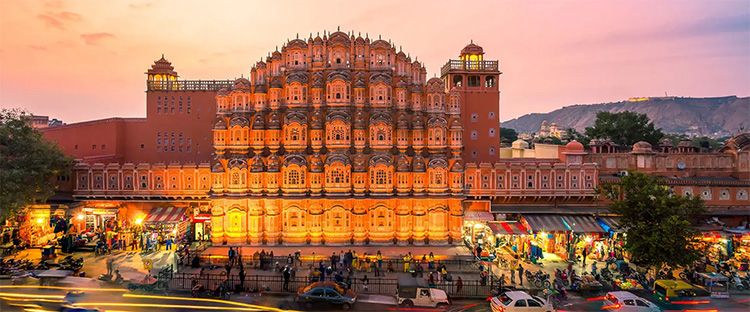
Why Jaipur is Perfect for Your Celebration
- Iconic palace hotels and fort venues offer genuinely royal wedding settings found nowhere else in India
- Rich Rajasthani cultural traditions — folk music, dance, camel processions — enhance every celebration authentically
- Excellent air and rail connectivity makes guest travel straightforward from Delhi, Mumbai, and beyond
- A mature, experienced local vendor ecosystem covering décor, catering, photography, and entertainment
- Cool, dry winters (November–February) are perfectly suited to large outdoor ceremonies and receptions
- Teej and Gangaur festivals create unique, culturally immersive celebration opportunities specific to Jaipur

Top Venues in Jaipur
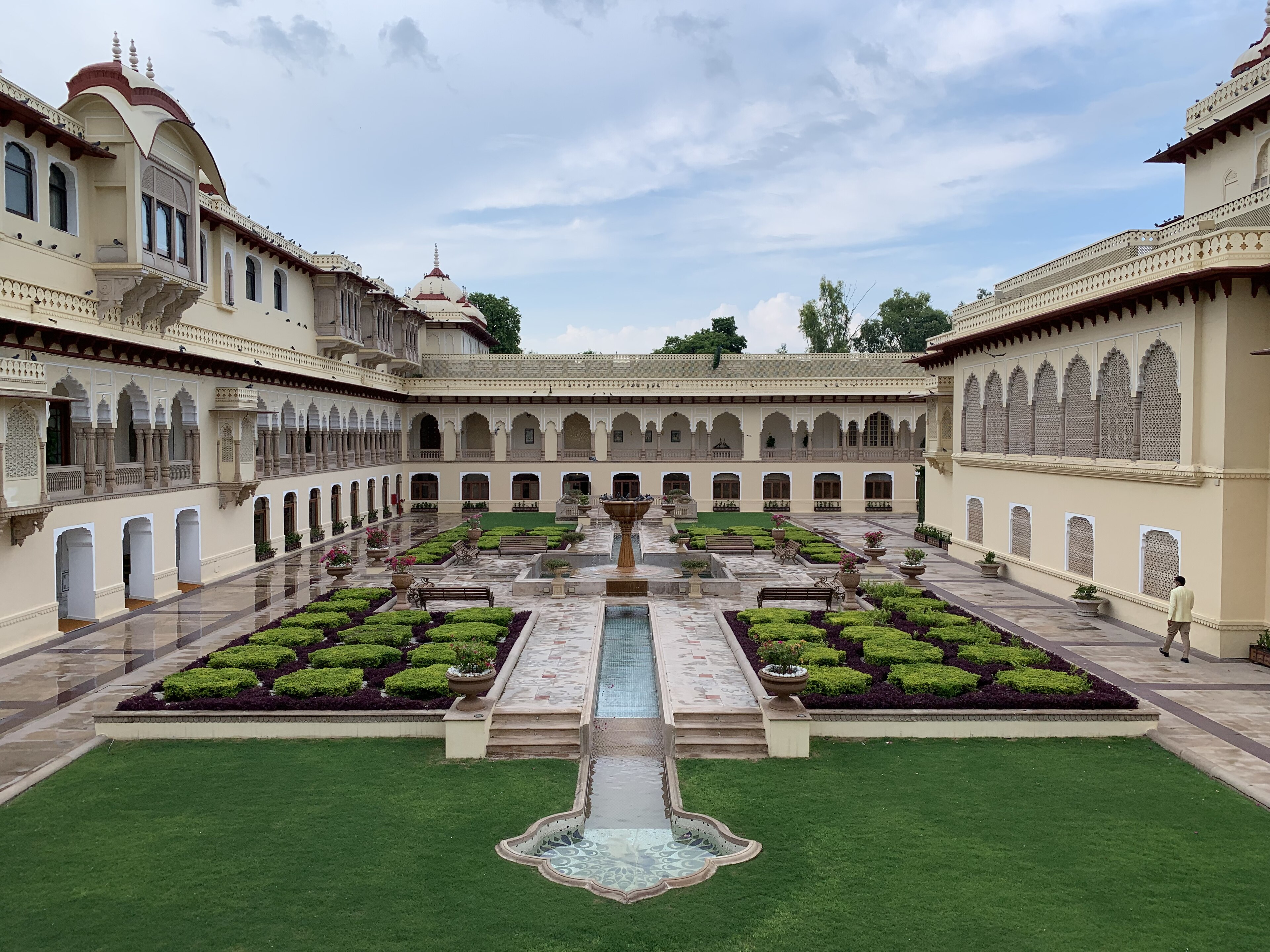
Rambagh Palace
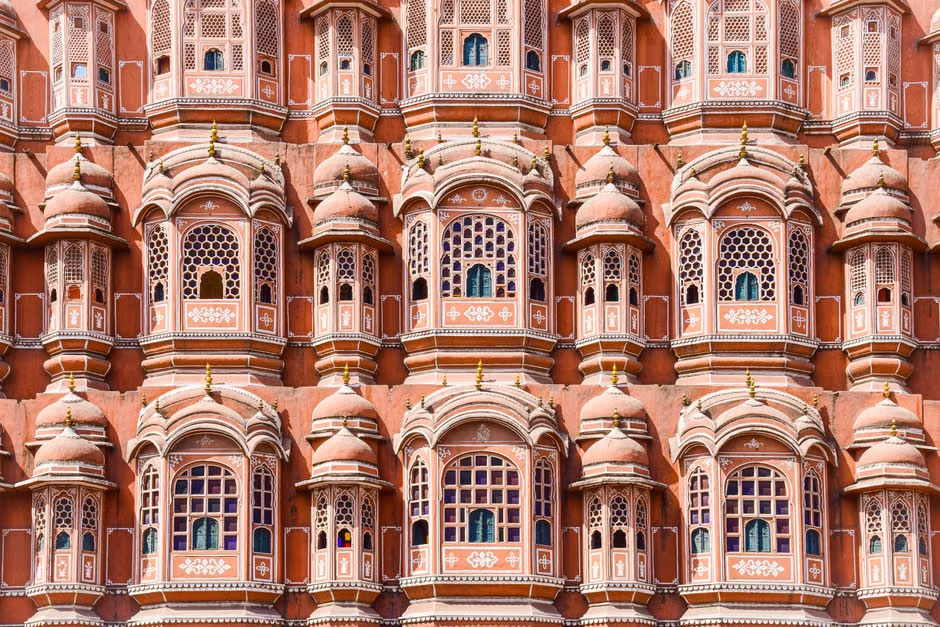
Taj Jai Mahal Palace
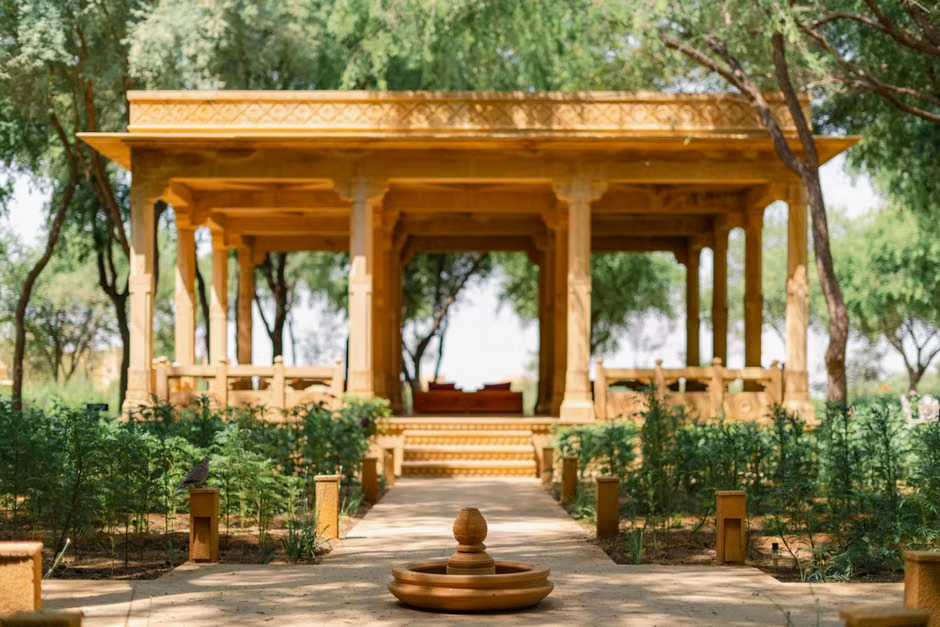
The Oberoi Rajvilas
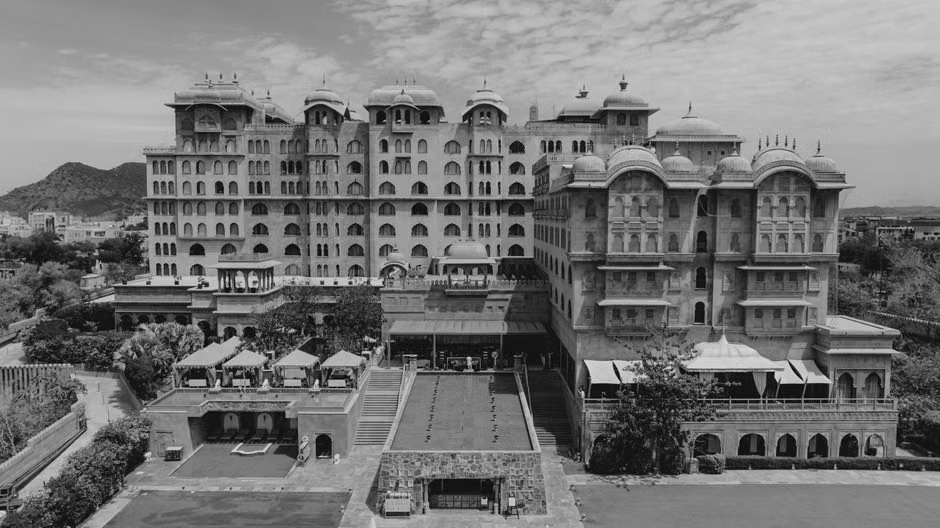
Fairmont Jaipur
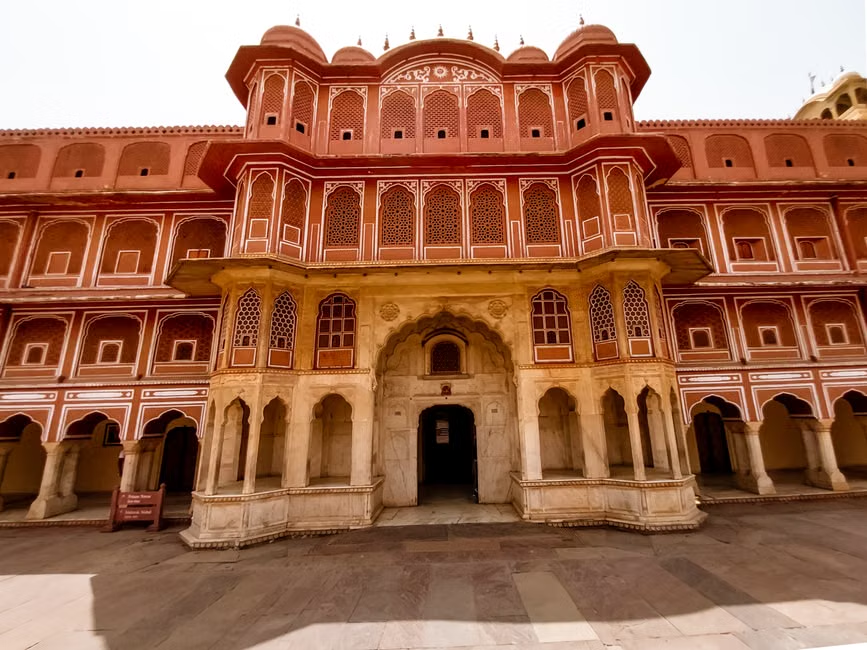
ITC Rajputana
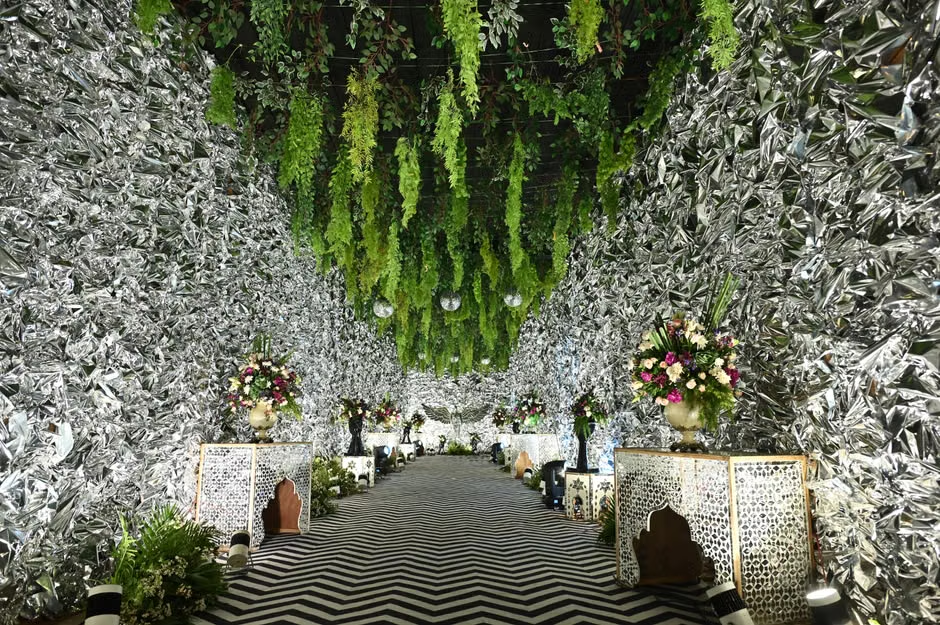
Marriott Jaipur
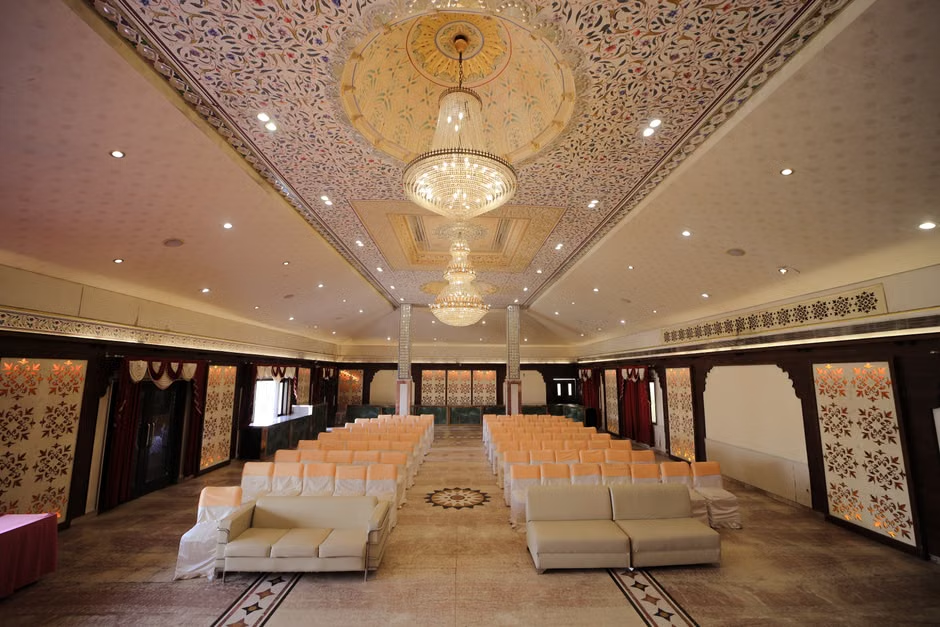
Hilton Jaipur
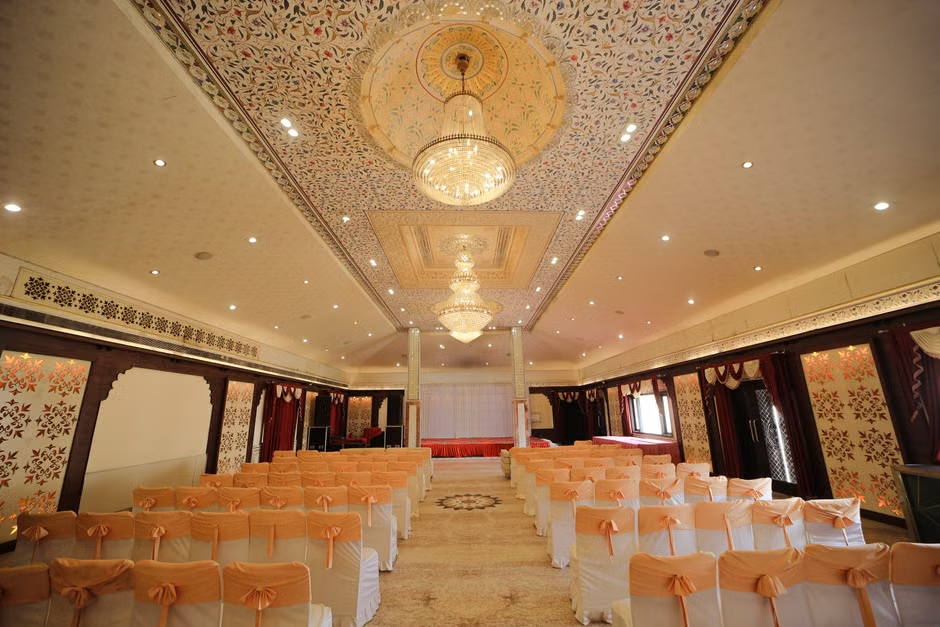
Radisson Blu Jaipur
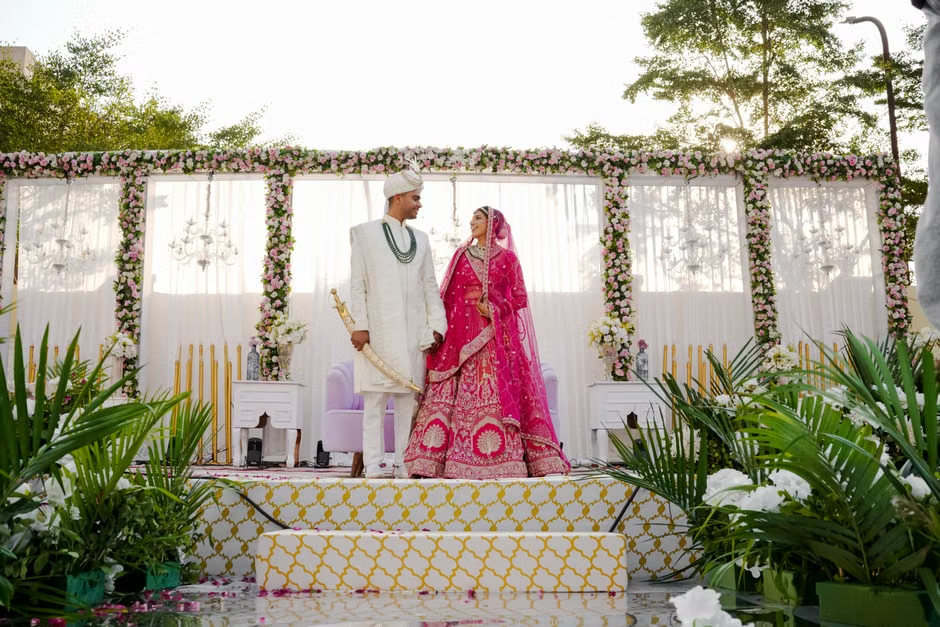
Trident Jaipur

Holiday Inn Jaipur City Centre
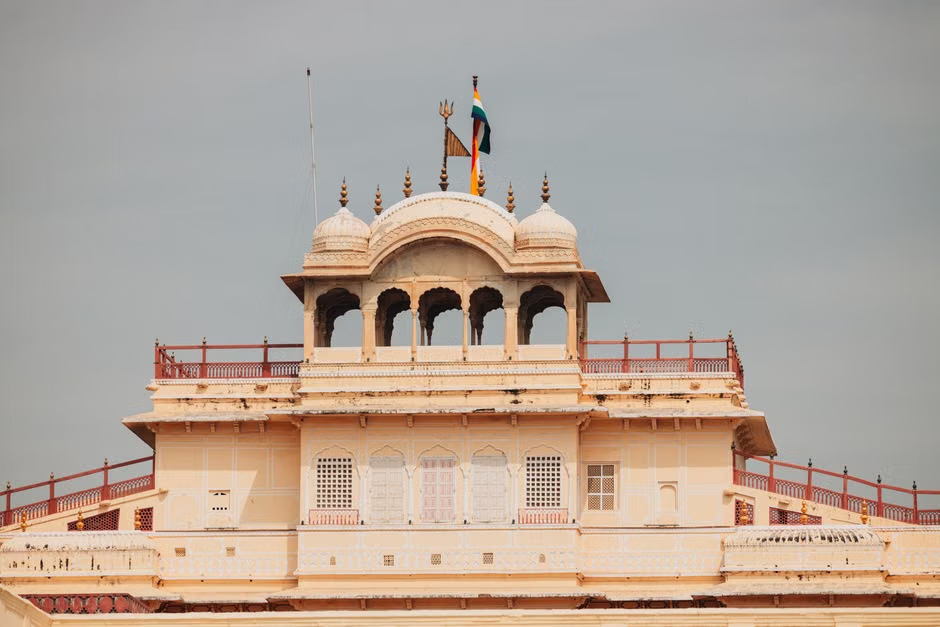
Rambagh Palace, Jaipur
The Oberoi Rajvilas, Jaipur
Taj Devi Ratn Resort & Spa, Jaipur
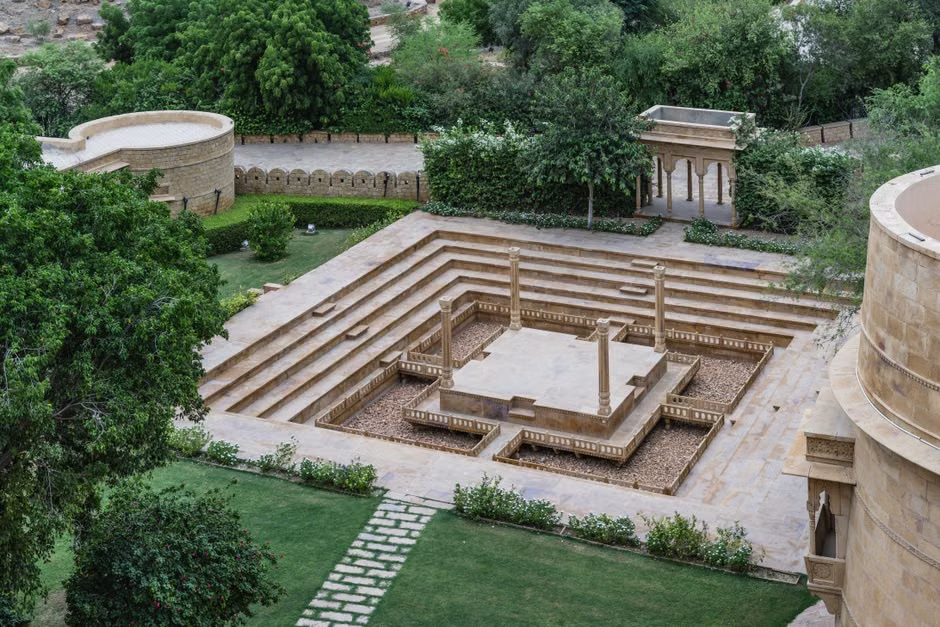
The Palace By Park Jewels Hotels And Resorts
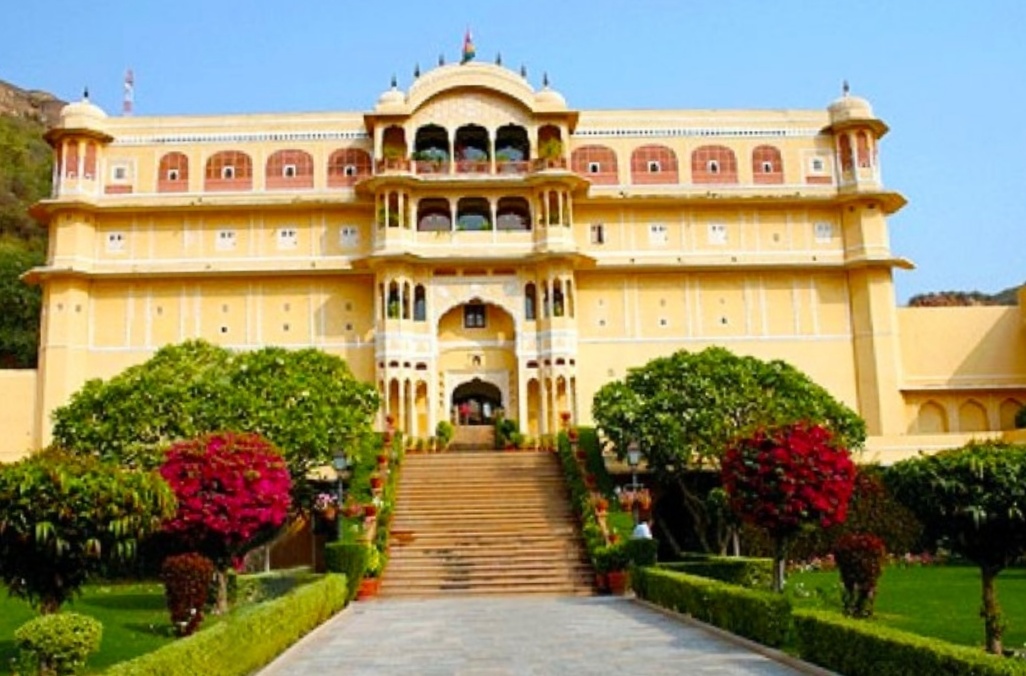
Samode Palace
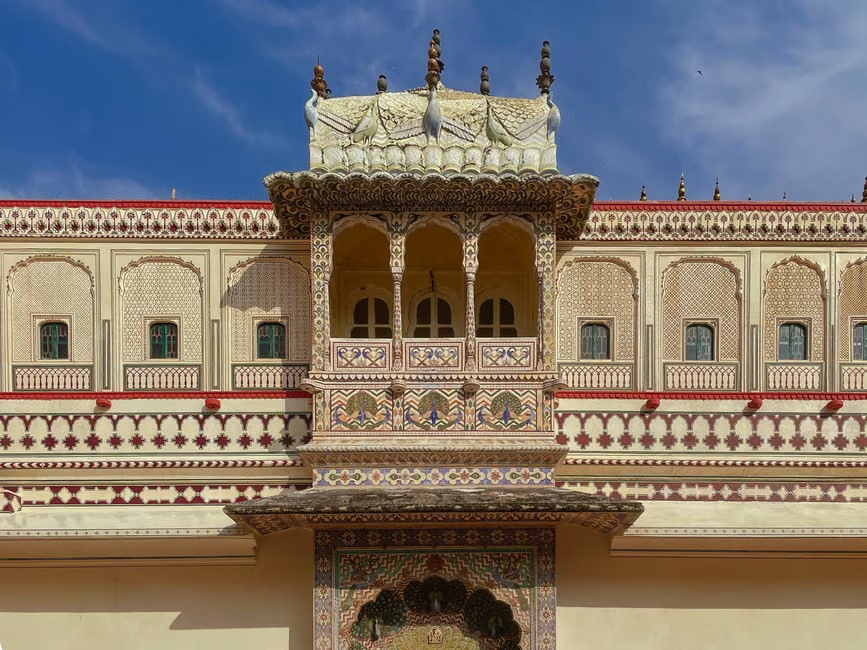
Alsisar Haveli
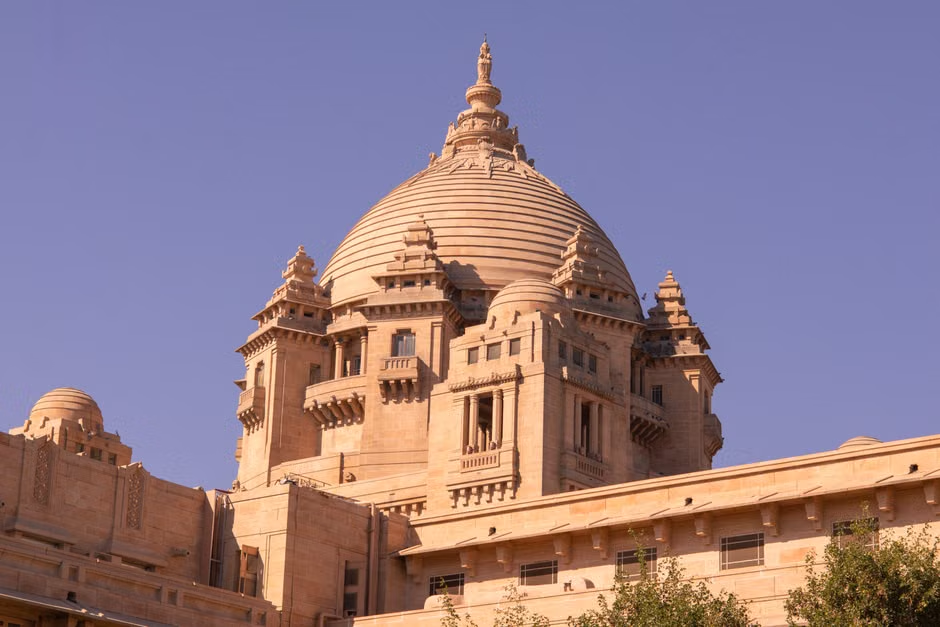
Umaid Bhawan Heritage House Hotel
Shahpura House
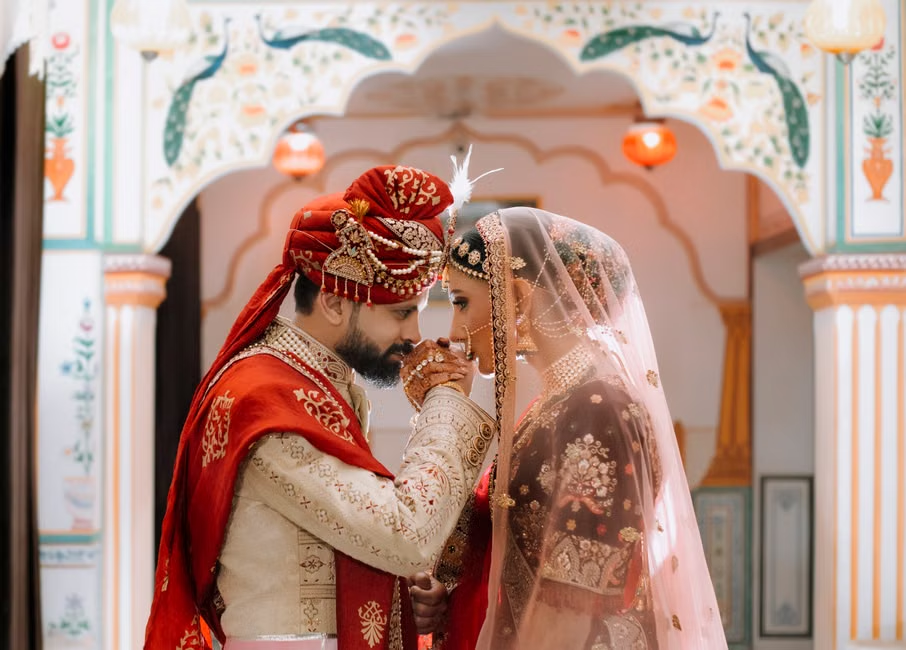
UMAID FARM RESORT-A LEGACY VINTAGE STAY IN JAIPUR
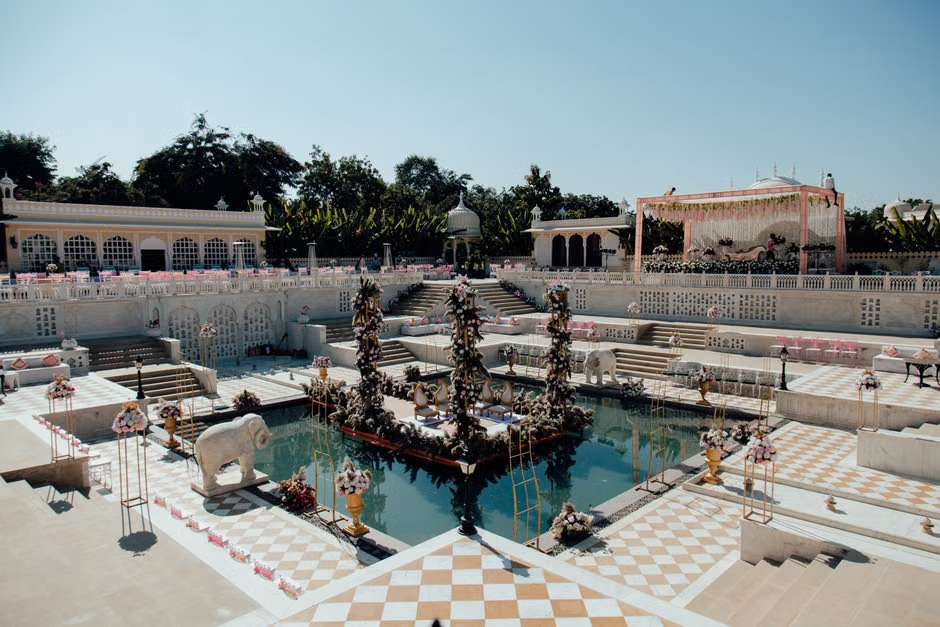
Pride Amber Vilas Resort & Convention Centre
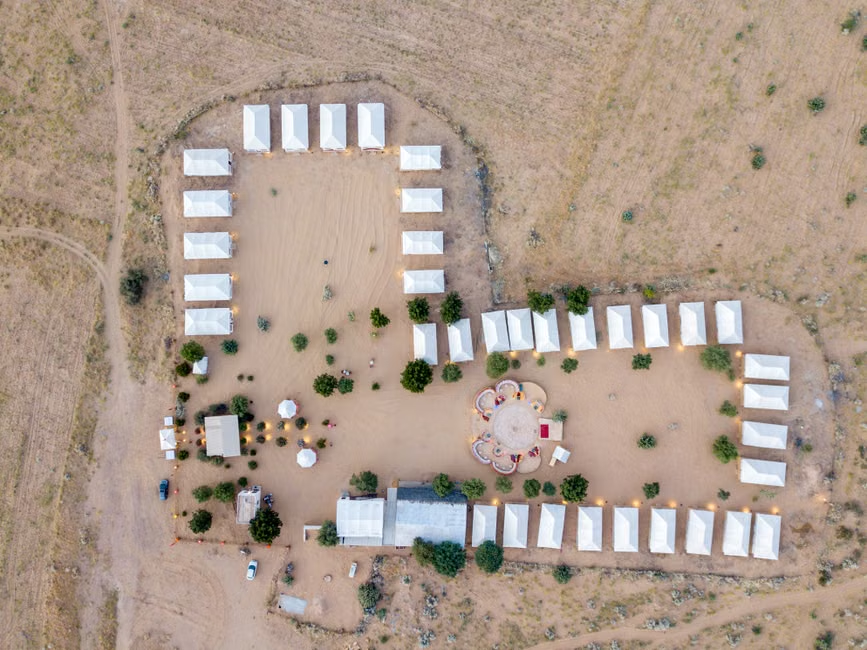
Kanota Camp Resorts
Haveli Resort
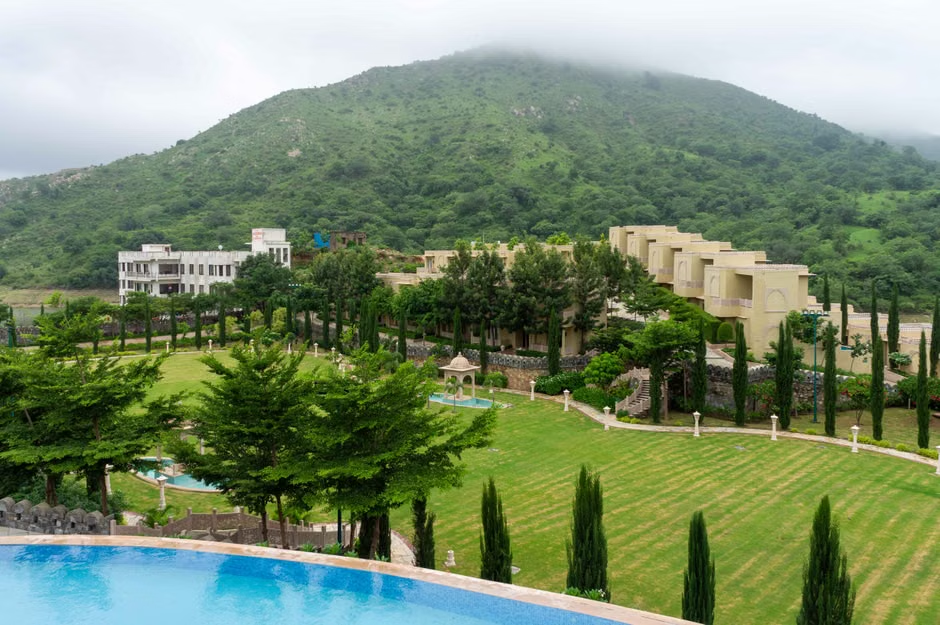
the carnation resort and pool
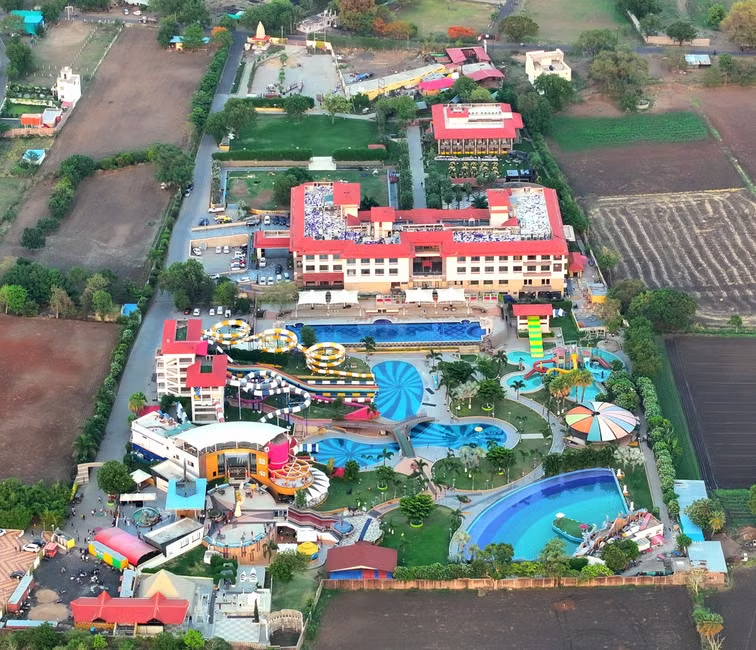
Angel Resort & Amusement - Water Park
Compare Jaipur with Other Top Destinations
Frequently Asked Questions
Is Jaipur a good destination for a palace or heritage wedding?
Yes, strongly so. Jaipur is arguably India's leading city for palace and heritage weddings, with a concentration of genuine palace hotels and restored havelis that offer historically significant settings for ceremonies and receptions. The city's architectural backdrop, cultural traditions, and experienced hospitality staff make it particularly well-suited to multi-day royal-format wedding programmes.
What guest group sizes can Jaipur venues realistically accommodate?
Jaipur's venue range is broad. Intimate heritage havelis comfortably host gatherings of 50–200 guests, while the city's larger palace hotel lawns and banquet facilities can accommodate 1,500–2,000 guests for receptions. Most mid-size destination weddings of 300–800 guests are well-served by the city's palace hotel inventory, which typically offers multiple function spaces within a single property.
What is the best time of year to plan a wedding or event in Jaipur?
November through February is the clear best window. Cool, dry weather (typically 15°C–25°C) makes outdoor palace lawn ceremonies and evening receptions fully comfortable. This period also aligns with the peak Hindu wedding season. March–early April is a short shoulder option, but summer (April–June) and monsoon (July–September) months are generally unsuitable for outdoor events.
How do guests typically travel to Jaipur for a destination wedding?
Most guests arrive via Jaipur International Airport, which has direct flights from Delhi, Mumbai, Bengaluru, Hyderabad, and other major cities. Guests from Delhi often prefer the train — Jaipur Junction is well-connected by fast services including the Shatabdi Express, making the journey around four to five hours. Both options are reliable and widely used for event travel.
Can Jaipur host a Teej or Gangaur celebration as part of a wedding programme?
Yes. Jaipur is the cultural heartland of both Teej and Gangaur, and local vendors, decorators, and entertainment teams are experienced in incorporating these festival traditions into wedding programmes. Gangaur (March–April) falls in a shoulder season that is logistically manageable; Teej (July–August) falls in the monsoon, so outdoor elements require contingency planning.
What kinds of event spaces are available in Jaipur beyond palace hotels?
Beyond palace hotels, Jaipur offers heritage havelis with intimate courtyards, contemporary luxury resort properties with large outdoor lawns and modern ballrooms, rooftop terraces with fort or monument views, and banquet halls within larger hotels for all-weather events. The variety means planners can match the venue type to the event's scale and aesthetic without being limited to a single format.
How developed is Jaipur's local wedding vendor ecosystem?
Very developed. Decades of hosting large destination weddings have produced a strong local base of specialist wedding planners, Rajasthani décor artisans, catering teams experienced in multi-day programmes, folk entertainment vendors, and photography studios with heritage-setting expertise. Most elements of a large wedding can be sourced locally, reducing the need to import vendors from Delhi or Mumbai.
Is Jaipur suitable for a smaller, intimate wedding rather than a large celebration?
Yes. Several heritage havelis and boutique palace properties in Jaipur are specifically suited to intimate gatherings of 50–150 guests, offering private courtyard settings with significant architectural character. These properties provide a royal aesthetic without the scale or operational complexity of a 1,000-person event, making them a strong choice for couples prioritising atmosphere over size.
How far in advance should we book a palace venue in Jaipur for a winter wedding?
For peak winter dates (November–February), particularly around auspicious Hindu wedding muhurat dates, the most sought-after palace properties are typically booked 12–18 months in advance. Planning with a shorter lead time is possible but significantly limits venue choice. Couples with flexible dates have more options, but early commitment is strongly advisable for this season.
What makes Jaipur distinctive for a welcome dinner or pre-wedding celebration?
Jaipur's rooftop terraces, fort-view lawns, and illuminated heritage gardens create an ambient setting for welcome dinners and mehendi evenings that requires minimal additional décor — the architecture itself provides the visual backdrop. Guests arriving from out of town are immediately immersed in the city's royal character, which sets a strong tone for the celebrations that follow.
What are the main logistical considerations for moving a large guest group around Jaipur?
The city has a reliable supply of coaches, luxury vehicles, and tempo travellers for group transfers. The main consideration is the old city's congestion — heritage haveli areas can have restricted large-vehicle access, so routing and timing need advance planning. For multi-day programmes with guests based at a hotel and events at a separate venue, pre-arranged shuttle services are standard and widely available.
Are there situations where Jaipur might not be the right choice for our event?
Yes. If the event date is fixed between April and September and outdoor elements are important, Jaipur's extreme summer heat and monsoon rainfall create genuine operational challenges. Very large events requiring a single contiguous indoor space for 3,000+ guests may also find the heritage venue inventory limiting. And guests with very restricted travel options may find multi-leg journeys to Jaipur impractical.

Ready to explore venues in Jaipur?
Jaipur: Royal Destination Wedding & Event Venues in the Pink City
◆Jaipur is India's foremost royal wedding and heritage event destination, best suited to palace weddings, grand destination weddings, large receptions, and culturally rooted celebrations like Teej and Gangaur. The city's primary vibe is unambiguously royal and heritage-driven — defined by Mughal-Rajput architecture, sandstone forts, and a living tradition of Rajasthani hospitality. The ideal season runs from November through February, when cool, dry weather makes outdoor ceremonies fully practical. Jaipur is well-connected by air and rail, making guest logistics straightforward for most Indian cities, and the local event vendor ecosystem is among the most mature in the country.
Jaipur at a Glance
| Attribute | Detail |
|---|---|
| Best For | Palace / Heritage Wedding, Teej & Gangaur Celebration, Destination Wedding, Wedding Reception |
| Primary Vibe | Royal & Heritage |
| Other Vibes | Vibrant & Cultural, Festive, Romantic |
| Best Season | Winter (November–February) |
Why Choose Jaipur?
- Unrivalled palace and fort venue inventory: Jaipur offers a concentration of genuine palace hotels, heritage havelis, and fort-adjacent event spaces that is difficult to match anywhere else in India — these are not replica or themed properties, but historically significant structures adapted for modern celebrations.
- Deep cultural authenticity: Rajasthani folk traditions — including ghoomar dance, shehnai music, camel and elephant processions, and traditional thali banquets — can be woven into events in ways that feel genuinely local rather than staged, giving celebrations a distinctive character.
- Teej and Gangaur festival alignment: Jaipur is one of the few cities in India where planning a celebration around a major regional festival (Teej in July–August, Gangaur in March–April) adds a layer of cultural spectacle that guests from outside Rajasthan find extraordinary.
- Excellent national connectivity: Jaipur International Airport receives direct flights from Delhi, Mumbai, Bengaluru, Hyderabad, and several other cities, while Jaipur Junction is a major railway hub on the Delhi–Mumbai and Delhi–Ahmedabad corridors, making multi-city guest lists manageable.
- Mature, specialist event vendor ecosystem: Decades of hosting large destination weddings have produced a deep local pool of wedding planners, Rajasthani décor specialists, catering teams experienced in multi-day events, and entertainment vendors — reducing the need to import everything from Delhi or Mumbai.
- Diverse venue scale: The city can accommodate intimate gatherings of 50 guests in a heritage haveli courtyard as comfortably as it can host a 2,000-person reception on a palace lawn, giving planners genuine flexibility across event sizes.
Which Celebrations Work Best in Jaipur?
- Palace / Heritage Wedding: This is Jaipur's signature offering. Ceremonies held within the courtyards, durbar halls, or illuminated gardens of a palace hotel carry an architectural grandeur and historical weight that transforms a wedding into a genuinely royal occasion. The city's heritage properties are purpose-adapted for multi-function wedding programmes spanning several days.
- Teej & Gangaur Celebration: Jaipur is the cultural heartland of both Teej (a monsoon festival celebrating the goddess Parvati, marked by processions, swings, and traditional dress) and Gangaur (a spring festival honouring marital bliss). Hosting or aligning a celebration with either festival gives guests an immersive cultural experience unique to this city.
- Destination Wedding: For couples drawing guests from across India or internationally, Jaipur functions as a compelling destination in its own right — guests can combine the wedding with sightseeing at Amber Fort, Hawa Mahal, and the City Palace, making the trip feel like a curated experience rather than just travel to a venue.
- Wedding Reception: Large-scale receptions benefit from Jaipur's palace lawns and banquet halls, which can accommodate hundreds of guests while maintaining an aesthetic coherence that generic convention centres cannot replicate. The city's catering tradition — rooted in Rajasthani royal cuisine — adds a distinctive culinary dimension.
- Intimate Wedding: Smaller heritage havelis and boutique palace properties offer private, exclusive settings for couples who want the royal aesthetic without the scale of a 1,000-person event. Courtyard ceremonies in a restored haveli can feel deeply personal while still being visually spectacular.
- Welcome Dinner / Pre-Wedding Celebration: Jaipur's rooftop terraces, fort-view lawns, and illuminated heritage gardens are particularly well-suited to welcome dinners and mehendi evenings, where the ambient architecture does much of the decorative work and guests arriving from out of town are immediately immersed in the city's character.
- Cocktail Party & Sundowner / Sunset Party: The golden-hour light on Jaipur's pink sandstone buildings is genuinely exceptional. Sundowner events on palace terraces or fort-facing lawns, timed to the Rajasthan sunset, create a visual atmosphere that is difficult to replicate with décor alone.
- Cultural Festival Gathering & Temple Festival: Jaipur's calendar of religious and cultural events — including Gangaur processions, Diwali illuminations across heritage monuments, and the Jaipur Literature Festival — provides natural anchors for group gatherings that blend celebration with cultural participation.
Venues & Event Spaces
Jaipur's event venue landscape is unusually diverse for a single city. At the top end, the city is home to several palace hotels — former royal residences converted into luxury hospitality properties — that offer a combination of grand indoor durbar halls, ornate courtyards, and expansive manicured lawns capable of hosting large multi-function wedding programmes. These properties typically provide dedicated event coordination teams and in-house catering with the capacity to serve hundreds of guests across simultaneous functions.
Beyond the palace tier, Jaipur has a strong inventory of heritage havelis — traditional merchant or noble mansions with internal courtyards, jharokha windows, and hand-painted frescoes — that suit smaller, more intimate gatherings where architectural detail matters more than sheer scale. These properties are particularly popular for mehendi ceremonies, welcome dinners, and intimate wedding ceremonies.
The city also offers contemporary luxury resort properties on its outskirts, which combine modern event infrastructure (large air-conditioned ballrooms, outdoor amphitheatres, swimming pool decks) with Rajasthani architectural motifs, making them suitable for corporate events, product launches, and gala nights alongside weddings. Banquet halls within larger hotels serve as reliable all-weather options for receptions and conferences. Outdoor lawns — particularly those with fort or monument views — are among the most sought-after spaces for evening events during the winter season.
Best Time to Celebrate
The window from November through February is Jaipur's clear peak season for events, and for well-founded reasons. Daytime temperatures typically range from around 15°C to 25°C, with cool, dry evenings that make outdoor ceremonies comfortable for guests in formal attire. There is negligible rainfall during this period, which is critical for the city's many open-air palace lawns and terrace venues. The air quality and visibility are generally at their best, which matters for photography and the overall visual experience of heritage settings.
March and early April represent a short shoulder window — temperatures are rising but not yet extreme, and some events are feasible, particularly those held in the morning or evening. However, by mid-April, daytime temperatures regularly exceed 38°C, and by May they can reach 45°C or above, making outdoor events genuinely impractical and placing significant strain on guests and vendors alike. Even indoor events during this period require robust air conditioning and careful scheduling.
The monsoon season (June through September) brings humidity and intermittent heavy rainfall that disrupts outdoor setups, affects décor and floral arrangements, and creates logistical challenges for multi-day events. October is a transitional month — the monsoon typically retreats, temperatures begin to moderate, and it can work as a shoulder option, though the early part of October can still be warm and humid.
For Teej celebrations specifically, the festival falls in July–August (monsoon season), which means that events aligned with Teej need to account for the weather trade-off — the cultural experience is authentic and compelling, but outdoor elements require contingency planning.
Getting There & Local Connectivity
Jaipur is among the better-connected tier-2 Indian cities for event travel. Jaipur International Airport operates direct flights to and from Delhi, Mumbai, Bengaluru, Hyderabad, Kolkata, and several other domestic hubs, as well as some international routes. The airport is located approximately 13 km from the city centre, making transfers relatively quick even for large guest groups arriving in waves.
Jaipur Junction railway station is a major node on the Indian Railways network, with frequent services to Delhi (including the high-speed Shatabdi and Gatimaan Express), Mumbai, Ahmedabad, Jodhpur, and Udaipur. For guests travelling from Delhi specifically, the train journey is often more convenient than flying once airport transit time is factored in. The station is centrally located, which simplifies transfers to hotels across the city.
Within Jaipur, local transport for event groups is well-organised. The city has a reliable supply of coaches, tempo travellers, and luxury vehicles for group transfers between hotels, venues, and sightseeing stops. For multi-day wedding programmes where guests are moving between a hotel base and a separate event venue, pre-arranged shuttle services are standard practice and widely available. The city's road network, while busy in the old city areas, is generally navigable for event logistics with advance planning.
Local Vendor & Hospitality Ecosystem
Jaipur's event vendor ecosystem is one of the most developed outside of Delhi and Mumbai, shaped by decades of hosting large destination weddings and royal-scale celebrations. The city has a strong base of wedding planners who specialise specifically in heritage and palace-format events, with established relationships with the major palace hotel properties and an understanding of the logistical complexity of multi-day, multi-function programmes.
Rajasthani décor is a genuine local strength — artisans producing marigold installations, mirror-work backdrops, traditional textile draping, and hand-crafted centrepieces are based in and around Jaipur, which typically means faster turnaround, lower transport costs for décor elements, and access to materials (like local gemstones, block-printed fabrics, and lac jewellery) that would be expensive to source elsewhere.
Catering in Jaipur draws on a rich culinary tradition rooted in Rajasthani royal cuisine — dal baati churma, laal maas, ker sangri, and an extensive tradition of mithai — alongside the capacity to deliver pan-Indian and continental menus for diverse guest lists. The city's larger palace hotels operate their own in-house catering at scale, while independent catering companies serve smaller and mid-size events.
Entertainment vendors — folk musicians, ghoomar dancers, puppet performers, fire artists, and dhol players — are plentiful and experienced in event contexts. Photography and videography studios with specific expertise in heritage and palace settings are well-represented. Florists, lighting specialists, and sound engineers with experience in large outdoor events are available locally, reducing dependence on vendors brought in from other cities.
Pros & Things to Consider
Why Jaipur Works Well
- Genuinely unique palace and fort venue settings that cannot be replicated elsewhere
- Strong air and rail connectivity makes multi-city guest lists manageable
- Deep local vendor ecosystem reduces logistical complexity and import costs
- Rich cultural programming (folk arts, cuisine, festivals) enhances multi-day events naturally
- Wide venue scale range — from intimate havelis to 2,000-person palace lawns
- Cool, dry winters provide reliable outdoor event weather across a four-month window
- Strong hospitality tradition at the city's heritage properties, with experienced event staff
Things to Consider
- Peak season demand: November through February is heavily booked, particularly around major Hindu wedding dates (muhurat dates). Popular palace properties can be reserved 12–18 months in advance for prime dates, requiring early planning.
- Summer and monsoon limitations: A significant portion of the year (April through September) is genuinely unsuitable for outdoor events, which limits flexibility for couples or planners who cannot commit to the winter window.
- Old city traffic and logistics: The historic areas of Jaipur — where many heritage havelis are located — can be congested, and large vehicle access is sometimes restricted. Multi-day events requiring frequent guest transfers need careful routing.
- Scale expectations at heritage properties: Some of the most atmospheric heritage havelis have limited guest capacity and may not suit very large wedding parties without supplementary venue arrangements nearby.
- Festival-period crowd pressure: During Diwali, Holi, and major festival weekends, the city sees significant tourist influx that can affect hotel availability, road congestion, and vendor bandwidth simultaneously.
When Jaipur May Not Be the Right Fit
- Events planned for April through September: If the event date is fixed in the summer or monsoon months and outdoor elements are important, Jaipur's climate makes this genuinely difficult — the heat and rainfall during this period are not minor inconveniences but significant operational challenges.
- Very tight planning timelines in peak season: Couples or planners working with a short lead time (under six months) for a November–February date may find that the most sought-after palace properties are already committed, limiting venue choice to secondary options.
- Guests with very limited travel flexibility: While Jaipur is well-connected for most Indian cities, guests travelling from smaller towns or international locations without direct routes may face multi-leg journeys. If a significant portion of the guest list has limited travel mobility, a destination closer to their base may be more practical.
- Events requiring very large, single-space indoor capacity: While Jaipur has large outdoor lawns and multiple indoor halls, a single contiguous indoor space for 3,000+ guests in a heritage setting is not readily available — events at that scale typically require a purpose-built convention facility, which is not Jaipur's primary strength.