
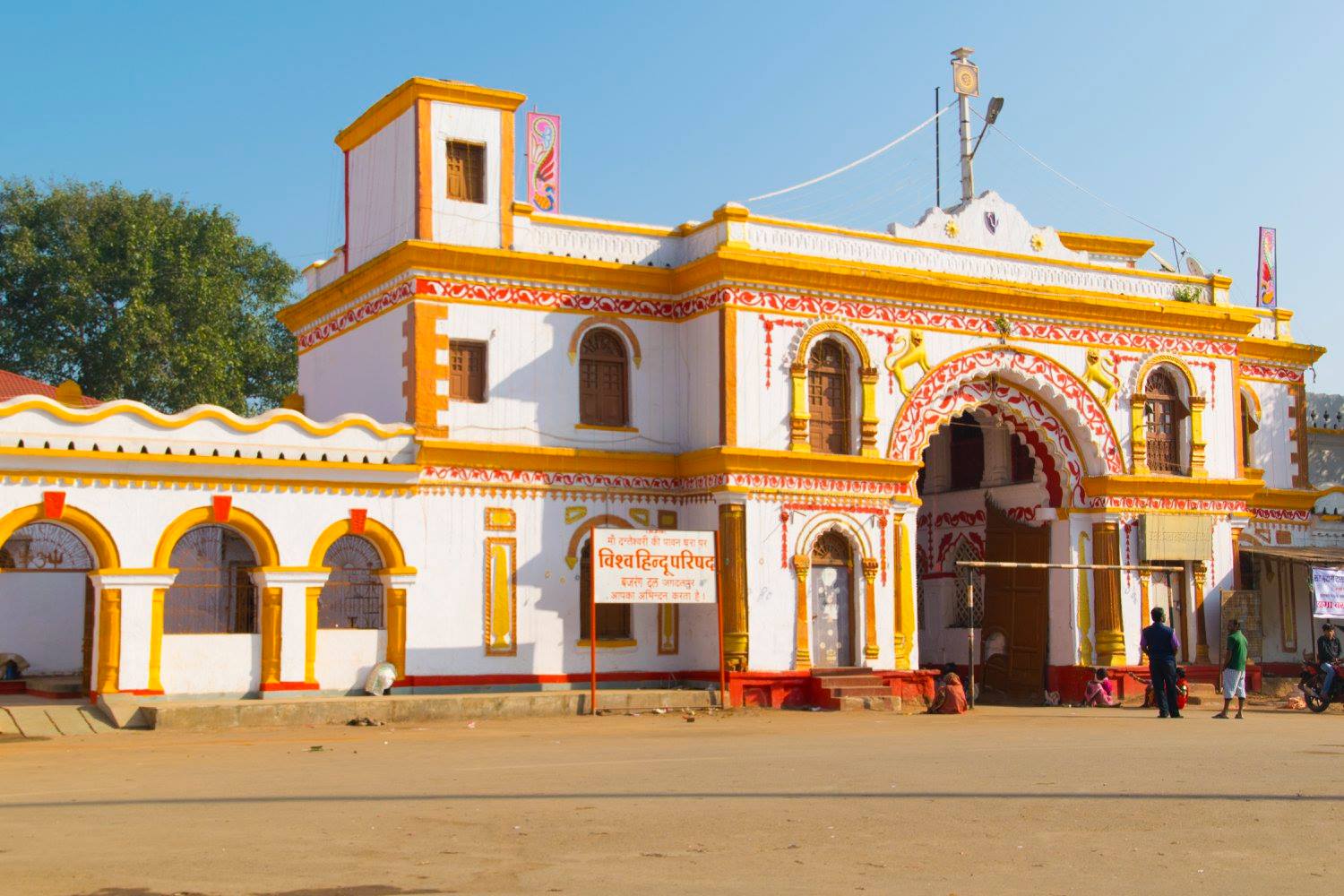
Why Jagdalpur is Perfect for Your Celebration
- Home to Bastar Dussehra — one of India's longest and most unique festivals, spanning 75 days, ideal for cultural gatherings
- Surrounded by Chitrakote Falls, Tirathgarh Falls, and Kanger Valley National Park — dramatic natural backdrops for events
- Rich tribal heritage with Gondi, Halba, and Muria communities offering authentic folk performances and cultural programming
- Relatively uncrowded and unspoiled — ideal for exclusive corporate retreats and leadership offsites seeking genuine privacy
- Autumn season (Sep–Oct) brings lush post-monsoon greenery and comfortable temperatures perfect for outdoor celebrations
- Emerging eco-resort and nature-lodge inventory suited to small-to-medium group stays and immersive team-building experiences
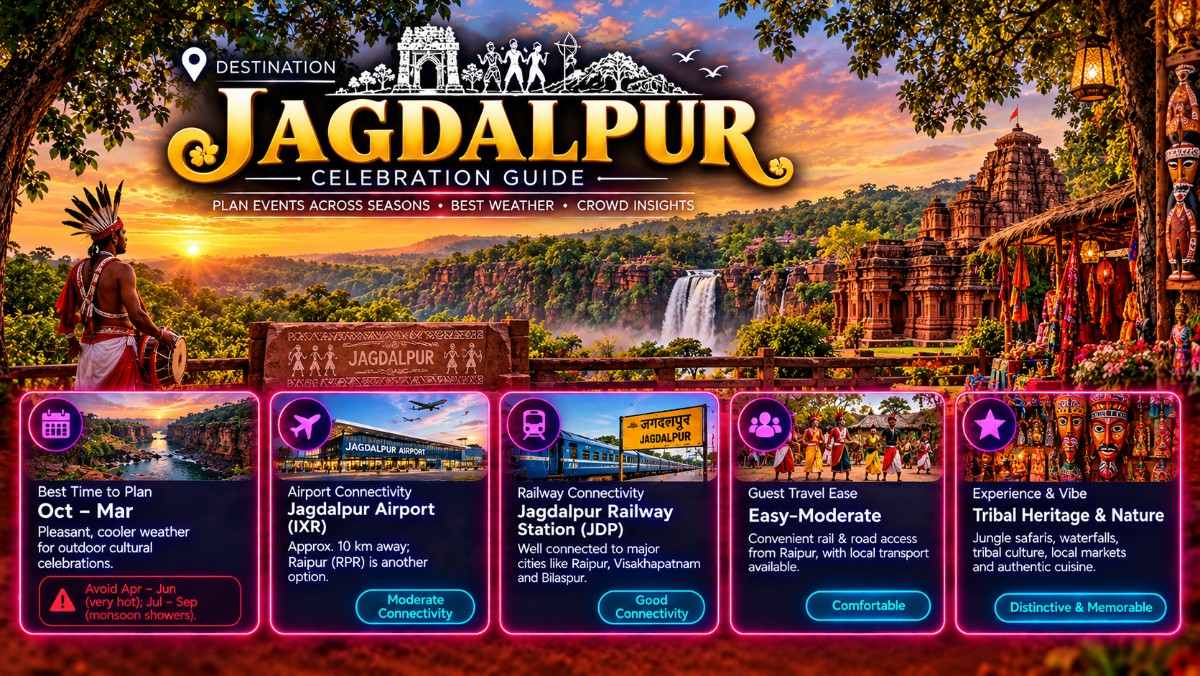
Top Venues in Jagdalpur
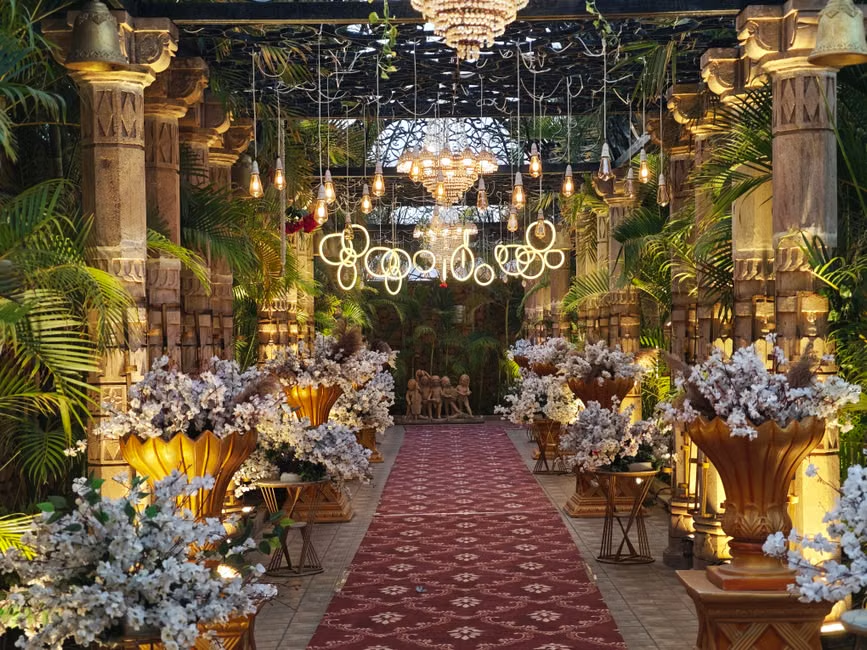
Binaka Heritage
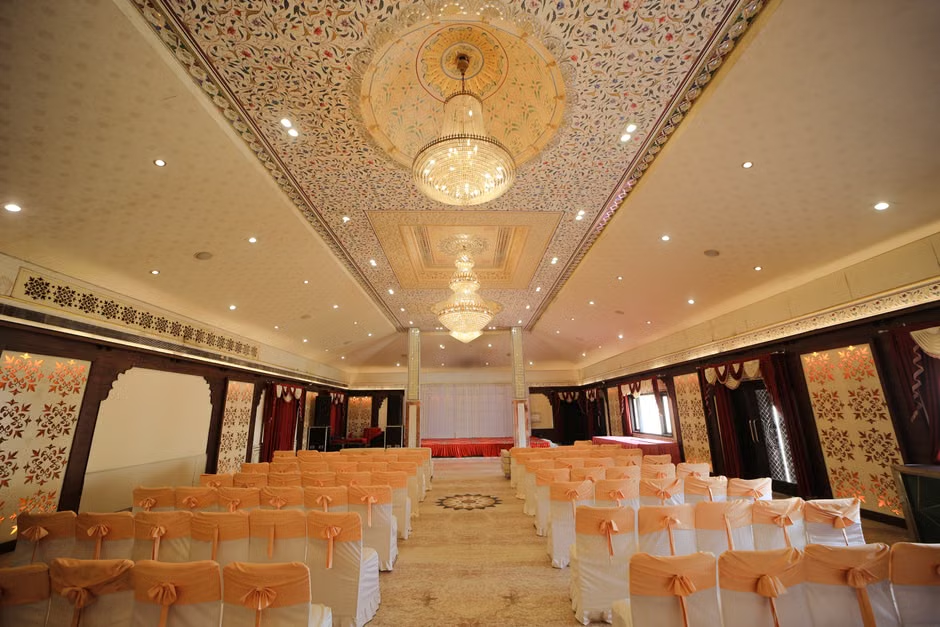
Hotel Avinash International
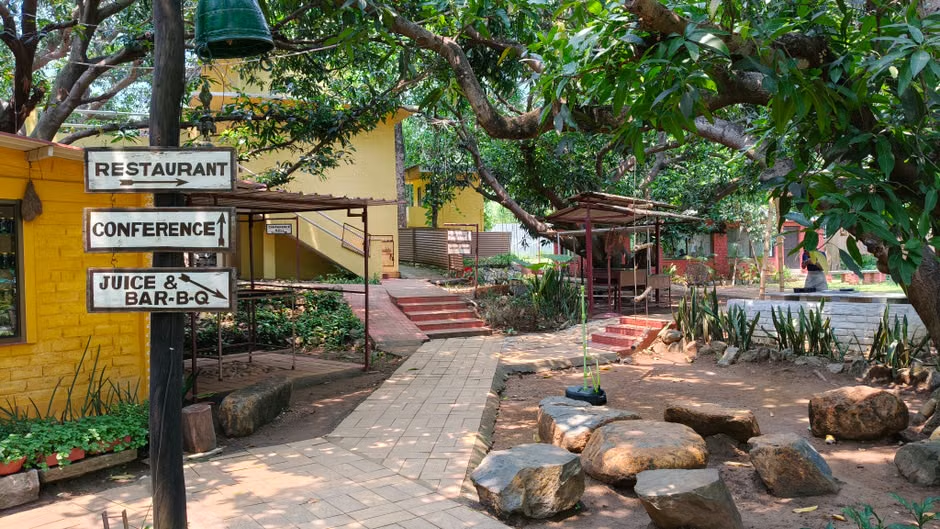
Bastar Jungle Resort
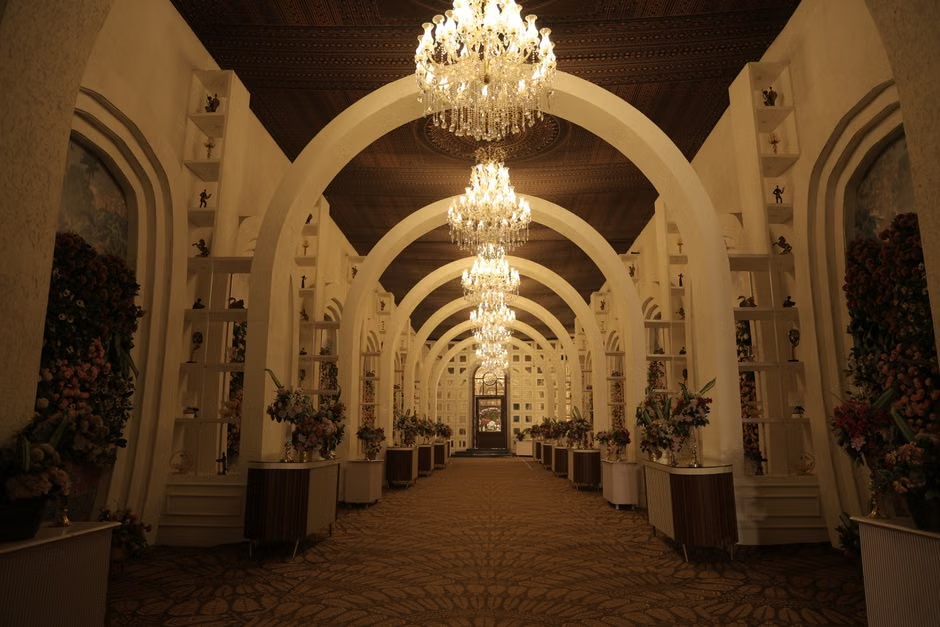
Hotel The Lotus Suites
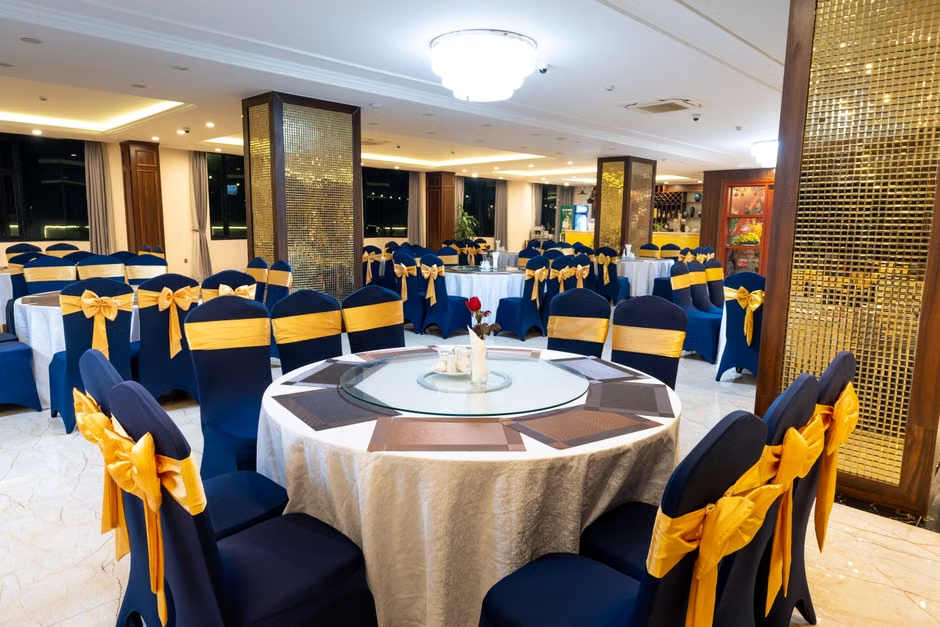
HOTEL MM PRESTIGE
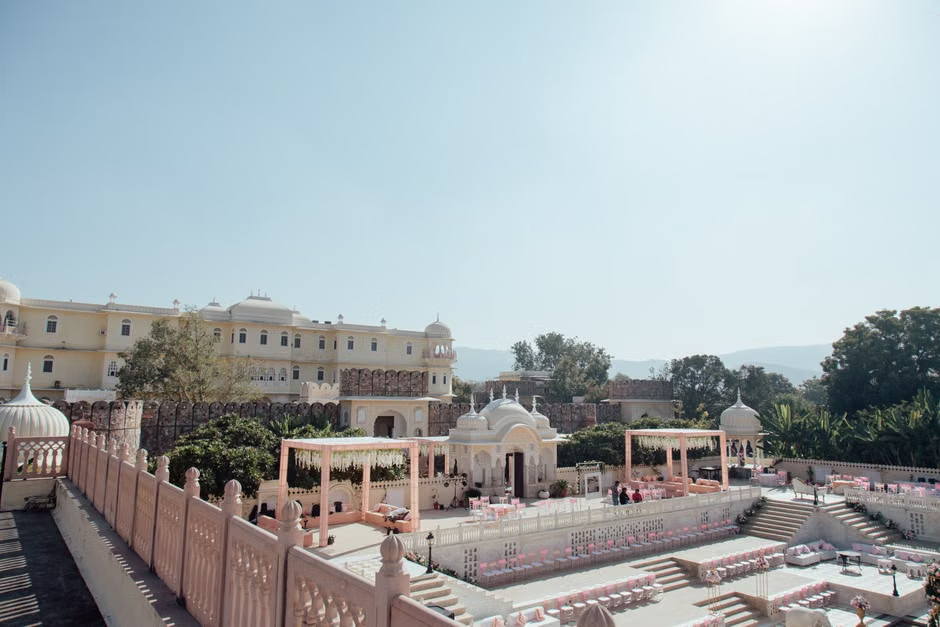
Hotel Pratap palace
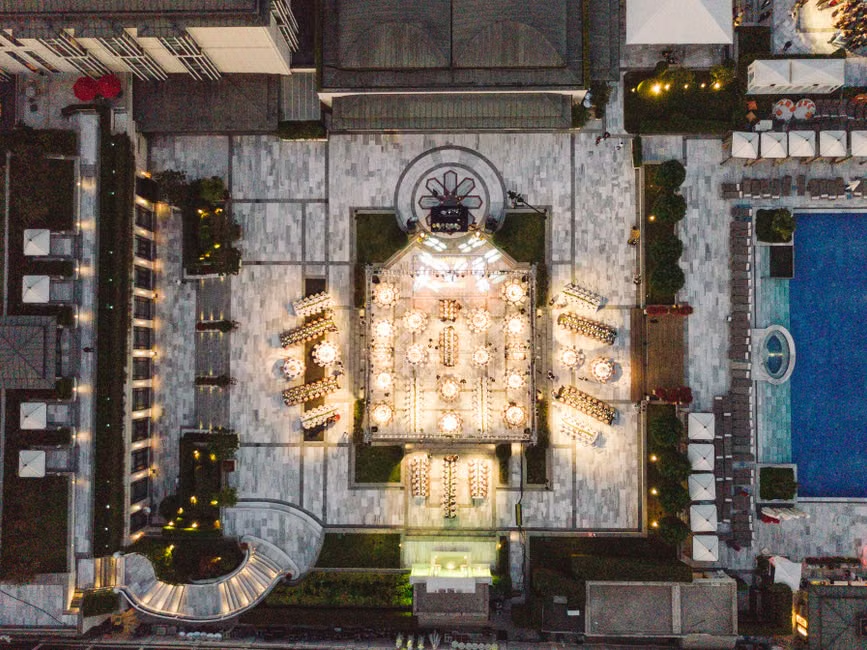
Hotel Grand Ambition
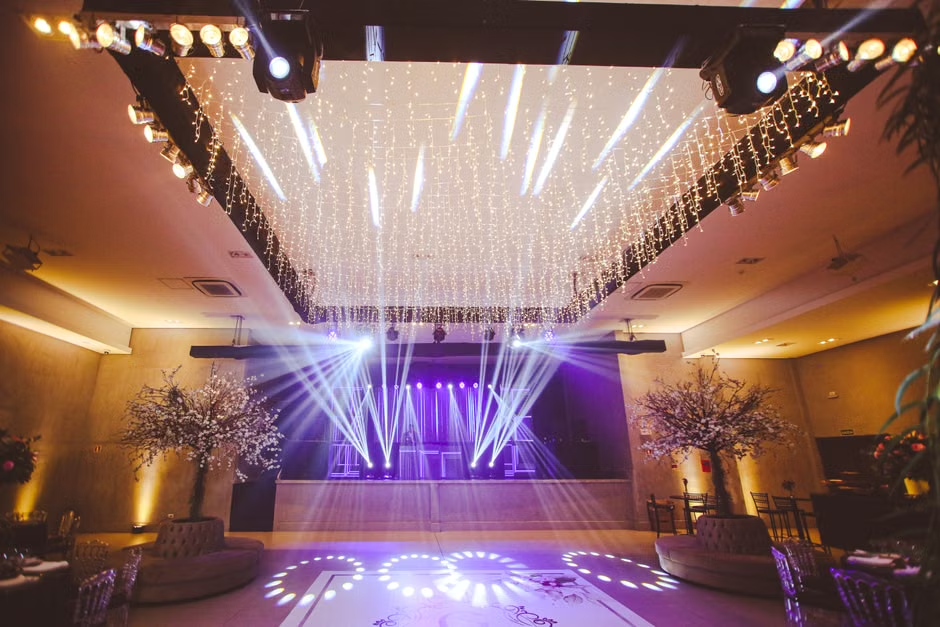
Black bird hotel and restaurant
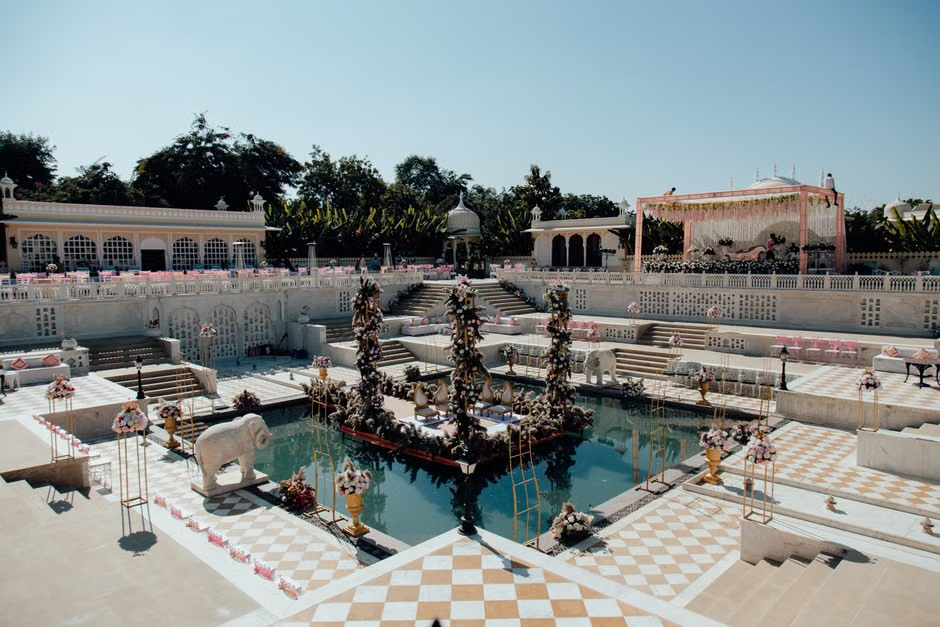
Shagun Farms The Village Resort
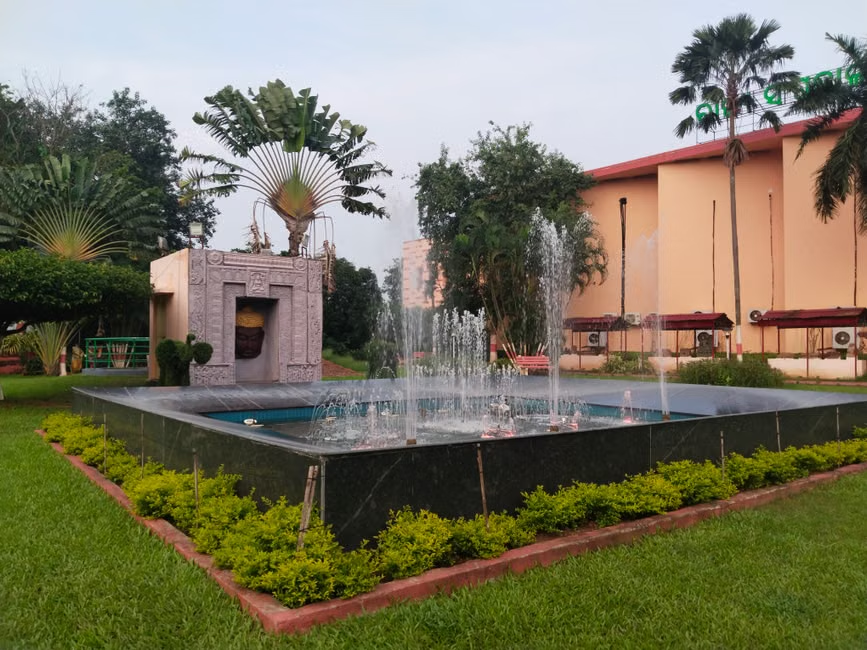
The River Park Resort
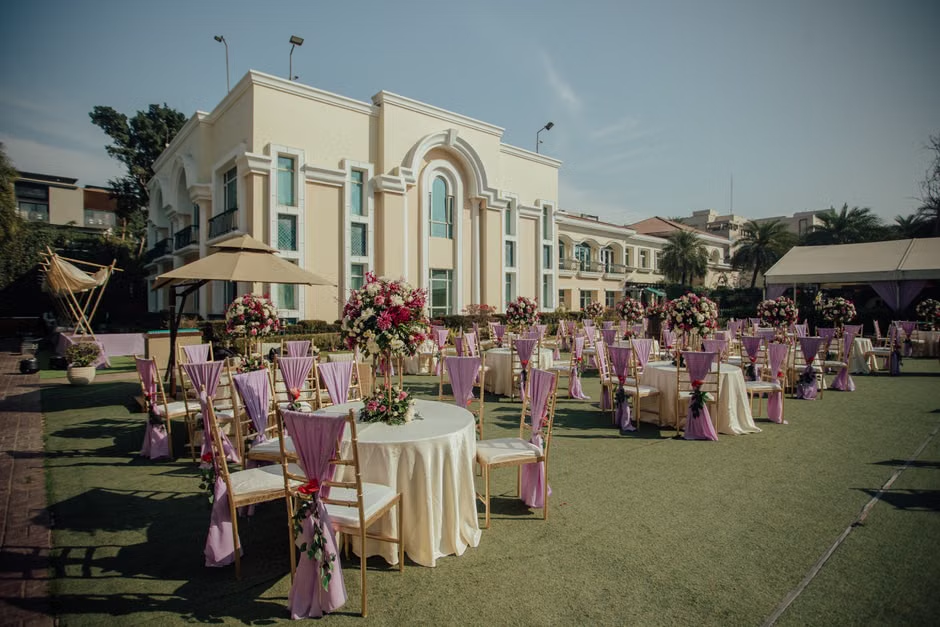
Hotel Soumya sarovar
Compare Jagdalpur with Other Top Destinations
Frequently Asked Questions
Is Jagdalpur a good destination for a Bastar Dussehra gathering or cultural festival event?
Yes — it is the definitive destination for this. Bastar Dussehra is unique to Jagdalpur and the surrounding Bastar region, spanning 75 days with tribal processions, rituals, and community celebrations unlike anything found elsewhere in India. Groups gathering here during September–October can integrate the live festival into their event programming, making it an experience that no other Indian city can replicate.
What size of guest group can Jagdalpur realistically accommodate for an event?
Jagdalpur is best suited to groups of roughly 50–200 guests. The local accommodation inventory — primarily nature resorts, eco lodges, and mid-range hotels — can comfortably host groups within this range, though larger groups may need to be distributed across multiple properties. Very large events above 300 guests would face real capacity constraints and require careful advance planning.
How do guests typically travel to Jagdalpur for an event?
Most guests travel via Raipur (the main Chhattisgarh hub) or Visakhapatnam, connecting onward by flight or road. Jagdalpur Airport (JGB) has limited direct services, so multi-leg journeys are common. The railway station connects to Raipur and Visakhapatnam, with the Visakhapatnam route being a scenic 10–12 hour train journey. Pre-arranged ground transport from the airport or station is strongly recommended for groups.
What is the best time of year to plan a corporate offsite or retreat in Jagdalpur?
Autumn — specifically September and October — is the strongest window. Post-monsoon temperatures are comfortable (around 24°C–30°C), the landscape is at its most lush, waterfalls are at full flow, and Bastar Dussehra adds a unique cultural layer. Winter months (November–February) are an acceptable alternative for indoor-focused events, but miss the peak cultural and scenic conditions.
What kinds of venues and event spaces are available in Jagdalpur?
The venue landscape is defined by nature resorts, eco lodges, jungle camps, and mid-range hotels with banquet facilities — rather than large palace properties or urban convention centres. Most spaces are best suited to smaller, more intimate formats. Outdoor lawns, riverside settings, and tented spaces are common. For festival-format gatherings, open-air community grounds near the city centre are also used.
Can Jagdalpur support a team-building retreat with outdoor activities?
Yes, particularly well. Kanger Valley National Park treks, visits to Chitrakote and Tirathgarh Falls, tribal craft workshops, and nature camp activities provide a genuinely rich menu of team-building experiences. These are physically engaging and culturally meaningful — a strong alternative to conventional team-building formats available in standard city venues.
How mature is the local event vendor and hospitality ecosystem in Jagdalpur?
It is emerging rather than fully mature. Local catering — especially authentic Bastar and tribal cuisine — is a genuine strength. Folk performers and cultural programming vendors are excellent locally. However, large-scale event production (AV, lighting, décor specialists) is limited, and planners often bring key technical vendors from Raipur or larger metros to supplement local talent.
Is internet and mobile connectivity reliable enough for a corporate event in Jagdalpur?
Connectivity is limited, particularly in forested and rural areas around the city. Mobile networks can be patchy, and high-speed internet is not universally available across all properties. Corporate events requiring live video conferencing or real-time data access should verify connectivity at their specific venue well in advance and plan for backup solutions if needed.
What makes Jagdalpur distinctive compared to mainstream Indian event destinations?
Jagdalpur's distinctiveness lies in its living tribal heritage, ancient festival traditions, and dramatic natural landscapes — none of which are replicable elsewhere. It suits groups specifically seeking cultural immersion, offbeat adventure, and genuine privacy rather than conventional luxury amenities. The Bastar Dussehra alone is a once-in-a-lifetime cultural experience that draws event groups from across India.
Are there any safety considerations event planners should be aware of for Jagdalpur?
Jagdalpur city itself is generally considered safe for visitors and event groups. However, the broader Bastar region has historically had security sensitivities in more remote rural areas. Planners should review current government travel advisories at the time of planning and coordinate with local contacts or established hospitality providers who have current, on-the-ground knowledge of conditions.
What local cultural experiences can be incorporated into an event programme in Jagdalpur?
Jagdalpur offers genuinely rich cultural programming options: Gondi and Muria tribal folk dance and music performances, traditional Bastar craft workshops (bell metal, terracotta, bamboo weaving), visits to tribal weekly markets (haats), and guided experiences within Kanger Valley National Park. These can be integrated into corporate offsites, leadership retreats, or cultural gatherings as structured programme elements.

Ready to explore venues in Jagdalpur?
Jagdalpur: Tribal Festival Gatherings, Corporate Retreats & Offbeat Event Venues in Bastar
◆Jagdalpur is best suited to tribal cultural gatherings, folk festival celebrations, and immersive corporate or leadership retreats. Its primary vibe is Adventure & Offbeat — rooted in the Bastar region's extraordinary indigenous heritage, dense sal forests, and spectacular waterfall landscapes. The destination is most practical for small-to-medium groups (typically under 200 guests) given its current accommodation inventory. Autumn (September–October) is the clear peak season, coinciding with the world-famous Bastar Dussehra. Accessibility requires planning — guests typically travel via Raipur or Visakhapatnam before connecting onward — making Jagdalpur a deliberate, destination-first choice rather than a convenient one.
Jagdalpur at a Glance
| Category | Details |
|---|---|
| Best For | Bastar Dussehra Gathering, Tribal Cultural Festival Gathering, Local Folk Festival / Fair, Corporate Offsite |
| Primary Vibe | Adventure & Offbeat |
| Other Vibes | Cultural Immersion, Nature & Wilderness, Indigenous Heritage |
| Best Season | Autumn (September–October) |
Why Choose Jagdalpur?
- Bastar Dussehra as a living event backdrop: The 75-day Bastar Dussehra is one of India's most distinctive festivals, drawing tribal communities from across the region. Hosting a gathering or corporate event during this period gives attendees access to a cultural spectacle that no other Indian city can replicate.
- Dramatic natural scenery: Chitrakote Falls — often called the Niagara of India — Tirathgarh Falls, and the biodiversity of Kanger Valley National Park provide genuinely spectacular outdoor settings for events, team-building activities, and photography.
- Authentic tribal cultural programming: Gondi, Muria, Halba, and Dhurwa tribal communities offer folk dance, music, and craft traditions that can be integrated into event programming in ways that feel genuinely rooted rather than staged.
- Privacy and exclusivity: Jagdalpur's relative remoteness means event groups are rarely competing with large tourist crowds, making it well-suited to exclusive leadership retreats and strategy offsites that benefit from genuine seclusion.
- Emerging eco-lodge and nature-resort inventory: A growing number of nature camps and jungle resorts in and around the Bastar region cater specifically to group stays, with outdoor activity infrastructure suited to team-building formats.
- Cost-effective for immersive experiences: While not a budget destination in the conventional sense, Jagdalpur generally offers strong value relative to the depth of cultural and natural experience it delivers, particularly for groups seeking something beyond a standard hotel-ballroom event.
Which Celebrations Work Best in Jagdalpur?
- Bastar Dussehra Gathering: Jagdalpur is the only place in India where this specific festival unfolds. Groups gathering here during September–October can participate in or witness processions, tribal rituals, and community celebrations that have continued for centuries — making it an unmatched setting for a culturally themed gathering or reunion.
- Tribal Cultural Festival Gathering: The Bastar region's living tribal traditions — from Ghotul community practices to Dhurwa and Muria folk arts — make Jagdalpur a natural host for events designed around indigenous culture, heritage, and community storytelling.
- Local Folk Festival / Fair: Beyond Dussehra, Bastar hosts a calendar of smaller folk fairs and melas throughout the year. Event planners can align group visits with these local events to add authentic cultural texture to a gathering without needing to construct programming from scratch.
- Corporate Offsite: The combination of forest landscapes, waterfall excursions, and tribal cultural experiences gives corporate groups a genuinely differentiated offsite format — one that moves well beyond the standard conference-room-plus-dinner model and creates lasting shared memories.
- Leadership Retreat: Jagdalpur's seclusion and natural environment are well-suited to focused leadership retreats where the goal is deep thinking, strategic clarity, and team cohesion away from urban distractions. The absence of typical city-hotel noise and stimulation is a genuine asset here.
- Team-Building Retreat: Kanger Valley treks, waterfall visits, tribal craft workshops, and nature camp activities provide a rich menu of team-building experiences that are both physically engaging and culturally meaningful — harder to replicate in a conventional city venue.
Venues & Event Spaces
Jagdalpur's event venue landscape is defined primarily by nature resorts, eco lodges, and jungle camps rather than large urban banquet halls or palace properties. Most properties are set within or adjacent to forested areas, offering open-air lawns, riverside settings, and tented event spaces that suit smaller, more intimate group formats. The city itself has a modest selection of mid-range hotels with in-house banquet facilities capable of hosting meetings, dinners, and cultural evenings for groups of up to 100–150 guests.
For larger gatherings — particularly those tied to Bastar Dussehra — community grounds, open-air festival spaces, and government-managed cultural venues in and around the city center are commonly used. These spaces are less polished than purpose-built event venues but offer an authenticity and scale that suits festival-format gatherings well. Outdoor lawns at nature resorts are particularly popular for evening cultural performances, folk music sessions, and bonfire dinners. Groups requiring full conference infrastructure (AV, breakout rooms, high-speed connectivity) should plan carefully, as this level of technical setup is not universally available across all properties and may require advance coordination with local vendors.
Best Time to Celebrate
Autumn (September–October) is the clear optimal window for events in Jagdalpur. The monsoon retreats by late August, leaving the landscape at its most lush and dramatic — waterfalls are at full flow, the forests are intensely green, and temperatures settle into a comfortable 24°C–30°C range that makes outdoor events genuinely pleasant. Critically, this is also the season of Bastar Dussehra, which runs across 75 days and peaks in October, meaning groups visiting during this period have access to a living cultural festival as part of their event experience.
The pre-monsoon months of March through May bring intense heat, regularly exceeding 38°C, which makes outdoor events uncomfortable and logistically challenging. The monsoon months of June through August bring heavy, sustained rainfall across the Bastar region — roads can flood, waterfall access becomes hazardous, and outdoor event formats are largely impractical. The winter months of November through February are cooler and drier, and while they represent an acceptable shoulder season for indoor or semi-outdoor events, they miss the cultural peak of Dussehra and the post-monsoon landscape drama that makes autumn so compelling.
Getting There & Local Connectivity
Jagdalpur is served by Jagdalpur Airport (JGB), located approximately 8–10 km from the city center. Flight connectivity is limited — services typically operate via Raipur, which is the main hub for Chhattisgarh, and schedules can be infrequent. Most guests traveling from major metros will need to connect through Raipur or, from the south, through Visakhapatnam (Andhra Pradesh), before taking an onward flight or road journey to Jagdalpur.
Jagdalpur Railway Station connects the city to Raipur and Visakhapatnam via the Kirandul–Jagdalpur rail line, which passes through some of the most scenic forested terrain in central India. Train journeys from Visakhapatnam take approximately 10–12 hours, making rail a viable option for guests traveling from the east coast. From Raipur, road travel (approximately 300 km) is a common alternative, typically taking 5–6 hours by car.
Once guests arrive in Jagdalpur, local movement for groups is best managed through pre-arranged private vehicles or tempo travellers, as public transport options are limited and not well-suited to coordinating large groups across multiple venues or activity sites. Event planners should factor in dedicated ground transport as a non-negotiable logistics element for any group event here.
Local Vendor & Hospitality Ecosystem
Jagdalpur's hospitality ecosystem is emerging rather than mature by the standards of established Indian event destinations. Local catering vendors can deliver authentic Bastar and Chhattisgarhi cuisine — including tribal food traditions — with genuine quality, and this is often a highlight for event groups seeking a culturally immersive dining experience. However, the range of pan-Indian or international cuisine options is more limited than in larger cities.
Event production vendors — decorators, AV technicians, lighting specialists, and large-scale logistics providers — are available but in smaller numbers than in tier-1 or established tier-2 event cities. For events requiring sophisticated production values, it is common and advisable to bring key vendors from Raipur or even from larger metros, supplementing local talent with external specialists. Folk performers, tribal dance troupes, and cultural programming coordinators, on the other hand, are genuinely strong locally — this is one area where Jagdalpur's vendor ecosystem is a clear asset rather than a limitation. Accommodation capacity across the city and surrounding area is best suited to groups of up to 150–200 guests; larger groups may need to distribute across multiple properties, which adds coordination complexity.
Pros & Things to Consider
Why Jagdalpur Works Well
- Unmatched cultural authenticity — Bastar Dussehra and tribal traditions are genuinely unique to this region
- Spectacular natural backdrops (Chitrakote Falls, Kanger Valley) that require no artificial decoration
- Low crowd density means event groups have a strong sense of exclusivity and privacy
- Tribal cultural programming (folk dance, craft, music) is locally abundant and deeply rooted
- Autumn season delivers ideal weather and peak cultural activity simultaneously
- Strong fit for corporate groups seeking a genuinely differentiated, memorable offsite format
Things to Consider
- Accessibility is genuinely challenging — multi-leg journeys are the norm for most guests, and flight options are limited
- Accommodation inventory is modest; groups above 150–200 guests will face real capacity constraints
- Event production infrastructure (AV, large-scale décor, technical vendors) is limited locally and may need to be sourced externally
- Internet and mobile connectivity can be unreliable in forested and rural areas around the city — a real consideration for corporate events requiring live connectivity
- The destination's offbeat character, while a strength for the right group, may not suit guests expecting conventional luxury hotel amenities
- Security advisories for the broader Bastar region should be reviewed at the time of planning, as conditions can vary
When Jagdalpur May Not Be the Right Fit
- Large-scale weddings or events above 300 guests: The local accommodation and venue inventory is not currently equipped to host very large groups under one roof or within easy proximity — guests would face significant distribution across properties.
- Groups requiring seamless, high-speed digital connectivity: Corporate events that depend on live video conferencing, real-time data access, or reliable high-bandwidth internet throughout the event may find Jagdalpur's connectivity infrastructure insufficient without significant advance preparation.
- Guests with limited travel flexibility or mobility constraints: The multi-leg journey required to reach Jagdalpur — and the relatively rugged terrain around many of the most compelling venues — can be genuinely difficult for guests with mobility limitations or very tight travel schedules.
- Events planned during the monsoon (June–August): Heavy rainfall, flooding risk on roads, and impractical outdoor conditions make this period unsuitable for most event formats, particularly those relying on the natural landscape as a key element.