
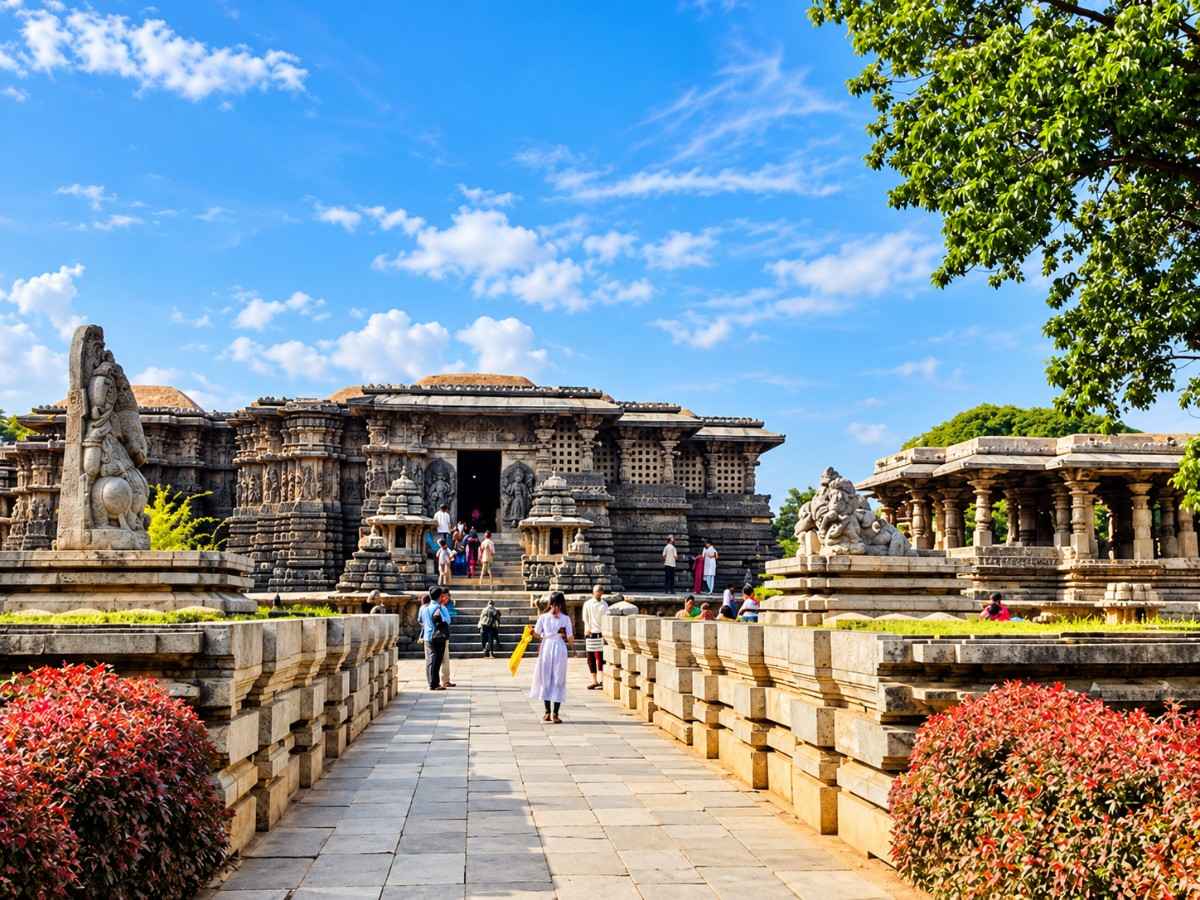
Why Halebidu is Perfect for Your Celebration
- Iconic 12th-century Hoysala temples provide an unmatched heritage backdrop for ceremonies and photography
- Intimate scale of the town naturally suits small, meaningful weddings and family gatherings
- Deep Karnataka cultural identity makes it ideal for Ugadi celebrations and regional cultural festivals
- Cool, dry winters (November–February) create comfortable outdoor event conditions
- Proximity to Hassan town (~30 km) provides logistical support, accommodation, and vendor access
- Rare, off-the-beaten-path character gives destination weddings here a genuinely exclusive, non-commercial feel
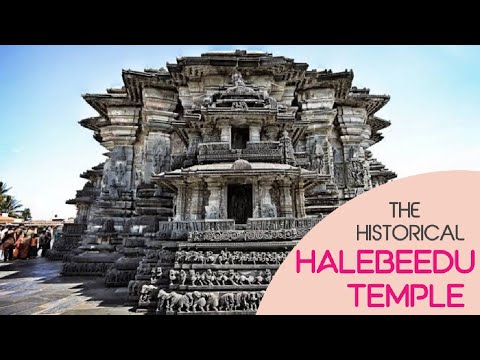
Top Venues in Halebidu
Hotel Mayura Shanthala (KSTDC)
Compare Halebidu with Other Top Destinations
Frequently Asked Questions
Is Halebidu a good destination for a heritage or palace-style wedding?
Yes, it is among the most authentic heritage wedding settings in Karnataka. The 12th-century Hoysala temple complex provides a ceremonial and photographic backdrop rooted in real history rather than recreated grandeur. Couples seeking a genuinely heritage-rooted celebration — rather than a palace hotel that evokes heritage — will find Halebidu particularly compelling. It suits intimate to moderate-sized weddings best.
What guest-group sizes can Halebidu realistically support for a wedding or event?
Halebidu is best suited to intimate to moderate-sized gatherings — typically up to around 100–150 guests. The town's own accommodation is very limited, so larger groups need to be based in Hassan (~30 km away) and transported. Events exceeding 200 guests face meaningful logistical strain across accommodation, catering, and transport coordination.
What is the best time of year to hold a wedding or celebration in Halebidu?
November through February is the strongly recommended window. These winter months bring cool, dry conditions ideal for outdoor ceremonies and evening receptions. March–May sees rising heat; June–September is the Southwest monsoon with heavy, unpredictable rainfall; October is a transitional month with residual showers. Planning outside November–February requires robust weather contingency arrangements.
How do guests typically get to Halebidu?
Most guests travel by road. The nearest railway station is at Hassan (~30 km), connected to Bengaluru and Mysuru. The nearest airports are at Mysuru (~150 km) and Bengaluru (~220 km), both requiring onward road travel of two to five hours. Event planners should arrange coordinated group transport from Hassan for guests arriving by train or road.
Is Halebidu suitable for a Ugadi or Karnataka cultural gathering?
Yes, it is particularly well-suited. Halebidu's Hoysala temples and deep Karnataka cultural identity make Ugadi celebrations feel genuinely rooted rather than staged. The town's spiritual atmosphere and historical significance add meaningful context to regional cultural gatherings, making it one of the more authentic settings in Karnataka for this type of event.
What kinds of event spaces and venues are available in Halebidu?
Halebidu has modest heritage guesthouses and small lodges with limited outdoor spaces. For more formally catered events, planners typically use Hassan-based banquet halls and hotel event spaces, then bring guests to Halebidu for ceremonial and experiential elements. The Hoysala temple precinct is a protected monument and is not available as a private commercial event venue.
Do I need to bring vendors from outside Halebidu for a wedding or event?
Generally, yes. Halebidu's local vendor ecosystem is limited. Decorators, sound and lighting professionals, specialist caterers, and wedding coordinators are typically sourced from Hassan, Mysuru, or Bengaluru and transported to the site. Traditional Karnataka cuisine catering is well-supported from Hassan. Working with a destination wedding coordinator familiar with this corridor is strongly advisable.
Can guests be accommodated in Halebidu itself?
Only a small number of guests can be accommodated in Halebidu directly — the town has very limited rooms. Most guests for a wedding or event are typically based in Hassan (~30 km), which has a reasonable range of mid-market hotels and guesthouses. Organised road transport between Hassan and Halebidu is essential and should be planned well in advance.
Is Halebidu suitable for a small, intimate destination wedding?
Yes, it is one of its strongest use cases. The town's modest scale, quiet atmosphere, and extraordinary heritage setting naturally suit intimate weddings where the focus is on meaning, culture, and a shared experience rather than large-scale production. Guest lists of 30–80 people are particularly well-served by what Halebidu can offer without straining local infrastructure.
What makes Halebidu distinctive compared to other Karnataka wedding destinations?
Halebidu's defining characteristic is its genuine, unmediated connection to Hoysala history and Karnataka's medieval cultural heritage. Unlike destinations where heritage is evoked through hotel design, Halebidu places guests in the actual landscape of a 900-year-old civilisation. This gives celebrations here a depth and authenticity that is rare among Indian destination wedding locations.
Are there local transport options for moving guests around once they arrive?
Public transport between Hassan and Halebidu is limited and not suited to coordinated group movement. Hired cars, tempo travellers, and small coaches are the practical options for group logistics. Roads are generally in reasonable condition but narrow in sections, which affects vehicle size choices. Event planners should arrange and pre-book all guest transport well ahead of the event dates.

Ready to explore venues in Halebidu?
Halebidu: Heritage Wedding & Cultural Event Destination in Karnataka
◆Halebidu is a small, historically significant town in Karnataka's Hassan district, best known for its extraordinarily detailed 12th-century Hoysala temple complex — one of India's finest examples of medieval Deccan architecture. As a celebration destination, it is strongest for intimate weddings, heritage-themed ceremonies, Ugadi and Karnataka cultural gatherings, and small destination weddings where authenticity and cultural depth matter more than large-scale infrastructure. The general season character is cool and dry from November through February, making outdoor events comfortable. Accessibility requires planning — guests typically travel by road from Hassan, Mysuru, or Bengaluru — and the local hospitality ecosystem is modest, suiting smaller, curated guest lists rather than large-format events.
Halebidu at a Glance
| Attribute | Detail |
|---|---|
| Best For | Palace / Heritage Wedding, Ugadi / Karnataka Cultural Gathering, Intimate Wedding, Destination Wedding |
| Primary Vibe | Royal & Heritage |
| Other Vibes | Cultural, Spiritual, Serene, Off-the-beaten-path |
| Best Season | Winter (November–February) |
Why Choose Halebidu?
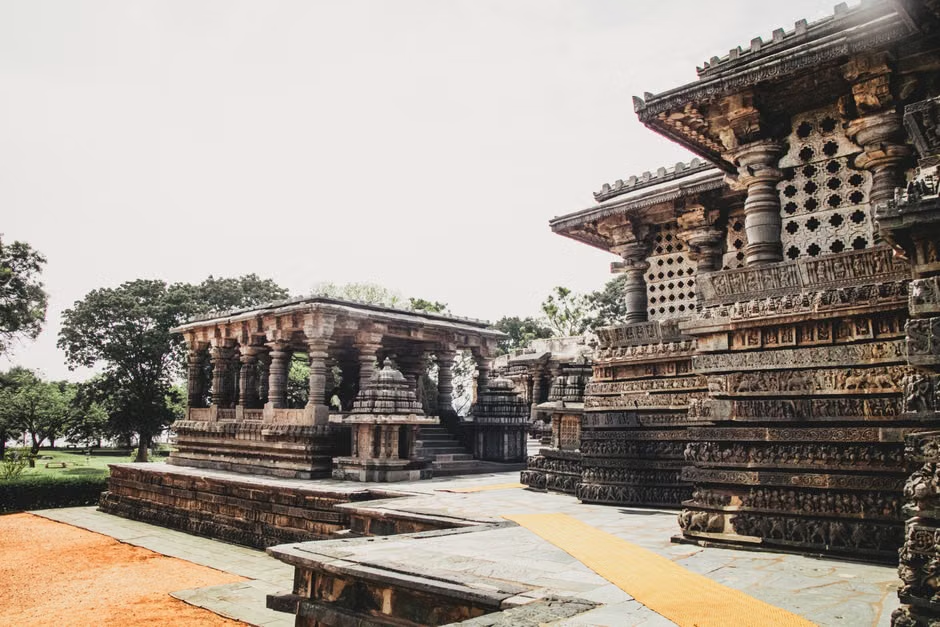
- Unrivalled Hoysala heritage backdrop: The twin temples of Hoysaleswara and Shanthaleswara — covered in thousands of hand-carved friezes — provide a ceremonial and photographic backdrop that no purpose-built wedding venue can replicate. For couples who value architectural grandeur rooted in real history, Halebidu is genuinely singular.
- Authentic Karnataka cultural identity: Unlike commercialised heritage destinations, Halebidu retains a quiet, lived-in cultural character. Ugadi celebrations, regional folk traditions, and Karnataka's classical arts feel natural and unforced here — not staged for tourists.
- Intimate scale by design: The town's modest size and limited accommodation naturally cap guest lists, which is an advantage for couples and families seeking a private, unhurried celebration rather than a large, logistically complex event.
- Proximity to Hassan for logistical support: Hassan town, approximately 30 km away, provides a meaningful support base — accommodation overflow, catering vendors, transport hubs, and a railway connection — making Halebidu more practically viable than its remote appearance suggests.
- Genuinely off-the-beaten-path exclusivity: Very few destination weddings or cultural events are held here, which means a celebration in Halebidu carries a rare, non-commercial character that guests are unlikely to have experienced before.
- Pleasant winter climate for outdoor ceremonies: November through February brings cool temperatures and dry skies, making outdoor mandap setups, garden dinners, and temple-precinct photography genuinely comfortable for guests and vendors alike.
Which Celebrations Work Best in Halebidu?
Palace / Heritage Wedding: The Hoysala temple complex and the town's ancient stone character make heritage-themed weddings feel entirely authentic here. Ceremonies framed against intricately carved temple walls carry a visual and emotional weight that is difficult to manufacture elsewhere. This is Halebidu's single strongest event type.
Ugadi / Karnataka Cultural Gathering: Ugadi — Karnataka's lunar new year — is a celebration deeply tied to regional identity, and Halebidu's cultural and spiritual atmosphere makes it a particularly fitting location for community gatherings, family rituals, and cultural programmes around this festival. The town's Hoysala temples add a sense of historical continuity to the occasion.
Intimate Wedding: Small weddings of 30–100 guests suit Halebidu's scale well. The limited but characterful accommodation, the quiet surroundings, and the absence of commercial noise create the kind of focused, personal atmosphere that intimate weddings require. Guests tend to feel genuinely immersed rather than processed through a large resort machine.
Destination Wedding: For couples willing to plan carefully and embrace a non-mainstream location, Halebidu offers a destination wedding experience that is genuinely distinctive — rooted in one of India's great medieval civilisations. The logistical effort required is real, but the payoff in terms of uniqueness and cultural depth is equally real.
Wedding Reception: A post-wedding reception in Halebidu, particularly one held in the evening with the temple complex illuminated, can be a memorable experience for guests. The setting lends itself to a culturally themed reception with traditional Karnataka music, cuisine, and décor.
Welcome Dinner / Pre-Wedding Celebration: The relaxed, unhurried pace of Halebidu makes it well-suited to a welcome dinner or pre-wedding gathering where guests can explore the temples during the day and come together for a curated evening meal. It sets a tone of cultural immersion from the very start of the celebration.
Cultural Festival Gathering: Beyond Ugadi, Halebidu is a natural setting for any Karnataka-rooted cultural festival — classical Carnatic music performances, Yakshagana theatre, or heritage craft exhibitions feel entirely at home against the Hoysala backdrop.
Temple Festival: The Hoysaleswara temple is an active place of worship, and temple festivals held here carry genuine religious and cultural significance. Families wishing to combine a religious celebration with a heritage experience will find this a meaningful setting.
Local Folk Festival / Fair: The region around Hassan and Halebidu has a living tradition of local folk arts and seasonal fairs. Incorporating these into a celebration programme — or timing an event to coincide with one — adds an authentic layer of Karnataka rural culture.
Diwali Celebration: While Halebidu is not a large-scale Diwali destination, a private Diwali gathering here — with the ancient temples as a backdrop and the quiet of the countryside — can be a deeply atmospheric alternative to a city celebration.
Anniversary Celebration, Vow Renewal / Couple Anniversary: The spiritual and historical weight of the Hoysala temples makes Halebidu a meaningful setting for couples marking significant milestones. A vow renewal ceremony in the precinct of a 900-year-old temple carries a sense of permanence and depth that few other settings can offer.
Religious Family Function, Retirement Celebration, Naming / Family Ceremony: Halebidu's temple environment and Karnataka cultural character make it a fitting backdrop for family-centred religious and life-stage ceremonies, particularly for families with roots in the region or a connection to Hoysala heritage.
Venues & Event Spaces
Halebidu's venue landscape is intentionally modest and should be understood as such before planning begins. The primary event spaces available in and immediately around the town include government-run heritage guesthouses and small lodges, some of which have modest outdoor lawns or open courtyards suitable for intimate gatherings. The temple precinct itself is a UNESCO-nominated protected monument — ceremonies within the immediate temple complex are subject to Archaeological Survey of India regulations and are not available for private commercial events in the conventional sense, though the surrounding environment and approach areas can form a powerful visual context.
For larger or more formally catered events, planners typically look to Hassan town (~30 km) for banquet halls, mid-range hotel event spaces, and catering infrastructure, then transport guests to Halebidu for the ceremonial or experiential portions of the programme. Outdoor lawn setups, traditional mandap arrangements, and open-air dining can be organised with advance planning and vendors brought in from Hassan or Mysuru. The general character of available spaces is heritage and nature-integrated rather than purpose-built luxury resort — couples and planners should approach Halebidu expecting to curate and construct the event environment rather than plug into a ready-made wedding resort package.
Best Time to Celebrate
The curated best season for Halebidu is Winter: November through February. During these months, daytime temperatures are typically comfortable — generally in the low-to-mid 20s Celsius — and evenings are pleasantly cool. Rainfall is minimal, skies are largely clear, and the surrounding landscape is green from the retreating monsoon without the disruption of active rain. These conditions are well-suited to outdoor ceremonies, temple-precinct photography, and evening receptions under open skies.
March and April see temperatures beginning to rise noticeably, and by May the heat becomes genuinely uncomfortable for outdoor events, particularly for guests travelling from cooler climates. June through September brings the Southwest monsoon to Karnataka, with Halebidu receiving meaningful rainfall that makes outdoor setups unreliable and access roads occasionally difficult. October is a transitional month — the retreating monsoon can still produce unpredictable showers, and while conditions improve through the month, November is generally the safer starting point for event planning. In summary, the four winter months offer the most consistently reliable conditions, and planning an event outside this window requires careful contingency planning for weather disruption.
Getting There & Local Connectivity
Halebidu does not have its own airport or railway station. The nearest railway connectivity is at Hassan town, approximately 30 km away, which has rail connections to Bengaluru and Mysuru — making it the most practical arrival hub for guests travelling by train. For guests flying in, the nearest airports are at Mysuru (roughly 150 km) and Kempegowda International Airport in Bengaluru (roughly 220 km), both requiring onward road travel. The road journey from Bengaluru typically takes four to five hours depending on traffic and route; from Mysuru it is generally two to two-and-a-half hours.
Within Halebidu itself, the town is small and walkable around the temple precinct, but guests staying in Hassan or at properties spread across the region will need organised road transport — typically hired cars, tempo travellers, or coaches — for group movement. Event planners should budget for and coordinate guest transport carefully, as public transport options between Hassan and Halebidu are limited and not suited to large groups on a schedule. The roads connecting Hassan to Halebidu are generally in reasonable condition and scenic, but narrow in sections, which affects the size of vehicles that can be used comfortably.
Local Vendor & Hospitality Ecosystem
Halebidu's local vendor ecosystem is limited relative to larger Karnataka wedding destinations. The town itself has very few specialist wedding vendors — florists, decorators, sound and lighting professionals, and catering teams typically need to be sourced from Hassan, Mysuru, or in some cases Bengaluru, and transported to the site. This is entirely manageable with advance planning but adds a logistical layer that planners should account for in their timelines and coordination.
Catering in the region is generally strong for traditional Karnataka cuisine — the local food culture is rich, and vendors from Hassan can deliver authentic regional menus that complement the heritage character of the destination. For more elaborate multi-cuisine or fusion catering, Mysuru or Bengaluru-based vendors are typically engaged. Accommodation for guests is the most significant constraint: Halebidu itself has very limited rooms, and most guests will need to be accommodated in Hassan, with transport arranged to and from Halebidu for event activities. Hassan has a reasonable range of mid-market hotels and guesthouses that can collectively handle a moderate-sized guest group.
The hospitality character of the region is warm and genuinely hospitable in the Karnataka tradition, but it is not a polished, event-industry-mature ecosystem in the way that Mysuru or Bengaluru is. Couples and planners who work with experienced destination wedding coordinators familiar with the Hassan-Halebidu corridor will find the process significantly smoother than attempting to source everything locally from scratch.
Pros & Things to Consider
Why Halebidu Works Well
- Genuinely unique heritage setting — the Hoysala temple complex is among the finest medieval architectural achievements in India and provides an unmatched ceremonial backdrop
- Intimate scale naturally suits small, meaningful celebrations without the impersonal feel of large resort complexes
- Deep Karnataka cultural identity makes regional festivals, Ugadi gatherings, and traditional ceremonies feel entirely authentic
- Cool, dry winter climate (November–February) is well-suited to outdoor events and guest comfort
- Off-the-beaten-path character gives events here a rare, non-commercial exclusivity
- Hassan town nearby provides a practical logistical base without requiring everything to be sourced from a distant city
Things to Consider
- Guest travel requires significant planning — there is no direct flight connectivity, and road journeys from major cities are long; guests with limited mobility or tight schedules may find the journey taxing
- Accommodation capacity in Halebidu itself is very limited; most guests will need to stay in Hassan and be transported, which adds coordination complexity and cost
- The local vendor ecosystem is not mature — decorators, sound/lighting, and specialist wedding vendors must generally be brought in from Hassan, Mysuru, or Bengaluru
- The Hoysala temple complex is a protected monument; event activities within the immediate precinct are subject to ASI regulations and cannot be treated as a freely bookable private venue
- Not suited to large guest lists — the local infrastructure comfortably supports intimate to moderate-sized events; very large weddings (300+ guests) would face significant logistical strain
- Monsoon season (June–September) makes outdoor events genuinely impractical and should be avoided for any outdoor-dependent celebration
When Halebidu May Not Be the Right Fit
- Large guest lists (200+ guests): The local accommodation and venue infrastructure is not designed for large-scale events. Guests would be spread across Hassan and potentially further afield, making group cohesion and logistics genuinely difficult to manage well.
- Guests with limited travel flexibility: The absence of nearby airport connectivity and the long road journeys involved mean that guests who cannot easily manage multi-hour road travel — elderly guests, those with young children, or international guests on tight itineraries — may find the journey to Halebidu disproportionately demanding.
- Monsoon-season events: Any celebration that depends on outdoor settings — which is most of what makes Halebidu special — is poorly served by the June–September monsoon period. The heritage temples and surrounding landscape lose much of their event-practical appeal when rain is unpredictable and access roads can be affected.
- Couples seeking a full-service luxury resort experience: Halebidu does not currently have a large luxury resort with in-house wedding planning, multiple banquet halls, and a full vendor ecosystem on-site. Couples whose vision centres on a seamless, resort-managed wedding package will find the destination requires more independent coordination than they may prefer.