
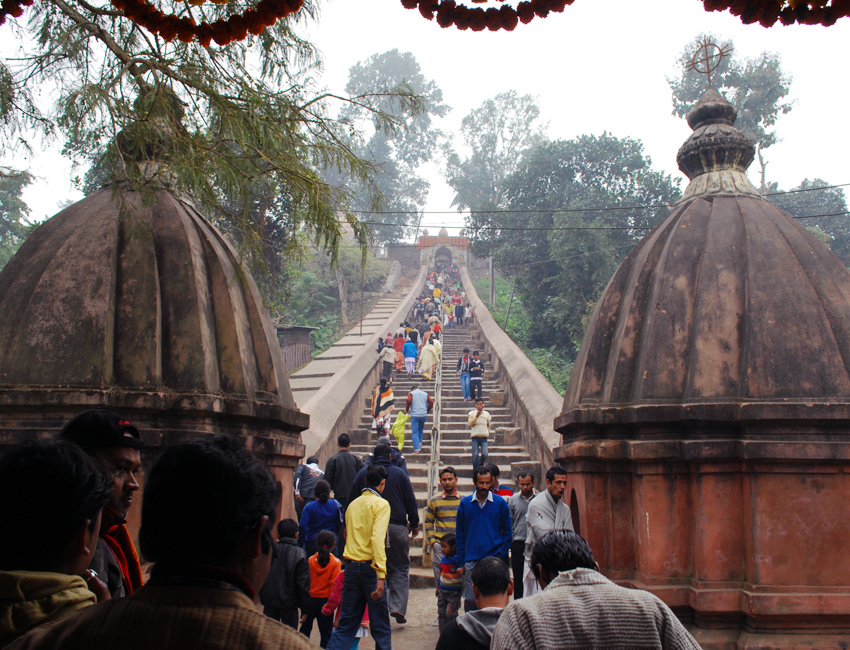
Why Hajo is Perfect for Your Celebration
- One of India's rare interfaith sacred towns — Hindu, Muslim, and Buddhist sites within walking distance of each other
- Hayagriva Madhava Temple and Poa Mecca shrine draw pilgrims year-round, making spiritual and pilgrimage-linked gatherings deeply authentic here
- Bihu celebrations in Assam are most culturally resonant in small, community-rooted towns like Hajo
- Compact, intimate scale suits close-knit family and community gatherings rather than large impersonal events
- Proximity to Guwahati (Assam's largest city) gives access to a broader hospitality and vendor ecosystem for event support
- Winter months offer genuinely pleasant, dry weather — rare in this otherwise humid, monsoon-heavy region
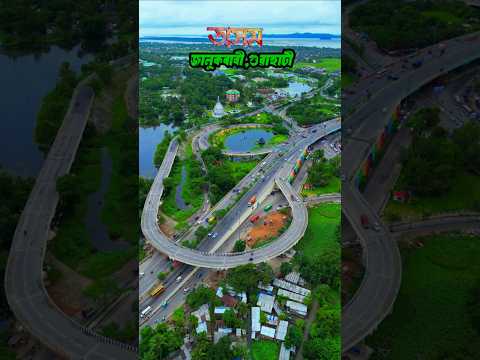
Compare Hajo with Other Top Destinations
Frequently Asked Questions
Is Hajo a good destination for a Bihu celebration or cultural gathering?
Yes. Hajo is particularly well-suited to Bihu celebrations and cultural gatherings rooted in Assamese tradition. The town's community-oriented character means Bihu folk music, dance, and seasonal customs are experienced as a living tradition rather than a staged performance. Families and organisations looking for an authentically Assamese setting for Bihu events will find Hajo more resonant than larger, more commercialised cities.
What makes Hajo suitable for spiritual or pilgrimage gatherings?
Hajo is one of India's rare interfaith pilgrimage towns, where a major Hindu temple, a significant Muslim shrine, and Buddhist heritage sites coexist within a compact area. This makes it a naturally meaningful anchor for pilgrimage-linked family or community gatherings. Groups can combine darshan or religious observance with a structured group event, giving the occasion a spiritual depth that purpose-built event venues cannot replicate.
What is the best time of year to hold an event in Hajo?
Winter — November through February — is the only season that reliably supports events in Hajo. This period brings mild temperatures, low humidity, and minimal rainfall, making outdoor gatherings and travel comfortable. The monsoon (June–September) brings heavy rainfall and potential flooding, while March–May sees rising heat and humidity. The usable event window is genuinely narrow, so early planning and date confirmation are important.
How do guests travel to Hajo, and how long does it take?
Guests reach Hajo via Guwahati, which has a major international airport and one of Northeast India's principal railway stations. From Guwahati, Hajo is accessible by road in under an hour under normal conditions. There is no direct rail or air access to Hajo itself, so group transport — typically chartered vehicles or buses from Guwahati — should be arranged in advance as part of the event logistics.
What size of gathering can Hajo realistically support?
Hajo is best suited to intimate to mid-sized gatherings — typically up to a few hundred guests. The town's event spaces are primarily temple grounds, community halls, and open-air riverside areas rather than purpose-built banquet facilities. For larger guest lists, the practical approach is to base accommodation and main event functions in Guwahati and use Hajo for the spiritual or ceremonial component of the programme.
Where do guests stay when attending an event in Hajo?
Accommodation within Hajo is limited to small guesthouses and pilgrim rest houses, which suit individual travellers or very small groups. For events with a significant guest list, accommodation should be arranged in Guwahati, with organised transport to Hajo for the event itself. This two-location approach is the standard practical model for events based in Hajo.
Are there local vendors and caterers available for events in Hajo?
Hajo's own vendor ecosystem is limited. Specialist event caterers, decorators, and audio-visual professionals are not based in the town itself and need to be sourced from Guwahati. The key logistical consideration is coordinating vendor movement between Guwahati and Hajo on event day. For the spiritual or ritual component of events, however, local temple priests and authorities are experienced in facilitating group ceremonies and can be engaged directly.
Is Hajo suitable for a temple festival or religious family function?
Yes. Hajo's active temple calendar — particularly around the Hayagriva Madhava Temple — makes it a meaningful setting for temple festival gatherings and religious family functions. Families can time events to coincide with significant temple festival dates, adding shared spiritual meaning. Local priests are experienced in facilitating group rituals, and the sacred atmosphere of the town itself lends authenticity to religious occasions.
What should event planners know about organising at a religious site like Hajo?
Hajo is an active pilgrimage destination, not a commercial event venue. Planners should obtain permissions from temple authorities and local municipal bodies well in advance. Noise levels, event timing relative to prayer schedules, and the need to respect the sacred character of the space are genuine planning considerations. Events that align with rather than disrupt the town's religious rhythm tend to be received most positively by the local community.
How reliable is internet and digital connectivity in Hajo?
Connectivity within Hajo is limited compared to Guwahati. Mobile data coverage exists but is not consistently strong, and dedicated high-speed internet for event purposes cannot be assumed. Events that require live-streaming, digital registration systems, or sophisticated audio-visual setups should either plan for connectivity solutions brought in from outside or consider hosting the main event in a better-connected venue in Guwahati.
Is Hajo a good fit for a community gathering or local folk festival event?
Yes. Hajo's small-town, community-rooted character makes it genuinely well-suited to community gatherings and folk festival events. The town's Assamese cultural identity is intact and participatory — local folk traditions, community fairs, and seasonal celebrations are real community occasions rather than tourist-facing productions. Groups wishing to engage with living Assamese folk culture will find Hajo more authentic than larger urban settings.

Ready to explore venues in Hajo?
Hajo: Interfaith Spiritual Gatherings, Temple Festivals & Cultural Celebrations
◆Hajo is a small, historically significant pilgrimage town in Assam, best suited to spiritual gatherings, temple festivals, Bihu celebrations, and culturally rooted community events. Its primary vibe is Spiritual & Soulful — shaped by the rare coexistence of Hindu, Muslim, and Buddhist sacred sites within a compact area. The destination suits intimate to mid-sized gatherings rather than large-scale weddings or corporate conferences. Winter (November–February) is the only genuinely comfortable season for events. Guests typically access Hajo via Guwahati, which is roughly 30 km away and offers the region's main airport and railway connectivity. Accommodation and vendor infrastructure are limited within Hajo itself, so most event logistics draw on Guwahati's broader ecosystem.
Hajo at a Glance
| Attribute | Detail |
|---|---|
| Best For | Bihu Celebration, Spiritual / Pilgrimage Gathering, Temple Festival, Cultural Festival Gathering |
| Primary Vibe | Spiritual & Soulful |
| Other Vibes | Community-rooted, Heritage, Riverside Calm |
| Best Season | Winter (November–February) |
Why Choose Hajo?
- Rare interfaith sacred geography: Hajo is one of very few places in India where a major Hindu temple (Hayagriva Madhava), a significant Muslim shrine (Poa Mecca, believed by local tradition to hold a fraction of Mecca's sanctity), and Buddhist heritage sites exist in close proximity — giving spiritual and pilgrimage gatherings an authenticity that purpose-built event venues simply cannot replicate.
- Deeply rooted Bihu culture: Assam's Bihu festival is not a tourist performance in Hajo — it is a living community celebration. Organising a Bihu-linked event here connects guests to the festival's genuine folk music, dance, and seasonal traditions in a way that larger, more commercialised cities cannot match.
- Intimate, community-scale setting: Hajo's compact geography and small-town character make it naturally suited to close-knit family gatherings, religious family functions, naming ceremonies, and community events where personal atmosphere matters more than grand scale.
- Proximity to Guwahati's infrastructure: While Hajo itself has limited hospitality infrastructure, its proximity to Guwahati means guests can stay in a wider range of accommodation options and event planners can draw on a mature vendor ecosystem — caterers, decorators, sound and lighting professionals — from Assam's largest city.
- Riverside and natural setting: Hajo sits near the Brahmaputra river system, and its elevated temple sites offer scenic, naturally beautiful backdrops for outdoor rituals, photography, and open-air gatherings during the winter months.
- Relatively uncrowded for private events: Unlike major pilgrimage cities that attract enormous tourist footfall year-round, Hajo remains comparatively quiet outside major festival dates, giving private event groups a more exclusive, undisturbed experience.
Which Celebrations Work Best in Hajo?
- Bihu Celebration: Hajo is an ideal setting for Bihu-themed gatherings. The town's Assamese cultural identity is intact and unselfconscious — folk performances, traditional food, and community participation feel genuine rather than staged. Families and organisations looking to celebrate Bihu in an authentically Assamese environment will find Hajo particularly resonant.
- Spiritual / Pilgrimage Gathering: The town's multi-faith sacred sites make it a natural anchor for pilgrimage-linked family or community gatherings. Groups travelling together for darshan at the Hayagriva Madhava Temple or visiting the Poa Mecca shrine can combine their spiritual purpose with a structured group event in the same location.
- Temple Festival: Hajo's temple calendar — particularly around the Hayagriva Madhava Temple — draws devotees for specific festival dates. Organising a family or community celebration timed to coincide with a temple festival adds a layer of shared spiritual meaning that is difficult to replicate elsewhere.
- Cultural Festival Gathering: Beyond Bihu, Hajo's broader Assamese cultural heritage — its folk traditions, local crafts, and community rituals — provides a rich backdrop for cultural festival gatherings that want to go beyond generic event décor and engage with a living regional culture.
- Local Folk Festival / Fair: The town's community fairs and local folk events are genuine grassroots occasions. Groups wishing to participate in or organise events alongside these local celebrations will find a welcoming, participatory community atmosphere.
- Religious Family Function: Hajo's sacred character makes it a meaningful location for religious family functions — thread ceremonies, annaprashan (first rice-feeding), and similar rites of passage — where the spiritual setting itself adds significance to the occasion.
Venues & Event Spaces
Hajo's venue landscape is modest and primarily community-oriented rather than purpose-built for large events. Within the town itself, event spaces typically include temple premises and their associated open grounds, community halls, and riverside open-air areas that can be arranged for gatherings during the dry winter months. These spaces are best suited to small-to-medium gatherings — typically up to a few hundred guests — where the sacred or natural setting is itself the draw rather than a luxury venue infrastructure.
For groups requiring more structured hospitality — banquet halls with catering facilities, air-conditioned indoor spaces, or accommodation for a larger guest list — the practical approach is to base the event in Guwahati and make Hajo a day-visit or ceremonial destination for the spiritual or cultural component. Guwahati offers a broader range of hotel banquet halls, resort lawns, and event venues that can support larger gatherings while keeping Hajo's sacred sites accessible for the core ritual or pilgrimage element of the programme.
Outdoor lawns and open grounds near the temple complexes can be arranged for folk performances, community meals, and cultural programmes during winter, when the weather is reliably dry and comfortable. Event planners should confirm permissions with local temple authorities and municipal bodies well in advance, as these are active religious sites rather than commercial event venues.
Best Time to Celebrate
Winter (November–February) is the only season that reliably supports outdoor events in Hajo. Temperatures during this period are typically mild and comfortable, humidity drops significantly compared to the rest of the year, and rainfall is minimal. This makes open-air gatherings, outdoor folk performances, and riverside ceremonies genuinely practical. The clear skies and cooler air also make travel more comfortable for guests arriving from other parts of India.
The monsoon season (roughly June through September) brings heavy, sustained rainfall to Assam — among the highest rainfall levels of any region in India. Outdoor events during this period are essentially impractical, and flooding can affect road access to smaller towns like Hajo. The pre-monsoon months of March through May see rising heat and humidity that, while not as extreme as in parts of northern or central India, make large outdoor gatherings uncomfortable and logistically challenging. October is a transitional month — conditions improve toward the end, but early October can still carry residual monsoon humidity. February remains pleasant, and early March can still be acceptable for indoor or partially covered events, but the window narrows quickly after that.
Getting There & Local Connectivity
Hajo is accessible primarily through Guwahati, which serves as the regional gateway. Guwahati's Lokpriya Gopinath Bordoloi International Airport connects to major Indian cities including Delhi, Mumbai, Kolkata, Chennai, and Bengaluru, as well as some international destinations. Guwahati Railway Station is one of the major rail hubs of Northeast India, with direct or well-connected services to most large Indian cities. From Guwahati, Hajo is reachable by road — the journey typically takes under an hour under normal traffic conditions, making it a practical day-trip or short-transfer destination for guests based in Guwahati.
Within Hajo itself, local transport options are limited. The town is small enough that the main sacred sites are accessible on foot or by short auto-rickshaw rides, but for a group of guests, coordinating private vehicles or chartered buses from Guwahati is the most reliable approach. There is no significant local taxi aggregator presence within Hajo, so group transport logistics should be arranged in advance through Guwahati-based operators. Road conditions between Guwahati and Hajo are generally reasonable but can be affected by monsoon damage in the wet season — another reason the winter window is strongly preferred for events.
Local Vendor & Hospitality Ecosystem
Hajo's own vendor ecosystem is limited in scale. The town does not have a developed event-industry infrastructure — specialist wedding decorators, large-scale catering operations, professional sound and lighting companies, or event management firms are not based in Hajo itself. For any event beyond a small, self-contained community gathering, planners should expect to source most vendors from Guwahati.
Guwahati's vendor market is reasonably mature for a regional city — caterers experienced in Assamese cuisine and multi-cuisine menus, decorators familiar with both traditional and contemporary event aesthetics, and audio-visual professionals are available. The key logistical consideration is coordinating the movement of vendors, equipment, and supplies between Guwahati and Hajo on event day, which requires careful scheduling given the road transfer involved.
Local hospitality within Hajo is warm and community-oriented. Smaller guesthouses and dharamshalas (pilgrim rest houses) exist near the temple complexes and are suitable for small groups or individual pilgrims, but they are not equipped for large event guest lists. Accommodation for a significant number of guests should be arranged in Guwahati, with transport to Hajo organised as part of the event programme.
For events with a strong spiritual or religious character — particularly those involving temple rituals or pilgrimage components — local priests and temple authorities are experienced in facilitating group ceremonies and can be engaged directly. This is one area where Hajo's local ecosystem is genuinely strong and does not require importing expertise from outside.
Pros & Things to Consider
Why Hajo Works Well
- Authentic interfaith sacred setting that cannot be replicated by a purpose-built venue
- Genuinely community-rooted Bihu and folk festival culture — not a tourist performance
- Compact, intimate scale creates a personal, unhurried atmosphere for small gatherings
- Proximity to Guwahati provides access to a broader hospitality and vendor ecosystem without requiring guests to travel to a remote location
- Winter weather is reliably pleasant and dry — a genuine advantage in a region known for heavy monsoon rainfall
- Temple authorities and local priests are experienced in facilitating group spiritual ceremonies
Things to Consider
- Very limited accommodation within Hajo itself — most guests will need to stay in Guwahati and travel to Hajo for the event, adding a logistical layer
- No purpose-built large event venues within the town — the destination suits intimate gatherings, not large-scale weddings or conferences
- Vendor ecosystem for events is thin locally; almost all specialist suppliers must be sourced from Guwahati and transported in
- The usable event season is narrow — effectively four months — and the monsoon period is genuinely disruptive to access and outdoor plans
- Hajo is an active religious site, not a commercial event destination — noise restrictions, timing sensitivities around prayer times, and the need to respect the sacred character of the space are real planning considerations
- Digital connectivity within Hajo is limited compared to Guwahati — guests and planners should not assume reliable high-speed internet for live-streaming or digital event management on-site
When Hajo May Not Be the Right Fit
- Large-scale weddings requiring 500+ guests: Hajo does not have the venue infrastructure or accommodation capacity to support large wedding guest lists within the town itself. A destination with purpose-built banquet halls and resort accommodation would serve such events better.
- Events planned during the monsoon (June–September): Heavy, sustained rainfall makes outdoor events impractical and can affect road access. If the event date falls in this window, a different destination or a fully indoor venue in a better-connected city would be a more reliable choice.
- Guests requiring seamless, high-comfort travel: Hajo involves a road transfer from Guwahati with no direct rail or air access to the town itself. For elderly guests or large groups with complex mobility needs, a destination with direct hotel-to-venue access would be more comfortable.
- Corporate events requiring strong digital infrastructure: Connectivity within Hajo is limited. Events that depend on reliable high-speed internet, live-streaming, or sophisticated audio-visual setups would be better served by a venue in Guwahati or another well-connected city.