
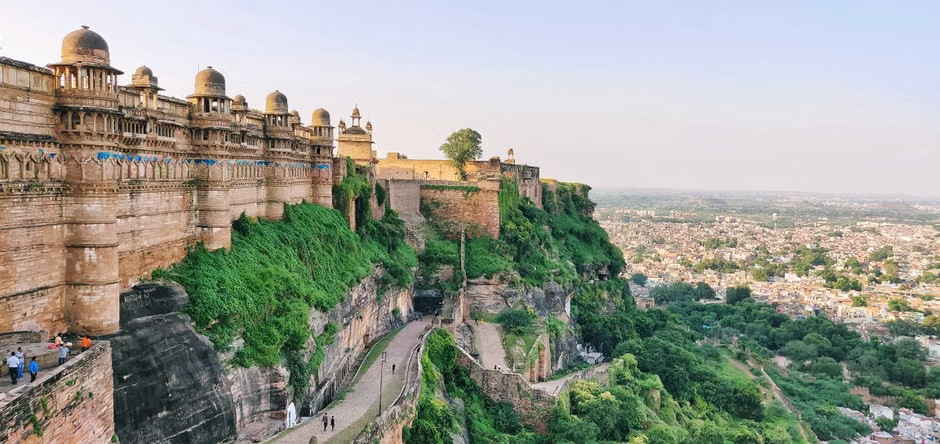
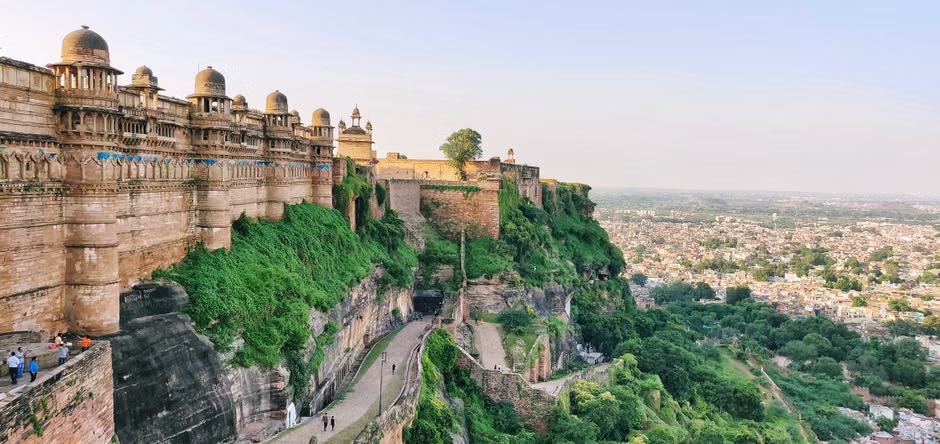
Why Gwalior is Perfect for Your Celebration
- Gwalior Fort — one of India's grandest hilltop forts — provides an unmatched monumental backdrop for heritage weddings and cultural events
- Strong Scindia royal legacy with palace properties that lend authentic regal character to celebrations
- Gwalior Junction is a major railway hub on the Delhi–Mumbai and Delhi–Chennai trunk routes, making guest travel straightforward from most of India
- Cool, dry winters (November–February) create near-perfect outdoor event conditions with minimal weather risk
- A growing local vendor ecosystem covering catering, décor, and event management with experience in large-format heritage events
- Tansen Music Festival and other cultural gatherings make the city a natural fit for folk, classical, and cultural celebration formats
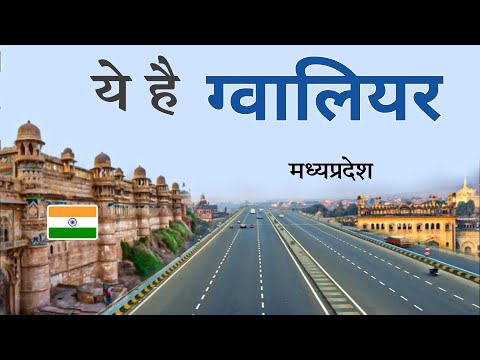
Top Venues in Gwalior
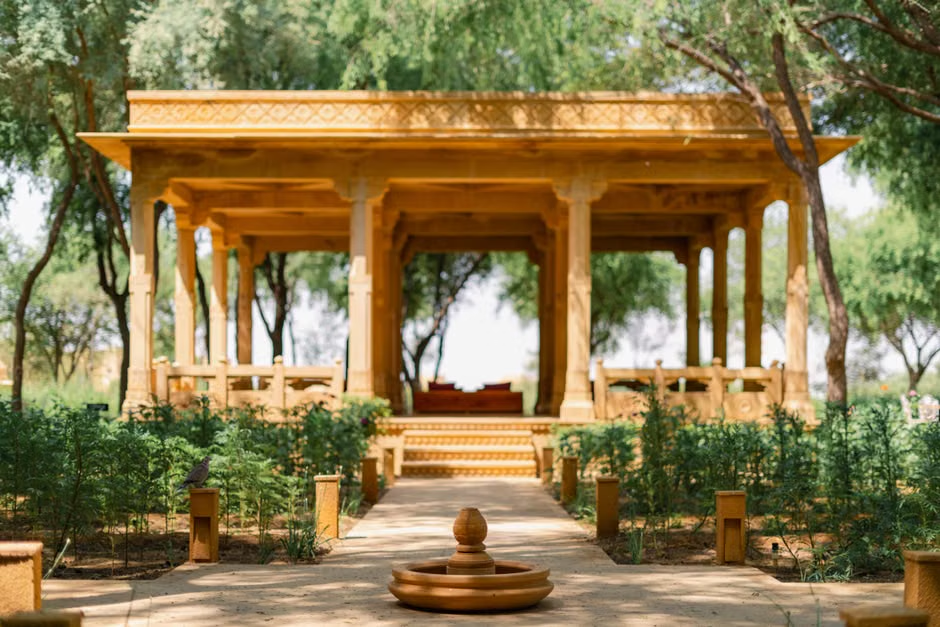
Taj Usha Kiran Palace
Radisson Hotel Gwalior
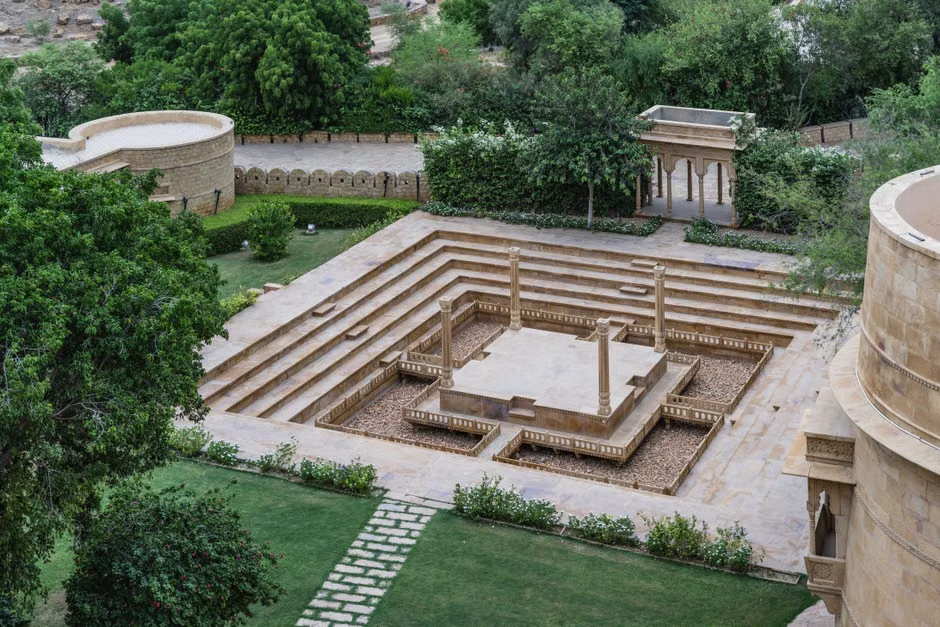
Taj Usha Kiran Palace, Gwalior
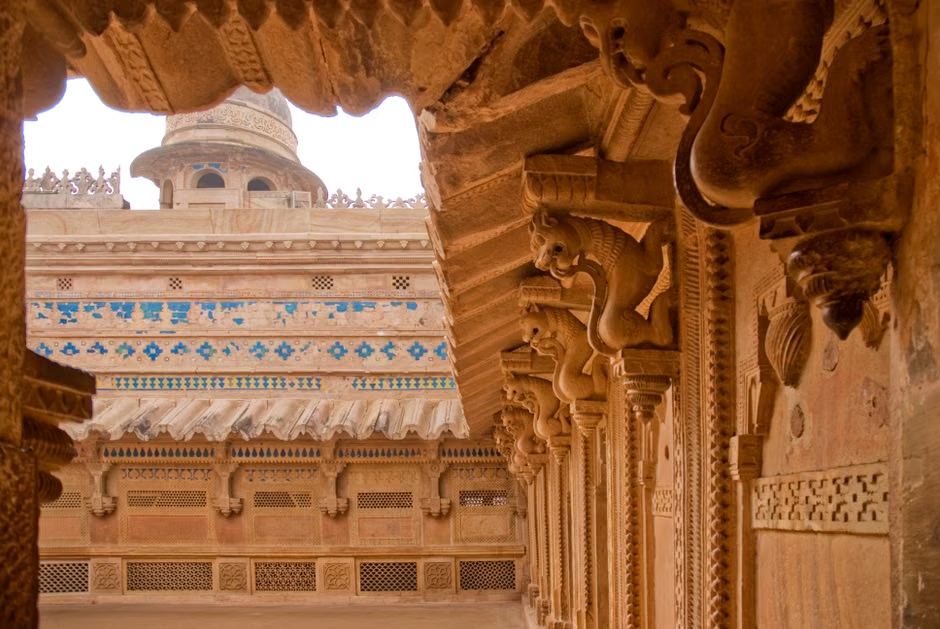
Gwalior Regency
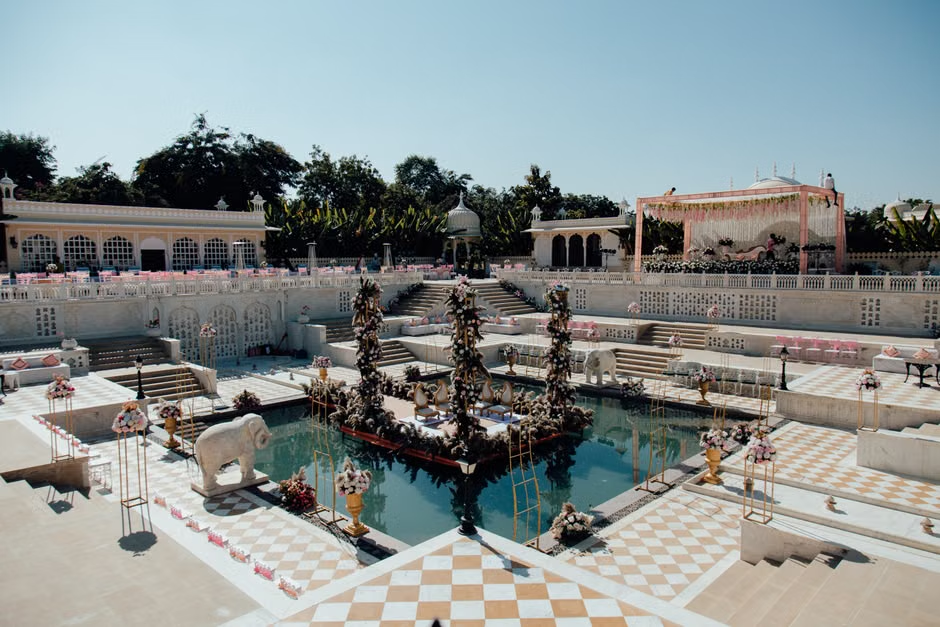
Imperial Golf Resort and Wedding Lawns
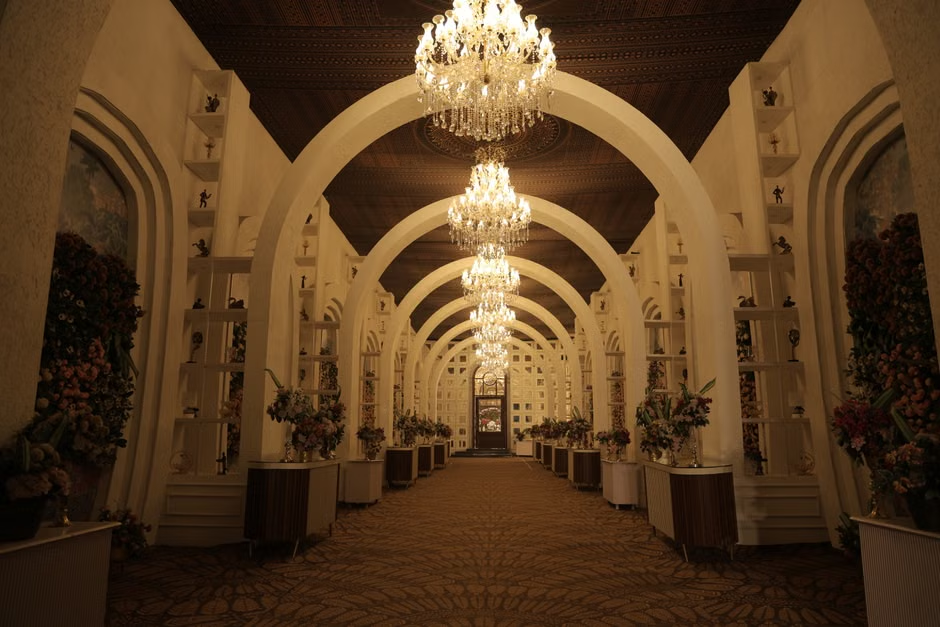
Hotel Shelter

Holidays Luxury Hotel & Resort
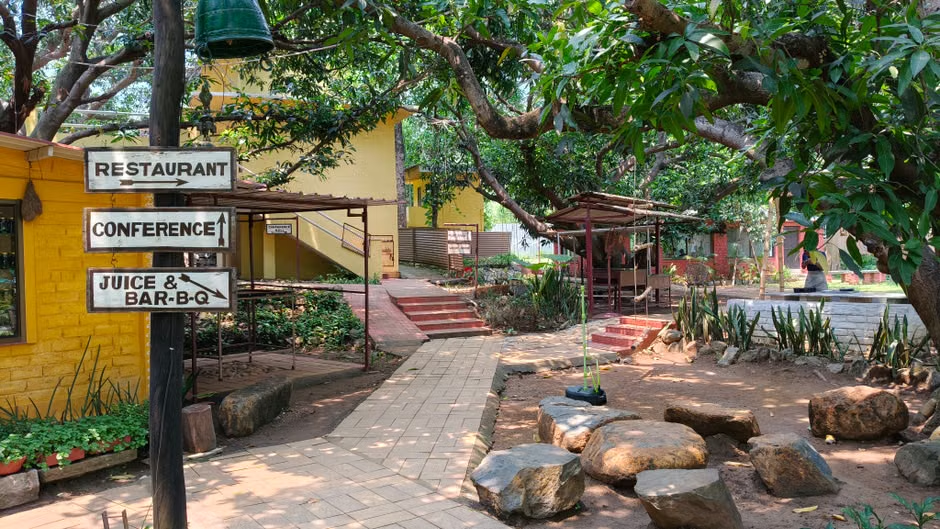
YASHVEER FARMS & RESORT
7 Hills Resort
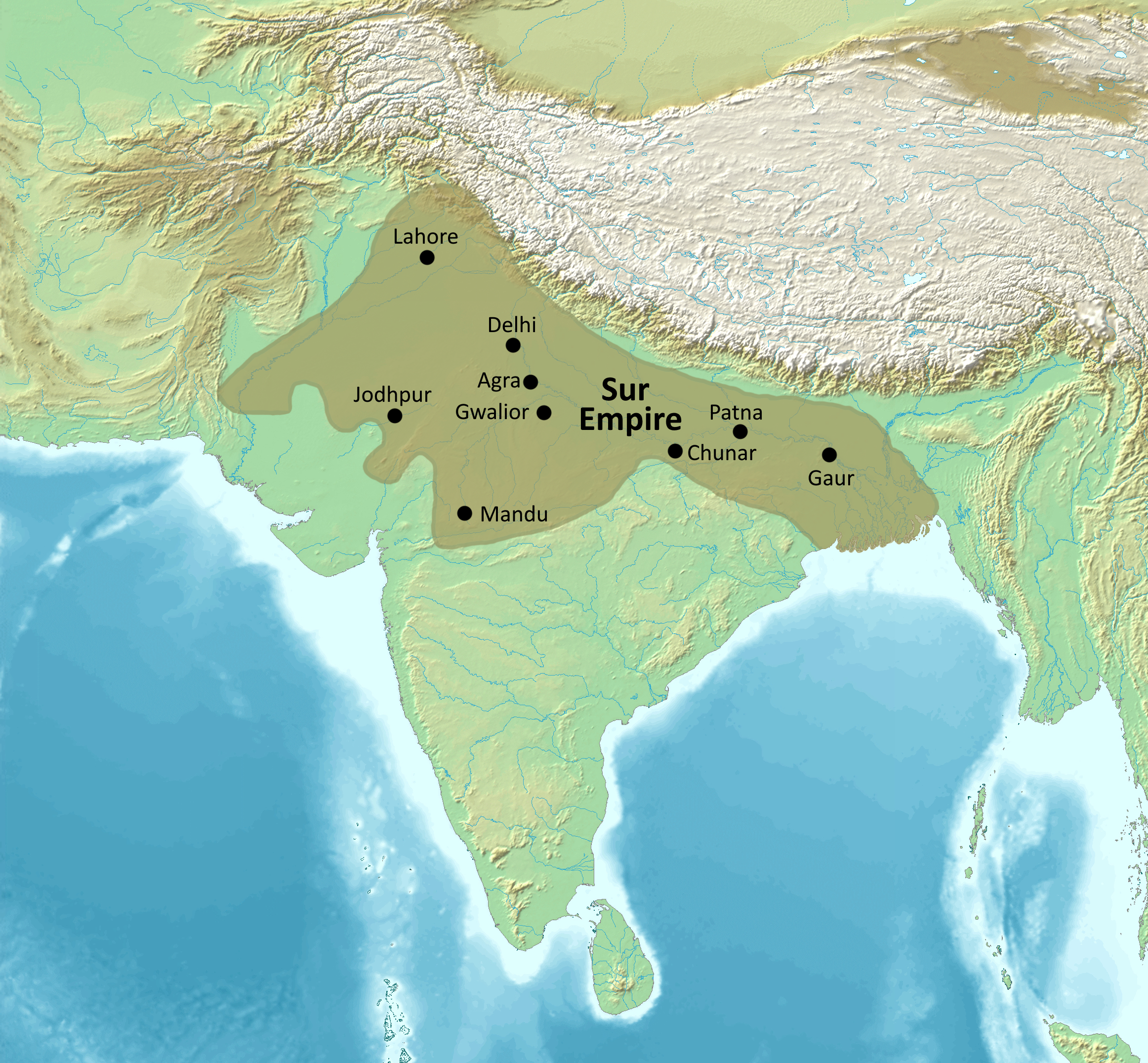
The Empire Resort
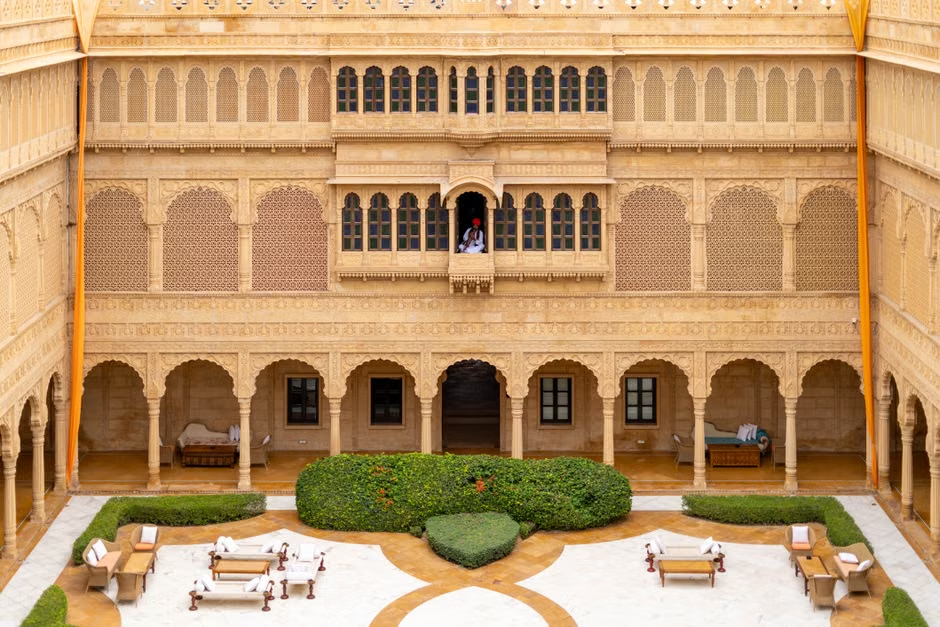
Rambagh Resort
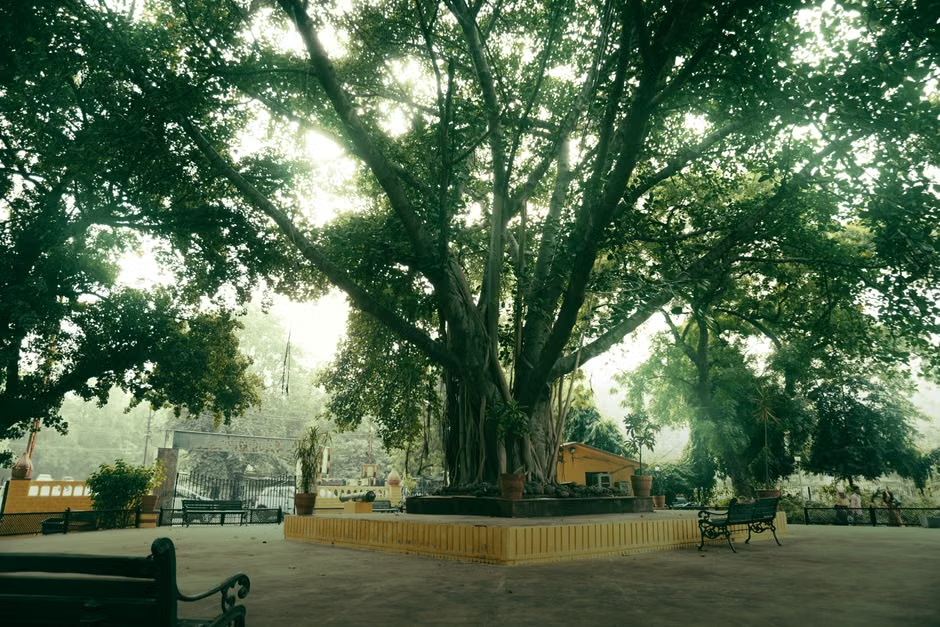
MPT Tansen Residency, Gwalior
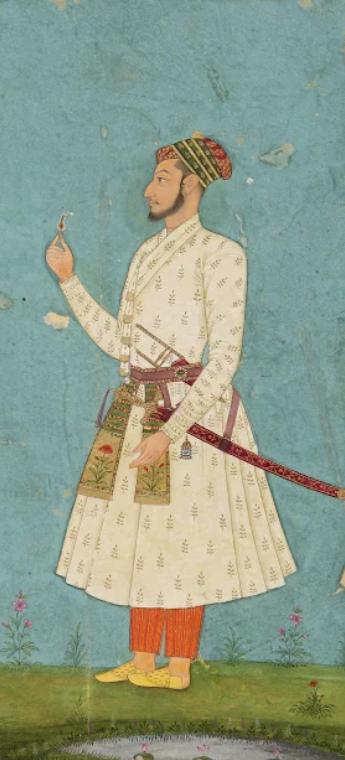
PRINCE RESORTS
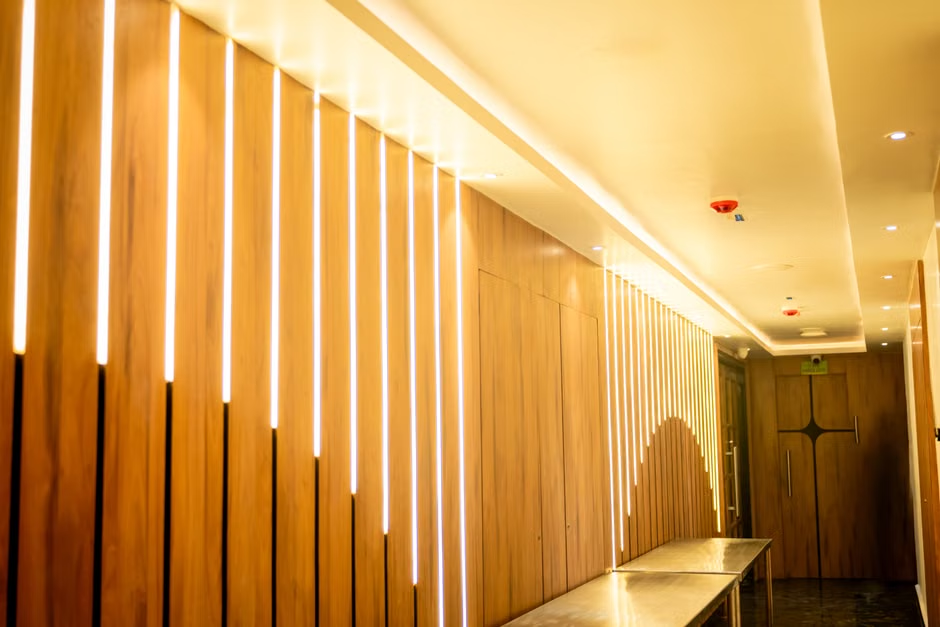
Shubhim Hotel & Resort
Compare Gwalior with Other Top Destinations
Frequently Asked Questions
Is Gwalior a good destination for a palace or heritage wedding?
Yes, strongly so. Gwalior is among central India's most authentic heritage wedding destinations, anchored by its hilltop fort and Scindia palace legacy. Heritage hotel properties offer genuine period architecture — high ceilings, ornate courtyards, formal gardens — that gives a palace wedding real historical grounding rather than a themed aesthetic. It is particularly well-suited to couples who want regal character without travelling to Rajasthan.
What is the best time of year to hold a wedding or event in Gwalior?
November through February is the optimal window. Temperatures are cool and dry, evenings are clear, and rainfall is negligible — ideal conditions for outdoor heritage ceremonies and garden receptions. March begins to warm quickly, and April through September should be avoided for outdoor events due to extreme heat (40°C+) and monsoon rains respectively.
How do guests typically travel to Gwalior for a destination wedding?
Rail is the most practical option for most guests. Gwalior Junction is a major stop on the Delhi–Mumbai and Delhi–Chennai main lines, with direct express trains from Delhi (roughly 3–4 hours), Agra (under an hour), and Bhopal. The city also has its own airport with flights from Delhi, though frequency is moderate and guests from other cities will typically connect through Delhi.
What kinds of event spaces are available in Gwalior?
Gwalior offers heritage palace hotels with indoor banquet halls, open-air lawns, and ornate courtyards; full-service business hotels with dedicated banquet infrastructure; and standalone marriage gardens for larger community-format events. The heritage properties are the strongest draw for weddings, offering architectural character that reduces the need for heavy decorative investment.
Can Gwalior accommodate a large wedding guest list?
Yes, for most standard destination wedding sizes. Heritage hotel properties can typically handle 200–500 guests across their combined indoor and outdoor spaces. Very large events of 700 or more guests may require splitting across multiple properties or supplementing with additional banquet venues — early planning and venue confirmation is advisable for guest lists at the higher end.
Is Gwalior suitable for a regional folk or cultural festival gathering?
Yes, it is particularly well-suited. Gwalior is the birthplace of the Gwalior Gharana of Hindustani classical music and hosts the Tansen Samaroha festival, meaning the city has genuine cultural infrastructure and a local ecosystem of classical and folk performers. Cultural gatherings here can draw on authentic local artistic programming rather than importing entertainment from elsewhere.
What is the local vendor and catering ecosystem like for events?
Gwalior has a functional event vendor ecosystem experienced in large cultural events and heritage-format weddings. Local caterers handle traditional Madhya Pradesh and North Indian wedding menus well. Specialist luxury vendors — high-end florists, destination wedding photographers — may need to be sourced from Delhi or Agra, so early booking and planning lead time of six to twelve months for peak winter dates is recommended.
Is Gwalior a good fit for an intimate wedding or small family celebration?
Yes. Several heritage properties offer smaller courtyards and private event spaces that can be configured for intimate gatherings of 30–100 guests without losing the royal atmosphere. Religious family functions also fit well given the city's significant temple heritage, including the Sas-Bahu temples within the fort complex.
How easy is it for guests to get around Gwalior during a multi-day event?
Relatively straightforward. The city is compact, so transfers between hotels, venues, and the railway station or airport are generally short. Event organisers typically arrange hired coaches or tempo travellers for group transfers. Individual guests can use app-based cabs and auto-rickshaws for independent movement. The manageable city scale is a genuine logistical advantage for multi-day wedding programmes.
What makes Gwalior distinctive compared to other heritage wedding destinations in central India?
Gwalior's distinctiveness lies in the combination of a living, inhabited heritage city — not a preserved museum town — with one of India's most dramatic hilltop forts as a constant visual backdrop, a genuine royal dynasty legacy in the Scindias, and exceptional rail connectivity that makes it accessible for large guest groups without requiring everyone to fly. Its classical music heritage also adds a cultural depth that few comparable cities can match.
Are there any significant challenges to planning an event in Gwalior?
The main practical considerations are: the luxury wedding vendor pool is smaller than in more established destination wedding cities, so early vendor confirmation is important; flight connectivity is moderate, meaning guests from cities without a direct service connect through Delhi; and the extreme summer heat effectively limits outdoor events to the November–February window, concentrating demand and making early date booking essential.

Ready to explore venues in Gwalior?
Gwalior: Heritage Wedding & Cultural Event Destination Guide
◆Gwalior is best suited for palace and heritage weddings, destination weddings, wedding receptions, and regional cultural festival gatherings. Its primary vibe is Royal & Heritage, shaped by the towering Gwalior Fort, the Scindia dynasty's palace legacy, and a deep tradition of classical music and folk culture. The ideal season is November through February, when cool, dry weather makes outdoor events comfortable and visually spectacular. Guest accessibility is strong — Gwalior Junction is a major railway hub on trunk routes from Delhi, Mumbai, and Chennai — and the city offers a range of hospitality options from landmark palace hotels to well-run independent properties, making it viable for both large-format and intimate celebrations.
Gwalior at a Glance
| Attribute | Detail |
|---|---|
| Best For | Palace / Heritage Wedding, Regional Folk & Cultural Festival Gathering, Destination Wedding, Wedding Reception |
| Primary Vibe | Royal & Heritage |
| Other Vibes | Cultural, Classical, Festive, Intimate |
| Best Season | Winter (November–February) |
Why Choose Gwalior?
- Gwalior Fort as a living backdrop: Few Indian cities can offer a UNESCO-recognised hilltop fortress as the literal skyline behind an event venue — the fort's presence elevates every outdoor celebration into something visually extraordinary.
- Authentic Scindia royal heritage: The Scindia dynasty's palaces, including the Jai Vilas Palace complex, give the city a genuine regal character that is not manufactured for tourism — it is woven into the city's architecture and culture.
- Exceptional railway connectivity: Gwalior Junction sits on two of India's busiest rail corridors, meaning guests from Delhi, Agra, Bhopal, Mumbai, and Chennai can reach the city directly, often overnight, without a flight.
- Classical and folk cultural depth: Gwalior is the birthplace of the Gwalior Gharana of Hindustani classical music and hosts the Tansen Samaroha festival annually — making it a natural fit for cultural gatherings, folk festivals, and events that want authentic artistic programming.
- Manageable city scale: Unlike a sprawling metro, Gwalior's compact event geography means guests, vendors, and venues are rarely far apart, reducing logistical complexity for multi-day celebrations.
- Winter weather reliability: November through February brings consistently cool, dry, and largely rain-free conditions — a significant advantage for outdoor heritage events where weather unpredictability can be costly.
Which Celebrations Work Best in Gwalior?
Palace / Heritage Wedding: This is Gwalior's strongest suit. The combination of fort architecture, palace-style hotel properties, and a genuine royal lineage creates an environment where a heritage wedding feels historically grounded rather than themed. Couples seeking a regal aesthetic with real historical weight will find Gwalior particularly compelling.
Regional Folk & Cultural Festival Gathering: Gwalior's identity as a centre of Hindustani classical music and its tradition of folk arts make it an ideal host for cultural gatherings. The city's own Tansen Samaroha draws artists and audiences from across India, and the infrastructure and civic culture around large cultural events is well-established.
Destination Wedding: For families wanting a destination that feels genuinely different from a beach or hill-station wedding, Gwalior offers a distinctive central-Indian heritage character. Its rail connectivity means guests from across the country can attend without complex travel arrangements, which is a practical advantage for large destination wedding guest lists.
Wedding Reception: Heritage hotel ballrooms and outdoor lawns set against fort-lit skylines make Gwalior's reception settings memorable. The city's hospitality properties are experienced in managing large banquet formats, and the visual drama of the setting adds natural grandeur to an evening reception.
Intimate Wedding: Smaller courtyards within heritage properties and boutique event spaces allow for more private, curated celebrations. Couples who want the royal atmosphere without the scale of a 500-person event will find that Gwalior's heritage venues can be configured for intimate gatherings with equal elegance.
Religious Family Function: Gwalior has a strong tradition of religious observance, with significant temples including the Sas-Bahu temples within the fort complex and the Achaleshwar Mahadev temple. Family religious functions — from pre-wedding pujas to naming ceremonies — can be conducted in settings of genuine spiritual and architectural significance.
Venues & Event Spaces
Gwalior's event venue landscape is anchored by its heritage palace hotels, which typically offer a combination of grand indoor banquet halls, open-air lawns, and ornate courtyards suited to multi-function wedding programmes. These properties carry the architectural character of the Scindia era — high ceilings, period detailing, and formal gardens — which reduces the need for heavy decorative intervention to achieve a regal look.
Beyond the palace-category properties, the city has full-service business and leisure hotels with dedicated banquet and conference infrastructure, capable of handling large receptions and multi-day event programmes. These are particularly useful for accommodating overflow guest lists or hosting parallel functions during a multi-day wedding.
For cultural and folk festival formats, open-air amphitheatre-style spaces and civic grounds near the fort area have historically hosted large public cultural events, and similar formats can be adapted for private gatherings with appropriate permissions and planning lead time.
The city also has a supply of standalone banquet halls and marriage gardens — typically used for local community events — which can serve as practical overflow or secondary function spaces for large guest lists that exceed the capacity of a single heritage property.
Best Time to Celebrate
November through February is the clear optimal window for events in Gwalior. Daytime temperatures during this period typically range from the mid-teens to the mid-twenties Celsius, making outdoor ceremonies, garden receptions, and fort-view dinners genuinely comfortable. Evenings are cool and clear, and the low humidity means décor, floral arrangements, and outdoor setups hold well through a long event day. Rainfall is negligible during these months, which significantly reduces weather-related contingency planning.
March and October function as shoulder months — temperatures are rising or falling respectively, and while events are possible, the risk of uncomfortable afternoon heat (March) or residual post-monsoon humidity (October) is real enough to factor into planning, particularly for outdoor daytime functions.
April through June should be avoided for outdoor events. Gwalior sits in a semi-arid zone and summer temperatures regularly exceed 40°C, making outdoor celebrations impractical and potentially unsafe for elderly guests and children. Indoor air-conditioned events are technically possible but the overall guest experience suffers significantly.
July through September brings the southwest monsoon. While Gwalior does not receive the extreme rainfall of coastal or northeastern regions, the monsoon brings sufficient rain, humidity, and unpredictability to make outdoor heritage events high-risk. Venue access, décor logistics, and guest travel can all be disrupted during this period.
Getting There & Local Connectivity
Gwalior is served by Rajmata Vijaya Raje Scindia Airport, which handles flights from Delhi and a small number of other cities. Flight frequency is moderate rather than extensive — guests travelling from cities without a direct connection will typically route through Delhi. The airport is close to the city centre, making transfers quick once guests land.
The stronger connectivity story is by rail. Gwalior Junction is a major stop on the Delhi–Mumbai and Delhi–Chennai main lines, meaning guests from Delhi (approximately 3–4 hours by express train), Agra (under an hour), Bhopal (3–4 hours), and many other cities can reach Gwalior directly and comfortably. For large guest groups, train travel is often the most practical and reliable option, and the station's proximity to the city centre simplifies transfers.
Within the city, local transport for event groups is typically managed through hired vehicles — taxis, tempo travellers, and coaches are available for group transfers between hotels, venues, and the airport or station. The city's relatively compact geography means inter-venue transfers are generally short. Auto-rickshaws and app-based cabs are available for individual guests moving independently.
Local Vendor & Hospitality Ecosystem
Gwalior has a functional and growing event vendor ecosystem shaped by its history of hosting large cultural events, political gatherings, and heritage tourism. Local caterers are experienced in both traditional Madhya Pradesh cuisine and broader North Indian wedding menus, and the city's proximity to Agra and Delhi means specialist vendors — florists, lighting designers, wedding photographers, and entertainment acts — can be sourced from nearby markets when local supply is insufficient.
The hospitality properties in Gwalior, particularly the established hotel brands, have in-house event management teams with experience coordinating multi-day wedding programmes. This reduces the coordination burden on external planners, though couples planning highly customised or large-scale events will benefit from engaging a dedicated wedding planner with regional experience.
One genuine strength of the local ecosystem is its cultural programming depth. Gwalior's classical music heritage means that live classical music performances, folk dance troupes, and traditional art installations can be sourced locally with authenticity — this is not a city where cultural entertainment has to be imported wholesale from elsewhere.
The ecosystem is less mature than Jaipur or Udaipur in terms of the sheer volume and specialisation of luxury wedding vendors, so early planning and vendor confirmation — ideally six to twelve months ahead for peak winter dates — is advisable, particularly for large-format events.
Pros & Things to Consider
Why Gwalior Works Well
- Genuinely iconic heritage backdrop — the fort and palace architecture are historically real, not reconstructed for tourism
- Excellent rail connectivity makes large guest lists logistically manageable without relying on flights
- Cool, dry winters provide reliable outdoor event conditions across a four-month window
- Authentic cultural programming options — classical music, folk arts — available locally
- Compact city geography reduces inter-venue transfer times and logistical complexity
- A range of hospitality tiers means the destination can accommodate both the main wedding party and a broader guest list within the city
Things to Consider
- Flight connectivity is moderate — guests from cities without a direct Gwalior service will need to connect through Delhi, adding travel time
- The luxury wedding vendor ecosystem, while capable, is smaller than in more established Rajasthan wedding destinations, requiring earlier booking and potentially more external vendor sourcing
- Summer heat is extreme and effectively rules out outdoor events for roughly five months of the year, concentrating demand heavily into the winter window
- The city's tourism infrastructure, while improving, is less polished than more heavily visited heritage destinations — guests expecting resort-level leisure amenities beyond the event itself may find options limited
- Large-scale events (500+ guests) may stretch the available heritage venue inventory, requiring careful capacity planning across multiple properties
When Gwalior May Not Be the Right Fit
- Outdoor events planned between April and September: Extreme summer heat and monsoon rains make outdoor heritage celebrations genuinely impractical during this period — a destination with better year-round outdoor conditions would serve these dates better.
- Guests primarily travelling from southern or eastern India without easy rail access: While rail connectivity from the north and west is excellent, guests from cities like Chennai, Kolkata, or Hyderabad face longer, less direct journeys — a destination with stronger air connectivity may reduce travel fatigue for such guest profiles.
- Events requiring a very large, single-venue capacity: If a celebration requires a single venue to seat 800 or more guests under one roof with full heritage character, Gwalior's current venue inventory may not comfortably deliver this without splitting across multiple spaces or properties.
- Couples seeking a beach, lakeside, or hill-station natural setting: Gwalior's landscape is inland, semi-arid, and fort-dominated — it does not offer the water or mountain scenery that defines other destination wedding categories, and couples whose vision is centred on those natural elements would be better served elsewhere.