
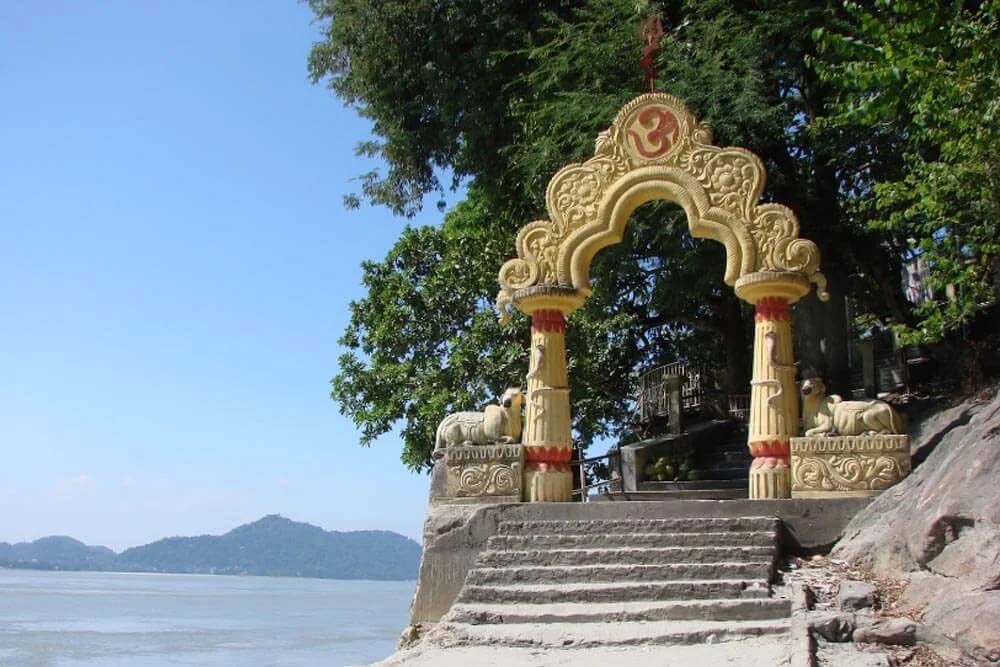
Why Guwahati is Perfect for Your Celebration
- Iconic Brahmaputra River backdrop for riverside event settings and sundowner gatherings
- Home to the Kamakhya Temple — one of India's most significant pilgrimage sites, adding a spiritual dimension to celebrations
- Growing MICE infrastructure with convention-capable hotels and banquet halls suited to large corporate conferences
- Bihu cultural programming available year-round through local troupes, offering authentic Assamese entertainment
- Well-connected via Lokpriya Gopinath Bordoloi International Airport with direct flights from major Indian metros
- Guwahati Railway Station is a major Northeast hub, making rail travel practical for guests from across the region

Top Venues in Guwahati

Vivanta Guwahati
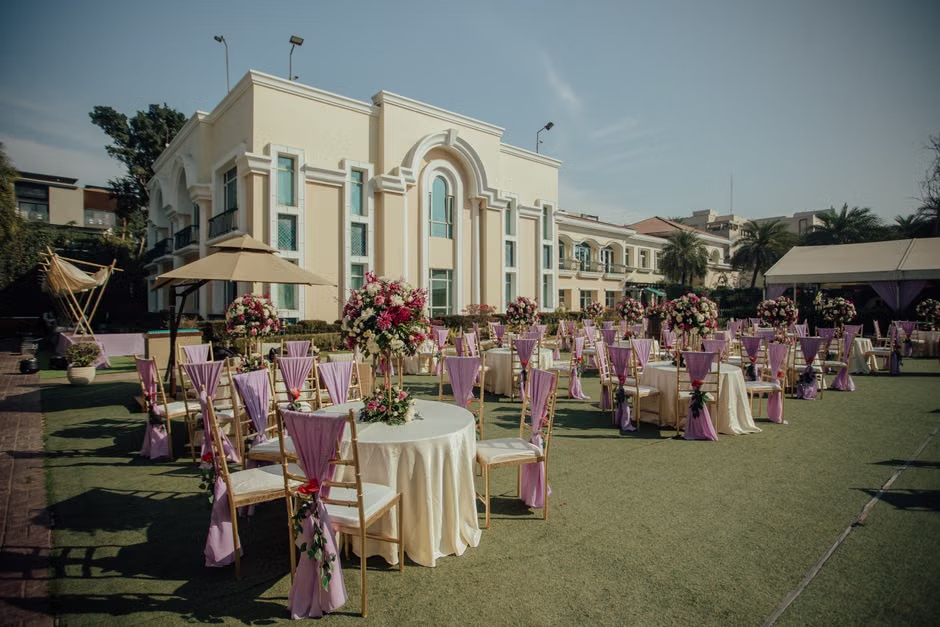
Hotel Novotel Guwahati GS Road

Mayfair Spring Valley Resort, Guwahati
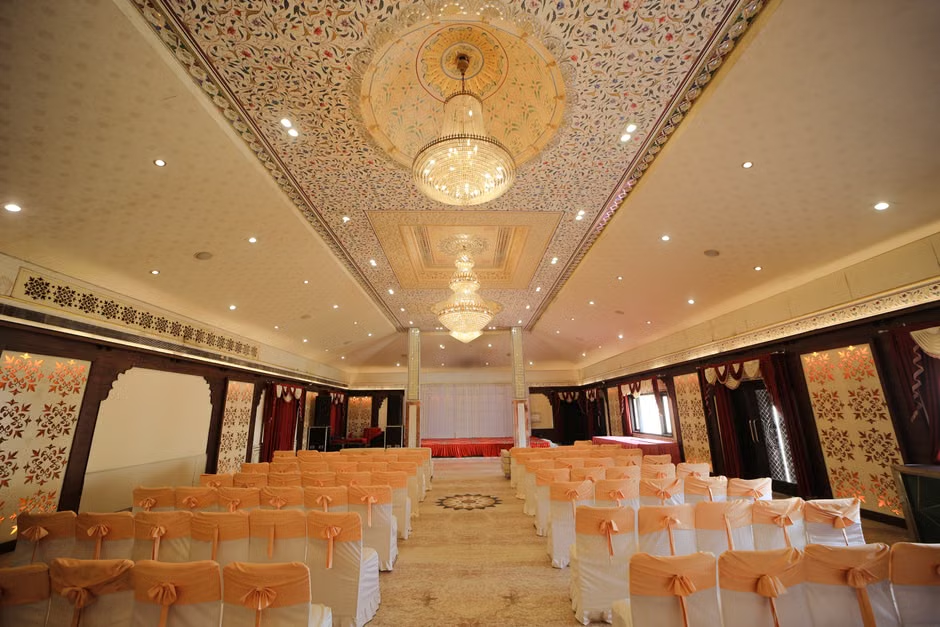
Hotel Rajmahal
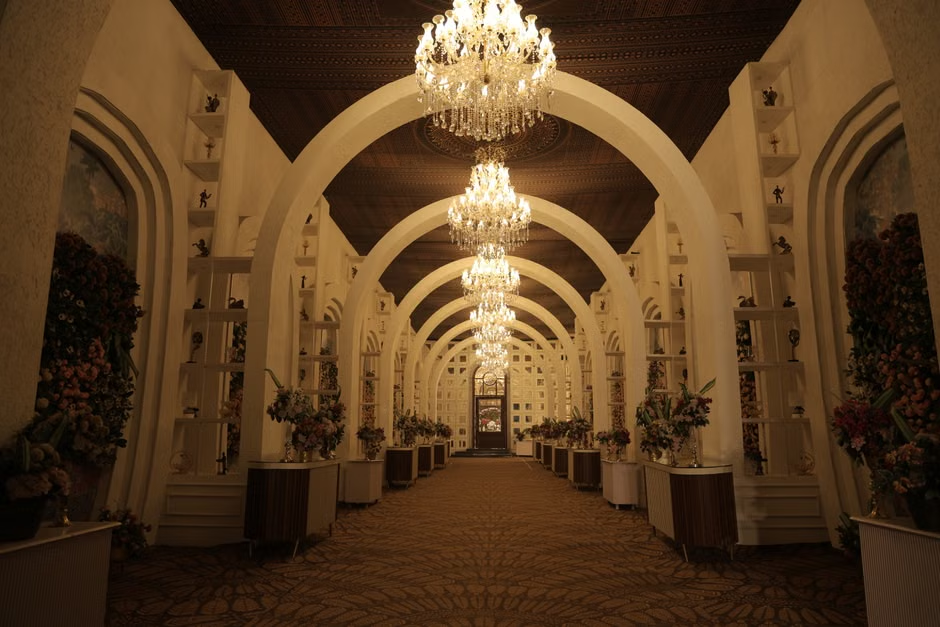
ANIYAA EDITION A LUXURY BOUTIQUE HOTEL AND BANQUETS
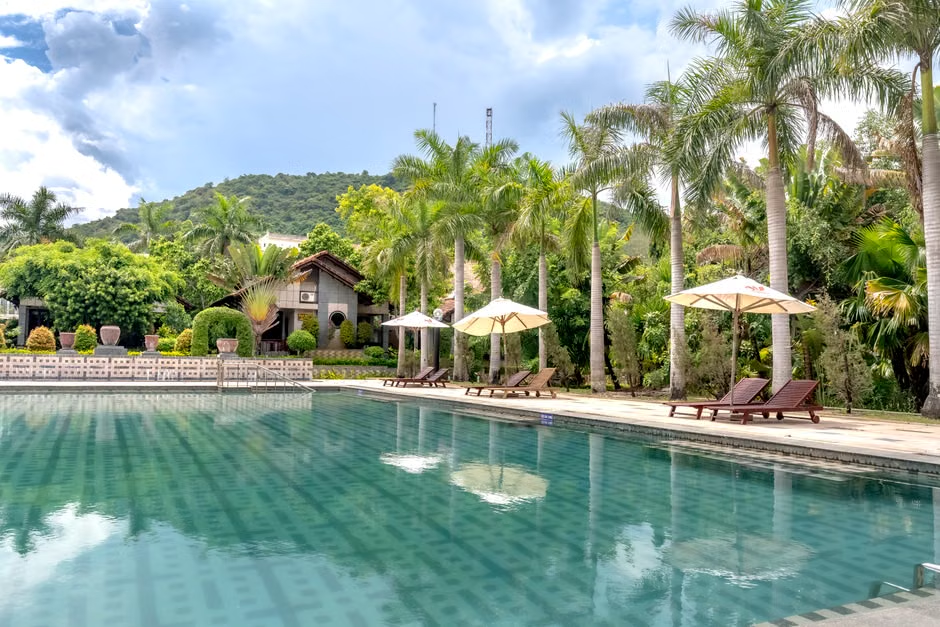
Bougainvillea Retreat & Spa
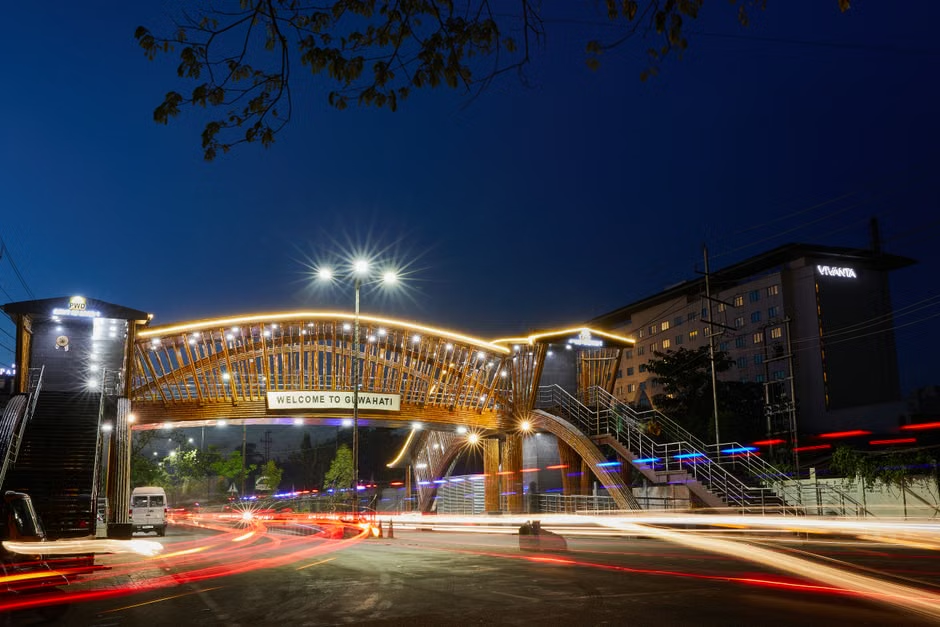
Ginger Guwahati
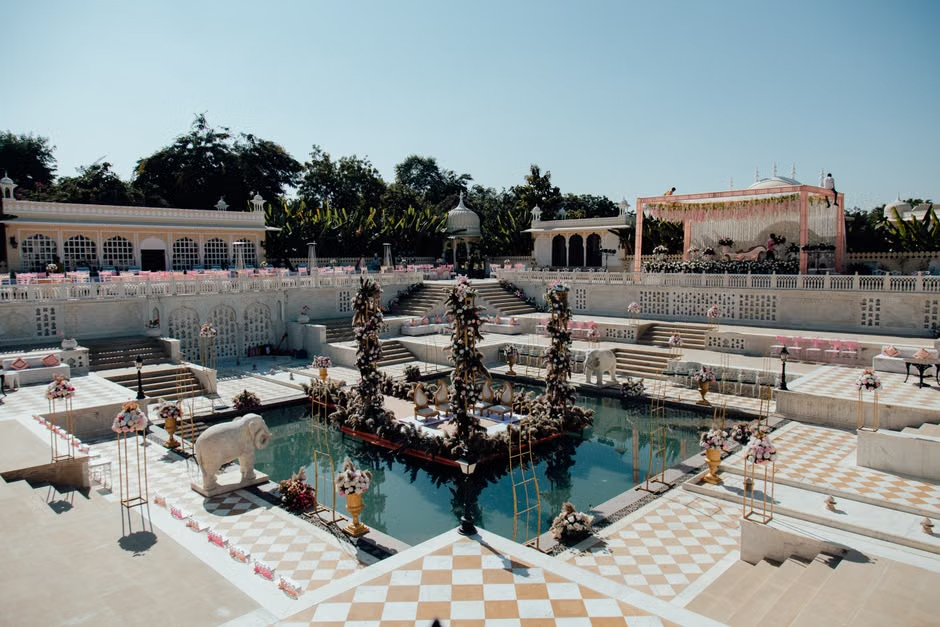
RAJ GARDEN RESORT

Happy Home Resort | A serene resort with the touch of luxury
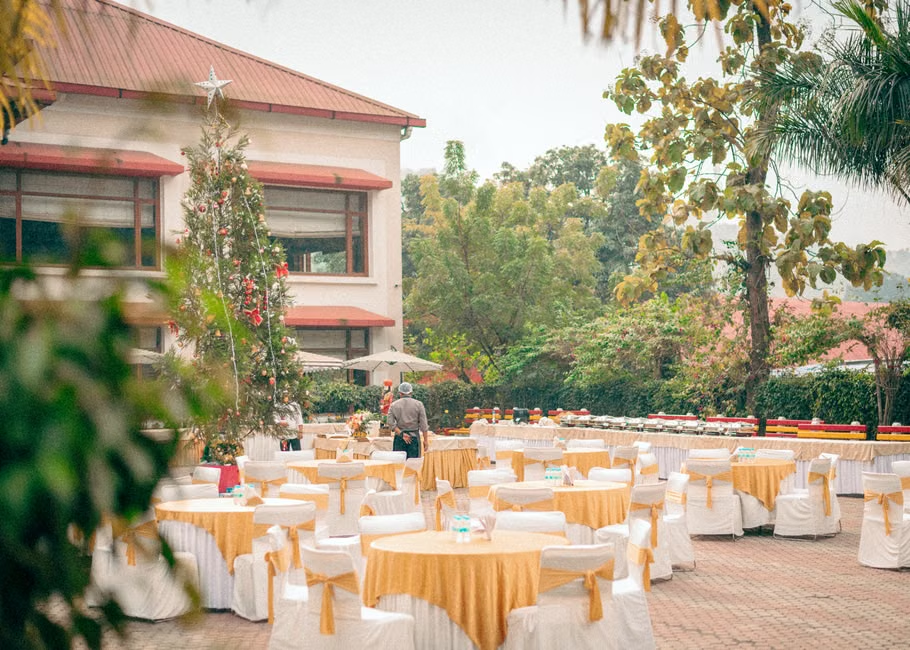
Kumars Green Resort
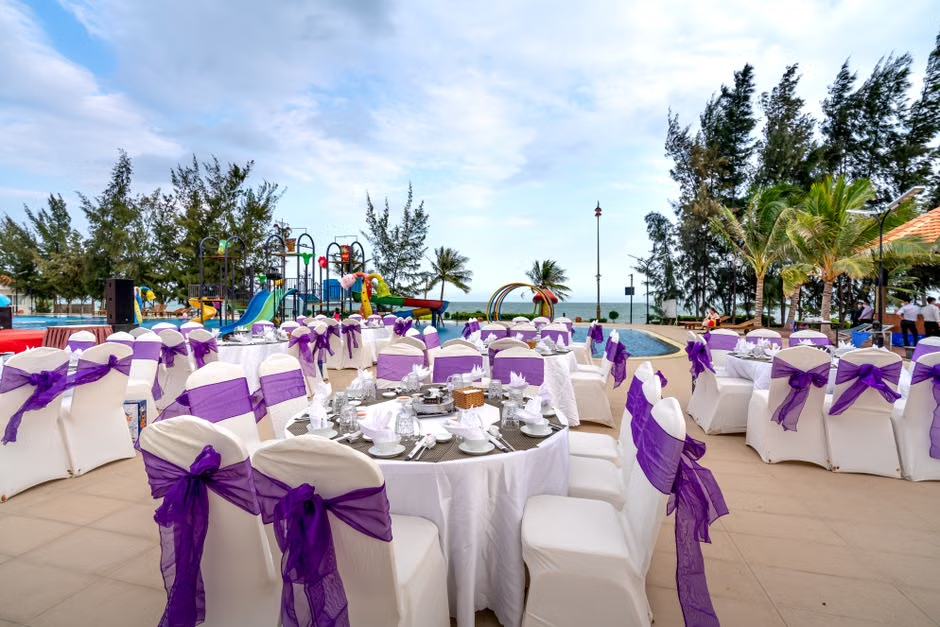
The Falcon Eco Resort
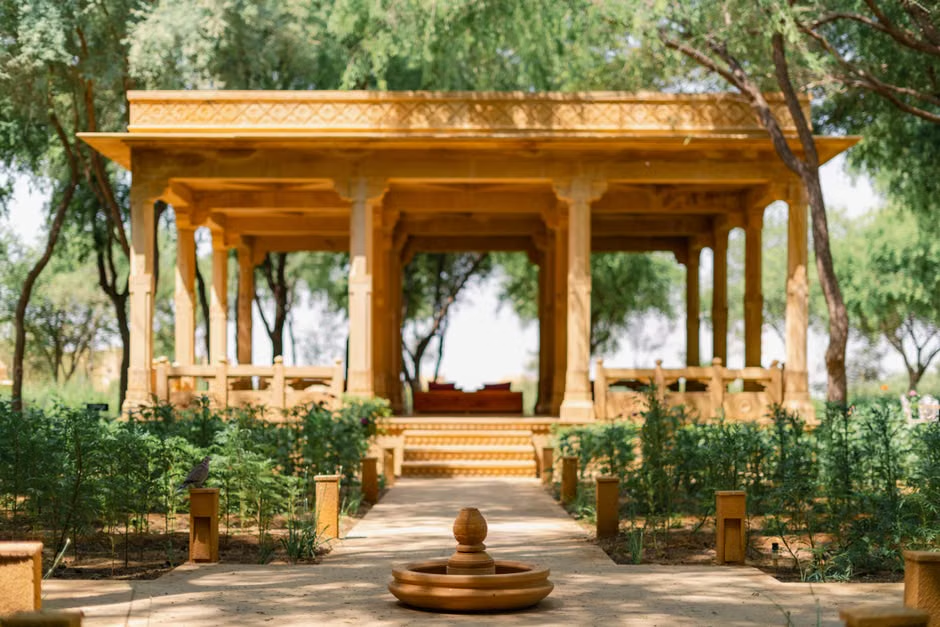
Aranya The Merian Resort
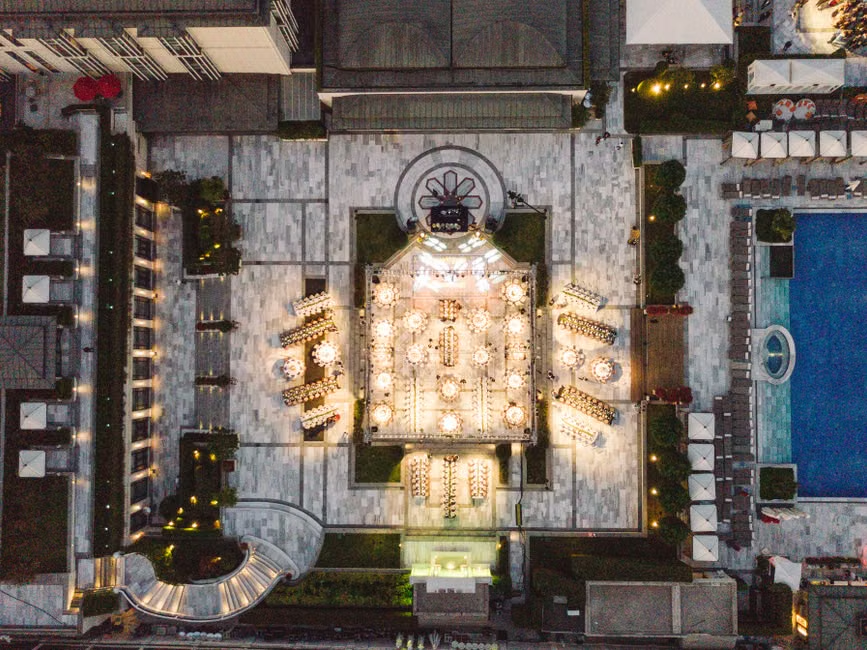
The Greenwood Resort, Guwahati
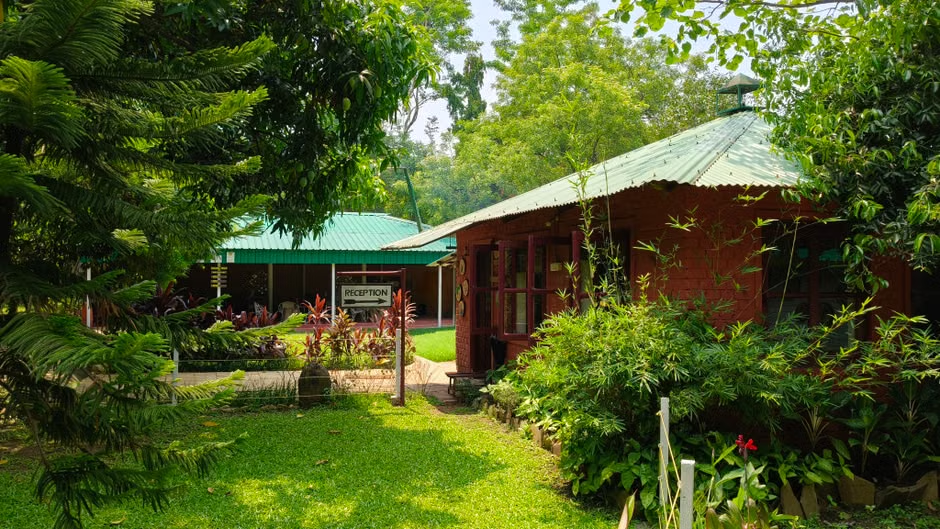
Brahmaputra Jungle Resort
Compare Guwahati with Other Top Destinations
Frequently Asked Questions
Is Guwahati a good destination for an annual corporate conference?
Yes. Guwahati is particularly well-suited for annual conferences, especially for organisations with operations or attendees across the Northeast. The city's convention-capable hotels offer banquet and conference facilities that can handle mid-to-large delegate groups, and its dual air and rail connectivity makes it accessible from most parts of India. The distinctive Brahmaputra riverside setting also gives conference programmes a memorable backdrop.
What guest group sizes can Guwahati venues realistically support?
Guwahati's larger business hotels can typically accommodate events ranging from small boardroom sessions of 20–30 delegates up to banquets and conferences of 400–600 guests. For events significantly above this scale, the combined venue and accommodation inventory may become stretched, and planners should verify capacity across multiple properties early in the planning process.
How do guests typically get to Guwahati for an event?
Most guests arrive via Lokpriya Gopinath Bordoloi International Airport, which has direct flights from Delhi, Mumbai, Kolkata, Bengaluru, Chennai, and Hyderabad. Guwahati Railway Station is also a major Northeast junction with regular services from Kolkata and Delhi. For Northeast-based attendees, rail travel is often the most practical option. Pre-arranged group transfers from the airport and station are strongly recommended for large delegations.
What is the best time of year to hold an event in Guwahati?
November through February is the optimal window. The weather is dry and cool, with temperatures typically ranging from the mid-teens to the high twenties Celsius — comfortable for both indoor and outdoor formats. The monsoon (June–September) makes outdoor events impractical, and March–May brings rising heat and pre-monsoon storms. October is a transitional month that still carries some weather risk.
Can Guwahati host an authentic Bihu celebration event?
Yes, and it is arguably the most authentic location in India to do so. Professional Bihu dance troupes, traditional Assamese cuisine caterers, and local cultural programming are readily available through hotel event teams and independent organisers. While Rongali Bihu (the main spring festival) falls in April, Bihu-themed cultural evenings can be organised year-round, including during the preferred winter event season.
Is Guwahati suitable for a dealer or distributor meet?
Yes, particularly for companies with dealer networks across the Northeast. Guwahati is the natural convergence point for attendees from Assam, Meghalaya, Nagaland, Arunachal Pradesh, Manipur, and Tripura, significantly reducing travel burden compared to a metro venue. Hotel banquet halls are well-configured for the format — presentation-ready, with on-site accommodation and dining for multi-day programmes.
What kinds of event venues are available in Guwahati?
The primary event spaces are the banquet halls and conference rooms within Guwahati's larger business hotels, which combine accommodation, catering, and event infrastructure under one roof. Riverside venues with Brahmaputra-facing lawns or terraces are available for outdoor formats during the winter season. Standalone banquet halls and community spaces cater to mid-scale gatherings, particularly for cultural events and private parties.
How easy is it to move a large group around Guwahati during an event?
Manageable, but requires advance planning. City traffic can be congested on main arterial roads, and travel times between the airport, railway station, hotels, and event venues can vary significantly by time of day. Pre-arranged coach or minibus transfers are strongly recommended for large groups rather than relying on app-based cabs, which may not have sufficient fleet availability for simultaneous group movement.
What local cultural experiences can be incorporated into a Guwahati event programme?
Guwahati offers several distinctive cultural add-ons: Bihu dance performances, traditional Assamese cuisine dinners, Brahmaputra river cruises, and visits to the Kamakhya Temple — one of India's most significant Shakti Peethas. These experiences are well-established in the local event ecosystem and can typically be arranged through hotel event teams or local event management companies.
Is Guwahati a practical choice for a corporate offsite or sales kick-off?
Yes, particularly for teams based in the Northeast or for organisations wanting an offsite that feels genuinely different from a standard metro hotel experience. The Brahmaputra riverside setting, Assamese cultural programming, and the city's frontier energy make it a motivating backdrop for sales kick-offs and team offsites. Functional hotel infrastructure ensures the working sessions are well-supported alongside the experiential elements.
What should event planners know about Guwahati's local vendor ecosystem?
The ecosystem is well-developed for corporate conferences, MICE events, and Assamese cultural programming. Larger hotels have experienced in-house event and catering teams. For very complex technical production — elaborate stage design or specialist AV — some planners supplement local vendors with specialists from Kolkata. Lead times for external vendor coordination should be factored into planning schedules, particularly for events with complex technical requirements.

Ready to explore venues in Guwahati?
Guwahati: Corporate Events, MICE & Cultural Celebrations on the Brahmaputra
◆Guwahati is Northeast India's primary event and corporate destination, best suited for annual conferences, MICE and convention programmes, Bihu cultural celebrations, and dealer or distributor meets. Its primary vibe is Spiritual & Soulful, shaped by the Brahmaputra River, the Kamakhya Temple, and deep-rooted Assamese cultural traditions. The city's event season runs from November through February, when the climate is dry and comfortable. Guwahati is accessible via a functional international airport and a major railway junction, making it reachable from most Indian metros, though guests from distant cities may require a connecting flight or an overnight train journey. The hospitality sector spans luxury to mid-range properties, with banquet and convention facilities capable of handling mid-to-large corporate groups.
Guwahati at a Glance
| Category | Details |
|---|---|
| Best For | Annual Conference, MICE / Convention Programme, Bihu Celebration, Dealer / Distributor Meet |
| Primary Vibe | Spiritual & Soulful |
| Other Vibes | Riverside & Scenic, Cultural & Festive, Gateway & Urban |
| Best Season | Winter (November–February) |
Why Choose Guwahati?
- Brahmaputra River setting: Few Indian cities offer a working riverside backdrop of this scale. Sundowner events, boat cruises on the Brahmaputra, and riverside banquets give Guwahati a visual and experiential identity that is genuinely hard to replicate elsewhere in the country.
- Authentic Assamese cultural programming: Bihu dance troupes, traditional Assamese cuisine, and local artisan showcases are readily available through established local vendors, giving corporate events and cultural gatherings a distinctive regional flavour rather than a generic pan-India hospitality experience.
- Growing MICE and convention infrastructure: Several of Guwahati's larger hotels have invested in convention-grade banquet and conference facilities, making the city increasingly competitive for annual conferences and multi-day corporate programmes that require breakout rooms, AV infrastructure, and accommodation under one roof.
- Dual connectivity advantage: Lokpriya Gopinath Bordoloi International Airport handles direct flights from Delhi, Mumbai, Kolkata, Bengaluru, and Chennai, while Guwahati Railway Station is one of the most important junctions in the Northeast, connecting the city to the broader national rail network — giving event planners two reliable inbound options for guests.
- Spiritual and heritage dimension: The Kamakhya Temple, one of the most revered Shakti Peethas in India, and the broader spiritual character of the city add a meaningful cultural layer for groups interested in incorporating heritage experiences into their event itinerary.
- Northeast gateway positioning: For organisations with operations or dealer networks across the Northeast, Guwahati is the natural convergence point — reducing travel burden for attendees from Assam, Meghalaya, Nagaland, Arunachal Pradesh, and Manipur compared to flying everyone to a metro city.
Which Celebrations Work Best in Guwahati?
Annual Conference: Guwahati's convention-capable hotels, combined with its accessibility from across the Northeast and major metros, make it a practical and distinctive venue for annual corporate conferences. The city's cultural character also makes post-conference programming — river cruises, Bihu performances, temple visits — easy to organise.
MICE / Convention Programme: The city's growing MICE infrastructure, including multi-hall banquet facilities and business-grade accommodation, supports multi-day convention programmes. Its position as the Northeast's commercial hub means many industry sectors with regional operations find it a logical and cost-effective gathering point.
Bihu Celebration: Guwahati is arguably the most authentic location in India to host a Bihu-themed celebration. Local cultural troupes, traditional Assamese food, and the festive energy of the city during Bihu season (particularly Rongali Bihu in April, though cultural programming is available year-round) make this a genuinely immersive experience for corporate groups and private gatherings alike.
Dealer / Distributor Meet: For companies with dealer or distributor networks across the Northeast, Guwahati eliminates the need for regional attendees to travel to a distant metro. The city's hotel banquet halls are well-suited to the format — presentation-ready, with accommodation on-site or nearby, and enough dining and entertainment options to support a two-to-three day programme.
Corporate Offsite: Guwahati's combination of riverside leisure, cultural experiences, and functional hotel infrastructure makes it a workable corporate offsite destination, particularly for teams based in the Northeast or for organisations wanting to offer their teams an experience that feels genuinely different from a standard metro hotel offsite.
Sales Meet / Kick-off: The city's conference facilities and motivational cultural backdrop — the Brahmaputra, the Kamakhya Temple, the energy of a city that feels like a frontier — lend themselves well to sales kick-off events where organisers want to create a sense of occasion and momentum beyond a standard boardroom setting.
Venues & Event Spaces
Guwahati's event venue landscape is anchored by its larger business hotels, which typically offer a combination of pillar-free banquet halls, open lawns or terraces, and dedicated conference rooms with modern AV infrastructure. These properties are generally capable of hosting events ranging from intimate boardroom sessions of 20–30 delegates to large banquets and conferences of 400–600 guests, depending on the specific property and configuration.
Beyond the hotel circuit, the city has standalone banquet halls and community event spaces that cater to mid-scale gatherings, particularly for local cultural events and private parties. Riverside venues — either hotel properties with Brahmaputra-facing lawns or purpose-built event spaces near the riverbank — offer a scenic outdoor option that is particularly popular for sundowner events and cultural evenings during the winter months.
For large-scale MICE and convention programmes, the most capable venues are the city's full-service business hotels, which combine accommodation, food and beverage, and event space under one roof — a practical advantage for multi-day programmes where keeping delegates on-site simplifies logistics considerably. Outdoor event spaces are best utilised between November and February; the monsoon season makes open-air formats impractical for roughly four months of the year.
Best Time to Celebrate
The winter months of November through February are the clear optimal window for events in Guwahati. Temperatures during this period typically range from the mid-teens to the high twenties Celsius, the air is dry, and rainfall is minimal. This combination makes both indoor and outdoor event formats practical, and the comfortable conditions mean guests are not contending with heat, humidity, or the risk of sudden downpours disrupting an outdoor programme.
The monsoon season (June through September) is the most significant period to avoid for event planning. Guwahati receives heavy rainfall during these months, and the Brahmaputra and its tributaries are prone to flooding, which can disrupt road access, affect accommodation availability, and make any outdoor event format essentially unworkable. Flight disruptions are also more common during peak monsoon.
March through May brings rising temperatures and increasing humidity, with pre-monsoon thunderstorms becoming more frequent from April onward. While indoor events remain feasible, the heat and unpredictable weather make this a less comfortable period for guests, particularly those travelling from cooler parts of the country. October sits in the retreating monsoon window — rainfall is reducing but not yet reliably absent, and the weather can still be unsettled, making it a shoulder month that carries some risk for outdoor-dependent event formats.
For Bihu-themed events specifically, it is worth noting that Rongali Bihu (the spring Bihu, the most celebrated of the three) falls in mid-April — outside the optimal weather window. However, Bihu cultural programming through professional troupes is available year-round, so a Bihu-themed corporate event or cultural evening can be organised during the winter season without any loss of authenticity.
Getting There & Local Connectivity
Guwahati is served by Lokpriya Gopinath Bordoloi International Airport, which handles direct flights from Delhi, Mumbai, Kolkata, Bengaluru, Chennai, Hyderabad, and several other Indian cities. For guests travelling from major metros, direct flight options are generally available, though frequency varies by route and season. Guests from smaller cities may require a connection, typically through Kolkata or Delhi.
Guwahati Railway Station is one of the most important rail junctions in the Northeast, with regular services connecting the city to Kolkata, Delhi, and other major hubs. For guests from the Northeast region itself — Assam, Meghalaya, Nagaland, Tripura — rail travel is often the most practical inbound option. Overnight trains from Kolkata are a common choice for budget-conscious delegates.
Within the city, movement between the airport, railway station, hotels, and event venues is generally manageable by road, though Guwahati's traffic can be congested during peak hours, particularly on the main arterial roads. For large groups, pre-arranged coach or minibus transfers are strongly recommended over relying on app-based cabs, which may not have sufficient fleet capacity for simultaneous group movement. The city's road infrastructure is functional but not always smooth, and travel times between key points can vary significantly depending on time of day.
Local Vendor & Hospitality Ecosystem
Guwahati's hospitality ecosystem has matured considerably over the past decade, driven by the city's growth as a commercial and administrative hub for the Northeast. The larger business hotels maintain in-house catering, event management, and AV teams that are experienced in handling corporate conferences and MICE programmes. For events hosted within these properties, the end-to-end service quality is generally reliable.
The local vendor market — covering décor, entertainment, photography, and catering for standalone events — is active and growing, with a particular strength in Assamese cultural programming. Bihu troupes, traditional Assamese cuisine caterers, and local artisan suppliers are well-established and easy to engage through hotel event teams or independent event management companies based in the city.
For very large-scale events requiring highly specialised production — elaborate stage design, international-standard AV, or niche entertainment acts — some planners choose to supplement local vendors with specialists brought in from Kolkata or other metros. This is not a limitation unique to Guwahati, but it is worth factoring into planning timelines and logistics for events with complex technical requirements.
Pros & Things to Consider
Why Guwahati Works Well
- Genuinely distinctive riverside and cultural setting that gives events a memorable identity
- Strong dual connectivity via air and rail, with direct flights from most major Indian metros
- Natural convergence point for Northeast-based attendees, reducing travel burden significantly
- Authentic Assamese cultural programming — Bihu, traditional cuisine, local crafts — readily available
- Growing convention-grade hotel infrastructure capable of handling mid-to-large corporate groups
- Winter season (November–February) offers genuinely comfortable, dry conditions for both indoor and outdoor events
Things to Consider
- Guests from South India, West India, or international locations face longer and sometimes less direct travel compared to a metro venue — advance planning and clear travel guidance for attendees is important
- The monsoon season (June–September) is a hard constraint for outdoor events and can affect overall event logistics; flexibility in dates is advisable if planning near the shoulder months
- City traffic congestion can affect group movement between venues, the airport, and hotels — ground logistics require careful pre-planning, particularly for large delegations arriving simultaneously
- For events requiring very large-scale production or highly specialised vendors, some elements may need to be sourced from outside the city, adding lead time and coordination complexity
- The overall scale of the venue and hospitality inventory, while growing, is smaller than that of a major metro — very large events (1,000+ guests) may find the options more limited than in cities like Delhi, Mumbai, or Hyderabad
When Guwahati May Not Be the Right Fit
- Outdoor-heavy events planned outside November–February: If your event format relies significantly on outdoor spaces — garden ceremonies, open-air dinners, outdoor stages — and your dates fall between June and September, Guwahati's monsoon makes this a high-risk choice. A covered or fully indoor format is strongly advisable outside the winter window.
- Very large delegations (1,000+ guests): Guwahati's current hotel and venue inventory is best suited to mid-scale events. Organisations planning very large conferences or conventions with over a thousand attendees may find that the city's combined accommodation and banquet capacity creates logistical strain, and a larger metro venue may serve the group better.
- Guest groups with predominantly South or West Indian attendees: For events where the majority of guests are travelling from South India, Maharashtra, or Gujarat, Guwahati's relative distance and the absence of direct flights from some of these cities can make travel cumbersome. A more centrally located venue may reduce guest travel fatigue and improve attendance rates.
- Events requiring highly specialised international-standard production: While Guwahati's local vendor ecosystem is strong for Assamese cultural programming and standard corporate events, organisations requiring very complex technical production — large-format LED stages, international entertainment acts, or niche specialist vendors — may find it more efficient to choose a city with a deeper specialist vendor pool.