
Why Gaya is Perfect for Your Celebration
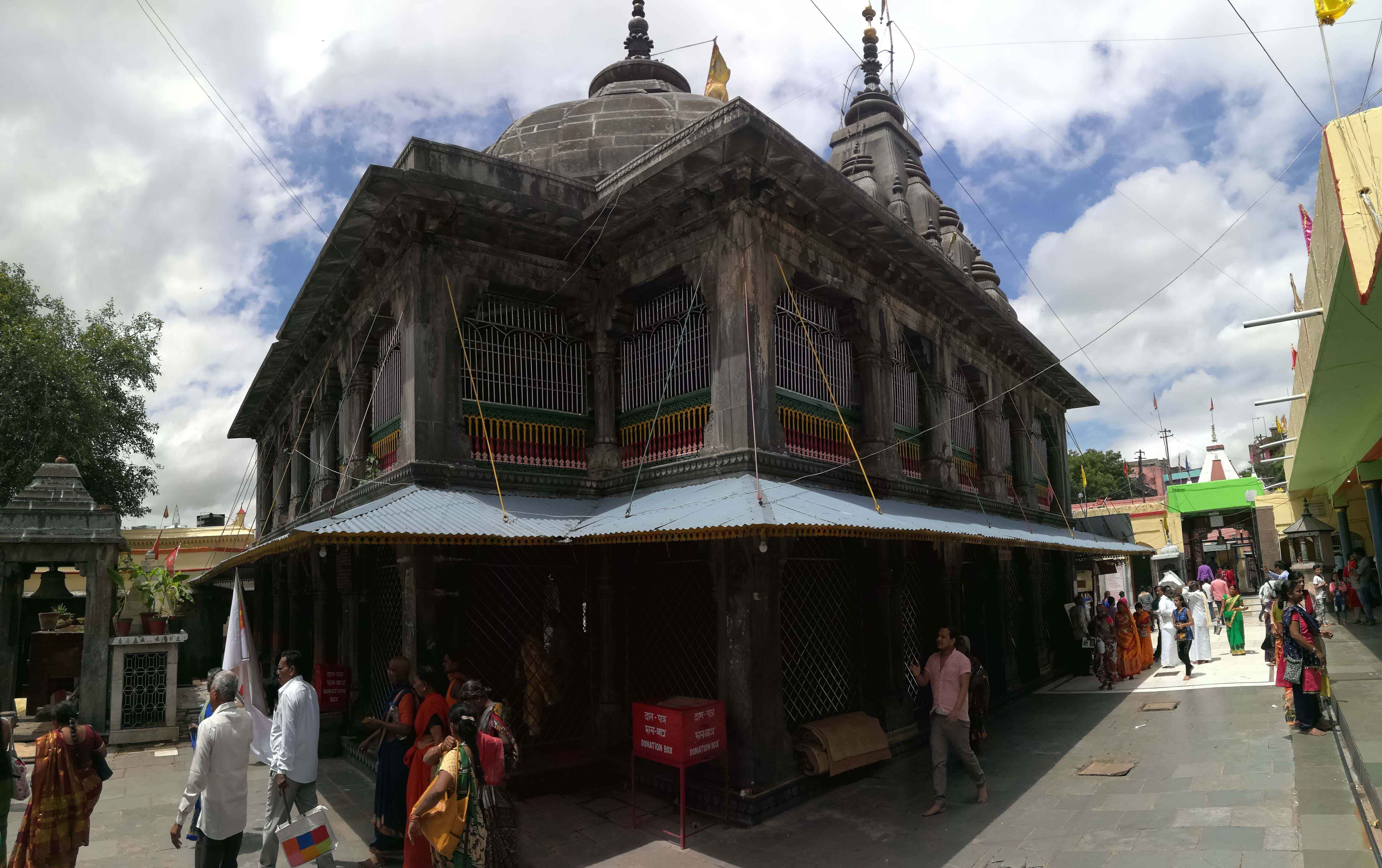
- Home to Vishnupad Temple and Bodh Gaya nearby — unmatched sacred ambience for religious ceremonies
- Deeply established infrastructure for large Chhath Puja and pilgrimage gatherings along the Falgu River
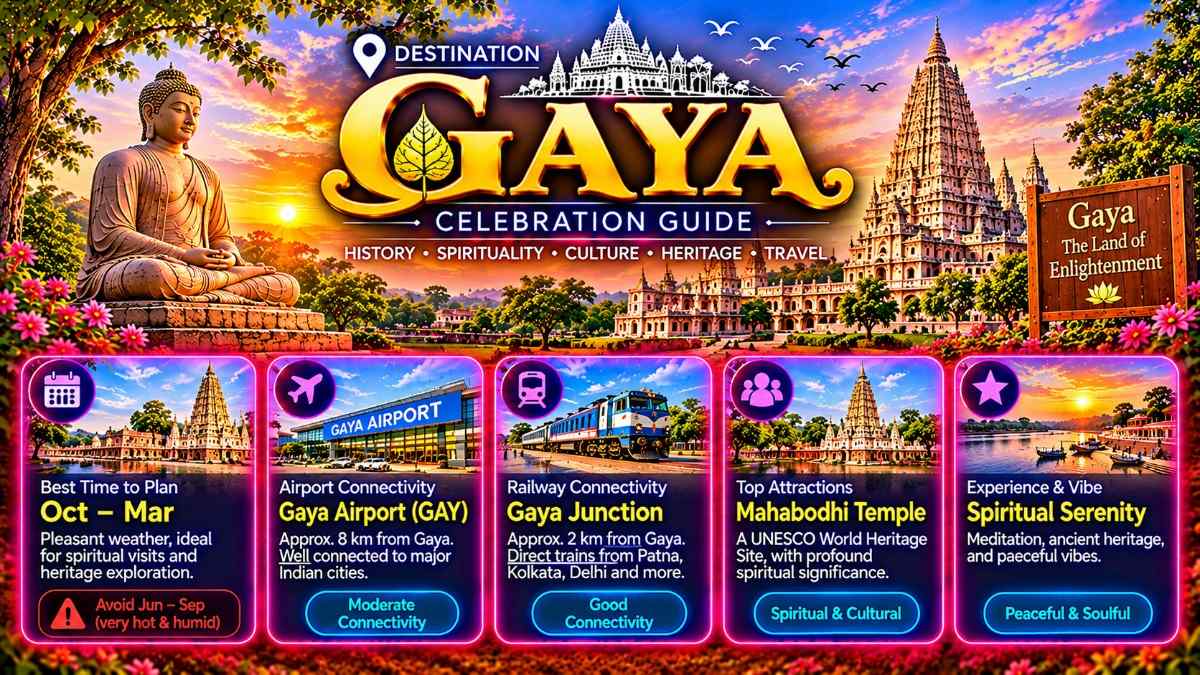
- Gaya International Airport offers direct connectivity from major Indian cities, easing guest travel
- Gaya Junction is a major railway hub with broad national connectivity for outstation guests
- Strong local ecosystem of priests, ritual specialists, and community caterers experienced in large religious functions
- Winter months (November–February) offer genuinely comfortable outdoor conditions for multi-day religious events
Top Venues in Gaya

Bodhgaya Regency
Hotel Surya

Royal Residency Hotel

Lotus Nikko Hotel
The Gaya Ji Station Stay
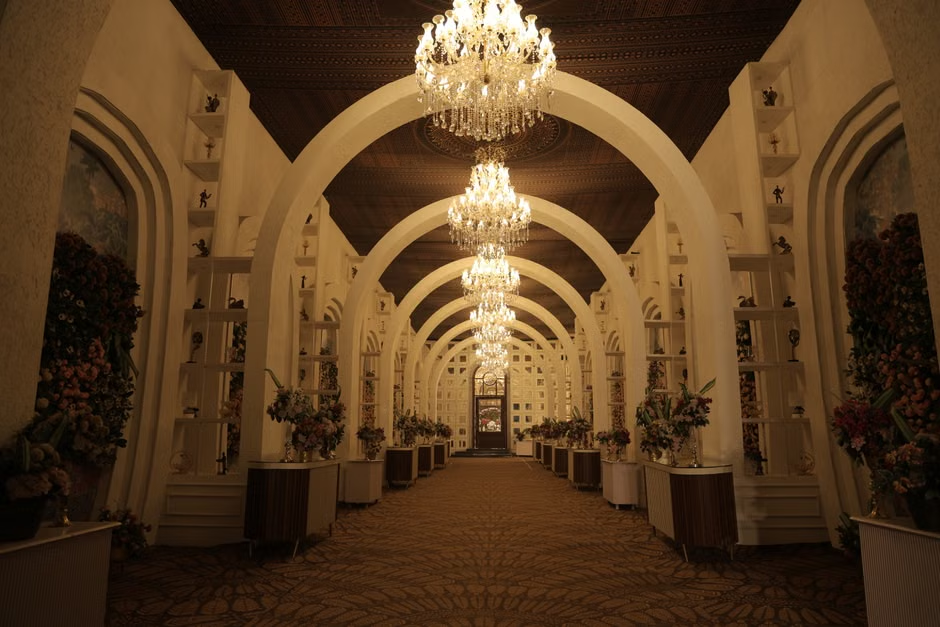
The Brijmohan Grand
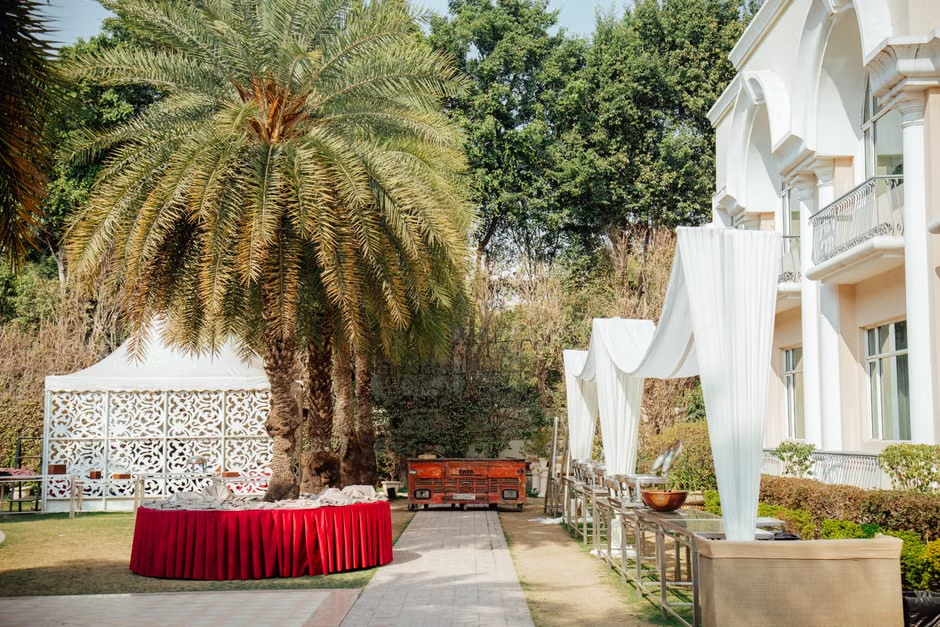
Shanker Bhawan Homestay
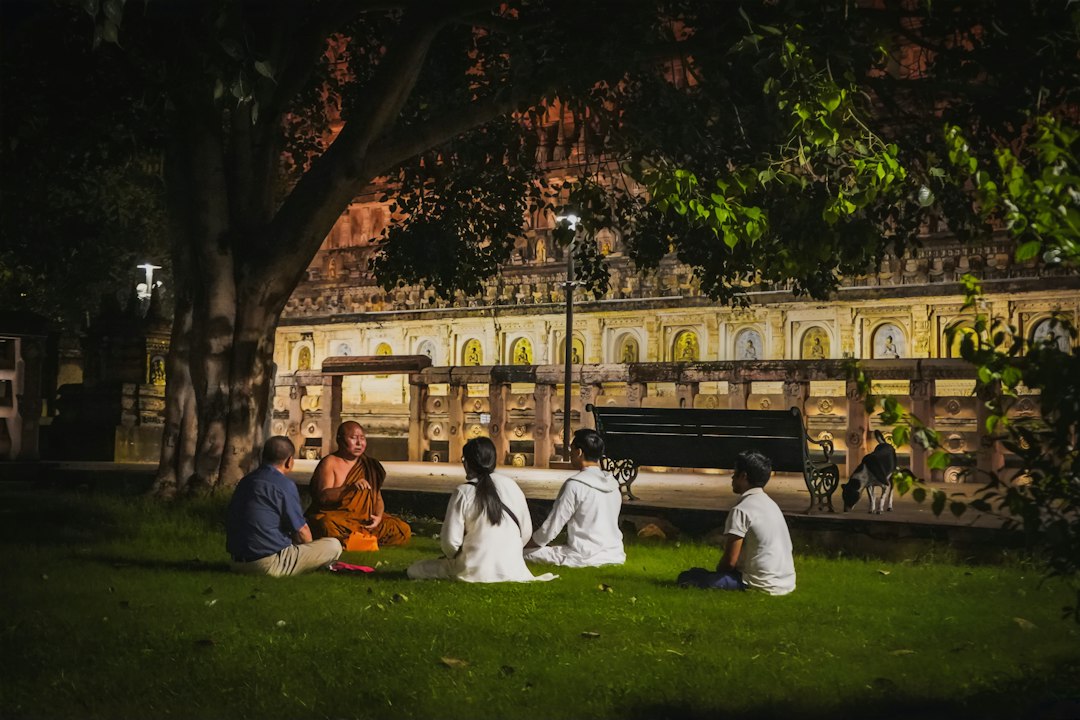
The Family Homestay
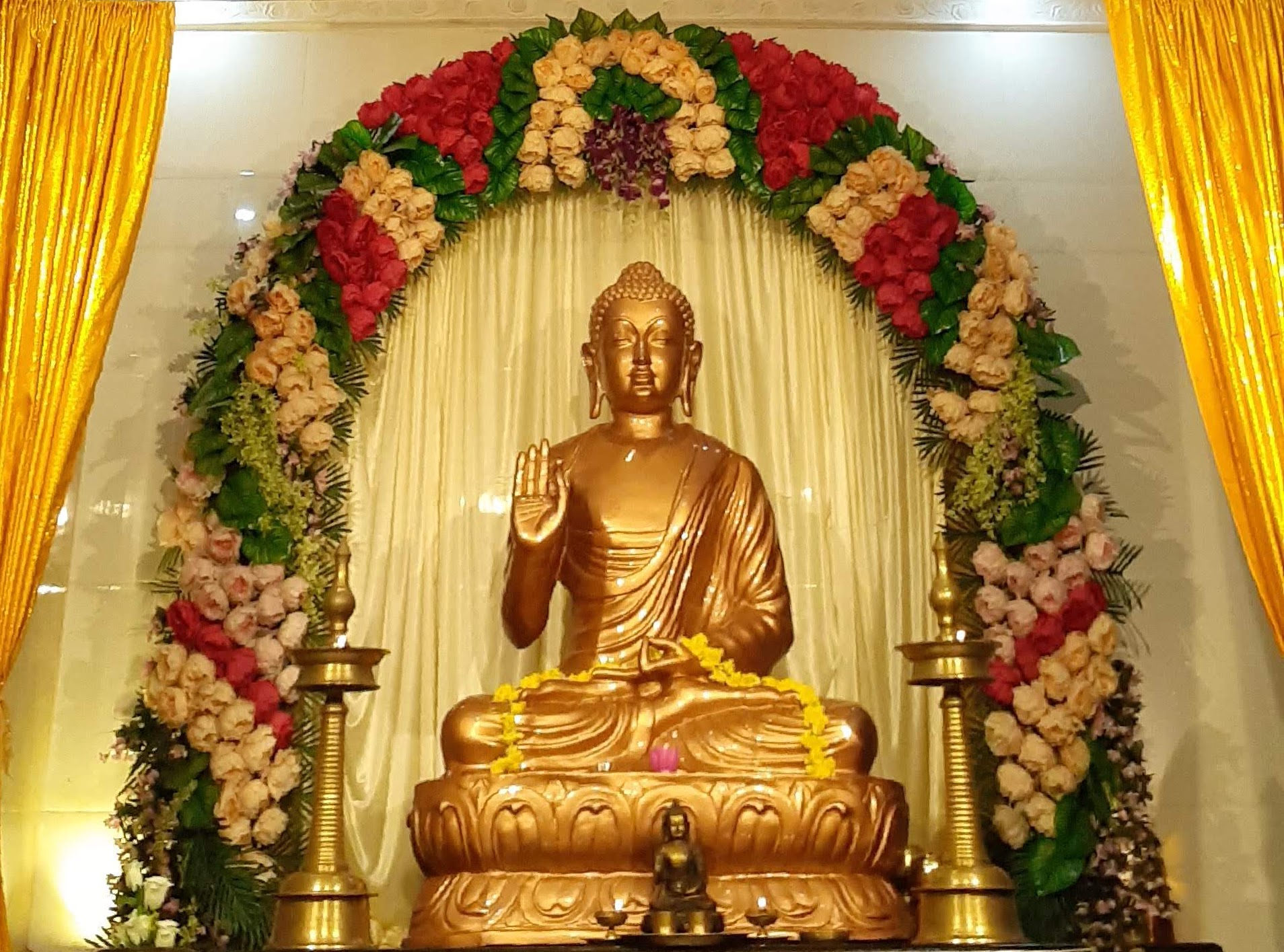
Hotel Bodhi Heritage
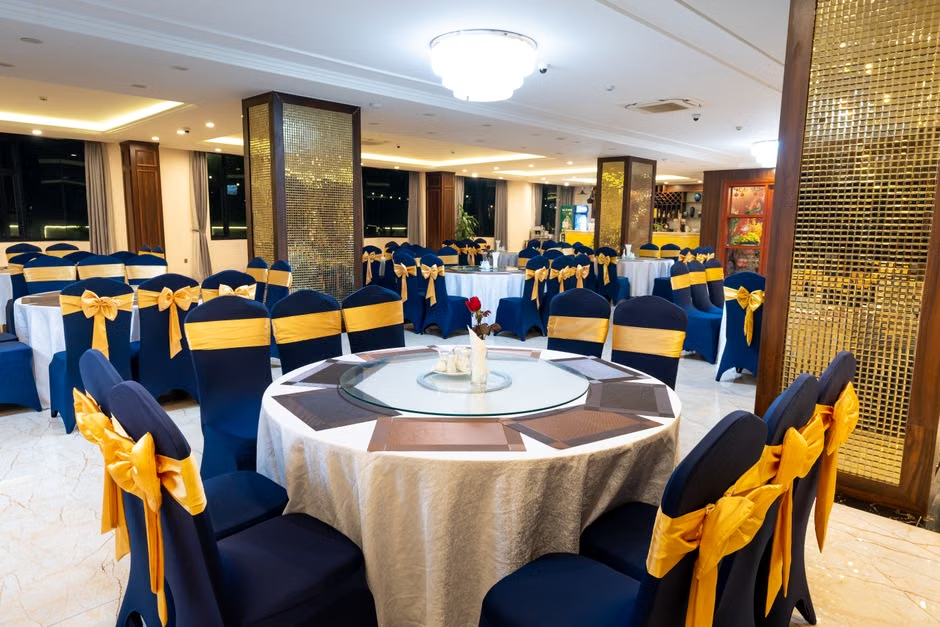
The Supreme Hotel & Banquet
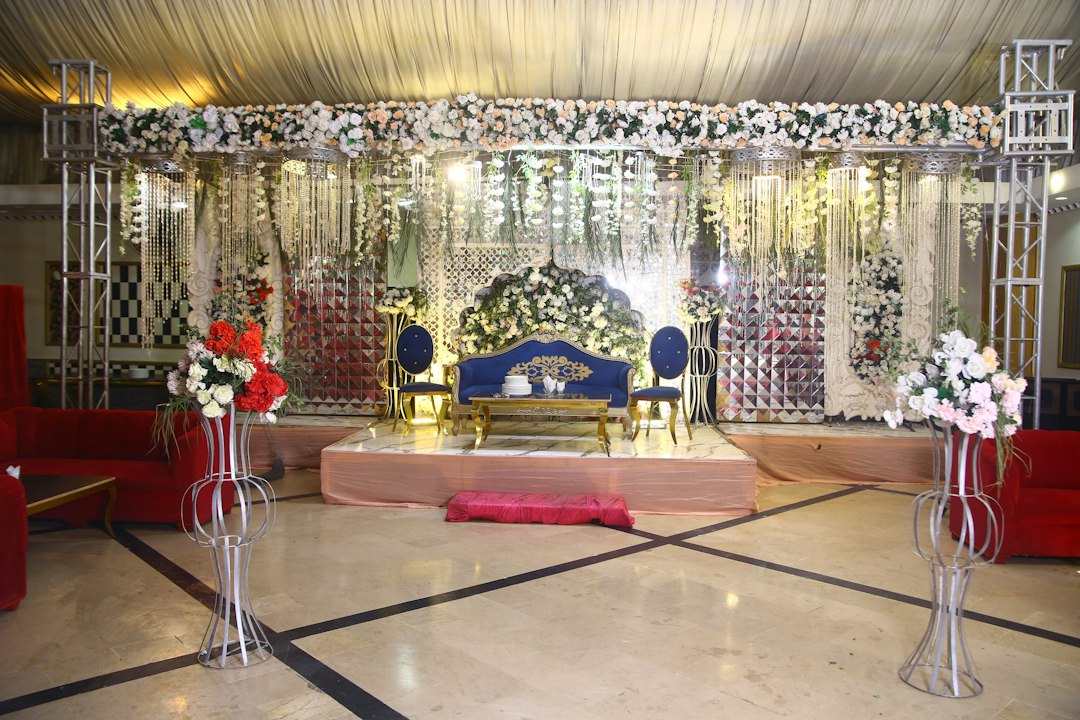
S S Hotel & Restaurant
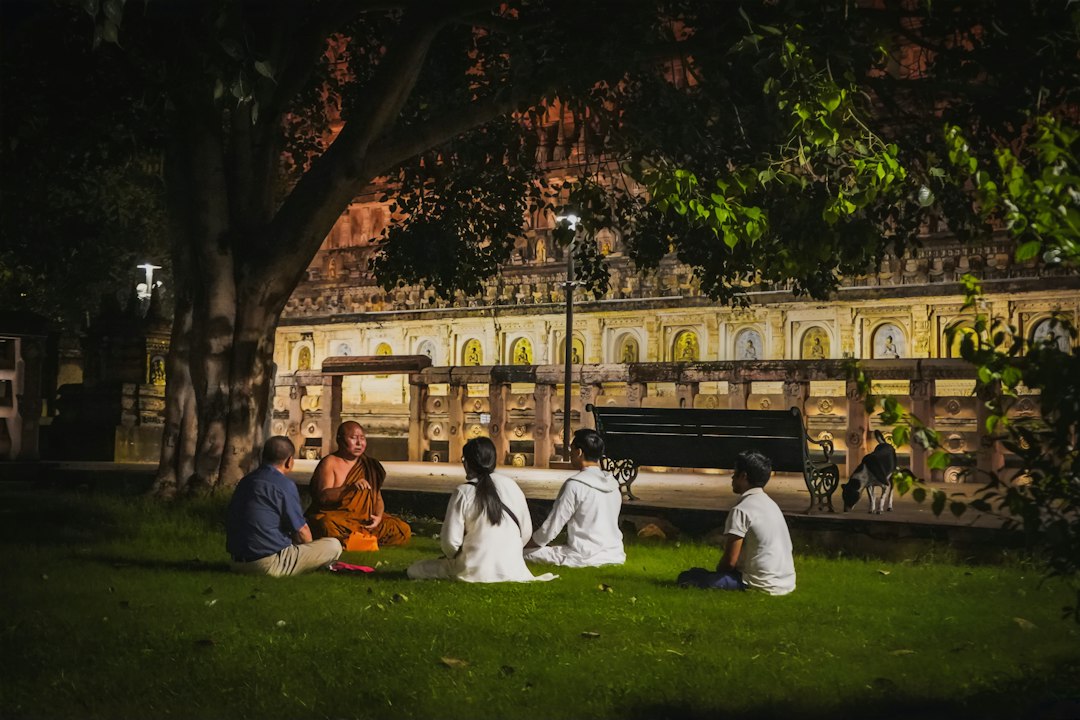
Mato Shree Aashray Homestay
Hotel Bhagwat Palace

The White Lotus
Compare Gaya with Other Top Destinations
Frequently Asked Questions
Is Gaya a good destination for a Chhath Puja gathering?
Yes, Gaya is among the most significant Chhath Puja destinations in India. The Falgu River ghats provide a large-scale, spiritually resonant ceremonial setting, and the city's entire logistics infrastructure — accommodation, catering, ritual supply, and community coordination — is oriented around this festival. Families from across Bihar, Jharkhand, and the Indian diaspora regularly choose Gaya for this observance.
What makes Gaya suitable for Hindu ancestral rites and religious family functions?
Gaya is specifically mentioned in Hindu scriptures as the most auspicious site for performing pind daan and shraddha — ancestral offering rituals. The city has a large, experienced community of priests and ritual specialists who coordinate these ceremonies for families of all sizes. This scriptural and practical foundation makes it the natural choice for families seeking to perform ancestral rites in their most meaningful location.
How many guests can events in Gaya typically accommodate?
Gaya's venue landscape — hotel banquet halls, dharamshalas, community halls, and riverside ghat areas — can comfortably support gatherings ranging from small family ceremonies of 50–100 guests up to large community gatherings of several hundred. For very large events exceeding 500 guests, early coordination with local event managers and temple trusts is advisable to secure adequate space and logistics.
What is the best time of year to plan a religious event or gathering in Gaya?
November through February is the optimal window. Cool, dry winter conditions (roughly 15°C–25°C) are comfortable for outdoor ceremonies and multi-day gatherings. This period also aligns with the post-Chhath Puja season and the main Buddhist pilgrimage calendar. Summer months (March–June) bring extreme heat, and the monsoon (July–September) disrupts outdoor access and road connectivity.
How do guests typically travel to Gaya for an event?
Gaya is served by Gaya International Airport, approximately 8–10 km from the city centre, with direct domestic flights from major Indian cities. Gaya Junction railway station is a significant stop on the Grand Chord line, with well-connected services to Patna, Kolkata, Varanasi, and Delhi. Most outstation guests find either option practical, with rail being the most commonly used route for domestic travel.
What kinds of venues are available for events in Gaya?
The main venue types include hotel banquet halls and lawns (particularly along the Bodh Gaya corridor), dharamshalas and community halls associated with temple trusts, riverside ghat areas for ceremonial use, and open grounds near temple precincts. The Bodh Gaya area also has retreat and conference facilities suited to spiritual or contemplative gatherings. The overall character is community-oriented rather than resort-luxury.
Is Gaya suitable for a spiritual retreat or leadership retreat with a contemplative theme?
Yes, particularly for groups drawn to Buddhist or Hindu contemplative traditions. The proximity of Bodh Gaya — home to the Mahabodhi Temple complex, a UNESCO World Heritage Site — provides a genuinely distinctive setting for retreat programmes with a spiritual or reflective focus. Retreat facilities in the Bodh Gaya area cater to both domestic and international groups seeking this kind of environment.
How far in advance should accommodation be booked for a group event in Gaya?
For events during peak pilgrimage seasons — particularly around Chhath Puja (October–November) and major Buddhist festival periods — accommodation should be secured at least three to six months in advance. The city's hotel and guesthouse inventory is sufficient for mid-sized groups in the off-peak winter months, but demand spikes sharply during festival windows and late booking can leave groups without suitable options.
What local vendors and services are available for event planning in Gaya?
Gaya has a well-established ecosystem of priests, ritual caterers, and community event coordinators experienced in large religious functions. For contemporary event production — professional décor, specialist photography, branded AV — the local supply is more limited, and families planning events with high production requirements may need to source these vendors from Patna or arrange for them to travel in. Early planning is advisable.
Is Gaya suitable for a temple festival celebration or community cultural gathering?
Yes. Gaya's active temple calendar — centred on the Vishnupad Temple and surrounding shrines — and its strong Bihari folk cultural traditions make it a natural fit for temple festival celebrations and community cultural gatherings. The city's existing festival infrastructure, open-air gathering spaces, and community participation culture support these event types well, particularly during the winter season.
What should event planners be aware of when organising group transport within Gaya?
App-based cab services have limited availability in Gaya compared to larger cities. For groups, pre-arranged private tempo travellers or buses are the most reliable option for moving guests between accommodation, temple sites, and event venues. The Gaya–Bodh Gaya corridor is well-maintained and straightforward, but traffic around major temple precincts during festival periods can be congested, so building buffer time into schedules is advisable.

Ready to explore venues in Gaya?
Gaya: Sacred Destination for Religious Gatherings, Spiritual Events & Festivals
◆Gaya is a major pilgrimage city in Bihar, best suited to religious family functions, Chhath Puja gatherings, spiritual ceremonies, and temple festivals. Its primary vibe is Spiritual & Soulful, rooted in centuries of Hindu and Buddhist tradition centred on the Vishnupad Temple, the Falgu River ghats, and the proximity of Bodh Gaya. The city is accessible via its own international airport and a major railway junction, making it reachable for guests from across India. It is generally a mid-range destination in terms of hospitality infrastructure, with a strong community-driven event ecosystem rather than a luxury resort circuit.
Gaya at a Glance
| Attribute | Detail |
|---|---|
| Best For | Chhath Puja Gathering, Religious Family Function, Spiritual / Pilgrimage Gathering, Temple Festival |
| Primary Vibe | Spiritual & Soulful |
| Other Vibes | Cultural, Community-Oriented, Heritage |
| Best Season | Winter (November–February) |
Why Choose Gaya?
- Unmatched sacred geography: The Vishnupad Temple, the Falgu River ghats, and the Mahabodhi Temple complex in nearby Bodh Gaya create a genuinely irreplaceable spiritual setting that no purpose-built event venue can replicate.
- Deep-rooted Chhath Puja infrastructure: Gaya is among the most significant Chhath Puja destinations in India; the city's ghats, logistics, and community networks are specifically organised around large-scale ritual gatherings, making it naturally suited to this event type.
- Dual transport access: Gaya International Airport (with direct flights from major Indian cities and some international Buddhist circuit routes) combined with Gaya Junction railway station gives guests multiple practical travel options.
- Experienced local ritual ecosystem: The city has a long-established community of priests, pandits, ritual caterers, and event coordinators who are specifically experienced in managing large religious family functions and multi-day ceremonies.
- Proximity to Bodh Gaya: The internationally significant Buddhist pilgrimage site of Bodh Gaya is approximately 13–15 km from Gaya city centre, broadening the destination's appeal for spiritual retreats, leadership retreats with a contemplative theme, and interfaith gatherings.
- Genuine community hospitality character: Gaya's hospitality culture is warm and community-oriented, which suits family reunions, naming ceremonies, and multi-generational religious gatherings where personal, attentive service matters more than branded luxury.
Which Celebrations Work Best in Gaya?
Chhath Puja Gathering: Gaya is one of the most spiritually charged locations in India for Chhath Puja. The Falgu River ghats provide a natural, large-scale ceremonial setting, and the city's entire infrastructure — from accommodation to catering to ritual supply — is oriented around this festival. Families travelling from across Bihar, Jharkhand, and the diaspora find Gaya a deeply meaningful venue for this observance.
Religious Family Function: Multi-generational religious ceremonies — shraddha rituals, pind daan, ancestral rites, and family pujas — are central to Gaya's identity. The city is specifically mentioned in Hindu scriptures as a site for ancestral offerings, making it the natural choice for families seeking to perform these rites in their most auspicious location.
Spiritual / Pilgrimage Gathering: Whether organised by a family, a community group, or a spiritual organisation, pilgrimage gatherings centred on Gaya's temples and the Bodh Gaya complex are well-supported here. Group logistics — accommodation blocks, shared transport, communal dining — are routinely managed by local operators experienced with pilgrim groups of all sizes.
Temple Festival: Gaya's temple calendar is active and rich, with festivals at the Vishnupad Temple and surrounding shrines drawing large congregations. Organising a community celebration or family event around a temple festival is a natural fit, with the city's existing festival infrastructure providing a ready-made ceremonial backdrop.
Cultural Festival Gathering: Beyond strictly religious events, Gaya hosts and supports cultural gatherings rooted in Bihari folk traditions — music, dance, and community storytelling that accompany major religious seasons. These events benefit from the city's strong community participation culture and its established open-air gathering spaces along the river.
Local Folk Festival / Fair: The region around Gaya has a living tradition of local fairs and folk festivals tied to the agricultural and religious calendar. Community organisers and families looking to host or participate in folk-cultural events will find genuine local talent, artisans, and performers available through the city's cultural networks.
Venues & Event Spaces
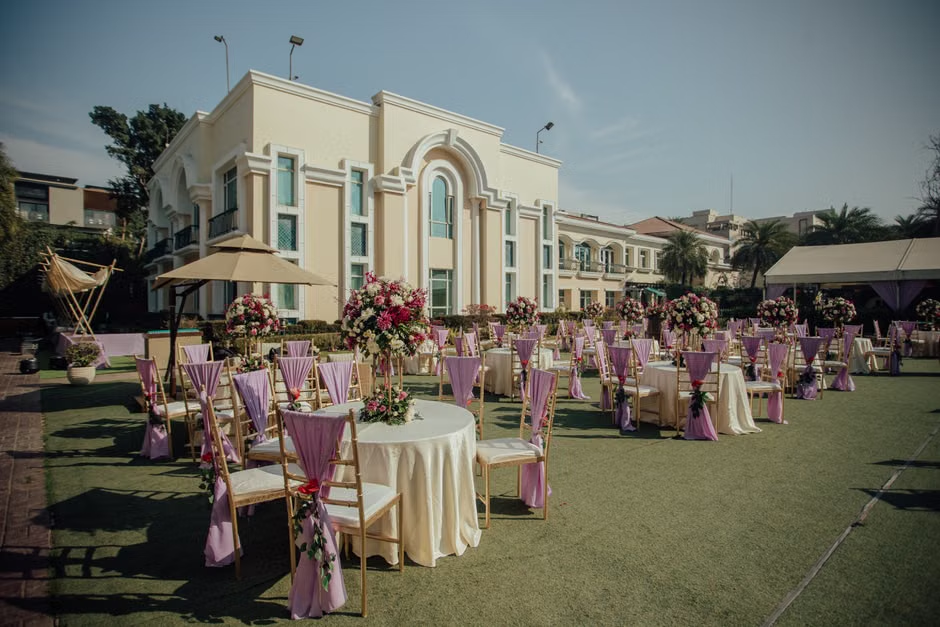
Gaya's event venue landscape is shaped primarily by its pilgrimage character rather than a leisure resort circuit. The most commonly used spaces include hotel banquet halls and lawns attached to mid-range and upper-mid-range properties, particularly those clustered around the Bodh Gaya corridor, which cater to both domestic pilgrims and international Buddhist visitors. Dharamshalas and community halls associated with temples and religious trusts are widely available and are frequently used for large family religious functions, offering practical, high-capacity spaces at accessible terms. Riverside ghat areas serve as the primary ceremonial spaces for Chhath Puja and ancestral rites, with the city administration managing access and facilities during peak festival periods. For larger gatherings, open grounds and community event spaces near the main temple precincts can be arranged through local event coordinators. The Bodh Gaya area, being an internationally recognised heritage site, also has a small number of purpose-built retreat and conference facilities suited to spiritual retreats and leadership gatherings with a contemplative focus.
Best Time to Celebrate
The winter months of November through February are the clear optimal window for events in Gaya. Daytime temperatures typically range from around 15°C to 25°C, with cool, dry evenings that are comfortable for outdoor ceremonies, ghat-side rituals, and multi-day family gatherings. This period also coincides with the post-monsoon clarity of the Falgu River and the main Chhath Puja season (October–November), making it the most spiritually and logistically aligned time for religious events.
March through June brings rapidly rising temperatures, with peak summer heat regularly exceeding 38°C–42°C in May and June. Outdoor ceremonies become genuinely uncomfortable and, for elderly guests or young children, potentially hazardous. Air-conditioned indoor spaces are available but limited in scale, which constrains the kind of large outdoor gatherings Gaya is best known for.
July through September is the monsoon season. Rainfall is significant and can be heavy, the Falgu River and surrounding ghats become inaccessible or unsafe for ceremonial use, and road connectivity in parts of the district can be disrupted. This period is generally unsuitable for planned outdoor events or large pilgrim gatherings. October is a transitional shoulder month — the monsoon typically recedes, and Chhath Puja falls in late October or early November, making it a high-activity but logistically demanding period requiring early planning and confirmed accommodation well in advance.
Getting There & Local Connectivity
Gaya is served by Gaya International Airport, located approximately 8–10 km from the city centre. The airport operates domestic routes connecting Gaya to major Indian cities and has historically handled international Buddhist circuit flights, giving it broader connectivity than many cities of comparable size in Bihar. For guests travelling by rail, Gaya Junction is a significant station on the Grand Chord line, with direct or well-connected services to Patna, Kolkata, Varanasi, Delhi, and other major hubs — making it one of the more accessible pilgrimage cities in eastern India by train.
Within the city and between Gaya and Bodh Gaya, local transport options include auto-rickshaws, cycle-rickshaws, and hired taxis or tempo travellers for groups. For large guest groups attending a multi-day event, pre-arranged private bus or tempo traveller hire is the most practical approach, as app-based cab services have limited penetration compared to larger metros. The Gaya–Bodh Gaya corridor is well-maintained and the approximately 13–15 km journey is straightforward. Local event coordinators typically assist with group transport logistics as a standard part of their service offering.
Local Vendor & Hospitality Ecosystem
Gaya's vendor ecosystem is genuinely strong in the areas that matter most for its primary event types. Ritual specialists and priests — for pind daan, shraddha, Chhath Puja ceremonies, and temple pujas — are available in large numbers and are experienced in coordinating with families of all sizes. Community caterers specialising in sattvic and traditional Bihari cuisine are well-established, and large-scale communal dining for pilgrim groups is a routine operational capability here.
For more contemporary event requirements — professional décor, sound and lighting, photography, and branded hospitality — the ecosystem is more limited than in larger event cities. Gaya has a growing base of local event management operators, particularly those who have developed alongside the Bodh Gaya tourism circuit, but families planning events with high production values may need to bring specialist vendors from Patna or other regional centres. This is a practical consideration worth factoring into planning timelines and logistics.
Accommodation capacity across the city and the Bodh Gaya corridor is sufficient for mid-sized gatherings, with a range of hotel and guesthouse options. During peak pilgrimage seasons — particularly around Chhath Puja and the main Buddhist festival calendar — accommodation books up well in advance, and early reservation is strongly advisable for any group event planned during these windows.
Pros & Things to Consider
Why Gaya Works Well
- Irreplaceable spiritual and scriptural significance for Hindu ancestral rites and Buddhist pilgrimage — no other city offers this specific combination
- Established, experienced community of ritual specialists, priests, and religious event coordinators
- Good national rail and air connectivity relative to its size, making it accessible for outstation guests
- Strong community hospitality culture that suits multi-generational family gatherings and large religious functions
- Proximity to Bodh Gaya broadens the destination's appeal for spiritual retreats and interfaith or contemplative gatherings
- Winter season offers genuinely comfortable outdoor conditions for the city's signature event types
Things to Consider
- The luxury hospitality infrastructure is limited compared to major event cities — guests expecting five-star resort experiences will find the options more modest
- Contemporary event production vendors (high-end décor, professional AV, specialist photographers) may need to be sourced from Patna or brought in from outside the city
- Peak pilgrimage seasons create significant accommodation pressure — late booking during Chhath Puja or major Buddhist festivals can leave groups without suitable options
- Summer heat (March–June) makes outdoor events genuinely impractical, limiting the usable event calendar to roughly five months of the year
- City traffic and infrastructure around major temple precincts can be congested during festival periods, requiring careful guest logistics planning
When Gaya May Not Be the Right Fit
- Large-scale luxury weddings: Families seeking a destination wedding with extensive luxury resort infrastructure, high-end bridal suites, and a wide choice of five-star banquet spaces will find Gaya's current hospitality inventory limiting — a different destination would serve that brief more comfortably.
- Monsoon-season events: Any event that depends on outdoor spaces, ghat access, or reliable road connectivity between July and September faces genuine operational risk in Gaya; the monsoon season is not suitable for planned large gatherings here.
- Guests with very limited travel flexibility: While Gaya has good rail and air links, guests travelling from remote locations without direct connections may face multi-leg journeys; for a guest list drawn primarily from distant regions with poor onward connectivity to Gaya, a more centrally located city may reduce travel burden significantly.
- Events requiring a large, modern convention or banquet facility: Corporate offsites or leadership retreats requiring large, purpose-built conference infrastructure with full AV, breakout rooms, and business-grade amenities will find the local supply limited; Patna or a larger regional city would be a more practical base for that format.