
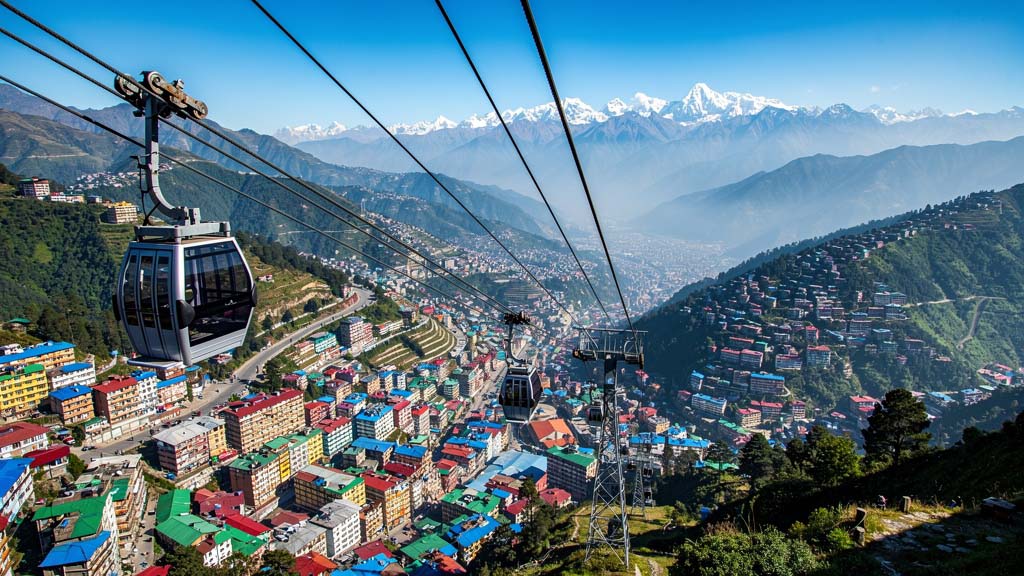
Why Gangtok is Perfect for Your Celebration
- Panoramic Kanchenjunga views create a dramatic, one-of-a-kind backdrop for corporate and celebratory events
- Cool spring climate in March–April is ideal for outdoor sessions, team activities, and evening gatherings
- Compact city layout means hotels, activity zones, and dining are all within easy reach for groups
- Rich Sikkimese and Buddhist cultural experiences — monastery visits, local cuisine, folk performances — add genuine offsite value
- Relatively low footfall compared to mainstream metros gives groups a sense of exclusivity and privacy
- Growing inventory of well-equipped hotels with dedicated conference and banquet facilities suited to mid-sized groups
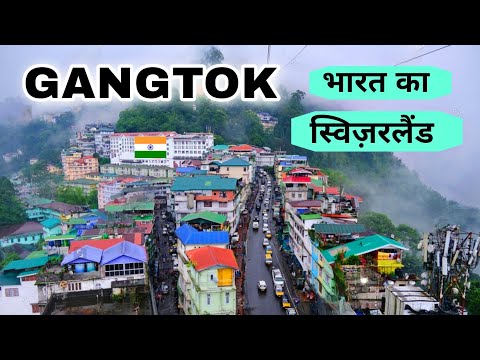
Top Venues in Gangtok
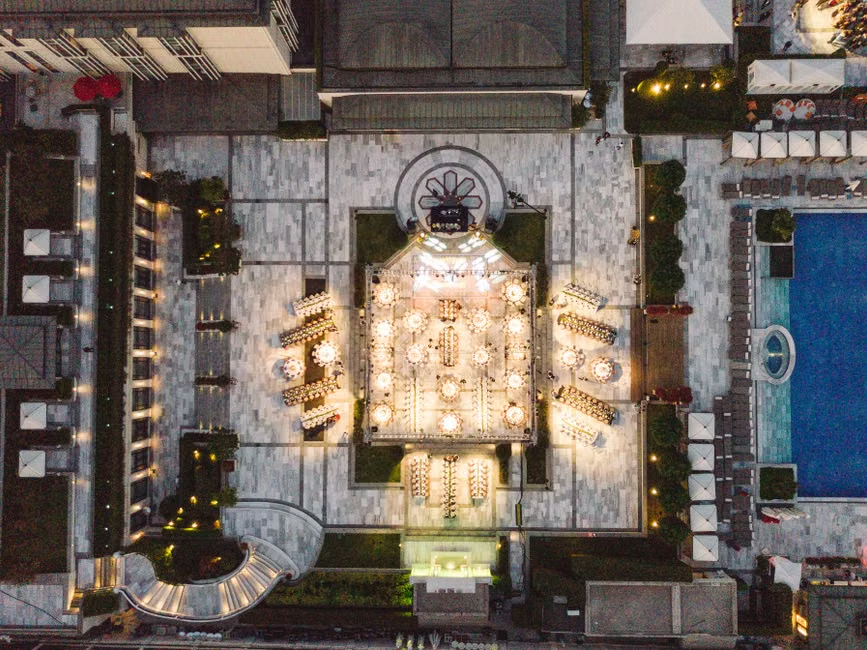
Mayfair Spa Resort & Casino
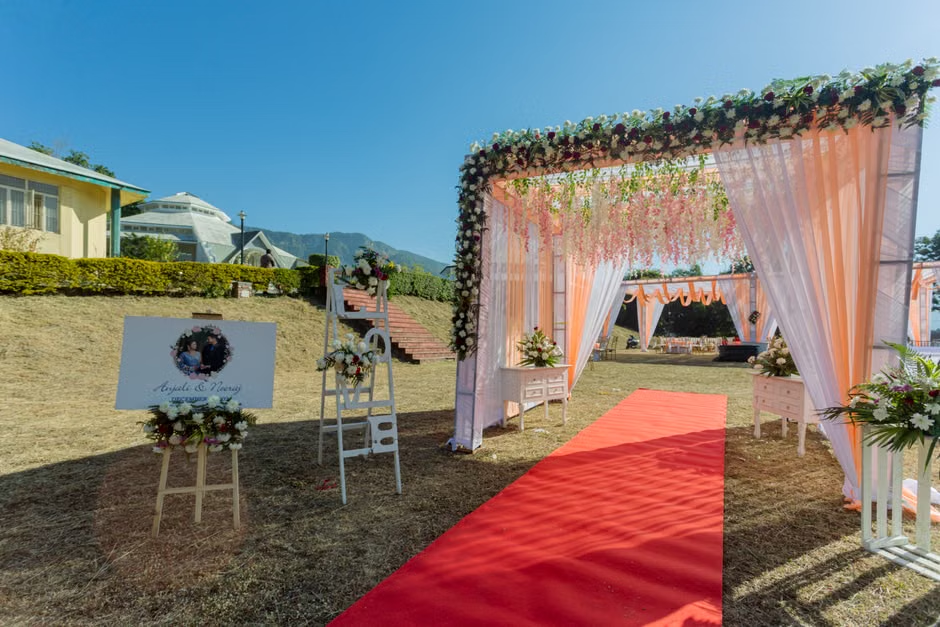
Elgin Nor-Khill
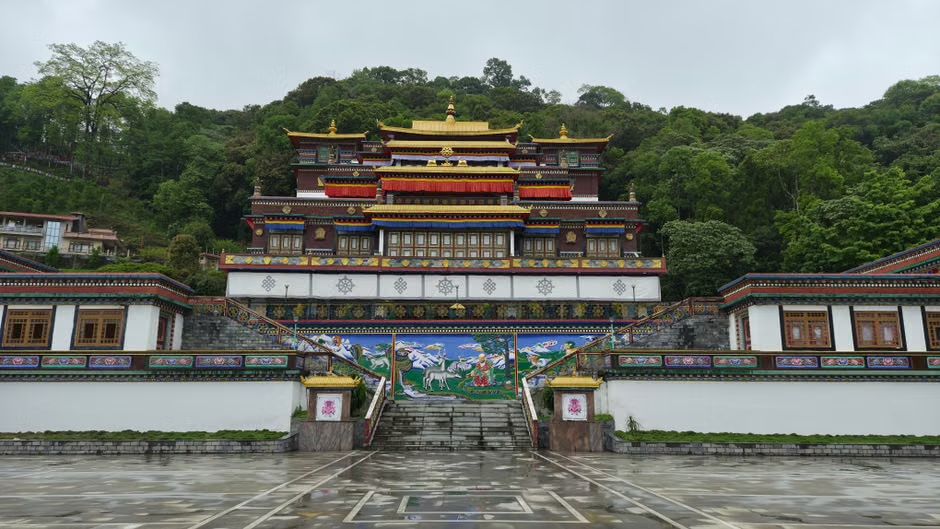
Taj Guras Kutir Resort & Spa, Gangtok
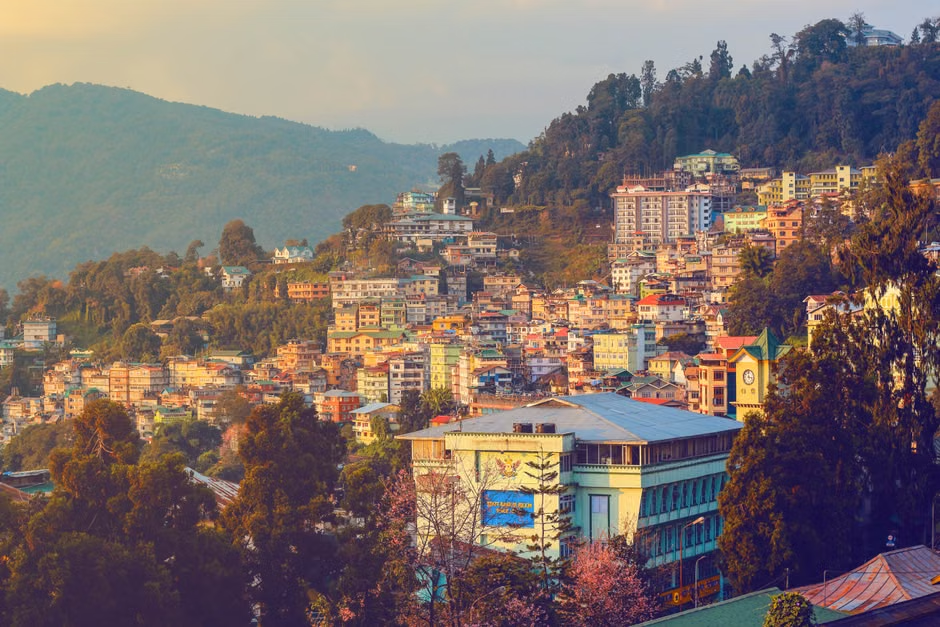
Udaan Yalley Resort, Gangtok
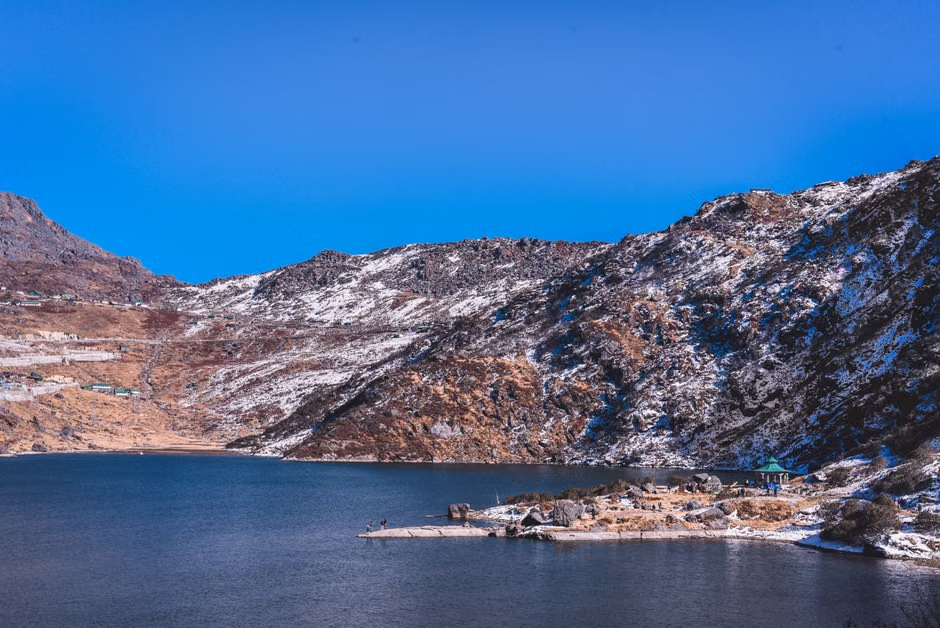
Amor Gangtok Resort & Spa
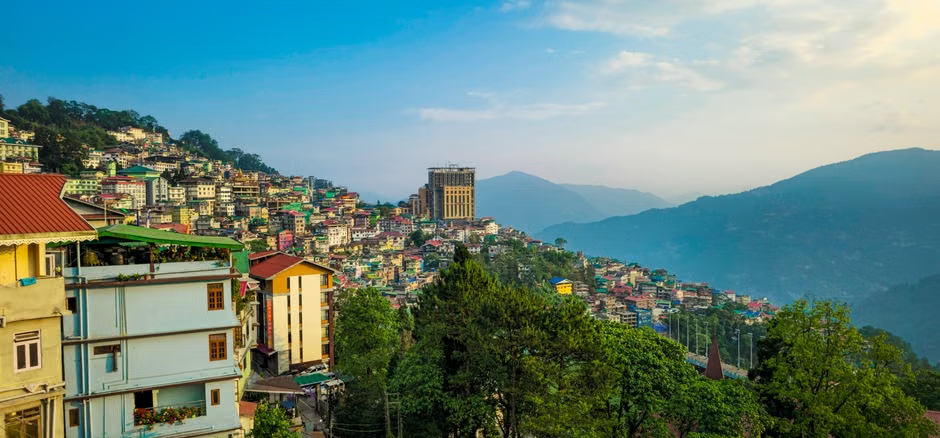
Sterling Mount Olive Gangtok

Udaan Hotels | Alpine Resort, Gangtok
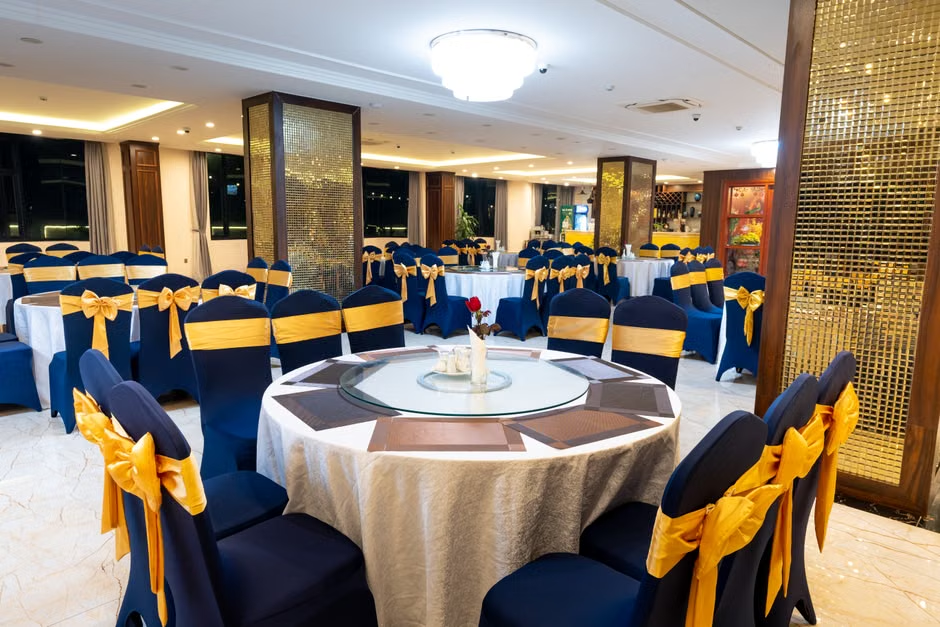
Hotel Sonam Delek
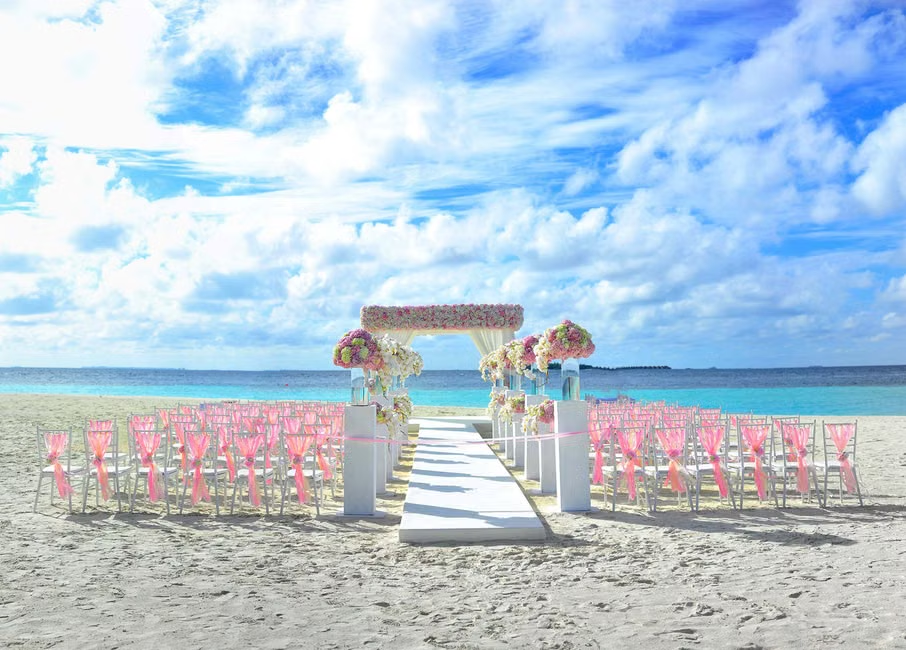
Kunden Fortune Resort
#1 Sungava Resort - Hotel In Gangtok
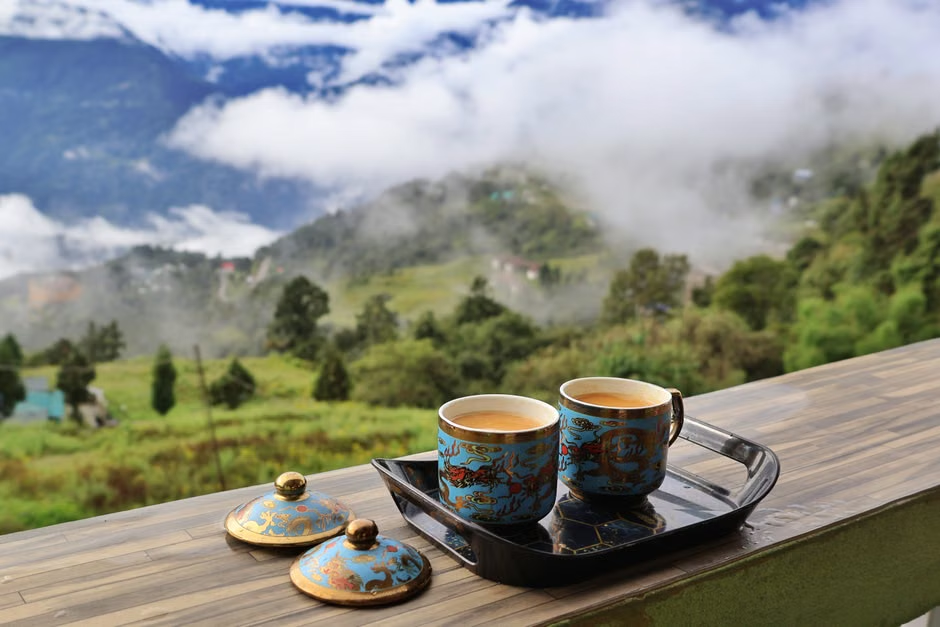
Sumitel Gangtok
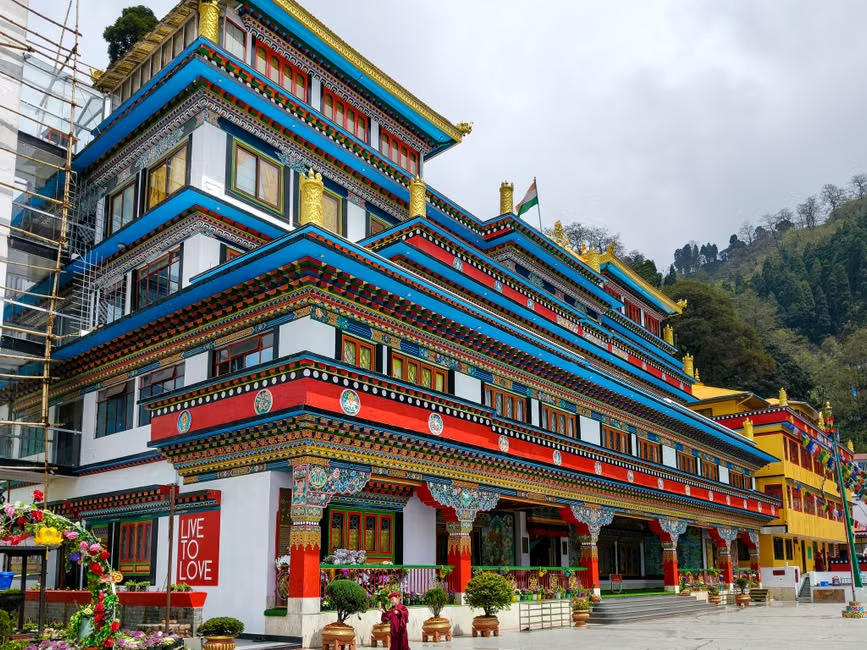
Tashi Yang by Baizus Hotels & Resorts

Alphaline Village Resort
Compare Gangtok with Other Top Destinations
Frequently Asked Questions
Is Gangtok a good destination for a corporate offsite or leadership retreat?
Yes. Gangtok is particularly well-suited to corporate offsites and leadership retreats for small-to-mid-sized groups. The Himalayan setting creates a genuine sense of remove from everyday work environments, the better hotels offer dedicated conference facilities, and the range of cultural and outdoor activities gives programmes meaningful content beyond the meeting room. Groups of 20 to 150 people are generally the best fit.
What group sizes can Gangtok's venues realistically accommodate?
Most well-equipped hotels in Gangtok can handle groups of 30 to around 200–250 guests for a single-space event. Smaller groups of 20–80 people are particularly well-served, with several properties offering intimate conference and banquet spaces. Groups above 250 guests requiring a single large venue will likely find the local inventory limiting and should consider a larger-capacity destination.
How do guests typically get to Gangtok, and how long does the journey take?
Guests reach Gangtok primarily via Pakyong Airport (approximately 35 km away, with limited direct connections mainly from Kolkata) or by rail to New Jalpaiguri station, followed by a road transfer of roughly 3.5 to 4.5 hours. Both routes involve a mountain road journey into the city. Groups should plan for the travel time and factor in potential weather-related delays, particularly for the airport route.
When is the best time of year to plan a corporate event or celebration in Gangtok?
Spring — March through April — is the strongest window. Skies are generally clear, Kanchenjunga views are reliably visible, rhododendron forests are in bloom, and temperatures (roughly 10°C–20°C) are comfortable for both indoor sessions and outdoor activities. October–November offers a secondary window. The monsoon (June–September) and deep winter (December–February) are best avoided for planned events.
What kinds of venues and event spaces are available in Gangtok?
Gangtok's event spaces are primarily hotel-based — mountain resorts and heritage-style properties with conference halls, banquet rooms, and outdoor terraces or lawns with Himalayan views. There is no standalone convention centre. The best properties offer AV equipment, in-house catering, and event coordination. Outdoor terraces with mountain views are a particular strength for evening social events during the spring season.
What team-building activities are available for corporate groups in Gangtok?
Gangtok offers a strong range of team-building options: trekking on nearby trails, river rafting on the Teesta, cable car rides, monastery and cultural visits, traditional Sikkimese cooking experiences, and local market walks. Most activities are within a short drive of the city centre. The combination of adventure and cultural programming gives corporate groups genuine variety across a multi-day programme.
How reliable is local transport for moving a group around Gangtok?
Within Gangtok, group movement is typically managed through pre-arranged hired vehicles, which most event-experienced hotels can help coordinate. The city centre is compact and largely walkable. Road conditions on mountain routes can be affected by weather, so building buffer time into group transfers — particularly to and from the airport or railway station — is advisable, especially outside the spring season.
Is Gangtok suitable for a family reunion or multi-generational celebration?
Yes, for families comfortable with mountain travel. Gangtok offers a mix of gentle sightseeing (monasteries, viewpoints, local markets), comfortable hotel accommodation, distinctive cuisine, and optional adventure activities — giving multi-generational groups a shared experience with enough variety for different ages and interests. Guests with significant mobility limitations may find the terrain and road journey more challenging.
What is the internet and mobile connectivity like for corporate groups in Gangtok?
Connectivity is generally adequate in the city centre and at most established hotels, with 4G mobile coverage available from major Indian networks. However, it can be patchy at some properties on the outskirts and on mountain roads. Corporate groups with live-streaming requirements, large video-conferencing needs, or real-time data dependencies should confirm connectivity specifics with their chosen hotel well in advance.
How developed is the local event vendor ecosystem in Gangtok?
Gangtok has a functional local vendor ecosystem for standard corporate and celebratory events — in-house hotel catering, basic AV, local décor, and cultural entertainment are all available. However, the pool of specialist vendors (large-format production, complex staging, high-end floral design) is smaller than in mainstream event cities. Groups with specialised requirements should plan to engage vendors from Kolkata or another major city and allow extra lead time.
Is Gangtok safe for corporate groups and event guests?
Yes. Gangtok is consistently regarded as one of the safer destinations in India for travellers and groups. Sikkim has low crime rates, a well-maintained public environment, and a generally welcoming local culture. The main safety considerations are weather-related — mountain road conditions during monsoon and winter — rather than personal security, making advance travel planning the most important precaution.

Ready to explore venues in Gangtok?
Gangtok: Mountain Retreat Venues for Corporate Events & Celebrations
◆Gangtok is best suited to corporate offsites, leadership retreats, team-building retreats, and incentive trips for small-to-mid-sized groups — typically 20 to 200 guests — who want a genuinely distinctive Himalayan setting rather than a conventional city venue. Its primary vibe is serene and nature-immersive, shaped by mountain views, Buddhist monasteries, and cool forest air. The best time to plan is spring (March–April), when skies are clear and temperatures are comfortable. Accessibility requires advance planning — guests typically fly into Pakyong Airport or travel via New Jalpaiguri by rail, then road-transfer to the city — but the journey itself is part of the experience. The overall cost character is moderate relative to metro destinations.
Gangtok at a Glance
| Category | Details |
|---|---|
| Best For | Corporate Offsite, Leadership Retreat, Team-Building Retreat, Incentive Trip |
| Primary Vibe | Nature & Serene |
| Other Vibes | Cultural, Himalayan, Intimate, Adventurous |
| Best Season | Spring (March–April) |
Why Choose Gangtok?
- Unmatched Himalayan backdrop: Views of the Kanchenjunga range — the world's third-highest peak — provide a dramatic, genuinely awe-inspiring setting that no metro conference centre can replicate, making every session and social moment feel elevated.
- Compact, walkable city layout: Gangtok's relatively small footprint means hotels, activity zones, local markets, and dining are all within easy reach for groups, reducing internal logistics complexity significantly compared to sprawling resort destinations.
- Rich cultural programming: Monastery visits, traditional Sikkimese cuisine, local folk performances, and Buddhist cultural experiences give corporate groups and celebratory parties genuine offsite content that goes well beyond a standard team dinner.
- Low crowd density relative to mainstream destinations: Gangtok sees far fewer large-scale events than cities like Goa or Jaipur, which means groups typically enjoy greater privacy, more attentive hotel service, and a stronger sense of exclusivity.
- Adventure and wellness options: Trekking, river rafting on the Teesta, cable car rides, and spa facilities at mountain resorts give groups a wide range of team-building and leisure activities within a short radius of the city.
- Improving hospitality infrastructure: Gangtok's hotel sector has grown meaningfully over the past decade, with several properties now offering dedicated conference halls, AV equipment, and banquet spaces capable of hosting structured corporate programmes.
Which Celebrations Work Best in Gangtok?
- Corporate Offsite: Gangtok's combination of well-equipped conference facilities, dramatic natural surroundings, and a genuine sense of remove from everyday office life makes it particularly effective for corporate offsites where the goal is fresh thinking and team cohesion. The mountain environment naturally encourages focus and reflection.
- Leadership Retreat: Small, senior leadership groups benefit especially from Gangtok's quieter, more contemplative character. The absence of the distractions typical of beach or city destinations, combined with high-quality accommodation and cultural depth, supports the kind of strategic, unhurried conversation that leadership retreats require.
- Team-Building Retreat: The range of outdoor activities available — trekking, river rafting, cable car experiences, cultural workshops — gives team-building programmes genuine variety and energy. Groups consistently report that shared adventure in an unfamiliar mountain environment accelerates bonding in ways that indoor activities cannot.
- Incentive Trip: For organisations rewarding high performers, Gangtok delivers a genuinely aspirational experience: Himalayan scenery, distinctive local culture, and a destination that most guests will not have visited before, which adds to the perceived value of the reward.
- Board / Strategy Meet: Smaller, high-focus board meetings benefit from Gangtok's privacy and the natural separation from urban noise. Several hotels offer dedicated boardroom-style spaces with mountain views, creating an environment that is both professional and genuinely inspiring.
- Family Getaway & Reunion Weekend: Gangtok works well for multi-generational family groups seeking a shared adventure. The mix of gentle sightseeing (monasteries, viewpoints, local markets), comfortable accommodation, and distinctive cuisine gives families of varied ages and interests a common experience to build around.
Venues & Event Spaces
Gangtok's event venue landscape is anchored by mountain resorts and heritage-style hotels that combine comfortable accommodation with dedicated event infrastructure. The most capable properties offer conference halls and banquet spaces that can typically accommodate groups ranging from 30 to around 250 guests, with AV equipment, catering, and in-house event coordination available. Outdoor lawns and terraces with Himalayan views are a particular strength of the better properties, and these spaces are especially well-suited to evening social events, cultural performances, and informal leadership sessions during the spring season.
Beyond the larger hotels, Gangtok also has a number of smaller boutique properties and guesthouses that suit intimate gatherings, leadership retreats of 10–30 people, or overflow accommodation for larger groups. The city does not have a standalone convention centre or large-scale banquet hall of the kind found in major metros, so groups requiring capacity above roughly 300 guests in a single space may find the local inventory limiting. For most corporate and celebratory group sizes, however, the existing hotel-based event spaces are genuinely well-suited.
Best Time to Celebrate
Spring — specifically March through April — is the strongest window for events in Gangtok, and the reasons go beyond simply "pleasant weather." During this period, the rhododendron forests across Sikkim are in full bloom, adding vivid colour to the landscape and making outdoor photography and social events particularly striking. Skies are generally clear, which means the Kanchenjunga views that define Gangtok's appeal are reliably visible — something that cannot be taken for granted at other times of year. Temperatures typically range from around 10°C to 20°C, which is comfortable for both indoor conference sessions and outdoor activities without the need for heavy cold-weather gear.
The monsoon season (June through September) brings heavy, sustained rainfall that causes frequent landslides on the mountain roads leading into Gangtok, making travel genuinely unreliable and sometimes dangerous. Road closures can strand guests or delay arrivals significantly, which is a serious operational risk for any planned event. October and November offer a secondary window of reasonable weather — skies clear after the monsoon, and temperatures are still manageable — though this period is shorter and less reliably clear than spring. December through February brings cold temperatures, frequent fog, and occasional snowfall at higher elevations, which limits outdoor activities and can complicate road access, particularly for guests travelling from Pakyong Airport or New Jalpaiguri.
Getting There & Local Connectivity
Most guests reach Gangtok via one of two routes: by air to Pakyong Airport, which is the nearest commercial airport and sits roughly 35 km from the city centre, or by rail to New Jalpaiguri (NJP) station, which is well-connected to major Indian cities including Kolkata, Delhi, and Mumbai, followed by a road transfer of approximately 3.5 to 4.5 hours depending on traffic and road conditions. Both routes involve a mountain road journey into the city, which is scenic but requires time and advance planning — particularly for large groups who need to coordinate multiple vehicles.
Pakyong Airport has limited flight connectivity, with services primarily from Kolkata and a small number of other cities. Guests travelling from cities without a direct Pakyong connection will typically route through Kolkata or Bagdogra (the latter being in West Bengal, somewhat further away). Groups should factor in the possibility of weather-related flight disruptions at Pakyong, which sits at altitude and can be affected by mountain weather conditions.
Within Gangtok itself, the city is compact and most event-related movement — between hotels, activity sites, and dining venues — is manageable by a small fleet of hired vehicles. The city centre around MG Marg is largely pedestrian-friendly. For group logistics, pre-arranged vehicle hire is the standard approach, and most hotels with event experience can assist with coordination. There is no metro or suburban rail within the city.
Local Vendor & Hospitality Ecosystem
Gangtok's hospitality ecosystem is genuinely well-developed relative to its size, shaped by decades of domestic tourism and a growing corporate travel segment. The better hotels have in-house catering teams experienced in serving both Sikkimese and broader Indian cuisine, and several can accommodate multi-day corporate programmes with structured meal plans, themed dinners, and cultural food experiences. Local caterers and event decorators are available for supplementary requirements, though the vendor pool is smaller and less specialised than in major metro or established wedding destinations.
For corporate events specifically, AV and technical equipment is available through hotel in-house teams and a small number of local vendors, though groups with highly specific technical requirements (large-format LED walls, complex staging, broadcast-quality production) are generally better served by bringing specialist vendors from Kolkata or another major city. Event management companies with Gangtok experience exist but are fewer in number than in mainstream destinations — early engagement and clear briefing are particularly important here.
The local hospitality workforce is generally noted for warmth, attentiveness, and genuine pride in Sikkimese culture, which translates well into the kind of personalised service that makes corporate retreats and incentive trips feel genuinely special rather than transactional.
Pros & Things to Consider
Why Gangtok Works Well
- Genuinely distinctive Himalayan setting that creates a strong sense of occasion and separateness from everyday work environments
- Compact city layout simplifies group logistics and keeps travel time between venues and activities low
- Rich cultural and adventure programming gives corporate groups and celebratory parties meaningful shared experiences
- Lower event density than mainstream destinations means groups typically receive more attentive service and greater privacy
- Spring season offers reliably clear skies and comfortable temperatures, making both indoor and outdoor programming viable
- Sikkimese hospitality culture is widely regarded as warm, genuine, and well-suited to group hosting
Things to Consider
- Accessibility requires advance planning — the mountain road journey from the nearest airport or railway station adds meaningful travel time and complexity for guests, particularly those with mobility limitations
- Flight connectivity to Pakyong Airport is limited; many guests will need a connecting flight via Kolkata, adding to overall journey time
- Venue capacity is capped at roughly 200–250 guests for a single-space event; groups larger than this may find the local inventory insufficient
- The specialist vendor ecosystem (production, décor, entertainment) is smaller than in established event cities, requiring earlier planning and potentially importing vendors from outside Sikkim
- Monsoon season (June–September) makes Gangtok genuinely unsuitable for events due to landslide risk and road unreliability — this is not a soft advisory but a real operational constraint
- Internet and mobile connectivity, while generally adequate in the city centre, can be patchy at some hotel properties and on mountain roads, which matters for corporate groups with live connectivity requirements
When Gangtok May Not Be the Right Fit
- Large-scale events above 250–300 guests: The local hotel and venue inventory does not comfortably support single-space events at this scale. Groups requiring large plenary halls or multi-thousand-guest banquets will find Gangtok's capacity limiting.
- Monsoon-season events (June–September): Landslides and road closures during the monsoon make reliable guest arrival and departure genuinely uncertain. Any event planned during this window carries significant logistical risk that is difficult to mitigate.
- Groups with guests who have significant mobility limitations: The mountain terrain, stepped streets in parts of the city, and the road journey from the airport or railway station can be challenging for guests with limited mobility. A flatter, more accessible destination would serve these groups better.
- Events requiring highly specialised production or entertainment infrastructure: Groups planning large-format stage productions, complex AV setups, or headline entertainment acts will find the local vendor ecosystem insufficient and the logistics of importing everything from outside Sikkim both complex and time-consuming.