
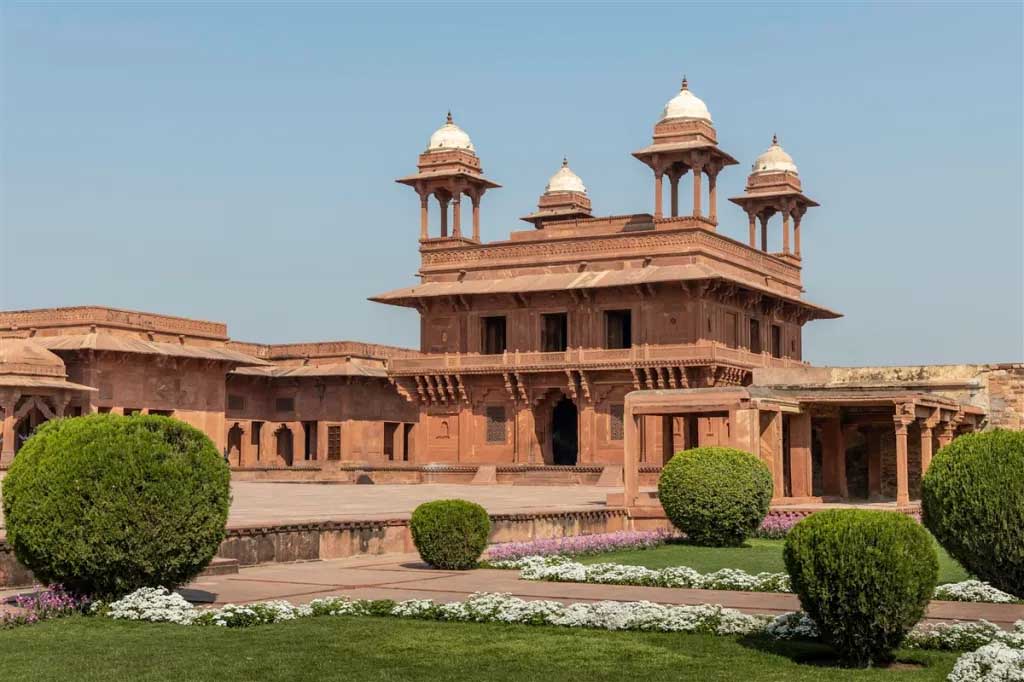
Why Fatehpur Sikri is Perfect for Your Celebration
- UNESCO World Heritage Site setting — Mughal sandstone palaces and grand courtyards provide a genuinely unique ceremonial backdrop
- Ideal for palace and heritage weddings with authentic Mughal architectural character unavailable in most Indian cities
- Proximity to Agra (~40 km) expands accommodation, catering, and vendor options significantly for large guest lists
- Winter months (November–February) offer reliably cool, dry weather perfect for outdoor ceremonies and receptions
- Strong cultural festival calendar — Holi, Diwali, and local folk fairs make it a natural fit for festive celebrations
- Relatively uncrowded compared to Agra, offering a more intimate and exclusive atmosphere for private events
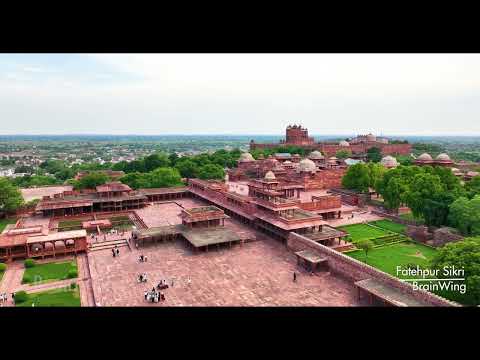
Top Venues in Fatehpur Sikri
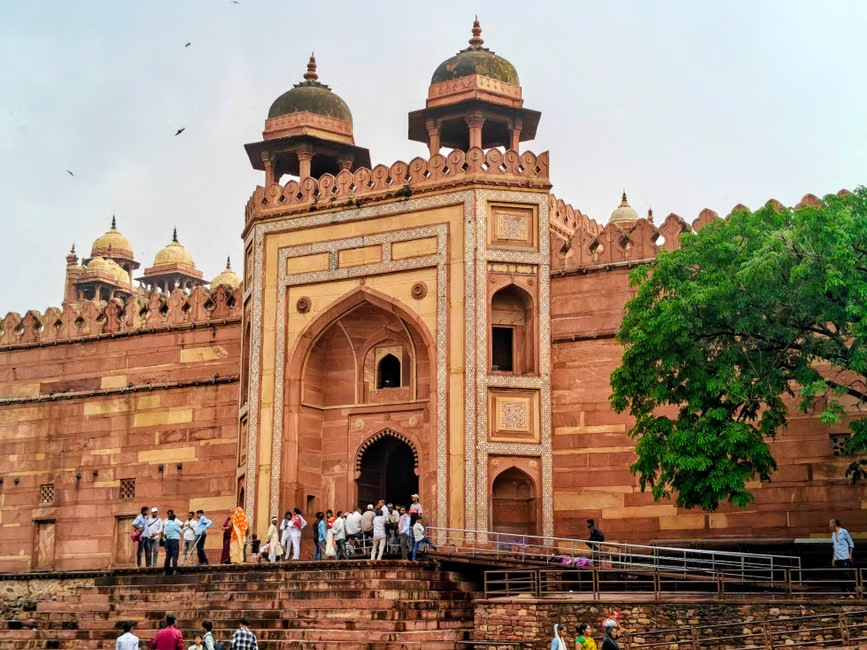
The Oberoi Amarvilas
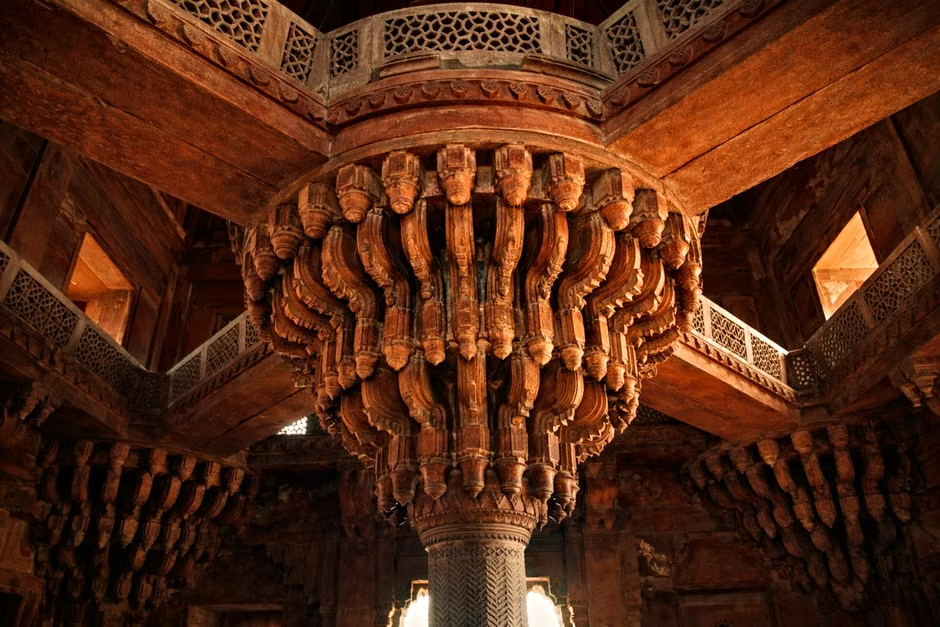
ITC Mughal, Agra
Taj Hotel & Convention Centre, Agra
Wyndham Grand Agra
Fatehpur Sikri Heritage Hotel
Compare Fatehpur Sikri with Other Top Destinations
Frequently Asked Questions
Is Fatehpur Sikri a good destination for a heritage or palace wedding?
Yes. Fatehpur Sikri is among India's most distinctive settings for a palace or heritage wedding, offering a genuine UNESCO World Heritage Mughal backdrop — sandstone courtyards, arched corridors, and historic gateways — that creates a ceremonial atmosphere very few destinations can match. It suits couples who want authentic architectural grandeur rather than a themed recreation of it.
What is the best time of year to hold a wedding or celebration at Fatehpur Sikri?
November through February is the strongly recommended window. Temperatures are cool and dry — typically 8°C–25°C — making outdoor ceremonies and receptions comfortable. March onwards brings rapidly rising heat, and the monsoon (June–September) adds humidity and rain risk. December and January are the most reliably stable months within the winter window.
How do guests typically travel to Fatehpur Sikri for a destination event?
Most guests travel via Agra, approximately 40 km away, which is well-connected by rail from Delhi (roughly 2 hours on express services) and has a civil aerodrome with limited scheduled flights. From Delhi by road via the Yamuna Expressway, Fatehpur Sikri is around 3–3.5 hours. Event organisers typically arrange dedicated coaches between Agra and Fatehpur Sikri for guest groups.
What kinds of event spaces are available at Fatehpur Sikri?
Fatehpur Sikri offers heritage boutique properties and guesthouses within the town for intimate events, welcome dinners, and pre-wedding functions. For larger receptions and full destination weddings, the Agra corridor provides luxury hotels with banquet halls, outdoor lawns, and heritage resorts. Many couples use a hybrid approach — ceremonies near Fatehpur Sikri, with guest accommodation in Agra.
How many guests can realistically be accommodated for an event based in Fatehpur Sikri?
Intimate events of up to 80–100 guests can be comfortably managed using local heritage properties. For larger groups of 150–500 guests, the Agra hospitality corridor is the practical solution, with guests housed in Agra and transported to Fatehpur Sikri for key event moments. The destination works best when logistics are planned around this distributed model.
Is Fatehpur Sikri suitable for a Holi or Diwali celebration?
Yes, particularly well-suited. The Mughal sandstone architecture provides a spectacular backdrop for both festivals — Diwali lamp-lighting against the warm stone facades creates exceptional visual drama, and the open courtyards of heritage properties in the area are natural settings for Holi colour celebrations. The destination's cultural depth adds genuine meaning to festival-themed events.
Can events be held inside the Fatehpur Sikri monument complex itself?
No. The core Fatehpur Sikri complex is a protected UNESCO World Heritage Site and ASI-managed monument — private events cannot be held within the monument area itself. Event spaces are located in heritage properties and venues within and around the town, which still offer views of and proximity to the monuments without being inside the protected zone.
What local vendors and services are available for events at Fatehpur Sikri?
The town itself has a modest local vendor base suited to smaller events. For larger celebrations, most specialist vendors — caterers, decorators, lighting and sound professionals, and event managers — are sourced from Agra, which has a well-developed wedding industry experienced in heritage-style events. Regional Mughal-influenced cuisine is a genuine culinary strength of the area.
Is Fatehpur Sikri suitable for an intimate wedding with a small guest list?
Yes, it is particularly well-suited to intimate weddings. The town's quieter character, smaller heritage properties, and the exclusivity of the setting make it an excellent choice for guest lists under 100. The absence of large-scale tourist crowds during winter evenings adds to the sense of privacy and occasion that smaller celebrations benefit from.
What makes Fatehpur Sikri different from other heritage wedding destinations in North India?
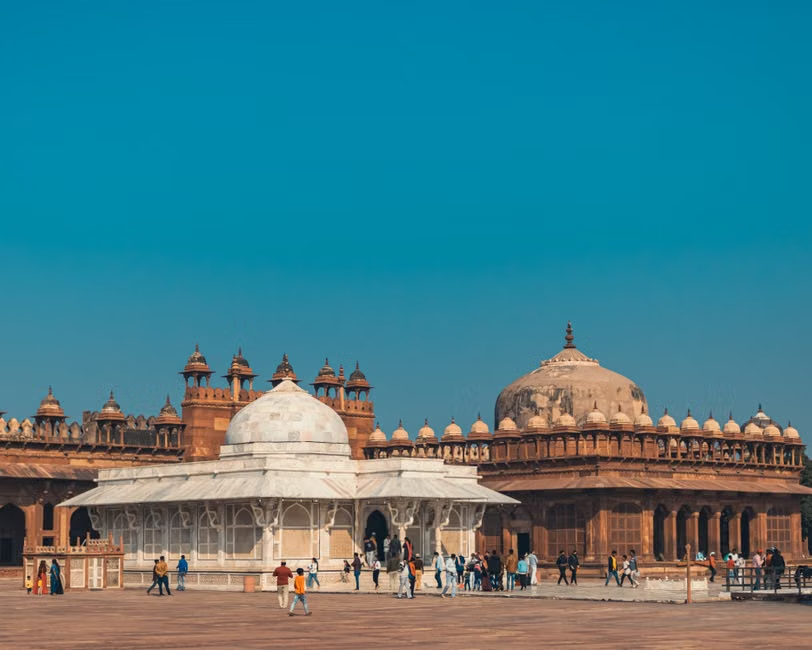
Fatehpur Sikri's distinction lies in its Mughal architectural authenticity — it is a purpose-built imperial capital, not a converted fort or palace. The scale and completeness of its surviving structures, combined with its UNESCO status and relative quietness compared to Agra, give events here a genuinely rare character. The Dargah of Salim Chishti also adds a spiritual and cultural dimension unique to this site.
Are there good photography opportunities for wedding shoots at Fatehpur Sikri?
Yes. The sandstone monuments, grand gateways, and open courtyards offer exceptional photography backdrops, particularly in the golden hour light of early morning and late afternoon. Photographers from Agra and Delhi regularly work here and are familiar with the best locations and lighting conditions. Couples should confirm any permissions required for photography near the protected monument area in advance.

Ready to explore venues in Fatehpur Sikri?
Fatehpur Sikri: Heritage Wedding & Festival Event Destination Guide
◆Fatehpur Sikri is best suited to palace and heritage weddings, destination weddings, and cultural festival celebrations — particularly Holi and Diwali gatherings — set against a UNESCO World Heritage Mughal backdrop. Its primary vibe is Royal & Heritage, defined by 16th-century sandstone palaces, grand open courtyards, and a deeply layered Mughal-Rajput cultural character. The destination works best for small-to-medium guest groups, typically up to a few hundred guests, with larger events drawing on the broader Agra hospitality corridor roughly 40 km away. Winter (November–February) is the only reliably comfortable season for outdoor events. Accessibility is moderate — guests travel via Agra, which has rail and limited air connections.
Fatehpur Sikri at a Glance
| Category | Details |
|---|---|
| Best For | Holi / Diwali Celebration, Palace / Heritage Wedding, Destination Wedding, Wedding Reception |
| Primary Vibe | Royal & Heritage |
| Other Vibes | Cultural, Festive, Intimate, Spiritual |
| Best Season | Winter (November–February) |
Why Choose Fatehpur Sikri?
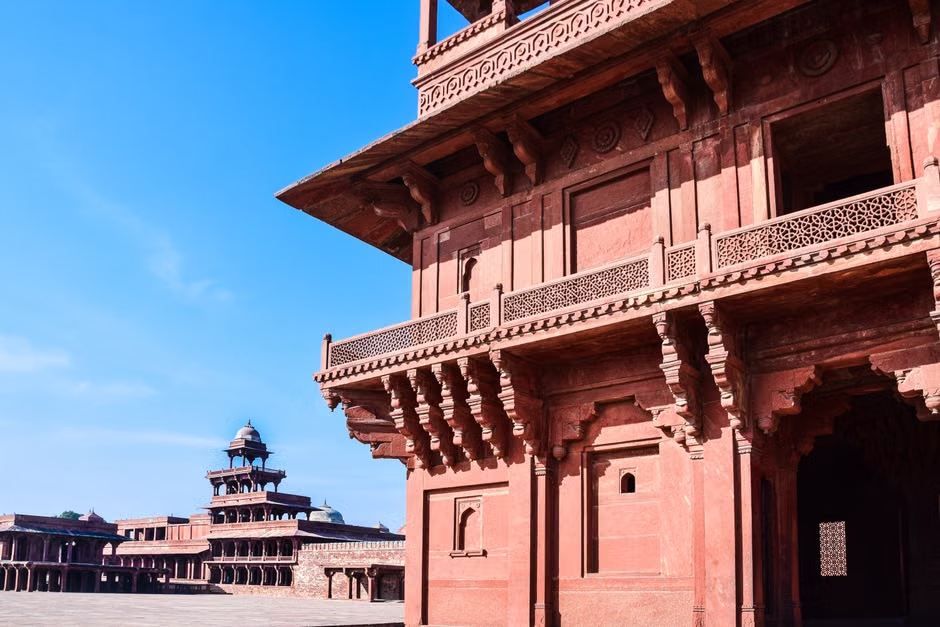
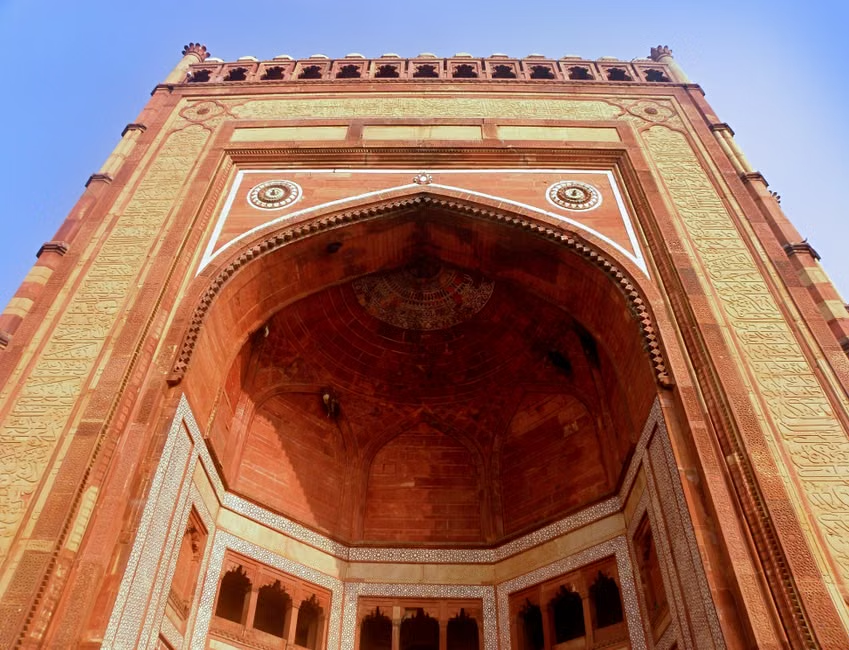
- UNESCO World Heritage Site setting: Fatehpur Sikri's Mughal palaces, Buland Darwaza, Panch Mahal, and Jodha Bai's Palace form one of the most architecturally dramatic event backdrops in India — a setting that simply cannot be replicated elsewhere.
- Authentic Mughal-Rajput cultural character: Unlike purpose-built resort destinations, Fatehpur Sikri offers a genuinely historic atmosphere, making it particularly compelling for couples and families who want their celebration embedded in real cultural heritage rather than a themed recreation of it.
- Intimate scale with exclusivity: The town's relatively small footprint and limited tourist infrastructure compared to Agra means events here feel more private and curated — ideal for intimate weddings, welcome dinners, and pre-wedding celebrations where exclusivity matters.
- Strong festival calendar: Holi and Diwali celebrations in this region carry deep cultural resonance, and the Mughal-era architecture provides a spectacular illuminated backdrop for Diwali in particular.
- Proximity to Agra's hospitality ecosystem: The Agra corridor, roughly 40 km away, provides access to a mature range of luxury and heritage hotels, experienced wedding caterers, décor vendors, and event management professionals who regularly service the Fatehpur Sikri area.
- Reliable winter weather window: November through February delivers consistently cool, dry, and clear conditions — genuinely well-suited to outdoor ceremonies, receptions, and multi-day celebrations without the weather unpredictability of other seasons.
Which Celebrations Work Best in Fatehpur Sikri?
- Holi / Diwali Celebration: The sandstone courtyards and Mughal gateways of Fatehpur Sikri provide an extraordinary setting for colour festivals and lamp-lit Diwali gatherings. The architectural scale amplifies the visual drama of both festivals in a way few other venues in India can match.
- Palace / Heritage Wedding: This is arguably the destination's strongest suit. The Mughal architectural vocabulary — arched corridors, open jharokhas, grand forecourts — creates a naturally ceremonial atmosphere that suits traditional Indian wedding rituals and pheras with exceptional authenticity.
- Destination Wedding: For couples wanting guests to experience a genuine travel-and-celebration journey, Fatehpur Sikri delivers a sense of arrival and discovery. The combination of a UNESCO site, regional cuisine, and cultural immersion makes the multi-day destination wedding format feel purposeful here.
- Wedding Reception: Evening receptions benefit enormously from the warm sandstone tones of the local architecture, which glow beautifully under ambient and decorative lighting. Heritage-style properties in and around the area are well-suited to formal reception formats.
- Intimate Wedding: Smaller guest lists — typically under 100 — are particularly well served here, where the local venue inventory and the town's quieter character create a genuinely private, unhurried celebration atmosphere.
- Welcome Dinner / Pre-Wedding Celebration: A welcome dinner set against a heritage backdrop, with regional Mughal-influenced cuisine, is a natural fit for the destination's character and a strong way to open a multi-day wedding programme.
- Cultural Festival Gathering: Beyond Holi and Diwali, the region's broader calendar of folk performances, Sufi music traditions, and Urs celebrations at the Dargah of Salim Chishti make Fatehpur Sikri a genuinely meaningful venue for cultural gatherings.
- Local Folk Festival / Fair: The area around Fatehpur Sikri has a living tradition of regional fairs and folk performances that can be incorporated into event programming, giving guests an authentic local cultural experience.
- Temple Festival: The Dargah of Salim Chishti within the Fatehpur Sikri complex is an active place of religious significance, and the broader region has Hindu temple traditions that make it suitable for religiously anchored family celebrations.
- Anniversary Celebration / Vow Renewal: The romantic and historically layered character of the destination — associated with Mughal court life and legendary love stories — makes it a meaningful setting for couples marking significant milestones.
- Religious Family Function / Naming / Family Ceremony: The destination's spiritual and cultural depth, combined with its heritage properties, makes it a dignified and memorable setting for family-centred religious ceremonies.
Venues & Event Spaces
Fatehpur Sikri's event venue landscape is defined by two distinct layers. Within the town itself, heritage properties — typically smaller, independently operated guesthouses and boutique hotels built in or around historic structures — offer intimate event spaces with genuine architectural character. These suit smaller gatherings, welcome dinners, and pre-wedding functions particularly well.
For larger receptions and full-scale destination weddings, the Agra hospitality corridor provides a significantly broader range of options: luxury hotels with dedicated banquet halls and outdoor lawns, heritage resorts with Mughal-inspired architecture, and convention-scale properties capable of hosting several hundred guests. Many couples and event planners use a hybrid approach — hosting the ceremonial and cultural events at or near Fatehpur Sikri itself, while accommodating the bulk of the guest list in Agra and transporting guests for the key event moments.
Outdoor spaces are a particular strength of this destination. The region's flat terrain and the dramatic visual backdrop of sandstone monuments make open-air ceremonies and evening receptions especially effective. Decorated mandap setups against heritage walls, candlelit dinners in courtyard-style spaces, and folk performance stages in open grounds are all formats that work naturally here.
Best Time to Celebrate
The winter window of November through February is the only season that reliably supports outdoor events at Fatehpur Sikri. Temperatures during this period typically range from around 8°C at night to 22°C–25°C during the day — comfortable for guests dressed in formal or traditional attire, and genuinely pleasant for extended outdoor ceremonies. Skies are generally clear, humidity is low, and the quality of natural light during the day is excellent for photography.
December and January are the peak months within this window, offering the most stable conditions. Early November and late February are good shoulder options — slightly warmer but still very manageable.
March through May sees temperatures climb rapidly, often reaching 40°C–45°C by May. Outdoor events become genuinely uncomfortable and logistically challenging — guests in formal wear, outdoor catering, and floral décor all suffer in extreme heat. This period is strongly inadvisable for outdoor celebrations.
June through September brings the monsoon. While Fatehpur Sikri receives less rainfall than coastal or hill destinations, the humidity rises sharply, occasional heavy rain can disrupt outdoor setups, and the general conditions are unsuitable for multi-day destination events. The monuments themselves can be slippery and less accessible during heavy rain periods.
October is a transitional month — the monsoon typically retreats, and temperatures begin to moderate. It can work as an early shoulder option for events, though some residual humidity and the occasional late monsoon shower mean it carries more weather risk than the core November–February window.
Getting There & Local Connectivity
Fatehpur Sikri is most practically reached via Agra, which serves as the primary gateway city. Agra has its own civil aerodrome with limited scheduled services, and is also well-connected by rail — including high-speed Gatimaan Express and Shatabdi services from Delhi, which place Agra within roughly 2 hours of the capital. From Agra, Fatehpur Sikri is approximately 40 km by road, typically a 45–60 minute drive depending on traffic.
For guests travelling from Delhi, the road journey via the Yamuna Expressway is a popular and comfortable option, placing Fatehpur Sikri within roughly 3–3.5 hours of central Delhi by car. This makes it genuinely feasible for Delhi-based guests to attend without an overnight stay, though most destination wedding formats will encourage guests to stay over.
Local transport within and around Fatehpur Sikri is primarily by road. For event groups, hiring dedicated coaches or tempo travellers from Agra is the standard approach — the road between Agra and Fatehpur Sikri is well-maintained and straightforward. Auto-rickshaws and taxis are available locally for smaller movements. The town itself is compact and walkable for guests staying nearby, though the monument complex requires some walking on uneven historic surfaces, which is worth communicating to elderly guests in advance.
Local Vendor & Hospitality Ecosystem
Fatehpur Sikri's own vendor ecosystem is relatively modest — the town is primarily a heritage tourism destination rather than a developed wedding industry hub. Local catering, basic décor, and folk performance artists are available, but couples planning larger or more elaborate events will typically source the majority of their vendor requirements from Agra, which has a well-established wedding and events industry with experienced caterers, decorators, lighting specialists, sound engineers, and event management companies.
Agra's vendor community has extensive experience with heritage-style events and Mughal-themed décor, given the city's own tourism and wedding market. This means the broader ecosystem is genuinely capable of delivering high-quality events at Fatehpur Sikri — it simply requires more logistical coordination than a destination where vendors are based on-site.
Regional cuisine is a genuine strength. Mughal-influenced culinary traditions — rich gravies, kebabs, biryanis, and traditional sweets — are deeply embedded in the local food culture and can be delivered authentically by Agra-based caterers for events at Fatehpur Sikri. This is a meaningful differentiator for couples who want their event menu to reflect the destination's cultural character.
Photography and videography professionals from Agra and Delhi regularly work at Fatehpur Sikri and are familiar with the monument complex's lighting conditions, permitted shooting areas, and the best times of day for heritage backdrop photography. Couples should confirm any permissions required for photography within or adjacent to the protected monument area well in advance.
Pros & Things to Consider
Why Fatehpur Sikri Works Well
- Genuinely unique UNESCO World Heritage architectural backdrop — not replicable at any other destination
- Strong cultural and spiritual depth, particularly for heritage, religious, and festival-themed celebrations
- Intimate scale suits smaller, more curated guest lists and private celebrations
- Excellent winter weather window with clear skies and comfortable temperatures
- Access to Agra's mature hospitality and vendor ecosystem within a manageable distance
- Regional Mughal cuisine tradition adds authentic culinary character to event menus
Things to Consider
- The town's own accommodation inventory is limited — large guest lists will need to be housed primarily in Agra, requiring daily transport logistics between the two locations
- Air connectivity is limited; most guests will need to travel via Delhi or Agra by rail or road, which adds journey time for those coming from distant cities or internationally
- The protected monument status of the Fatehpur Sikri complex means events cannot be held within the core heritage zone itself — event spaces are in and around the town, not inside the monuments
- Vendor coordination requires more planning effort than in a fully developed wedding destination, as most specialist vendors are based in Agra rather than locally
- Summer months are genuinely extreme and effectively rule out outdoor events for roughly five months of the year
When Fatehpur Sikri May Not Be the Right Fit
- Large guest lists requiring on-site accommodation: If your guest list exceeds 150–200 people and you need everyone housed within walking distance of the event venue, Fatehpur Sikri's limited local accommodation will create logistical strain. A destination with a larger integrated resort or hotel campus would serve this need better.
- Events planned outside the November–February window: If your preferred dates fall in the summer (March–May) or monsoon (June–September) months, the extreme heat or humidity makes outdoor events at this destination genuinely uncomfortable and risky. A hill station or coastal destination with a different seasonal profile would be a more practical choice.
- Guests with significant mobility limitations: The heritage character of the destination — uneven historic surfaces, open-air settings, and the general layout of the town — can be challenging for elderly guests or those with mobility difficulties. A purpose-built resort destination with level, accessible infrastructure would be more suitable.
- Couples seeking a fully self-contained resort experience: If the priority is a single property that handles accommodation, ceremonies, catering, and entertainment entirely on-site with no need for inter-city logistics, Fatehpur Sikri's distributed model (events here, accommodation largely in Agra) may feel fragmented. A large integrated destination resort elsewhere would better fit that requirement.