
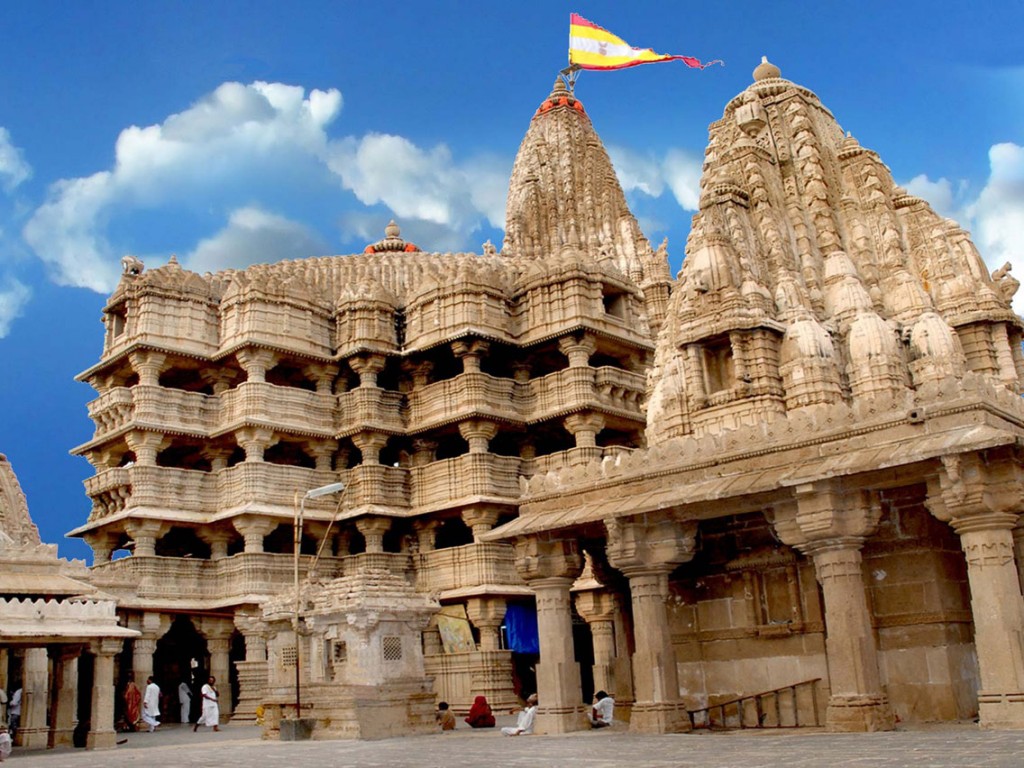
Why Dwarka is Perfect for Your Celebration
- Home to the Dwarkadhish Temple, one of Hinduism's most revered shrines — an unmatched backdrop for spiritual and religious events
- Navratri and Uttarayan celebrations here carry exceptional cultural and religious weight, drawing large community gatherings naturally
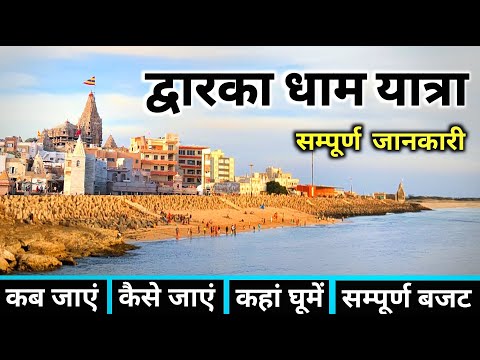
- Gomti Ghat and the Arabian Sea coastline provide rare, sacred outdoor settings for rituals, ceremonies, and family functions
- Direct railway connectivity from Ahmedabad and Rajkot makes group travel feasible without dependence on air travel
- Compact city layout means guests, venues, and temple sites are all within easy reach of each other
- Deeply rooted local hospitality ecosystem geared toward pilgrimage groups and religious family gatherings year-round
Compare Dwarka with Other Top Destinations
Frequently Asked Questions
Is Dwarka a good destination for a Navratri and Garba celebration?
Yes, strongly so. Dwarka is one of the most spiritually significant places in Gujarat to celebrate Navratri. The proximity to the Dwarkadhish Temple, the tradition of community Garba in open courtyards, and the city's devotional atmosphere make it particularly well-suited for groups seeking an authentic, faith-rooted Navratri experience rather than a purely entertainment-driven event.
What kind of guest group sizes can Dwarka's venues realistically support?
Dwarka's venue inventory is generally best suited to gatherings of roughly 50 to 400 guests. The city has heritage properties, coastal resorts, and hotel banquet halls that can accommodate this range comfortably. Very large events requiring simultaneous use of multiple large spaces may find local supply constrained, particularly during peak festival periods.
How do guests typically travel to Dwarka for an event?
Most guests travel by train — Dwarka Railway Station connects the city to Ahmedabad, Rajkot, and Jamnagar. Guests flying in use Jamnagar Airport, approximately 130 km away, followed by a road transfer of two to three hours. Groups from Ahmedabad can also travel by road or rail directly. Planning group transport in advance is strongly advisable.
What is the best time of year to hold an event in Dwarka?
November through February is the optimal window. Temperatures are comfortable, humidity is low, and rainfall is minimal — making outdoor ceremonies, ghat-side rituals, and open-air Garba nights practical. This period also aligns with key festivals on the Hindu calendar. The monsoon (June–September) and peak summer (March–May) are best avoided for outdoor events.
What kinds of event spaces are available in Dwarka?
Dwarka offers heritage and dharamshala-style properties with open courtyards, coastal resort lawns and sea-facing terraces, hotel banquet halls, and the sacred outdoor settings of Gomti Ghat and the temple precinct. The range suits religious ceremonies, community gatherings, and cultural programmes well, though large-scale luxury production spaces are limited.
Is Dwarka suitable for a spiritual or pilgrimage gathering?
Yes — it is arguably the strongest event type for this destination. Dwarka is one of Hinduism's four sacred dhams, and the city's infrastructure is well-practised at handling pilgrimage groups. Temple visits, group aarti participation, community meals, and ghat-side rituals can all be coordinated as part of a structured gathering, with local priests and catering services readily available.
How does Dwarka handle large group accommodation?
The city has a range of accommodation options — from heritage guesthouses and mid-range hotels to coastal resorts — that collectively can house moderate-sized groups. For very large guest lists, accommodation may need to be spread across multiple properties. Booking well in advance is essential during Navratri, Janmashtami, and Uttarayan, when the city sees high visitor volumes.
What local transport options are available for groups once they arrive in Dwarka?
Within Dwarka, auto-rickshaws and local taxis are the primary options. For event groups, hiring dedicated vehicles for the duration of the stay is strongly recommended — public transport is limited and may not align with event schedules. The road to Beyt Dwarka, a nearby island accessible by ferry, is a popular group excursion worth planning separately.
Is Dwarka a good setting for an Uttarayan gathering?
Yes. Dwarka's coastal location — with open skies above the Arabian Sea and wide ghat spaces — provides a naturally spectacular setting for Uttarayan kite-flying gatherings. The combination of the festival's communal energy and the city's sacred backdrop makes it a meaningful and visually striking choice for family and community groups celebrating this Gujarati festival.
What should event planners know about the local vendor ecosystem in Dwarka?
Dwarka has a solid ecosystem for religious event requirements — sattvic catering, floral decoration for temple ceremonies, bhajan and traditional music groups, and priests for functions are all available locally. However, high-end production vendors (specialist lighting, luxury décor, diverse catering) are limited and typically need to be brought in from Rajkot, Jamnagar, or Ahmedabad, so early coordination is essential.
Are there any important restrictions event planners should be aware of in Dwarka?
Yes. Dwarka is a sacred pilgrimage city, and alcohol is generally not available in the area. Events centred on nightlife or alcohol service are not appropriate here. Additionally, events planned near or within the temple precinct require coordination with temple authorities. During major festivals like Janmashtami, the city sees very large crowds, which can affect traffic, accommodation, and private event logistics.

Ready to explore venues in Dwarka?
Dwarka: Spiritual Gatherings, Temple Festivals & Event Venues
◆Dwarka is one of Hinduism's four sacred dhams, located on the western tip of Gujarat's Saurashtra coast. Its primary strength is as a destination for spiritually rooted events — pilgrimage gatherings, Navratri and Garba celebrations, temple festivals, Uttarayan gatherings, and religious family functions. The overall vibe is deeply spiritual and soulful, shaped by the ancient Dwarkadhish Temple, sacred ghats along the Gomti River, and the Arabian Sea coastline. The best season runs from November through February, when the coastal climate is cool and dry. Accessibility is moderate — the city has its own railway station with good connections to Ahmedabad and Rajkot, though the nearest airport requires a longer road transfer. Venue inventory is modest in scale, suited to intimate-to-medium gatherings rather than large-scale luxury productions.
Dwarka at a Glance
| Attribute | Detail |
|---|---|
| Best For | Navratri & Garba Celebration, Uttarayan Gathering, Spiritual / Pilgrimage Gathering, Temple Festival |
| Primary Vibe | Spiritual & Soulful |
| Other Vibes | Coastal & Serene, Heritage & Cultural, Community-Centred |
| Best Season | Winter (November–February) |
Why Choose Dwarka?
- Unmatched spiritual significance: The Dwarkadhish Temple — one of the oldest and most revered Vaishnava shrines in India — lends an extraordinary sense of sanctity and meaning to any religious gathering or ceremony held in the city.
- Sacred outdoor settings: Gomti Ghat and the Arabian Sea shoreline provide rare, naturally consecrated spaces for rituals, aarti ceremonies, family functions, and community gatherings that simply cannot be replicated in a conventional banquet hall.
- Navratri and Uttarayan with genuine cultural depth: Celebrating these festivals in Dwarka carries a cultural and religious weight that goes well beyond a typical urban event — the local community participation, temple processions, and traditional Garba circles are authentic rather than staged.
- Compact, walkable city layout: Dwarka's relatively small footprint means that temples, ghats, accommodation, and event spaces are all within easy reach of each other, reducing logistics complexity for group travel.
- Direct rail access from major Gujarat cities: Dwarka Railway Station connects the city to Ahmedabad, Rajkot, and other key Gujarat hubs, making group travel by train a practical and comfortable option for most guests.
- Year-round pilgrimage infrastructure: Because Dwarka receives a steady flow of religious visitors throughout the year, the local hospitality and catering ecosystem is well-practised at handling groups, religious dietary requirements, and large family gatherings.
Which Celebrations Work Best in Dwarka?
Navratri & Garba Celebration: Dwarka is among the most spiritually resonant places in Gujarat to celebrate Navratri. The proximity to the Dwarkadhish Temple, the tradition of community Garba in open courtyards and public spaces, and the city's deeply devotional atmosphere make this the single strongest event type for this destination. Groups seeking an authentic, faith-rooted Navratri experience — rather than a purely entertainment-driven one — will find Dwarka particularly compelling.
Uttarayan Gathering: Gujarat's kite festival is celebrated with genuine enthusiasm across the state, and Dwarka's coastal location — with open skies above the Arabian Sea and wide ghats — provides a naturally spectacular setting for Uttarayan gatherings. The combination of the festival's communal energy and the city's sacred backdrop makes it a meaningful choice for family and community groups.
Spiritual / Pilgrimage Gathering: This is perhaps the most natural fit of all. Dwarka is a destination that families and communities travel to specifically for its spiritual significance. Organising a structured pilgrimage gathering — combining temple visits, group prayers, aarti participation, and community meals — is something the city's infrastructure is genuinely built to support.
Temple Festival: The Dwarkadhish Temple observes a rich calendar of festivals throughout the year, including Janmashtami, which draws enormous crowds and creates a festival atmosphere across the entire city. Aligning a group event or family gathering with one of these temple festivals adds a layer of cultural and religious experience that is unique to Dwarka.
Cultural Festival Gathering: Beyond the specifically religious calendar, Dwarka's heritage — its mythology, its coastal Gujarati culture, its traditional crafts and cuisine — provides a rich backdrop for cultural gatherings that want to go beyond a standard event format and offer guests a genuinely immersive experience.
Religious Family Function: Naming ceremonies, thread ceremonies, family prayers, and other religious milestones take on added significance when held in one of Hinduism's holiest cities. Families who want their function to carry spiritual weight — and who want guests to experience the city's temples and ghats as part of the occasion — will find Dwarka a deeply appropriate setting.
Venues & Event Spaces
Dwarka's venue landscape is shaped by its identity as a pilgrimage city rather than a mainstream wedding or MICE destination. The available spaces tend to fall into a few broad categories:
- Heritage and dharamshala-style properties: Several properties in and around the city centre have been developed with religious travellers and group stays in mind, offering large communal dining halls, open courtyards, and spaces suited to group prayers and family functions.
- Coastal resorts: The area around Dwarka and nearby Beyt Dwarka includes resort properties that offer outdoor lawns, sea-facing terraces, and event spaces suitable for medium-sized gatherings, Garba nights, and cultural programmes.
- Hotel banquet halls: Several mid-range hotels in the town centre have banquet and conference facilities that can accommodate religious ceremonies, community gatherings, and family functions of modest to medium scale.
- Open-air and ghat settings: For spiritually oriented events, the ghats along the Gomti River and the open spaces near the temple complex serve as natural ceremonial settings — though these require coordination with local temple authorities and municipal bodies.
Overall, Dwarka's venue inventory is best suited to gatherings of roughly 50 to 400 guests. Very large-scale productions requiring extensive luxury infrastructure or multiple large banquet halls simultaneously may find the local supply constrained.
Best Time to Celebrate
The optimal window for events in Dwarka is November through February. During these months, daytime temperatures are typically comfortable — generally in the range of 20°C to 28°C — with low humidity and minimal rainfall. The coastal breeze is pleasant rather than harsh, making outdoor ceremonies, ghat-side rituals, and open-air Garba nights genuinely enjoyable. This period also coincides with several important festivals on the Hindu calendar, including Navratri (if it falls in October, the tail end is still manageable), Uttarayan in January, and various temple observances.
March through May sees temperatures climb steadily, often exceeding 35°C by April and May. The heat makes outdoor events uncomfortable and can be genuinely taxing for elderly guests and children — a significant consideration given that Dwarka's typical event demographic includes multi-generational family groups.
June through September brings the southwest monsoon to the Saurashtra coast. Dwarka receives moderate to heavy rainfall during this period, and the Arabian Sea can be rough. Outdoor events are largely impractical, and travel to the city — particularly by road — can be disrupted. The monsoon also affects the ghats, which may be partially submerged or unsafe for ceremonial use.
October is a transitional month — the monsoon typically retreats by mid-October, but residual humidity and occasional late showers make it a less reliable choice than November onwards. Groups with flexibility should wait for November to begin planning outdoor or ghat-based events.
Getting There & Local Connectivity
Dwarka is accessible primarily by rail and road. The city has its own railway station — Dwarka Railway Station — which is connected to Ahmedabad, Rajkot, Jamnagar, and other major Gujarat cities via regular train services. For groups travelling from within Gujarat or from Mumbai, the train is generally the most practical and comfortable option, and it deposits guests directly in the city centre.
The nearest commercial airport is at Jamnagar, approximately 130 km away. This requires a road transfer of roughly two to three hours depending on traffic and road conditions — a meaningful consideration for guests flying in from outside Gujarat. Guests from Delhi, Mumbai, or other major cities will typically fly to Jamnagar or Ahmedabad and then travel onward by road or rail. Ahmedabad, which has a major international airport, is approximately 450 km from Dwarka and is connected by both train and highway.
Within Dwarka itself, the city is compact and most key sites — the Dwarkadhish Temple, Gomti Ghat, the main market, and the majority of hotels — are within a short distance of each other. Auto-rickshaws and local taxis are the primary modes of intra-city transport. For groups, hiring dedicated vehicles for the duration of the event is strongly advisable, as public transport options are limited and may not align with event schedules. The road connecting Dwarka to Beyt Dwarka (a small island accessible by ferry) is a popular excursion for pilgrimage groups and adds a logistical element worth planning in advance.
Local Vendor & Hospitality Ecosystem
Dwarka's vendor ecosystem is shaped almost entirely by its identity as a pilgrimage destination. This has both strengths and limitations for event planners.
On the positive side, the city has a well-established infrastructure for handling large groups of religious travellers — including community kitchens, catering services experienced with sattvic (pure vegetarian) menus, and accommodation providers accustomed to coordinating group check-ins and check-outs. Floral decoration for temple ceremonies, traditional music and bhajan groups, and priests for religious functions are all readily available locally.
However, the ecosystem for more elaborate event production — professional lighting and sound companies, luxury catering with diverse menus, high-end décor vendors, or specialist wedding photographers — is thinner than in larger event destinations. Planners organising events that require this level of production will typically need to bring vendors in from Rajkot, Jamnagar, or Ahmedabad, which adds logistical complexity and lead time. It is advisable to begin vendor coordination well in advance, particularly for events during peak festival periods when local resources are under high demand.
Pros & Things to Consider
Why Dwarka Works Well
- Exceptional spiritual and cultural significance — few destinations in India carry the same religious weight for Hindu families
- Authentic festival experiences for Navratri, Uttarayan, and Janmashtami that are community-rooted rather than commercially staged
- Compact city layout simplifies group logistics and keeps guests close to key sites
- Good rail connectivity from major Gujarat cities makes group travel manageable
- Local hospitality ecosystem is experienced with religious group requirements, including sattvic catering and ceremonial coordination
- Coastal setting adds a scenic and serene dimension that purely inland pilgrimage cities lack
Things to Consider
- The nearest airport is at Jamnagar, roughly 130 km away — guests flying in face a significant road transfer, which can be tiring for elderly or international travellers
- Venue inventory is modest in scale; very large gatherings (500+ guests) may find accommodation and event space supply stretched, particularly during peak festival periods
- Luxury event production vendors (high-end décor, specialist AV, diverse catering) are limited locally and typically need to be sourced from larger nearby cities
- The city's deeply religious character means it is not well-suited to events with a primarily entertainment or nightlife focus — alcohol is generally not available in this area, consistent with its sacred status
- Peak festival periods (especially Janmashtami) bring very large crowds to the city, which can affect accommodation availability, traffic, and the overall experience for private event guests
When Dwarka May Not Be the Right Fit
- Large-scale luxury productions: If your event requires multiple large banquet halls, a wide choice of five-star properties, or an extensive on-the-ground luxury vendor ecosystem, Dwarka's current infrastructure may not comfortably support it — a larger Gujarat city or a mainstream wedding destination would be better suited.
- Guests with limited travel flexibility: Groups where a significant proportion of guests are flying in from outside Gujarat — particularly international guests — will face a long onward journey from the nearest major airport. If guest travel ease is a top priority, a destination with direct or closer airport access would reduce friction considerably.
- Monsoon-season events: Any event planned between June and September that relies on outdoor spaces, ghat-side ceremonies, or coastal settings is at genuine risk of disruption from rainfall and rough sea conditions. Dwarka is not a reliable monsoon-season event destination.
- Events centred on entertainment or nightlife: Dwarka's identity as a sacred pilgrimage city means it is not an appropriate setting for events where alcohol service, late-night entertainment, or a party-first atmosphere is central to the guest experience. Families and planners seeking that kind of celebration would be better served elsewhere.