
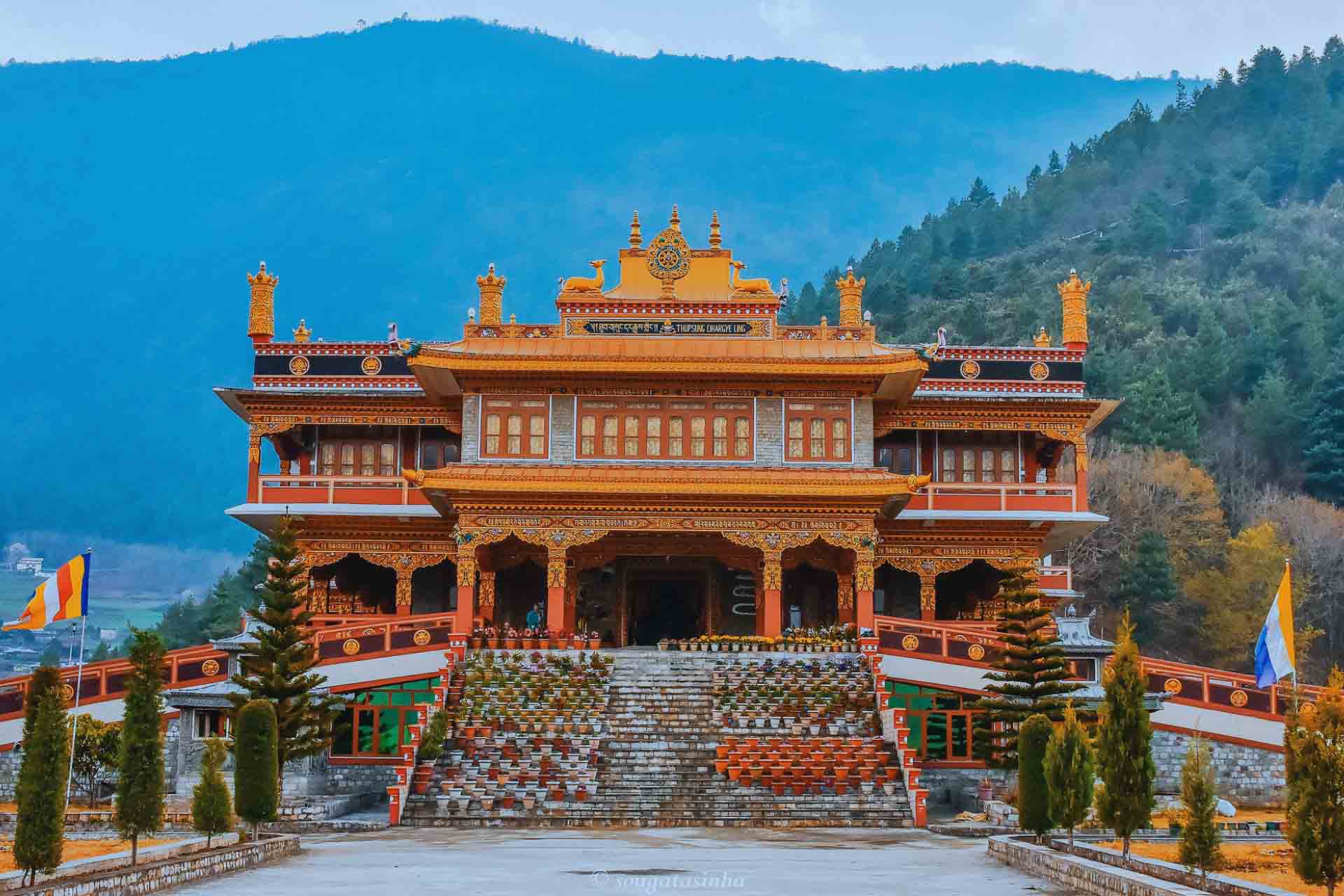
Why Dirang is Perfect for Your Celebration
- Authentic Monpa cultural backdrop — monasteries, dzongs, and traditional villages create a genuinely unique event atmosphere
- Losar and local folk festivals align naturally with the spring best season, enabling real cultural immersion for gatherings
- Apple orchards and hot springs offer rare, memorable outdoor experiences for small group retreats and birthday getaways
- Low footfall and unhurried pace make it ideal for private, intimate celebrations and leadership or strategy retreats
- Spring (March–April) brings clear Himalayan skies, blooming rhododendrons, and comfortable daytime temperatures for outdoor events
- Boutique and nature-resort style properties provide a cosy, exclusive feel suited to small guest lists
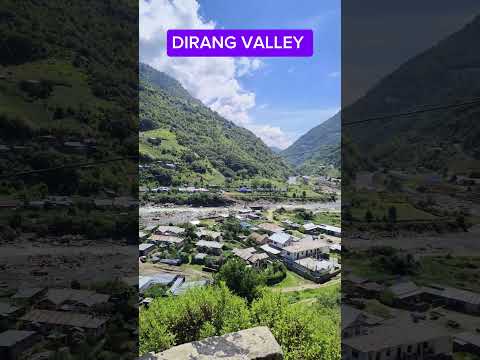
Top Venues in Dirang
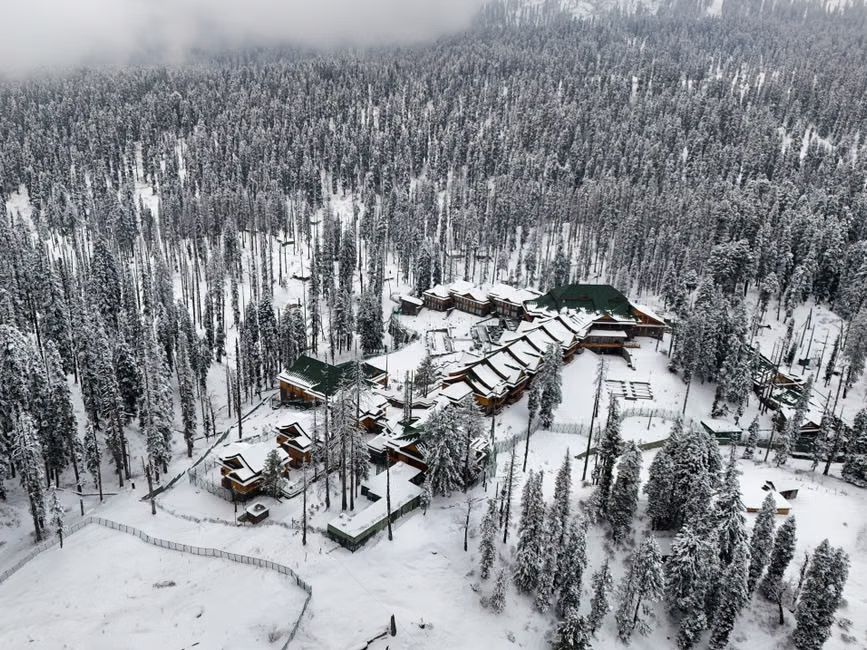
Sangti Valley Resort
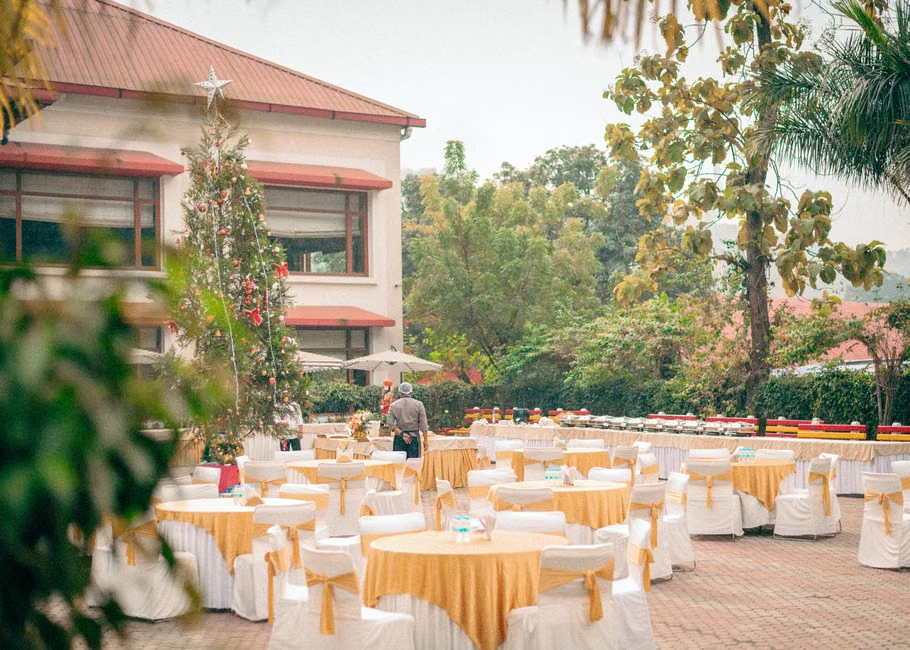
Dirang Dzong Resort
Compare Dirang with Other Top Destinations
Frequently Asked Questions
Is Dirang a good destination for a Losar or cultural festival gathering?
Yes, it is among the most authentic locations in India for a Losar gathering. Dirang sits within the Monpa heartland of Arunachal Pradesh, and the local community actively celebrates Losar with monastery rituals, mask dances, and communal feasts. Groups can attend or participate in these events directly, giving a cultural gathering here a depth and authenticity that is genuinely rare on the Indian events circuit.
What size of guest group can Dirang realistically accommodate for an event?
Dirang works best for intimate groups of roughly 20 to 80 guests. The destination's boutique resort properties are well-suited to full-property buyouts at this scale, creating a self-contained event experience. Groups larger than 80–100 guests will find the local accommodation inventory stretched, requiring coordination across multiple small properties, which adds logistical complexity in a remote setting.
What is the best time of year to plan an event in Dirang?
Spring — specifically March and April — is the strongest window. Daytime temperatures are comfortable, the valley is visually at its best with rhododendrons and apple blossoms, roads are reliable, and the Losar festival calendar aligns with this period. The monsoon (June–September) brings road closure risks, and December–February brings severe cold and limited accessibility.
How do guests get to Dirang, and how long does the journey take?
All guests reach Dirang by road. The nearest commercial airport is at Tezpur in Assam, from which the drive takes approximately four to five hours through mountain passes. The nearest railway station is at Rangapara North, at a comparable distance. Coordinated group transfers from Tezpur or Guwahati are strongly recommended, and all non-Arunachal Pradesh residents must obtain an Inner Line Permit before entering the state.
What is an Inner Line Permit and do all guests need one?
Yes. An Inner Line Permit (ILP) is a mandatory travel document required for all Indian citizens who are not residents of Arunachal Pradesh, as well as for foreign nationals, to enter the state. It must be arranged in advance — online or at designated offices. Event organisers should factor ILP procurement into the guest travel briefing well ahead of the event date, as it affects every attendee without exception.
What kinds of venues and event spaces are available in Dirang?
Dirang offers boutique nature resorts and small heritage-style properties rather than large banquet halls or convention centres. The typical setup is a full-property resort buyout with indoor dining halls, outdoor lawns or terraces, and bonfire areas. Monastery courtyards and the dzong grounds can serve as atmospheric cultural event backdrops subject to local permissions. There are no large-scale purpose-built wedding or conference venues in the valley.
Is Dirang suitable for a leadership or corporate strategy retreat?
Yes, particularly for small leadership teams of 10–40 people. The physical remoteness, natural calm, and absence of urban distraction create a focused environment well-suited to reflective group work. The deliberate effort required to reach Dirang also signals commitment from participants. Organisers should note that internet connectivity is limited, so digitally-dependent programme elements need to be planned around this constraint.
Can Dirang work for a Christmas or New Year celebration?
It can, for small groups who are prepared for cold conditions. December and January bring sub-zero nights and occasional snowfall, and road reliability is lower than in spring. However, boutique properties can be booked exclusively for intimate festive gatherings, and the snow-dusted valley atmosphere is genuinely distinctive. It is not suitable for large groups or guests with mobility concerns during this period.
What local experiences can be built into an event programme in Dirang?
Dirang offers several genuinely distinctive group experiences: visits to active Buddhist monasteries and the medieval dzong, soaks at the local hot springs, walks through apple orchards, interactions with Monpa artisans and weavers, and attendance at local folk performances. These elements can be woven into a retreat or celebration programme to give the event a cultural texture that goes well beyond a standard venue-based gathering.
How reliable is mobile and internet connectivity for guests and event organisers?
Connectivity is limited. BSNL has the most consistent mobile coverage in the valley; private network operators are patchy. Most boutique properties offer basic Wi-Fi, but speeds are not suitable for high-bandwidth corporate applications or live-streaming. Event organisers should communicate this clearly to guests in advance and design any digitally-dependent programme elements — presentations, video calls, live feeds — with offline or low-bandwidth alternatives.
Do I need to bring event vendors from outside Dirang?
For most formal event production elements — specialist decorators, professional AV and lighting, large-scale catering — yes. Dirang's local vendor ecosystem is genuine but modest, and specialist event production services are not locally based. They typically need to be sourced from Tezpur or Guwahati, which adds lead time and logistical planning. For cultural events that lean into local character — folk performers, community cooks, local musicians — the local ecosystem is well-equipped and enthusiastic.
Is Dirang a safe destination for a group event?
Generally yes. Dirang is a peaceful, low-crime community and groups travelling here typically report feeling very safe. The primary safety considerations are road-related — mountain driving conditions, particularly during or after rain, require experienced drivers and careful scheduling. The monsoon season (June–September) introduces genuine road safety risks that make event planning during that window inadvisable.

Ready to explore venues in Dirang?
Dirang: Intimate Valley Weddings, Cultural Festivals & Retreat Events
◆Dirang is a small Himalayan valley town in West Kameng, Arunachal Pradesh, best suited to intimate celebrations, cultural festival gatherings, leadership retreats, and community events for small-to-medium guest groups. Its primary vibe is nature-immersed and serene, shaped by the Dirang Chu river, apple orchards, Buddhist monasteries, and Monpa tribal heritage. The spring window of March–April is the clear optimal season — clear skies, comfortable temperatures, and alignment with local festivals like Losar make it the most reliable planning window. Accessibility requires advance planning: guests travel by road from Tezpur or Guwahati, making this a destination for groups who value authenticity and privacy over convenience.
Dirang at a Glance
| Attribute | Detail |
|---|---|
| Best For | Losar / Local Cultural Festival Gathering, Local Folk Festival / Fair, Christmas & New Year Celebration, Community Festival Celebration |
| Primary Vibe | Nature & Serene |
| Other Vibes | Cultural & Tribal, Offbeat & Intimate, Retreat-Oriented |
| Best Season | Spring (March–April) |
Why Choose Dirang?
- Genuine Monpa cultural immersion: Dirang sits at the heart of Monpa tribal territory, with active Buddhist monasteries, a medieval dzong (fort), and living traditions that give any cultural gathering or festival event an authenticity that staged venues cannot replicate.
- Natural landscape as event backdrop: Apple orchards, the Dirang Chu river, rhododendron forests, and views toward snow-capped ridges provide a visually distinctive setting for outdoor ceremonies, group photography, and nature-based activities that are genuinely rare in the Indian events circuit.
- Low crowd density and high privacy: Dirang receives a fraction of the tourist footfall of more commercialised hill stations, which means small groups can effectively take over a boutique property and enjoy a level of exclusivity that is difficult to achieve elsewhere.
- Alignment with real local festivals: Losar (Tibetan-Monpa New Year) and other folk festivals fall within or near the spring season, allowing event planners to build a celebration around an authentic cultural calendar rather than a manufactured theme.
- Natural hot springs and wellness experiences: The Dirang hot springs offer a distinctive group wellness element — unusual for a Himalayan event destination — that works particularly well for leadership retreats, incentive trips, and milestone birthday getaways.
- Relatively contained and walkable town core: For small groups, the compact nature of Dirang town means guests can move between accommodation, event spaces, and local attractions without complex logistics, reducing the coordination burden on organisers.
Which Celebrations Work Best in Dirang?
- Losar / Local Cultural Festival Gathering: Dirang is one of the most authentic locations in India to experience Losar, the Monpa and Tibetan New Year. Groups can attend monastery rituals, witness traditional mask dances, and participate in community feasts — making this the single strongest event type for this destination. Timing a gathering around Losar (typically February–March) creates a ready-made cultural programme that no event planner could replicate artificially.
- Local Folk Festival / Fair: Beyond Losar, Dirang and the surrounding West Kameng region host seasonal folk fairs tied to agricultural and community calendars. These provide a natural anchor for group travel, with local music, craft, and food forming the event's cultural spine without additional vendor spend.
- Christmas & New Year Celebration: While December–January brings cold nights, the festive season draws a small but enthusiastic group of travellers to Dirang for its quiet, snow-dusted atmosphere. Boutique properties in the valley can be booked exclusively for intimate New Year gatherings, offering a genuinely off-the-beaten-path alternative to crowded hill station celebrations — though guests must be prepared for cold conditions and limited road reliability.
- Community Festival Celebration: Dirang's tight-knit community character makes it well-suited to group celebrations that want to engage with local culture rather than simply occupy a venue. Community-style events — where guests interact with local artisans, attend monastery prayers, or join village meals — are feasible here in a way that larger, more commercialised destinations do not easily allow.
- 60th / 70th Birthday: A milestone birthday in Dirang works well for guests who value experience over spectacle. The serene valley setting, hot springs, and cultural richness create a meaningful backdrop for a landmark celebration, particularly for groups of 20–50 guests who want something genuinely memorable rather than a standard banquet-hall event.
- Leadership Retreat: The combination of physical remoteness, natural calm, and absence of urban distraction makes Dirang a strong choice for leadership and strategy retreats. The deliberate effort required to reach the destination itself signals commitment, and the valley environment supports focused, reflective group work in a way that city hotels cannot.
Venues & Event Spaces
Dirang's venue inventory is characterised by boutique nature resorts and small heritage-style properties rather than large banquet complexes. The typical event space here is an intimate resort set within apple orchards or along the riverbank, with indoor dining halls that can be configured for seated dinners or presentations, and outdoor lawns or terraces suited to small ceremonies and group gatherings. Several properties offer dedicated bonfire areas, which are particularly popular for evening cultural programmes and informal group sessions.
There are no large convention centres or purpose-built wedding banquet halls in Dirang — the destination's strength lies in full-property buyouts for small groups, where a single resort accommodates both the sleeping rooms and the event space, creating a self-contained experience. Monastery courtyards and the grounds of the old dzong occasionally serve as atmospheric backdrops for cultural events, subject to local permissions and community coordination. Groups planning events here should work with local operators who have established relationships with property owners and community leaders, as the informal nature of the ecosystem means that the best spaces are not always formally marketed.
Best Time to Celebrate
Spring (March–April) is the clear optimal window for events in Dirang. Daytime temperatures are comfortable — typically ranging from around 10°C to 22°C — and the valley is at its most visually striking, with rhododendrons in bloom, apple trees flowering, and the Dirang Chu running clear. Crucially, the roads from Tezpur and through the Bhalukpong–Bomdila corridor are at their most reliable during this period, reducing the risk of travel disruption for guests. Losar and other spring festivals also fall within or just before this window, giving event planners a natural cultural programme to build around.
The monsoon season (June–September) brings heavy rainfall, frequent landslides, and road closures along the National Highway connecting Dirang to the plains — making outdoor events essentially unplannable and guest travel genuinely risky. October and November offer a brief, pleasant post-monsoon shoulder period with clear skies and good visibility, and this window is worth considering for groups who cannot travel in spring, though the cultural festival calendar is less active. December through February brings severe cold, with night temperatures regularly dropping below freezing and occasional snowfall — viable for very small, hardy groups seeking a winter experience, but not suitable for events requiring reliable guest travel or outdoor programming.
Getting There & Local Connectivity
Reaching Dirang requires a commitment to road travel. The nearest commercial airport is at Tezpur in Assam, from which Dirang is approximately a four-to-five-hour drive through the foothills and mountain passes, including the Sela Pass approach via Bomdila. Guests flying from major Indian cities will typically connect through Guwahati or Tezpur. The nearest railway station is at Rangapara North in Assam, at a comparable distance, connecting to the broader Assam rail network.
All guests — regardless of origin — will complete the final leg of their journey by road, and this road journey is genuinely scenic but also genuinely demanding, particularly for older guests or those unaccustomed to mountain driving. Event organisers should plan for coordinated group transfers from Tezpur or Guwahati, ideally using experienced local drivers familiar with the mountain roads. Inner Line Permits (ILP) are required for all non-Arunachal Pradesh residents entering the state — this is a non-negotiable administrative step that must be factored into guest travel planning well in advance, as it affects every attendee regardless of nationality or origin within India.
Within Dirang itself, the town is compact and most properties are within a short drive of each other. Local taxis and shared vehicles are available for group movement, though the supply is limited and advance booking is advisable for larger groups. Mobile connectivity is limited — BSNL has the most reliable coverage, while private networks are patchy — and internet access at most properties is functional but not high-speed, which is worth communicating to guests and corporate groups in advance.
Local Vendor & Hospitality Ecosystem
Dirang's hospitality ecosystem is genuine but modest in scale. Local property owners and guesthouse operators have grown increasingly experienced at hosting small group events, particularly cultural gatherings and retreats, and the quality of local hospitality — characterised by warmth, personal attention, and home-style Monpa and Tibetan-influenced cuisine — is a genuine asset. Guests consistently note the authenticity of the food and the personal engagement of local hosts as highlights of their stay.
However, the vendor ecosystem for formal event production is limited. Specialist wedding decorators, professional sound and lighting vendors, and large-scale catering operations are not locally based — groups requiring these services will need to bring vendors from Tezpur, Guwahati, or even further afield, which adds logistical complexity and lead time. For cultural events, folk festival gatherings, and retreats that lean into the local character rather than importing a production aesthetic, this limitation matters less, as local musicians, cultural performers, and community cooks can be engaged directly through local operators. The key is to design the event around what Dirang genuinely offers rather than trying to replicate a plains-city event format in a mountain setting.
Pros & Things to Consider
Why Dirang Works Well
- Exceptional natural beauty and a genuinely serene atmosphere that is difficult to find at more popular hill destinations
- Authentic Monpa and Tibetan cultural experiences — monasteries, dzong, folk festivals — that give events real cultural depth
- High privacy and exclusivity for small groups through full-property boutique resort buyouts
- Hot springs, apple orchards, and river walks provide memorable group activity options beyond the event programme itself
- Spring season offers reliable weather, clear mountain views, and alignment with the local festival calendar
- Relatively low commercial pressure — the destination has not been over-developed, preserving its character
Things to Consider
- Accessibility is genuinely challenging — the long road journey from the nearest airport or railway station is a real barrier for guests with limited mobility, tight schedules, or low tolerance for mountain driving
- Inner Line Permits are mandatory for all non-Arunachal Pradesh residents and must be arranged in advance — this adds an administrative layer that some guests may find unfamiliar or inconvenient
- Venue capacity is limited — the destination is not suited to guest lists above roughly 80–100 people, and even that requires careful coordination across multiple properties
- Event production infrastructure (decorators, AV vendors, large catering) must be sourced from outside the valley, increasing lead times and logistical complexity
- Mobile and internet connectivity is limited, which affects both guest experience and the ability to run digitally-dependent corporate programmes
- The monsoon season (June–September) effectively closes the destination to events due to road safety concerns
When Dirang May Not Be the Right Fit
- Large guest lists: Groups of more than 80–100 guests will find that Dirang's boutique property inventory cannot comfortably accommodate everyone in one location, and the logistics of splitting a large group across multiple small properties in a remote valley become genuinely complex.
- Guests with significant mobility limitations: The long mountain road journey, the terrain of the town itself, and the general infrastructure of boutique hill properties are not well-suited to guests who require step-free access, medical proximity, or minimal physical exertion in travel.
- Events requiring high-production AV, décor, or catering: If the event brief calls for elaborate stage production, specialist lighting rigs, or large-scale catering with complex dietary requirements, the absence of local specialist vendors makes Dirang a difficult and expensive choice — a destination with a more developed event infrastructure would serve the brief better.
- Groups travelling during June–September: The monsoon season brings genuine road safety risks on the mountain highways leading to Dirang, and planning any event during this window carries a real possibility of travel disruption, cancellation, or guests being stranded — a different destination should be considered for this period.