
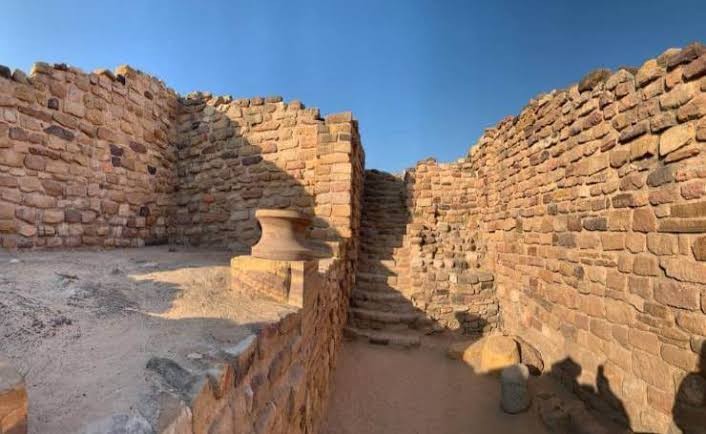
Why Dholavira is Perfect for Your Celebration
- UNESCO World Heritage Site setting — one of India's most historically significant and visually dramatic backdrops
- Proximity to the Great Rann of Kutch creates unmatched desert and salt-flat scenery for outdoor events
- Deep-rooted Kutchi folk traditions — Garba, Navratri, Uttarayan kite festivals — are celebrated with genuine local fervour
- Intimate scale suits smaller, curated gatherings and heritage-style weddings rather than mass-market events
- Winter months (November–February) align perfectly with major cultural festivals, making combined celebration-and-festival trips natural
- Rare, off-the-beaten-path character gives events here a distinctive, memorable quality unavailable in mainstream destinations

Top Venues in Dholavira
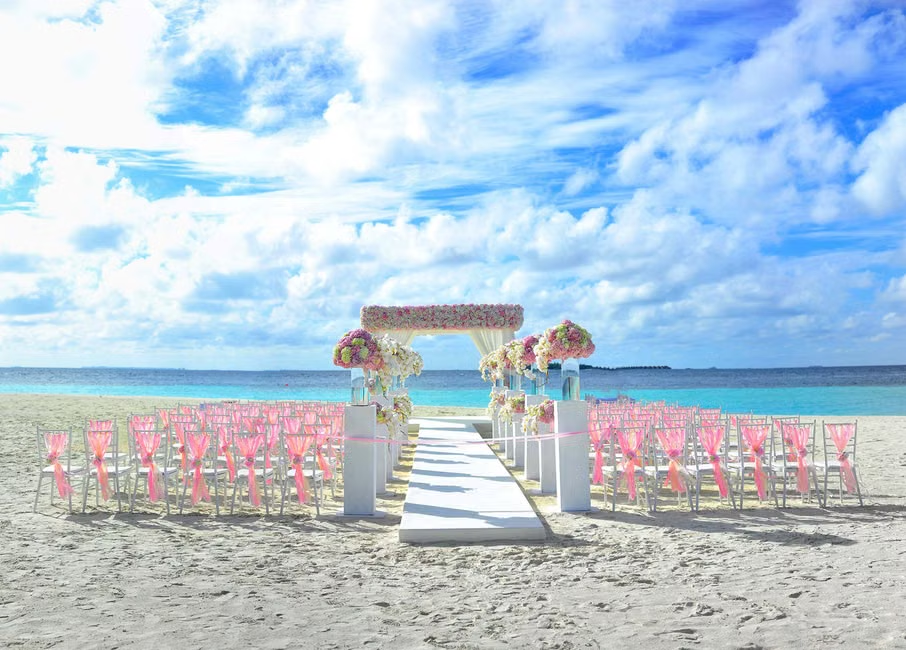
Rann Riders Resort
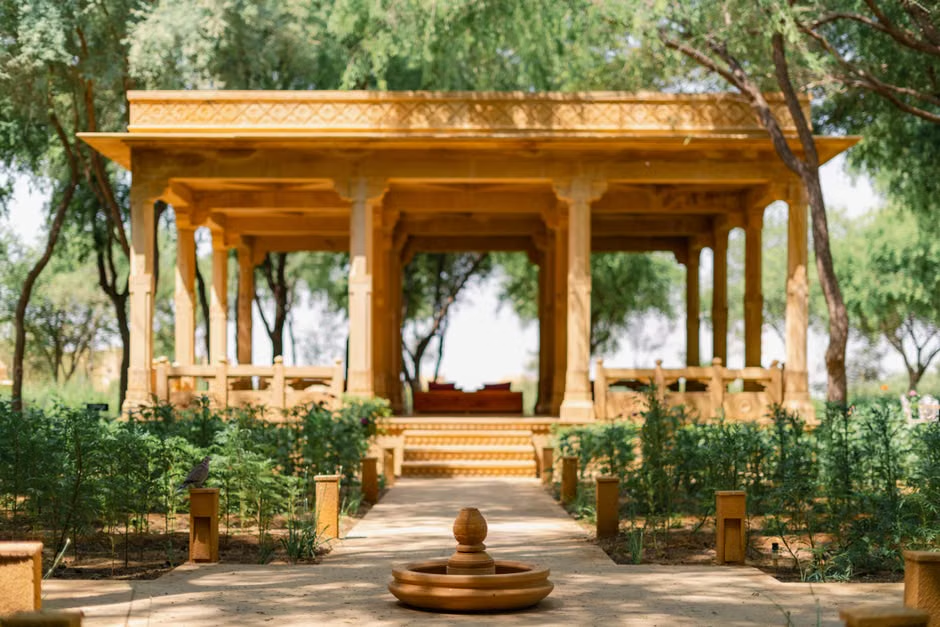
Dholavira Tourism Resort (Gujarat Tourism)
Compare Dholavira with Other Top Destinations
Frequently Asked Questions
Is Dholavira a good destination for a heritage or palace-style wedding?
Yes, with some nuance. Dholavira offers a genuinely rare heritage setting — a UNESCO World Heritage Harappan site surrounded by desert — that suits intimate, culturally immersive weddings. It does not have palace hotels in the Rajasthani tradition, but heritage resort properties and the archaeological landscape itself create a distinctive backdrop. It works best for smaller guest lists where the setting and experience are the priority.
Can I host a Navratri Garba celebration in Dholavira?
Yes. Kutch has one of Gujarat's most authentic Navratri traditions, and Dholavira-based resorts can facilitate Garba nights with local troupes and musicians. The desert setting adds a dramatic quality to evening celebrations. Timing your event to coincide with the actual Navratri festival period enhances the experience significantly, as local participation and energy are at their peak.
What is the best time of year to plan an event in Dholavira?
November through February is the only reliably suitable window. Temperatures are cool and comfortable, skies are clear, and this period coincides with major Gujarati festivals including Uttarayan (mid-January) and the Rann Utsav circuit. Summer months (March–May) bring extreme heat exceeding 40°C, making outdoor events impractical. The monsoon and transitional months also present logistical and comfort challenges.
How do guests typically travel to Dholavira?
Most guests fly into Bhuj Airport, which has connections to Ahmedabad and Mumbai, then travel approximately 165 km by road — a three-to-four-hour drive. Alternatively, guests can take the train to Bhuj and arrange road transfers from there. Private vehicle hire and chartered coaches are the standard approach for group transfers. There is no direct public transport to Dholavira from major cities.
How many guests can events in Dholavira realistically accommodate?
Dholavira is best suited to intimate gatherings of roughly 30 to 150 guests. The local accommodation inventory is limited, and very large groups will need to arrange overflow accommodation in Bhuj or along the route. For events above 150–200 guests, the logistical complexity increases significantly and a destination with larger hotel clusters may be more practical.
Is Dholavira suitable for an Uttarayan kite-festival gathering?
Yes, it is particularly well-suited. Dholavira's open desert landscape and unobstructed skies make it an excellent location for Uttarayan kite flying, celebrated in mid-January. The flat terrain of the Rann area is ideal, and the festival is genuinely observed locally. Combining an Uttarayan gathering with a heritage site visit and Kutchi cultural programming makes for a distinctive multi-day event.
What kinds of event spaces and venues are available in Dholavira?
Dholavira's venues are primarily heritage-style desert resorts and eco-lodges with open-air lawns, courtyards, and traditional Kutchi décor. There are no large banquet halls or convention-style spaces. Outdoor setups using traditional tents and folk-performance stages are common for events. The setting rewards celebrations that embrace the desert environment rather than those requiring conventional indoor banquet infrastructure.
Are local vendors and caterers available for events in Dholavira?
Local catering is strong for traditional Gujarati and Kutchi cuisine, and folk performers — Garba troupes, musicians, craft demonstrators — are genuinely available and locally rooted. For more sophisticated requirements (elaborate décor, international menus, professional AV production), vendors typically need to be brought in from Bhuj or Ahmedabad, requiring earlier planning and additional logistics coordination.
How is mobile and internet connectivity in Dholavira?
Connectivity is limited. Dholavira is a remote location and mobile network coverage can be patchy, particularly for data services. Event planners should not rely on strong real-time connectivity for live-streaming, online coordination, or guest communication during the event itself. Offline contingency planning and pre-downloaded materials are advisable for any event with connectivity-dependent elements.
Is Dholavira suitable for a cultural festival gathering or folk fair event?
Yes, it is one of the destination's strongest use cases. The Kutch region hosts numerous folk fairs, craft melas, and cultural festivals during the winter season, and Dholavira sits within this broader circuit. Groups can build multi-day cultural programmes incorporating local artisans, musicians, and traditional food, with the UNESCO heritage site as a central anchor for the experience.
What makes Dholavira different from other heritage wedding destinations in India?
Dholavira's distinction lies in its archaeological heritage — a 5,000-year-old Harappan city, one of the world's oldest urban settlements — combined with the desert and salt-marsh landscape of the Rann of Kutch. This is not a recreated heritage experience but a living UNESCO site. For couples and planners seeking a setting with genuine historical depth and cultural authenticity rather than a palace-hotel backdrop, Dholavira is genuinely singular.

Ready to explore venues in Dholavira?
Dholavira: Heritage Desert Weddings, Cultural Festivals & Event Venues
◆Dholavira is a UNESCO World Heritage Site in the Rann of Kutch, Gujarat, best suited for intimate heritage weddings, Navratri and Garba celebrations, Uttarayan kite-festival gatherings, and cultural festival events. Its primary vibe is Royal and Heritage, shaped by 5,000-year-old Harappan ruins and the sweeping desert landscape of Kutch. The destination is most accessible and comfortable during winter (November–February), when temperatures are mild and major Gujarati festivals naturally coincide. Dholavira is a remote, niche destination — accommodation inventory is limited and guest logistics require careful planning — but for those seeking an extraordinary, culturally immersive setting, it is genuinely unlike anywhere else in India.
Dholavira at a Glance
| Category | Details |
|---|---|
| Best For | Navratri & Garba Celebration, Uttarayan Gathering, Cultural Festival Gathering, Palace / Heritage Wedding |
| Primary Vibe | Royal & Heritage |
| Other Vibes | Desert, Archaeological, Folk & Cultural, Intimate |
| Best Season | Winter (November–February) |
Why Choose Dholavira?
- UNESCO World Heritage backdrop: Dholavira's ancient Harappan city ruins are among the most significant archaeological sites in South Asia, providing a setting of genuine historical grandeur that no purpose-built venue can replicate.
- Rann of Kutch desert scenery: The surrounding salt marshes and desert plains offer dramatic, photogenic outdoor spaces — particularly striking during winter sunsets — that make every event visually memorable.
- Authentic Kutchi cultural traditions: Navratri Garba, Uttarayan kite flying, and local folk music and craft traditions are not imported performances here — they are genuinely embedded in the local community, giving celebrations an authenticity that is hard to manufacture elsewhere.
- Intimate scale and exclusivity: The limited accommodation and venue inventory means events here are naturally smaller and more curated, lending a sense of privacy and exclusivity that larger, more commercialised destinations cannot offer.
- Festival-aligned travel: The winter season coincides with Rann Utsav, Uttarayan, and Navratri, allowing event planners to build celebrations around real, living cultural festivals rather than staged recreations.
- Off-the-beaten-path distinction: For guests who have attended weddings and events in Udaipur, Jaipur, or Goa, Dholavira offers a genuinely different, conversation-worthy experience rooted in one of India's oldest civilisations.
Which Celebrations Work Best in Dholavira?
- Navratri & Garba Celebration: Kutch has one of Gujarat's most vibrant Navratri traditions. Hosting a Garba celebration in Dholavira — with local musicians, traditional attire, and the desert as a backdrop — is a deeply authentic experience that connects guests to the region's living culture rather than a hotel ballroom recreation.
- Uttarayan Gathering: The kite festival of Uttarayan (Makar Sankranti, mid-January) is celebrated with particular enthusiasm across Gujarat, and Dholavira's open desert skies make it an ideal location for an Uttarayan gathering. The flat, unobstructed landscape is perfect for kite flying, and the festival atmosphere is genuinely communal.
- Cultural Festival Gathering: Dholavira sits within the broader Rann Utsav festival circuit, which runs through the winter months. Groups gathering here for a cultural festival experience — folk performances, craft exhibitions, desert walks — find the destination naturally equipped for this kind of immersive, multi-day cultural programme.
- Palace / Heritage Wedding: While Dholavira does not have palace hotels in the traditional Rajasthani sense, its heritage resort properties and the archaeological grandeur of the Harappan site itself create a heritage wedding setting of a different, arguably rarer kind. Intimate ceremonies set against ancient stone structures and desert vistas carry a weight of history that is genuinely distinctive.
- Local Folk Festival / Fair: The Kutch region hosts numerous local folk fairs and craft melas during the winter season. Dholavira-based groups can participate in or build events around these fairs, incorporating local artisans, musicians, and traditional food into the celebration programme.
- Temple Festival: The region around Dholavira and the broader Kutch district has a number of significant temples with their own festival calendars. Groups with a spiritual or devotional dimension to their gathering can align their visit with local temple festivals for a more meaningful, community-connected experience.
Venues & Event Spaces
Dholavira's venue landscape is characterised by heritage-style desert resorts and eco-lodges rather than large banquet complexes or luxury hotel chains. The available properties typically offer open-air lawns and courtyards suited to intimate gatherings, with décor that draws on Kutchi craft traditions — mirror work, block prints, and handwoven textiles. Outdoor event spaces benefit enormously from the desert setting, particularly during winter evenings when temperatures are comfortable and the sky is clear.
For larger events, planners often use a combination of resort facilities and purpose-arranged outdoor setups on the desert terrain itself, with temporary structures, traditional tents, and folk-performance stages. The archaeological site itself is a protected UNESCO zone and cannot be used as a private event venue, but its proximity means it forms a natural part of the guest experience — site visits, sunrise walks, and guided tours are commonly woven into multi-day event programmes.
Groups requiring large banquet halls, multiple ballrooms, or high-capacity indoor spaces will find the local inventory limited. Dholavira is best suited to events where the outdoor environment and cultural immersion are the primary draw, rather than conventional banquet-hall celebrations.
Best Time to Celebrate
November through February is the clear window for events in Dholavira. During these months, daytime temperatures typically range from the mid-teens to the mid-twenties Celsius, and evenings are cool and clear — genuinely comfortable for outdoor gatherings, Garba nights, and desert dinners. This period also coincides with the Rann Utsav festival circuit, Navratri (if timed to the relevant lunar calendar), and Uttarayan in mid-January, making it possible to build a celebration around real, living cultural events.
The rest of the year presents significant challenges. March through May brings rapidly escalating heat, with temperatures regularly exceeding 40°C in the Rann — outdoor events become impractical and potentially unsafe. June through September is the monsoon and peak-heat transition period; while the Rann itself receives relatively little rainfall compared to coastal Gujarat, the heat remains extreme and road conditions can be affected. October is a transitional month — temperatures begin to ease but remain warm enough to make outdoor evening events uncomfortable. In practical terms, the usable event window is genuinely narrow, and planning outside November–February carries real logistical and comfort risks.
Getting There & Local Connectivity
Dholavira is a remote destination by any measure. The nearest commercial airport is at Bhuj, roughly 165 km away, which has limited flight connections — primarily to Ahmedabad and Mumbai. Guests flying in from other parts of India will typically need to route through Ahmedabad or Mumbai before connecting to Bhuj, adding a leg to the journey. The nearest railway station is also at Bhuj, with reasonable connections to Ahmedabad and onward to major Indian cities, though journey times are long.
From Bhuj, the road journey to Dholavira takes approximately three to four hours, crossing the Rann causeway — a route that is scenic but requires advance planning, particularly for large guest groups. Private vehicle hire and chartered coaches from Bhuj are the standard approach for group transfers. There is no public transport of meaningful frequency on this route.
Within Dholavira itself, the area is small and walkable for those staying at the resort properties near the archaeological site. For excursions to the Rann, local villages, or craft centres, local vehicle hire is necessary. Mobile connectivity and internet access are limited — guests and planners should factor this into communication planning, particularly for live-streaming or real-time coordination during events.
Local Vendor & Hospitality Ecosystem
Dholavira's hospitality ecosystem is small but genuinely rooted in Kutchi tradition. Local caterers and resort kitchens are well-versed in traditional Gujarati and Kutchi cuisine — dal dhokli, bajra rotla, Kutchi dabeli, and a range of vegetarian specialities — and this is a genuine strength for events where authentic regional food is a priority. For guests seeking pan-Indian or international menus, outside catering from Bhuj or Ahmedabad may need to be arranged in advance.
Folk performers — Garba troupes, Kutchi musicians, puppet artists, and craft demonstrators — are available locally and are a natural fit for cultural event programming. These are not imported entertainment acts but practitioners of living traditions, which adds genuine value to celebrations here.
For décor, floristry, photography, and event management at a more sophisticated level, planners will typically need to bring vendors from Bhuj, Ahmedabad, or even further afield. The local vendor ecosystem is not yet developed to the level of a mature wedding destination, and this requires earlier-than-usual planning and logistics coordination. Accommodation for vendors and crew also needs to be factored in, given the limited room inventory in the area.
Pros & Things to Consider
Why Dholavira Works Well
- Genuinely unique UNESCO heritage setting — no other Indian wedding destination offers this specific combination of ancient ruins and desert landscape
- Authentic Kutchi cultural programming — Garba, Uttarayan, folk music, and craft traditions are real and locally embedded
- Intimate scale naturally suits smaller, curated guest lists where quality of experience matters more than scale
- Winter weather is reliably clear, cool, and comfortable for outdoor events
- Strong alignment with cultural and festival-based celebrations — the destination's character reinforces the event theme rather than being a neutral backdrop
- Memorable and distinctive for guests — an event in Dholavira is genuinely unlikely to be confused with any other celebration they have attended
Things to Consider
- Remote location means significant travel time and cost for guests, particularly those coming from outside Gujarat
- Accommodation inventory is limited — large guest lists cannot be housed on-site and will require overflow arrangements in Bhuj or along the route
- Sophisticated vendor ecosystem (décor, floristry, high-end catering, AV production) is not locally available and must be imported from larger cities
- Mobile and internet connectivity is limited, which can complicate real-time event coordination and live-streaming
- The usable event season is narrow (November–February), leaving little flexibility for off-season planning
- The archaeological site itself is a protected zone and cannot be used as a private event venue — proximity is the draw, not direct access
When Dholavira May Not Be the Right Fit
- Large guest lists (200+): The local accommodation and venue inventory cannot comfortably support very large groups without significant logistical complexity. Destinations with larger hotel clusters and banquet infrastructure will serve big weddings better.
- Guests with limited travel flexibility: The multi-leg journey (flight to Bhuj, then a long road transfer) is demanding for elderly guests, young children, or anyone with mobility constraints. If guest travel ease is a priority, a more accessible destination is a better fit.
- Events planned outside November–February: The extreme heat of summer and the logistical challenges of the transitional months make Dholavira genuinely unsuitable for outdoor events outside the winter window. If your dates are fixed outside this range, another destination should be considered.
- Events requiring high-end production and vendor depth: If the celebration requires elaborate floral design, international cuisine, sophisticated AV production, or a large vendor team, the absence of a mature local vendor ecosystem will add cost and complexity that may outweigh the destination's appeal.