
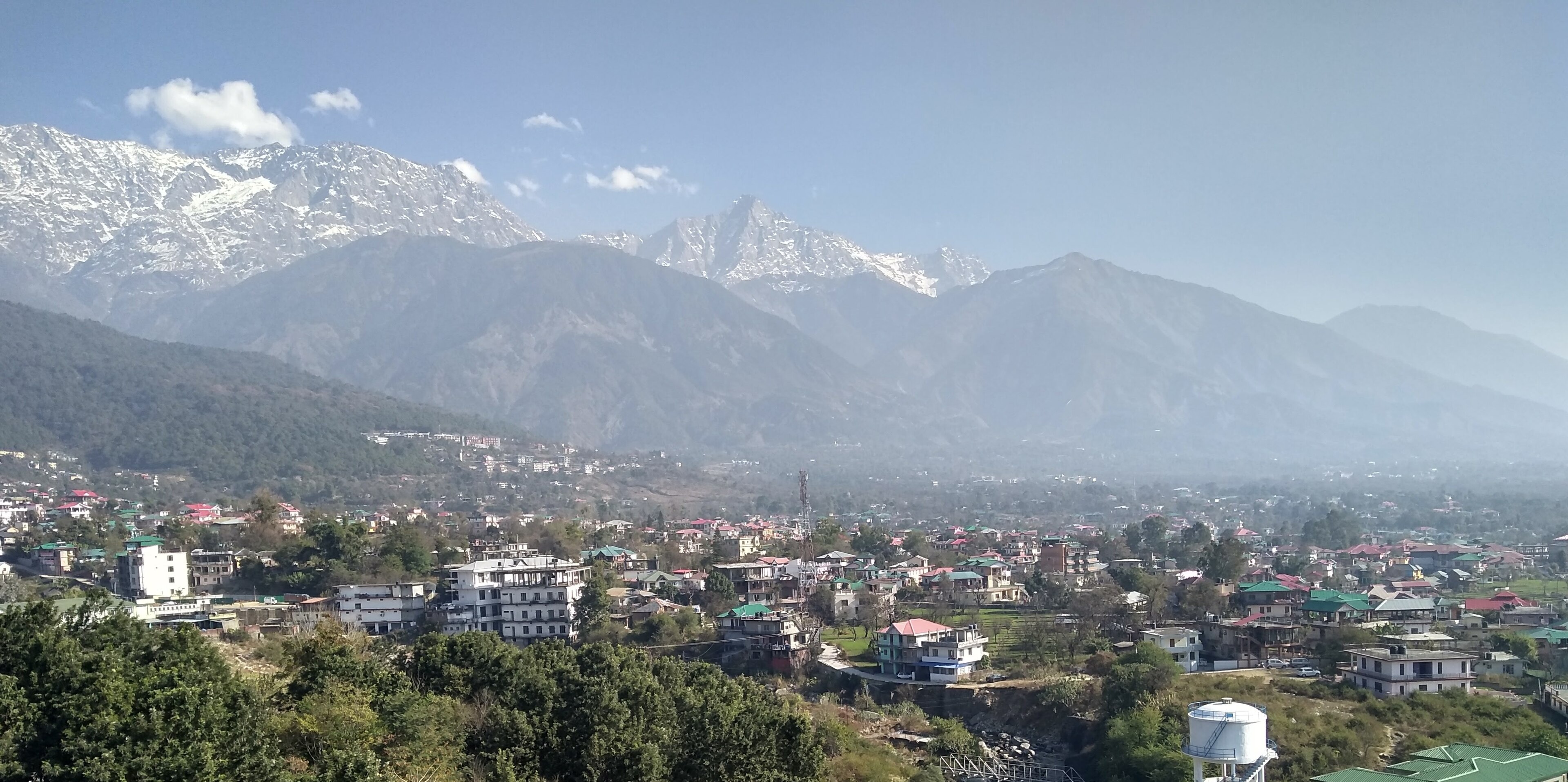
Why Dharamshala is Perfect for Your Celebration
- Dramatic Dhauladhar mountain backdrop creates a naturally awe-inspiring setting for retreats and cultural events
- Rich Tibetan Buddhist culture and Dussehra festival traditions offer unique, immersive event experiences
- Cool spring climate (March–April) is ideal for outdoor gatherings, team activities, and cultural programming
- Growing inventory of mountain resorts and boutique properties suited to corporate offsites and leadership retreats
- Adventure and wellness activities (trekking, yoga, meditation) integrate naturally into team-building programmes
- Relatively uncrowded compared to mainstream event destinations, offering privacy and exclusivity for groups
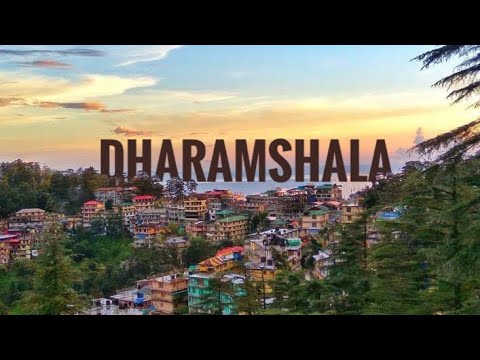
Top Venues in Dharamshala
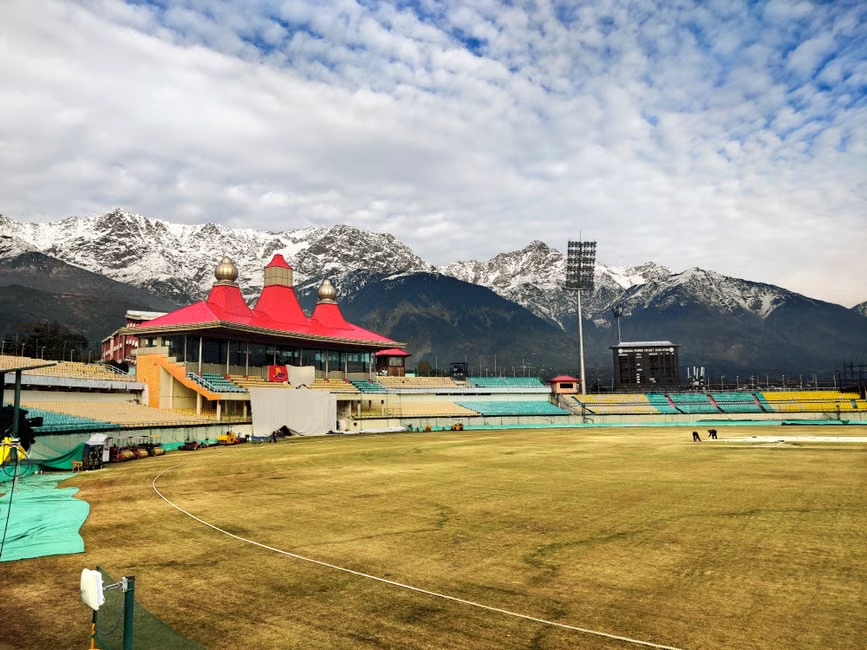
Fortune Park Moksha
Compare Dharamshala with Other Top Destinations
Frequently Asked Questions
Is Dharamshala a good destination for a corporate offsite or leadership retreat?
Yes. Dharamshala is particularly well-suited to corporate offsites and leadership retreats. The Himalayan setting, monastery culture, and natural seclusion create an environment that encourages focused thinking and genuine team connection. Most resort properties offer integrated meeting facilities, accommodation, and dining on a single campus, which simplifies multi-day residential programme logistics considerably.
What is the best time of year to hold an event in Dharamshala?
Spring — specifically March and April — is the recommended window. Skies are generally clear, daytime temperatures are mild and comfortable, and outdoor event formats are fully practical. October–November is a reasonable secondary window post-monsoon. June through September should be avoided due to heavy monsoon rainfall and landslide risk on mountain roads.
How do guests typically travel to Dharamshala for an event?
Most guests fly into Gaggal Airport, which has limited domestic connections primarily from Delhi. Alternatively, guests travel by road from Delhi (roughly 8–10 hours) or take a train to Pathankot and then continue by road (approximately 85–90 km). For large groups, coordinating shared transport from a common arrival point is strongly advisable given the mountain road approach.
What size of guest group can Dharamshala realistically accommodate for an event?
Dharamshala is generally well-suited to groups of 50–300 guests. Most mountain resort properties are designed for mid-sized residential retreats and corporate programmes. Very large gatherings of 500 or more guests may find the combined venue and accommodation inventory stretched, and planners should verify capacity across multiple properties if needed.
What kinds of team-building activities are available in Dharamshala?
The destination offers a strong range of outdoor and cultural activities that integrate naturally into team-building programmes: trekking on Dhauladhar trails, yoga and meditation sessions, Tibetan cultural workshops, paragliding, nature walks, and monastery visits. These activities tend to feel genuinely engaging rather than formulaic, which is a meaningful advantage for groups that have done conventional team-building before.
Is Dharamshala suitable for hosting a Mountain Cultural Festival or Dussehra-themed gathering?
Yes. The Kangra Valley's Dussehra celebrations are among the most distinctive in northern India, and Dharamshala's Tibetan cultural community adds further depth for culturally themed events. Groups timing a gathering around the October Dussehra period, or building a cultural festival programme around local artisan traditions and monastery culture, will find the destination genuinely supportive of that format.
What is local transport like for a group once they arrive in Dharamshala?
Movement within Dharamshala is entirely by road. The town spans multiple elevations — lower Dharamshala, McLeod Ganj, Bhagsu, and surrounding areas — and navigating between them requires vehicles suited to mountain roads. Local taxi availability can be limited during peak season, so pre-arranging a dedicated vehicle fleet for the group is strongly recommended. Most resort properties that host events can assist with this coordination.
How mature is the local vendor and catering ecosystem for events in Dharamshala?
The local ecosystem is solid for mid-scale events. Experienced event coordinators, catering teams, and audio-visual suppliers familiar with mountain-based event requirements are available locally. For highly specialised needs — large-scale floral production, premium entertainment acts, or complex technical staging — some vendors may need to be sourced from Delhi or Chandigarh, so planners should build in additional lead time.
Can Dharamshala host a DJ or music night event?
Yes, selectively. Certain resort properties have outdoor lawns and event infrastructure suited to evening music events, and a DJ night against a Himalayan backdrop can be a genuinely memorable experience. However, Dharamshala is not a nightlife-first destination, so planners should confirm specific venue capabilities and any local noise or timing guidelines with the property in advance.
What makes Dharamshala different from a typical plains event destination?
The primary differentiator is environment and cultural character. The Dhauladhar mountain backdrop, Tibetan Buddhist cultural presence, cool climate, and relative seclusion create an atmosphere that is genuinely difficult to replicate in a plains city. This makes Dharamshala particularly effective for events where the setting itself is meant to shift mindset, inspire reflection, or create a strong shared memory — rather than simply provide a functional venue.
Are there any situations where Dharamshala would not be the right choice for an event?
Yes. Dharamshala is generally not the right fit for very large gatherings (500+ guests), events planned during the monsoon season (June–September), groups with significant guest mobility or travel constraints, or planners seeking a conventional large ballroom-style social event format. In those situations, a better-connected plains destination with larger venue inventory would typically serve the group more effectively.

Ready to explore venues in Dharamshala?
Dharamshala: Mountain Resort & Retreat Event Venues for Celebrations & Corporate Offsites
◆Dharamshala is best suited to corporate offsites, leadership retreats, team-building programmes, and culturally immersive celebrations — particularly those that benefit from a Himalayan mountain setting, a spiritual-soulful atmosphere, and meaningful engagement with Tibetan Buddhist culture. The destination's primary strength lies in its dramatic natural landscape, cool spring climate, and a growing hospitality ecosystem of mountain resorts and boutique retreat properties. Accessibility is moderate — guests typically fly into Gaggal Airport or travel by road from Pathankot — so it rewards advance planning. It is generally better suited to mid-sized groups than very large gatherings, and its character is distinctive rather than conventional.
Dharamshala at a Glance
| Attribute | Detail |
|---|---|
| Best For | Mountain Cultural Festival / Dussehra Gathering, Corporate Offsite, Leadership Retreat, Team-Building Retreat |
| Primary Vibe | Spiritual & Soulful |
| Other Vibes | Adventure-Ready, Culturally Immersive, Serene & Scenic |
| Best Season | Spring (March–April) |
Why Choose Dharamshala?
- Unmatched Himalayan backdrop: The Dhauladhar range provides a visually dramatic, naturally inspiring setting that few Indian event destinations can replicate — particularly effective for leadership and strategy retreats where environment shapes mindset.
- Tibetan cultural richness: The presence of the Tibetan government-in-exile, active monasteries, and a thriving Tibetan arts and craft tradition gives Dharamshala a cultural depth that can be woven directly into event programming — from monastery visits to traditional craft workshops.
- Dussehra festival significance: The Kullu-Kangra region's Dussehra celebrations are among the most distinctive in northern India, making Dharamshala a genuinely compelling host for cultural festival gatherings timed around this period.
- Adventure and wellness integration: Trekking trails, yoga centres, meditation retreats, and paragliding opportunities in the surrounding area make it straightforward to build multi-activity team-building programmes without relying on artificial corporate exercises.
- Relative exclusivity: Compared to mainstream event cities, Dharamshala sees fewer large-scale corporate events, which means groups often enjoy greater privacy, more attentive service, and a less crowded experience overall.
- Cool spring climate: March and April offer clear mountain skies, comfortable daytime temperatures, and minimal rainfall — conditions that are genuinely well-suited to outdoor event formats, team activities, and photography.
Which Celebrations Work Best in Dharamshala?
Mountain Cultural Festival / Dussehra Gathering: Dharamshala and the broader Kangra Valley have deep roots in Himachali and Tibetan festival culture. Groups looking to host a culturally themed gathering — or to time an event around the region's Dussehra celebrations — will find the local setting, artisan community, and cultural programming options genuinely supportive of this format.
Corporate Offsite: The combination of mountain seclusion, a growing stock of resort properties with meeting facilities, and a naturally de-stressing environment makes Dharamshala a strong choice for corporate groups seeking a productive offsite away from urban distractions. The setting encourages focus and open thinking in a way that a city hotel rarely does.
Leadership Retreat: Leadership retreats benefit from environments that prompt reflection and perspective-shifting. Dharamshala's monastery culture, mountain scale, and relative quietness make it particularly well-suited to senior leadership cohorts working on strategy, values, or organisational direction.
Team-Building Retreat: The range of outdoor activities available — trekking, nature walks, cultural immersion, yoga, and adventure sports — gives event planners a wide palette for designing team-building programmes that feel genuinely engaging rather than formulaic. The terrain itself becomes part of the experience.
Sales Meet / Kick-off: For sales teams that respond well to an energising, out-of-the-ordinary setting, Dharamshala offers a memorable backdrop for annual kick-offs and recognition events. The destination's novelty factor tends to generate strong recall and team morale.
DJ / Music Night: While Dharamshala is not a nightlife-first destination, select resort properties have the outdoor lawns and event infrastructure to host evening music events against a mountain backdrop — an experience that is genuinely distinctive and memorable for guests accustomed to urban venues.
Venues & Event Spaces
Dharamshala's event venue landscape is centred on mountain resorts and boutique retreat properties, most of which offer a combination of indoor conference or banquet facilities and outdoor lawns or terraces with Himalayan views. These properties are generally well-suited to groups of 50–250 guests, with the larger resorts able to accommodate plenary sessions, breakout rooms, and social dinners within the same property.
Beyond the main resort category, the destination also has heritage-character properties — including properties associated with the Tibetan cultural community — that offer a more intimate, culturally textured setting for smaller leadership groups or private gatherings. Outdoor event formats are particularly popular here: mountain-view lawns, forest clearings, and monastery courtyards (where accessible) can be configured for evening dinners, cultural performances, and team activities.
Purpose-built banquet halls of the kind common in plains cities are less prevalent here; the destination's strength lies in integrated resort-style event spaces where accommodation, dining, and event facilities are all on the same property — a format that works well for residential retreats and multi-day programmes.
Best Time to Celebrate
Spring (March–April) is the clearly recommended window for events in Dharamshala. During these months, the winter snowfall has largely cleared from the lower elevations, daytime temperatures are mild and comfortable (typically ranging from around 10°C to 22°C), and the skies are generally clear enough to offer unobstructed views of the Dhauladhar peaks. Outdoor event formats — lawn dinners, team activities, cultural walks — are all practical and enjoyable in this window.
The months of October and November represent a reasonable shoulder season: post-monsoon clarity returns, temperatures are cool but manageable, and the Dussehra festival period (typically October) adds cultural richness for groups interested in that dimension. However, this window is shorter and less reliably settled than spring.
June through September should generally be avoided for outdoor-dependent events. The southwest monsoon brings heavy, sustained rainfall to the Kangra Valley, with a real risk of landslides on mountain roads — both a safety concern and a significant logistical disruption for guest travel. Outdoor event formats become impractical, and the general atmosphere is damp and overcast.
December through February brings cold temperatures and the possibility of snowfall, particularly at higher elevations including McLeod Ganj. While snow can be visually spectacular, it creates genuine challenges for guest travel, outdoor programming, and reliable road access. Events during this period require careful contingency planning and are generally better suited to very small, hardy groups than to larger corporate or social gatherings.
Getting There & Local Connectivity
Dharamshala is served by Gaggal Airport, which operates a limited number of domestic flights connecting primarily to Delhi. Flight frequency is modest compared to major Indian airports, and services can be affected by mountain weather conditions — guests should build buffer time into travel plans, particularly during transitional seasons. For groups travelling from Delhi and other north Indian cities, road travel via Pathankot or Chandigarh is a common and practical alternative, with journey times of roughly 8–10 hours from Delhi by road.
The nearest major railway station is at Pathankot, approximately 85–90 km away, which connects to Delhi and other north Indian cities. From Pathankot, guests travel onward to Dharamshala by road. A narrow-gauge heritage railway also runs to Kangra, though it is not typically used for group event logistics.
Within Dharamshala itself, local movement for groups is primarily by road. The town is spread across different elevations — lower Dharamshala, McLeod Ganj, Bhagsu, and surrounding areas — and navigating between them requires vehicles suited to mountain roads. For large groups, coordinating a fleet of vehicles in advance is strongly advisable, as local taxi availability can be stretched during peak season. Most resort properties that host events are accustomed to managing guest transfers and can assist with local logistics coordination.
Local Vendor & Hospitality Ecosystem
Dharamshala's hospitality ecosystem has matured meaningfully over the past decade, driven by steady growth in both leisure tourism and corporate retreat demand. The town has a reasonable base of experienced event coordinators, catering teams, and audio-visual suppliers who are familiar with the specific requirements of mountain-based events — including managing outdoor setups in variable weather and coordinating across properties at different elevations.
Local catering draws on both Himachali cuisine traditions and broader north Indian and continental menus, with most resort properties capable of delivering multi-day event catering to a good standard. Tibetan food culture also adds a distinctive local flavour that can be incorporated into event menus or cultural dining experiences.
For highly specialised requirements — large-scale floral decoration, premium entertainment acts, or very specific technical production — planners should expect to source some vendors from Delhi or Chandigarh and factor in logistics accordingly. The local vendor base is solid for mid-scale events but may require supplementing for very elaborate productions.
Pros & Things to Consider
Why Dharamshala Works Well
- Genuinely distinctive Himalayan setting that creates strong event recall and guest engagement
- Cool spring climate is comfortable for both indoor and outdoor event formats
- Rich cultural programming options (monastery visits, Tibetan arts, Dussehra traditions) that can be integrated into event agendas
- Adventure and wellness activities provide natural team-building content without artificial facilitation
- Relative seclusion and low urban noise make it well-suited to focused leadership and strategy retreats
- Growing resort infrastructure with properties that combine accommodation, dining, and event facilities on a single campus
Things to Consider
- Air connectivity is limited — Gaggal Airport has few daily flights and is weather-sensitive, which can complicate guest travel for large groups
- Mountain roads require careful logistics planning, particularly for guests with mobility considerations or for very large vehicle convoys
- The monsoon season (June–September) effectively rules out outdoor events and creates genuine travel risk — the usable event window is narrower than in plains destinations
- Venue capacity is generally suited to mid-sized groups; very large gatherings (500+ guests) may find the local inventory stretched
- Some specialist vendors (high-end décor, large-scale production) may need to be sourced from outside the region, adding lead time and logistics complexity
- Winter events (December–February) require significant contingency planning for weather-related disruptions
When Dharamshala May Not Be the Right Fit
- Very large gatherings (500+ guests): The local venue and accommodation inventory is generally better matched to groups of 50–300. Planners expecting to host very large delegations under one roof may find the options limited.
- Monsoon-season events: Groups planning outdoor-heavy programmes between June and September will face sustained rainfall, road disruption risk, and a generally overcast atmosphere — a different destination with a more reliable monsoon-season window would serve better.
- Guests with significant travel constraints: For guest lists that include elderly attendees, guests with mobility limitations, or large numbers of international travellers with complex onward connections, the mountain road approach and limited flight frequency can create meaningful friction.
- Conventional ballroom-style social events: Groups seeking a large, purpose-built banquet hall with a traditional urban event format will find Dharamshala's venue character — resort-integrated, outdoor-leaning, mountain-scaled — a poor match for that expectation.