
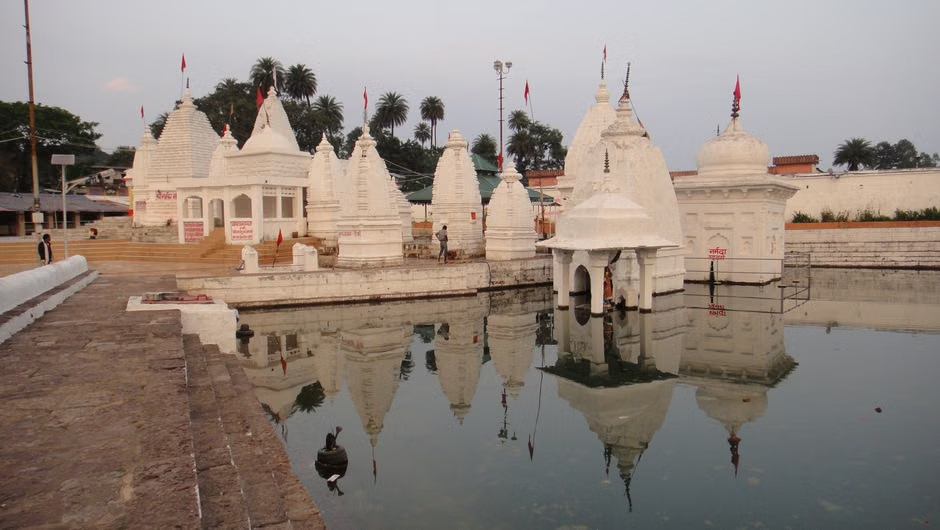
Why Deoghar is Perfect for Your Celebration
- Home to Baidyanath Jyotirlinga, one of the 12 sacred Jyotirlingas — unmatched sanctity for religious family functions and temple ceremonies
- Deep-rooted Jharkhand tribal culture makes it an authentic setting for Sarhul, Karam, and local folk festival gatherings
- Compact pilgrimage-town character means temple, venue, and accommodation are all within close proximity for guests
- Jasidih Junction provides reliable rail connectivity to Kolkata, Patna, and Delhi, making group travel feasible
- Winter months (November–February) offer genuinely pleasant, dry weather perfectly suited to outdoor ceremonial gatherings
- Growing mid-range and business hospitality infrastructure supports corporate offsites and leadership retreats seeking a reflective, off-the-beaten-path setting
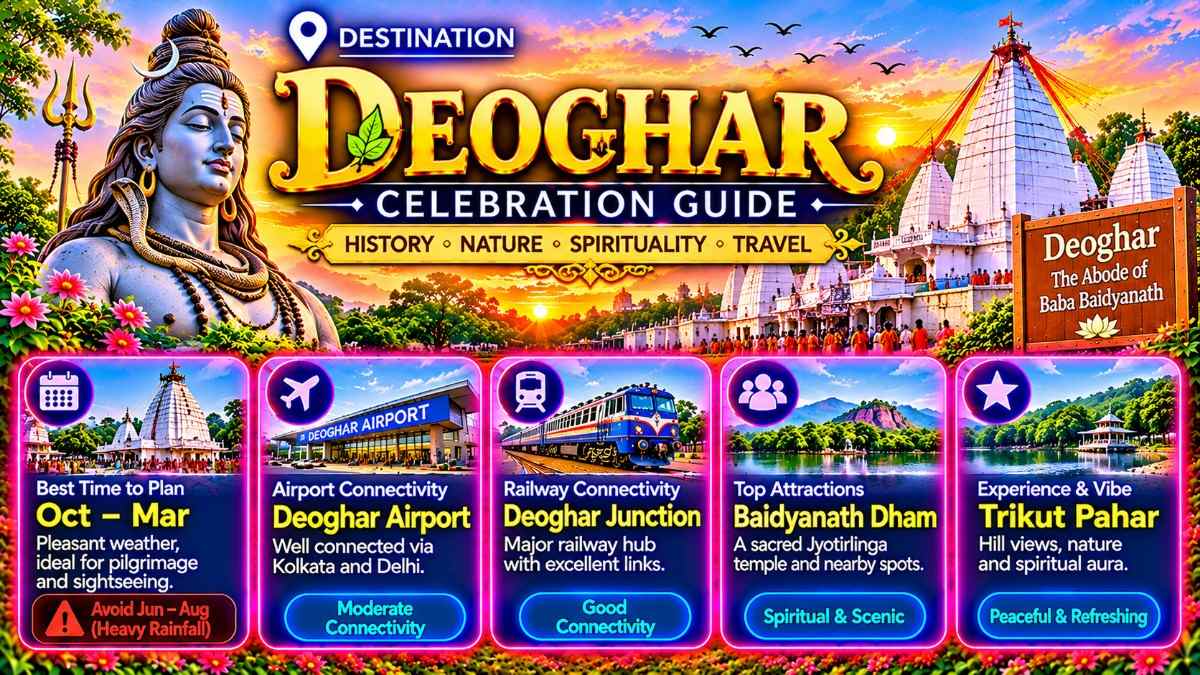
Top Venues in Deoghar
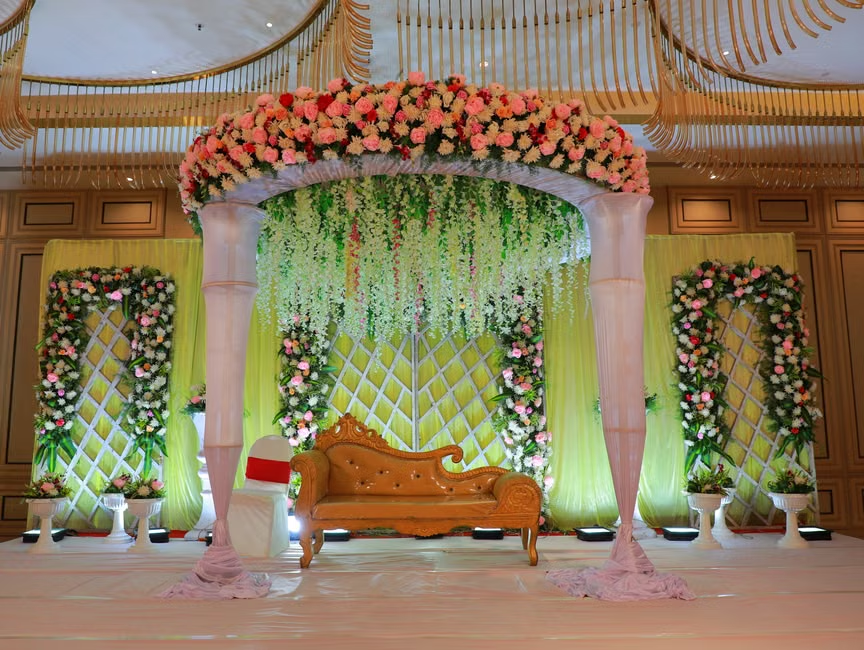
Ishaan Sarovar Portico Deoghar
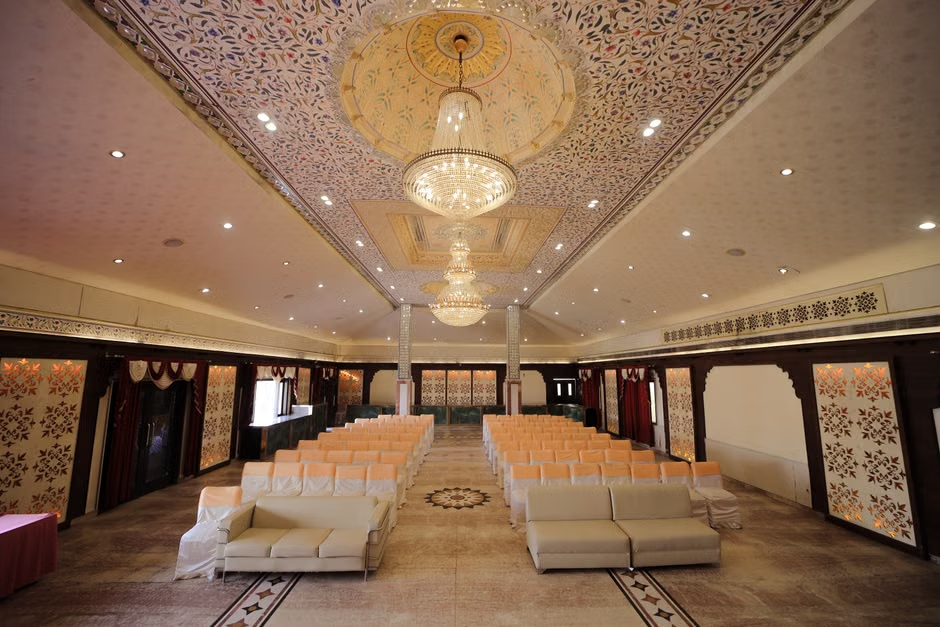
Hotel Maa Laxmi Palace
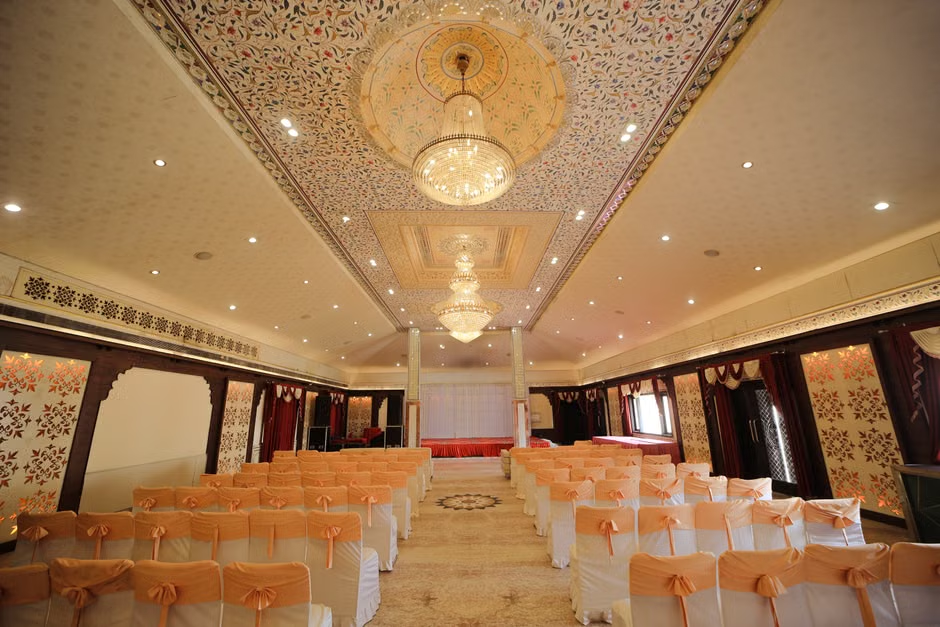
Hotel Brahmpushp
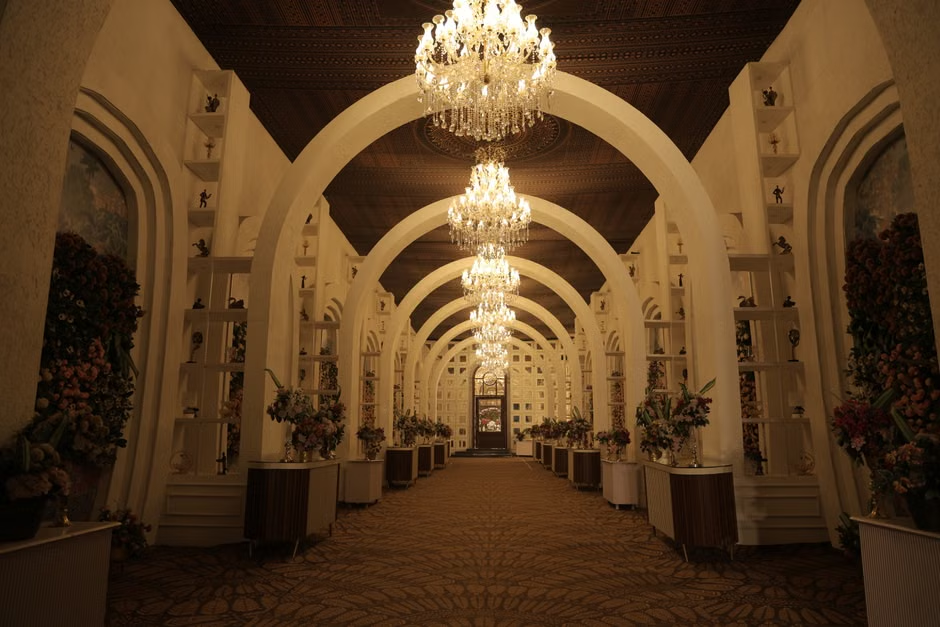
Hotel Lakhdatar Deoghar
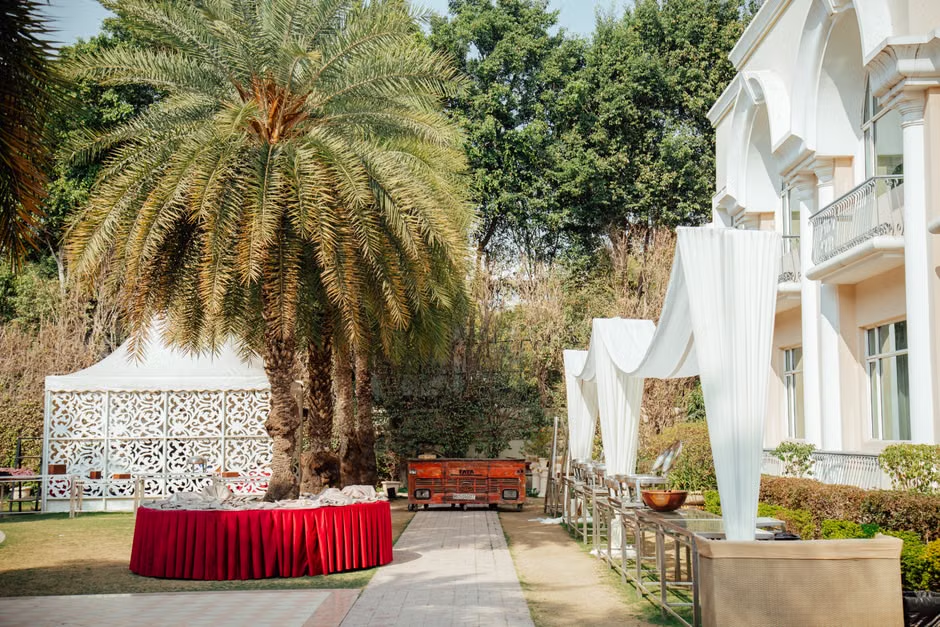
The Magnum
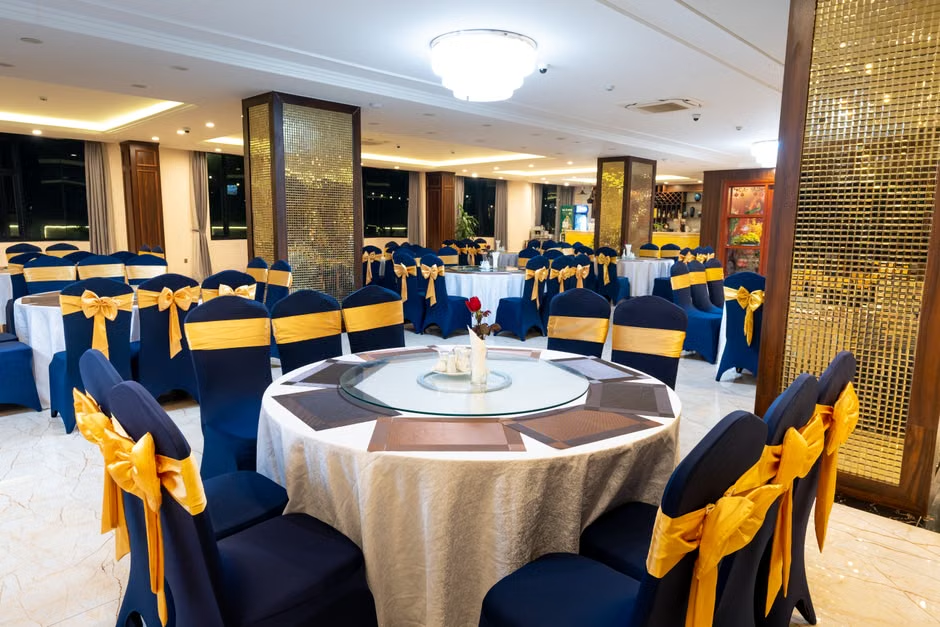
Hotel Imperial Heights
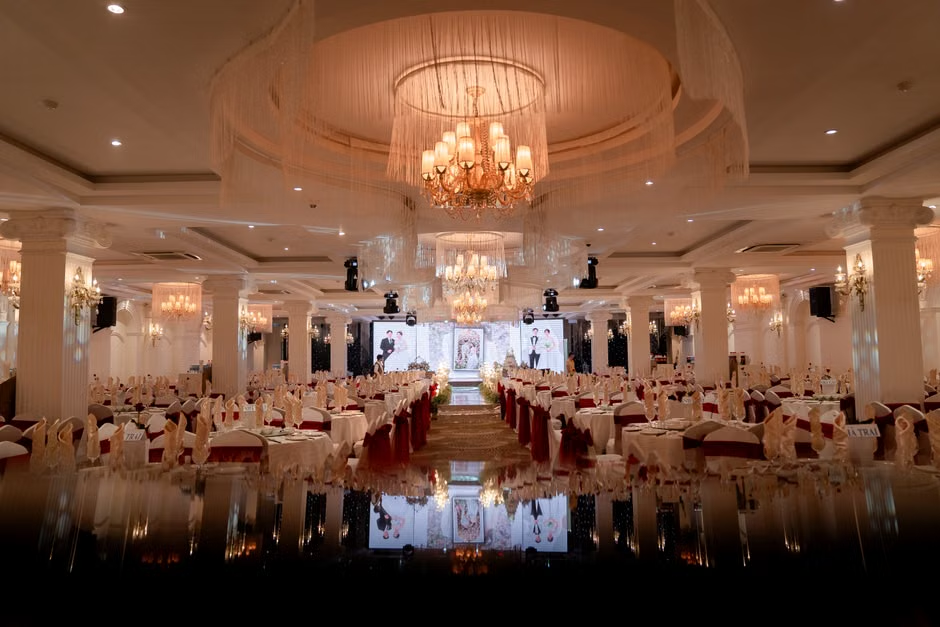
Geetanjali International

Hotel City Square
Hotel Marine Blu
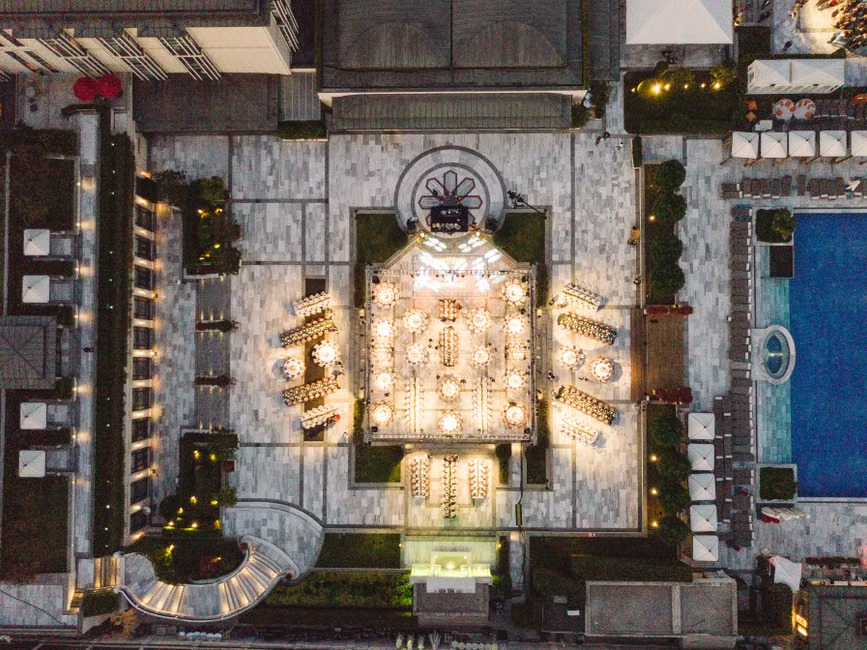
The Vaishnavi Hotel And Resort
Compare Deoghar with Other Top Destinations
Frequently Asked Questions
Is Deoghar a good destination for a spiritual or pilgrimage gathering?
Yes, it is among the strongest choices in eastern India for this purpose. Deoghar is home to the Baidyanath Jyotirlinga, one of the twelve sacred Jyotirlingas, and the city's entire infrastructure — from accommodation to catering to ritual specialists — is oriented around pilgrimage and spiritual gatherings. The sacred atmosphere reinforces the purpose of the event in a way few other destinations can match.
Can Deoghar host a Sarhul or Karam cultural gathering authentically?
Yes. Deoghar and the surrounding Jharkhand region are among the most authentic settings for Sarhul and Karam cultural gatherings. These tribal festivals celebrating the sal and karam trees are living traditions here, with local communities, folk musicians, and ritual practitioners genuinely embedded in the culture — not staged for tourism.
What is the best time of year to plan an event in Deoghar?
November through February is the recommended window. The weather is cool and dry, making outdoor temple visits, processions, and open-air ceremonies comfortable for guests of all ages. March onwards brings rising heat, and June through September is monsoon season with heavy rainfall that makes outdoor events impractical.
How do guests typically travel to Deoghar?
Rail travel via Jasidih Junction is the most reliable option for most guests. Jasidih sits on the main Howrah–Delhi rail corridor and receives trains from Kolkata, Patna, Dhanbad, and Delhi. Deoghar also has its own airport with limited scheduled services, which may require connections for guests from many cities. Road travel from Ranchi or Patna is also feasible.
What guest group sizes can Deoghar venues realistically accommodate?
Deoghar's venue inventory is generally well-suited to gatherings of up to 200–300 guests. Hotel banquet halls, resort lawns, and community spaces can handle mid-sized family functions and cultural gatherings comfortably. Very large events exceeding 400–500 guests may find local accommodation and event space supply stretched, and advance planning is essential.
What kinds of event spaces are available in Deoghar?
The main options include hotel banquet halls and lawns, dharamshalas and community halls associated with religious trusts, resort properties on the city's outskirts with larger outdoor spaces, and temple precincts for ceremonial functions. The inventory is practical and well-suited to religious and cultural events rather than high-production luxury formats.
Is Deoghar suitable for a religious family function like a naming ceremony or thread ceremony?
Yes, and it is a particularly meaningful choice. Performing rites of passage in proximity to the Baidyanath Jyotirlinga carries significant religious weight for Hindu families. Local pandits and ritual specialists are readily available, and the city's catering ecosystem is well-experienced with sattvic food requirements typical of these occasions.
What is the local vendor ecosystem like for events in Deoghar?
For religious and community-style events, the local vendor base is genuinely strong — experienced caterers for sattvic cooking, puja samagri suppliers, flower decorators, and ritual specialists are plentiful. For more elaborate production needs like specialist décor or professional AV, vendors are typically sourced from Ranchi or Kolkata, so additional lead time is advisable.
Is Deoghar a good fit for a corporate offsite or leadership retreat?
It can be, particularly for organisations seeking a reflective, distraction-free environment with a distinctive cultural character. The city's spiritual atmosphere and relative quietness offer something meaningfully different from a conventional conference-hotel setting. Resort properties on the outskirts provide practical meeting and accommodation facilities for smaller corporate groups.
How does local transport work for a group once guests arrive in Deoghar?
Within the city, auto-rickshaws and app-based taxis are adequate for small groups moving between hotels, temples, and venues. For coordinated group movement — such as a family arriving together for a multi-day function — pre-arranged private vehicles or tempo travellers are the most practical solution and are available locally through hotels and local operators.
Are there any periods when Deoghar should be avoided for private events?
Yes. The Shravani Mela period (July–August) draws millions of pilgrims and places enormous strain on accommodation and local logistics — it is generally not suitable for private event groups. The monsoon broadly (June–September) makes outdoor events impractical. March through May brings significant heat that is uncomfortable for large outdoor gatherings.

Ready to explore venues in Deoghar?
Deoghar: Spiritual Gatherings, Temple Festivals & Event Venues in Jharkhand
◆Deoghar is Jharkhand's foremost pilgrimage city and one of India's most sacred temple towns, built around the Baidyanath Jyotirlinga — one of the twelve revered Jyotirlingas. Its primary strength lies in spiritual and religious gatherings: temple festivals, pilgrimage-linked family functions, Sarhul and Karam cultural celebrations, and community ceremonies rooted in both Hindu and Jharkhand tribal traditions. The best season runs from November through February, when the weather is dry and comfortable. Guest access is generally manageable via Jasidih Junction's rail connections, though air access remains limited. The hospitality ecosystem is mid-range in character, making it well-suited to faith-centred and culturally grounded events rather than large-scale luxury productions.
Deoghar at a Glance
| Attribute | Detail |
|---|---|
| Best For | Sarhul / Karam Cultural Gathering, Spiritual / Pilgrimage Gathering, Religious Family Function, Temple Festival |
| Primary Vibe | Spiritual & Soulful |
| Other Vibes | Tribal & Cultural, Community-Centred, Reflective & Serene |
| Best Season | Winter (November–February) |
Why Choose Deoghar?
- Unmatched sacred significance: Deoghar's Baidyanath Jyotirlinga is among the holiest shrines in the Hindu tradition, lending an irreplaceable spiritual weight to any religious family function, temple ceremony, or pilgrimage gathering held here.
- Authentic tribal and folk cultural roots: Jharkhand's Santhali and Adivasi communities have maintained living traditions of Sarhul and Karam festivals, making Deoghar one of the few places where these cultural gatherings can be experienced in their genuinely original context rather than as a staged performance.
- Compact, walkable temple-town layout: The city's core — temples, dharamshalas, hotels, and event spaces — is concentrated within a manageable area, reducing logistical complexity for groups moving between accommodation, ceremony venues, and dining.
- Solid rail connectivity via Jasidih Junction: Jasidih, just a few kilometres from Deoghar's centre, sits on the main Howrah–Delhi rail corridor, making it accessible from Kolkata, Patna, Ranchi, and Delhi without requiring a flight.
- Genuinely off-the-beaten-path character: For corporate offsites, leadership retreats, and team-building events seeking a reflective, distraction-free environment, Deoghar's spiritual atmosphere and relative quietness offer something meaningfully different from a conventional conference-hotel city.
- Pleasant winter climate: November through February brings cool, dry conditions that make outdoor ceremonial gatherings, processions, and community events genuinely comfortable for guests of all ages.
Which Celebrations Work Best in Deoghar?
Sarhul / Karam Cultural Gathering: These Jharkhand tribal festivals — celebrating the flowering of the sal tree (Sarhul) and the Karam tree's significance — are deeply embedded in the region's cultural identity. Deoghar and its surrounding areas are among the most authentic settings in which to organise or participate in these gatherings, with local communities, musicians, and ritual practitioners readily available.
Spiritual / Pilgrimage Gathering: The city's entire infrastructure — from dharamshalas to temple pathways to local catering — is oriented around pilgrimage groups. Organising a family or community pilgrimage gathering here is straightforward, with the sacred environment reinforcing the purpose of the event at every step.
Religious Family Function: Naming ceremonies, thread ceremonies, annaprashan, and other Hindu rites of passage carry particular meaning when performed in proximity to a Jyotirlinga. Families frequently travel to Deoghar specifically to conduct these functions in a sanctified setting.
Temple Festival: Deoghar's annual Shravani Mela — one of the largest religious fairs in eastern India — draws millions of devotees. Beyond this flagship event, the temple calendar offers multiple festival occasions throughout the year when the city's energy is at its most vibrant for ceremonial gatherings.
Cultural Festival Gathering: Beyond strictly religious events, Deoghar serves as a regional hub for Jharkhand's broader cultural calendar, including music, dance, and craft traditions that bring communities together in a celebratory but grounded atmosphere.
Local Folk Festival / Fair: The region's folk traditions — including Chhau dance, Jhumur music, and seasonal fairs — provide a rich backdrop for community-organised folk festival events, particularly in the cooler months when outdoor gatherings are comfortable.
Venues & Event Spaces
Deoghar's event venue landscape is shaped by its identity as a pilgrimage town rather than a leisure resort destination. The most commonly used spaces include:
- Hotel banquet halls and lawns: Several mid-range hotels in and around the city centre offer banquet halls and open lawns suitable for family functions, community gatherings, and smaller corporate events. These spaces are practical and well-accustomed to hosting religious and cultural ceremonies.
- Dharamshalas and community halls: A significant number of dharamshalas (pilgrim rest houses) associated with temples and religious trusts have large communal spaces that can be arranged for group meals, cultural programmes, and ceremonial functions — particularly suited to pilgrimage-linked gatherings.
- Resort properties on the outskirts: A small number of resort-style properties on the city's periphery offer more expansive outdoor event spaces, lawns, and facilities for larger gatherings, corporate offsites, and retreats that benefit from a quieter, greener setting.
- Temple precincts and open grounds: For temple festivals and certain religious functions, the open grounds and ghats associated with Deoghar's temple complex serve as the natural ceremonial space, though these require coordination with temple authorities and are governed by religious protocols.
Overall, the venue inventory is best suited to groups of up to 300 guests for structured events. Very large-scale productions requiring purpose-built convention infrastructure are not well-served by the current local supply.
Best Time to Celebrate
The optimal window for events in Deoghar is November through February. During these months, daytime temperatures are typically comfortable — ranging from the mid-teens at night to the mid-twenties during the day — making outdoor processions, temple visits, and open-air gatherings genuinely pleasant for guests of all ages, including elderly family members who are common attendees at religious functions.
The rest of the year presents meaningful challenges:
- March through May sees temperatures climb sharply, often exceeding 35°C by April and May. Outdoor ceremonies become uncomfortable, and the heat can be particularly taxing for pilgrimage-style events that involve walking between temple sites.
- June through September brings the monsoon, with heavy and sometimes unpredictable rainfall. Outdoor events are largely impractical, and the region can experience localised flooding. The Shravani Mela — held during Shravan (July–August) — is a major religious event that draws enormous crowds, but this is a pilgrimage occasion rather than a private event context, and the infrastructure is under significant strain during this period.
- October is a transitional month: the monsoon typically recedes, but residual humidity and occasional late rains make it a less reliable choice compared to the November–February window.
For planners with flexibility, November and February are particularly strong months — the weather is at its most settled, and the city is not at peak pilgrimage congestion.
Getting There & Local Connectivity
Deoghar is served by its own airport, which has seen improved scheduled connectivity in recent years, though the number of direct routes remains limited and guests from many cities will need to connect through a larger hub. For most guest groups, rail travel via Jasidih Junction is the more reliable and practical option. Jasidih sits on the main Howrah–Delhi rail line and receives trains from Kolkata, Patna, Dhanbad, Ranchi, and Delhi, making it accessible for guests travelling from eastern and northern India. The journey from Jasidih to Deoghar's centre is short and manageable by auto-rickshaw or taxi.
Within the city, local transport options include auto-rickshaws, cycle-rickshaws, and app-based taxis, which are generally adequate for moving small groups between hotels, temples, and event venues. For larger groups requiring coordinated movement — such as a family arriving together for a multi-day religious function — pre-arranged private vehicles or tempo travellers are the most practical solution and are available locally. Road connectivity to nearby towns in Jharkhand and Bihar is reasonable, and self-drive or hired-vehicle groups from Ranchi (approximately 250 km) or Patna (approximately 280 km) are not uncommon.
Local Vendor & Hospitality Ecosystem
Deoghar's vendor ecosystem is genuinely well-developed for the specific event types it serves. Caterers experienced in large-scale sattvic (vegetarian, no-onion-no-garlic) cooking for pilgrimage groups are plentiful, and the local food culture is naturally aligned with the requirements of religious family functions. Flower decoration vendors, puja samagri suppliers, and ritual specialists (pandits, priests) are available in significant numbers given the city's temple-town character.
For more elaborate event production — professional sound and lighting, large-format décor, destination wedding photography, or high-end catering with diverse menus — the local vendor base is thinner, and planners organising more complex events typically bring specialist vendors from Ranchi, Kolkata, or Patna. This is a manageable logistical step but worth factoring into planning timelines and coordination.
Hotel hospitality staff in Deoghar are generally experienced with religious group travel and family functions, and the general attitude toward hosting pilgrimage-linked events is warm and accommodating. However, the hospitality ecosystem is not yet at the level of a mature wedding destination in terms of dedicated event coordination services, so having an experienced external event planner is advisable for anything beyond a straightforward family gathering.
Pros & Things to Consider
Why Deoghar Works Well
- Irreplaceable sacred significance for religious and spiritual events — the Baidyanath Jyotirlinga cannot be replicated elsewhere
- Authentic tribal and folk cultural traditions available in their living, community context
- Compact city layout reduces logistical complexity for groups
- Strong rail connectivity via Jasidih Junction for guests from eastern and northern India
- Local vendor ecosystem is genuinely well-suited to religious catering, puja requirements, and community-style gatherings
- Pleasant, dry winter climate from November through February is well-matched to outdoor ceremonial events
- Relatively quieter, distraction-free environment suits reflective retreats and leadership offsites
Things to Consider
- Air connectivity is limited; guests from western or southern India may face long or multi-leg journeys
- The venue inventory is best suited to mid-sized gatherings; very large events (500+ guests) may strain local accommodation and event space supply
- High-end event production vendors (specialist décor, luxury catering, professional AV) are not abundantly available locally and may need to be sourced from larger cities
- The Shravani Mela period (July–August) brings enormous pilgrimage crowds that can make accommodation and logistics very difficult for private event groups — this period is generally not suitable for private celebrations
- The city's character is firmly spiritual and community-oriented; guests expecting a leisure resort or nightlife-adjacent event environment will find it a poor fit
- Monsoon season (June–September) significantly limits outdoor event viability and should be avoided for any outdoor-dependent celebration
When Deoghar May Not Be the Right Fit
- Large-scale luxury weddings: If the primary requirement is a grand, high-production wedding with extensive luxury venue options, Deoghar's current hospitality infrastructure does not yet support that scale or style reliably.
- Guests travelling from distant western or southern Indian cities: Without strong direct air connectivity, guests from Mumbai, Bengaluru, Chennai, or Hyderabad face significantly longer and more complex journeys, which can reduce attendance and add fatigue to the guest experience.
- Monsoon-season outdoor events: Any celebration that depends on outdoor spaces — lawns, open-air mandaps, garden settings — should not be planned between June and September in Deoghar, as monsoon rainfall is heavy and unpredictable.
- Events requiring a secular or leisure-resort atmosphere: Deoghar's identity is deeply spiritual and temple-town in character. Groups seeking a beach resort, hill station, or urban entertainment-adjacent event environment will find this destination a poor match for that expectation.