
Why Dausa is Perfect for Your Celebration
- Ancient forts and heritage havelis provide a genuinely royal backdrop unavailable in more commercialised destinations
- Deeply authentic Teej & Gangaur festival culture makes traditional Rajasthani celebrations especially meaningful here
- Quieter and less crowded than Jaipur, offering privacy and exclusivity for intimate weddings and small gatherings
- Strong road connectivity to Jaipur (NH-21) means guests can fly into a major airport and reach Dausa within 1–1.5 hours
- Eastern Rajasthan's folk music, dance, and craft traditions enrich pre-wedding and cultural event programming
- Generally more accessible venue costs than major Rajasthan tourism hubs, without sacrificing heritage character
Compare Dausa with Other Top Destinations
Frequently Asked Questions
Is Dausa a good destination for a heritage or palace-style wedding?
Yes. Dausa is particularly well-suited to heritage and palace-style weddings. The district's historic forts, havelis, and heritage properties provide a genuinely royal Rajput backdrop. It offers the architectural drama of a classic Rajasthan wedding setting in a quieter, less commercially saturated environment than the most famous Rajasthan wedding cities.
What is the best time of year to hold a wedding or celebration in Dausa?
November through February is the best window. Daytime temperatures are typically between 10°C and 25°C, with clear skies and dry conditions — ideal for outdoor ceremonies, receptions, and photography. Summer months (April–June) bring extreme heat, and the monsoon (July–September) disrupts outdoor events. October is a workable shoulder month as temperatures ease post-monsoon.
How do guests typically travel to Dausa for a destination wedding?
Most guests fly into Jaipur International Airport, which is well-connected to major Indian cities, and then travel to Dausa by road — approximately one to one-and-a-half hours via NH-21. Dausa also has its own railway station on the Delhi–Jaipur–Agra corridor, though not all express trains stop there. Arranging dedicated coaches from Jaipur for the guest group is the most practical approach.
What guest group sizes can Dausa venues realistically accommodate?
Dausa's heritage properties are best suited to intimate to mid-sized events — typically up to 200 to 300 guests for a seated dinner, with larger capacities possible on open lawns for standing receptions. For very large weddings of 400 or more guests requiring accommodation in a single location, the local inventory may be insufficient and guests may need to be distributed across multiple properties.
Can Dausa host a Teej or Gangaur celebration authentically?
Yes, and it is one of the destination's strongest suits. Dausa's living Rajasthani folk culture — including local artisans, ritual practitioners, and folk performers — makes Teej and Gangaur celebrations here feel genuinely rooted rather than staged. Heritage properties in the district can curate immersive festival experiences that draw on real local traditions.
What kinds of event spaces are available in Dausa?
Dausa's event spaces are primarily heritage in character — converted havelis, fort-adjacent properties, and heritage hotels with inner courtyards, carved sandstone architecture, and open-air lawns or terraces. These suit outdoor ceremonies, evening receptions, and folk-entertainment evenings particularly well. Dedicated large-scale convention or banquet facilities are limited; the destination is strongest for intimate, atmosphere-led events.
Do I need to bring wedding vendors from outside Dausa?
For traditional Rajasthani elements — folk musicians, dhol players, Kalbelia dancers, local decorators, and Rajasthani cuisine catering — Dausa has a genuine local ecosystem. For more specialised services such as luxury floral design, high-end AV and lighting, or international-standard catering, vendors are typically sourced from Jaipur and transported to Dausa, which is a common and workable arrangement given the road proximity.
Is Dausa suitable for a Welcome Dinner or pre-wedding celebration?
Yes. Heritage courtyards and open lawns within Dausa's properties are well-suited to welcome dinners, mehendi evenings, and sangeet nights. The atmospheric setting — with folk music, traditional décor, and Rajasthani hospitality — makes pre-wedding events here feel distinctive and culturally immersive rather than generic.
How should I handle accommodation for a large guest list in Dausa?
Dausa's accommodation inventory is more limited than in major Rajasthan wedding cities. For guest lists above 100 to 150 overnight guests, planners typically distribute accommodation across multiple properties in the district, or arrange some guests to stay in Jaipur and transfer them for event days. Advance booking is essential during the peak November–February season.
What makes Dausa different from other Rajasthan wedding destinations?
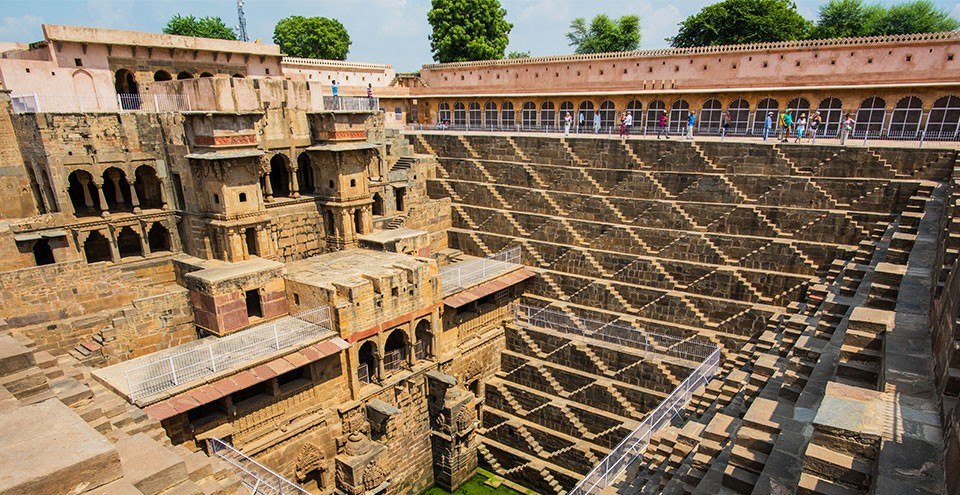
Dausa offers a quieter, more private heritage experience than the most famous Rajasthan wedding cities. It has genuine fort and step-well heritage — including the iconic Chand Baori at Abhaneri — a living folk culture, and a less commercially saturated event calendar. This makes it particularly appealing for couples seeking an authentic, intimate Rajasthani celebration rather than a large-scale production.
Can Dausa work for a corporate incentive trip or cultural gathering?
Yes, at a boutique scale. Dausa's heritage properties can accommodate smaller corporate retreats, incentive trips, and cultural festival gatherings for groups seeking an unusual, memorable Rajasthan backdrop. The destination's folk culture and heritage sites add genuine experiential value for incentive programmes. Large-scale conference infrastructure is limited, so it suits smaller, experience-led corporate groups best.

Ready to explore venues in Dausa?
Dausa: Fort Weddings, Heritage Venues & Festival Celebrations in Rajasthan
◆Dausa is a heritage-rich district town in eastern Rajasthan, best suited to intimate destination weddings, traditional Rajasthani celebrations such as Teej & Gangaur, and palace or fort-style wedding receptions. Its primary vibe is Royal & Heritage — anchored by ancient forts, step-wells like the famous Chand Baori at Abhaneri, and a living folk culture. The best season runs from November through February, when cool, dry weather makes outdoor events comfortable. Guests typically fly into Jaipur and travel onward by road, making Dausa accessible without being overcrowded. It suits smaller, more intimate guest lists rather than large-scale banquet-style events.
Dausa at a Glance
| Attribute | Detail |
|---|---|
| Best For | Teej & Gangaur Celebration, Palace / Heritage Wedding, Destination Wedding, Wedding Reception |
| Primary Vibe | Royal & Heritage |
| Other Vibes | Cultural, Rustic, Intimate, Folk-Traditional |
| Best Season | Winter (November–February) |
Why Choose Dausa?
- Genuine fort and step-well heritage: Dausa district is home to Chand Baori — one of the largest and most architecturally striking step-wells in India — and several historic forts that provide a dramatic, photogenic setting unavailable in more commercialised Rajasthan cities.
- Authentic Rajasthani folk culture: The region's living traditions of folk music, Kalbelia dance, and festival rituals make Teej & Gangaur celebrations here feel genuinely rooted rather than staged for tourists.
- Privacy and exclusivity: Dausa sees far fewer destination-wedding crowds than Jaipur or Udaipur, meaning venues, local vendors, and hospitality staff can give a smaller guest group more focused, personalised attention.
- Strong road access from Jaipur: The NH-21 corridor connects Dausa to Jaipur in roughly one to one-and-a-half hours, making it practical for guests flying into a major international airport to reach the destination without a complicated onward journey.
- Eastern Rajasthan's cultural corridor: Dausa sits on the route between Jaipur and Agra, meaning guests can combine a celebration here with visits to other heritage landmarks — a genuine draw for outstation guests attending a multi-day event.
- Relatively uncrowded event calendar: Unlike the most popular Rajasthan wedding destinations, Dausa's event infrastructure is not saturated during peak season, which typically means better vendor availability and a more relaxed planning environment.
Which Celebrations Work Best in Dausa?
- Teej & Gangaur Celebration: Dausa's deep-rooted Rajasthani culture makes it one of the most authentic settings in eastern Rajasthan for these traditional women's festivals. Local artisans, folk performers, and ritual practitioners are genuinely embedded in the community, giving celebrations an organic quality that is difficult to replicate in larger, more tourist-oriented cities.
- Palace / Heritage Wedding: The district's fort properties and heritage havelis provide the architectural drama and historical character that define a true palace wedding. Couples seeking a royal Rajasthani aesthetic without the premium pricing of the most famous heritage hotels will find Dausa a compelling option.
- Destination Wedding: For couples wanting a multi-day celebration in a setting that feels genuinely off the beaten path — with Rajasthan's cultural richness intact — Dausa offers the right combination of heritage atmosphere, manageable scale, and reasonable accessibility from Jaipur.
- Wedding Reception: Heritage courtyards, fort terraces, and open lawns within heritage properties create naturally photogenic reception settings. Evening receptions under Rajasthan's winter sky, with folk music and traditional décor, are particularly well-suited to this destination.
- Intimate Wedding: Dausa's venue inventory is best matched to smaller guest lists — typically under 200 to 250 guests. This makes it an excellent choice for couples who want a meaningful, personal celebration rather than a large-scale production.
- Welcome Dinner / Pre-Wedding Celebration: The heritage character of local properties lends itself naturally to pre-wedding mehendi evenings, sangeet nights, and welcome dinners with folk entertainment — events that benefit from an atmospheric, culturally rich setting rather than a generic banquet hall.
- Annual Conference / Product Launch / Incentive Trip: While Dausa is primarily a wedding and cultural celebration destination, its heritage properties can accommodate smaller corporate retreats, incentive trips, and product launches for groups seeking an unusual, memorable backdrop in Rajasthan.
- Temple Festival / Cultural Festival Gathering / Local Folk Festival / Fair: The district's active temple culture and seasonal fairs make it a natural gathering point for cultural events and festival-linked celebrations, particularly for groups with a genuine interest in Rajasthani heritage.
- Birthday Brunch / Sundowner / Destination Birthday Getaway: The intimate scale and heritage atmosphere of Dausa's properties make it a distinctive choice for milestone birthday celebrations — particularly for guests who want something more personal and culturally immersive than a standard resort experience.
- Awards & Gala Night: Smaller-scale gala events and awards evenings can work well in Dausa's heritage courtyards, particularly for organisations with a cultural or arts focus that aligns with the destination's character.
Venues & Event Spaces
Dausa's event venue landscape is defined primarily by heritage properties — converted havelis, fort-adjacent guesthouses, and heritage hotels that retain original Rajput architectural features such as carved sandstone facades, inner courtyards, and jharokha balconies. These properties typically offer a combination of indoor banquet halls and open-air lawns or terraces, making them flexible for both daytime and evening events.
Beyond dedicated heritage hotels, the district has access to outdoor fort and step-well settings that can be used for ceremonial or photographic purposes, subject to local permissions. For larger events that exceed the capacity of Dausa's own properties, planners sometimes use the destination as a base while drawing on the broader Jaipur–Dausa corridor's hospitality infrastructure.
Banquet halls within heritage properties are generally suited to intimate to mid-sized gatherings — typically up to 200 to 300 guests for a seated dinner, with larger capacities possible for standing receptions on open lawns. Dedicated convention or conference facilities are limited, so corporate events here tend to work best at a boutique scale.
Outdoor event spaces — lawns, courtyards, and fort terraces — are the strongest asset of this destination's venue offering, and they are at their best during the winter months when the weather is reliably cool and dry.
Best Time to Celebrate
November through February is the clear best season for events in Dausa. Daytime temperatures during this period typically range from around 10°C to 25°C, with cool evenings that make outdoor receptions, mehendi ceremonies, and folk-music evenings genuinely comfortable. The dry air and clear skies also mean excellent conditions for outdoor photography — a significant consideration for wedding couples.
The winter months also coincide with Rajasthan's broader wedding and festival season, meaning local vendors, decorators, folk performers, and catering teams are at their most active and experienced during this window. Teej & Gangaur, while tied to specific lunar calendar dates (typically March–April for Gangaur and July–August for Teej), can be thematically celebrated at heritage properties year-round as part of a curated event programme — though the actual festival atmosphere is most vivid when it aligns with the real calendar dates.
March through June brings rapidly rising temperatures, with peak summer heat in May and June regularly exceeding 40°C in eastern Rajasthan. Outdoor events become impractical, and even indoor venues without strong air conditioning can be uncomfortable. July through September is the monsoon period — while Dausa does not receive the heaviest monsoon rainfall of western Rajasthan, outdoor events face real disruption risk, and the humidity reduces the appeal of the destination's open-air settings. October is a transitional shoulder month — temperatures begin to ease after the monsoon, and it can work for events, though it is not as reliably comfortable as the core November–February window.
Getting There & Local Connectivity
The most practical entry point for guests travelling to Dausa is Jaipur International Airport, which is well-connected to major Indian cities and has some international connections. From Jaipur, Dausa is reachable by road in approximately one to one-and-a-half hours via the NH-21 highway — a straightforward journey that can be managed with hired coaches or taxis for a group.
Dausa also has its own railway station on routes connecting Delhi, Jaipur, and Agra, making it accessible by train for guests travelling from these cities. However, not all express trains stop at Dausa, so guests may need to plan connections via Jaipur or Bandikui junction depending on their origin.
Within Dausa itself, local transport options are more limited than in a major city. For event groups, the practical approach is to arrange dedicated coaches or tempo travellers for guest transfers between accommodation, venues, and any sightseeing stops. Auto-rickshaws and local taxis are available for smaller groups but may not be sufficient in number for a large wedding party arriving simultaneously. Planners should factor in transport logistics as part of the event budget and coordination plan.
Local Vendor & Hospitality Ecosystem
Dausa's vendor ecosystem is genuinely strong for traditional Rajasthani event elements — folk musicians, Kalbelia dancers, dhol players, traditional decorators, and local catering teams experienced in Rajasthani cuisine are available and typically well-priced relative to the major tourism hubs. The district's cultural traditions are living rather than purely commercial, which gives events here an authenticity that is harder to source in more saturated markets.
For more specialised wedding services — high-end floral designers, luxury tent and décor companies, professional AV and lighting teams, or international-standard catering — planners will generally need to source vendors from Jaipur and bring them to Dausa. This is a common and workable arrangement given the road proximity, but it requires advance coordination and should be factored into the planning timeline.
Accommodation capacity in Dausa itself is more limited than in major Rajasthan wedding destinations. For larger guest lists, planners typically need to distribute accommodation across multiple properties in and around the district, or arrange some guests to stay in Jaipur and transfer them for event days. This is a genuine logistical consideration for events with more than 100 to 150 overnight guests.
Local hospitality staff at heritage properties are generally warm and experienced with wedding and celebration events, though the level of professional event management infrastructure on-site varies by property. Engaging an experienced destination wedding planner familiar with eastern Rajasthan is strongly advisable for events of any significant scale.
Pros & Things to Consider
Why Dausa Works Well
- Authentic Rajput fort and heritage architecture provides a genuinely royal backdrop without the premium pricing of the most famous Rajasthan destinations
- Living folk culture — music, dance, festival traditions — enriches event programming in a way that feels organic rather than staged
- Quieter and less commercially saturated than Jaipur or Udaipur, offering privacy and a more personal experience for intimate guest groups
- Strong road connectivity to Jaipur airport makes guest logistics manageable despite the absence of a local airport
- Excellent winter weather (November–February) for outdoor events, with clear skies and comfortable temperatures
- The Jaipur–Agra corridor location means guests can combine the celebration with visits to other iconic heritage sites — a genuine value-add for destination wedding guests
Things to Consider
- Accommodation inventory is limited — larger guest lists (200+ overnight guests) will require distribution across multiple properties or partial accommodation in Jaipur, adding transport coordination complexity
- Specialist wedding vendors (luxury décor, high-end catering, professional AV) typically need to be sourced from Jaipur and transported to Dausa, requiring advance planning
- The destination is best suited to intimate to mid-sized events; very large weddings (500+ guests) may find the local venue and accommodation infrastructure insufficient
- Not all express trains stop at Dausa station, so rail-travelling guests may need to plan connections via Jaipur or a nearby junction
- Dausa is not yet a well-known destination wedding brand in the way that Jaipur or Udaipur are, which means some guests may need more orientation about what to expect
When Dausa May Not Be the Right Fit
- Very large guest lists: If your event requires accommodation and venue space for 400 or more guests in a single location, Dausa's current hospitality inventory is unlikely to meet that need comfortably without significant logistical compromise.
- Outdoor events in summer or monsoon: Events planned between April and September face either extreme heat or monsoon disruption risk — the destination's strongest asset (outdoor heritage settings) is largely unavailable during these months.
- Guests requiring direct flight access: Dausa has no commercial airport of its own. Guests who cannot manage a road transfer of one to one-and-a-half hours from Jaipur — or who require very frequent flight connections — may find the access less convenient than a destination with its own airport.
- Events requiring a full luxury hospitality ecosystem on-site: If your event brief requires multiple five-star properties, a wide range of luxury brand hotels, or a large on-site convention centre, Dausa's current infrastructure does not yet support that at scale — a larger Rajasthan city would be a more appropriate fit.