
Why Darjeeling is Perfect for Your Celebration
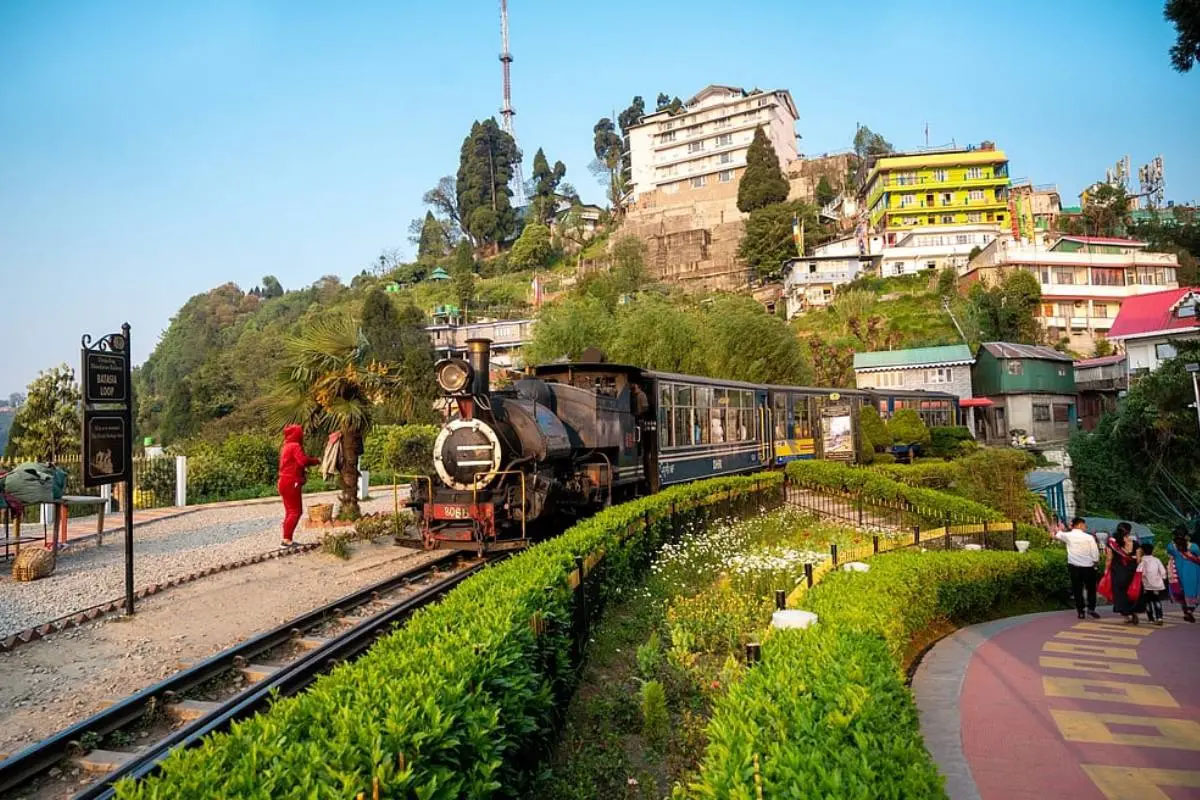
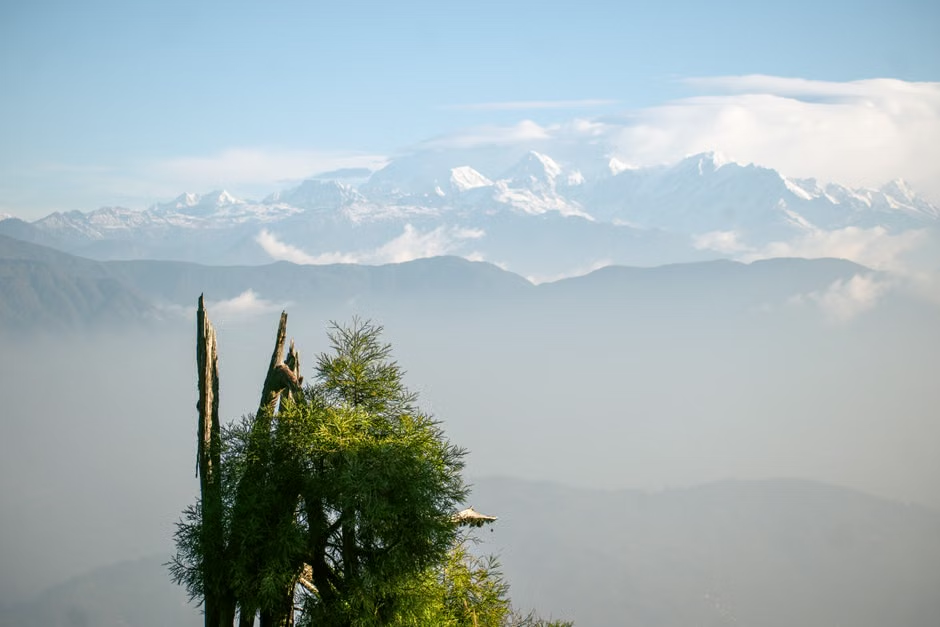
- Panoramic Kanchenjunga views create an unmatched natural backdrop for milestone celebrations
- Colonial-era heritage bungalows and tea estate properties offer intimate, character-filled event spaces
- Cool spring climate (March–April) is ideal for outdoor gatherings and group activities
- UNESCO-listed Darjeeling Himalayan Railway (Toy Train) adds a truly unique guest experience
- Smaller scale and relative seclusion make it perfect for private, exclusive group getaways
- Strong local hospitality culture rooted in Gorkha, Tibetan and Bengali traditions adds cultural richness
Top Venues in Darjeeling
Glenburn Tea Estate & Boutique Hotel
Makaibari Bungalow
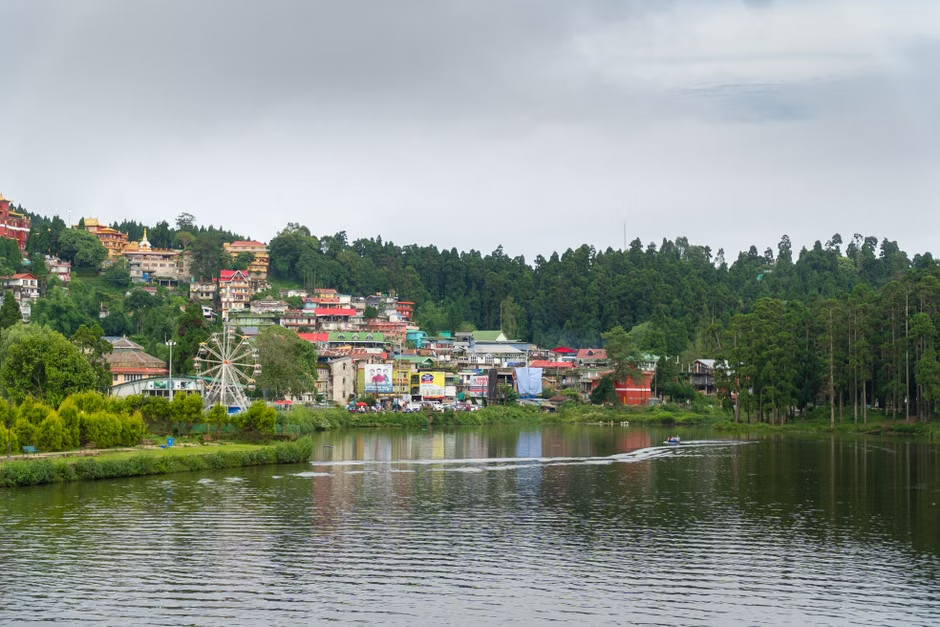
MAYFAIR Hill Resort
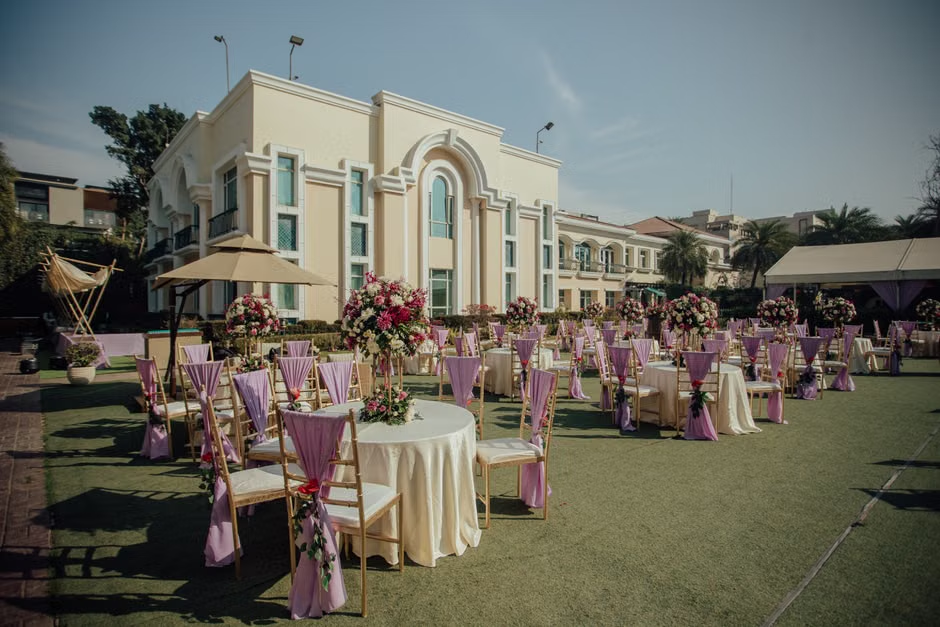
Windamere Hotel
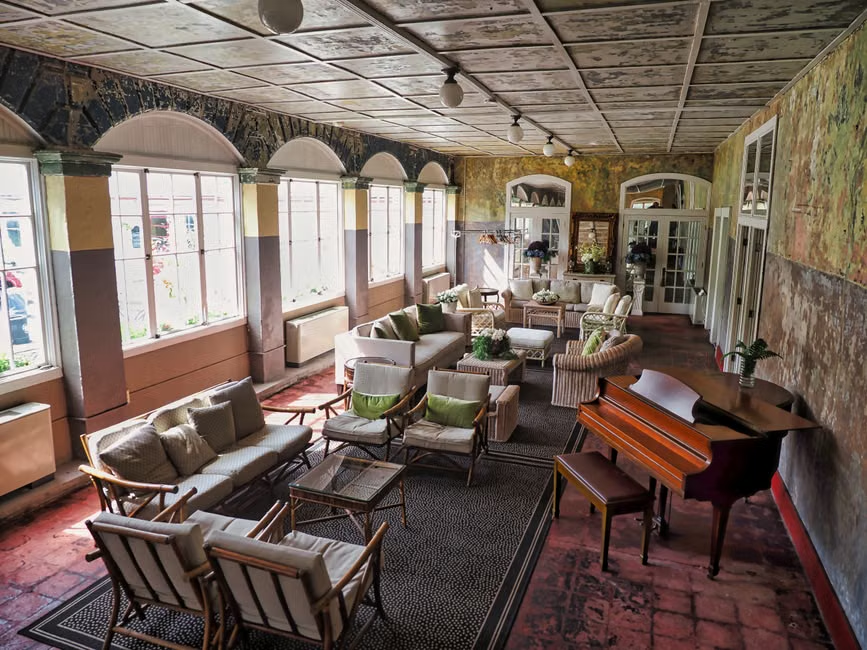
Cedar Inn
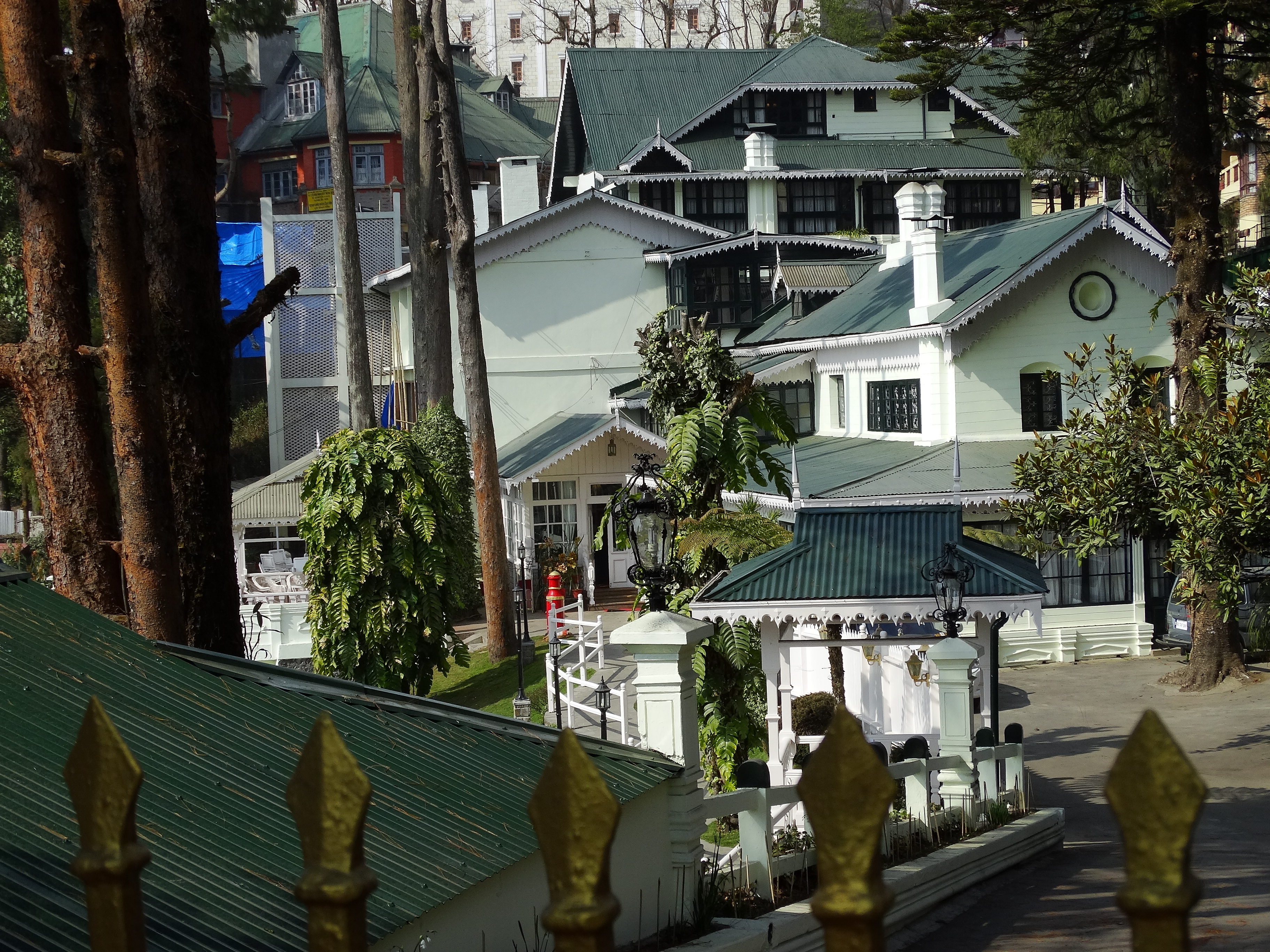
Elgin Hotels & Resorts Darjeeling
Udaan Hotels | Dekeling Resort
Udaan Hotels | Nirvana Resort, Darjeeling
Sterling Darjeeling
Summit Swiss Heritage Resort & Spa, Darjeeling
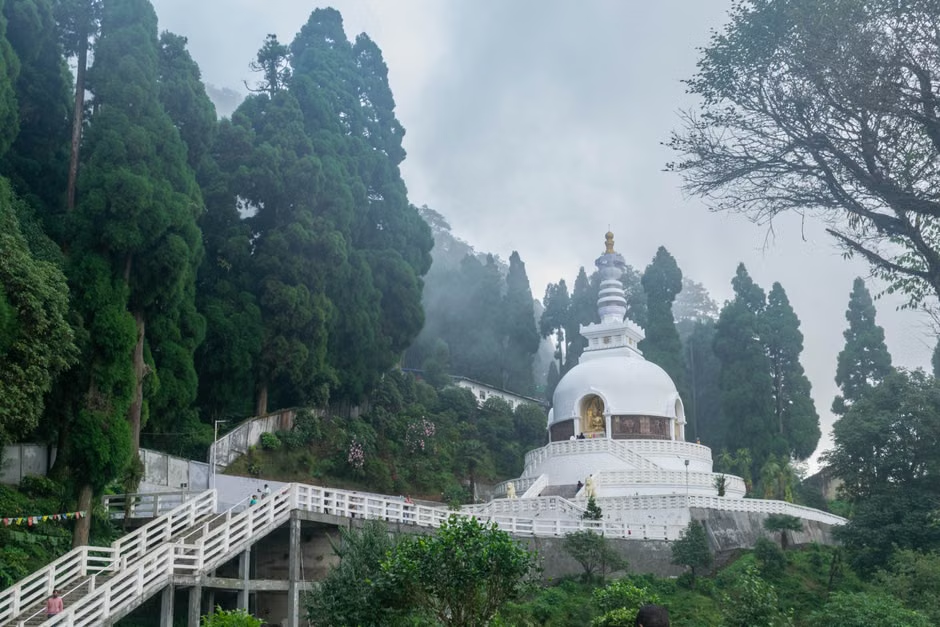
The Elgin, Darjeeling - Heritage Resort & Spa (Since 1887)
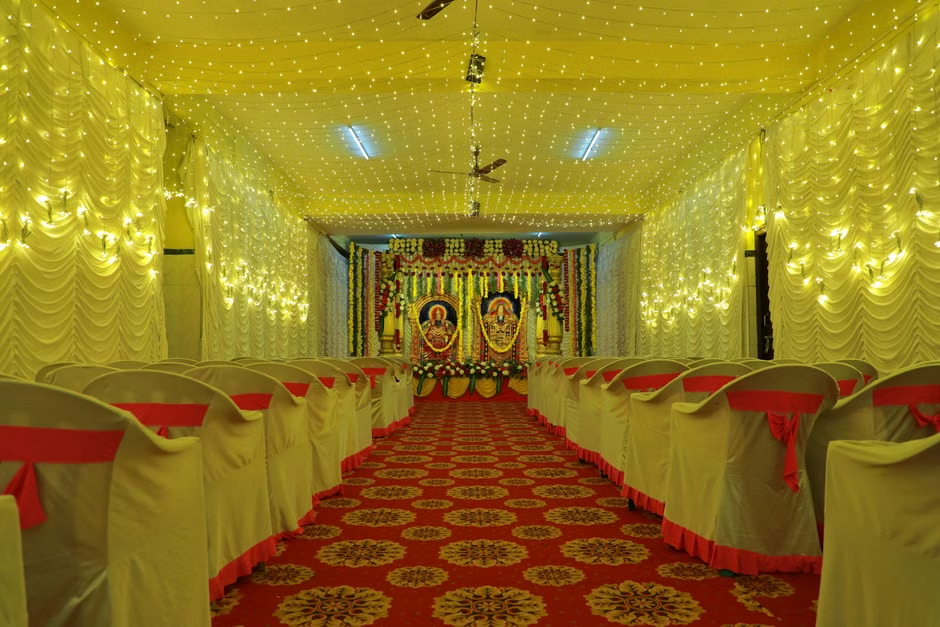
Central Heritage Resort & Spa The Mall Road
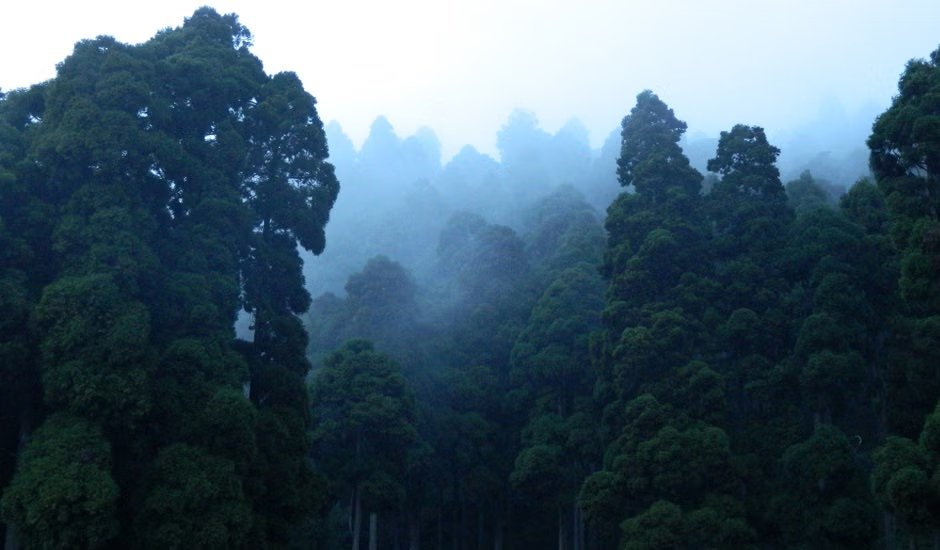
Sinclairs Darjeeling
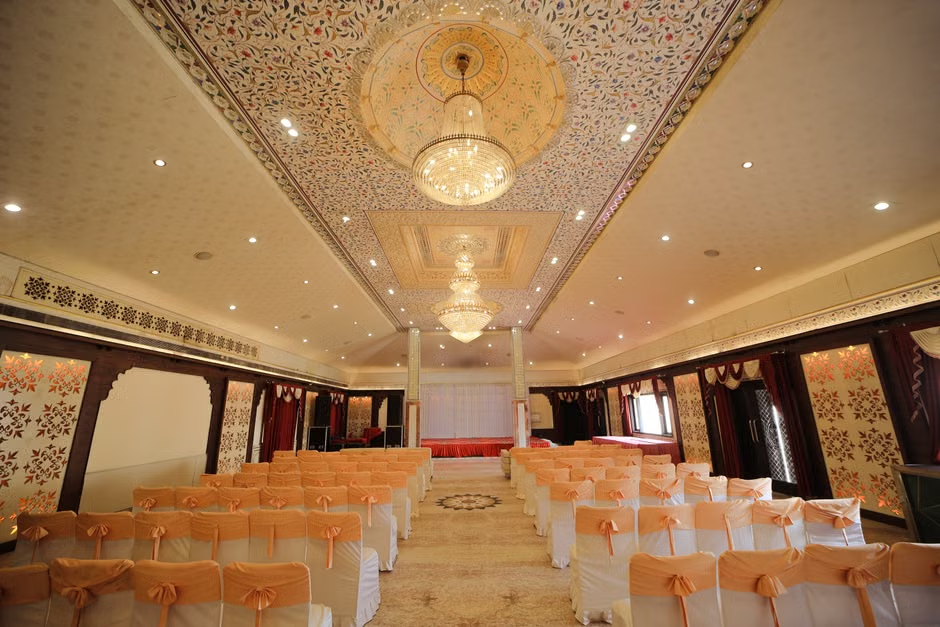
Dekeling Hotel

Sher Bengal Darjeeling
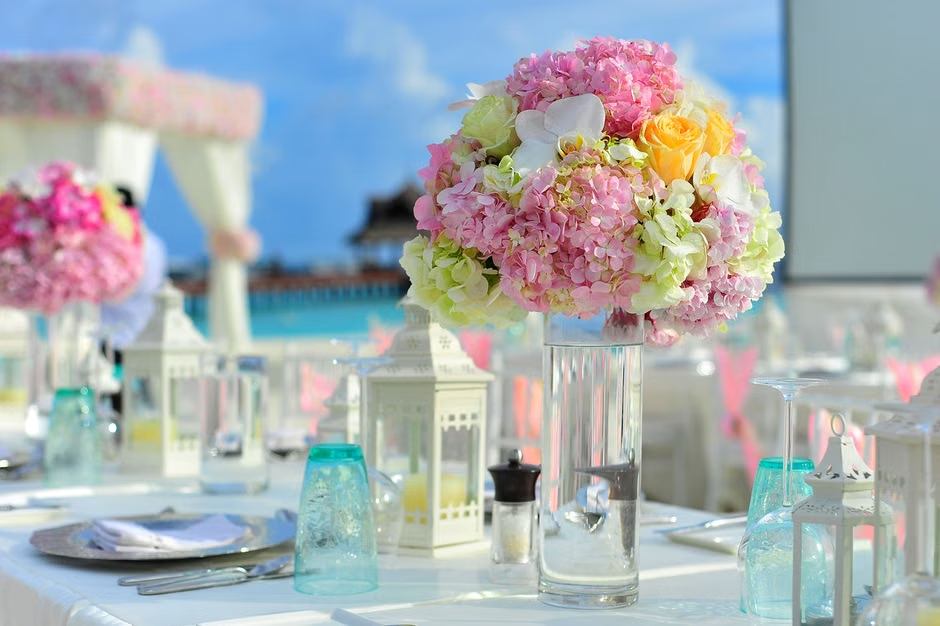
Voyage Rodhi Resort
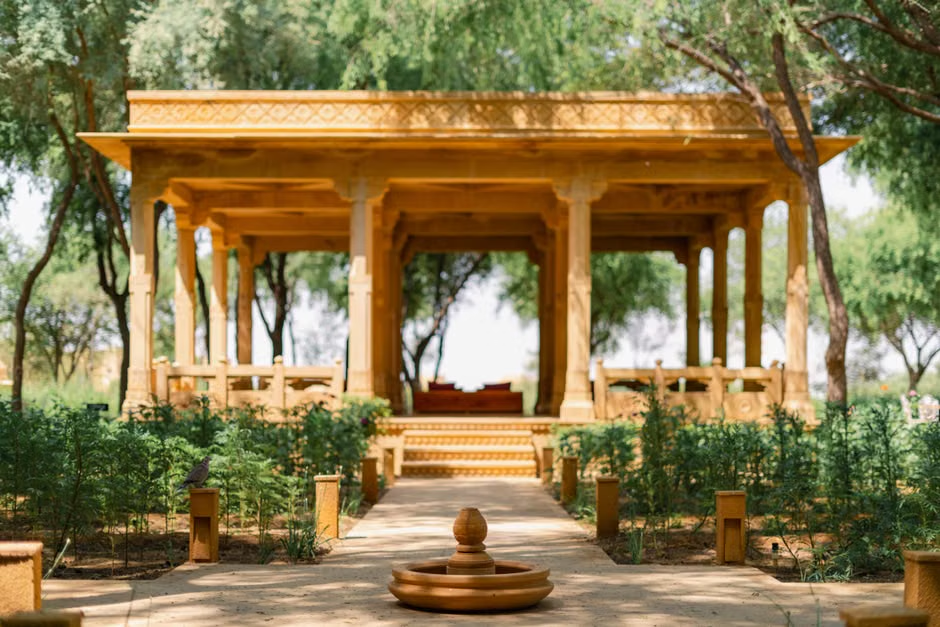
Arcadia Heritage Resort
Compare Darjeeling with Other Top Destinations
Frequently Asked Questions
Is Darjeeling a good destination for a milestone birthday getaway?
Yes. Darjeeling is particularly well-suited to milestone birthday getaways — 40th, 50th, 60th, and 70th birthdays especially. The combination of heritage bungalows, tea estate settings, and Himalayan scenery creates a genuinely memorable backdrop. The destination works best for intimate groups of 20–80 guests who want a curated, experience-led celebration rather than a large-format party.
What is the best time of year to plan an event in Darjeeling?
Spring — specifically March and April — is the optimal window. Skies are typically clear, temperatures are comfortable (roughly 10°C–20°C), rhododendrons are in bloom, and road conditions are good. The monsoon (June–September) should be firmly avoided due to heavy rainfall and landslide risk. December–February is very cold and limits outdoor use significantly.
How do guests typically travel to Darjeeling for a group event?
Most guests fly into Bagdogra Airport, which has connections from Kolkata, Delhi, and Mumbai, then travel by road — approximately 2.5 to 3.5 hours. Alternatively, guests can arrive by train at New Jalpaiguri (NJP) and transfer by vehicle. For groups, pre-arranged fleet transfers from either point are strongly recommended over ad-hoc shared taxis.
What size of guest group can Darjeeling realistically accommodate for an event?
Darjeeling is best suited to groups of roughly 20–120 guests. Most heritage bungalows and hillside resorts are boutique in scale, and the destination's strength lies in intimate, exclusive gatherings. Events requiring 200 or more guests in a single venue will find the local property inventory genuinely limiting.
What kinds of venues are available for events in Darjeeling?
The venue landscape is defined by colonial-era heritage bungalows, tea estate retreats, and hillside resorts — not large convention centres or purpose-built banquet halls. Most properties offer a mix of indoor heritage dining rooms, covered verandas with mountain views, and garden or lawn spaces. Full property buyouts are often possible for smaller groups, which is a genuine advantage.
Is Darjeeling suitable for a corporate offsite or leadership retreat?
Yes, particularly for smaller teams of up to 80–100 participants. The scenic isolation, heritage property settings, and ready-made group activities — tea estate tours, nature walks, Toy Train rides, sunrise treks — make it a strong choice for offsites where genuine disconnection from routine is the goal. Larger corporate groups may find the venue scale limiting.
What group activities are available for event guests in Darjeeling?
Darjeeling offers a strong set of ready-made group experiences: guided tea estate tours and tasting sessions, the UNESCO-listed Toy Train joyride, sunrise treks to Tiger Hill for Kanchenjunga views, visits to the Himalayan Zoological Park, local market walks, and cultural experiences rooted in Gorkha and Tibetan traditions. These reduce the need for elaborate external entertainment programming.
How capable is the local vendor and catering ecosystem for events?
In-house catering at the better heritage hotels and tea estate properties is generally strong, with good regional cuisine. Specialist event vendors — decorators, AV production, live entertainment — are more limited locally and may need to be sourced from Siliguri or Kolkata with advance planning. Overall hospitality quality is warm and attentive, which is a genuine asset for intimate group events.
Are there any health or physical considerations guests should know about?
Yes. Darjeeling sits at roughly 2,000–2,200 metres above sea level, and some guests — particularly older attendees or those with respiratory conditions — may need a day to acclimatise after arrival. The winding mountain roads can also cause motion sickness for some travellers. It is worth communicating both points to guests in advance so they can prepare appropriately.
Is Darjeeling a good fit for an 18th or 21st birthday celebration?
Yes, for groups seeking an offbeat, experience-led celebration rather than a conventional party venue. The novelty of a hill-station setting, the Toy Train, mountain treks, and local cultural experiences make it an exciting and memorable choice for a coming-of-age birthday. It works best for smaller, close-knit groups who value the destination experience over large-scale entertainment.
What connectivity and internet access can event planners expect in Darjeeling?
Mobile and internet connectivity is generally good in the main town and at established properties, but can be patchy in more remote hillside areas and during heavy rain. Events relying on live streaming, high-bandwidth video production, or real-time digital coordination should verify connectivity directly with the specific property well in advance of the event date.

Ready to explore venues in Darjeeling?
Darjeeling: Destination Weddings, Birthday Getaways & Corporate Retreats in the Hills
◆Darjeeling is best suited to small, intimate celebrations — milestone birthdays, destination birthday getaways, corporate offsites, and resort or intimate weddings — where the setting itself is the centrepiece. Its primary vibe is nature-led and serene, shaped by tea gardens, colonial heritage bungalows, and panoramic Himalayan views. The ideal season is Spring (March–April), when skies are clear and temperatures are comfortable. Guest access is moderate — most visitors fly into Bagdogra or arrive by train at New Jalpaiguri, then travel onward by road — so Darjeeling rewards groups who plan logistics carefully. It is not a high-volume, large-format event destination; its strength lies in exclusivity, character, and natural grandeur.
Darjeeling at a Glance
| Category | Details |
|---|---|
| Best For | 40th / 50th Birthday, 18th / 21st Birthday, Destination Birthday Getaway, 60th / 70th Birthday |
| Primary Vibe | Nature & Serene |
| Other Vibes | Heritage & Colonial, Cultural & Offbeat, Boutique & Intimate |
| Best Season | Spring (March–April) |
Why Choose Darjeeling?
- Unmatched natural scenery: Views of Kanchenjunga — the world's third-highest peak — provide a backdrop that no purpose-built event venue can replicate. Sunrise over the Himalayas from Tiger Hill is a genuinely memorable shared experience for any guest group.
- Heritage property diversity: Darjeeling has a genuine stock of colonial-era bungalows, tea estate retreats, and heritage hotels that give events a sense of place and history. These are not generic conference hotels — they carry architectural character and story.
- Intimate scale: The destination's relatively small venue inventory is actually an asset for groups of 20–120 guests who want exclusivity. Entire properties can often be taken over, creating a private, curated experience.
- Tea culture as an event experience: Darjeeling's world-famous tea estates offer guided tours, tasting sessions, and garden walks that function as ready-made group activities — particularly valuable for corporate offsites and milestone birthday weekends.
- Cool, comfortable spring climate: March and April bring stable, pleasant temperatures (roughly 10°C–20°C), blooming rhododendrons, and clear mountain air — conditions that make outdoor gatherings genuinely enjoyable rather than merely tolerable.
- Cultural richness: The blend of Gorkha, Tibetan, and Bengali cultures gives Darjeeling a distinctive local character — in its food, music, festivals, and hospitality — that adds texture to any celebration held here.
Which Celebrations Work Best in Darjeeling?
40th / 50th Birthday: Darjeeling's heritage properties and tea estate retreats are particularly well-suited to milestone birthdays for guests who value experience over spectacle. A private bungalow takeover, a curated tea tasting, and a Himalayan sunrise make for a genuinely memorable 40th or 50th that feels personal rather than generic.
18th / 21st Birthday: For a younger group seeking an offbeat, adventurous destination rather than a conventional party venue, Darjeeling delivers. The Toy Train, mountain treks, local markets, and the novelty of a hill-station setting make it an exciting choice for a coming-of-age celebration.
Destination Birthday Getaway: This is arguably Darjeeling's strongest event category. The destination is purpose-built — by geography and property type — for small groups who want to travel together, stay together, and share a curated set of experiences over two or three days. The intimacy of the setting amplifies the sense of occasion.
60th / 70th Birthday: Older guests often appreciate Darjeeling's calm, unhurried pace, cooler temperatures, and the comfort of well-run heritage hotels. The absence of loud, crowded tourist infrastructure (relative to larger hill stations) makes it a relaxed, dignified setting for a significant milestone.
Kids Birthday Weekend: Darjeeling offers genuine novelty for children — the UNESCO-listed Toy Train, the Himalayan Zoological Park, Padmaja Naidu Himalayan Zoological Park, and the natural playground of the hills. A weekend here can be structured as an adventure-themed birthday that children will talk about for years. Groups should plan accommodation and transport carefully given the terrain.
Corporate Offsite: The combination of scenic isolation, heritage property settings, and a range of team activities (tea estate tours, nature walks, cultural experiences) makes Darjeeling a strong choice for leadership retreats, team-building offsites, and incentive trips where the goal is genuine disconnection from routine. It works best for smaller teams (typically under 80–100 participants) given the local venue scale.
Venues & Event Spaces
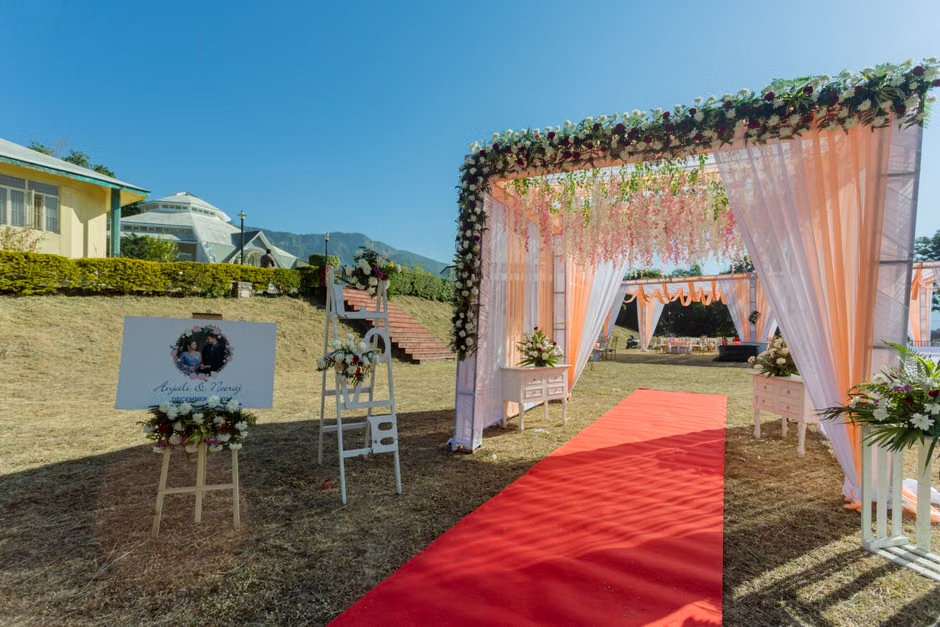
Darjeeling's event venue landscape is defined by heritage bungalows and colonial-era hotels, tea estate retreats, and hillside resorts rather than large-format banquet halls or purpose-built convention centres. Most properties offer a combination of indoor dining rooms with period furnishings, covered verandas with mountain views, and garden or lawn spaces that can be dressed for celebrations. Outdoor lawns are particularly popular for spring events, when the weather is stable and the surrounding landscape is at its most photogenic.
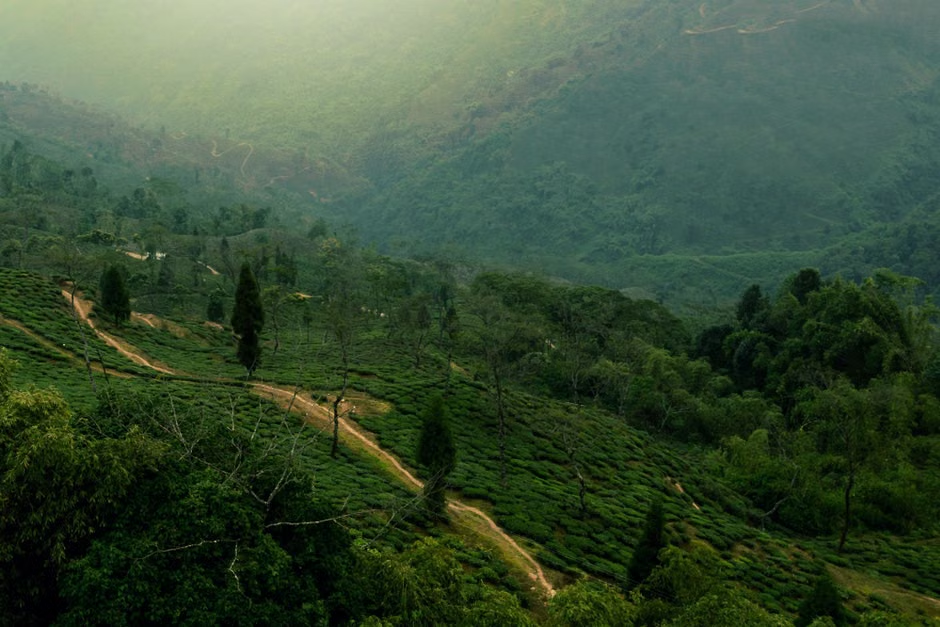
Tea estate properties — some of which operate as boutique hotels — offer a particularly distinctive event setting: guests can move between the bungalow, the garden rows, the processing factory, and the tasting room across a single property, creating a self-contained event environment. These properties typically accommodate smaller groups and are best suited to intimate gatherings rather than large receptions.
For slightly larger groups, hillside resort properties in and around the town offer more conventional event infrastructure — banquet rooms, multi-room accommodation blocks, and catering facilities — while still delivering the hill-station atmosphere. The town itself also has a small number of heritage hotels with event-capable dining and function spaces that work well for seated dinners and private celebrations.
Best Time to Celebrate
Spring (March–April) is the clear optimal window for events in Darjeeling. Temperatures during this period typically range from around 10°C at night to 20°C during the day — comfortable for both outdoor and indoor gatherings. Skies are generally clear, offering the best probability of unobstructed Kanchenjunga views. Rhododendrons and other Himalayan flora are in bloom, adding natural colour to the landscape. Rainfall is minimal compared to the monsoon months, and the roads are in good condition after the winter.
October–November is a secondary shoulder season — post-monsoon skies can be clear and the landscape is lush and green. However, this window is less reliable than spring, with occasional lingering cloud cover and the risk of early-season cold snaps in November.
June–September should be firmly avoided for events. The monsoon brings heavy, sustained rainfall, frequent landslides on mountain roads, and near-zero visibility. Outdoor events are essentially impossible, and even indoor gatherings are disrupted by road closures and travel delays that affect guest arrival and departure.
December–February brings bitter cold, frost at higher elevations, and occasional snowfall. While scenic, these conditions make outdoor events impractical and can make the journey up the mountain roads uncomfortable for guests not accustomed to cold-weather travel. Indoor events are possible but require careful heating arrangements.
Getting There & Local Connectivity
Most guests reach Darjeeling via Bagdogra Airport, which receives flights from major Indian cities including Kolkata, Delhi, and Mumbai. From Bagdogra, the journey to Darjeeling town takes approximately 2.5 to 3.5 hours by road, depending on traffic and road conditions. Alternatively, guests arriving by train disembark at New Jalpaiguri (NJP), which is well-connected to the national rail network, and then travel onward by shared taxi or pre-arranged vehicle.
The road journey from the plains to Darjeeling is scenic but winding — guests who are prone to motion sickness should be advised accordingly, and event planners should factor in the journey time when scheduling arrival and departure windows. For groups, pre-arranged fleet transfers from Bagdogra or NJP are strongly recommended over ad-hoc shared taxis, both for comfort and for keeping the group together.
Within Darjeeling itself, movement is primarily by foot (the town centre is compact and walkable) or by shared jeep. Private vehicles can be hired for group transfers between properties, tea estates, and viewpoints. The UNESCO-listed Darjeeling Himalayan Railway (Toy Train) operates a joyride service that functions as a memorable group activity rather than a practical transport option.
Local Vendor & Hospitality Ecosystem
Darjeeling has a well-established hospitality culture rooted in decades of tourism, and the better heritage hotels and tea estate properties have experienced in-house teams capable of managing private events end-to-end. For smaller, intimate gatherings, in-house catering — often featuring a blend of continental, Bengali, and Gorkha cuisine — is typically sufficient and of good quality.
For larger or more elaborate events, external vendors (decorators, photographers, entertainment) may need to be sourced from Siliguri or Kolkata and brought up to Darjeeling. The local vendor ecosystem for specialist event services (floral design, AV production, live entertainment) is more limited than in a major metro or a larger event destination. This is manageable with advance planning but requires a longer lead time than guests might expect.
Local catering vendors are generally strong on regional cuisine and can handle multi-day group meals competently. Alcohol availability and licensing should be confirmed in advance with the specific property, as regulations and stock availability can vary. The overall hospitality character of Darjeeling — warm, unhurried, and genuinely attentive — is a genuine asset for events where guest experience matters more than scale.
Pros & Things to Consider
Why Darjeeling Works Well
- Genuinely distinctive setting — tea gardens, colonial heritage, and Himalayan panoramas create an atmosphere no urban venue can replicate
- Strong fit for intimate, exclusive group experiences where the destination itself is the draw
- Cool spring climate is comfortable for guests and ideal for outdoor celebrations
- Heritage properties offer character, privacy, and the possibility of full property buyouts for smaller groups
- Rich local culture and ready-made group activities (tea tours, Toy Train, sunrise treks) reduce the need for elaborate entertainment programming
- Relatively uncrowded compared to larger hill stations, giving events a sense of privacy and calm
Things to Consider
- Limited large-group capacity: Most Darjeeling properties are best suited to groups of 20–100 guests. Events requiring 200+ guests will find the local venue inventory genuinely constraining.
- Mountain road logistics: The winding ascent from the plains adds travel time and can be uncomfortable for some guests. Logistics planning for arrivals and departures requires more care than at a plains destination.
- Monsoon risk: The June–September monsoon is severe and can cause road closures and landslides. Any event planned outside the spring window carries meaningful weather risk.
- Limited specialist vendor base: High-end event production, specialist décor, and entertainment vendors may need to be sourced from outside Darjeeling, adding complexity and lead time.
- Altitude sensitivity: At roughly 2,000–2,200 metres above sea level, some guests — particularly older attendees or those with respiratory conditions — may need a day to acclimatise. This is worth communicating to guests in advance.
- Connectivity gaps: Mobile and internet connectivity can be patchy in some hillside areas and during heavy rain. Events relying on live streaming or high-bandwidth digital production should verify connectivity at the specific property in advance.
When Darjeeling May Not Be the Right Fit
- Large guest lists (200+): If your event requires a single venue to seat or accommodate a large group, Darjeeling's boutique property inventory will likely fall short. A destination with larger resort or hotel infrastructure would serve you better.
- Monsoon-season events: If your dates fall between June and September, the risk of heavy rain, landslides, and road disruption is significant enough that a different destination — one with a more reliable monsoon-season climate — is a more prudent choice.
- Guests with significant mobility limitations: The hilly terrain, stepped streets, and winding mountain roads can be genuinely challenging for guests with mobility issues. A flatter, more accessible destination would be more considerate for such groups.
- Events requiring high-production AV or entertainment infrastructure: If your event depends on large-scale stage production, professional DJ setups, or elaborate technical production, the local vendor ecosystem and venue infrastructure in Darjeeling may not support it without significant external sourcing effort.