
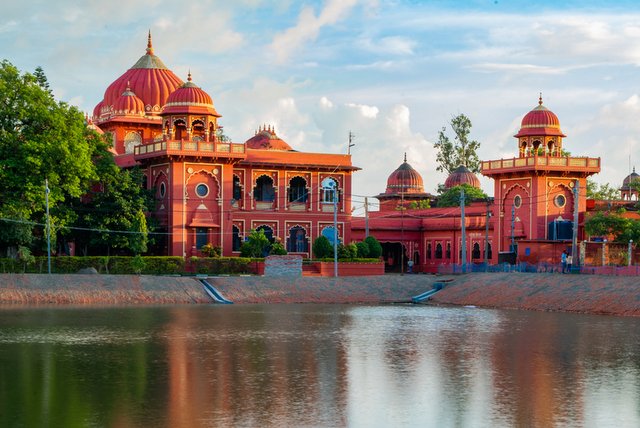
Why Darbhanga is Perfect for Your Celebration
- Historic palaces and heritage havelis provide rare, authentic backdrops for royal-style weddings
- Deep-rooted Maithili and Mithila folk traditions enrich cultural gatherings and religious functions
- Sacred ghats and temple complexes make Chhath Puja and religious family events especially meaningful here
- Cool, dry winters (November–February) create comfortable outdoor event conditions
- Darbhanga Junction offers strong rail connectivity from Patna, Delhi, and Kolkata for outstation guests
- A growing local hospitality ecosystem with heritage-style properties suited to intimate and mid-size celebrations
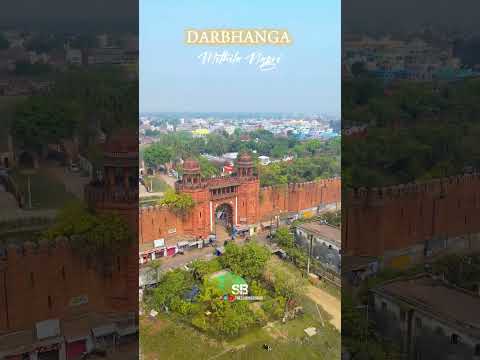
Compare Darbhanga with Other Top Destinations
Frequently Asked Questions
Is Darbhanga a good destination for a Chhath Puja gathering?
Yes, strongly so. Darbhanga is one of the most culturally resonant locations in Bihar for Chhath Puja observances. The city's sacred ghats, large ponds, and deeply devout Maithili community create an atmosphere that aligns naturally with the festival's spiritual character. Families gathering here for Chhath typically find the setting far more meaningful than urban or resort-based alternatives.
What makes Darbhanga suitable for a palace or heritage wedding?
Darbhanga was the seat of the Darbhanga Raj, one of the most prominent princely estates in colonial India. The city retains palace structures and heritage properties that provide a genuinely historic backdrop. Coupled with Madhubani art traditions, Maithili rituals, and local folk performances, a heritage wedding here carries authentic royal character that purpose-built resort venues cannot replicate.
What is the best time of year to hold a wedding or event in Darbhanga?
Winter — November through February — is the clear best season. Temperatures are cool and dry, typically ranging from around 8°C at night to 22°C–25°C during the day, making outdoor ceremonies and riverside events comfortable. November also coincides with Chhath Puja season, adding cultural significance. Avoid May–June (extreme heat) and July–September (heavy monsoon and flooding risk).
How do guests typically travel to Darbhanga for an event?
Rail is the most practical option for most guests. Darbhanga Junction is well-connected to Patna, Delhi, Kolkata, and Varanasi. Darbhanga Airport has growing flight operations with connections to major metros, though frequency and route range remain limited. Guests from western or southern India may find the journey requires a connection, typically via Patna.
What size of guest group can Darbhanga realistically accommodate for a wedding?
Darbhanga is best suited to intimate-to-mid-size events, generally in the range of 50 to 400 guests depending on the venue and event format. The local hotel and banquet inventory is not currently scaled for very large weddings of 500 or more guests without significant logistical planning, so it is most naturally a destination for close-family celebrations.
What kinds of event venues are available in Darbhanga?
The most distinctive options are heritage havelis and palace-adjacent properties with period architecture suited to royal-style weddings. The city also has hotel banquet halls and event spaces for receptions and family functions, and outdoor riverside and ghat settings that are particularly suited to Chhath Puja gatherings and pre-wedding ceremonies during the winter months.
Is Darbhanga a good fit for a cultural festival gathering or folk arts event?
Yes. Darbhanga is the cultural capital of the Mithila region and has an active community of Madhubani artists, Maithili musicians, and folk performers. Cultural gatherings centred on Mithila's artistic traditions — painting exhibitions, music and dance festivals, folk art events — find a genuinely engaged local ecosystem here that actively contributes to rather than merely hosting such events.
What local vendors and hospitality services are available for events in Darbhanga?
The local vendor ecosystem is strongest in culturally specific services: Maithili ritual specialists, Madhubani decorators, folk musicians, and caterers expert in traditional Mithila cuisine. For more contemporary wedding production — large-scale floral décor, professional AV, modern photography — the local market is smaller, and some couples bring specialist vendors from Patna for those elements.
Is Darbhanga suitable for an intimate wedding with a small guest list?
Yes, particularly so. Darbhanga's heritage properties and temple surroundings are well-matched to small, meaningful ceremonies of 50–150 guests. The intimate scale means families receive more focused hospitality attention, and the cultural depth of the Mithila setting makes even a small celebration feel genuinely distinctive rather than generic.
What should event planners be aware of when planning in Darbhanga?
Key considerations include: planning firmly within the November–February window to avoid heat and monsoon disruption; arranging dedicated group transport in advance as organised fleet hire is less readily available than in larger cities; and sourcing specialist contemporary wedding vendors from Patna if needed, while relying on Darbhanga's strong local ecosystem for culturally specific elements like Maithili rituals, folk performances, and traditional cuisine.
Can Darbhanga host a destination wedding for guests coming from across India?
Yes, though with some logistical planning. Rail connectivity from northern and eastern India is strong via Darbhanga Junction. Guests from western or southern India face longer journeys, often connecting via Patna. The destination is most naturally suited to families with Maithili roots or a cultural connection to the region, for whom the authenticity of the setting is a meaningful draw rather than a compromise.

Ready to explore venues in Darbhanga?
Darbhanga: Heritage Palace Weddings, Cultural Gatherings & Event Venues in Mithila
◆Darbhanga is best suited for heritage-style weddings, Chhath Puja gatherings, cultural festival events, and intimate celebrations rooted in Mithila's royal and folk traditions. Its primary vibe is Royal & Heritage, shaped by historic palaces, ancient temples, and one of India's most distinctive living folk cultures. The destination works well for small-to-mid-size guest groups, particularly those with a connection to Maithili culture or a desire for an authentic, non-commercialised event setting. Winter (November–February) is the clear best season. Rail connectivity via Darbhanga Junction is strong; air access is improving but still limited, making it most practical for guests travelling from northern and eastern India.
Darbhanga at a Glance
| Category | Details |
|---|---|
| Best For | Chhath Puja Gathering, Palace / Heritage Wedding, Cultural Festival Gathering, Intimate Wedding |
| Primary Vibe | Royal & Heritage |
| Other Vibes | Cultural, Spiritual, Folk & Traditional |
| Best Season | Winter (November–February) |
Why Choose Darbhanga?
- Authentic royal heritage: Darbhanga was the seat of the Darbhanga Raj, one of the wealthiest and most influential princely estates in colonial India. Its palaces, havelis, and royal architecture provide a genuinely historic backdrop that is rare even within Bihar.
- Living Mithila culture: The Mithila region is home to Madhubani painting, Maithili music, and centuries-old folk rituals that can be woven directly into wedding ceremonies and cultural gatherings, giving events a depth of local character that staged décor cannot replicate.
- Sacred significance for religious events: Darbhanga's ghats, ponds, and temple complexes hold deep religious importance, making it one of the most meaningful locations in Bihar for Chhath Puja observances, temple festivals, and religious family functions.
- Strong rail connectivity: Darbhanga Junction is a major railway node in north Bihar, with direct or well-connected services to Patna, Delhi, Kolkata, and other key cities, making it accessible for outstation guests travelling by train.
- Intimate scale and lower commercial density: Unlike heavily touristed wedding destinations, Darbhanga offers a quieter, more private setting where smaller celebrations receive more focused local hospitality attention rather than being one of dozens of simultaneous events.
- Improving air access: Darbhanga Airport has seen growing flight operations in recent years, with connections to major metros, reducing the historical barrier of air travel to this region.
Which Celebrations Work Best in Darbhanga?
Chhath Puja Gathering: This is arguably Darbhanga's single strongest event category. The city's ghats, sacred water bodies, and deeply devout Maithili community create an atmosphere for Chhath observances that is both spiritually powerful and visually extraordinary. Families gathering here for Chhath find the setting genuinely aligned with the festival's character in a way that urban venues cannot match.
Palace / Heritage Wedding: The legacy of the Darbhanga Raj means the city retains palace structures and heritage properties that lend a royal aesthetic to weddings. Couples seeking a historically grounded, non-generic wedding backdrop — with Madhubani art, Maithili rituals, and palace architecture — will find Darbhanga a compelling choice.
Cultural Festival Gathering: Darbhanga is a natural host for gatherings centred on Mithila's rich artistic and cultural traditions — Madhubani painting exhibitions, Maithili music and dance performances, and folk art festivals. The city has an active cultural community that can contribute meaningfully to such events.
Intimate Wedding: For couples wanting a small, meaningful ceremony — perhaps 50 to 150 guests — Darbhanga's heritage properties and temple surroundings offer an intimate scale that suits close-family celebrations without the logistical complexity of a large destination wedding.
Wedding Reception: Heritage banquet halls and garden lawns within the city's older properties can host receptions with a distinctly Mithila character, incorporating local cuisine, folk performances, and traditional décor elements that make the event feel genuinely rooted in place.
Destination Wedding: While Darbhanga is not a mainstream destination wedding hub, it is increasingly chosen by families with Maithili roots who want to celebrate in their cultural homeland. The combination of heritage venues, local rituals, and authentic regional hospitality makes it a meaningful destination wedding choice for the right couple.
Venues & Event Spaces
Darbhanga's event venue landscape is shaped primarily by its heritage character rather than large-scale resort infrastructure. The most distinctive spaces are heritage havelis and palace-adjacent properties that retain period architecture and can be dressed with Madhubani motifs and traditional Maithili décor. These are generally best suited to intimate-to-mid-size gatherings rather than very large weddings.
Beyond heritage properties, the city has banquet halls and hotel event spaces within established local hotels that can accommodate receptions and family functions. These are practical, well-staffed options for guests who prioritise comfort and catering quality alongside cultural atmosphere.
Outdoor and riverside settings — particularly around the city's ghats and large ponds — are central to Chhath Puja gatherings and can also serve as atmospheric backdrops for pre-wedding ceremonies and welcome dinners during the winter months when the weather is reliably cool and dry.
Darbhanga does not currently have the large-scale luxury resort infrastructure found in more established destination wedding cities, so event planners should approach it as a destination for character-rich, culturally immersive celebrations rather than high-volume, multi-function wedding extravaganzas. The venue inventory is best matched to guest lists in the range of 50 to 400 guests depending on the specific property and event format.
Best Time to Celebrate
Winter (November–February) is the clear and strongly recommended season for events in Darbhanga. Temperatures during this period typically range from around 8°C at night to 22°C–25°C during the day — comfortable for outdoor ceremonies, riverside Chhath observances, and garden receptions without the need for heavy cooling infrastructure. The air is generally dry and clear, which is particularly important for outdoor photography and for guests travelling from other parts of India.
November is also significant because it coincides with the Chhath Puja season, making it the most culturally resonant time of year for religious gatherings. December and January offer the coolest and most stable conditions. February remains pleasant, though nights begin to warm slightly toward the end of the month.
March and April mark the transition into pre-summer heat. Temperatures rise quickly, and by April daytime highs can reach 35°C or above, making outdoor events uncomfortable and logistically demanding. These months are generally considered shoulder season — not ideal but manageable for indoor events.
May and June bring intense heat, with temperatures regularly exceeding 40°C and occasionally touching 45°C. Outdoor events are not practical, and even indoor venues require robust air conditioning. This period is strongly advised against for any large gathering.
July through September is the monsoon season. Darbhanga and the broader north Bihar plain receive heavy rainfall during this period, and the region is historically prone to flooding — the Bagmati and Kamla rivers, which flow through or near the district, can overflow significantly. Outdoor events are essentially impossible, and travel disruptions are common. This is the period most strongly to avoid for any event planning.
October is a transitional month — the monsoon typically retreats, and conditions begin to improve. It can be a viable shoulder month for indoor events, though the tail end of humidity and occasional late rains mean it carries more risk than November onward.
Getting There & Local Connectivity
Darbhanga is accessible by both air and rail, with rail being the more reliable and better-connected option for most guests.
By air: Darbhanga Airport has seen a meaningful expansion of flight operations in recent years, with services connecting it to major metros. However, the number of daily flights and the range of destinations served remain limited compared to larger airports, so guests flying in may need to plan around a narrower schedule or consider connecting via Patna, which has a larger airport with broader national connectivity.
By rail: Darbhanga Junction is a significant railway station in north Bihar and offers well-connected services to Patna, Delhi, Kolkata, Varanasi, and other major cities. For most outstation guests, train travel is likely to be the most practical and comfortable option. The station is centrally located, making onward transfer to venues within the city straightforward.
Local transport: Within Darbhanga, auto-rickshaws, cycle-rickshaws, and local taxis are the primary modes of transport. For event groups, it is advisable to arrange dedicated vehicles — tempo travellers or hired cars — in advance, as organised fleet transport is not as readily available as in larger cities. Roads within the city are generally navigable, though some older areas have narrower lanes that require smaller vehicles.
For guests arriving from Patna by road, the journey is approximately 130–140 km and typically takes 3–4 hours depending on traffic and road conditions on the NH-27 corridor.
Local Vendor & Hospitality Ecosystem
Darbhanga has a genuine and growing local vendor ecosystem, though it is more specialised than what you would find in a major destination wedding city. Its strengths lie in culturally specific services: Maithili ritual specialists, Madhubani artists and decorators, local folk musicians and performers, and caterers deeply familiar with traditional Mithila cuisine — including dishes like thekua, makhana-based preparations, and the full range of Maithili festive cooking that guests from the region will recognise and appreciate.
For more standardised wedding services — large-scale floral decoration, professional photography and videography, contemporary DJ and sound production — the local market is present but smaller. Couples planning larger or more elaborate events may find it worthwhile to bring in specialist vendors from Patna or other larger cities, while relying on local vendors for the culturally specific elements where Darbhanga's ecosystem genuinely excels.
Hotel and banquet staff in Darbhanga are generally experienced with large family gatherings and religious functions, given the city's tradition of hosting significant Chhath and festival events. Hospitality is warm and attentive, particularly in heritage and family-run properties where the personal character of service tends to be a genuine strength.
Pros & Things to Consider
Why Darbhanga Works Well
- Authentic royal and heritage character that cannot be replicated by purpose-built resort destinations
- Deeply meaningful setting for Chhath Puja, temple festivals, and Maithili religious family functions
- Strong rail connectivity makes it accessible for guests from across northern and eastern India
- Intimate scale suits close-family celebrations where personal attention and cultural authenticity matter more than scale
- Local Mithila folk arts, cuisine, and ritual traditions can be woven into events to create genuinely distinctive experiences
- Improving air connectivity via Darbhanga Airport reduces the historical isolation of the destination
Things to Consider
- Venue inventory is limited in scale — very large weddings (500+ guests) may find the local property options stretched
- Air connectivity, while improving, remains limited in frequency and destination range; guests from western or southern India may face longer or more complex journeys
- The monsoon season (July–September) brings genuine flooding risk in parts of the district, making this period unsuitable for any outdoor or travel-dependent event
- Specialist wedding vendors (large-scale décor, contemporary AV production, international-style catering) may need to be sourced from Patna or further afield
- Infrastructure for very large guest groups — hotel room inventory, fleet transport, large banquet capacity — is more limited than in established destination wedding cities
When Darbhanga May Not Be the Right Fit
- Very large weddings (500+ guests): The current hotel and venue inventory in Darbhanga is best suited to intimate-to-mid-size events. Couples expecting a very large guest list may find accommodation and banquet capacity insufficient without significant logistical workarounds.
- Guests travelling primarily from western or southern India: While rail and air access from the north and east is reasonable, guests from Mumbai, Bengaluru, Chennai, or Hyderabad face longer, more complex journeys with limited direct options, which can reduce overall guest travel ease significantly.
- Events planned during the monsoon (July–September): The north Bihar plain, including Darbhanga, is one of India's more flood-prone regions during the monsoon. Any event with outdoor components or guests relying on road travel during this period carries meaningful risk of disruption.
- Couples seeking a fully contemporary, resort-style destination wedding: Darbhanga's strength is cultural authenticity and heritage character. Couples whose vision is a modern luxury resort experience with extensive on-site amenities, international cuisine, and large-scale production infrastructure will find the destination's current offering a less natural fit.