
Why Chamba is Perfect for Your Celebration
- One of Himachal Pradesh's oldest royal towns, with genuine Pahari heritage architecture and ancient temple complexes as natural event backdrops
- Home to the famous Minjar Fair and Suhi Mata Festival — ideal for couples wanting celebrations woven into living local culture
- Intimate scale suits smaller, close-knit weddings and gatherings where personalised hospitality matters more than grand ballrooms
- May–June offers clear mountain views, comfortable temperatures, and accessible roads — a rare sweet spot before the monsoon
- Relatively undiscovered compared to Shimla or Manali, giving events a sense of exclusivity and authentic Himalayan character
- The Chaugan (historic open ground) and riverside settings provide naturally dramatic outdoor ceremony spaces
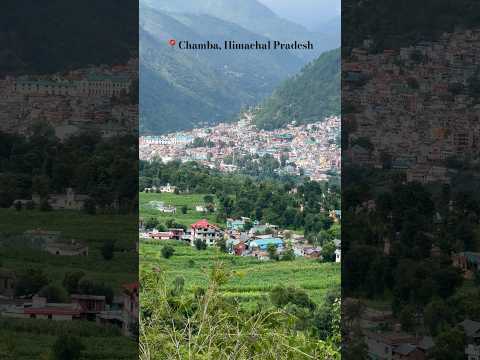
Top Venues in Chamba
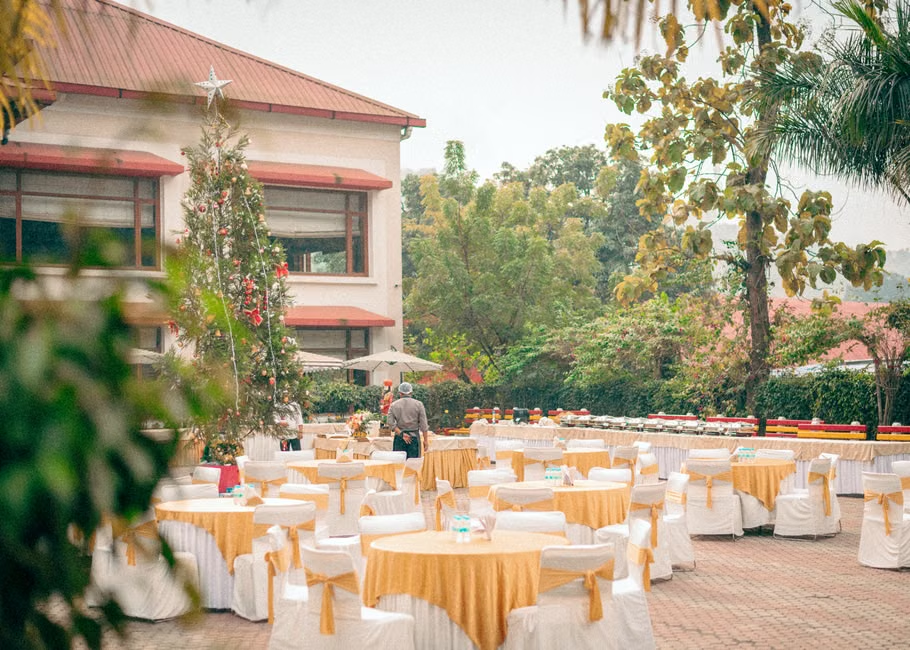
Rakkh Resort
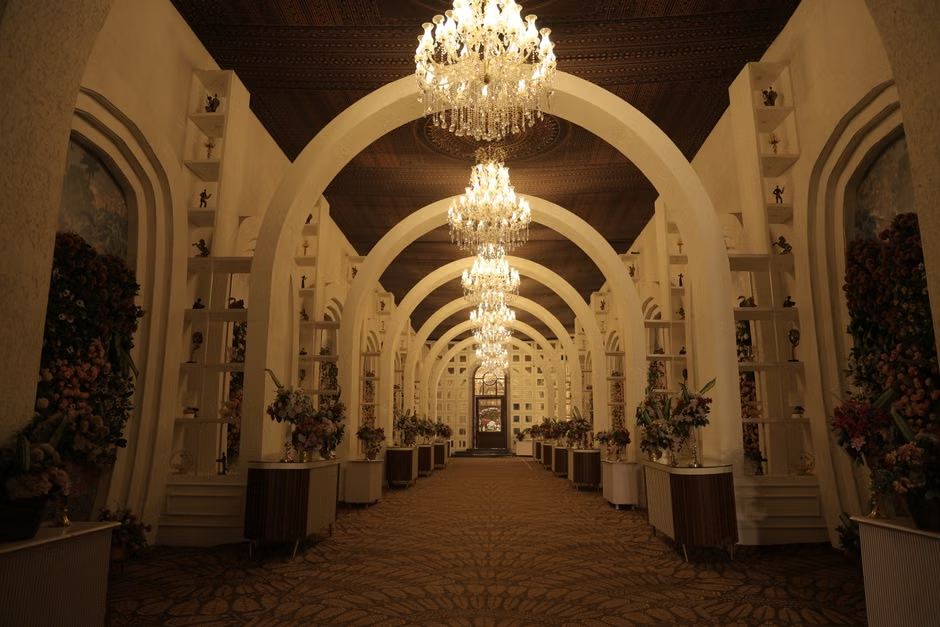
Hotel Iravati
Compare Chamba with Other Top Destinations
Frequently Asked Questions
Is Chamba a good destination for an intimate wedding?
Yes. Chamba is particularly well-suited to intimate weddings of 30–100 guests. Its boutique venue scale, personalised hospitality at heritage and resort properties, and authentic Pahari mountain setting create a genuinely immersive experience that larger, more commercialised hill destinations rarely match. The town's unhurried pace and cultural depth add meaningful character to smaller, close-knit celebrations.
What is the best time of year to hold a wedding or event in Chamba?
May and June are the recommended months. Roads are reliably open, temperatures are comfortable for outdoor ceremonies (typically 15°C–28°C), and skies are generally clear before the monsoon arrives. July–September brings heavy rainfall and landslide risk, making outdoor events impractical. December–February can involve snowfall and road closures, requiring robust contingency planning.
How do guests travel to Chamba for a destination event?
Most guests arrive via Pathankot (the nearest major railway station, approximately 120 km away) or Gaggal Airport near Kangra (also roughly 120–130 km away), followed by a 3–4 hour road journey through mountain terrain. Guests from Delhi or Chandigarh typically travel by train to Pathankot and then by road. Pre-arranged group transfers are strongly recommended for event guests.
What kinds of venues are available for events in Chamba?
Chamba offers heritage government properties, independently operated mountain resorts with outdoor lawns and riverside settings, and at least one internationally recognised luxury tented camp. The historic Chaugan ground in the town center has traditionally hosted large community gatherings. Venue scale is generally boutique — best suited to events of up to around 150 guests rather than large-scale productions.
Can Chamba host a mountain cultural festival or Dussehra-themed celebration?
Yes, and it is one of Chamba's strongest event formats. The town has a deep tradition of community festival culture, and Dussehra here carries distinct Pahari ritual character. The Chaugan ground has historically served as the venue for large community gatherings. Organising a culturally themed celebration in Chamba draws on something genuinely rooted in local tradition rather than staged for tourism.
How many guests can Chamba realistically accommodate for a destination wedding?
Chamba is best suited to guest lists of roughly 30–150 people. The local venue and accommodation inventory is boutique in scale, and housing and moving a larger group through mountain terrain adds significant logistical complexity. For weddings of 200 or more guests, planners should carefully assess whether the combined capacity of available properties can comfortably support the full programme.
Are local vendors and caterers available for events in Chamba?
Local vendors can handle traditional Himachali catering, folk music, and Pahari craft elements well. However, specialist vendors — lighting technicians, florists, sound engineers, and high-end catering teams — typically need to be sourced from Chandigarh or Delhi and brought in for the event. Properties with established event coordination experience generally maintain relationships with trusted external vendors and can facilitate this.
Is Chamba suitable for a Christmas or New Year celebration?
Potentially, for small groups comfortable with cold mountain conditions. Late December can offer a snow-dusted Himalayan atmosphere that suits intimate year-end gatherings. However, road access can be disrupted by snowfall, and temperatures drop significantly. Event planners should build in weather contingency and confirm that chosen properties remain fully operational during the winter period before committing.
What makes Chamba different from other Himachal Pradesh wedding destinations?
Chamba is one of Himachal Pradesh's oldest royal towns, with a living heritage of Pahari temple culture, folk festivals, and traditional craftsmanship that more commercialised hill stations have largely lost. Its relative obscurity means events feel genuinely exclusive rather than part of a well-worn circuit, and the combination of riverside mountain scenery with authentic cultural depth is difficult to replicate elsewhere in the region.
What local cultural experiences can be incorporated into an event programme in Chamba?
Chamba's Minjar Fair, Suhi Mata Festival, and Dussehra celebrations are among Himachal's most authentic folk events and can be woven into a broader event itinerary. Traditional Pahari rumal embroidery, local metalwork, and folk music performances are available as cultural programming elements. The ancient Lakshmi Narayan temple complex and the historic Chaugan ground also provide meaningful cultural site visits for guest groups.
How reliable is connectivity — mobile and internet — for event coordination in Chamba?
Connectivity in Chamba is generally limited compared to larger cities or more developed hill stations. Mobile coverage exists in the town center and at established properties, but can be patchy in more remote parts of the valley. Event planners coordinating multi-day programmes should not rely on real-time digital communication as a given, and should brief vendors and guests accordingly well in advance.

Ready to explore venues in Chamba?
Chamba: Destination Weddings, Mountain Festivals & Heritage Event Venues
◆Chamba is a heritage hill town in Himachal Pradesh best suited to intimate destination weddings, mountain cultural festivals, and close-knit celebrations that value authentic Pahari character over large-scale commercial infrastructure. Its primary vibe is Royal & Heritage — shaped by ancient temple complexes, a living folk tradition, and a riverside mountain setting that few Himalayan towns can match. The ideal season is May–June, when roads are clear and weather is comfortable. Guest accessibility requires planning: the nearest airport and railway hub are both roughly 120 km away, making Chamba a deliberate, immersive choice rather than a convenient stopover. Venue inventory is boutique in scale, ranging from heritage government properties to a small number of well-regarded independent resorts and one internationally recognised luxury camp.
Chamba at a Glance
| Attribute | Detail |
|---|---|
| Best For | Mountain Cultural Festival / Dussehra Gathering, Resort Wedding, Destination Wedding, Intimate Wedding |
| Primary Vibe | Royal & Heritage |
| Other Vibes | Cultural, Riverside, Intimate, Folk |
| Best Season | Summer (May–June) |
Why Choose Chamba?
- Genuine royal and temple heritage: Chamba was the seat of a Rajput kingdom for over a millennium. Its Lakshmi Narayan temple complex, the Chaugan ground, and traditional Pahari architecture provide a historically grounded backdrop that is difficult to replicate elsewhere in Himachal Pradesh.
- Living folk culture as a built-in event layer: The Minjar Fair (typically July–August) and the Suhi Mata Festival are among Himachal's most authentic folk celebrations. Couples and event planners who time visits around these can weave genuine local cultural programming into their event experience.
- Intimate scale and exclusivity: Chamba has not been heavily commercialised. This means smaller guest lists are served with more personalised attention, and events do not compete with mass tourism crowds for venue space or vendor bandwidth.
- Dramatic natural setting: The confluence of the Ravi and Sal rivers, the surrounding Dhauladhar peaks, and the forested ridgelines create naturally photogenic outdoor ceremony and reception settings without requiring elaborate décor.
- Boutique and luxury accommodation options: Despite its small size, Chamba has a range of accommodation tiers — from heritage government properties to independent resorts and an internationally recognised luxury tented camp — giving event planners meaningful options across different guest expectations.
- Relatively undiscovered: For couples seeking a destination that feels genuinely off the beaten path rather than a well-worn hill-station circuit, Chamba offers a sense of discovery and privacy that more popular destinations in Himachal Pradesh typically cannot.
Which Celebrations Work Best in Chamba?
- Mountain Cultural Festival / Dussehra Gathering: Chamba has a deep tradition of community festival culture. Dussehra here carries distinct Pahari ritual character, and the town's open Chaugan ground has historically hosted large community gatherings. Organising a cultural festival event or a Dussehra-themed celebration in Chamba taps into something genuinely rooted rather than staged.
- Resort Wedding: The handful of well-regarded resorts in and around Chamba — particularly those set against the Ravi River valley — offer contained, all-in-one event environments where accommodation, catering, and ceremony space are managed under one roof, which suits multi-day wedding programmes well.
- Destination Wedding: Chamba's combination of heritage character, mountain scenery, and relative remoteness makes it a strong choice for couples who want a destination wedding that feels meaningfully different from a standard hill-station or beach event. The journey itself becomes part of the experience for guests.
- Intimate Wedding: With venue capacities that naturally favour smaller gatherings, Chamba is particularly well-suited to weddings of 30–100 guests where the emphasis is on quality of experience, personal attention, and a sense of place rather than scale.
- Local Folk Festival / Fair: The Minjar Fair, Suhi Mata Festival, and other local fairs are genuine community events that can be incorporated into a broader celebration itinerary. Groups visiting during these periods gain access to folk music, traditional crafts, and Pahari ritual that add authentic cultural depth to any event programme.
- Christmas & New Year Celebration: While winter in Chamba can be cold and road access occasionally disrupted by snowfall, the festive season — particularly late December — draws visitors seeking a snow-dusted Himalayan atmosphere for year-end celebrations. Properties that remain operational during this period can offer a cosy, intimate new year experience with mountain views.
Venues & Event Spaces
Chamba's event venue landscape is characterised by boutique scale and heritage character rather than large convention-style infrastructure. The primary venue types available include:
- Heritage government properties: Himachal Pradesh Tourism operates properties in Chamba that carry historical character and are well-positioned within the town, suitable for smaller ceremonies and receptions.
- Independent mountain resorts: Several independently operated resorts in the Chamba valley offer outdoor lawns, riverside settings, and mountain-view terraces that work well for ceremonies, mehendi functions, and open-air receptions. These properties typically handle end-to-end event coordination for resident guests.
- Luxury tented camps: At least one internationally recognised luxury camp operates in the Chamba region, offering a high-end, immersive outdoor experience with curated hospitality — particularly suited to intimate weddings and small group celebrations where exclusivity is a priority.
- Outdoor cultural grounds: The historic Chaugan — a large open ground at the heart of Chamba town — has traditionally served as the venue for community festivals and large gatherings. While not a managed event venue in the conventional sense, it represents the town's most significant open-air event space and is central to any culturally themed celebration.
- Temple precincts and heritage courtyards: For couples seeking a ceremony space with genuine historical and spiritual resonance, Chamba's ancient temple complexes offer a backdrop unlike anything available in more commercialised destinations — though use of such spaces requires coordination with local authorities and cultural sensitivity.
Best Time to Celebrate
May and June are the recommended months for events in Chamba, and the reasons go beyond simply "pleasant weather." During this window, mountain roads are reliably open and passable for guest convoys and vendor logistics — a practical consideration that matters significantly in a remote hill destination. Temperatures typically range from around 15°C at night to the mid-to-upper 20s°C during the day, making outdoor ceremonies and evening receptions genuinely comfortable without requiring heavy heating or cooling infrastructure. The skies are generally clear before the monsoon arrives, which means mountain views are at their most dramatic and outdoor photography conditions are excellent.
The monsoon (July–September) brings heavy rainfall to the Chamba valley, with a real risk of landslides and road closures on the mountain routes that connect Chamba to Pathankot and Kangra. Outdoor events become impractical, and the logistical risk to guest travel is significant enough that this period is generally unsuitable for planned celebrations.
October and November represent a partial shoulder season — the monsoon has typically cleared by October, roads reopen, and the landscape is lush and green. Temperatures begin to drop noticeably by November, but this period can work for smaller, indoor-focused events or for couples who specifically want post-monsoon mountain atmosphere. It is not as reliable as May–June for outdoor programming.
December through February brings cold temperatures and the possibility of snowfall, which can close mountain roads and make guest travel genuinely difficult. While a snow-dusted Chamba has its own appeal for intimate year-end celebrations, event planners should build in significant contingency for weather-related disruptions during this period.
March and April are transitional months — temperatures are rising, snow is clearing from lower elevations, and the landscape is beginning to green up. Road conditions are generally improving by April. These months can work for smaller events but lack the settled reliability of May–June.
Getting There & Local Connectivity
Chamba is a deliberately remote destination, and guest travel planning requires more lead time than most hill stations in Himachal Pradesh. The nearest commercial airport is Gaggal (Kangra) Airport, approximately 120–130 km from Chamba town. From there, the journey continues by road through mountain terrain, typically taking 3–4 hours depending on road conditions and the season. Guests flying into Delhi or Chandigarh face a longer combined journey — generally 8–10 hours by road from Chandigarh, or a combination of train to Pathankot followed by a road transfer of roughly 3–4 hours.
Pathankot is the most practical railway gateway for most guests, with good connectivity to Delhi, Amritsar, and other major north Indian cities. From Pathankot, Chamba is accessible by road in approximately 3–4 hours under normal conditions.
Within Chamba itself, local movement for event groups is primarily by road. The town is compact and walkable at its core, but guests staying at resorts outside the town center will need organised transport for any movement between accommodation, ceremony venues, and the town's cultural sites. Event planners should arrange dedicated vehicles for guest transfers, particularly for multi-day programmes involving multiple venue locations. Local taxi and tempo traveller services are available but should be pre-booked for large groups rather than relied upon ad hoc.
Local Vendor & Hospitality Ecosystem
Chamba's vendor ecosystem is genuine but limited in scale. The town has a tradition of Pahari craftsmanship — particularly in rumal embroidery, metalwork, and folk music — which can be meaningfully incorporated into event décor and entertainment. Local caterers are experienced with traditional Himachali cuisine, which can add authentic regional character to wedding menus.
However, for larger or more elaborate events, planners should expect to bring in specialist vendors — florists, lighting technicians, sound engineers, and high-end catering teams — from Chandigarh, Delhi, or other larger cities. The local vendor base is better suited to supporting and supplementing an externally coordinated event than to delivering a full-scale production independently. Properties with established event coordination experience (particularly the resort and luxury camp segment) typically maintain relationships with trusted external vendors and can facilitate this process.
Hospitality standards at the better-regarded properties in Chamba are genuinely warm and attentive, reflecting the town's tradition of receiving culturally curious visitors rather than mass tourism. Staff at heritage and resort properties tend to have good knowledge of local culture and can help guests engage meaningfully with Chamba's traditions — an asset for events that want to incorporate local character rather than simply use the landscape as a backdrop.
Pros & Things to Consider
Why Chamba Works Well
- Authentic Pahari royal heritage and temple culture provide a genuinely distinctive event backdrop
- Intimate venue scale suits smaller, high-quality celebrations where personalised experience matters
- May–June offers reliable weather, clear mountain views, and open roads — a well-defined planning window
- Living folk traditions (Minjar Fair, Suhi Mata) can be woven into event programming for cultural depth
- Relatively undiscovered, giving events a sense of exclusivity and privacy
- Range of accommodation tiers — from heritage properties to a luxury tented camp — provides options for different guest expectations
Things to Consider
- Remote location means guest travel requires significant planning; not all guests will find the journey straightforward
- Venue capacity is limited — Chamba is not suited to large weddings of 300+ guests without significant logistical complexity
- Specialist vendors (lighting, floristry, high-end catering) typically need to be sourced from outside the region, adding coordination complexity and lead time
- Monsoon season (July–September) effectively closes the destination for outdoor events due to landslide and road closure risk
- Winter road closures and cold temperatures make December–February a high-risk period for events unless contingency planning is robust
- Mobile and internet connectivity in parts of the Chamba valley can be limited, which affects real-time coordination during multi-day events
When Chamba May Not Be the Right Fit
- Large guest lists (200+): Chamba's venue inventory is boutique in scale. Couples expecting to host 200 or more guests across a multi-function wedding programme will find the local venue and accommodation capacity genuinely stretched, and the logistics of housing and moving a large group through mountain terrain add meaningful complexity.
- Guests with limited mobility or travel tolerance: The 3–4 hour mountain road journey from the nearest rail or air hub is non-trivial, particularly for elderly guests or those with mobility considerations. If a significant portion of the guest list falls into this category, a more accessible destination would serve them better.
- Monsoon-season events: Any event planned between July and September faces a genuine risk of road disruptions, landslides, and sustained rainfall that makes outdoor programming impractical. This is not a manageable risk with contingency planning alone — it is a structural limitation of the destination during that period.
- Couples wanting a full-service, plug-and-play vendor ecosystem: If the event vision requires a large, locally available pool of specialist vendors — high-end florists, production companies, multiple catering options — Chamba will require more external coordination than destinations with a more mature event industry infrastructure. Planners who prefer to source everything locally will find the options limited.