
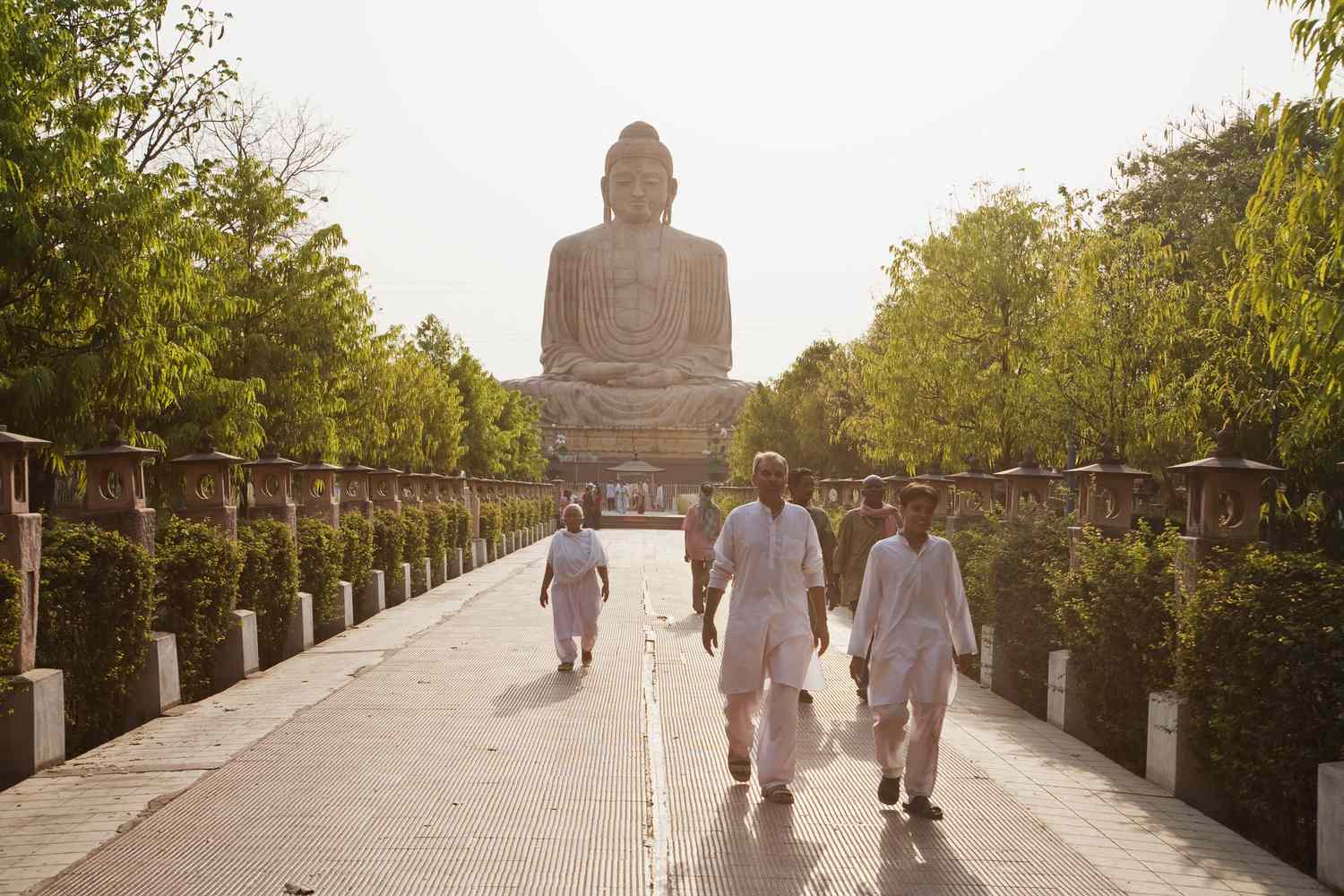
Why Bodh Gaya is Perfect for Your Celebration
- Home to the Mahabodhi Temple, a UNESCO World Heritage Site — an unmatched sacred backdrop for spiritual and religious events
- International monasteries from Thailand, Japan, Tibet, Bhutan and more create a uniquely multicultural spiritual atmosphere
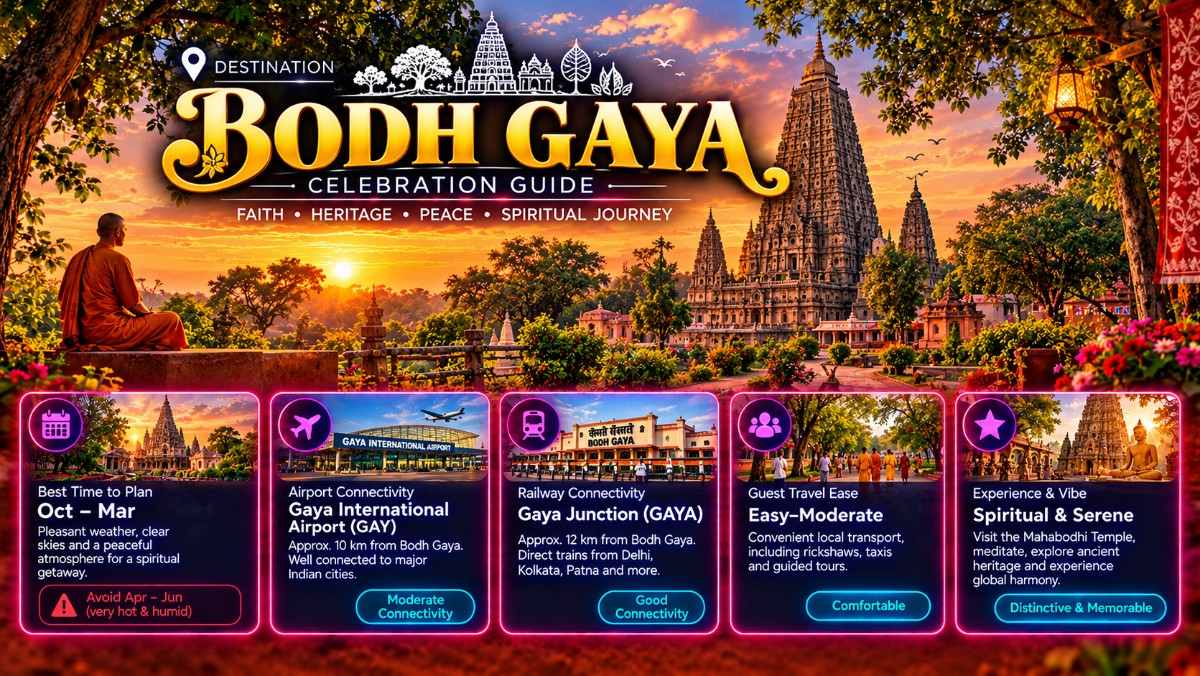
- Gaya Airport (GAY) offers direct flights from major Indian cities, making guest arrival manageable
- Gaya Junction connects Bodh Gaya to Delhi, Kolkata, Varanasi and Patna by rail, broadening guest access
- Winter months (November–February) deliver cool, dry, comfortable conditions perfectly suited to outdoor gatherings and temple festivals
- A growing hospitality ecosystem with mid-range and upscale hotels capable of hosting corporate retreats, pilgrimages, and cultural gatherings
Top Venues in Bodh Gaya

The zen inn
Marasa Sarovar Premiere Hotel, Bodhgaya
Welcomhotel By ITC Hotels Bodh Gaya Hotel & Convention Centre
Buddha Heritage Resort & Banquet
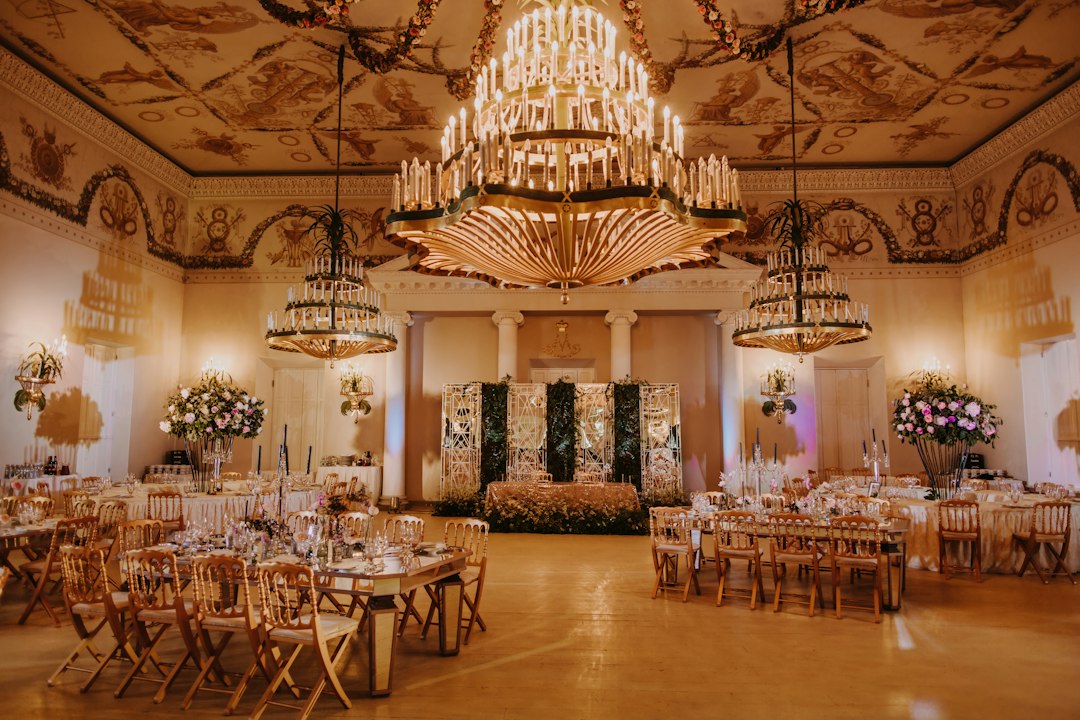
Bodhgaya
Hyatt Place Bodh Gaya
Royal Residency Hotel
Hotel Sujata
Hotel Lotus Nikko
Maya Heritage Hotel
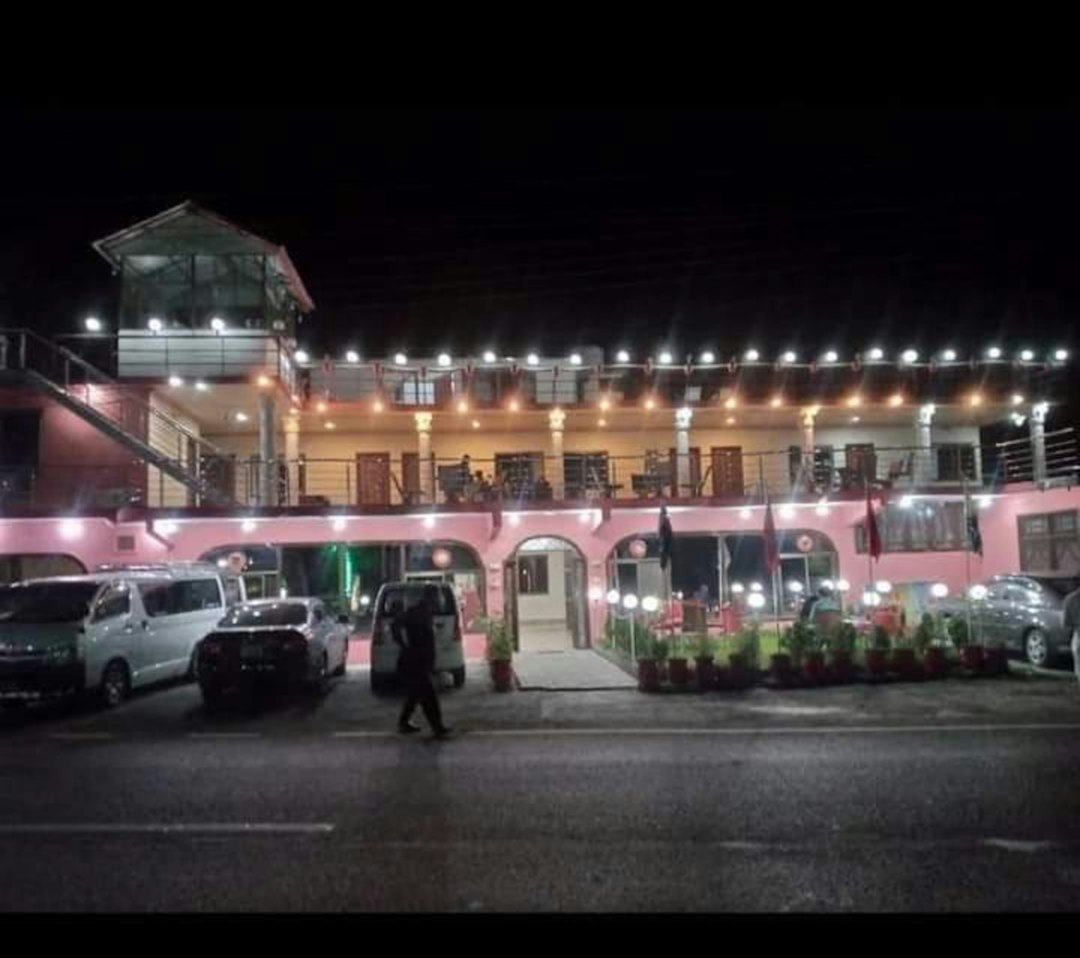
Bodhgaya Seven Inn Hotel n Restaurant
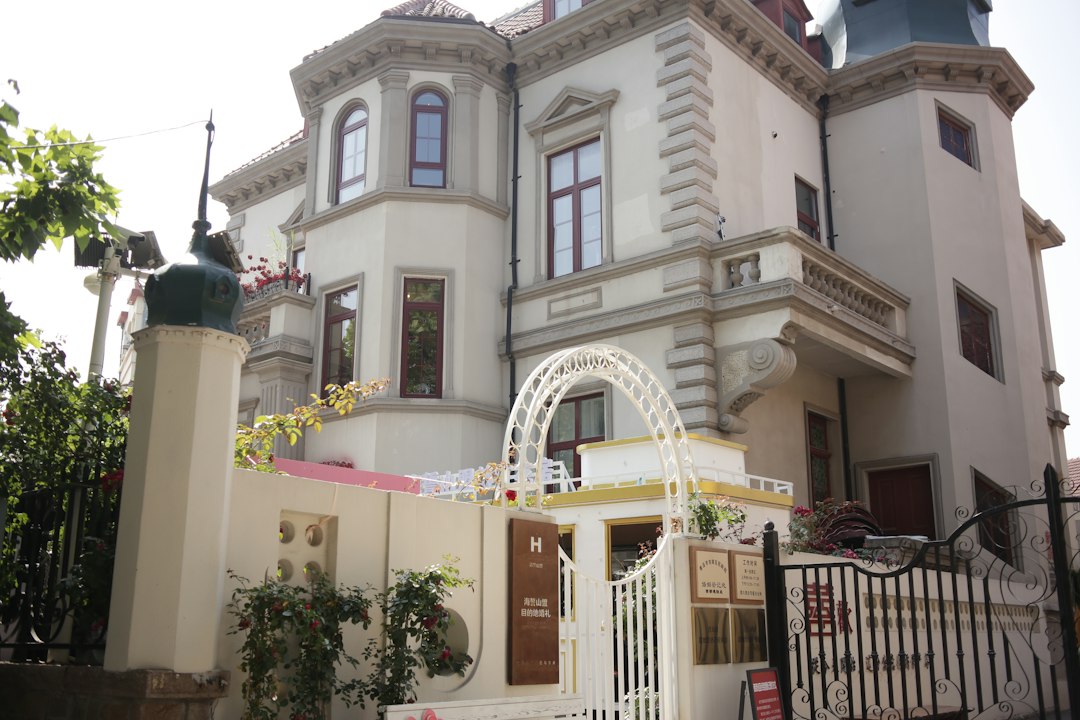
Hotel Home Inn Bodhgaya
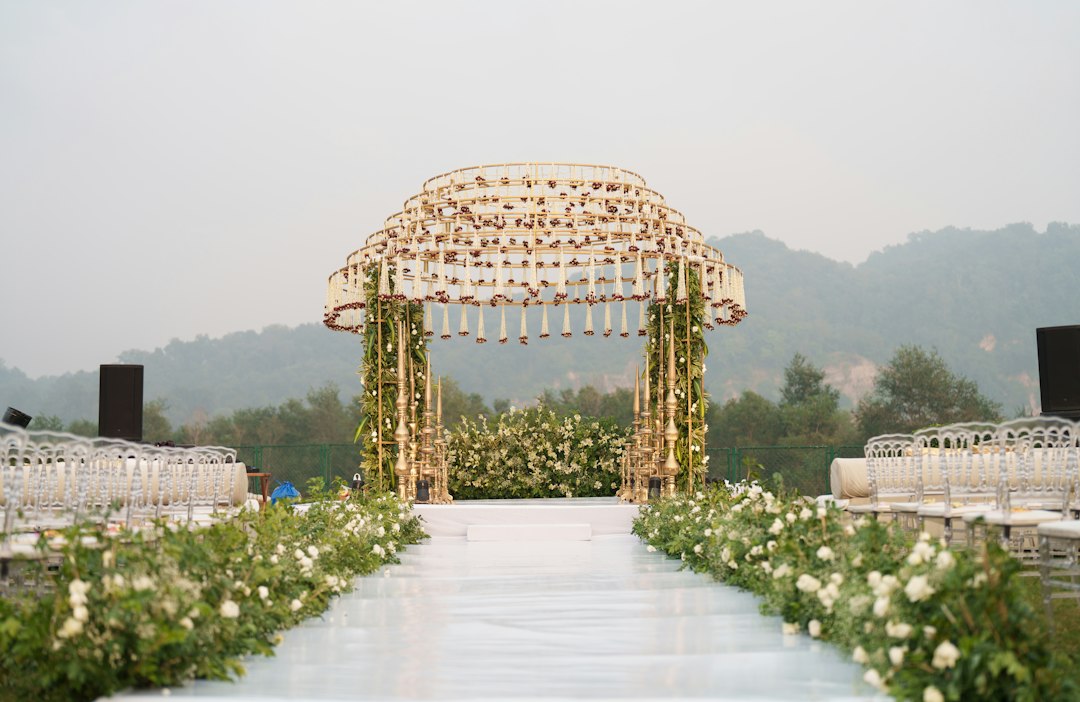
Niranjana Hotel Bodhgaya
Compare Bodh Gaya with Other Top Destinations
Frequently Asked Questions
Is Bodh Gaya a good destination for a Chhath Puja gathering?
Yes, strongly so. The Gaya district is one of the most culturally significant locations in India for Chhath Puja observances. The town's infrastructure — including ghats, open spaces, and hotels experienced in large group hospitality — is well-oriented toward this festival. Timing a gathering around the Kartik Chhath (October–November) places it at the opening of the comfortable winter season.
What size of guest group can Bodh Gaya realistically accommodate for an event?
Bodh Gaya's venue inventory is best suited to gatherings of roughly 100–400 guests. Hotel banquet halls, garden lawns, and monastery community spaces can comfortably serve this range. Events above 400–500 guests may find the local venue supply stretched, and organisers should plan accommodation and event space well in advance, particularly during the peak November–February season.
How do guests typically travel to Bodh Gaya?
Most guests arrive via Gaya Airport (approximately 7 km from town), which has domestic connections to Delhi, Kolkata, and other major cities, with seasonal international services. Alternatively, Gaya Junction railway station (approximately 13 km away) connects to Patna, Varanasi, Kolkata, and Delhi by express rail. Road travel from Patna (around 110 km) is also a common option for regional guests.
What is the best time of year to plan a spiritual gathering or temple festival in Bodh Gaya?
November through February is the ideal window. Temperatures are cool and dry (roughly 15°C–25°C), the Mahabodhi Temple is at its most vibrant with peak pilgrimage activity, and Bodhi Day in early December adds particular significance for Buddhist-themed events. This season also aligns with Chhath Puja in late October–November, making it the most versatile planning window.
What kinds of event spaces are available in Bodh Gaya?
The main options are hotel banquet halls and garden lawns (suited to 100–400 guests), monastery community halls (for smaller, spiritually-oriented gatherings), open-air riverside and temple-adjacent spaces (for cultural performances and folk festivals), and hotel conference rooms (for corporate retreats and leadership programmes). There are no large palace complexes or purpose-built wedding convention centres in the town.
Is Bodh Gaya suitable for a corporate offsite or leadership retreat?
Yes, particularly for organisations seeking a contemplative, thematically meaningful setting. The town's association with mindfulness, enlightenment, and Buddhist philosophy gives corporate retreats genuine thematic depth. Several hotels offer conference facilities alongside experiential elements — monastery visits, meditation sessions, and guided heritage walks — that can be integrated into structured retreat programmes.
How should a group organise local transport once guests arrive in Bodh Gaya?
Pre-arranged coach or minibus transfers are strongly advisable for groups. The town is compact, and most hotels, the Mahabodhi Temple, and key event spaces are within a short distance of each other, but organised taxi and auto-rickshaw fleets are limited compared to larger cities. Booking a dedicated vehicle fleet through the hotel or a local operator well in advance is the most reliable approach for smooth group movement.
Are local vendors and caterers experienced in handling large spiritual or cultural gatherings?
Yes, for pilgrimage-style and cultural group events. Bodh Gaya's hospitality ecosystem has decades of experience managing large international and domestic pilgrim groups, and catering — particularly vegetarian and sattvic menus — is generally strong. For high-production events requiring specialist décor, entertainment, or large-scale catering, key vendors may need to be sourced from Patna or Kolkata.
Can Bodh Gaya accommodate a temple or spiritual wedding?
Yes, in a modest and meaningful way. Bodh Gaya suits intimate temple or spiritual weddings where the sacred setting and ceremonial significance matter more than grand production. The Mahabodhi Temple precinct and monastery surroundings provide a deeply atmospheric backdrop. Guest lists should be kept to a scale the local venue inventory can comfortably support, and key vendors may need to be brought in from outside the town.
What makes Bodh Gaya different from other event destinations in Bihar or eastern India?
Bodh Gaya's defining difference is its UNESCO World Heritage status and its living role as a global pilgrimage centre. No other destination in the region offers the combination of the Mahabodhi Temple, international monasteries from a dozen countries, and a town whose entire character is shaped by spiritual purpose. This makes it uniquely suited to events where meaning, contemplation, and cultural depth are central — not just a scenic backdrop.
How far in advance should accommodation be booked for a group event in Bodh Gaya?
For events during November–February, booking at least 3–6 months in advance is strongly advisable. This is the peak pilgrimage season, and hotel inventory — particularly for groups requiring a block of rooms — fills quickly. Events coinciding with Bodhi Day (December) or major Buddhist festivals should be planned even earlier, as international pilgrim groups book well ahead.

Ready to explore venues in Bodh Gaya?
Bodh Gaya: Spiritual Gatherings, Temple Festivals & Event Venues
◆Bodh Gaya is India's foremost spiritual destination — the site of the Buddha's enlightenment — and is best suited to pilgrimages, Chhath Puja gatherings, temple festivals, cultural celebrations, and leadership or corporate retreats seeking a contemplative setting. Its primary vibe is Spiritual & Soulful, shaped by the UNESCO-listed Mahabodhi Temple, a ring of international monasteries, and a town whose entire character is defined by sacred purpose. The best season runs from November through February, when cool, dry weather makes outdoor and temple-adjacent events comfortable. Gaya Airport and Gaya Junction railway station provide reasonable access for guests from major Indian cities, and the local hospitality ecosystem, while not large-scale, is well-practised in hosting pilgrimage groups and cultural gatherings.
Bodh Gaya at a Glance
| Attribute | Detail |
|---|---|
| Best For | Chhath Puja Gathering, Spiritual / Pilgrimage Gathering, Temple Festival, Cultural Festival Gathering |
| Primary Vibe | Spiritual & Soulful |
| Other Vibes | Culturally Rich, Contemplative, Internationally Diverse |
| Best Season | Winter (November–February) |
Why Choose Bodh Gaya?
- Unrivalled sacred significance: The Mahabodhi Temple complex — a UNESCO World Heritage Site — provides a backdrop of genuine spiritual weight that no constructed venue can replicate, making it uniquely powerful for pilgrimages, religious family functions, and temple-adjacent celebrations.
- International monastic diversity: Monasteries built and maintained by communities from Thailand, Japan, Bhutan, Tibet, Sri Lanka, Myanmar, and China create a rare multicultural spiritual atmosphere that enriches cultural festival gatherings and leadership retreats alike.
- Manageable guest logistics in winter: Gaya Airport receives direct flights from Delhi, Kolkata, and other major hubs during the peak pilgrimage season, and Gaya Junction connects the town to a wide rail network — making group arrivals feasible without excessive transit complexity.
- Naturally contemplative environment: The town's pace, its absence of the commercial noise typical of larger event cities, and its proximity to the Niranjana River make it genuinely well-suited to corporate offsites, leadership retreats, and team-building programmes that benefit from a reflective setting.
- Chhath Puja as a destination event: Bodh Gaya and the broader Gaya district are among the most culturally significant locations in India for Chhath Puja, drawing large family and community gatherings that the local infrastructure is experienced in supporting.
- Relatively contained geography: The town's compact layout means guests can move between accommodation, event spaces, and the Mahabodhi Temple precinct without long transfers — a practical advantage for group itineraries.
Which Celebrations Work Best in Bodh Gaya?
- Chhath Puja Gathering: The Gaya region holds deep cultural and religious significance for Chhath Puja observances. Families and communities travelling here for this festival find the local infrastructure — ghats, open spaces, and accommodation — well-oriented toward large devotional gatherings, making it one of the strongest fits for this destination.
- Spiritual / Pilgrimage Gathering: Bodh Gaya is, at its core, a pilgrimage town. Organising a group pilgrimage — whether Buddhist, Hindu (Gaya is also a major Hindu pilgrimage site for Pitru Paksha rites), or interfaith — is the most natural use of this destination's character and infrastructure.
- Temple Festival: The Mahabodhi Temple and surrounding monasteries host and support a calendar of Buddhist and Hindu festivals. Organising a celebration timed to coincide with — or inspired by — these events gives groups an immersive cultural experience that is genuinely specific to this place.
- Cultural Festival Gathering: Bodh Gaya's international monastic community and its position as a meeting point of South Asian and East/Southeast Asian Buddhist traditions make it a compelling venue for cultural festivals, interfaith dialogues, and heritage-themed gatherings that draw on living traditions rather than reconstructed ones.
- Local Folk Festival / Fair: The broader Gaya district has a rich tradition of local fairs and folk celebrations tied to the agricultural and religious calendar. Groups interested in authentic regional culture — Bihari folk music, crafts, and ritual — will find genuine material here beyond the Buddhist circuit.
- Corporate Offsite / Leadership Retreat / Team-Building Retreat: The contemplative environment, relative distance from urban distraction, and the philosophical resonance of a site associated with mindfulness and enlightenment make Bodh Gaya an increasingly popular choice for organisations seeking a retreat with genuine thematic depth. Hotels with conference facilities can support structured programmes alongside experiential elements like monastery visits and meditation sessions.
Venues & Event Spaces
Bodh Gaya's venue landscape is shaped by its identity as a pilgrimage and cultural town rather than a mainstream wedding or MICE destination. The primary event spaces available include:
- Hotel banquet halls and lawns: Several mid-range and upper-mid-range hotels in the town offer banquet halls and garden lawns suitable for gatherings of 100–400 guests. These spaces are well-practised in hosting pilgrimage group dinners, cultural evenings, and corporate retreat sessions.
- Monastery guest facilities: A number of the international monasteries maintain guest houses and community halls that can be used for smaller, spiritually-oriented gatherings, subject to the monastery's own guidelines and the nature of the event.
- Open-air and riverside spaces: The banks of the Niranjana River and open grounds near the Mahabodhi Temple precinct provide atmospheric outdoor settings for cultural performances, folk festivals, and community gatherings, particularly during the cool winter months.
- Conference and seminar rooms: Larger hotels in the town have invested in conference infrastructure to serve the growing corporate retreat and leadership programme segment, offering AV-equipped rooms suitable for structured offsite programmes.
It is worth noting that Bodh Gaya does not have the large-scale palace venues, luxury resort complexes, or purpose-built wedding convention centres found in destinations like Jaipur or Udaipur. The venue inventory is genuinely suited to intimate-to-medium-scale events with a spiritual, cultural, or retreat character.
Best Time to Celebrate
November through February is the clear best season for events in Bodh Gaya, and the reasons go beyond simply "pleasant weather."
- Temperature and comfort: Daytime temperatures typically range from around 15°C to 25°C during peak winter, making outdoor ceremonies, temple visits, and evening cultural programmes genuinely comfortable for guests of all ages.
- Pilgrimage season alignment: This period coincides with the peak Buddhist pilgrimage season, when the Mahabodhi Temple is at its most vibrant, international visitors are present, and the town's hospitality infrastructure is operating at full capacity and readiness.
- Chhath Puja timing: Chhath Puja typically falls in October–November (the Kartik Chhath), placing it at the very opening of the best season window — groups planning around this festival will find conditions ideal.
- Bodhi Day (December): The commemoration of the Buddha's enlightenment in early December draws significant gatherings to the Mahabodhi Temple, making this a particularly meaningful time for spiritually-themed events.
The rest of the year presents genuine challenges. March through May brings intense heat, with temperatures regularly exceeding 38°C — outdoor events become uncomfortable or impractical, and the pilgrimage crowd thins considerably. June through September is the monsoon season: humidity is high, rainfall can be heavy, and the risk of localised flooding affects both travel and outdoor event logistics. October is a transitional month — residual humidity and unpredictable weather make it a less reliable choice, though late October can be acceptable for indoor-focused events.
Getting There & Local Connectivity
Bodh Gaya is served by Gaya Airport, located approximately 7 km from the town centre. The airport operates domestic flights to Delhi, Kolkata, and other major cities, with seasonal international charter services during the peak pilgrimage season. Flight frequency is moderate rather than high — guests from cities without a direct Gaya connection will typically route through Patna or Kolkata, adding a leg to their journey.
Gaya Junction railway station, roughly 13 km from Bodh Gaya, is the primary rail gateway. It sits on a well-connected rail corridor linking it to Patna, Varanasi, Kolkata, and Delhi, with several express and superfast trains serving these routes. For groups travelling from eastern or northern India, the train is often the most practical and comfortable option.
Road connectivity from Patna (approximately 110 km) is reasonable, and many guests travelling from the state capital choose to drive or hire vehicles. Local transport within Bodh Gaya itself is primarily by auto-rickshaw, e-rickshaw, and hired vehicles — the town is compact enough that most key sites and hotels are within a short ride of each other. For large groups, pre-arranged coach or minibus transfers between the airport/station and accommodation are strongly advisable, as organised taxi fleets are limited compared to larger cities.
Local Vendor & Hospitality Ecosystem
Bodh Gaya's vendor and hospitality ecosystem is genuinely experienced in one specific area: managing large pilgrimage and cultural groups. Hotels, caterers, and local logistics providers have decades of practice in handling international and domestic pilgrim groups, which translates into reliable group meal service, basic event coordination, and familiarity with the needs of multi-day gatherings.
For corporate retreats and leadership programmes, the ecosystem has grown meaningfully in recent years, with several hotels investing in conference infrastructure and partnering with facilitators who use the destination's contemplative character as part of the programme design.
However, the ecosystem has real limitations for event types that require elaborate production. Wedding décor specialists, large-scale catering operations, professional event management companies, and entertainment vendors are not as readily available locally as they would be in a major event city. Groups planning a destination wedding or a large-scale cultural festival with high production values will typically need to bring key vendors from Patna, Kolkata, or further afield, which adds logistical complexity and lead time to planning.
Catering quality for vegetarian and sattvic menus is generally strong, reflecting the town's Buddhist and Hindu pilgrimage character. International cuisine options are available at larger hotels, catering to the significant international visitor base.
Pros & Things to Consider
Why Bodh Gaya Works Well
- Genuinely unique spiritual and cultural setting — the Mahabodhi Temple and international monasteries create an atmosphere no other Indian destination can replicate
- Compact town layout makes group logistics manageable once guests have arrived
- Strong local experience with pilgrimage and cultural group hospitality
- Winter season delivers comfortable, dry conditions ideal for outdoor and temple-adjacent events
- Meaningful thematic depth for corporate retreats, leadership programmes, and mindfulness-oriented gatherings
- Gaya Airport and Gaya Junction provide reasonable access from major Indian cities
Things to Consider
- Venue scale is limited — the town does not have large-scale palace complexes or purpose-built wedding convention centres; events above 400–500 guests may find the local inventory stretched
- Specialist wedding and event production vendors are not abundant locally; high-production events will require importing vendors from larger cities
- Flight frequency at Gaya Airport is moderate; guests from some cities will face connecting journeys
- The town's spiritual character means it is not well-suited to events with a heavy entertainment, nightlife, or purely celebratory (non-spiritual) focus
- Peak pilgrimage season (November–February) means accommodation demand is high — early booking is essential for groups
- Local transport infrastructure for large groups requires pre-arrangement; ad-hoc transport options are limited
When Bodh Gaya May Not Be the Right Fit
- Large-scale destination weddings with high production requirements: If the primary goal is a grand wedding with elaborate décor, a large entertainment programme, and a guest list of 500+, Bodh Gaya's venue inventory and local vendor ecosystem will likely fall short of expectations — a destination with a more developed wedding infrastructure would serve better.
- Events planned during summer or monsoon: Groups with fixed dates in April through September will face either extreme heat or monsoon conditions that make outdoor events impractical and travel uncomfortable — a different destination or season would be a more reliable choice.
- Guests with limited travel flexibility: For a guest list drawn primarily from cities without direct Gaya flight connections, the connecting journey adds friction that may reduce attendance — particularly for older guests or those travelling with young children.
- Events seeking a purely festive, entertainment-led atmosphere: Bodh Gaya's character is contemplative and sacred. Events that rely heavily on late-night entertainment, a vibrant nightlife scene, or a purely celebratory (non-spiritual) energy will find the destination's atmosphere works against rather than for them.