
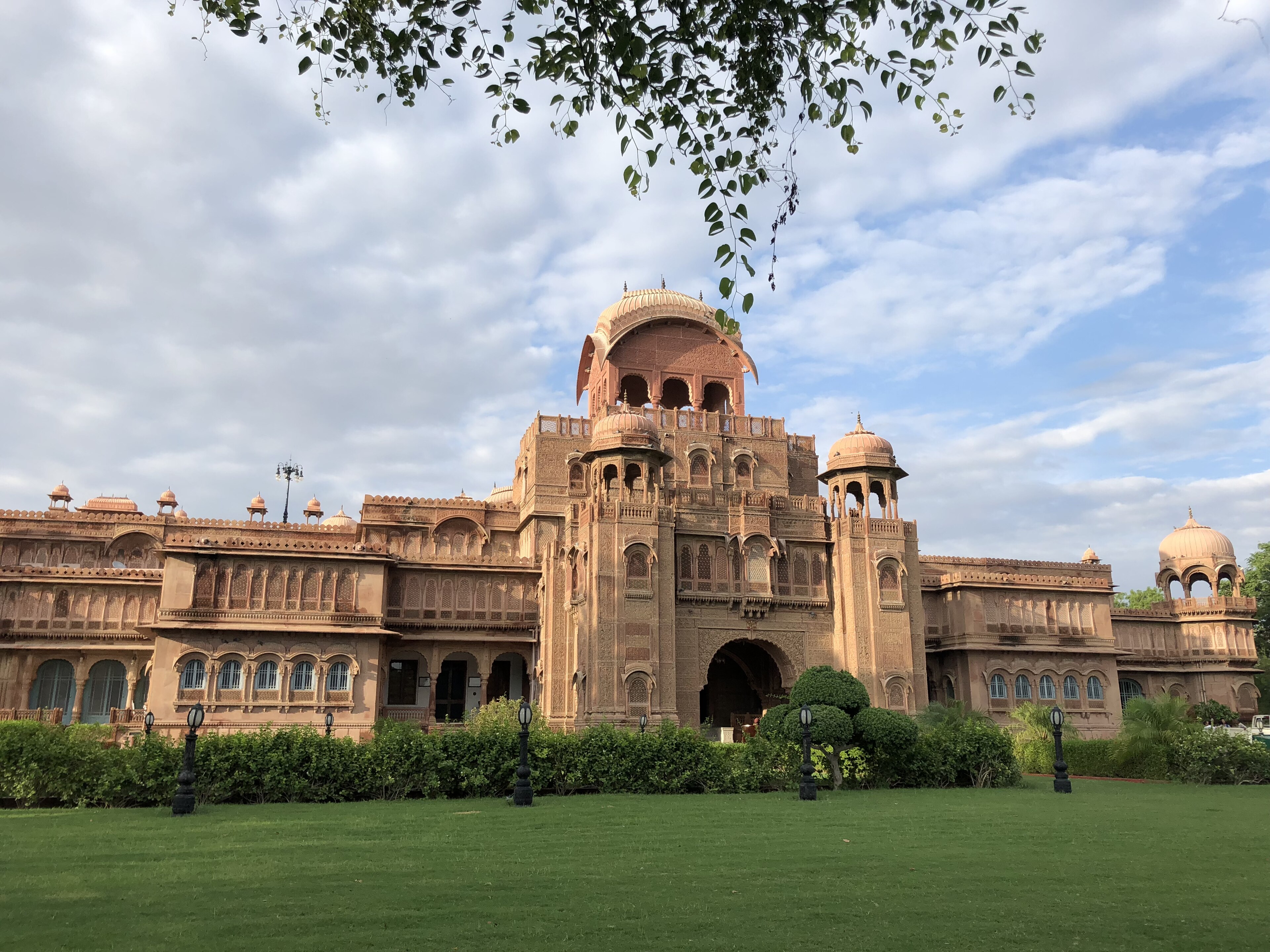
Why Bikaner is Perfect for Your Celebration
- Junagarh Fort and historic palace properties provide genuinely royal backdrops unavailable in most cities
- Rich Rajput and Marwari wedding traditions — including Teej, Gangaur, and folk music — are deeply embedded in local culture
- Less crowded than Jaipur or Udaipur, offering greater exclusivity and privacy for intimate or mid-size celebrations
- Bikaner Junction provides strong rail connectivity from Delhi, Jaipur, and Jodhpur, easing guest travel logistics
- Cool, dry winter climate (November–February) is near-perfect for outdoor ceremonies, sundowners, and lawn receptions
- A growing ecosystem of heritage hotels and havelis converted for event use gives planners authentic venue options across multiple scales
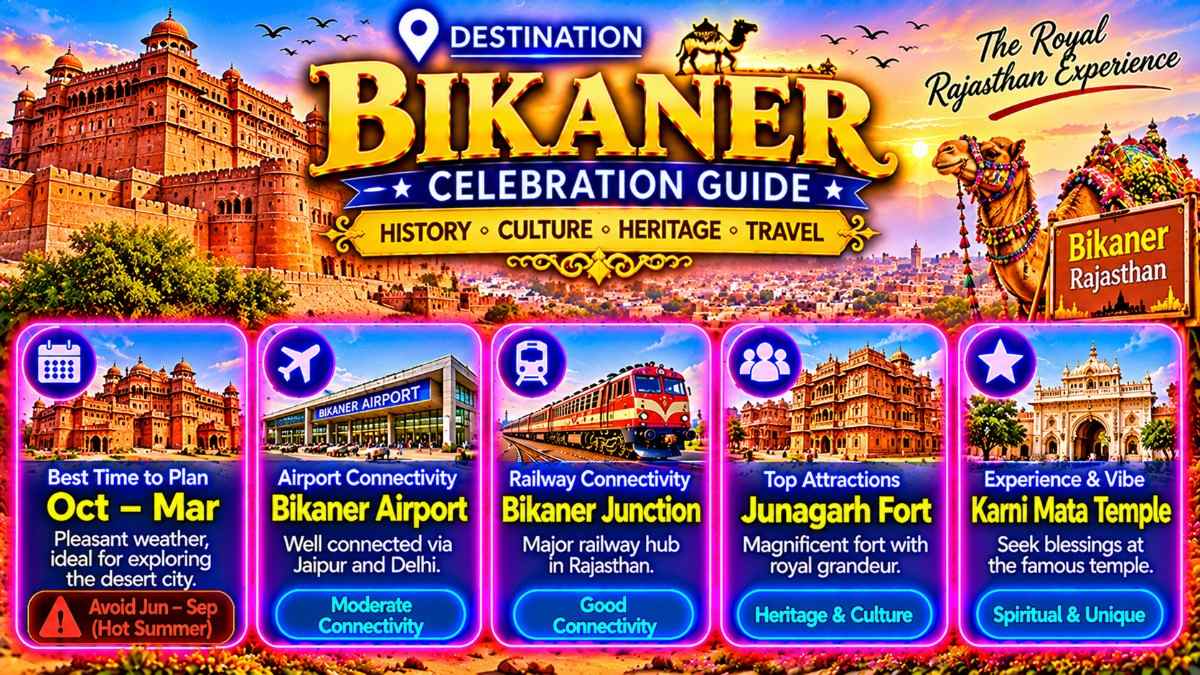
Top Venues in Bikaner
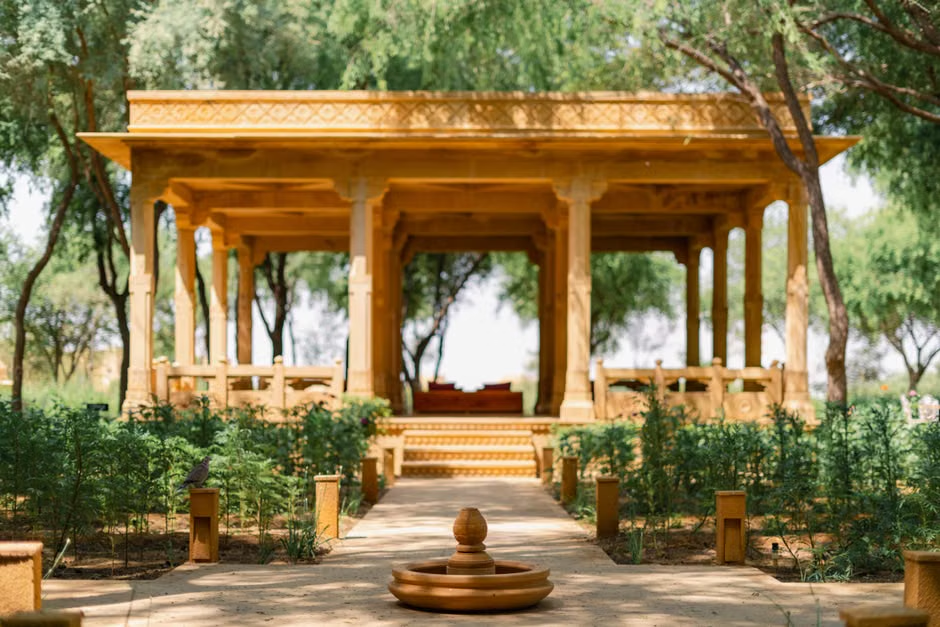
Laxmi Niwas Palace
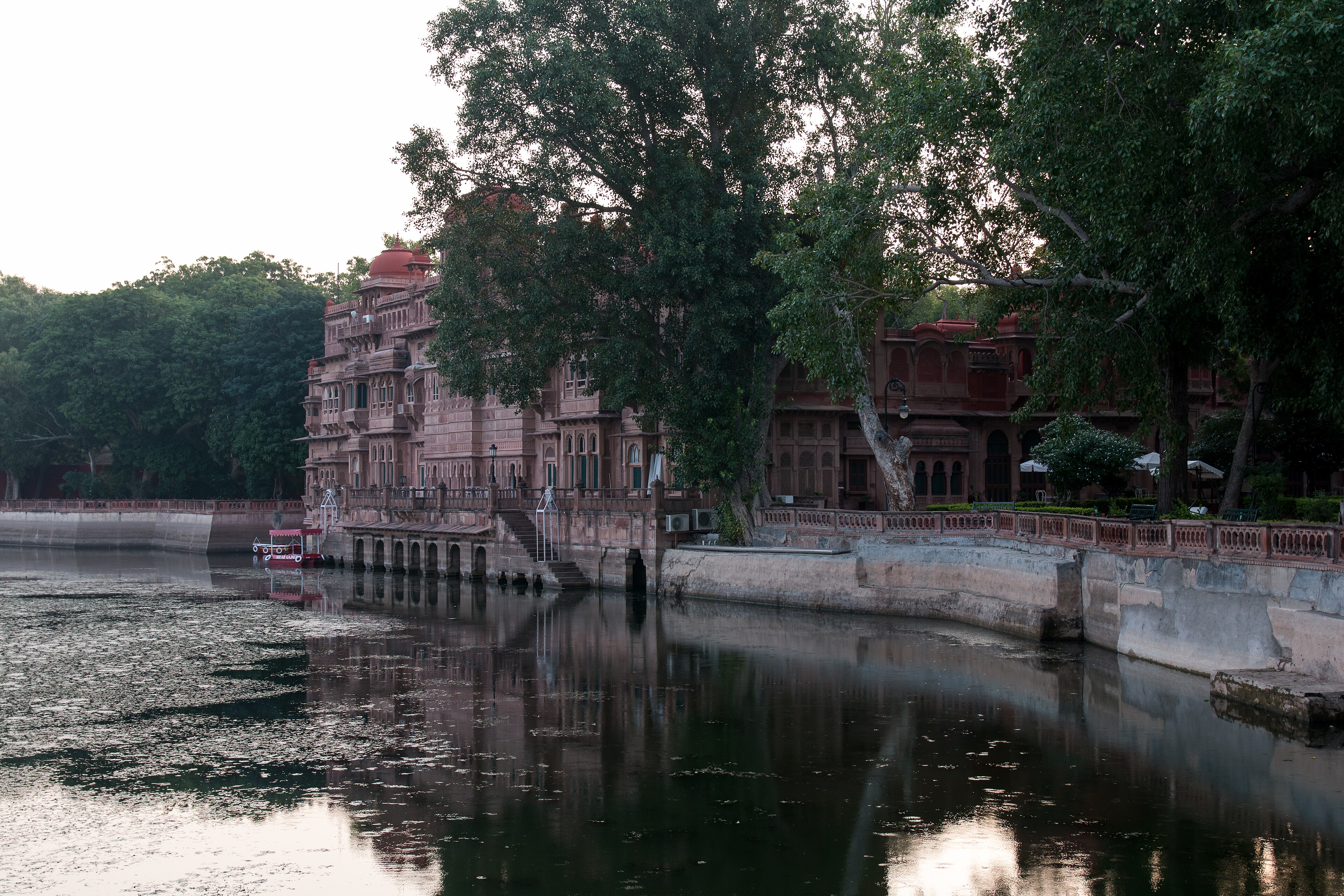
Gajner Palace
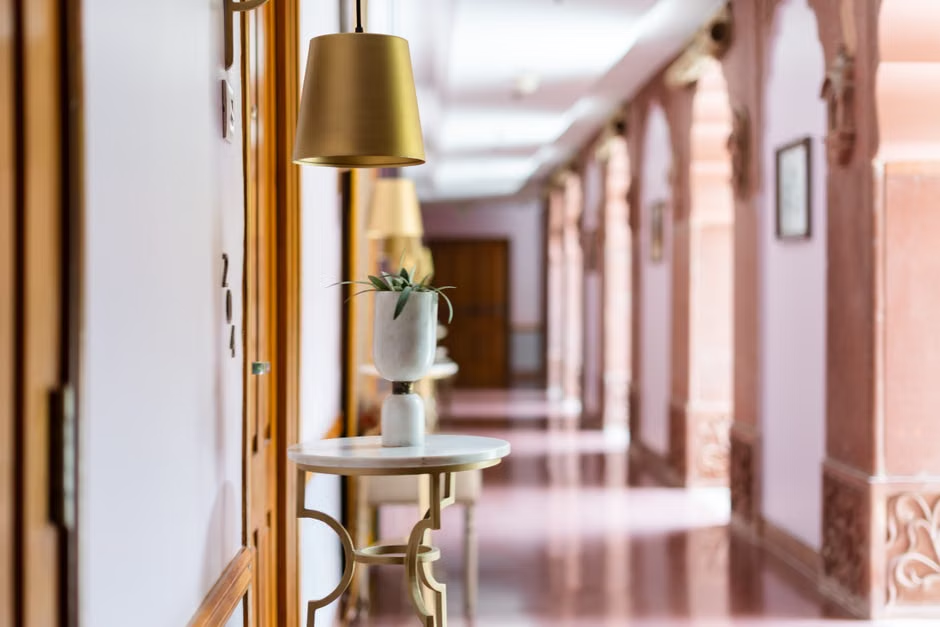
Hotel Bhanwar Niwas
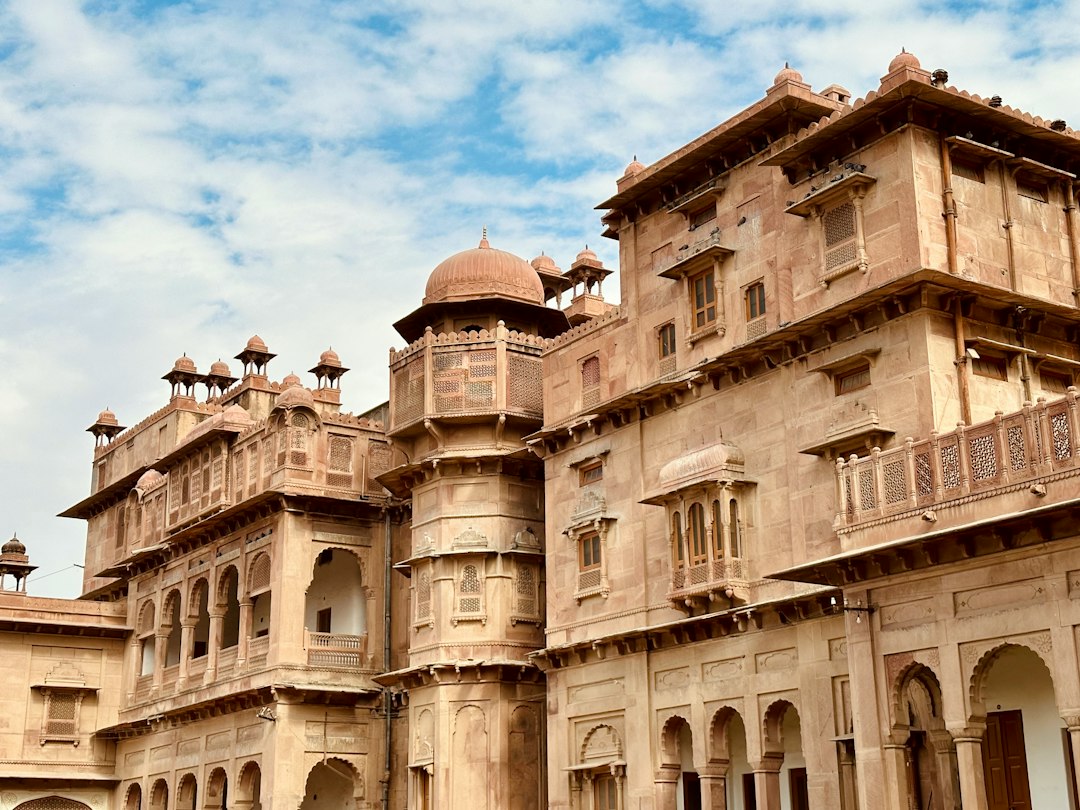
Karni Bhawan Palace Hotel
Hotel Harasar Haveli
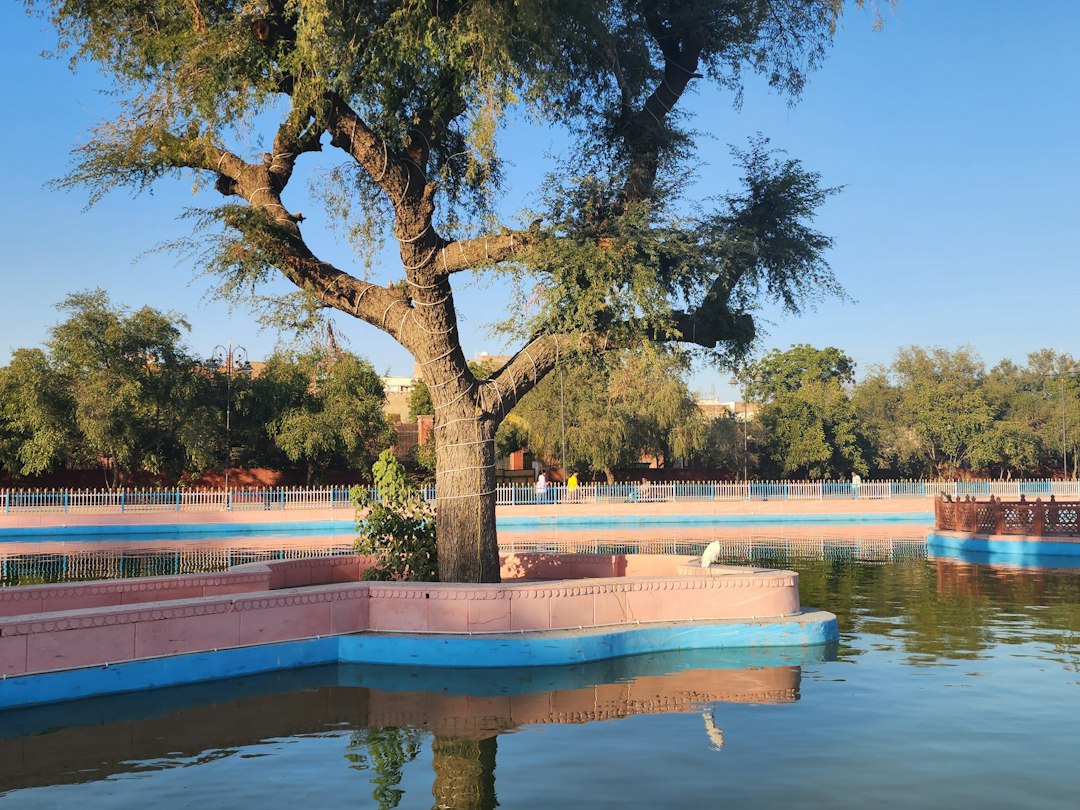
Vinayak Guest House & Resort
Compare Bikaner with Other Top Destinations
Frequently Asked Questions
Is Bikaner a good destination for a heritage or palace wedding?
Yes, it is among Rajasthan's strongest options for this format. Bikaner's converted palace hotels and sandstone havelis offer genuinely royal ceremonial settings — carved courtyards, pillared durbars, and open desert lawns — that are architecturally distinctive and less crowded than comparable venues in Jaipur or Udaipur, giving couples a more exclusive experience.
What guest group sizes can Bikaner's venues realistically accommodate?
Bikaner's heritage properties are generally best suited to weddings and events in the range of 50 to 400 guests. Intimate gatherings of under 150 guests are particularly well-served by the city's boutique haveli properties. Very large events exceeding 500 guests may find the combined venue and accommodation inventory stretched, and careful planning is advised for that scale.
How do guests typically travel to Bikaner for a destination wedding?
Rail is the most practical option for most guests. Bikaner Junction is well-connected to Delhi, Jaipur, and Jodhpur, with several daily services. Air access via Nal Airport is available but limited in terms of direct routes, so guests from distant cities often travel by train or fly into a larger hub and continue by road or rail.
What is the best time of year to hold a wedding or celebration in Bikaner?
November through February is the optimal window. The desert climate during these months is cool and dry, with comfortable daytime temperatures and clear skies — ideal for outdoor ceremonies and evening receptions. January evenings can be cold, so heating provisions for outdoor functions are advisable. The summer months (April–June) and monsoon fringe (July–September) are generally unsuitable for outdoor events.
What kinds of event spaces are available in Bikaner?
The venue landscape is dominated by heritage palace hotels with ceremonial courtyards, rooftop terraces, and manicured lawns. Boutique haveli properties offer intimate indoor and courtyard spaces. Some resort-style properties on the city's outskirts provide larger outdoor lawns for receptions. Desert camp setups in the surrounding landscape are also available for sundowners and folk music evenings.
Can Bikaner accommodate the full guest list for a destination wedding in terms of rooms?
For mid-size weddings of up to around 300–400 guests, Bikaner's heritage hotels and nearby properties can generally provide sufficient accommodation, though early booking is essential given the limited total room inventory. For very large weddings, planners typically need to use multiple properties across the city and coordinate guest transport between them.
Is Bikaner suitable for hosting a Teej or Gangaur celebration?
Yes, and it is one of the more authentic settings in Rajasthan for both. Bikaner has a living tradition of Teej and Gangaur observance, with local folk musicians, artisans, and community processions that can be incorporated into a celebration. Hosting these festivals here means access to genuinely local cultural programming rather than a recreated tourist version.
What local transport arrangements are typically needed once guests arrive?
Most heritage venues in Bikaner are within a manageable distance of the railway station and each other, making the city relatively compact for group logistics. For wedding groups, hiring a dedicated fleet of local vehicles or coaches for the event duration is standard practice and straightforward to arrange through local operators or the hosting property.
Are local wedding vendors available in Bikaner, or do couples need to bring vendors from outside?
Bikaner has a solid base of local caterers, folk musicians, and traditional artisans — genuine strengths for cultural programming and Rajasthani cuisine. However, specialist wedding vendors such as luxury decorators, high-end photographers, and professional planners are a smaller local pool. Many couples bring these from Jaipur or Delhi, which is well-understood and routinely accommodated by local properties.
What makes a Welcome Dinner or pre-wedding celebration particularly memorable in Bikaner?
A welcome dinner in a heritage palace courtyard — with live folk music, traditional Rajasthani cuisine including dal baati churma and ker sangri, and the warm glow of sandstone architecture — is one of the most distinctive ways to open a multi-day wedding celebration. The combination of authentic setting, local culinary tradition, and folk performance is difficult to replicate in a more generic venue.
Is Bikaner safe for guests travelling for a wedding or event?
Yes. Bikaner is generally considered a very safe city for visitors, including large groups and families. The city has a strong tradition of hospitality rooted in its Marwari merchant and royal heritage, and heritage hotel staff are typically experienced in managing the needs of event guest groups, including elderly guests and families with children.

Ready to explore venues in Bikaner?
Bikaner: Royal Desert Destination for Weddings & Heritage Celebrations
◆Bikaner is one of Rajasthan's most distinctive destinations for heritage weddings, cultural celebrations, and intimate destination events. Its primary vibe is Royal & Heritage — anchored by sandstone palaces, Junagarh Fort, and a living tradition of Rajput and Marwari ceremony. The destination suits Palace and Heritage Weddings, Destination Weddings, Teej & Gangaur Celebrations, Wedding Receptions, and Welcome Dinners particularly well. The optimal season is November through February, when the desert climate is cool and dry. Guest access is primarily by rail (Bikaner Junction is well-connected) with limited but functional air access; the overall character is exclusive and culturally immersive rather than mass-market.
Bikaner at a Glance
| Attribute | Detail |
|---|---|
| Best For | Palace / Heritage Wedding, Teej & Gangaur Celebration, Destination Wedding, Wedding Reception |
| Primary Vibe | Royal & Heritage |
| Other Vibes | Desert Mystique, Cultural & Folk, Intimate & Exclusive |
| Best Season | Winter (November–February) |
Why Choose Bikaner?
- Authentic palace and haveli venues: Bikaner's heritage properties — converted royal residences and sandstone havelis — offer a genuinely regal setting that is architecturally distinct from other Rajasthani cities, with warm ochre stonework and Mughal-Rajput detailing that photographs exceptionally well.
- Junagarh Fort as a cultural anchor: The city's most iconic landmark, Junagarh Fort, sets the visual and cultural tone for the entire destination, lending even nearby event venues an unmistakable sense of historical grandeur.
- Lower footfall than comparable heritage cities: Bikaner receives significantly fewer tourists than Jaipur or Udaipur, which translates into greater exclusivity, less competition for venue dates, and a more private experience for guests.
- Deep-rooted folk and ceremonial traditions: Bikaner is a living centre of Rajasthani folk music, camel culture, and festivals like Teej and Gangaur — making it one of the few destinations where cultural programming for a wedding or celebration can be genuinely local rather than staged for tourists.
- Strong rail connectivity: Bikaner Junction connects directly to Delhi, Jaipur, Jodhpur, and other major cities, making it accessible for large guest groups travelling by train without requiring a flight.
- Ideal winter climate for outdoor events: From November through February, daytime temperatures are typically comfortable and evenings are pleasantly cool — well-suited to outdoor ceremonies, sundowner parties, and lawn receptions without the heat or humidity that affects other seasons.
Which Celebrations Work Best in Bikaner?
Palace / Heritage Wedding: This is Bikaner's strongest suit. The city's converted palace hotels and sandstone havelis provide a ceremonial grandeur that is difficult to replicate elsewhere. Mandap setups against carved stone facades, baraat processions through heritage courtyards, and phera ceremonies under open desert skies are all genuinely achievable here.
Teej & Gangaur Celebration: Bikaner has a living tradition of both Teej and Gangaur — festivals that celebrate womanhood, marital bonds, and the monsoon's arrival. Hosting a Teej or Gangaur celebration here means access to authentic local processions, folk musicians, and artisans who have practised these traditions for generations, rather than a recreated version.
Destination Wedding: For couples seeking a multi-day wedding experience in a culturally rich, visually dramatic setting, Bikaner delivers. The combination of heritage accommodation, desert excursions, and local cultural programming gives guests a full destination experience across the wedding weekend.
Wedding Reception: Palace lawns and heritage courtyards in Bikaner are well-suited to evening receptions, with warm sandstone architecture providing natural ambient beauty that requires minimal additional décor investment.
Intimate Wedding: Bikaner's smaller heritage havelis and boutique palace properties are particularly well-matched to intimate weddings of 50–150 guests, where the venue's character can be fully appreciated and the event feels personal rather than large-scale.
Welcome Dinner / Pre-Wedding Celebration: A welcome dinner in a heritage courtyard or on a palace terrace — accompanied by local folk musicians and traditional Rajasthani cuisine — is one of the most memorable ways to open a multi-day wedding celebration in Bikaner.
Sundowner / Sunset Party: The desert horizon around Bikaner produces vivid, extended sunsets. Rooftop terraces and open lawns at heritage properties are natural settings for sundowner events, with the warm sandstone glowing in the evening light.
Private Party & Cocktail Party: Intimate indoor halls within palace hotels — with their carved pillars, jharokha windows, and period furnishings — make for atmospheric private party and cocktail event spaces that feel genuinely exclusive.
Cultural Festival Gathering & Local Folk Festival / Fair: Bikaner's calendar includes the internationally recognised Bikaner Camel Festival and several local folk fairs. Timing a gathering around these events adds a layer of authentic cultural immersion that is hard to engineer artificially.
Reunion Party, Diwali Celebration & Awards & Gala Night: Heritage banquet halls and palace dining rooms in Bikaner provide a suitably grand backdrop for reunion dinners, Diwali celebrations with traditional diyas and fireworks in open courtyards, and formal gala evenings where the architectural setting does much of the decorative work.
Venues & Event Spaces
Bikaner's event venue landscape is dominated by heritage palace hotels — former royal residences that have been sensitively converted to accommodate modern hospitality while retaining their original architectural character. These typically feature large ceremonial courtyards, pillared durbars (audience halls), rooftop terraces, and manicured lawns that can accommodate ceremonies, receptions, and dining in a single property.
Beyond the palace hotels, the city has a number of haveli-style boutique properties — merchant mansions with ornate sandstone facades and internal courtyards — that are particularly well-suited to intimate gatherings and pre-wedding functions. These spaces tend to be smaller in capacity but exceptionally atmospheric.
For larger events, some properties on the city's outskirts offer resort-style layouts with expansive outdoor lawns, making them suitable for larger receptions and multi-function wedding weekends where different spaces can be used for different events across consecutive days.
The surrounding desert landscape also opens up the possibility of off-site desert camp experiences — temporary event setups in the dunes — for sundowners, folk music evenings, or pre-wedding celebrations that want to incorporate the raw desert environment as part of the event design.
Best Time to Celebrate
The winter months of November through February are unambiguously the best period for events in Bikaner. Daytime temperatures during this window typically range from around 10°C to 25°C, with clear skies and very low humidity — conditions that are genuinely comfortable for outdoor ceremonies, evening receptions, and multi-day celebrations. Evenings can be cool to cold (occasionally dropping below 5°C in January), so event planners should account for heating arrangements for outdoor evening functions in December and January.
March and early April represent a narrow shoulder window — temperatures are rising but not yet extreme, and the weather remains largely dry. Events in this period are feasible but require careful timing, as afternoon heat can become uncomfortable for outdoor functions by late March.
April through June should generally be avoided for outdoor events. Temperatures regularly exceed 40°C and can approach 45°C+, making outdoor ceremonies and receptions genuinely uncomfortable and potentially unsafe for elderly guests or young children. Indoor, air-conditioned events remain possible but the overall experience is significantly diminished.
July through September brings the fringes of the monsoon to Bikaner — the city receives less rainfall than eastern Rajasthan, but dust storms (andhi) are common, humidity rises, and the heat remains intense. This period is not recommended for destination events.
October is a transitional month — temperatures begin to moderate but can still be warm, and dust conditions may persist. It is generally considered a shoulder month rather than a reliable event window, though late October can occasionally be workable for indoor-focused events.
Getting There & Local Connectivity
By Air: Bikaner is served by Nal Airport, which handles limited scheduled domestic services. Flight options are restricted compared to larger Rajasthani cities, and guests travelling from major metros may need to connect via Jaipur or Delhi and continue by road or rail. Event planners should factor this into guest travel coordination, particularly for large groups with diverse origin cities.
By Rail: Bikaner Junction is the city's primary connectivity strength. It is well-linked to Delhi (via the Bikaner Express and other services), Jaipur, Jodhpur, and several other major cities, making train travel a practical and comfortable option for the majority of guests. For a destination wedding with guests travelling from across northern India, rail is typically the most reliable and widely accessible mode of arrival.
By Road: Bikaner is connected by national highways to Jaipur (approximately 330 km), Jodhpur (approximately 250 km), and Delhi (approximately 490 km). Road travel is feasible for guests from nearby cities and is a common option for smaller groups or for guests who prefer the flexibility of self-drive or hired vehicles.
Local Movement: Within Bikaner, the city is compact enough that most heritage hotels and event venues are within a manageable distance of the railway station and each other. For wedding groups, hiring a fleet of local vehicles or coaches for the duration of the event is standard practice and generally straightforward to arrange through local operators.
Local Vendor & Hospitality Ecosystem
Bikaner has a well-established local hospitality tradition rooted in its history as a royal city and a significant stop on historic trade routes. The city's heritage hotel operators are generally experienced in managing large group stays and multi-day event logistics, and many have in-house catering teams capable of producing both traditional Rajasthani cuisine and broader Indian menus at scale.
The local folk arts ecosystem is a genuine asset for event programming. Bikaner has a strong community of traditional musicians (playing instruments like the sarangi, dholak, and shehnai), folk dancers, and artisans whose work can be incorporated into welcome dinners, mehndi functions, and cultural evenings in a way that feels authentic rather than performative.
For specialist wedding vendors — photographers, decorators, florists, and wedding planners — the local pool is growing but remains smaller than in Jaipur or Udaipur. Couples planning larger or more elaborate events typically bring in vendors from Jaipur or Delhi, which is a common and well-understood practice among local hotels. Coordination between outstation vendors and local properties is generally smooth, particularly at the established heritage hotels.
Catering for large groups is a relative strength: Bikaner's Marwari culinary tradition is rich and distinctive, and local caterers are experienced in producing large-scale traditional feasts (including dal baati churma, ker sangri, and other regional specialities) that can serve as a memorable culinary centrepiece for a destination wedding.
Pros & Things to Consider
Why Bikaner Works Well
- Genuinely royal and heritage venue settings that are architecturally distinctive and visually dramatic
- Significantly less crowded than comparable Rajasthani heritage destinations, offering greater exclusivity
- Strong rail connectivity makes guest travel manageable for large groups from northern India
- Deep local folk culture and festival traditions provide authentic event programming options
- Cool, dry winter climate is near-ideal for outdoor ceremonies and evening receptions
- Local Marwari culinary tradition is a genuine asset for wedding catering and hospitality
Things to Consider
- Air connectivity is limited — guests from southern or western India may face longer, multi-leg journeys
- The specialist wedding vendor ecosystem (decorators, photographers, planners) is smaller locally; outstation vendors are often required for larger events
- January evenings can be genuinely cold (below 5°C), requiring heating provisions for outdoor evening functions
- The overall venue inventory, while high in quality, is more limited in total capacity than larger Rajasthani cities — very large weddings (500+ guests) may find accommodation and venue options stretched
- Gajner Palace, one of the most distinctive palace properties associated with Bikaner, is located approximately 32 km from the city centre, which requires transport coordination for guests staying in the city
When Bikaner May Not Be the Right Fit
- Very large weddings (500+ guests): The combined accommodation and event space inventory in and immediately around Bikaner is better suited to mid-size celebrations. Couples expecting a very large guest list may find the local supply of suitable rooms and event spaces insufficient without significant logistical compromise.
- Guests with limited travel flexibility: If a significant portion of the guest list is travelling from southern or western India and has limited time or mobility, the absence of strong direct air connectivity may make the journey disproportionately complex compared to more accessible destinations.
- Summer or monsoon-season events: Any event requiring outdoor spaces between April and September will face serious challenges from extreme heat, dust storms, or humidity. Bikaner is not a year-round outdoor event destination.
- Events requiring a very large specialist vendor pool on-site: Couples who want to source all their wedding vendors locally — including high-end photographers, luxury florists, and specialist décor teams — may find Bikaner's local vendor market too limited and will need to plan for significant outstation vendor logistics.