
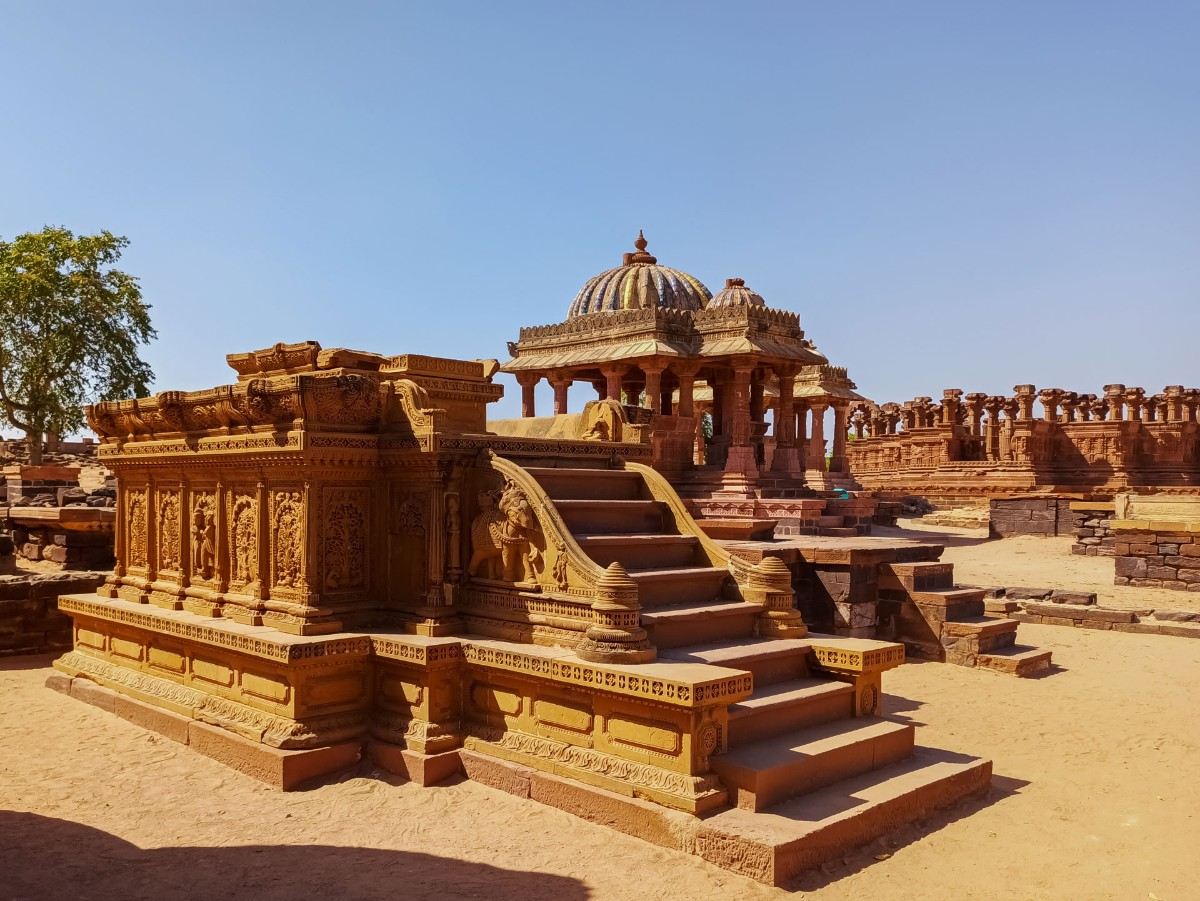
Why Bhuj-Kutch is Perfect for Your Celebration
- The Rann of Kutch — a vast white salt desert — provides a one-of-a-kind open-air backdrop unavailable anywhere else in India
- Home to the iconic Rann Utsav, making it a natural anchor for large cultural gatherings and festival-format events
- Rich Kutchi folk music, embroidery, and artisan traditions can be woven directly into event programming
- Heritage havelis and desert camps offer distinctive venue character beyond standard hotel ballrooms
- Winter months (November–February) deliver reliably cool, dry, and clear weather — ideal for outdoor desert celebrations
- Uttarayan (kite festival) in January creates a ready-made festive atmosphere for gatherings timed around it
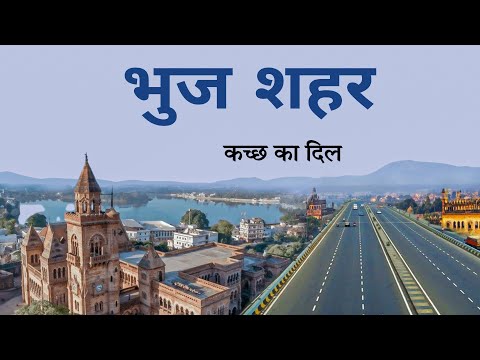
Top Venues in Bhuj-Kutch
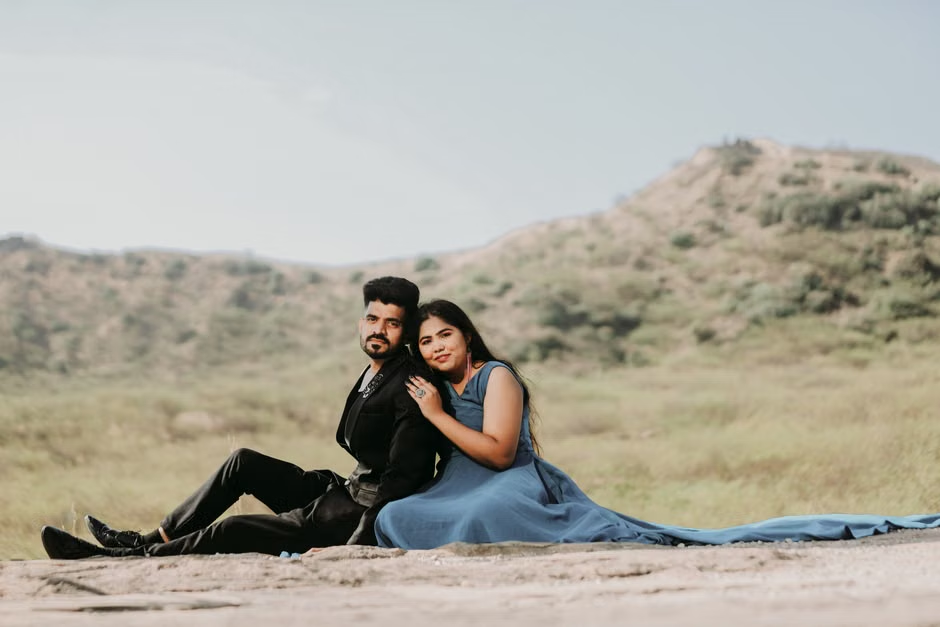
Regenta Resort Bhuj

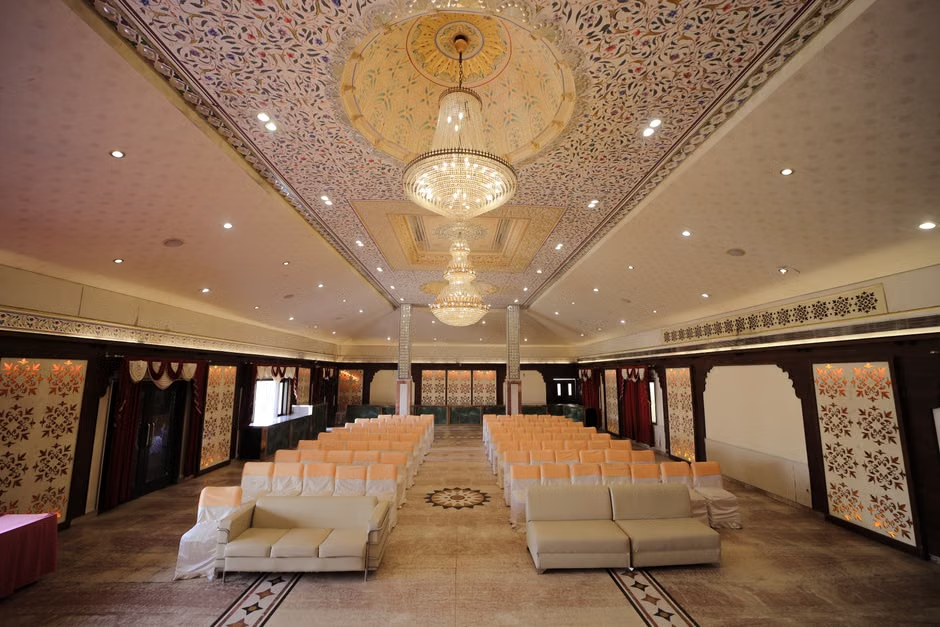
The Lavish Affair
Regenta Hotel, Science Center Bhuj
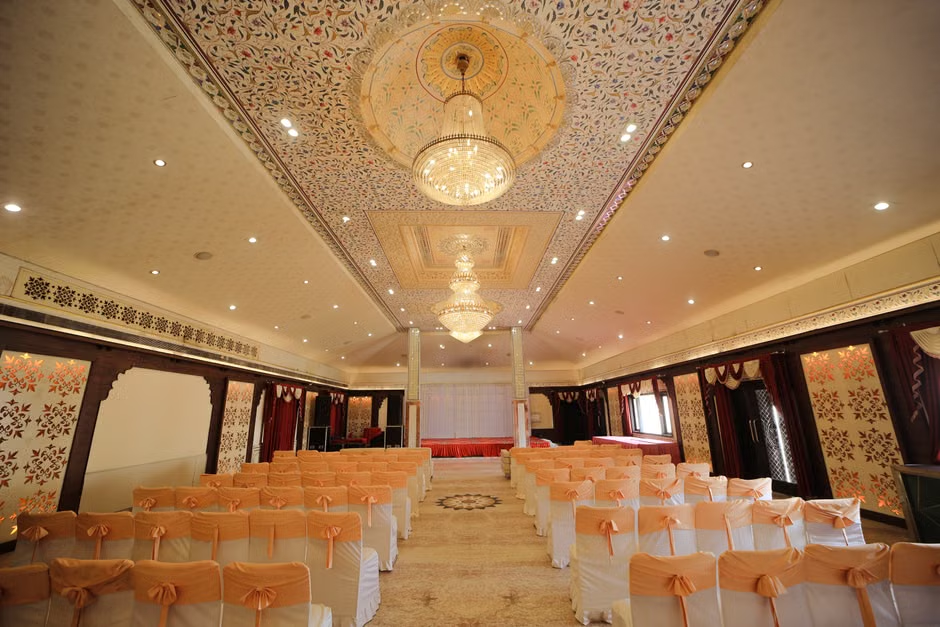
Hotel Prince
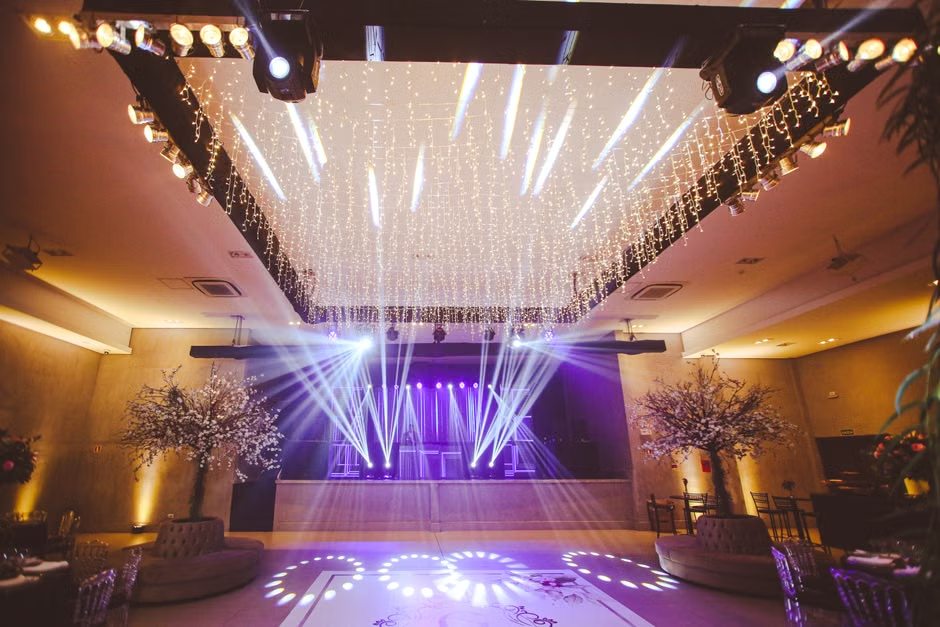
V club
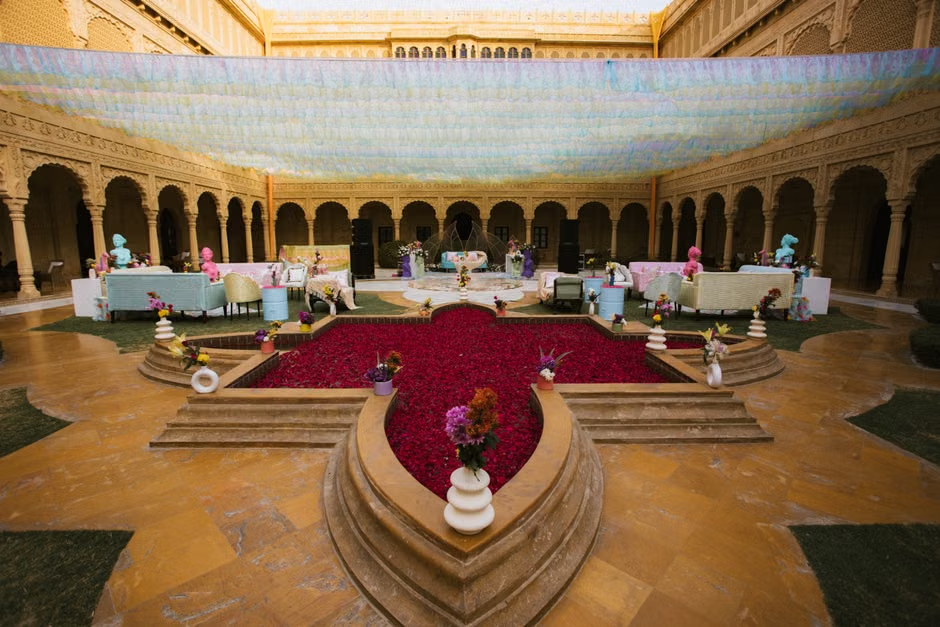
Prag view heritage homestay
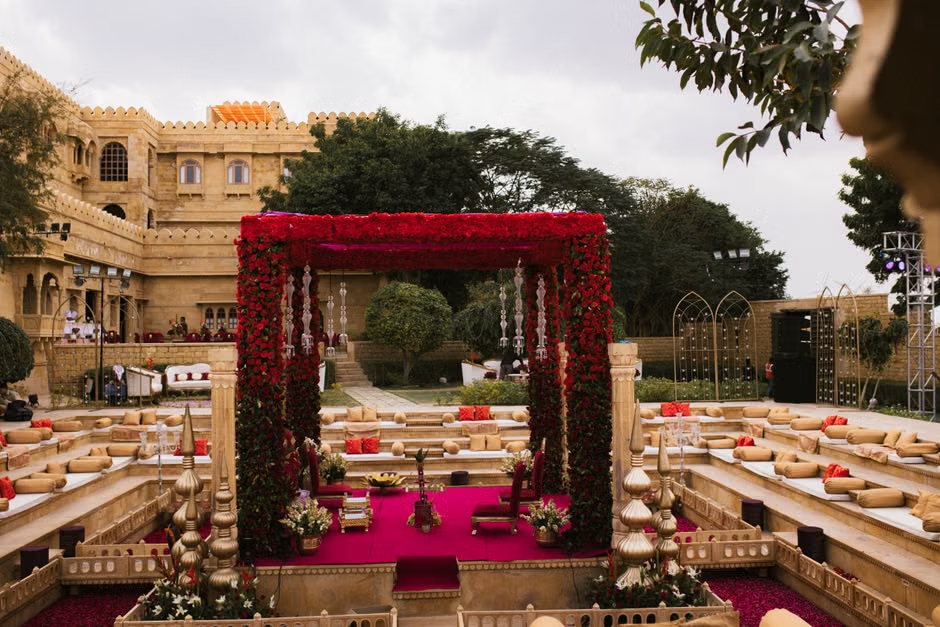
Ramee The Srinivas Palace
Hotel La Casa De Rann
The Kutch House
Amrutiya Farm
Hill View Resort Bhuj-Kutch
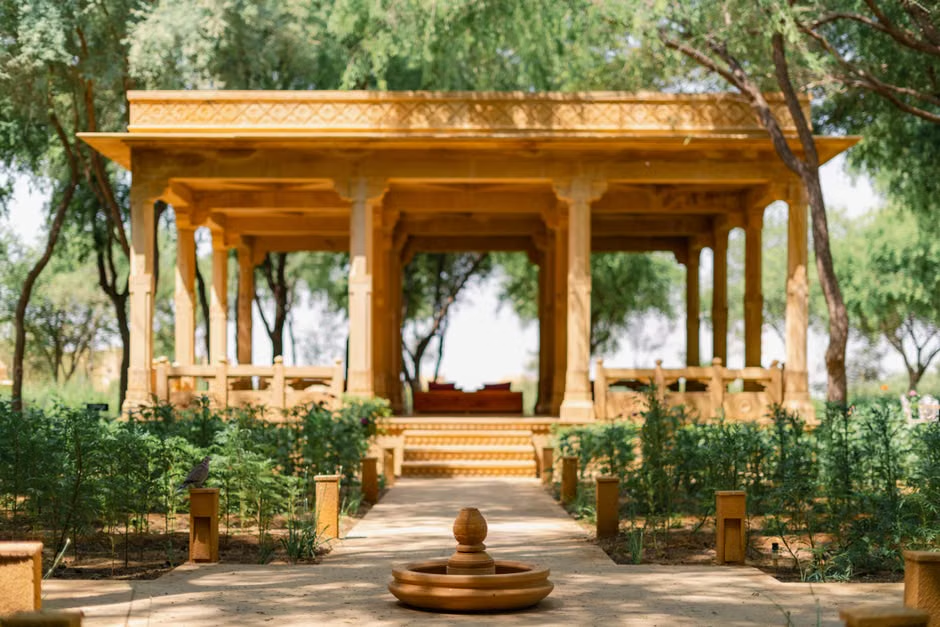
StayGuru Resort Farm Villa
Compare Bhuj-Kutch with Other Top Destinations
Frequently Asked Questions
Is Bhuj-Kutch a good destination for a Rann Utsav-style gathering or cultural festival event?
Yes, it is arguably the strongest destination in India for this format. The Rann Utsav infrastructure — tent cities, folk performance troupes, open desert stages, and desert camp hospitality — is already embedded in the local ecosystem. Private gatherings modelled on this format, or events timed to coincide with the Rann Utsav season, benefit directly from that existing capacity and cultural energy.
Can Bhuj-Kutch host a Navratri or Garba celebration with authentic regional character?
Yes. Kutch has its own distinct Navratri and Garba traditions — different in costume, music style, and folk character from the more widely known Ahmedabad or Saurashtra versions. Hosting a Navratri celebration here gives guests a genuinely regional experience, with access to local folk musicians and dancers who perform in the Kutchi tradition rather than a generic pan-Gujarati format.
What guest-group sizes can venues in Bhuj-Kutch realistically accommodate?
Most properties in and around Bhuj are well-suited to gatherings of 100–350 guests. For larger events — 400 guests and above — the typical approach involves combining a central resort or heritage property with supplementary tented structures erected specifically for the occasion, a format the local hospitality industry is experienced in. Very large events (600+) require careful advance planning given the limited number of large-capacity properties.
How do guests typically get to Bhuj-Kutch for a destination event?
Most guests arrive via Bhuj Airport (BHJ), which has scheduled services from Ahmedabad and Mumbai. Guests from other cities generally need to connect through one of these hubs. Rail travel from Ahmedabad to Bhuj is also a popular option, taking approximately six to seven hours. Road transfers from Ahmedabad (roughly 330–350 km) are feasible for smaller groups. Pre-arranged group transport from Bhuj to outlying venues is strongly recommended.
What is the best time of year to plan a wedding or event in Bhuj-Kutch?
November through February is the clear optimal window. The weather is cool and dry, the White Rann is at its most visually dramatic, and the region's major festivals — Rann Utsav and Uttarayan — fall within this period. Dates around the Rann Utsav and Makar Sankranti (mid-January) book up well in advance, so early planning is essential for events timed around those anchors.
What kinds of event spaces and venues are available in Bhuj-Kutch?
The venue landscape is dominated by desert resorts, tented camps, and heritage-influenced properties rather than large urban convention hotels. Properties near the Rann specialise in open-air desert settings; Bhuj city has heritage havelis and resort-style properties with banquet lawns. Fully enclosed, climate-controlled ballrooms of the kind found in major metro hotels are less common — outdoor and semi-outdoor formats are the norm here.
Is Bhuj-Kutch suitable for an Uttarayan (kite festival) gathering?
Yes, and it is a particularly natural fit. Makar Sankranti (around January 14) is celebrated with genuine energy across Kutch — the open desert skies are ideal for kite flying, and the regional festive mood is authentic rather than manufactured. Events timed around Uttarayan inherit a ready-made celebratory atmosphere and can incorporate local kite-flying traditions directly into programming.
How should a large guest group move around locally once they arrive in Bhuj-Kutch?
Pre-arranged coaches or a dedicated vehicle fleet are strongly recommended. App-based cab services and self-drive options are limited outside Bhuj city itself, and the distances between the city, the Rann, and outlying resort properties can be significant. Most event planners working in this destination build a coordinated transport plan — including airport/station transfers and daily shuttles between accommodation and event venues — as a standard part of the logistics.
What does the local vendor and catering ecosystem look like for events in Bhuj-Kutch?
The local ecosystem is genuinely strong for folk performers, artisan demonstrators, tent and décor specialists, and Kutchi cuisine catering. For high-end production elements — specialist lighting, large-format AV, luxury floral design, or international cuisine — vendors typically need to be sourced from Ahmedabad or Mumbai and brought in. Events that lean into Kutchi cultural programming are well-served locally; events requiring a full metro-standard luxury production infrastructure will need to supplement with outstation vendors.
Can Bhuj-Kutch host an intimate or small heritage wedding?
Yes, and it is particularly well-suited to this format. Heritage havelis and smaller desert resorts in and around Bhuj offer architectural character and a sense of place that suits intimate celebrations of 50–150 guests. The destination's cultural richness — folk music, artisan traditions, Kutchi cuisine — gives a small wedding a distinctive identity that is difficult to replicate in a larger, more generic venue.
Are there things to consider when planning an outdoor evening event in Bhuj-Kutch in winter?
Yes. While daytime temperatures in November–February are comfortable, nights in December and January can drop to near or below 10°C — genuinely cold for guests seated outdoors for extended periods. Planning for guest comfort at evening events (heaters, warm shawls, bonfire setups) is a practical necessity rather than an optional extra. This is also part of what makes the bonfire-lit desert dinner format so popular and appropriate here.
How far in advance should a Bhuj-Kutch event be planned, especially for peak season dates?
For events during the Rann Utsav window (typically November–February, with peak demand in December–January) or around Uttarayan (mid-January), booking venues and accommodation 9–12 months in advance is advisable. The destination's venue inventory is not large, and the most distinctive properties fill up quickly during peak season. Events outside these peak windows have more flexibility, but the November–February season overall is in high demand.

Ready to explore venues in Bhuj-Kutch?
Bhuj-Kutch: Desert Weddings, Cultural Festivals & Heritage Event Venues
◆Bhuj-Kutch is best suited for culturally immersive celebrations — particularly large-scale gatherings like the Rann Utsav, Navratri and Garba events, Uttarayan kite festivals, and heritage-style weddings set against the White Rann's dramatic salt desert. The destination's primary vibe is Cultural & Festive, shaped by centuries of Kutchi folk traditions, artisan craftsmanship, and open desert landscapes. The ideal season runs from November through February, when the weather is cool and dry. Accessibility requires some advance planning — Bhuj has its own airport and railway station, but direct connections are limited — making it a destination that rewards guests who plan ahead. Venue inventory leans toward desert resorts and heritage properties rather than large convention-scale hotels.
Bhuj-Kutch at a Glance
| Attribute | Detail |
|---|---|
| Best For | Rann Utsav Gathering, Navratri & Garba Celebration, Uttarayan Gathering, Palace / Heritage Wedding |
| Primary Vibe | Cultural & Festive |
| Other Vibes | Rustic & Artisan, Desert & Open-Sky, Intimate & Offbeat |
| Best Season | Winter (November–February) |
Why Choose Bhuj-Kutch?
- The White Rann as a living venue: The vast salt desert of the Rann of Kutch is not merely a backdrop — it is an active part of the event experience. Moonlit dinners on the salt flats, open-air stages framed by the horizon, and sunrise gatherings are genuinely possible here in ways that no other Indian destination can replicate.
- Built-in festival infrastructure: The annual Rann Utsav, organised at scale each winter, means the region has developed real capacity for large outdoor gatherings — tent cities, cultural stages, folk performance troupes, and desert camp hospitality are all part of the local ecosystem.
- Authentic Kutchi folk arts integration: Events here can draw on living traditions — Kutchi embroidery, Rogan art, Bhungas (traditional circular mud architecture), folk music (Langa and Manganiyar musicians), and puppet performances — giving celebrations a cultural depth that is specific and genuine rather than staged.
- Heritage property character: Bhuj and its surroundings have a number of havelis, palace-adjacent structures, and heritage-influenced resorts that provide architectural character well beyond a standard hotel ballroom.
- Relatively uncrowded outside peak festival windows: For events planned in the November–February window but outside the Rann Utsav peak, the destination offers a sense of exclusivity and space that more heavily touristed cities cannot.
- Uttarayan as a natural event anchor: Makar Sankranti (mid-January) transforms the entire region into a kite-flying celebration — events timed around this date inherit a ready-made festive atmosphere at no additional cost.
Which Celebrations Work Best in Bhuj-Kutch?
Rann Utsav Gathering: The Rann Utsav is the destination's signature event format — a large-scale cultural festival held on the White Rann each winter. Organising a private gathering or corporate event to coincide with or mirror this format is a natural fit; the local infrastructure, tent accommodation, and folk performance ecosystem are already calibrated for it.
Navratri & Garba Celebration: Kutch has its own deeply rooted Navratri traditions, with Garba styles and folk costumes that differ meaningfully from the more widely known Ahmedabad or Baroda versions. Hosting a Navratri celebration here gives guests an authentic, regionally specific experience rather than a generic one.
Uttarayan Gathering: The kite festival of Makar Sankranti (around January 14) is celebrated with particular energy across Gujarat, and Kutch is no exception. An event timed around Uttarayan benefits from the region's festive mood, open skies ideal for kite flying, and a natural communal energy that is difficult to manufacture artificially.
Palace / Heritage Wedding: While Bhuj-Kutch does not have the density of palace hotels found in Rajasthan, it does offer heritage-influenced properties and haveli-style venues that suit couples seeking a culturally distinctive wedding backdrop. The desert setting adds a dramatic visual quality that is genuinely different from lakeside or hill-station alternatives.
Cultural Festival Gathering: Beyond the Rann Utsav specifically, the region's artisan villages, craft traditions, and folk performance culture make it an excellent setting for any gathering that wants to centre cultural programming — corporate offsites with a cultural immersion theme, alumni reunions, or community celebrations all translate well here.
Local Folk Festival / Fair: Kutch hosts several smaller local fairs and craft melas throughout the winter season. Private events can be structured around these, or can draw on the same folk performers and artisan demonstrators who participate in them, creating an event that feels embedded in local life rather than imported onto it.
Venues & Event Spaces
The venue landscape in Bhuj-Kutch is characterised by desert resorts and tented camps rather than large urban convention hotels. Properties in and around Bhuj city offer banquet halls and lawns suited to mid-sized gatherings, while properties closer to the Rann — particularly around Dhordo — specialise in open-air desert settings with tented accommodation and outdoor event spaces. Heritage havelis in Bhuj itself can accommodate intimate celebrations with strong architectural character. For larger events, the model typically involves combining a central resort or camp as the primary venue with supplementary tented structures erected specifically for the occasion — a format the local hospitality industry is experienced in delivering. Outdoor lawns and open desert plots are the dominant event format; fully enclosed, climate-controlled ballrooms of the kind found in major metro hotels are less common here, which is a genuine consideration for events that require that infrastructure.
Best Time to Celebrate
The November–February window is the clear optimal period for events in Bhuj-Kutch, and the reasons go beyond simply "pleasant weather." Daytime temperatures in this window typically range from the mid-teens to the mid-twenties Celsius — comfortable for outdoor desert events without the need for heavy cooling infrastructure. Nights can be cool to cold (dropping toward 10°C or below in December–January), which actually enhances the atmosphere for bonfire-lit dinners and open-air gatherings. Crucially, this is also when the White Rann is at its most accessible and visually dramatic — the salt flats are dry, white, and reflective, particularly striking under a full moon.
March–May brings rapidly escalating heat, with temperatures regularly exceeding 40°C by April and May — outdoor events become genuinely uncomfortable and logistically demanding. June–September is the monsoon season; while Kutch receives less rainfall than coastal Gujarat, the Rann can flood partially, access roads to remote areas can be disrupted, and humidity rises significantly. October is a transitional month — residual heat and humidity make it less comfortable than November, though it is not as extreme as the summer months. In practice, the usable window for outdoor desert events is tightly concentrated in the four winter months, which means venue and accommodation availability during peak season (especially around the Rann Utsav and Uttarayan) requires early booking.
Getting There & Local Connectivity
Bhuj is served by Bhuj Airport (BHJ), located close to the city center, with scheduled services primarily from Ahmedabad and Mumbai. Direct connections from other major cities are limited, meaning many guests will need to route through Ahmedabad or Mumbai — a factor worth communicating clearly to outstation guests when planning travel logistics. Flight frequency increases during the Rann Utsav season as demand rises, but capacity remains constrained relative to a major hub airport.
By rail, Bhuj Railway Station connects the city to Ahmedabad via a well-established route, and onward connections to Mumbai and other major cities are available through Ahmedabad. The train journey from Ahmedabad to Bhuj takes approximately six to seven hours, making it a viable option for guests who prefer rail travel or are coming from within Gujarat.
By road, Bhuj is connected to Ahmedabad by a reasonably good highway (approximately 330–350 km), making a road transfer feasible for smaller groups or for guests who prefer the flexibility. For guests arriving at Bhuj, local transport options are more limited than in a major city — pre-arranged coaches or vehicle fleets are strongly recommended for moving a large guest group between the city, the Rann, and any outlying venues. Self-drive or app-based cab availability is limited outside Bhuj city itself.
Local Vendor & Hospitality Ecosystem
The local vendor ecosystem in Bhuj-Kutch is genuinely strong in areas directly tied to its cultural identity — folk performers, artisan demonstrators, traditional catering (Kutchi cuisine is distinctive and well-regarded), and tent/décor specialists experienced in desert event setups. The Rann Utsav has, over the years, professionalised a segment of the local event supply chain that would not otherwise exist in a city of Bhuj's size.
However, the ecosystem has real gaps relative to larger event destinations. High-end wedding production vendors — specialist lighting designers, large-format AV companies, luxury floral decorators — are less numerous locally and often need to be brought in from Ahmedabad or Mumbai, adding logistics and cost. Similarly, the range of international or pan-Indian cuisine catering options is narrower than in a metro city. For events that lean into Kutchi cultural programming, the local ecosystem is a genuine asset; for events that require a full-service luxury production infrastructure, supplementing with outstation vendors is typically necessary.
Pros & Things to Consider
Why Bhuj-Kutch Works Well
- Genuinely unique desert landscape — the White Rann is an event backdrop with no equivalent elsewhere in India
- Strong local folk arts and cultural programming ecosystem, particularly during the winter festival season
- Relatively uncrowded and exclusive feel outside peak Rann Utsav windows
- Heritage-influenced properties offer architectural character and intimacy suited to smaller, meaningful celebrations
- Uttarayan and Navratri provide natural festive anchors that enhance any event timed around them
- Kutchi cuisine and artisan traditions give events a distinctive, place-specific identity
Things to Consider
- Airport connectivity is limited — most guests will require a connecting flight through Ahmedabad or Mumbai, adding travel time and complexity
- The usable event season is tightly concentrated (November–February), and peak dates around the Rann Utsav and Uttarayan book up well in advance
- Large-scale luxury production vendors (specialist AV, high-end floral, international catering) are not abundant locally and typically need to be sourced from outside the region
- Venue inventory, while distinctive, is not large — the number of properties capable of hosting a 500+ guest event with full accommodation on-site is limited
- Nights in December–January can be genuinely cold (near or below 10°C), which requires planning for guest comfort at outdoor evening events
- Remote Rann-area venues require reliable pre-arranged transport; ad-hoc local cab availability is limited
When Bhuj-Kutch May Not Be the Right Fit
- Events planned for summer or monsoon months: If the event date falls between March and October, Bhuj-Kutch's extreme heat (summer) and partial Rann flooding (monsoon) make outdoor desert events impractical and potentially uncomfortable — a different destination with a more forgiving year-round climate would serve better.
- Very large guest lists requiring full on-site accommodation: If the event requires housing 400 or more guests within a single property or a tightly clustered set of properties, the current venue inventory in Bhuj-Kutch may not comfortably support that scale without significant logistical complexity.
- Guests with very limited travel flexibility: For a guest list that includes a high proportion of elderly guests, international travellers unfamiliar with Indian travel, or guests who cannot manage a multi-leg journey, the limited direct flight connectivity to Bhuj may create genuine friction — a destination with a major hub airport would reduce that burden.
- Events requiring a full metro-standard luxury production infrastructure: If the event brief calls for a large-format international production — extensive specialist AV, a wide roster of luxury vendors, multiple cuisine options from a deep local catering market — a larger city with a more mature event production ecosystem would be a more practical base.