
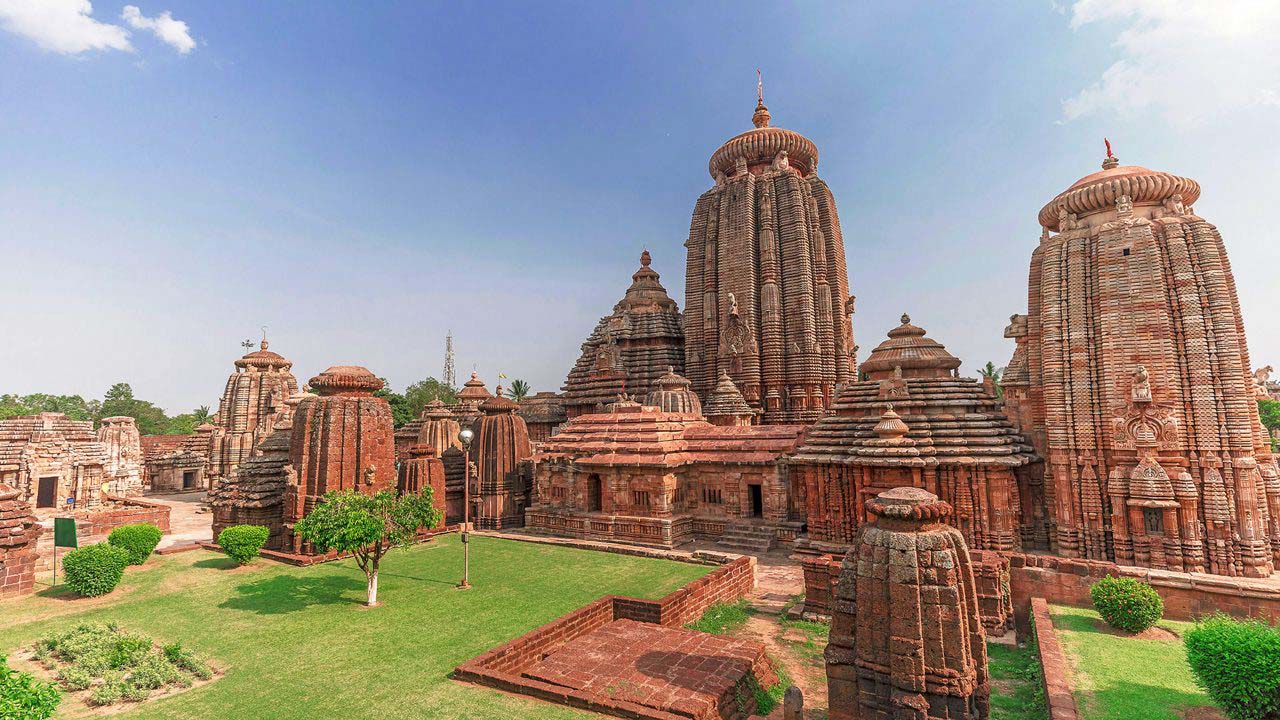
Why Bhubaneswar is Perfect for Your Celebration
- Home to hundreds of ancient temples including Lingaraj, Mukteshwar, and Rajarani — unmatched backdrops for spiritual and temple-themed events
- Birthplace of Raja Parba and major Odia cultural festivals, making it the most authentic venue for Odia cultural gatherings in India
- Biju Patnaik International Airport offers direct flights from major metros, keeping guest travel straightforward
- Bhubaneswar Railway Station is a major junction on the Howrah–Chennai main line, ensuring easy rail access for guests across eastern and southern India
- A growing hospitality sector with convention-capable hotels, banquet halls, and outdoor lawns suited to mid-to-large group events
- Relatively lower event-logistics costs compared to Tier-1 metros, with a mature local vendor ecosystem for catering, décor, and folk performances
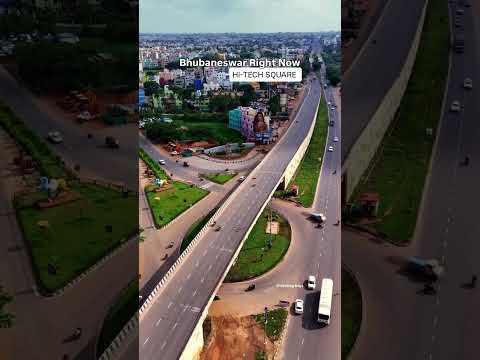
Top Venues in Bhubaneswar
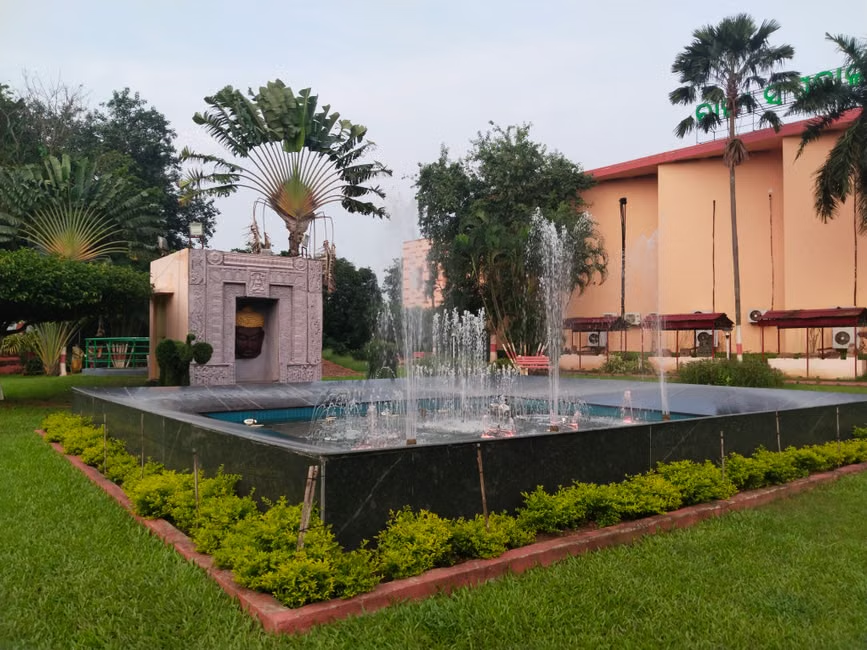
Mayfair Lagoon
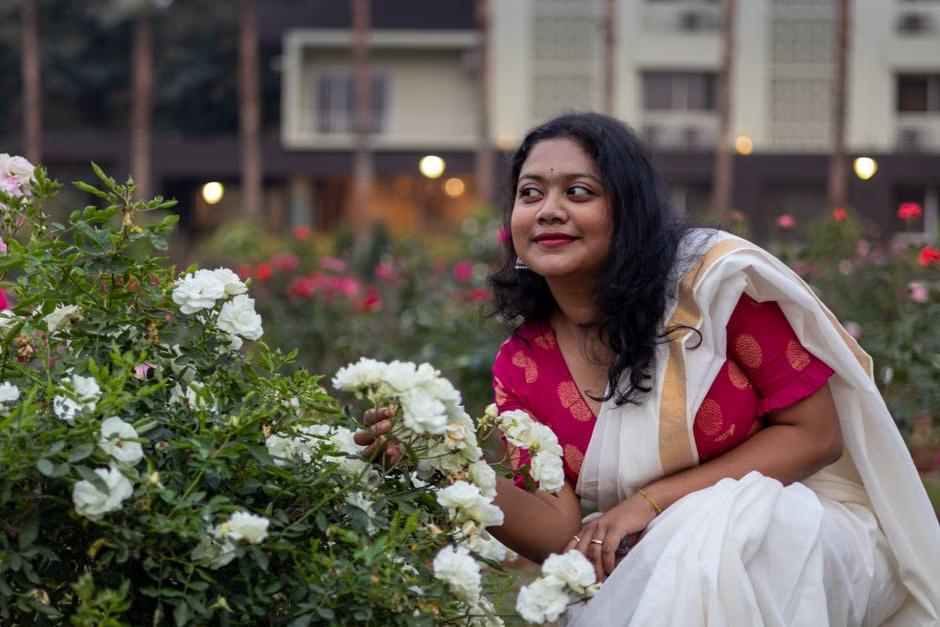
Trident Bhubaneswar
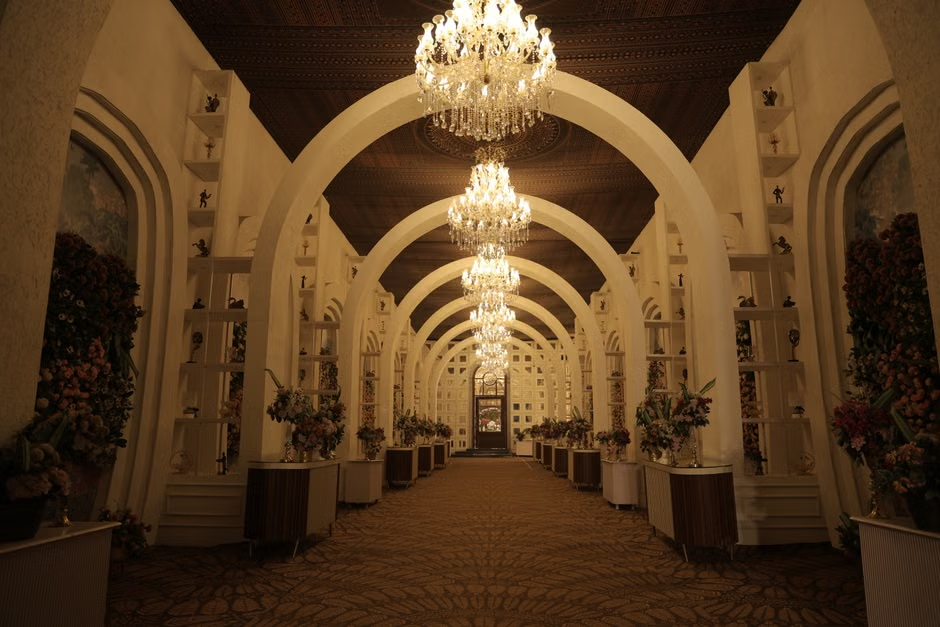
Swosti Premium
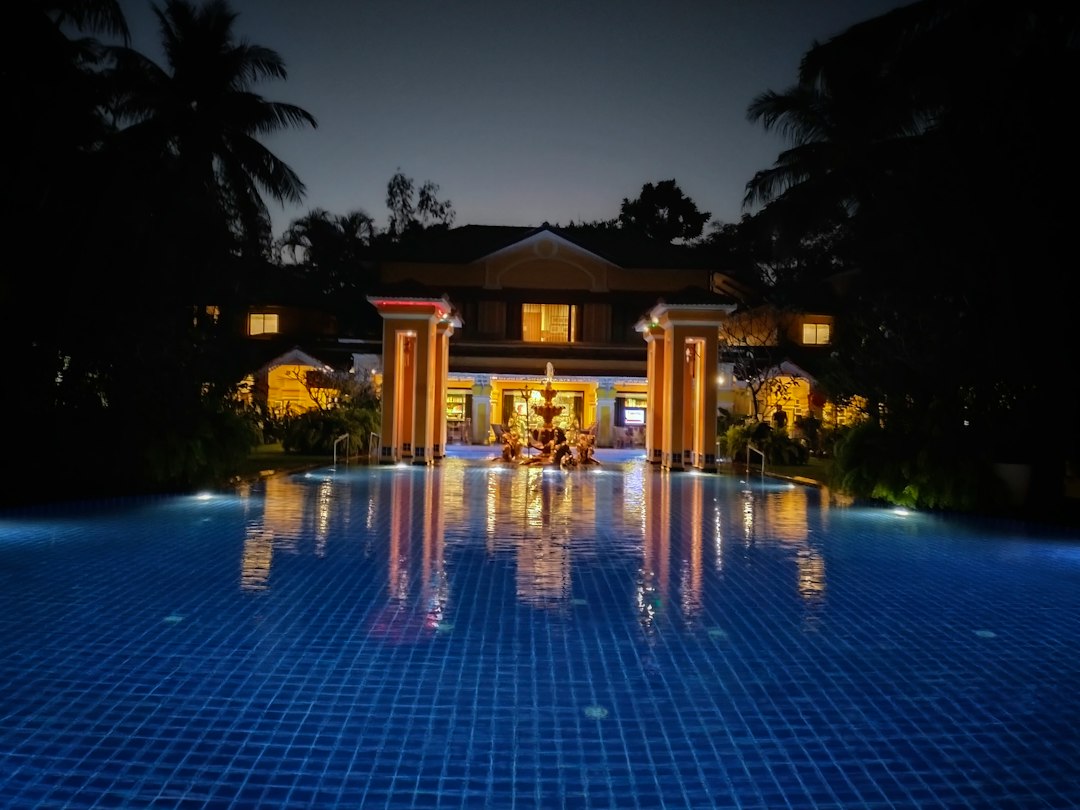
MAYFAIR Lagoon, Bhubaneswar
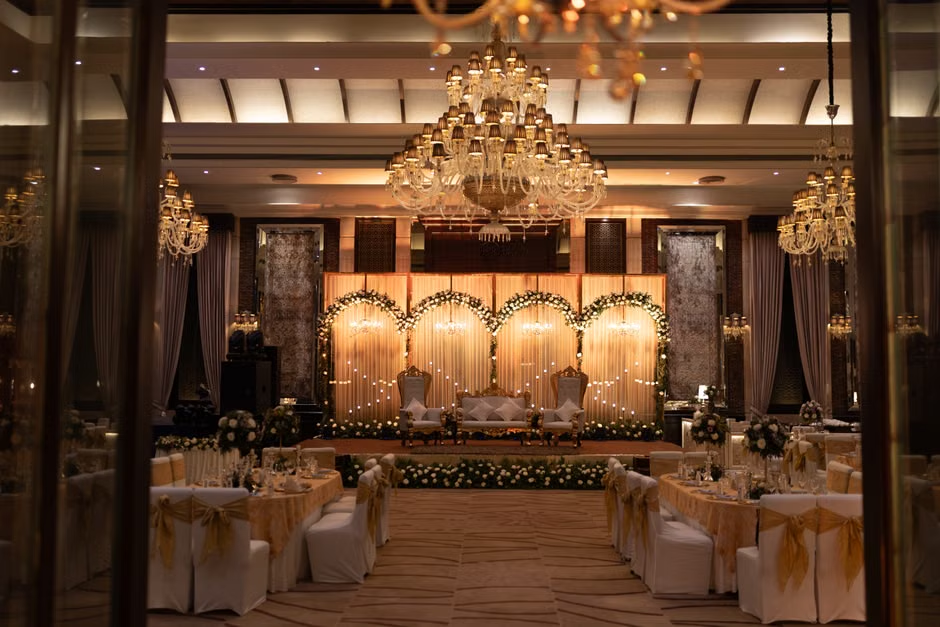
Trident, Bhubaneswar
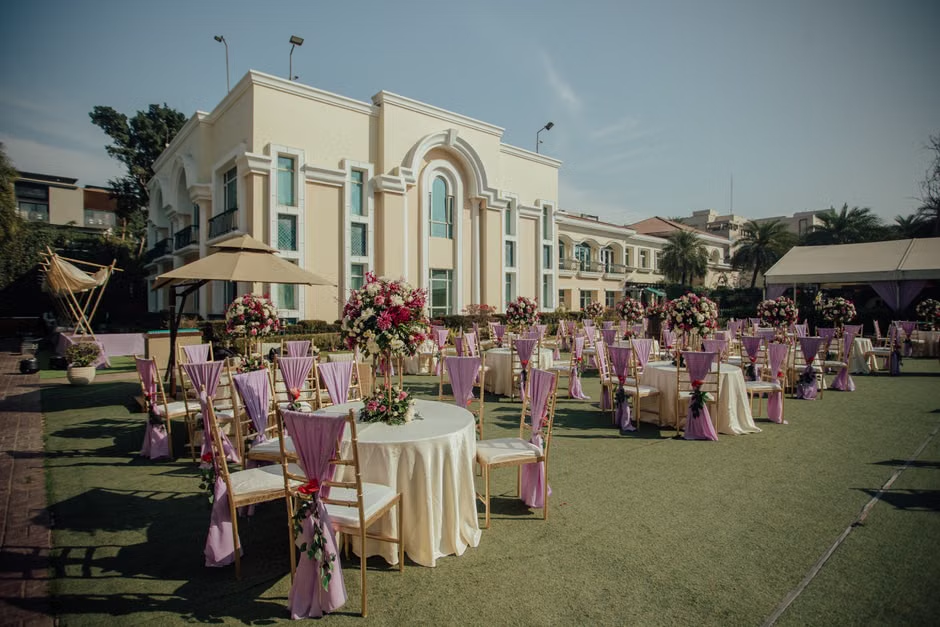
Lemon Tree Hotel Bhubaneswar
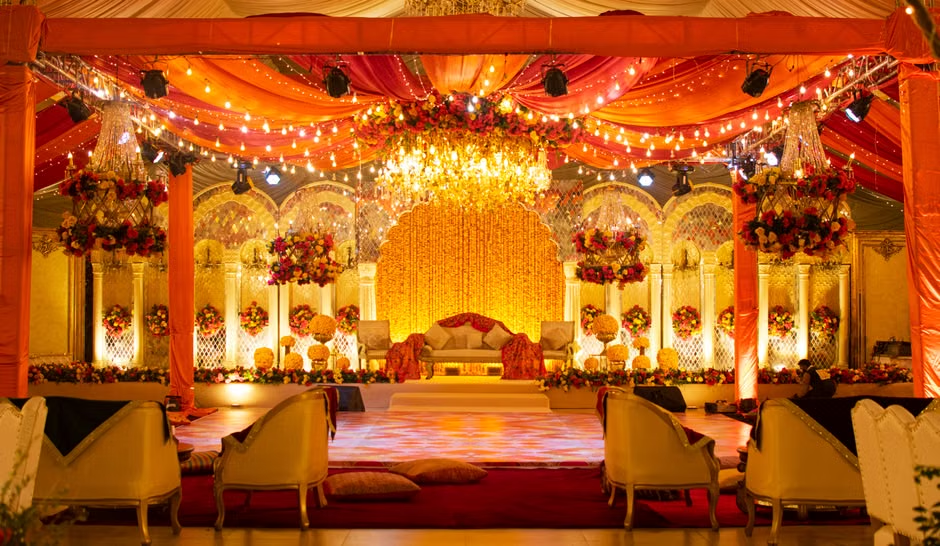
Swosti Grand
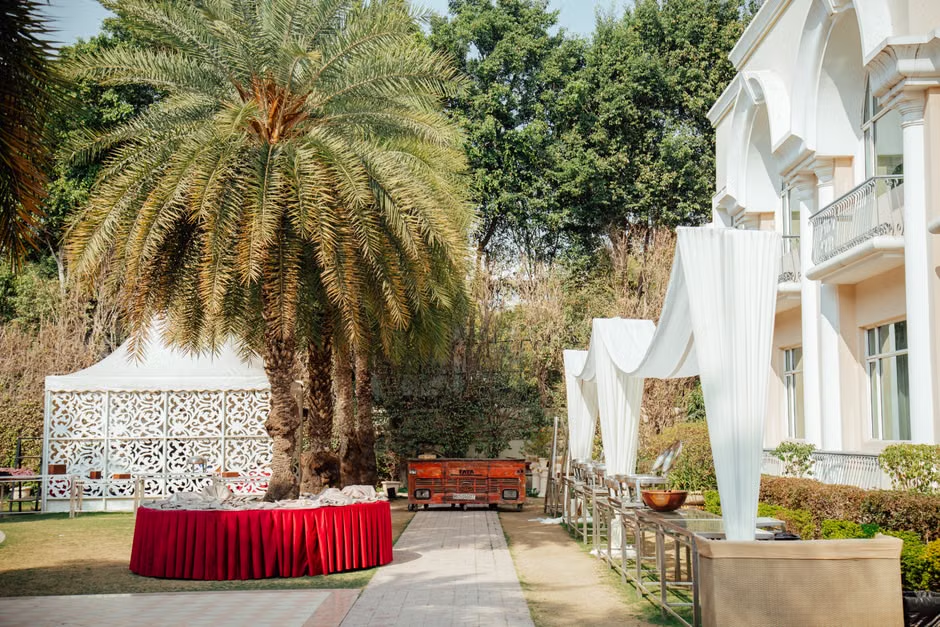
Cozzet Victoria
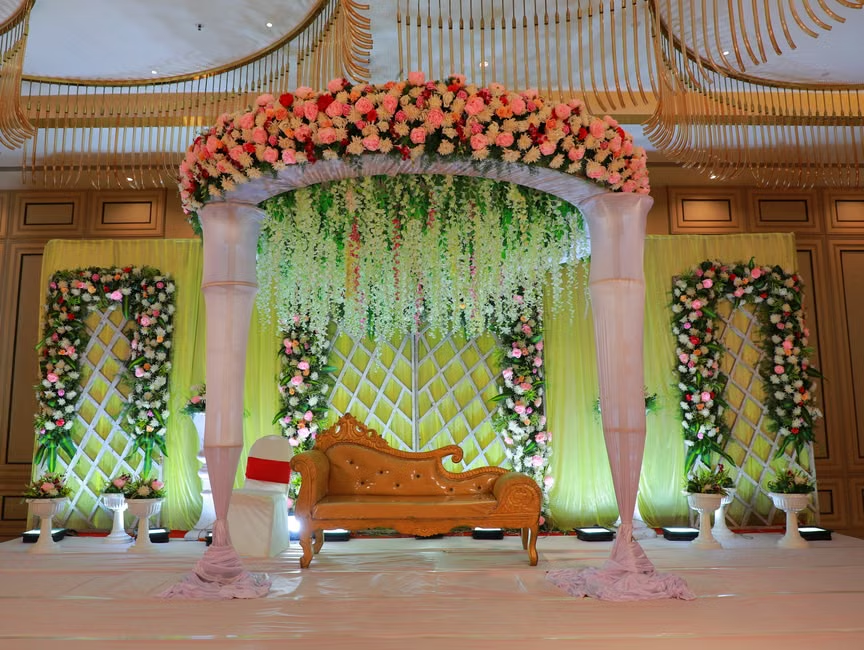
MAYFAIR Convention, Bhubaneswar

Fortune Park Sishmo, Bhubaneswar - Member ITC Hotels' Group
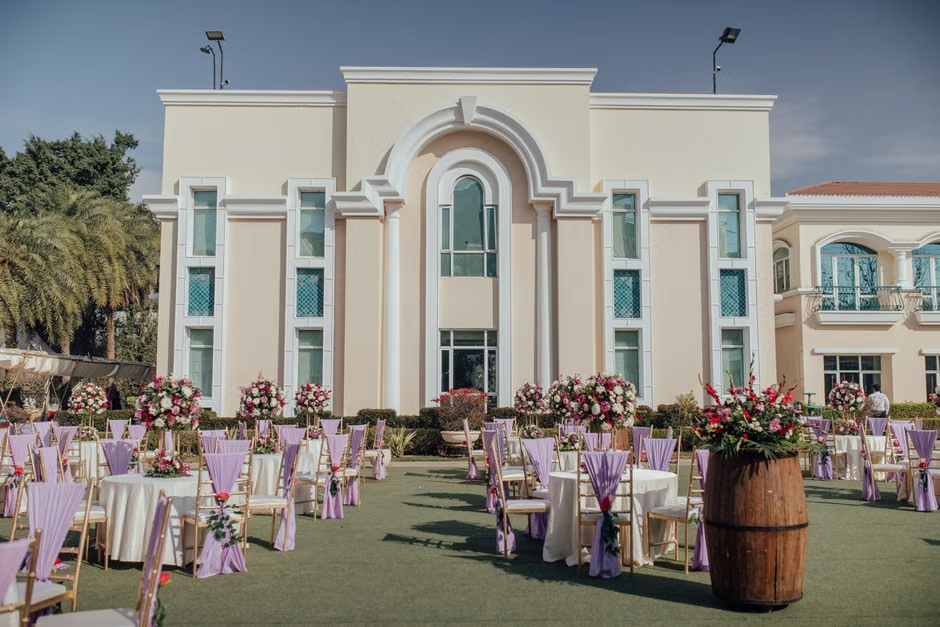
Lemon Tree Premier, Bhubaneswar
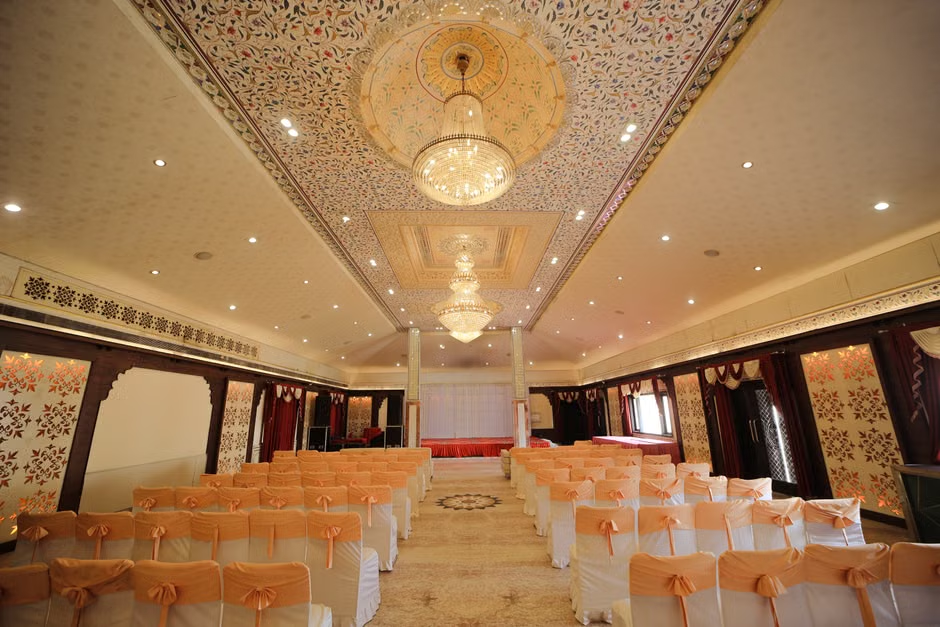
Empires Hotel Bhubaneswar
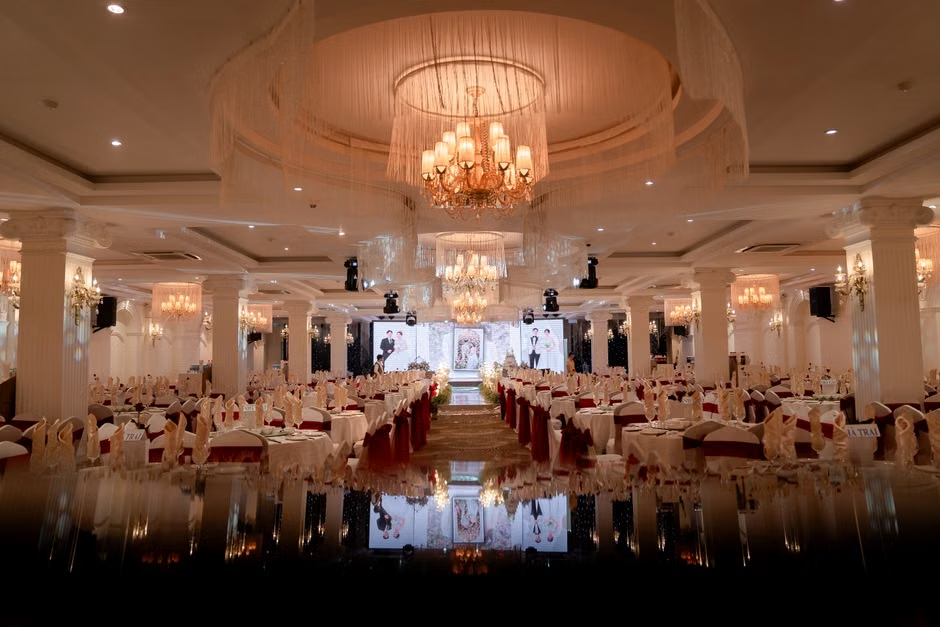
RAILVIEW INN
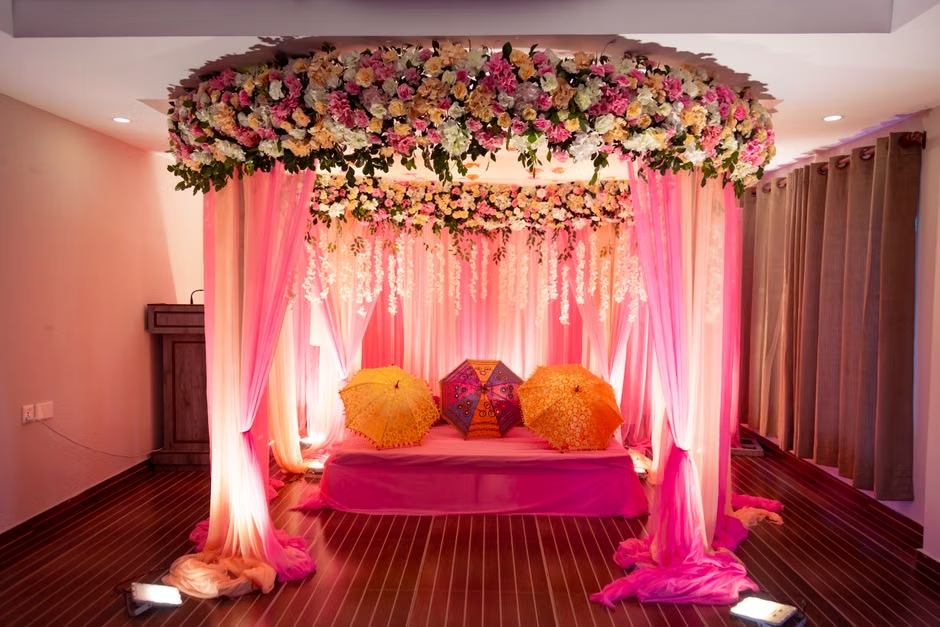
Ginger Bhubaneshwar
Compare Bhubaneswar with Other Top Destinations
Frequently Asked Questions
Is Bhubaneswar a good destination for an Odia cultural gathering or Raja Parba celebration?
Yes — it is arguably the best city in India for this purpose. Bhubaneswar is the cultural and administrative heart of Odisha, with a living ecosystem of folk artists, Odissi performers, traditional caterers, and cultural institutions that make Raja Parba and Odia cultural gatherings feel genuinely authentic rather than staged. Local vendors and event managers are experienced with the specific requirements of these celebrations.
What guest-group sizes can Bhubaneswar venues realistically accommodate?
Bhubaneswar's leading event-capable hotels and convention properties can typically accommodate gatherings of 200 to 600 guests for a single event. For very large events exceeding 600–700 guests requiring simultaneous luxury accommodation, the city's top-tier inventory may require supplementing with mid-range overflow properties. Mid-sized events of 100–400 guests are generally well-served by the existing hotel and banquet infrastructure.
How do guests typically travel to Bhubaneswar for an event?
Most guests arrive via Biju Patnaik International Airport, which has direct flights from Delhi, Mumbai, Kolkata, Bengaluru, Chennai, and Hyderabad. Guests from eastern India often find Bhubaneswar Railway Station — a major stop on the Howrah–Chennai main line — the most convenient option. Both the airport and station are close to the city centre, keeping transfer times short.
What is the best time of year to hold an event in Bhubaneswar?
November through February is the optimal window. Temperatures are cool and dry — typically 14°C to 28°C — making both indoor and outdoor events comfortable. This period avoids the intense heat of March–May and the monsoon disruptions of June–September. October is a transitional month and generally less reliable for outdoor events.
What kinds of venues are available for events in Bhubaneswar?
The city offers upscale resort-style properties with large banquet halls, outdoor lawns, and poolside spaces; mid-tier hotels with dedicated banquet facilities; and purpose-built convention centres for large conferences and cultural festivals. For spiritual or temple-themed events, the city's active temple precincts and associated community spaces provide a more traditional setting suited to smaller gatherings.
Can Bhubaneswar host a temple or spiritual wedding?
Yes. The city's hundreds of active temples, experienced local priests, and deep-rooted Hindu ritual traditions make it well-suited to temple and spiritual weddings. Several hotels also offer outdoor mandap setups that complement a temple-adjacent ceremony. Couples seeking a wedding grounded in Odia or broader Hindu tradition will find the local ecosystem genuinely supportive.
Is Bhubaneswar suitable for a corporate offsite or leadership retreat?
Yes, particularly for organisations seeking a culturally distinctive, non-generic offsite setting. The city's upscale properties offer convention facilities and breakout spaces, while curated cultural experiences — Odissi performances, temple heritage walks, Pattachitra craft workshops — give corporate programmes a memorable character. The city's relative calm compared to larger metros also supports focused, distraction-free retreats.
What local cultural experiences can be incorporated into an event programme in Bhubaneswar?
Bhubaneswar offers a rich menu of authentic cultural programming: Odissi classical dance performances, Chhau and Danda Nacha folk performances, Pattachitra art demonstrations, traditional Odia thali dining experiences, and guided temple heritage walks. These are available through local cultural organisations and experienced event vendors, and add a genuinely distinctive layer to any celebration or corporate programme.
How mature is the local event vendor ecosystem in Bhubaneswar?
The ecosystem is reasonably mature for mid-to-large events with an Odia cultural character. Local caterers, décor vendors, folk performers, and event management companies are experienced with multi-day wedding and corporate event production. For very complex, high-production events, some specialist vendors may be sourced from Kolkata or Hyderabad, both of which are well-connected to Bhubaneswar.
Are there good accommodation options for guests attending a multi-day event in Bhubaneswar?
Yes. The city has a range of upscale and mid-tier hotels concentrated in areas like Jaydev Vihar and Nayapalli, providing accommodation options across different comfort levels for a mixed guest group. For events where all guests need to stay in close proximity, early room-block coordination with the primary venue hotel is advisable, particularly during the peak November–February season.
Is Bhubaneswar a good fit for a local folk festival or fair-style event?
Yes — it is one of the stronger Indian cities for this format. The region's folk traditions, including Danda Nacha, Chhau dance, and Pattachitra storytelling, are living and locally accessible rather than imported. Bhubaneswar's cultural institutions and community networks can help organisers build a folk festival programme that feels authentic and well-rooted in the local tradition.
What should event planners be aware of when planning in Bhubaneswar?
Key considerations include: booking the November–February window early, as this is peak season for both events and tourism; planning for indoor contingencies if any outdoor elements are involved; coordinating accommodation blocks early for large guest groups; and recognising that for very large or highly complex productions, some specialist vendors may need to be brought in from outside the city. International guest travel requires a connecting flight through a major Indian hub.

Ready to explore venues in Bhubaneswar?
Bhubaneswar: Temple Weddings, Cultural Festivals & Event Venues in Odisha
◆Bhubaneswar is best suited to spiritual gatherings, Odia cultural festivals, temple-themed weddings, and corporate offsites that benefit from a heritage-rich, culturally immersive setting. The city's primary vibe is Spiritual & Soulful — shaped by hundreds of ancient Kalinga-style temples, living folk traditions, and a deeply Odia cultural identity. The ideal season for events is November through February, when the weather is cool and dry. Biju Patnaik International Airport and Bhubaneswar Railway Station both sit close to the city centre, making guest travel straightforward from most major Indian cities. The hospitality sector spans upscale resort properties to reliable mid-range hotels with convention and banquet facilities.
Bhubaneswar at a Glance
| Attribute | Detail |
|---|---|
| Best For | Raja Parba / Odia Cultural Gathering, Cultural Festival Gathering, Temple Festival, Local Folk Festival / Fair |
| Primary Vibe | Spiritual & Soulful |
| Other Vibes | Heritage & Cultural, Community & Traditional |
| Best Season | Winter (November–February) |
Why Choose Bhubaneswar?
- Unmatched temple heritage: The city is home to over 700 temples, including the iconic Lingaraj, Mukteshwar, and Rajarani temples — providing a genuinely sacred and visually distinctive backdrop for spiritual ceremonies and temple festivals that very few Indian cities can offer.
- Authentic Odia cultural identity: Bhubaneswar is the heartland of Odia traditions — Raja Parba, Rath Yatra preparations, Odissi dance, Pattachitra art, and local folk performances are all organically available here, not imported or staged for tourists.
- Strong rail and air connectivity: Biju Patnaik International Airport handles direct flights from Delhi, Mumbai, Kolkata, Bengaluru, Chennai, and Hyderabad. Bhubaneswar Railway Station is a major stop on the Howrah–Chennai main line, making it accessible for guests travelling from across eastern, southern, and central India.
- Compact, navigable city layout: The airport, railway station, major hotels, and key cultural sites are all within a relatively short distance of each other, reducing internal logistics complexity for large guest groups.
- Maturing hospitality and vendor ecosystem: The city has a growing base of event-capable hotels with banquet halls, convention centres, and outdoor lawns, supported by experienced local caterers specialising in Odia cuisine and décor vendors familiar with both traditional and contemporary event aesthetics.
- Proximity to complementary destinations: Puri (approximately 60 km away) and Konark (approximately 65 km away) allow event planners to build multi-day itineraries combining Bhubaneswar's urban event infrastructure with coastal and heritage excursions.
Which Celebrations Work Best in Bhubaneswar?
Raja Parba / Odia Cultural Gathering: Raja Parba — Odisha's celebrated three-day festival honouring womanhood and the earth — is most authentically experienced and organised in Bhubaneswar. The city's cultural institutions, folk artists, and community networks make it the natural home for large Odia cultural gatherings, whether tied to the festival calendar or organised independently.
Cultural Festival Gathering: Bhubaneswar's calendar of classical music, Odissi dance, and craft exhibitions — including events like the Bhubaneswar Mahotsav — provides a ready infrastructure and audience for curated cultural festival gatherings. Organisers benefit from a local pool of trained performers and artisans.
Temple Festival: With hundreds of active temples and a living tradition of temple rituals, Bhubaneswar is one of India's most suitable cities for temple-centred festival events. Celebrations tied to Shivaratri, Kartik Purnima, and other Hindu observances draw large congregations and can be meaningfully incorporated into event programming.
Local Folk Festival / Fair: The region's folk traditions — including Danda Nacha, Chhau dance, and Pattachitra storytelling — are well-preserved and accessible through local cultural organisations. Bhubaneswar provides a credible, non-tokenistic setting for folk festival events that draw on these living traditions.
Spiritual / Pilgrimage Gathering: As a city of temples and a gateway to the Char Dham of Odisha (Puri's Jagannath Temple being the most prominent), Bhubaneswar naturally suits spiritual retreats, pilgrimage group gatherings, and faith-based family events. The city's sacred atmosphere is ambient rather than manufactured.
Corporate Offsite / Leadership Retreat / Team-Building Retreat: Bhubaneswar's upscale resort properties offer convention facilities, breakout spaces, and curated cultural experiences — Odissi performances, temple walks, craft workshops — that give corporate offsites a distinctive, non-generic character. The city's relative calm compared to larger metros also supports focused, distraction-free retreats.
Temple / Spiritual Wedding: Couples seeking a wedding grounded in Hindu ritual and temple tradition will find Bhubaneswar's active temple ecosystem and experienced local priests well-suited to traditional Odia or pan-Hindu ceremonies. Several hotels also offer outdoor lawns and mandap setups that complement a temple-adjacent celebration.
Destination Wedding / Religious Family Function / Naming Ceremony / Mehendi & Sangeet / Family Reunion / Engagement Ceremony: While Bhubaneswar is not primarily a leisure-resort wedding destination in the way that Goa or Udaipur are, it serves families with Odia roots — or those seeking a culturally immersive, spiritually grounded celebration — very well. The city's hotel banquet infrastructure can accommodate mid-to-large wedding functions, and local vendors are experienced with multi-day wedding programming.
Venues & Event Spaces
Bhubaneswar's event venue landscape is anchored by a set of upscale resort-style properties that combine accommodation with substantial banquet and convention facilities — including large indoor halls, outdoor lawns, and poolside spaces capable of hosting several hundred guests. These properties are the primary choice for destination weddings, corporate offsites, and large cultural gatherings.
Beyond the leading hotels, the city has a range of mid-tier properties with dedicated banquet halls suited to family functions, engagement ceremonies, and smaller corporate events. Several of these are centrally located, reducing transport requirements for guests staying across different parts of the city.
For temple-centred events and spiritual gatherings, the city's temple precincts and associated dharamshalas (pilgrim rest houses) provide a more traditional setting, though these are typically suited to smaller, community-scale events rather than large-format productions.
Convention and exhibition infrastructure has grown in Bhubaneswar in recent years, with purpose-built facilities capable of hosting large conferences, trade events, and cultural festivals. This makes the city increasingly viable for large-scale corporate and institutional gatherings that require dedicated convention space separate from hotel ballrooms.
Best Time to Celebrate
The November to February window is the clear optimal period for events in Bhubaneswar. Temperatures during these months typically range from around 14°C at night to 28°C during the day — comfortable for both indoor and outdoor programming, including evening functions on hotel lawns or open-air mandaps. Rainfall is minimal, humidity is manageable, and the overall conditions are conducive to multi-day celebrations without weather-related disruption.
This period also coincides with several of Odisha's major cultural and religious events, which can enrich the experience for guests attending cultural gatherings or spiritual celebrations.
March through May sees temperatures climb sharply, regularly exceeding 38°C by April and May. Outdoor events become uncomfortable and logistically challenging, and the heat can affect guest experience significantly — particularly for elderly guests or those travelling from cooler climates.
June through September is the monsoon season. Bhubaneswar receives substantial rainfall during this period, and Odisha is periodically affected by cyclonic weather systems that can cause disruption to travel and outdoor infrastructure. Outdoor events are generally not advisable, and even indoor events may face logistical complications from flooding or transport disruption.
October is a transitional month — rainfall tapers off but humidity remains elevated, and temperatures are still warm. It is not an ideal event month, though late October can be acceptable for indoor-only events as conditions begin to improve.
Getting There & Local Connectivity
Bhubaneswar is well-served by Biju Patnaik International Airport, which sits very close to the city centre — one of the shortest airport-to-city distances among Indian state capitals. Direct flights connect Bhubaneswar to Delhi, Mumbai, Kolkata, Bengaluru, Chennai, Hyderabad, and several other cities, making it accessible for guests travelling from most parts of India without a connecting flight.
Bhubaneswar Railway Station is a major junction on the Howrah–Chennai main line — one of India's busiest rail corridors — and is served by numerous express and superfast trains connecting it to Kolkata, Chennai, Delhi, Mumbai, Visakhapatnam, and other major cities. For guests from eastern India in particular, rail travel to Bhubaneswar is often the most convenient option.
Within the city, auto-rickshaws, app-based cab services, and hotel-arranged transport are the primary modes of local movement. For large guest groups, coordinated coach or minibus transfers between the airport/station and event venues are straightforward to arrange through local operators. The city's relatively compact layout means that most major hotels, temples, and event venues are within a manageable distance of each other.
Local Vendor & Hospitality Ecosystem
Bhubaneswar has a reasonably mature local vendor ecosystem for events, particularly for celebrations with an Odia cultural character. Local caterers are experienced with traditional Odia cuisine — including elaborate thali spreads, pitha (rice-based sweets), and festival-specific dishes — as well as broader North and South Indian menus for mixed guest groups.
Décor vendors in the city are familiar with both traditional Odia aesthetics (incorporating Pattachitra motifs, terracotta elements, and floral arrangements typical of Odia celebrations) and contemporary event design. For large-format events, some planners supplement local vendors with specialists brought in from Kolkata or Hyderabad, which are both well-connected to Bhubaneswar.
Folk and classical performance artists — Odissi dancers, Chhau performers, Danda Nacha troupes, and traditional musicians — are available locally and add a genuinely distinctive cultural layer to events that is difficult to replicate elsewhere. Event management companies operating in Bhubaneswar have grown in number and capability over the past decade, and several are experienced with multi-day wedding and corporate event production.
Hospitality standards at the city's leading properties are generally consistent with expectations for upscale events, with trained banquet and catering teams. For very large events (500+ guests), early coordination with venue and vendor teams is advisable, as the city's top-tier capacity is more limited than in larger metros.
Pros & Things to Consider
Why Bhubaneswar Works Well
- Genuinely unique cultural and spiritual setting — the temple heritage and Odia folk traditions are living, not staged
- Strong rail and air connectivity from most major Indian cities, with the airport and station both close to the city centre
- Experienced local vendors for Odia cuisine, traditional décor, and folk/classical performances
- Compact city layout reduces internal logistics complexity for guest groups
- Growing convention and banquet infrastructure capable of supporting mid-to-large events
- Proximity to Puri and Konark enables multi-day itineraries with coastal and heritage extensions
Things to Consider
- The city is not a leisure-resort destination in the conventional sense — guests expecting a beach, hill station, or palace-hotel aesthetic will find Bhubaneswar's character quite different
- Very large events (600+ guests requiring simultaneous accommodation) may stretch the city's top-tier hotel inventory, requiring overflow accommodation at mid-tier properties
- International guest connectivity is limited — most international travellers will need to connect through a major hub (Delhi, Mumbai, or Kolkata), which adds journey time
- The summer and monsoon seasons (March–September) are genuinely unsuitable for outdoor events and can complicate even indoor event logistics
- The local event management industry, while growing, is smaller than in Tier-1 metros — for very complex, high-production events, some specialist vendors may need to be sourced from outside the city
When Bhubaneswar May Not Be the Right Fit
- Outdoor-heavy events planned outside November–February: The monsoon (June–September) and pre-summer heat (March–May) make outdoor celebrations genuinely risky — if your event concept depends on open-air spaces, the timing window is narrow.
- Guests primarily travelling from international origins: Bhubaneswar lacks direct international flights, meaning overseas guests face a connecting journey through a major Indian hub, which adds travel time and complexity compared to cities with direct international connectivity.
- Very large-scale events (700+ guests) requiring luxury accommodation for all attendees: The city's upscale hotel inventory, while solid, is not as extensive as in larger metros — events requiring luxury rooms for a very large guest count may face accommodation constraints.
- Couples or planners seeking a primarily scenic, leisure-resort, or beach-destination wedding aesthetic: Bhubaneswar's strengths are cultural, spiritual, and heritage-oriented — if the primary draw is a lakeside, beachfront, or palace-resort setting, other destinations are likely a stronger fit.