
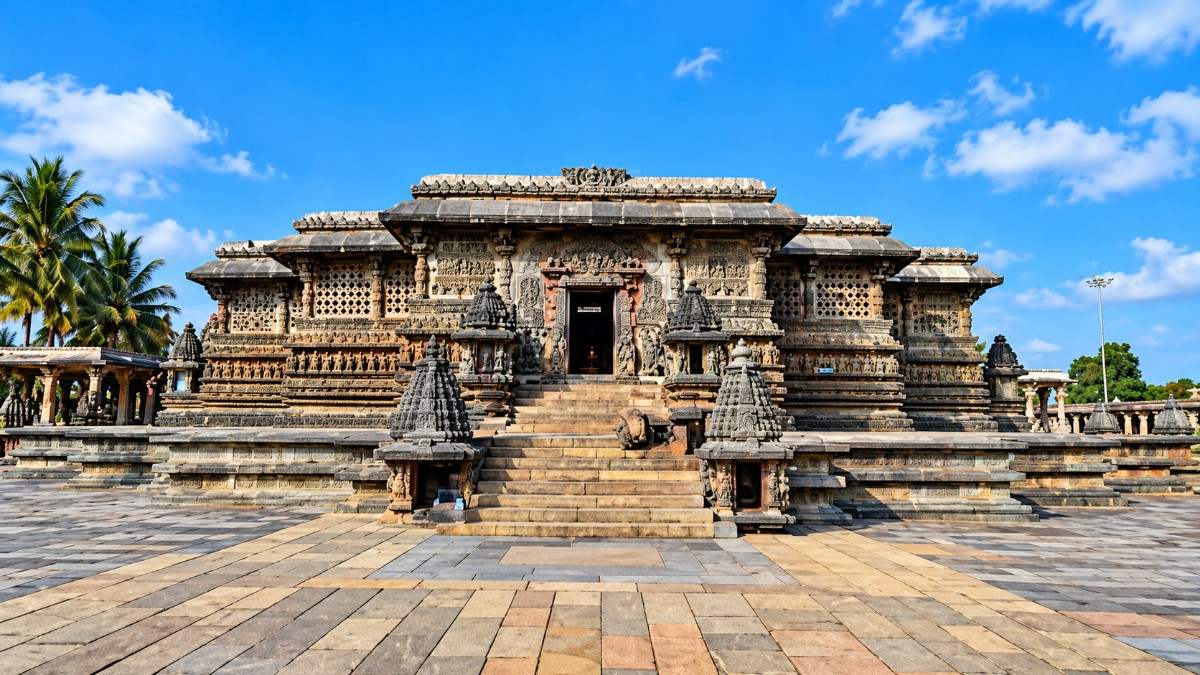
Why Belur is Perfect for Your Celebration
- Home to the UNESCO-tentative Chennakeshava Temple — one of India's finest Hoysala monuments, providing an unmatched heritage backdrop
- Deeply rooted Karnataka cultural identity makes it ideal for Ugadi celebrations, temple festivals, and regional cultural gatherings
- Intimate scale of the town suits smaller, meaningful celebrations rather than mass-scale events — privacy and authenticity are natural strengths
- Cool, dry winters (November–February) create comfortable outdoor conditions for temple-side ceremonies and open-air receptions
- Proximity to Halebidu and Shravanabelagola adds a broader heritage circuit for guests, enriching the overall destination experience
- Relatively undiscovered as an event destination, offering exclusivity and a genuinely local Karnataka hospitality character

Top Venues in Belur
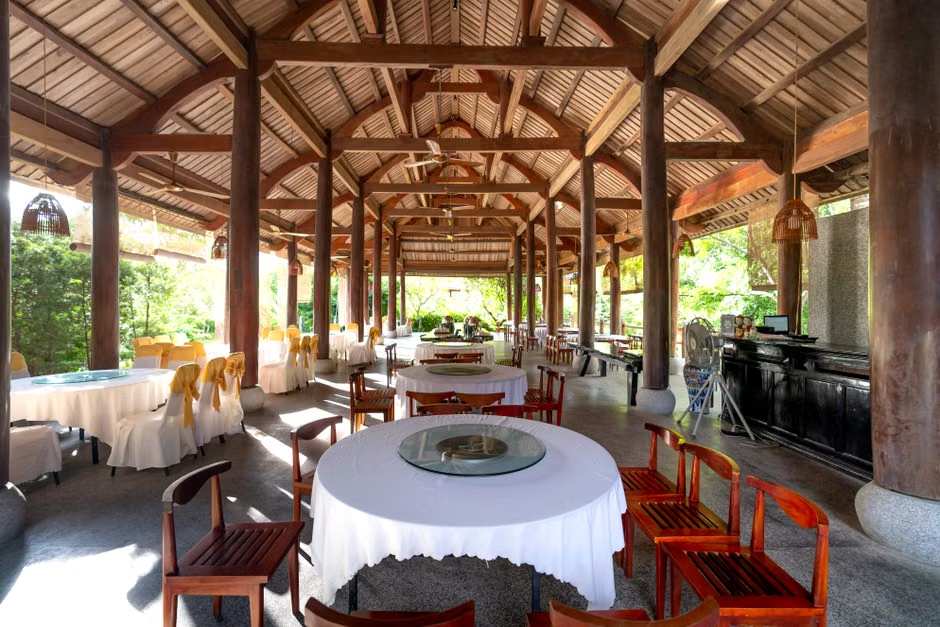
Hoysala Village Resort
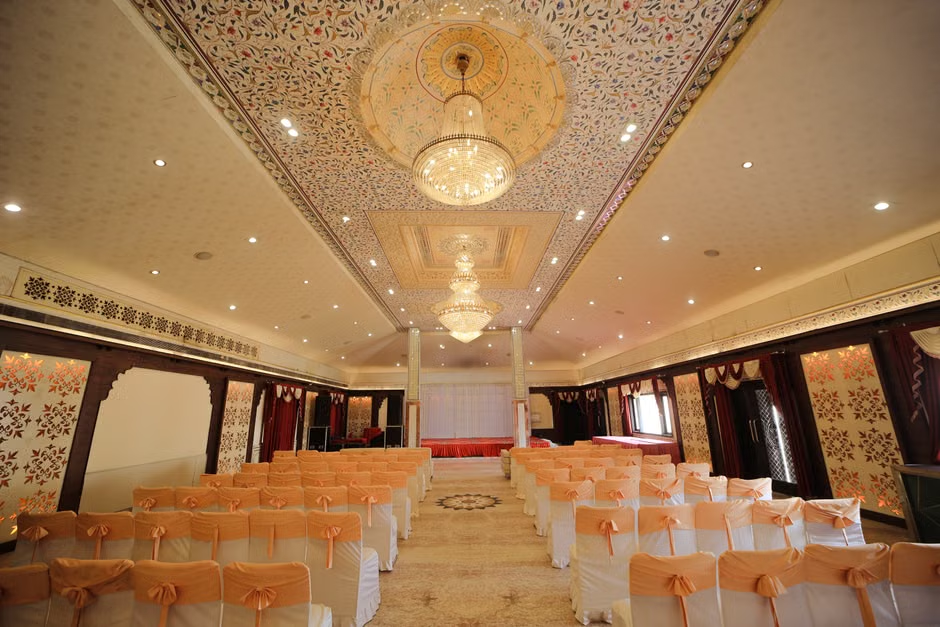
Hotel Mayura Velapuri (KSTDC)
Compare Belur with Other Top Destinations
Frequently Asked Questions
Is Belur a good destination for a heritage or temple-themed wedding?
Yes. Belur is particularly well-suited for heritage and temple-themed weddings. The Chennakeshava Temple's extraordinary Hoysala stone architecture provides a ceremonial backdrop of genuine historical significance. Couples seeking a wedding rooted in Karnataka's cultural and architectural legacy — rather than a generic resort setting — will find Belur a compelling and distinctive choice, especially for smaller, intimate guest lists.
What is the best time of year to hold a celebration in Belur?
November through February is the strongly recommended window. These winter months bring cool, dry conditions — typically 20°C to 28°C — that are comfortable for outdoor ceremonies, temple-side rituals, and open-air receptions. The monsoon (June–September) brings heavy rainfall that disrupts outdoor events, and the pre-summer months (March–May) see rising heat and humidity that can be uncomfortable for guests.
How do guests typically travel to Belur for a destination event?
Most guests travel by road from Bengaluru (approximately 220 km, around 4–5 hours) or Mysuru (approximately 150 km). The nearest major airport is Mangaluru International Airport, several hours away by road, so guests flying in typically route through Bengaluru's Kempegowda International Airport and travel onward by road or rail. Hassan Railway Station, about 37 km from Belur, offers a rail option with onward road transfer.
What size of guest list can Belur realistically accommodate for a destination event?
Belur is best suited to intimate to mid-sized gatherings — typically up to 150–200 guests can be comfortably managed within the town itself. For larger groups, accommodation and event space in nearby Hassan town (approximately 37 km away) can supplement local capacity, though this requires organised group transfers and advance coordination with local hospitality providers.
Is Belur appropriate for an Ugadi celebration or Karnataka cultural gathering?
Yes, and it is among the most fitting locations in Karnataka for exactly this purpose. Belur's living temple culture, strong local Karnataka identity, and heritage surroundings give Ugadi gatherings and Karnataka cultural events an authenticity that urban or resort venues rarely achieve. Local caterers are well-versed in traditional Karnataka festive menus, and folk performance traditions from the region can be incorporated naturally.
What kinds of event spaces and venues are available in and around Belur?
Belur and the broader Hassan district offer heritage-style properties, government tourism resorts, and mid-scale independent resorts with open lawns and banquet halls. Spaces tend to be intimate in character, drawing on the Hoysala architectural aesthetic — stone courtyards, garden settings — rather than large commercial ballrooms. For events requiring more capacity, properties in Hassan town provide additional options within a short drive.
Can local vendors in Belur handle traditional Karnataka wedding catering and folk performances?
Yes, for traditional Karnataka requirements. Local caterers are experienced with Karnataka cuisine — including Udupi-style vegetarian traditions and regional non-vegetarian preparations — and folk performance bookings (including Yakshagana and local folk traditions) are feasible through regional contacts. For highly specialised luxury production or international cuisine, vendors may need to be sourced from Bengaluru and factored into logistics planning.
Is Belur suitable for a temple festival celebration or religious family function?
Yes. Belur's Chennakeshava Temple is an active place of worship with its own festival calendar, and the town's religious and cultural infrastructure makes it genuinely appropriate for temple festival celebrations and religious family functions. The spiritual atmosphere of the town adds meaning to such events in a way that purpose-built event venues cannot replicate.
What should event planners know about accommodation logistics for a large guest group in Belur?
Accommodation capacity within Belur town itself is limited. For groups above roughly 100–150 guests, planners should expect to distribute guests across properties in both Belur and nearby Hassan town. This makes a dedicated shuttle or vehicle fleet essential. Early booking is strongly advisable, particularly for the peak winter season (November–February), when demand from heritage tourism also competes for available rooms.
Are there meaningful experiences for guests beyond the main event in Belur?
Yes. Belur sits within a rich heritage circuit — Halebidu (another major Hoysala temple site, approximately 16 km away) and Shravanabelagola (a significant Jain pilgrimage site) are both within comfortable day-trip distance. These sites give travelling guests a genuinely enriching cultural itinerary, which is a meaningful draw for families and culturally curious guests attending a multi-day destination celebration.
What makes Belur different from other Karnataka destination wedding locations?
Belur's defining difference is its Hoysala heritage identity — the Chennakeshava Temple and surrounding cultural landscape are specific to this region and cannot be replicated elsewhere. It is also relatively undiscovered as an event destination, which means celebrations here carry genuine originality. The trade-off is a more limited hospitality infrastructure compared to larger Karnataka cities, making it best suited to couples who prioritise authenticity and intimacy over scale.

Ready to explore venues in Belur?
Belur: Heritage Temple Weddings, Cultural Festivals & Destination Events
◆Belur is a small but historically significant temple town in Hassan District, Karnataka, best suited for heritage weddings, Ugadi and Karnataka cultural gatherings, temple festivals, and intimate destination celebrations. Its primary strength is the extraordinary Hoysala architectural legacy — centred on the Chennakeshava Temple — which provides a genuinely rare ceremonial backdrop. The town is modest in scale, meaning it suits smaller, meaningful events rather than large-scale banquets. Accessibility requires planning, as the nearest major airport is several hours away, but the winter months (November–February) offer reliably comfortable conditions. Hospitality infrastructure is limited but growing, with a character that is authentically local rather than resort-commercial.
Belur at a Glance
| Attribute | Detail |
|---|---|
| Best For | Ugadi / Karnataka Cultural Gathering, Palace / Heritage Wedding, Cultural Festival Gathering, Destination Wedding |
| Primary Vibe | Royal & Heritage |
| Other Vibes | Spiritual, Intimate, Cultural, Serene |
| Best Season | Winter (November–February) |
Why Choose Belur?
- Unmatched Hoysala heritage backdrop: The Chennakeshava Temple, with its extraordinarily detailed stone carvings and sacred courtyard, provides a ceremonial setting that no purpose-built banquet hall can replicate — particularly powerful for heritage weddings and cultural gatherings rooted in Karnataka tradition.
- Authentic Karnataka cultural identity: Belur is not a generic tourist resort town — it carries a living cultural and religious identity that makes celebrations like Ugadi, temple festivals, and Karnataka folk gatherings feel genuinely rooted rather than staged.
- Intimacy and exclusivity by nature: The town's modest scale naturally limits event sizes, which works strongly in favour of couples and families seeking a private, meaningful celebration rather than a large commercial event.
- Heritage circuit for guests: Proximity to Halebidu (another major Hoysala site, approximately 16 km away) and Shravanabelagola (a significant Jain pilgrimage site) gives guests a rich cultural itinerary beyond the event itself — a genuine draw for culturally curious families.
- Comfortable winter climate: November through February brings cool, dry conditions that are well-suited to outdoor ceremonies, temple-side rituals, and open-air receptions — a meaningful advantage for events with traditional outdoor components.
- Relatively undiscovered as an event destination: Belur has not yet been heavily commercialised for weddings and events, which means celebrations here carry a sense of discovery and originality that more saturated destinations cannot offer.
Which Celebrations Work Best in Belur?
- Ugadi / Karnataka Cultural Gathering: Belur's deep Karnataka cultural roots make it one of the most fitting places in the state to mark Ugadi — the Kannada and Telugu New Year. The temple town atmosphere, local traditions, and community character lend these gatherings an authenticity that urban venues rarely achieve.
- Palace / Heritage Wedding: While Belur does not have a palace in the Rajasthani sense, its Hoysala temple complex and heritage-character properties provide a genuinely royal and ancient backdrop for couples seeking a wedding steeped in South Indian architectural grandeur and historical significance.
- Cultural Festival Gathering: The town's identity as a living heritage site — with active temple rituals, classical music and dance traditions associated with the Hoysala period, and a strong local arts culture — makes it a natural host for cultural festival gatherings that want substance beyond décor.
- Destination Wedding: For couples who want a destination wedding that feels meaningfully different — rooted in Karnataka's history rather than a generic resort setting — Belur offers a compelling alternative. The intimate scale suits smaller guest lists, and the heritage surroundings create naturally photogenic, memorable moments.
- Temple Festival: Belur's Chennakeshava Temple hosts its own annual festival (Hoysala Mahotsava) and is an active place of worship — making it one of the most appropriate locations in Karnataka for families wishing to organise or participate in a temple festival celebration with genuine religious and cultural depth.
- Local Folk Festival / Fair: The region around Belur and Hassan District has a living tradition of local folk performances, Yakshagana theatre, and rural fair culture. Incorporating these elements into a gathering here is natural and logistically feasible in a way that would feel forced in a larger city.
Venues & Event Spaces
Belur's event venue landscape is characterised by heritage-style properties, government-run tourism resorts, and mid-scale independent resorts in the broader Hassan district area. Guests and planners should expect intimate banquet halls, open lawns suited to smaller gatherings, and outdoor spaces that draw their character from the surrounding temple-town environment rather than purpose-built luxury infrastructure. The most distinctive event spaces in and around Belur lean into the Hoysala architectural aesthetic — stone courtyards, garden settings, and heritage-style architecture — rather than the grand ballroom format common in larger cities. For larger guest lists, properties in the nearby Hassan town area (approximately 37 km away) can supplement local accommodation and event space. Outdoor lawns are particularly well-suited to winter-season events, while covered halls provide a practical option during the shoulder months. Planners should note that Belur itself has a limited number of dedicated event venues, and early coordination with local hospitality providers is advisable for any gathering above 150 guests.
Best Time to Celebrate
The curated best season for Belur is Winter: November through February, and this recommendation is well-grounded in the local climate and event logistics.
During these months, daytime temperatures typically range from around 20°C to 28°C, with cool evenings that make outdoor ceremonies, temple-side rituals, and open-air receptions genuinely comfortable for guests of all ages. Rainfall is minimal, skies are generally clear, and the surrounding landscape — including the temple gardens — is at its most photogenic. For events with traditional outdoor components (mandap ceremonies, folk performances, processions), this season is strongly preferred.
The months of March through May see temperatures rising steadily, often exceeding 33°C by April and May. While not extreme by the standards of North India, the heat and humidity in this part of Karnataka can make prolonged outdoor gatherings uncomfortable, particularly for elderly guests or those travelling from cooler climates.
The Southwest Monsoon (June through September) brings heavy and often sustained rainfall to this region of Karnataka, which sits in a moderately high-rainfall zone. Outdoor events are significantly disrupted, and road access to Belur — which relies on state highways through hilly terrain — can be affected by waterlogging and landslides in severe years. This period is generally not recommended for destination events.
October represents a transitional month as the retreating monsoon brings intermittent showers — conditions are improving but not yet reliably dry, making it a shoulder month rather than a recommended window for outdoor-heavy celebrations.
Getting There & Local Connectivity
Belur is accessible primarily by road and, to a lesser extent, by rail via the nearby Hassan railway station. The town sits within Karnataka's Hassan District, and the most common approach for guests travelling from major cities is by road from Bengaluru (approximately 220 km, typically a 4–5 hour drive depending on traffic and route conditions) or from Mysuru (approximately 150 km).
The nearest major airport with meaningful connectivity is Mangaluru International Airport, which is several hours away by road. Guests flying in from other parts of India will typically route through Bengaluru's Kempegowda International Airport and then travel onward by road or rail. This multi-leg journey is a genuine logistical consideration for event planners managing large guest groups, particularly those travelling from outside Karnataka.
Hassan Railway Station provides a more convenient rail option for guests coming from Bengaluru or Mysuru, with onward road transfer to Belur. Rail connectivity to Hassan has improved in recent years, though the frequency and speed of services remains moderate rather than high.
Within Belur and the surrounding area, local transport options include hired cars, auto-rickshaws, and organised group transfers. For events with guests staying across multiple properties in the Hassan–Belur corridor, coordinating a dedicated shuttle or vehicle fleet is strongly advisable. The town itself is compact and walkable for guests staying close to the temple area, but inter-property movement for larger groups requires advance planning.
Local Vendor & Hospitality Ecosystem
Belur's vendor ecosystem is genuinely local in character — which is both a strength and a practical consideration. The town and surrounding Hassan district have experienced caterers familiar with traditional Karnataka cuisine, including the Udupi-influenced vegetarian traditions and the richer non-vegetarian preparations of the region. For events centred on Karnataka cultural identity — Ugadi feasts, traditional wedding menus, folk performance bookings — local vendors are well-placed and often more authentic than vendors imported from larger cities.
However, for highly specialised event production requirements — large-scale lighting rigs, luxury décor, international cuisine, or high-end audio-visual setups — planners may need to source vendors from Bengaluru or Mysuru and factor in their travel and logistics costs. The local market is growing but has not yet reached the vendor depth of established event cities.
Hospitality staff at local properties are generally warm and service-oriented, with a strong tradition of Karnataka-style hosting. English proficiency is moderate — adequate for most event coordination needs, but planners should ensure key communication is also handled in Kannada for smoother local coordination. Accommodation capacity in Belur town itself is limited, and for events above 100–150 guests, overflow accommodation in Hassan town is typically necessary.
Pros & Things to Consider
Why Belur Works Well
- Genuinely unique Hoysala heritage setting — no other destination in India offers this specific architectural and cultural backdrop for events
- Strong fit for Karnataka-rooted celebrations: Ugadi, temple festivals, cultural gatherings, and heritage weddings feel naturally at home here
- Intimate scale creates a focused, private atmosphere that larger event cities cannot replicate
- Cool, dry winters provide reliable outdoor event conditions from November through February
- Rich guest experience beyond the event itself — Halebidu, Shravanabelagola, and the broader Hassan heritage circuit add genuine value for travelling guests
- Relatively undiscovered as an event destination, lending celebrations here a sense of originality and exclusivity
Things to Consider
- Limited venue inventory — Belur cannot comfortably support very large guest lists (above 300–400 guests) without significant logistical complexity and overflow to Hassan
- Airport access requires a multi-leg journey for most guests, which adds travel time and coordination complexity compared to destinations with direct air connectivity
- Vendor ecosystem, while authentic, has limited depth for highly specialised or luxury event production requirements — specialist vendors may need to be sourced from Bengaluru
- Accommodation capacity in Belur town itself is modest; larger groups will need to be distributed across Hassan and the surrounding area, requiring organised transfers
- Monsoon season (June–September) effectively rules out outdoor events and can affect road access — seasonal planning is non-negotiable here
When Belur May Not Be the Right Fit
- Very large guest lists: If your event requires seamless accommodation and event space for 400 or more guests in a single location, Belur's current hospitality infrastructure will likely fall short — a larger Karnataka city would be more practical.
- Guests with limited travel flexibility: If a significant portion of your guest list is elderly, has mobility constraints, or is travelling from distant locations with tight schedules, the multi-leg journey to Belur (no direct air access, limited rail frequency) may create genuine hardship.
- Monsoon-season events: Any event planned between June and September that relies on outdoor spaces, processions, or open-air ceremonies faces a high risk of disruption from heavy rainfall — Belur is not a suitable choice for outdoor events in this window.
- Events requiring high-end luxury production at scale: If the vision involves large luxury ballrooms, international-standard AV production, or a deep bench of specialist vendors on-site, Belur's current ecosystem will require significant supplementation from outside the region — a more established event city would be a more efficient base.