
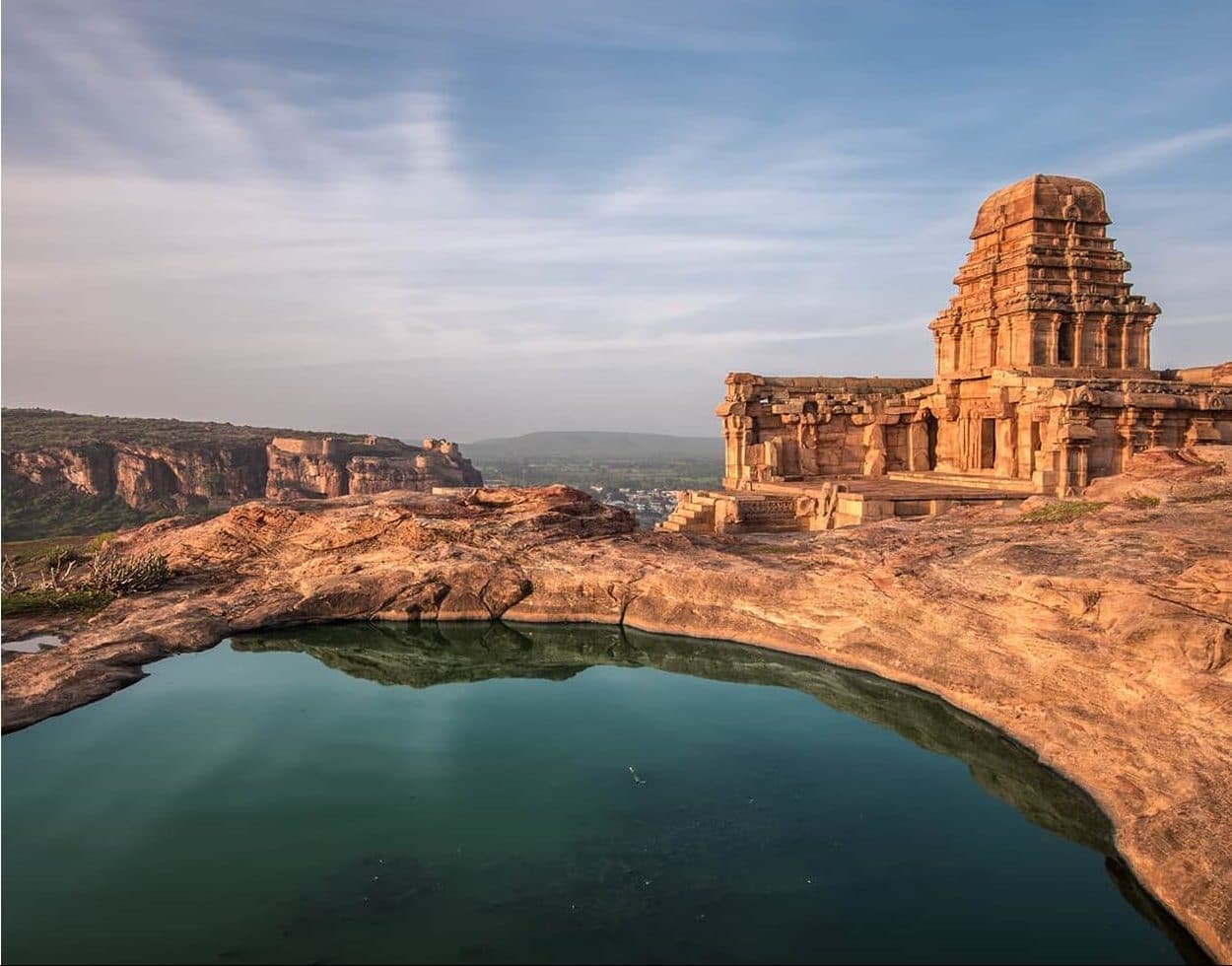
Why Badami is Perfect for Your Celebration
- Dramatic sandstone cave temple backdrop unique to Badami — no other Indian wedding destination offers this specific visual setting
- Agastya Lake provides a serene, photogenic waterfront for pre-wedding shoots and open-air receptions
- Chalukyan heritage architecture creates an authentically historic atmosphere for palace-style and cultural celebrations
- Smaller, exclusive destination means less crowd congestion and a more private, curated event experience
- Winter months (November–February) deliver reliably cool, dry weather — ideal for outdoor ceremonies and evening dinners
- Strong fit for Karnataka cultural gatherings such as Ugadi, where the local heritage context adds genuine ceremonial depth

Top Venues in Badami
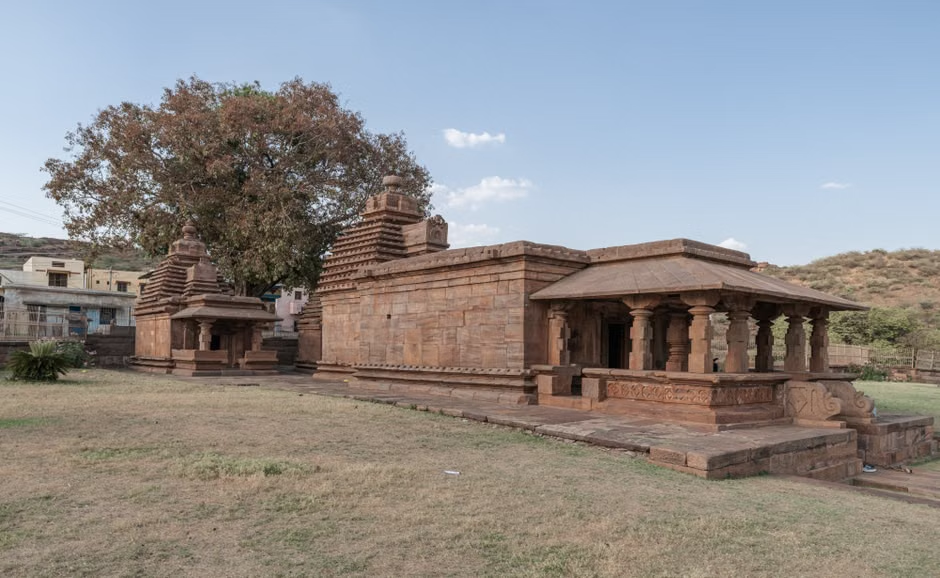
Hotel Badami Court
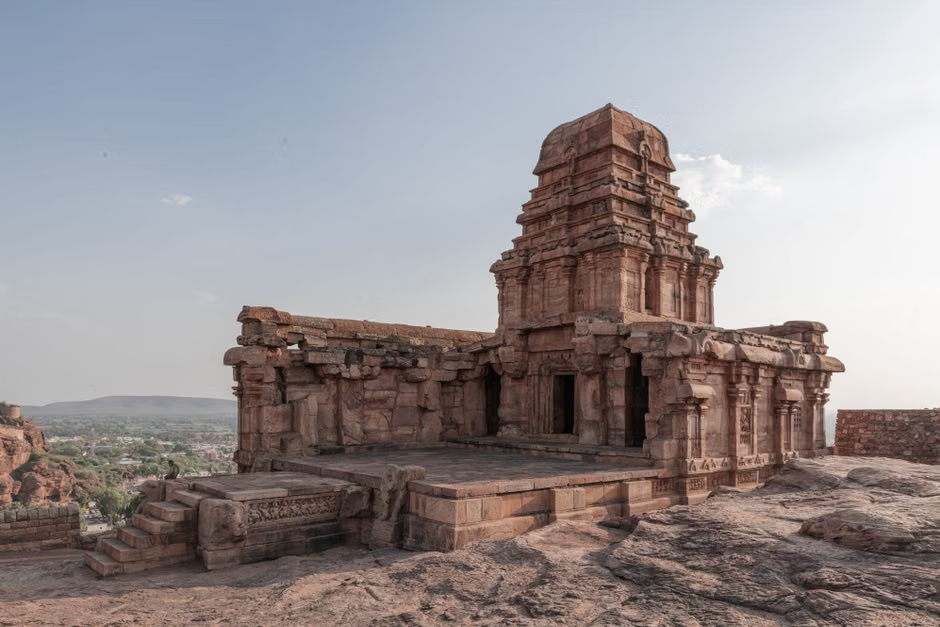
Clarks Inn Badami
Compare Badami with Other Top Destinations
Frequently Asked Questions
Is Badami a good destination for a heritage or palace-style wedding?
Yes. Badami is particularly well-suited to heritage and palace-style weddings. The 6th-century Chalukyan cave temples, sandstone cliffs, and Agastya Lake create a genuinely historic backdrop that is rare in India. Couples seeking an authentically rooted heritage setting — rather than a recreated palace aesthetic — will find Badami's natural and architectural landscape a compelling choice for ceremonies and receptions.
Can Badami host a Ugadi or Karnataka cultural gathering?
Yes, and it is one of the strongest fits for this type of event. As an ancient Karnataka heritage town with active temple culture and deep Chalukyan history, Badami provides a culturally resonant setting for Ugadi celebrations and regional Karnataka gatherings. The local heritage landscape and traditional north Karnataka culinary traditions add genuine ceremonial depth to such occasions.
What guest group sizes can Badami realistically accommodate for a destination wedding?
Badami is best suited to intimate-to-medium guest groups, typically up to around 200–300 guests, depending on the specific venue. The local hotel inventory is modest in scale, and very large events may require spreading accommodation across nearby towns. For smaller, curated celebrations of 50–150 guests, the destination works particularly well and allows for a more exclusive, private experience.
What is the best time of year to plan a wedding or event in Badami?
November through February is the optimal window. This winter period brings cool, dry conditions ideal for outdoor ceremonies and evening receptions. March to May sees intense heat that makes outdoor events uncomfortable, while June to September is the monsoon season with rain and humidity that can disrupt outdoor plans. October is transitional and less reliable than the core winter months.
How do guests typically get to Badami for a destination event?
Most guests arrive by air to Hubli Airport, the nearest commercial airport, followed by a road transfer of approximately two hours to Badami. Guests can also travel by train to Badami Railway Station, which is on the Gadag–Solapur line and connects to Hubli, Bengaluru, and Hyderabad. For event groups, pre-arranged vehicle fleets from Hubli are the most common and practical approach.
What kinds of event spaces and venues are available in Badami?
Badami offers heritage-oriented hotels and resorts with a combination of indoor banquet halls, open-air lawns, and terrace spaces. The surrounding heritage landscape — including the Agastya Lake area and sandstone precincts — can also serve as atmospheric backdrops for cultural programmes and ceremonies, subject to appropriate permissions. The overall venue scale is suited to small-to-medium events rather than very large gatherings.
Do I need to bring wedding vendors from outside Badami?
For most specialist services — large-scale floral decoration, professional lighting and sound, destination wedding photography, and luxury catering — yes. Badami has a base of local caterers experienced in north Karnataka cuisine, but specialist wedding vendors are typically sourced from Hubli, Bengaluru, or Hyderabad. This is standard practice for heritage destination events and is workable with sufficient planning lead time.
Is Badami suitable for an intimate wedding rather than a large celebration?
Yes, and it is arguably one of Badami's strongest suits. The destination's smaller scale, quieter atmosphere, and heritage character make it particularly well-suited to intimate weddings where the setting and experience matter more than scale. Couples with a curated guest list of 50–150 guests will find Badami delivers a more exclusive, meaningful event than a larger, more commercialised destination.
What is the digital and internet connectivity like in Badami for event planning and live-streaming?
Connectivity in Badami is more limited than in major urban centres. Mobile data coverage is generally available but may be inconsistent, and high-speed broadband is not as reliable as in larger cities. Event planners intending to live-stream ceremonies or coordinate remotely in real time should discuss connectivity options with their chosen venue in advance and consider backup solutions.
Is Badami safe for guests travelling for a wedding or family event?
Yes, Badami is generally considered safe for travellers and event guests. It is a well-established heritage tourism destination in Karnataka with a settled local community. Standard travel precautions apply, particularly for guests arriving late at night after long journeys. Pre-arranged transfers and accommodation within the town are advisable for large groups to ensure smooth, safe arrivals.
Can Badami host a welcome dinner or pre-wedding celebration alongside the main event?
Yes. The relaxed pace of Badami and its scenic lakeside and heritage settings make it well-suited to welcome dinners and pre-wedding gatherings. These informal events benefit from the destination's atmosphere — guests can explore the cave temples and Agastya Lake area during the day and gather for an evening dinner in a heritage setting, creating a natural, immersive lead-in to the main celebration.

Ready to explore venues in Badami?
Badami: Heritage Wedding & Cultural Event Destination in Karnataka
◆Badami is best suited for intimate weddings, palace and heritage-style celebrations, and Karnataka cultural gatherings such as Ugadi. Its primary vibe is Royal and Heritage, rooted in its identity as the ancient Chalukyan capital with rock-cut cave temples, sandstone cliffs, and the serene Agastya Lake. The destination works best in the winter months of November through February, when the climate is reliably cool and dry. Accessibility requires some planning — the nearest airport is roughly two hours away — making Badami a genuinely exclusive, off-the-beaten-path choice rather than a high-volume wedding hub. It is particularly well-suited to smaller, curated guest lists seeking a culturally meaningful and visually dramatic setting.
Badami at a Glance
| Category | Details |
|---|---|
| Best For | Palace / Heritage Wedding, Ugadi / Karnataka Cultural Gathering, Intimate Wedding, Destination Wedding |
| Primary Vibe | Royal & Heritage |
| Other Vibes | Cultural, Spiritual, Scenic, Intimate |
| Best Season | Winter (November–February) |
Why Choose Badami?
- Unmatched visual drama: The 6th-century Chalukyan cave temples carved directly into ochre sandstone cliffs provide a backdrop that is genuinely unique in India — no other wedding destination offers this specific combination of ancient rock-cut architecture and natural gorge scenery.
- Agastya Lake as a natural event canvas: The historic tank at the heart of Badami, flanked by temples and cliffs, creates a naturally photogenic setting for lakeside receptions, pre-wedding shoots, and open-air welcome dinners.
- Authentic Karnataka cultural context: For families celebrating Ugadi, regional festivals, or Karnataka-rooted ceremonies, Badami's living heritage — active temples, local traditions, and Chalukyan history — adds genuine ceremonial depth that a generic resort destination cannot replicate.
- Exclusivity and privacy: Badami remains a relatively low-footfall destination compared to larger Karnataka cities, meaning event groups can enjoy a more private, unhurried experience without competing with mass tourism crowds during the winter season.
- Reliable winter climate: November through February brings consistently cool, dry conditions — typically comfortable for outdoor ceremonies, evening receptions, and daytime cultural programmes — with minimal weather disruption risk during this window.
- Emerging heritage hospitality: While the hotel inventory is modest in scale, the properties available are oriented toward heritage and cultural tourism, meaning staff and management are generally experienced in hosting guests who have come specifically for the destination's historic character.
Which Celebrations Work Best in Badami?
- Palace / Heritage Wedding: Badami's sandstone architecture and Chalukyan heritage create a naturally regal setting. Couples seeking a wedding that feels rooted in history — rather than a manufactured palace aesthetic — will find the destination's authentic character a genuine asset for ceremonies and receptions.
- Ugadi / Karnataka Cultural Gathering: As a historically significant Karnataka town, Badami is a particularly fitting location for Ugadi celebrations and Karnataka cultural gatherings. The local temple culture, regional cuisine traditions, and heritage landscape align naturally with the spirit of this festival.
- Intimate Wedding: With a smaller venue inventory and a quieter overall atmosphere, Badami is well-suited to weddings with a curated guest list. The destination rewards couples who prioritise meaning and setting over scale and spectacle.
- Destination Wedding: For guests willing to travel to a genuinely distinctive location, Badami delivers a memorable destination wedding experience — the journey itself becomes part of the story, and the setting ensures the event stands apart from more conventional choices.
- Wedding Reception: The combination of heritage properties, outdoor lawns, and the dramatic natural landscape provides a strong backdrop for evening receptions, particularly when the sandstone cliffs are lit at dusk.
- Welcome Dinner / Pre-Wedding Celebration: The relaxed pace of Badami and its scenic lakeside setting make it well-suited to informal welcome dinners and pre-wedding gatherings, where guests can absorb the destination's atmosphere before the main event.
- Cultural Festival Gathering, Temple Festival, Local Folk Festival / Fair: Badami's active temple culture and proximity to significant Chalukyan sites make it a natural gathering point for families and communities celebrating regional festivals, temple occasions, and folk traditions.
- Diwali Celebration, Anniversary Celebration, Vow Renewal: The heritage ambience and intimate scale of the destination suit smaller, meaningful celebrations — anniversaries and vow renewals in particular benefit from the sense of timelessness that Badami's ancient landscape conveys.
- Religious Family Function, Retirement Celebration, Naming / Family Ceremony: For families with roots in Karnataka or a connection to the region's Shaiva and Vaishnava traditions, Badami's temple-rich environment provides a spiritually resonant setting for family milestones.
Venues & Event Spaces
Badami's event venue landscape is characterised by heritage-oriented hotels and resorts that typically offer a combination of indoor banquet halls, open-air lawns, and terrace spaces. Given the town's scale, the available properties are generally suited to small-to-medium guest groups rather than very large gatherings. Outdoor spaces in and around the destination benefit from the natural sandstone scenery, and some properties are positioned to offer views of the cave temple complex or the Agastya Lake area.
Beyond formal hotel venues, the broader Badami area includes open heritage precincts and temple courtyards that, subject to appropriate permissions, can serve as atmospheric backdrops for cultural programmes, folk performances, and ceremonial gatherings. Event planners working in Badami typically combine a primary hotel venue with curated use of the surrounding heritage landscape to create a layered event experience that a single ballroom cannot replicate.
For larger destination weddings requiring significant accommodation blocks and multi-function spaces under one roof, the local inventory is more limited than in major Karnataka wedding cities — a factor worth factoring into planning at an early stage.
Best Time to Celebrate
The winter months of November through February are the clear optimal window for events in Badami. Daytime temperatures during this period are typically comfortable, evenings are pleasantly cool, and rainfall is minimal — conditions that are well-suited to outdoor ceremonies, lakeside receptions, and daytime cultural programmes. The sandstone landscape, which can appear harsh under the intense summer sun, takes on a warmer, more photogenic quality in the softer winter light.
March through May brings rapidly rising temperatures, with peak summer heat making outdoor events genuinely uncomfortable and potentially unsafe for elderly guests and children. This period is generally not recommended for celebrations that involve significant outdoor time.
June through September is the southwest monsoon season. While Badami receives less rainfall than coastal Karnataka, the monsoon still brings sufficient rain and humidity to disrupt outdoor event plans, affect road conditions for arriving guests, and limit the usability of open-air spaces. Events during this period require robust contingency planning.
October is a transitional month — the monsoon typically withdraws, but residual humidity and occasional late rains make it a less reliable choice than the core winter window. By mid-to-late November, conditions are generally settled and dependable.
Getting There & Local Connectivity
Badami is accessible by air via Hubli Airport, which is the nearest commercial airport and is connected to Bengaluru and a small number of other cities. The road journey from Hubli to Badami takes approximately two hours, making it a manageable transfer for guests arriving by air, though it does add a layer of logistics that event planners should account for — particularly for guests with connecting flights or tight schedules.
By rail, Badami Railway Station sits on the Gadag–Solapur line and provides connections to Hubli, Bengaluru, and Hyderabad, among other cities. Train travel is a practical option for guests coming from within Karnataka or from Hyderabad, and the station is close to the town center. However, direct high-speed rail connectivity is limited, and guests from Mumbai or Delhi will typically need to change trains or combine rail and road travel.
By road, Badami is reachable from Hubli, Gadag, Bijapur (Vijayapura), and Hospet, making it accessible for guests driving from several regional hubs. For event groups, coordinating a fleet of vehicles from Hubli Airport or Hubli Railway Station is the most common approach to managing group arrivals efficiently.
Within Badami itself, the town is compact and most heritage sites, the Agastya Lake, and the main hotel properties are within a short distance of each other. Local auto-rickshaws and hired vehicles are the primary modes of intra-town transport. For event groups, pre-arranged shuttle services between the hotel and any off-site event locations are advisable, as organised public transport options are limited.
Local Vendor & Hospitality Ecosystem
Badami's vendor ecosystem is developing rather than fully mature. The town has a base of local caterers experienced in Karnataka cuisine — particularly the regional flavours of north Karnataka, including jowar-based dishes, local sweets, and traditional thali formats — which can be a genuine asset for culturally rooted celebrations such as Ugadi gatherings and family ceremonies.
For more specialised wedding services — large-scale floral decoration, professional lighting and sound production, destination wedding photography, and luxury catering — event planners typically source vendors from Hubli, Bengaluru, or Hyderabad and bring them to Badami for the event. This is a standard practice for destination events in smaller heritage towns and is entirely workable, but it does require earlier planning lead times and careful logistics coordination compared to a larger city where vendors are locally abundant.
The hospitality staff at Badami's established properties are generally experienced in hosting heritage and cultural tourism guests, and many are accustomed to supporting event groups. However, the overall hospitality infrastructure is more limited in scale than in major Karnataka wedding destinations, and very large events may stretch local capacity across accommodation, catering, and support services simultaneously.
Pros & Things to Consider
Why Badami Works Well
- Genuinely unique heritage setting — the Chalukyan cave temples and sandstone landscape are unlike any other Indian wedding backdrop
- Agastya Lake provides a naturally beautiful, low-intervention event environment for outdoor celebrations
- Excellent fit for intimate, curated guest lists where the destination's character is central to the event's identity
- Strong cultural resonance for Karnataka families, particularly for Ugadi, temple festivals, and regional ceremonies
- Reliable, comfortable winter climate from November through February with minimal weather risk
- Lower event-day crowd congestion compared to larger, more commercialised wedding destinations
Things to Consider
- The nearest commercial airport is approximately two hours away by road, which adds a meaningful logistics layer for guests arriving by air — particularly those with onward connections
- The local hotel inventory is modest in scale; very large guest groups may find it difficult to accommodate everyone within Badami itself and may need to spread accommodation across nearby towns
- Specialist wedding vendors (lighting, décor, photography, luxury catering) typically need to be sourced from larger cities and transported in, which requires earlier planning and adds coordination complexity
- Digital connectivity in Badami is more limited than in major urban centres — guests and vendors relying on high-speed internet for live-streaming, real-time coordination, or remote work during the event period should plan accordingly
- The destination's intimate scale means that very large-format events (500+ guests) are difficult to execute well within the local venue and accommodation inventory
When Badami May Not Be the Right Fit
- Very large guest lists: If your celebration requires accommodating several hundred guests under one roof with a single large venue, Badami's current hospitality inventory may not comfortably support that scale — a larger Karnataka city would be a more practical choice.
- Guests with limited travel flexibility: For a guest list that includes a significant proportion of elderly guests, international travellers with tight connections, or guests who are not comfortable with multi-leg journeys, the two-hour road transfer from the nearest airport may present a genuine accessibility challenge.
- Monsoon-season outdoor events: If your preferred dates fall between June and September and your event concept is heavily dependent on outdoor spaces, Badami's monsoon conditions make this a risky choice — a covered or indoor-primary venue in a more connected city would be more reliable.
- Events requiring a fully mature, locally-sourced vendor ecosystem: If your event requires a wide range of specialist vendors available at short notice and locally based, Badami's developing ecosystem means you will need to plan further in advance and manage more complex vendor logistics than in a larger event city.