
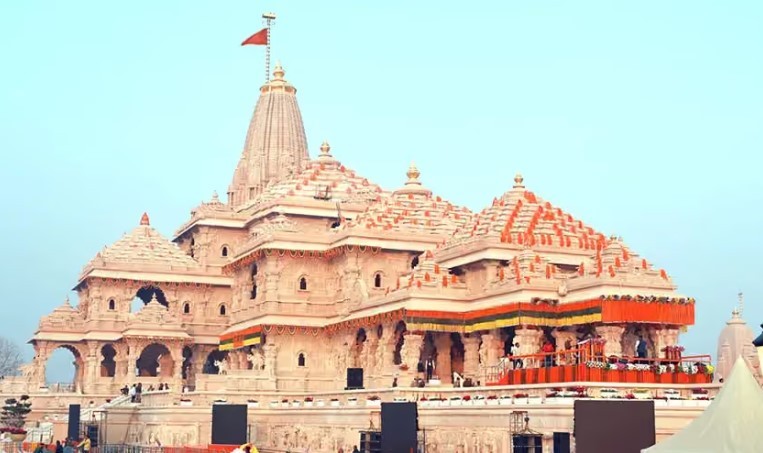
Why Ayodhya is Perfect for Your Celebration
- Birthplace of Lord Ram — unmatched spiritual significance for religious family functions and temple ceremonies
- Saryu riverfront ghats provide a breathtaking natural setting for Deepotsav, aarti ceremonies, and large cultural gatherings
- Maharishi Valmiki International Airport now operational, significantly improving guest accessibility
- Newly developed hospitality infrastructure with modern hotels and banquet facilities alongside heritage dharamshalas
- Winter season (November–February) offers cool, dry, and comfortable conditions perfect for outdoor events and pilgrimages
- Strong local ecosystem of priests, caterers, and event vendors experienced in large-scale religious and cultural functions

Top Venues in Ayodhya
Ramlala Camps - Ayodhya Tent City
Aayovea Resort Ayodhya Near Ram Mandir & Saryu River
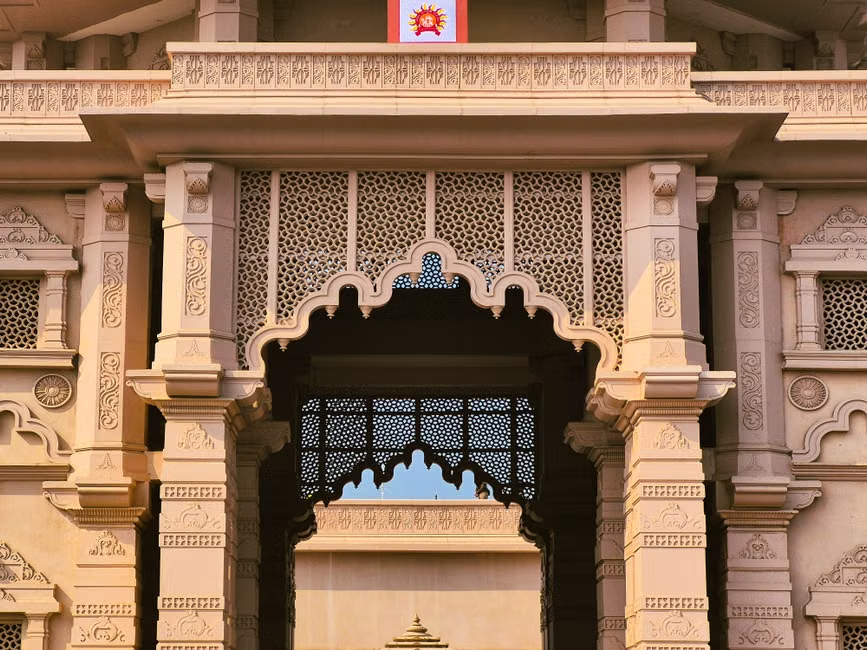
Praveg Saryu Resort, Ayodhya
Ramada by Wyndham Ayodhya
Hotel Saket
Treebo Trend Ayodhya
Girimi House
Sanrose Retreat
Evoke Rambagh
RS RESORT
Hotel Shri Jagannath Palace
Rama's villa and family restaurant
Hotel Vinayak
Compare Ayodhya with Other Top Destinations
Frequently Asked Questions
Is Ayodhya a good destination for a Deepotsav or Diwali gathering?
Yes, emphatically so. Ayodhya is the spiritual home of Diwali — the festival commemorates Lord Ram's return to the city — and its annual Deepotsav on the Saryu ghats is among the most spectacular celebrations in India. Hosting a private gathering timed to coincide with Deepotsav gives guests an experience that is genuinely unique to this destination and impossible to replicate elsewhere.
What guest group sizes can Ayodhya venues realistically accommodate?
Ayodhya's hotel banquet halls and event lawns can typically accommodate gatherings ranging from around 80 to 400 guests comfortably. For larger pilgrimage-style gatherings or community functions, dharamshalas and ashram complexes can host significantly more. Very large-scale productions requiring 1,000+ guests in a single luxury venue may find the current inventory stretched.
How do guests typically travel to Ayodhya for an event?
Guests can fly into Maharishi Valmiki International Airport, which now connects Ayodhya to Delhi, Mumbai, and other major cities. By rail, Ayodhya Dham Junction is well-connected to Delhi, Lucknow, Varanasi, and Patna. Guests from Lucknow (approximately 130 km away) often travel by road. Rail is generally the most practical option for large groups from North India.
What is the best time of year to plan a religious family function or ceremony in Ayodhya?
November through February is the optimal window. The weather is cool and dry, making multi-day outdoor ceremonies comfortable. This period also aligns with major festivals like Deepotsav and Vivah Panchami. Avoid April–June due to extreme heat and June–September due to monsoon rains, both of which can significantly disrupt outdoor religious events.
What kinds of event spaces are available in Ayodhya?
Ayodhya offers hotel banquet halls with indoor air-conditioned spaces, outdoor lawns suitable for winter evening functions, and dharamshalas and ashram complexes for larger pilgrimage-style gatherings. The Saryu riverfront ghats provide a spectacular backdrop for large cultural and devotional events. The range is growing as new hospitality properties continue to open.
Is alcohol available at events in Ayodhya?
Generally no. Ayodhya's deeply religious character means alcohol is typically unavailable or not served at most venues and public spaces in the city. Event planners and hosts should factor this in when considering the destination — it is well-suited to events where alcohol service is not a requirement, but a poor fit for those where it is central to the guest experience.
How well-developed is the local vendor ecosystem for religious events?
Very well-developed for religious and cultural events. Experienced priests and pandit services, traditional floral decoration vendors, and sattvic catering specialists are plentiful. Photography and videography teams experienced in temple ceremonies and large gatherings are also available locally. For large-scale stage production or specialist technical requirements, supplementing with vendors from Lucknow is advisable.
Can Ayodhya accommodate a multi-day pilgrimage gathering for a large family group?
Yes. Ayodhya's infrastructure is calibrated for large groups, given its status as one of India's most visited pilgrimage cities. A combination of hotel accommodation and dharamshalas can house significant numbers of guests. The core pilgrimage circuit — Ram Mandir, Hanuman Garhi, Kanak Bhawan, and the Saryu ghats — is compact and manageable for groups of all ages.
What makes Ayodhya suitable for a corporate offsite or leadership retreat?
Ayodhya offers a genuinely distinctive and contemplative environment that stands apart from conventional resort offsites. Newer hotel properties provide meeting rooms and breakout spaces, while the city's spiritual atmosphere encourages reflection and purposeful discussion. It is particularly well-suited to leadership retreats or team-building programmes with a cultural or values-oriented theme.
Are there logistical challenges to be aware of when planning an event during peak festival periods?
Yes. During Deepotsav, Ram Navami, and other major festivals, Ayodhya receives very large numbers of pilgrims and visitors. Road congestion, limited accommodation availability, and heightened demand for local vendors are all real considerations. Early booking — ideally six to twelve months in advance for peak periods — and pre-arranged group transport within the city are strongly recommended.
Is Ayodhya safe for guests travelling from across India?
Yes, Ayodhya is generally considered very safe. The city has a well-managed public environment, particularly around the Ram Mandir precinct and the Saryu ghats, with significant security infrastructure in place. It is a family-friendly destination with a welcoming local culture, and guests of all ages — including elderly pilgrims and young children — travel here regularly without concern.

Ready to explore venues in Ayodhya?
Ayodhya: Spiritual Wedding & Event Destination Guide
◆Ayodhya is India's foremost spiritual destination for religious gatherings, temple festivals, and devotionally anchored family celebrations. Its primary vibe is Spiritual & Soulful, making it particularly well-suited for Deepotsav and Diwali gatherings, religious family functions, pilgrimage-linked events, and cultural festivals rooted in Hindu tradition. The best season to plan is November through February, when the weather is cool and dry. Accessibility has improved significantly with the inauguration of Maharishi Valmiki International Airport and the upgraded Ayodhya Dham Junction railway station. The hospitality ecosystem is growing rapidly, with a mix of modern hotels and traditional dharamshalas, though the destination skews toward mid-range and upper-mid-range properties rather than ultra-luxury.
Ayodhya at a Glance
| Attribute | Detail |
|---|---|
| Best For | Deepotsav / Diwali Gathering, Holi / Diwali Celebration, Religious Family Function, Spiritual / Pilgrimage Gathering |
| Primary Vibe | Spiritual & Soulful |
| Other Vibes | Cultural & Devotional, Heritage & Riverside |
| Best Season | Winter (November–February) |
Why Choose Ayodhya?
- Unparalleled sacred significance: As the birthplace of Lord Ram and one of the seven sacred cities (Sapta Puri) of Hinduism, Ayodhya carries a spiritual weight that no other Indian destination can replicate for religiously meaningful events.
- Saryu riverfront as a natural event canvas: The ghats along the Saryu river — particularly Ram Ki Paidi — provide a visually spectacular and spiritually resonant setting for large-scale Deepotsav celebrations, evening aartis, and cultural performances.
- Rapidly improving infrastructure: The newly operational international airport, the redeveloped Ayodhya Dham Junction, and wide new approach roads have dramatically reduced the friction of bringing large guest groups into the city.
- Experienced religious event ecosystem: Local priests, pandit communities, flower and decoration vendors, and caterers specialising in sattvic and traditional cuisine have deep experience managing large religious gatherings and family ceremonies.
- Year-round pilgrimage culture means event-ready hospitality: Because Ayodhya receives millions of pilgrims annually, its hospitality and logistics infrastructure — accommodation, transport, crowd management — is calibrated for large groups in a way that many smaller religious towns are not.
- Transformative new development: The Ram Mandir complex and surrounding precinct have catalysed a wave of new hotels, banquet facilities, and public infrastructure, giving event planners more options than were available even a few years ago.
Which Celebrations Work Best in Ayodhya?
Deepotsav / Diwali Gathering: Ayodhya's Deepotsav — the grand lamp-lighting festival on the Saryu ghats — is among the most spectacular public celebrations in India. Hosting a private gathering or corporate event timed to coincide with Deepotsav gives guests an experience that is genuinely impossible to replicate elsewhere. The city transforms into a sea of diyas, and the devotional energy is extraordinary.
Holi / Diwali Celebration: Both Holi and Diwali carry deep mythological roots in Ayodhya. Diwali here commemorates Lord Ram's return to the city, making it far more than a generic festival — it is a homecoming celebration with profound local meaning. Holi, too, is observed with traditional fervour, and organising a family or community gathering around either festival gives the event a narrative and cultural depth that guests remember.
Religious Family Function: Naming ceremonies, thread ceremonies (Upanayana), annaprashan, and other Sanatan rites of passage take on heightened significance when performed in Ayodhya. The proximity to major temples and the availability of experienced priests make the city a natural choice for families who want their ceremonies conducted in a genuinely sacred environment.
Spiritual / Pilgrimage Gathering: Ayodhya is one of the most important pilgrimage destinations in the Hindu tradition. Organising a group pilgrimage — whether for a family, a community organisation, or a corporate leadership group seeking a reflective retreat — is straightforward here, with well-established routes, temple access, and accommodation options for groups of varying sizes.
Temple Festival: The city's calendar is dense with temple festivals — Ram Navami, Parikrama Mela, Vivah Panchami, and others — that provide a ready-made cultural backdrop for gatherings. Private events timed around these festivals benefit from the city's heightened festive atmosphere and the participation of the broader community.
Cultural Festival Gathering: Ayodhya's rich tradition of Ramlila performances, classical music, and devotional arts makes it a compelling venue for cultural festival gatherings that blend entertainment with spiritual meaning. The city's open-air spaces and riverside amphitheatres are well-suited to large cultural programmes.
Venues & Event Spaces
Ayodhya's event venue landscape has evolved considerably in recent years. The city now offers a range of hospitality properties with dedicated banquet halls and lawns capable of hosting mid-to-large gatherings. Modern hotels near the Ram Mandir precinct and along the Saryu riverfront provide indoor air-conditioned banquet spaces as well as outdoor lawns suitable for evening functions during the winter season.
Beyond conventional hotel venues, Ayodhya offers a category of event space unique to pilgrimage cities: large dharamshalas and ashram complexes that can accommodate significant numbers of guests for multi-day religious programmes. These are particularly well-suited to pilgrimage gatherings, community functions, and extended family religious events where the emphasis is on collective participation rather than luxury amenity.
The Saryu riverfront itself — particularly the Ram Ki Paidi ghat complex — functions as a grand public event space for city-scale celebrations like Deepotsav, though private use of ghat areas requires coordination with local authorities. For corporate offsites and leadership retreats, newer hotel properties offer meeting rooms and breakout spaces in a setting that provides a genuinely distinctive and contemplative environment.
Best Time to Celebrate
The winter months of November through February are the clear optimal window for events in Ayodhya. Temperatures during this period typically range from around 8°C at night to 22°C during the day — cool, dry, and comfortable for both outdoor ceremonies and indoor gatherings. The air is clear, the Saryu river is at a pleasant level, and the city's major festivals (Deepotsav in October/November, Vivah Panchami in November/December) fall within or just before this window.
March through May sees temperatures climb rapidly, often exceeding 38–42°C by May. Outdoor events become genuinely uncomfortable and logistically challenging, and the heat can be a significant deterrent for elderly guests and families with young children. June through September brings the monsoon, with heavy and sometimes unpredictable rainfall that makes outdoor events risky and can affect road access. October is a transitional month — Deepotsav typically falls in late October or early November, making it a high-demand period, but residual humidity from the monsoon can still be a factor in early October. Event planners targeting the Deepotsav period should book well in advance, as accommodation and venue availability tightens significantly around the festival.
Getting There & Local Connectivity
Ayodhya's accessibility has improved substantially. Maharishi Valmiki International Airport (AYJ), located approximately 8–10 km from the city centre, now operates flights connecting Ayodhya to major Indian cities including Delhi, Mumbai, and Ahmedabad, with the network continuing to expand. For guests travelling from Lucknow (approximately 130 km away), road travel via the Lucknow–Ayodhya highway is a common and practical option, typically taking around two to two-and-a-half hours.
Ayodhya Dham Junction, the city's main railway station, has been significantly upgraded and is well-connected to Delhi, Varanasi, Lucknow, Patna, and other major cities. For large guest groups travelling from across North India, the train is often the most practical and comfortable option. The station's proximity to the city centre makes onward logistics straightforward.
Within the city, auto-rickshaws, e-rickshaws, and taxis are the primary modes of local transport. For event groups, pre-arranged coach or minibus transfers between accommodation and event venues are strongly recommended, particularly during peak festival periods when the city's roads can become congested. The core pilgrimage circuit — Ram Mandir, Hanuman Garhi, Kanak Bhawan, and the Saryu ghats — is compact enough that many guests can cover it on foot or by e-rickshaw.
Local Vendor & Hospitality Ecosystem
Ayodhya's vendor ecosystem is well-developed for religious and cultural events, reflecting the city's long history as a major pilgrimage destination. Priestly and ritual services are abundant and experienced — finding qualified pandits for complex multi-day ceremonies, yagnas, or specific regional rites is straightforward. Floral decoration vendors, particularly those specialising in marigold and traditional temple-style arrangements, are plentiful and competitively priced.
Catering in Ayodhya is predominantly sattvic (no onion, no garlic, no meat) in character, reflecting the city's religious culture. This is ideal for religious family functions and pilgrimage gatherings, but event planners hosting more diverse guest groups should confirm catering scope with venues in advance. A growing number of hotel properties now offer broader menus for non-religious corporate and social events.
The photography and videography vendor community has grown significantly with the city's rising profile, and experienced teams capable of handling large religious events and temple ceremonies are now available locally. For highly specialised production requirements — large-scale stage setups, professional sound and lighting for cultural performances — planners may wish to supplement local vendors with teams brought in from Lucknow or other larger cities.
Pros & Things to Consider
Why Ayodhya Works Well
- Unmatched spiritual and cultural significance for Hindu religious events and family ceremonies
- Saryu riverfront provides a spectacular and genuinely unique setting for large gatherings
- Improved airport and railway connectivity makes guest travel manageable from most major Indian cities
- Strong local ecosystem for religious event services — priests, ritual vendors, sattvic catering
- Winter season offers genuinely comfortable outdoor event weather
- Growing hospitality infrastructure with new hotel properties and banquet facilities
- High safety and a well-managed public environment, particularly around the Ram Mandir precinct
Things to Consider
- The hospitality inventory, while growing, is still weighted toward mid-range properties — guests expecting ultra-luxury amenities comparable to established leisure destinations may find options more limited
- The city's religious character means alcohol is generally not available or served at most venues — this is a significant consideration for events where guests expect a bar service
- Peak festival periods (especially Deepotsav/Diwali and Ram Navami) bring very large crowds to the city, which can affect road access, accommodation availability, and overall logistics — early planning and booking is essential
- Sattvic-only catering is the norm at many venues; diverse or non-vegetarian menus require careful advance confirmation
- The city is still in a phase of rapid development — construction activity in some areas can affect the ambience and logistics of events near major development zones
When Ayodhya May Not Be the Right Fit
- Events requiring alcohol service: Ayodhya's deeply religious character means that alcohol is generally unavailable or not served at most venues and public spaces. Events where bar service is a core expectation will face significant constraints here.
- Large-scale luxury weddings requiring 5-star resort infrastructure: Guests expecting the full-service luxury resort experience — spa facilities, multiple fine-dining restaurants, large poolside lawns — may find the current hospitality inventory does not yet match what established leisure wedding destinations offer.
- Outdoor events planned for summer or monsoon months: The extreme heat of April–June and the unpredictable rainfall of June–September make outdoor event planning genuinely risky during these periods. A destination with more forgiving year-round weather would be a better fit for events that cannot be scheduled in winter.
- Guests requiring very frequent international flight connections: While domestic connectivity has improved, international guests or those requiring frequent direct long-haul connections may find routing through Ayodhya's airport less convenient than routing through a major hub city.