
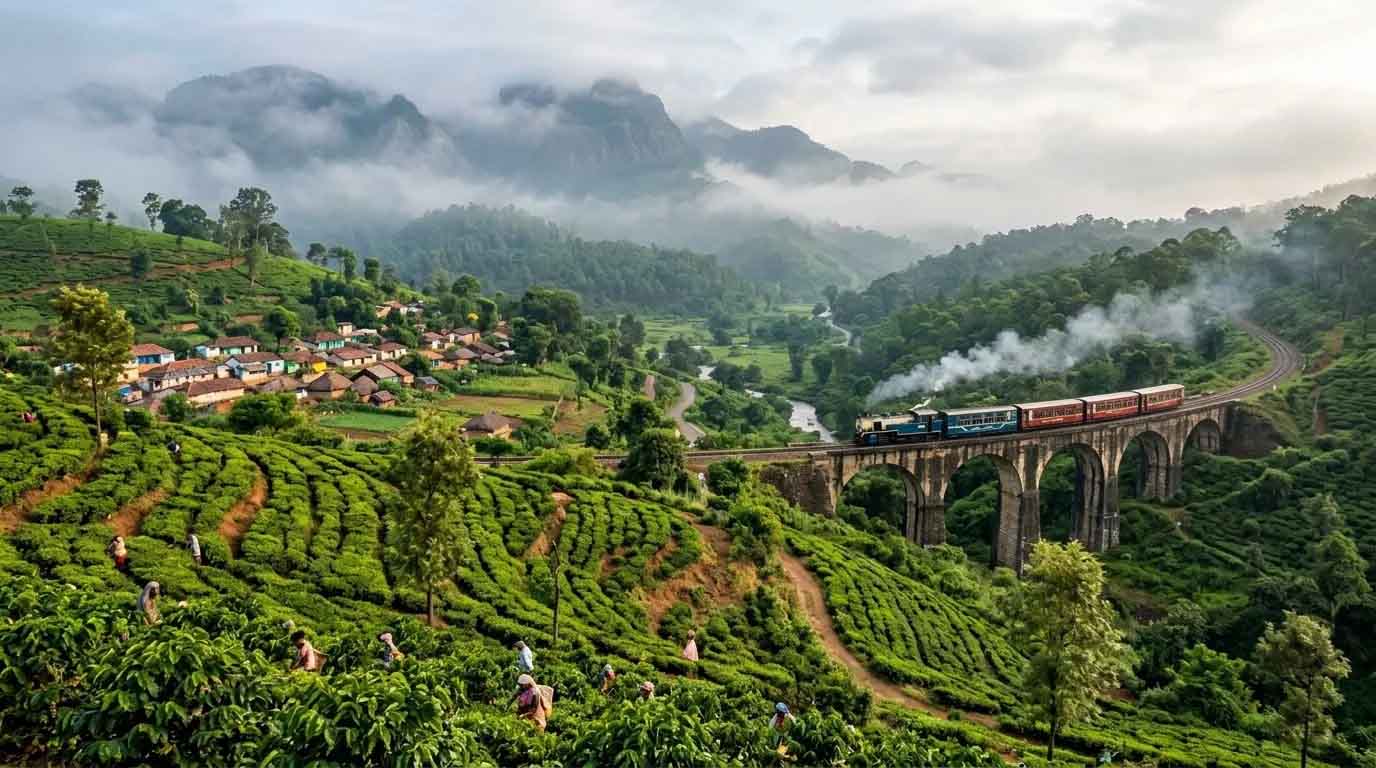
Why Araku Valley is Perfect for Your Celebration
- Lush coffee plantations and misty Eastern Ghats create a naturally dramatic, photogenic backdrop for celebrations
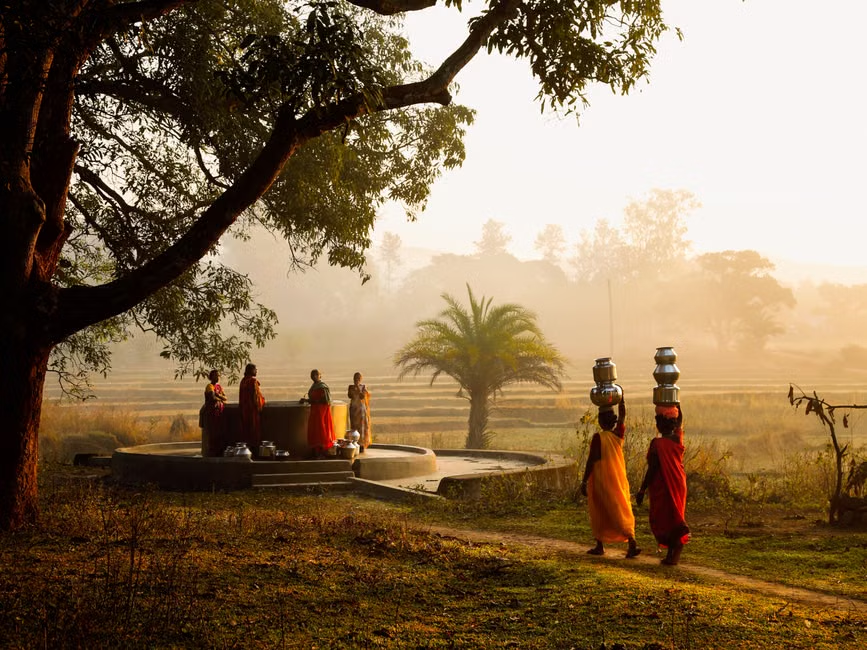
- Rich Adivasi tribal culture makes Sankranti, Ugadi, and local folk festival celebrations feel deeply authentic
- Cool autumn climate (September–October) is ideal for outdoor events and comfortable guest experiences
- Intimate scale of the valley suits smaller, close-knit gatherings and destination birthday getaways
- The scenic Visakhapatnam–Araku train journey is itself a memorable experience for arriving guests
- Boutique resorts and eco-lodges offer private, nature-immersed event settings unlike mainstream hotel venues
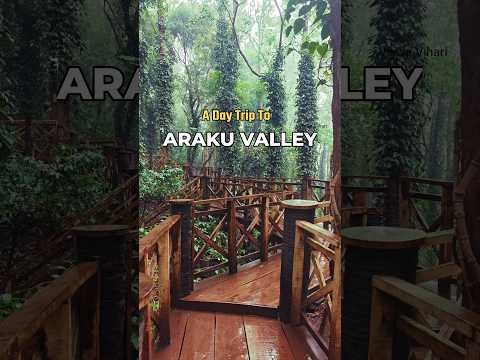
Top Venues in Araku Valley
Araku Jungle Bells Resort
Haritha Valley Resort
Compare Araku Valley with Other Top Destinations
Frequently Asked Questions
Is Araku Valley a good destination for a Sankranti or Ugadi celebration?
Yes, particularly so. Araku Valley's Adivasi tribal communities have their own harvest and seasonal festival traditions that align naturally with Sankranti and Ugadi themes. Local folk performances, traditional cuisine, and bonfire gatherings can be authentically incorporated into celebrations here in a way that feels genuinely rooted in the region's culture rather than staged for tourists.
What size of guest group can Araku Valley realistically accommodate for a destination event?
Araku Valley is best suited to groups of roughly 50–200 guests. The valley's boutique resorts have event spaces and accommodation suited to this range. Groups larger than 200 may need to spread across multiple properties, which adds coordination complexity, and the valley is generally not recommended for events requiring 300-plus guests in a single venue.
How do guests typically travel to Araku Valley for a destination celebration?
Most guests fly into Visakhapatnam (Vizag) and then travel to Araku Valley either by road — approximately 3–4 hours through the Eastern Ghats — or by the scenic Kirandul train line, which is a celebrated journey in itself. For coordinated group arrivals, hired vehicles or coaches from Vizag are typically the most practical option.
What is the best time of year to plan a celebration in Araku Valley?
Autumn — specifically September and October — is the curated best season. The post-monsoon landscape is lush and green, the air is cool and fresh, and outdoor events are comfortably enjoyable. The heavy monsoon (June–August) makes outdoor events impractical, while summer (April–May) is dry and warm, and deep winter (December–January) brings fog that can affect travel.
What kinds of event spaces and venues are available in Araku Valley?
The valley's event spaces are primarily boutique hill resorts and eco-lodges offering a combination of indoor banquet or dining halls and outdoor lawns or garden terraces. There are no large standalone convention centres — the resort typically serves as the combined venue, accommodation, and catering provider. Outdoor spaces with plantation or forest backdrops are a particular strength.
Is Araku Valley suitable for a destination birthday getaway?
Yes. The valley's intimate scale, scenic surroundings, and cool autumn climate make it well-suited to small, close-knit birthday celebrations. The novelty of the destination — including the scenic train journey from Visakhapatnam — adds to the celebratory experience, and boutique resorts can typically personalise arrangements for milestone birthday groups.
Can local folk performances and tribal cultural experiences be arranged as part of an event?
Yes, and this is one of Araku Valley's genuine strengths. Dhimsa folk dancers, tribal musicians, and craft artisans from the local Adivasi communities are available through local cultural organisations and cooperative groups. Engaging them adds authentic, place-specific value to celebrations and is something event planners should actively explore when booking here.
What should event planners know about sourcing vendors in Araku Valley?
The local vendor ecosystem is growing but limited in specialisation. Resorts can typically handle catering, basic décor, and local entertainment in-house. For specialist requirements — professional photography, elaborate floral design, AV production — planners should expect to source vendors from Visakhapatnam and factor in their travel time and logistics as part of the event plan.
How is mobile and internet connectivity in Araku Valley during an event?
Connectivity is limited compared to urban destinations. Mobile network coverage exists but can be patchy, and data speeds are generally slow. Resort Wi-Fi is available but variable. Event planners should communicate this to guests in advance and avoid relying on real-time digital coordination during the event without testing connectivity at the specific property beforehand.
Is Araku Valley a good fit for a Christmas or New Year celebration?
It can work well for groups seeking a quieter, nature-focused festive season experience. Resorts typically offer bonfires, outdoor dining, and special programmes during this period. However, December–January brings cool nights and occasional morning fog that can affect road travel, so planners should build flexibility into arrival and departure schedules for guests coming from Visakhapatnam.
What makes Araku Valley distinctive compared to more mainstream event destinations?
Araku Valley offers a combination that is genuinely rare: a living tribal cultural tradition, a scenic Eastern Ghats landscape, a celebrated train journey as part of the guest experience, and a cool, intimate hill-station atmosphere. It suits event planners who prioritise authenticity, natural beauty, and a sense of place over grand scale or conventional luxury infrastructure.

Ready to explore venues in Araku Valley?
Araku Valley: Destination Wedding & Celebration Venues in the Eastern Ghats
◆Araku Valley is best suited to intimate, nature-immersed celebrations — destination birthday getaways, Sankranti and Ugadi festivities, local folk festival gatherings, and small resort weddings — held against a backdrop of coffee plantations and misty Eastern Ghats hills in Andhra Pradesh. Its primary vibe is serene and nature-connected, with a strong tribal cultural thread that makes it genuinely distinctive for event planners seeking authenticity over scale. The best season is autumn (September–October), when the post-monsoon landscape is lush and the climate is comfortably cool. Accessibility requires planning — guests typically travel via Visakhapatnam — but the journey itself, including a celebrated scenic train route, is part of the experience. Venue inventory is boutique in scale, making it most suitable for groups of up to around 200 guests.
Araku Valley at a Glance
| Category | Details |
|---|---|
| Best For | Sankranti Celebration, Ugadi Celebration, Destination Birthday Getaway, Local Folk Festival / Fair |
| Primary Vibe | Nature & Serene |
| Other Vibes | Tribal & Cultural, Offbeat & Intimate, Eco & Rustic |
| Best Season | Autumn (September–October) |
Why Choose Araku Valley?
- Genuinely distinctive tribal cultural backdrop: Araku Valley is home to several Adivasi communities whose folk music, dance, and craft traditions can be authentically woven into celebrations — particularly Sankranti, Ugadi, and local folk festivals — in a way that few other destinations in South India can replicate.
- Scenic Eastern Ghats landscape: The valley's rolling hills, coffee and pepper plantations, and seasonal waterfalls provide a naturally photogenic setting that requires minimal decoration to feel special, particularly during the post-monsoon green season.
- Cool, comfortable autumn climate: September and October bring a pleasant coolness after the monsoon, making outdoor events, garden dinners, and daytime celebrations genuinely comfortable — a rarity in much of peninsular India at that time of year.
- Intimate scale suits close-knit groups: The valley's boutique resort inventory is well-matched to groups of 50–200 guests, making it ideal for destination birthday getaways and small gatherings where personalised hospitality matters more than grand ballroom scale.
- The scenic train journey is an event in itself: The Visakhapatnam–Araku train route through the Eastern Ghats — passing tunnels, viaducts, and forested hillsides — is widely regarded as one of India's most scenic rail journeys, giving guests a memorable arrival experience before the celebration even begins.
- Relatively offbeat, low-crowd character: Unlike more commercialised hill stations, Araku Valley retains a quieter, less-touristy atmosphere, which suits event planners who want privacy and exclusivity without the premium price tag of a more famous destination.
Which Celebrations Work Best in Araku Valley?
Sankranti Celebration: Araku Valley's tribal communities have their own rich harvest festival traditions that align naturally with Sankranti's themes of gratitude, community, and seasonal renewal. Celebrating here allows guests to experience authentic folk performances, traditional foods, and bonfire gatherings in a setting that feels genuinely rooted rather than staged.
Ugadi Celebration: As the Telugu New Year, Ugadi carries deep cultural resonance in this part of Andhra Pradesh. Celebrating it in Araku Valley — surrounded by the natural landscape that defines the region — gives the occasion a grounded, meaningful character, with local flavours, seasonal produce, and community traditions readily accessible.
Destination Birthday Getaway: The valley's boutique resorts are well-suited to small groups seeking a private, nature-immersed birthday escape. The combination of scenic surroundings, cool weather in autumn, and the novelty of the destination itself makes for a memorable celebration that feels genuinely different from a city hotel party.
Local Folk Festival / Fair: Araku Valley hosts its own tribal arts and culture festivals, and the broader region has a living tradition of Adivasi folk performance. Groups attending or organising around these events gain access to music, craft, and storytelling traditions that are specific to this valley and not easily replicated elsewhere.
40th / 50th Birthday: Milestone birthdays benefit from the valley's combination of scenic beauty, relative seclusion, and the sense of occasion that comes with a genuine destination trip. The journey itself — particularly by train — adds to the celebratory feel for guests who appreciate experiences over spectacle.
Christmas & New Year Celebration: While Araku Valley's winters are cool and occasionally foggy, the December–January period draws visitors seeking a hill-station atmosphere for the festive season. Resorts typically offer special programmes, bonfires, and outdoor dining that suit the Christmas and New Year mood, particularly for groups wanting a quieter, nature-focused alternative to city celebrations.
Venues & Event Spaces
Araku Valley's event venue landscape is defined by boutique hill resorts and eco-lodges rather than large convention hotels or heritage palaces. Most properties offer a combination of indoor banquet or dining halls and outdoor lawns or terraced garden spaces, with the surrounding plantation or forest landscape serving as a natural backdrop. Capacities are generally suited to groups of 50–200 guests, making the valley a strong fit for intimate gatherings rather than large-scale weddings or corporate conferences requiring 500-plus attendance.
Outdoor event spaces — including open-air lawns, bonfire areas, and plantation clearings — are a particular strength of the valley's venue offering, and many resorts can arrange tribal folk performances, local craft demonstrations, and traditional cuisine as part of an event package. Indoor spaces tend to be functional rather than grand, so event planners should factor in décor and theming to elevate the ambience for formal occasions.
There are no large standalone banquet halls or convention centres in the valley as of current knowledge — the resort itself is typically the event venue, accommodation, and dining provider combined, which simplifies logistics for destination groups but limits flexibility for very large or multi-venue events.
Best Time to Celebrate
The curated best season for Araku Valley is Autumn (September–October), and this recommendation is well-grounded in the valley's actual climate and event conditions. By September, the heavy monsoon rains have largely passed, leaving the hills intensely green, the waterfalls active, and the air cool and fresh. Daytime temperatures are comfortable for outdoor events, and the risk of sudden heavy rain — while not entirely absent in early September — diminishes significantly through October. This is the window when the valley looks its most photogenic and when outdoor celebrations on resort lawns or plantation grounds are most reliably enjoyable.
Monsoon (June–August) brings heavy, persistent rainfall that makes outdoor events impractical and can cause road disruptions on the ghat sections approaching the valley. While the landscape is lush, the operational risk for events is high, and this period is best avoided for planned celebrations.
Summer (April–May) is dry and increasingly warm, with the valley losing much of its green character. While temperatures at altitude are more moderate than the plains, the landscape is less appealing and the humidity can be uncomfortable for outdoor gatherings.
Winter (November–January) brings cool to cold nights and occasional morning fog, which can be atmospheric but also creates travel uncertainty — particularly for guests arriving by road from Visakhapatnam, where ghat-section fog can slow journeys. Daytime conditions in November and early December are generally pleasant, making this a reasonable shoulder season, but the deeper winter months carry more logistical risk for event planning.
Getting There & Local Connectivity
The primary gateway to Araku Valley is Visakhapatnam (Vizag), which has an international airport with connections to major Indian cities. From Visakhapatnam, guests can reach Araku Valley either by road — a journey of approximately 3–4 hours through the Eastern Ghats — or by the celebrated scenic train on the Kirandul line, which takes longer but is widely considered one of the most enjoyable rail journeys in South India.
For event groups, road travel in hired vehicles or coaches is typically the most practical option for coordinating arrival and departure, as the train schedule may not align with event timings. The ghat road is well-maintained but winding, and guests prone to motion sickness should be advised accordingly.
Within the valley itself, local transport options are limited. Most guests staying at a resort will find that the resort grounds and immediate surroundings are walkable, but moving between different parts of the valley or visiting tribal villages and viewpoints requires hired vehicles. Event planners should arrange dedicated transport for guest groups rather than relying on local taxi availability, which can be limited, particularly during peak season.
Mobile connectivity in the valley is generally limited compared to urban areas — some networks perform better than others, and data speeds may be slow. This is worth communicating to guests in advance, particularly for those who need reliable connectivity for work. Wi-Fi at resorts is available but variable in quality.
Local Vendor & Hospitality Ecosystem
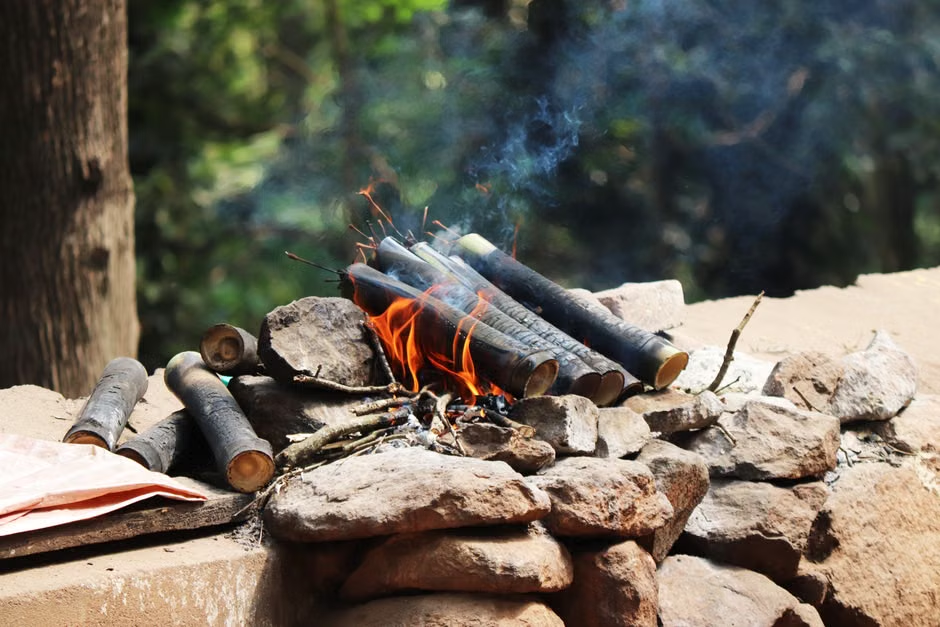
Araku Valley's hospitality ecosystem is growing but remains relatively nascent compared to established event destinations. The resorts in the valley have experience hosting small group events and can typically manage catering, basic décor, and local entertainment in-house or through established local contacts. Traditional Adivasi cuisine — featuring local millets, bamboo-cooked dishes, and tribal recipes — is a genuine culinary strength and can be a memorable element of any celebration held here.
For more elaborate event requirements — specialist wedding décor, professional photography and videography, live bands, or large-scale catering — planners should expect to source vendors from Visakhapatnam and factor in travel time and logistics for those vendors. The local vendor base in the valley itself is limited in scale and specialisation, which means advance planning and coordination are more important here than in a mature event destination.
Folk performers — including Dhimsa dancers, tribal musicians, and craft artisans — are genuinely available through local cultural organisations and tribal cooperative groups, and engaging them adds authentic value to celebrations. This is one area where the local ecosystem is genuinely strong and should be leveraged by event planners.
Pros & Things to Consider
Why Araku Valley Works Well
- Naturally stunning landscape that provides a memorable, photogenic backdrop with minimal additional investment in décor
- Authentic tribal cultural experiences — folk dance, music, craft, and cuisine — that are specific to this valley and genuinely enrich celebrations
- Cool, comfortable autumn climate that makes outdoor events pleasant and reliable during the best season window
- Intimate scale and relative seclusion suit close-knit groups who value privacy and a sense of occasion over grand scale
- The scenic train journey from Visakhapatnam is a built-in guest experience that adds to the overall celebration narrative
- Offbeat character means guests are unlikely to feel they are at a generic event destination — the valley has a genuine sense of place
Things to Consider
- Venue capacity is limited — the valley is not suited to large events of 300-plus guests, and finding accommodation for a large group within the valley itself may require booking multiple properties
- Vendor ecosystem is not fully mature — specialist event vendors (décor, AV, photography) typically need to be sourced from Visakhapatnam, adding logistical complexity
- Mobile and internet connectivity is limited, which can be a constraint for guests or planners who need reliable communication during the event
- Road access through the Eastern Ghats is scenic but winding — guests prone to motion sickness or those with mobility constraints may find the journey challenging
- The monsoon season (June–August) makes the valley operationally difficult for events, and even early September carries some residual rain risk
- Winter fog (December–January) can affect road travel and create uncertainty for time-sensitive arrivals and departures
When Araku Valley May Not Be the Right Fit
- Large guest lists (300+): The valley's boutique resort inventory and limited accommodation stock make it genuinely difficult to host and accommodate large groups in a single location — a destination with larger hotel inventory would serve better.
- Guests with limited travel flexibility: The 3–4 hour road journey from Visakhapatnam, combined with limited flight options into Vizag from some cities, means Araku Valley requires more travel effort than a destination with direct rail or air access — groups with elderly guests, young children, or tight schedules may find this challenging.
- Monsoon-season events: Any celebration planned between June and August faces a high risk of heavy rain disrupting outdoor elements and road access — a destination with better monsoon-season infrastructure would be a more reliable choice for that window.
- Events requiring specialist vendor depth: If the celebration requires a large team of specialist vendors — elaborate floral design, professional AV production, international cuisine catering — the local ecosystem will require significant external sourcing from Visakhapatnam, which adds cost, coordination complexity, and logistical risk compared to a more mature event destination.