
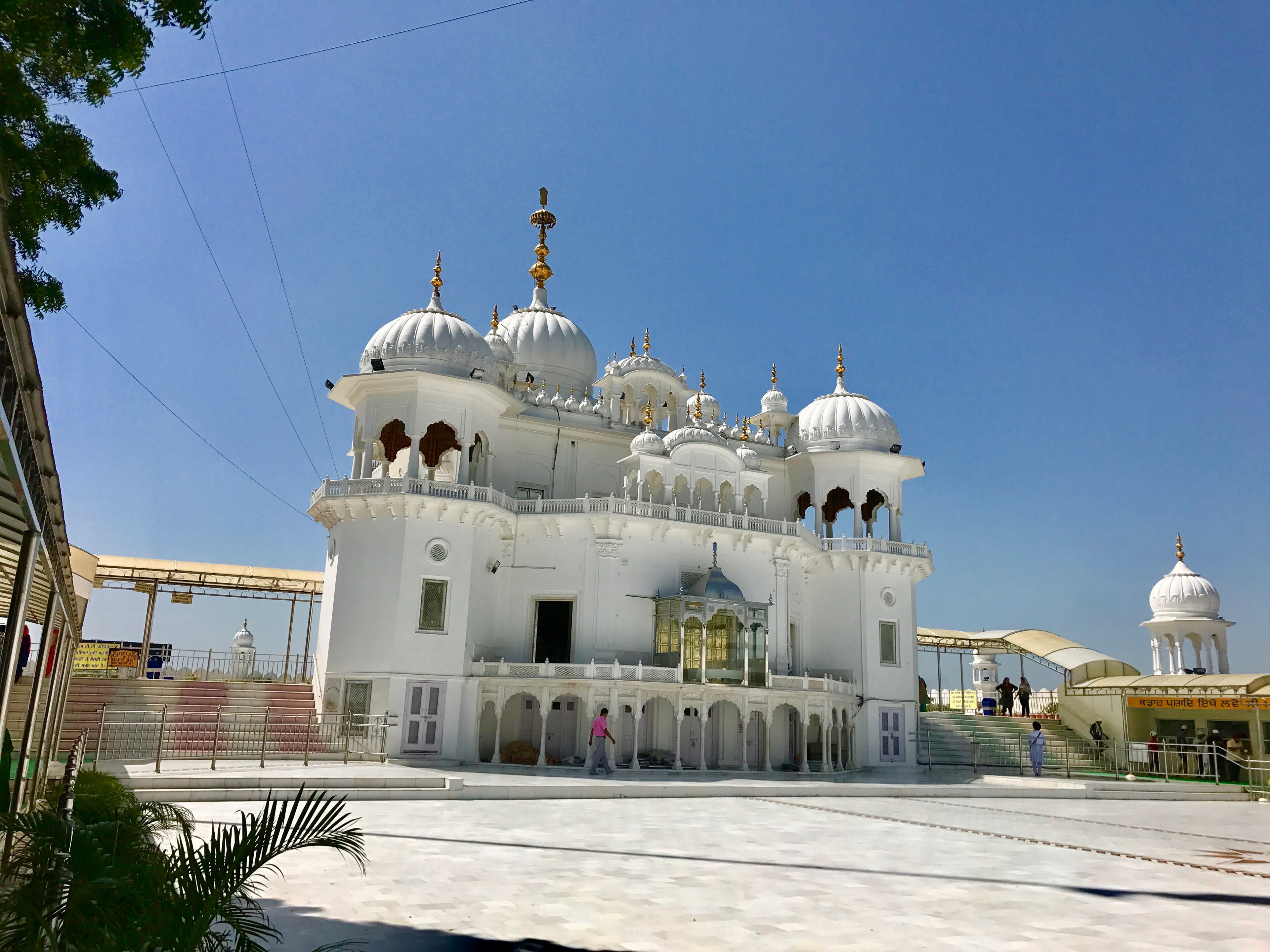
Why Anandpur Sahib is Perfect for Your Celebration
- Home to iconic Sikh Gurdwaras including Takht Sri Kesgarh Sahib — a deeply meaningful setting for religious family functions and spiritual gatherings
- Baisakhi and Lohri celebrations here carry authentic cultural weight, drawing large community participation unique to this city
- Virasat-e-Khalsa museum provides a world-class cultural backdrop for heritage-themed events and gatherings
- Shivalik foothills setting offers scenic natural surroundings for outdoor ceremonies during the cool winter months
- Strong local tradition of langar (community dining) and Sikh hospitality supports large group catering and community gatherings
- Relatively uncrowded compared to major metro destinations, offering a more intimate and spiritually focused event atmosphere
Compare Anandpur Sahib with Other Top Destinations
Frequently Asked Questions
Is Anandpur Sahib a good destination for a Baisakhi celebration?
Yes, it is arguably the most meaningful destination in India for a Baisakhi celebration. Anandpur Sahib is the birthplace of the Khalsa, and Baisakhi here is a living historical event — nagar kirtans, Gurdwara gatherings, and community festivities fill the entire city. Families and community groups who want an authentic, deeply rooted Baisakhi experience will find no comparable setting elsewhere in Punjab.
What size of guest group can Anandpur Sahib realistically accommodate for an event?
Anandpur Sahib comfortably supports mid-sized gatherings — typically in the range of 100 to 300 guests — when using local hotels, Gurdwara community halls, and nearby resort properties together. Very large events exceeding 400–500 guests may strain local accommodation and venue capacity, and planners should consider overflow accommodation along the Chandigarh–Anandpur Sahib corridor for larger guest lists.
What is the nearest airport to Anandpur Sahib, and how long does it take to get there?
The nearest major airport is Sri Guru Ram Dass Jee International Airport in Amritsar, approximately 90–100 km away. Chandigarh Airport is a similarly practical option at roughly 85–90 km, with good road connectivity. The road journey from either airport typically takes around 1.5 to 2 hours depending on traffic and route conditions.
When is the best time of year to plan a religious function or spiritual gathering in Anandpur Sahib?
November through February is the best window. Cool, dry weather makes outdoor processions, Gurdwara visits, and open-air gatherings comfortable. This period also aligns with Lohri (January) and several gurpurabs, allowing events to naturally coincide with the city's own religious calendar. Avoid the monsoon months (June–September) and the peak summer heat (April–May) for outdoor or large-group events.
What kinds of event spaces are available in Anandpur Sahib?
The city offers Gurdwara community halls and sarai (pilgrim rest houses), hotel banquet halls, outdoor lawns at local properties, and resort-style spaces in the nearby Kiratpur Sahib area. The venue landscape is oriented toward community and religious gatherings rather than high-production luxury events. Planners seeking large-scale or highly produced event infrastructure will need to supplement with vendors from Chandigarh or Amritsar.
Is Anandpur Sahib suitable for a Lohri celebration?
Yes. Lohri falls in January, squarely within the destination's best season, and the city's Punjabi cultural roots make it a natural setting for bonfire gatherings, folk music, and community celebrations. The cool winter evenings are ideal for outdoor Lohri events, and local caterers are well-experienced in managing large community meals that are central to Lohri traditions.
How do guests typically travel within Anandpur Sahib once they arrive?
Local transport options include auto-rickshaws and taxis, but capacity is limited for large arriving groups. For events, pre-arranged coach or minibus transfers from Chandigarh or the nearest rail hub are strongly recommended. The city itself is relatively compact, and most Gurdwara sites and local venues are accessible within a short drive from the main accommodation areas.
Is Anandpur Sahib appropriate for a temple or spiritual wedding ceremony?
Yes, for couples seeking a Sikh Anand Karaj ceremony in a spiritually significant setting, Anandpur Sahib is among the most meaningful locations in India. The presence of Takht Sri Kesgarh Sahib and other major Gurdwaras means the ceremony itself carries deep religious weight. Planners should coordinate directly with Gurdwara management committees well in advance, as these are high-demand sacred spaces.
What should I know about catering and food for a large group event in Anandpur Sahib?
Catering is a genuine strength here. Local caterers are experienced in feeding large groups, drawing on the city's strong langar tradition. Vegetarian catering is particularly well-developed and high quality. For events requiring non-vegetarian menus or more elaborate multi-cuisine setups, planners may need to engage caterers from Chandigarh or Amritsar to supplement local capacity.
Are there any challenges to planning a private event during major festival dates like Baisakhi or Hola Mohalla?
Yes. During Baisakhi, Hola Mohalla, and major gurpurabs, Anandpur Sahib draws very large pilgrim crowds — accommodation fills quickly, road access can be congested, and local service providers are stretched. Private events planned around these dates require significantly earlier booking of venues and accommodation, and careful coordination of guest transport to avoid festival-related delays.
Is Anandpur Sahib a safe destination for family groups and elderly guests?
Generally, yes. Anandpur Sahib is considered a very safe city, with a strong community-oriented culture and a significant presence of Gurdwara management and volunteer organisations. The main consideration for elderly or mobility-limited guests is the road transfer required from Chandigarh or Amritsar — planners should arrange comfortable, direct transport rather than relying on local shared options.

Ready to explore venues in Anandpur Sahib?
Anandpur Sahib: Sacred Destination for Spiritual Weddings, Religious Functions & Cultural Celebrations
◆Anandpur Sahib is primarily suited to spiritually rooted and culturally significant celebrations — religious family functions, Baisakhi and Lohri gatherings, pilgrimage-linked events, and temple festivals. Its primary vibe is Spiritual & Soulful, anchored by its status as one of Sikhism's holiest cities and home to Takht Sri Kesgarh Sahib, one of the five Takhts of Sikhism. The destination is best visited between November and February, when cool, dry weather makes outdoor and semi-outdoor gatherings comfortable. Accessibility is moderate — road connections from Chandigarh are reliable, though direct rail and air links are limited. The local hospitality ecosystem is modest in scale but deeply community-oriented, making it well-suited to mid-sized, meaning-driven gatherings rather than large luxury productions.
Anandpur Sahib at a Glance
| Attribute | Detail |
|---|---|
| Best For | Baisakhi Celebration, Lohri Celebration, Religious Family Function, Spiritual / Pilgrimage Gathering |
| Primary Vibe | Spiritual & Soulful |
| Other Vibes | Cultural & Heritage, Community-Centred, Festive Punjabi |
| Best Season | Winter (November–February) |
Why Choose Anandpur Sahib?
- Unmatched spiritual significance: As the birthplace of the Khalsa and home to Takht Sri Kesgarh Sahib, Anandpur Sahib carries a depth of religious meaning that no purpose-built event venue can replicate — making it genuinely irreplaceable for Sikh religious family functions and pilgrimage gatherings.
- Authentic Baisakhi and Lohri celebrations: The city's Baisakhi festivities are among the most authentic and large-scale in all of Punjab, drawing pilgrims and families from across India and the diaspora — hosting a celebration here during these festivals connects guests to a living cultural tradition.
- Virasat-e-Khalsa as a cultural anchor: The Virasat-e-Khalsa museum, one of the largest museums in Asia, provides a world-class heritage backdrop for cultural festival gatherings and community events, adding intellectual and artistic depth to any celebration.
- Shivalik foothills scenery: The city sits at the edge of the Shivalik range, offering scenic natural surroundings — forested hills, the Sutlej river nearby — that lend outdoor ceremonies and processions a distinctive visual character.
- Community hospitality tradition: The Sikh tradition of langar (free community kitchen) and seva (selfless service) creates a genuinely warm, inclusive hospitality culture that permeates local event management and catering, particularly for large family gatherings.
- Relatively uncrowded event calendar: Outside of major festival dates, Anandpur Sahib is quieter than Punjab's larger cities, allowing event planners to secure venues and local services without the competition and congestion typical of Amritsar or Chandigarh.
Which Celebrations Work Best in Anandpur Sahib?
Baisakhi Celebration: Baisakhi is arguably the most important festival in Anandpur Sahib's calendar — it marks the founding of the Khalsa here in 1699. Celebrating Baisakhi in this city is not merely attending a festival; it is participating in a living historical event. Nagar kirtans, community gatherings at the Gurdwaras, and the festive atmosphere of the entire town make this an extraordinary setting for a Baisakhi-themed family or community event.
Lohri Celebration: Lohri, the Punjabi harvest festival celebrated in January, falls squarely within the destination's best season. The cool winter evenings, bonfires, folk music, and community spirit of Lohri are deeply embedded in local culture here, making Anandpur Sahib a natural and authentic setting for a Lohri gathering with family or a larger community group.
Religious Family Function: Whether a Sukhmani Sahib path, an Akhand Path, an Ardas ceremony, or a post-pilgrimage family gathering, Anandpur Sahib's proximity to major Gurdwaras and its deeply religious atmosphere make it an ideal location for religious family functions that carry spiritual intent alongside celebratory purpose.
Spiritual / Pilgrimage Gathering: Many families combine a pilgrimage to the Takhts with a family reunion or community gathering. Anandpur Sahib's infrastructure — Gurdwara accommodation (sarai), local hotels, and community kitchens — is specifically oriented toward supporting groups of pilgrims and devotees, making it one of the more logistically practical pilgrimage-gathering destinations in North India.
Temple Festival: The city hosts several Gurdwara-linked festivals and gurpurabs (anniversaries of Sikh Gurus) throughout the year, particularly concentrated in the winter months. Organising a community or family event around one of these gurpurabs allows guests to participate in large-scale religious celebrations that the city is uniquely equipped to host.
Cultural Festival Gathering: Beyond strictly religious events, Anandpur Sahib's Hola Mohalla festival (held in March, just outside the peak winter window) is a spectacular display of Sikh martial arts, music, and poetry. Cultural gatherings timed around Hola Mohalla or inspired by its spirit — featuring gatka performances, kirtan, and Punjabi folk arts — find a genuinely resonant home here.
Venues & Event Spaces
The venue landscape in Anandpur Sahib is shaped by its character as a pilgrimage city rather than a conventional wedding or MICE destination. Event spaces here typically include:
- Gurdwara sarai and community halls: Many of the major Gurdwaras maintain large sarai (pilgrim rest houses) with attached halls that can accommodate community gatherings, religious functions, and family ceremonies in a spiritually appropriate setting.
- Local hotels with banquet facilities: A modest selection of hotels in and around the city offer banquet halls and lawns suitable for mid-sized family functions, receptions, and community dinners. These properties are generally modest in scale but functional and well-oriented toward group hospitality.
- Outdoor and semi-outdoor spaces: The Shivalik foothills setting provides opportunities for outdoor ceremonies, particularly during the cool winter months. Some properties near the city offer lawn or garden spaces that work well for daytime functions and evening gatherings.
- Resort properties in the wider area: The broader Kiratpur Sahib and Ropar district area, within reasonable driving distance, offers additional resort-style accommodation and event spaces that can supplement the city's own venue inventory for larger guest lists.
Event planners should note that Anandpur Sahib's venue inventory is more limited in scale and luxury tier than major Punjab cities. It is best suited to gatherings where spiritual authenticity and cultural meaning take precedence over production scale or luxury amenity.
Best Time to Celebrate
November through February is the clear optimal window for events in Anandpur Sahib. During these months, daytime temperatures are typically pleasant and cool — comfortable for outdoor processions, Gurdwara visits, and open-air gatherings — while evenings are crisp and well-suited to bonfires and Lohri-style celebrations. The dry weather during this period also minimises logistical disruption for outdoor setups.
The winter window also aligns with several of the city's most significant religious and cultural dates, including Lohri (January) and various gurpurabs, meaning that events planned in this season can naturally incorporate or coincide with the city's own festive calendar.
March to May sees temperatures rising sharply across Punjab, and by April and May the heat becomes genuinely uncomfortable for large outdoor gatherings. While Hola Mohalla (typically March) is a spectacular event, the shoulder period around it requires careful planning for guest comfort. June through September brings the monsoon season — humidity rises, rainfall can be unpredictable, and outdoor event setups face real disruption risk. October is a transitional month: the monsoon typically retreats, but residual humidity and occasional late showers make it a less reliable choice compared to the confirmed dry comfort of November onward.
Getting There & Local Connectivity
Anandpur Sahib is most practically reached by road. Chandigarh, approximately 85 km away, is the most convenient major hub for guests arriving from across India — it has a well-connected airport and railway station, and the road journey to Anandpur Sahib from Chandigarh typically takes around 1.5 to 2 hours depending on traffic. For guests arriving by air from further afield, Amritsar's Sri Guru Ram Dass Jee International Airport is the nearest international airport, though it is approximately 90–100 km from the city, making it a longer road transfer.
Anandpur Sahib has its own railway station, but it is served by a limited number of trains and is not directly connected to all major cities. Most guests travelling by rail will find it more practical to arrive at Chandigarh or Ropar and complete the journey by road.
Within the city, local transport options include auto-rickshaws, taxis, and hired vehicles. For event groups, pre-arranged coach or minibus transfers from Chandigarh or the nearest rail hub are strongly recommended, as local transport capacity may not comfortably absorb a large arriving guest group without advance coordination.
Local Vendor & Hospitality Ecosystem
Anandpur Sahib's hospitality ecosystem is genuinely strong in areas directly tied to its pilgrimage and community character. Catering and langar-style community dining is a particular strength — local caterers are experienced in feeding large groups efficiently and with quality, drawing on a deep tradition of community kitchen management. Vegetarian catering, in particular, is exceptionally well-developed here.
For religious ceremony coordination — arranging paths, kirtan performers, ragis, and Gurdwara-linked services — local vendors and Gurdwara management committees are experienced and well-organised. Families planning religious functions will find the local ecosystem genuinely supportive.
However, the ecosystem for high-production event services — large-scale décor, luxury floral arrangements, professional wedding photography at a metropolitan standard, or sophisticated AV production — is more limited locally. Event planners organising larger or more production-intensive celebrations will typically need to source specialist vendors from Chandigarh, Amritsar, or even Delhi, and factor in their travel and logistics accordingly.
Accommodation inventory, while adequate for mid-sized pilgrim and family groups, is not extensive enough to house a very large wedding guest list entirely within the city itself. Overflow accommodation in Kiratpur Sahib or along the Chandigarh–Anandpur Sahib highway is a practical consideration for larger events.
Pros & Things to Consider
Why Anandpur Sahib Works Well
- Unrivalled spiritual and cultural authenticity for Sikh religious functions and pilgrimage gatherings
- Baisakhi and Lohri celebrations here are among the most genuine and immersive in Punjab
- Strong community hospitality tradition supports large group catering and inclusive event management
- Scenic Shivalik foothills setting adds natural beauty to outdoor ceremonies in winter
- Relatively uncrowded outside major festival dates, allowing more focused and personal event experiences
- Virasat-e-Khalsa provides a world-class cultural venue backdrop for heritage-themed gatherings
Things to Consider
- Venue inventory is modest — the city does not have a wide range of large-scale or luxury event spaces, and very large guest lists may strain local accommodation capacity
- High-production event vendors (luxury décor, professional AV, specialist photographers) typically need to be sourced from Chandigarh or Amritsar, adding logistical complexity
- Direct air and rail connectivity is limited; most guests will need to travel via Chandigarh, adding a road transfer leg to their journey
- The city's deeply religious character means that events with a purely secular or party-focused tone may feel out of place — it is best suited to celebrations that genuinely align with its spiritual and cultural identity
- Major festival dates (Baisakhi, Hola Mohalla, key gurpurabs) bring very large pilgrim crowds to the city, which can affect accommodation availability, road access, and local service capacity for private events planned around the same dates
When Anandpur Sahib May Not Be the Right Fit
- Large-scale luxury weddings: If the primary requirement is a high-production luxury wedding with a wide choice of five-star venues, elaborate décor infrastructure, and a full metropolitan vendor ecosystem on-site, Anandpur Sahib's current hospitality inventory will not comfortably meet that brief — a larger Punjab city would be more appropriate.
- Monsoon-season outdoor events: Events planned between June and September that rely on outdoor spaces face genuine disruption risk from rainfall and humidity; the destination's outdoor appeal is specifically a winter-season strength.
- Guests with limited mobility or long connecting journeys: The additional road transfer required from Chandigarh or Amritsar, combined with limited local transport infrastructure, can make the journey tiring for elderly guests or those with mobility considerations — particularly if the guest list is large and diverse in origin.
- Purely secular or nightlife-focused celebrations: The city's identity is deeply rooted in Sikh religious tradition and community values. Events that are primarily secular in character, or that centre on nightlife and entertainment formats that sit uncomfortably with the city's spiritual atmosphere, are better suited to a different destination.