
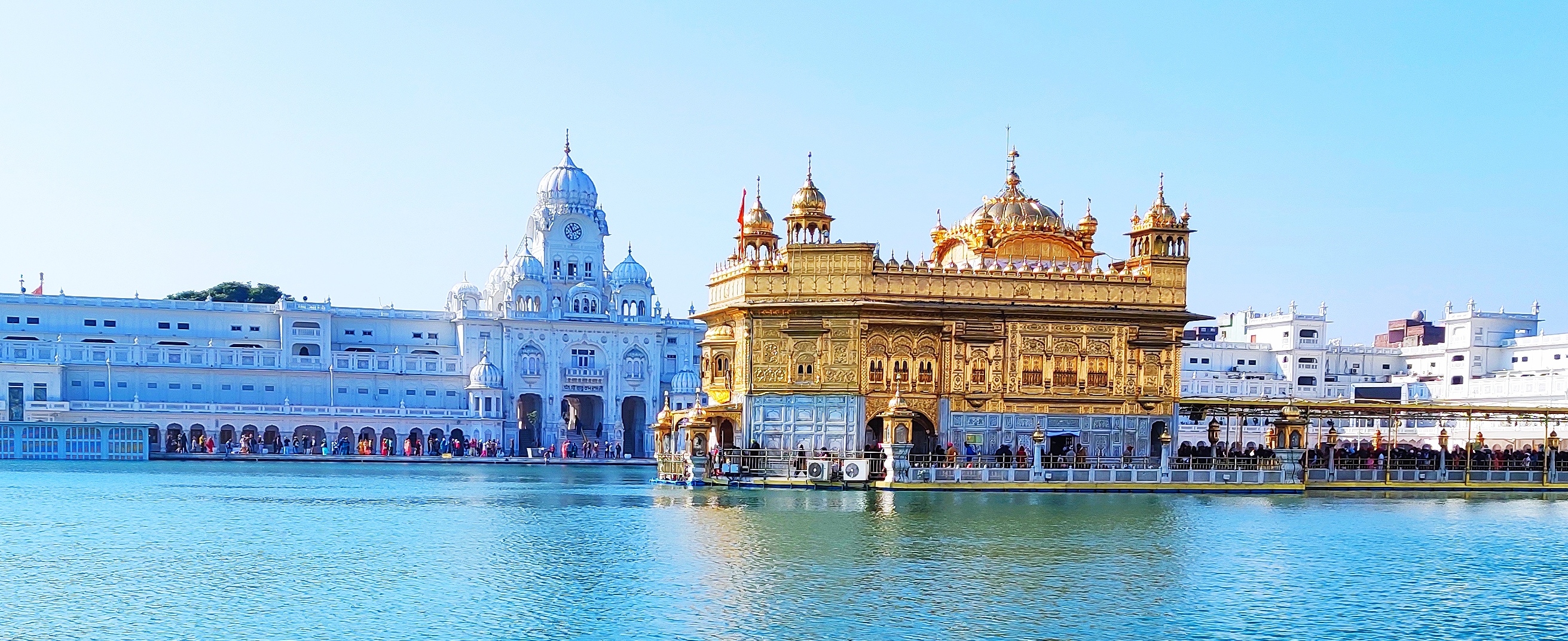
Why Amritsar is Perfect for Your Celebration
- Home to the Golden Temple — a spiritually unmatched setting for religious and pilgrimage gatherings
- Deeply rooted Baisakhi and Lohri traditions make the city a natural host for Punjab's most iconic cultural festivals
- Strong local vendor ecosystem for Punjabi catering, dhol performers, folk artists, and décor
- Well-connected by both air (ATQ) and rail (ASR Junction), making guest travel straightforward from across India
- Diverse venue inventory spanning heritage havelis, large banquet halls, and hotel lawns suited to community-scale events
- Authentic Punjabi hospitality culture — generous, high-energy, and community-oriented by tradition
Top Venues in Amritsar
Taj Swarna Amritsar
Hyatt Amritsar
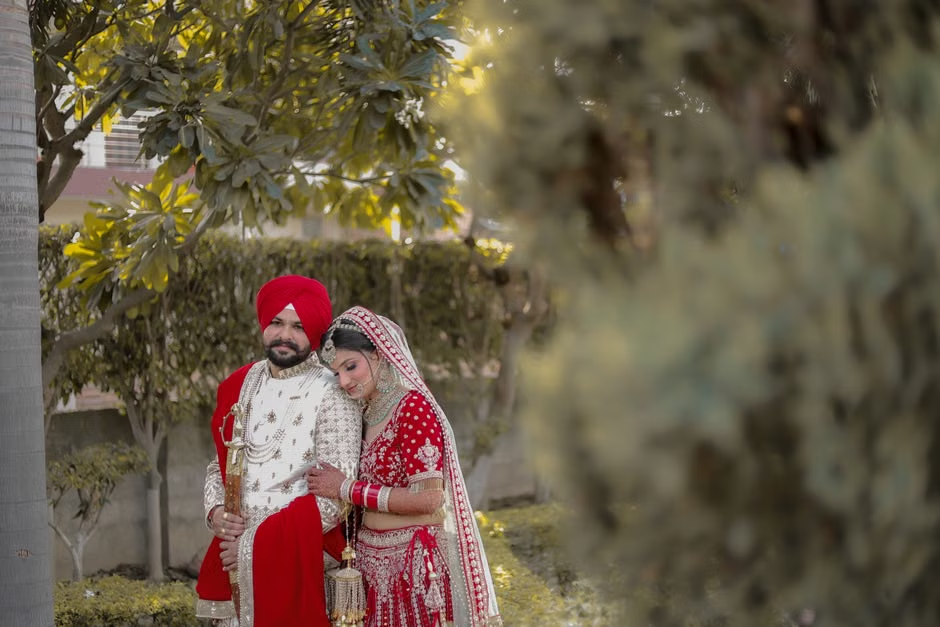
Radisson Blu Hotel Amritsar

Holiday Inn Amritsar Ranjit Avenue
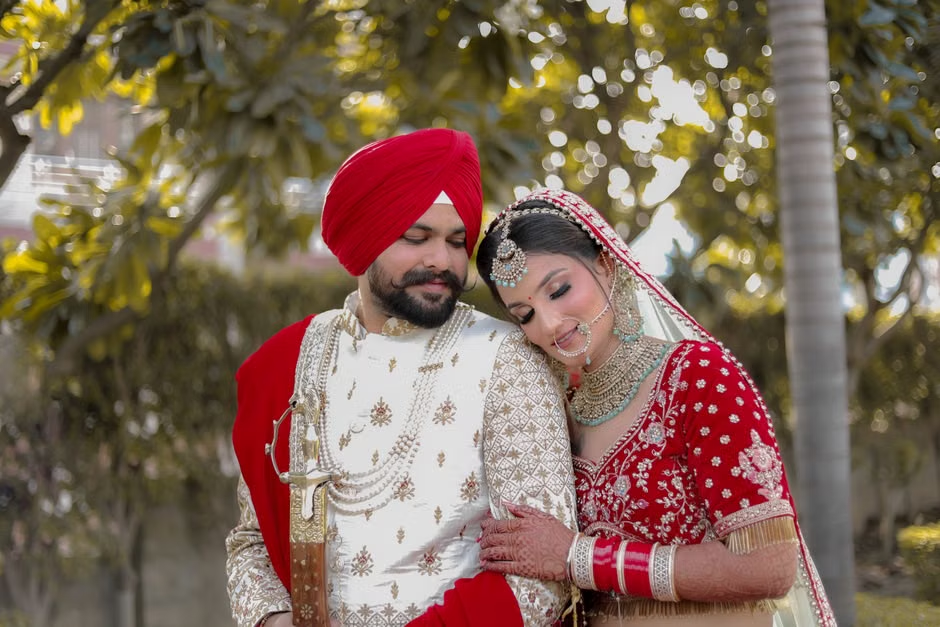
Ramada by Wyndham Amritsar
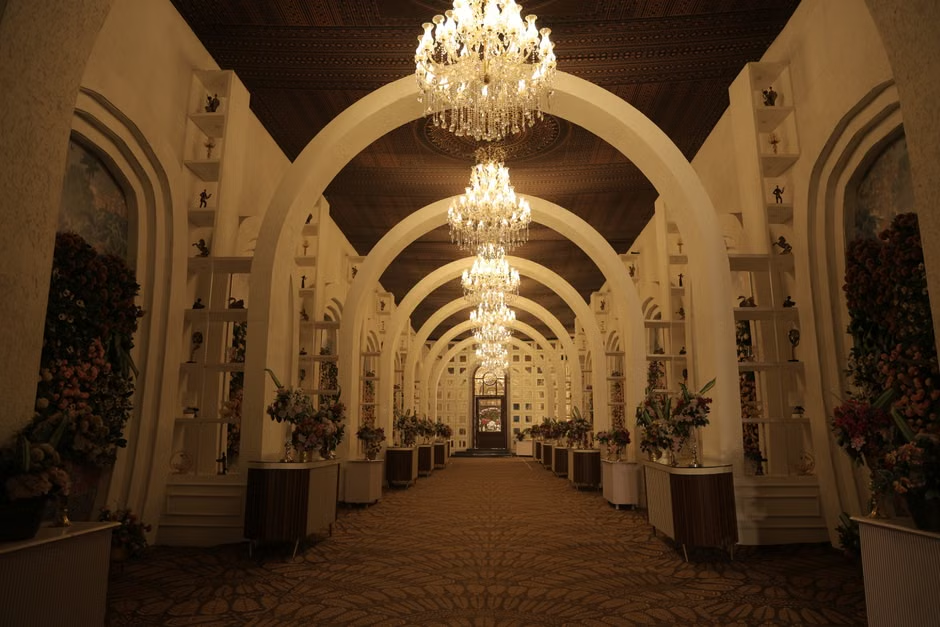
Hotel Mohan International
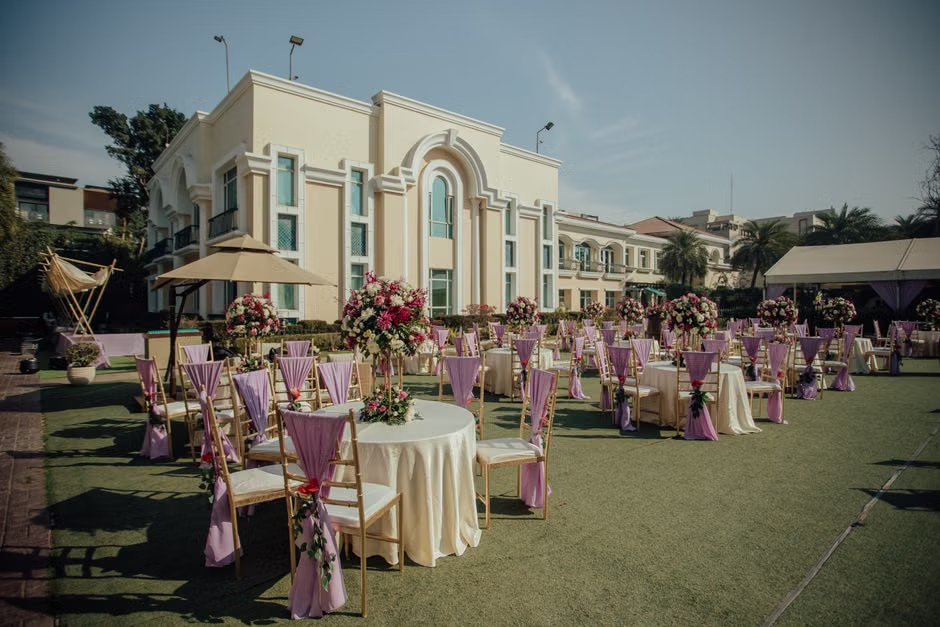
Hotel Ritz Plaza

Hotel Sita Niwas
Compare Amritsar with Other Top Destinations
Frequently Asked Questions
Is Amritsar a good destination for a Baisakhi celebration?
Yes, Amritsar is the most authentic destination in India for a Baisakhi celebration. The festival originates in Punjab's agricultural and Sikh traditions, and the city — centred on the Golden Temple — is where it is celebrated most vibrantly. Local folk performers, caterers, and event spaces are all well-equipped for large Baisakhi gatherings, and the cultural atmosphere is genuinely immersive rather than staged.
Can Amritsar host a Lohri celebration for a large family or community group?
Yes. Lohri is deeply embedded in Punjabi family life, and Amritsar's January climate — cool and dry — is ideal for the bonfire-centred festivities. Hotel lawns, banquet grounds, and open community spaces are all commonly used for Lohri events. Local dhol players, folk performers, and Punjabi caterers are readily available and experienced with large-group Lohri gatherings.
What is the best time of year to plan an event in Amritsar?
November through February is the best window. The weather is cool and dry, with daytime temperatures typically between 10°C and 20°C — comfortable for both indoor and outdoor events. This period also aligns with Lohri (January) and the lead-up to Baisakhi. Summers (April–June) bring extreme heat, and the monsoon season (July–September) adds humidity and rainfall that complicate large gatherings.
How easy is it for guests to travel to Amritsar for an event?
Relatively easy for guests travelling from within India. Sri Guru Ram Dass Jee International Airport has direct flights from Delhi, Mumbai, Bengaluru, and other major cities. Amritsar Junction is a major railway hub with frequent services from Delhi and other northern cities. Within the city, transport for large groups is straightforward to arrange through local coordinators.
Is Amritsar suitable for a spiritual or pilgrimage gathering?
Yes — it is among the strongest destinations in India for this purpose. The Golden Temple is one of the most visited and spiritually significant sites in the world, and the city's entire character is shaped by Sikh heritage and community devotion. Group pilgrimages, religious commemorations, and faith-based family events find a setting here that is genuinely meaningful and difficult to replicate elsewhere.
What kinds of event venues are available in Amritsar?
Amritsar offers a range of venue types: full-service hotel properties with dedicated banquet halls and outdoor lawns, standalone banquet halls suited to large community gatherings, heritage havelis for more intimate events, and open grounds commonly used for folk festivals and large-scale cultural events. The inventory is strongest for community-scale, high-capacity gatherings rather than small, secluded settings.
How large a guest group can Amritsar venues realistically accommodate?
Amritsar's venue inventory is well-suited to large gatherings. Several hotel properties can accommodate 300–600 guests for a single event, and standalone banquet halls and open grounds can handle even larger community-scale events. The city's hospitality ecosystem is experienced with high-volume catering and large-group logistics, which is a genuine strength for community festivals and religious gatherings.
Is Amritsar a good setting for a religious family function or naming ceremony?
Yes. The city's proximity to the Golden Temple and its network of gurudwaras and community halls make it a natural choice for families seeking a spiritually grounded setting for religious milestones. Local vendors are experienced with traditional Punjabi ceremony formats, and the cultural environment reinforces the significance of faith-based family events in a way that is authentic to the region.
What makes Amritsar's local vendor ecosystem well-suited to events?
Amritsar has a mature event vendor ecosystem shaped by decades of large religious and cultural gatherings. Local caterers are particularly strong — Punjabi cuisine and large-group feeding are points of genuine local expertise. Folk performers (dhol, Bhangra, Giddha) are a genuine local resource, and event decorators and coordinators are experienced with multi-day, multi-function gatherings for large guest groups.
What should I be aware of when planning an event during Baisakhi or Lohri season?
Venue and accommodation availability tightens significantly around both festivals — Lohri (mid-January) and Baisakhi (mid-April). Advance booking is essential, ideally several months ahead. The city center around the Golden Temple also sees very high footfall during these periods, so transport and crowd logistics for your guest group require careful coordination with a local event planner.
Is Amritsar suitable for a destination wedding?
Amritsar can work for a destination wedding, particularly for families with strong Punjabi or Sikh cultural roots who want an authentic regional setting. The city's hotel properties offer wedding-capable banquet and lawn spaces, and the local vendor ecosystem handles wedding functions well. However, it is primarily celebrated for cultural and spiritual gatherings — couples seeking palace grandeur or scenic natural settings may find other destinations a stronger fit.

Ready to explore venues in Amritsar?
Amritsar: Cultural Celebrations, Spiritual Gatherings & Event Venues
◆Amritsar is Punjab's foremost destination for cultural festivals, spiritual gatherings, and community-scale celebrations. Its primary vibe is Spiritual & Soulful, anchored by the Golden Temple and a living tradition of Sikh and Punjabi folk culture. The city is strongest for events like Baisakhi, Lohri, religious family functions, and pilgrimage gatherings, and is well-suited to large, high-energy community events. The best season runs from November through February, when the weather is cool and dry. Amritsar is accessible by both air and rail, with a mature local hospitality and vendor ecosystem that handles large guest groups comfortably.
Amritsar at a Glance
| Attribute | Detail |
|---|---|
| Best For | Baisakhi Celebration, Lohri Celebration, Cultural Festival Gathering, Spiritual / Pilgrimage Gathering |
| Primary Vibe | Spiritual & Soulful |
| Other Vibes | Festive & Folk, Heritage & Community, Warm & Celebratory |
| Best Season | Winter (November–February) |
Why Choose Amritsar?
- Unmatched spiritual significance: The Golden Temple is one of the most visited and revered sites in the world, lending an extraordinary spiritual dimension to any pilgrimage gathering, religious family function, or community ceremony held in the city.
- Living Punjabi folk culture: Amritsar is the heartland of Bhangra, Giddha, dhol traditions, and Punjabi folk arts — making it a genuinely authentic setting for Baisakhi and Lohri celebrations rather than a staged recreation of them.
- Strong air and rail connectivity: Sri Guru Ram Dass Jee International Airport handles direct flights from major Indian metros, and Amritsar Junction is one of Punjab's busiest railway stations, making guest travel straightforward from across the country.
- Mature local vendor ecosystem: The city has a well-developed network of Punjabi caterers, folk performers, event decorators, and hospitality professionals experienced in handling large community gatherings.
- Diverse venue inventory: From large banquet halls and hotel lawns to heritage havelis and open grounds, Amritsar offers event spaces suited to gatherings ranging from intimate family ceremonies to large-scale cultural festivals.
- Authentic Punjabi hospitality: The city's culture of generous, community-oriented hosting translates directly into the event experience — guests are typically well-fed, warmly received, and immersed in genuine local tradition.
Which Celebrations Work Best in Amritsar?
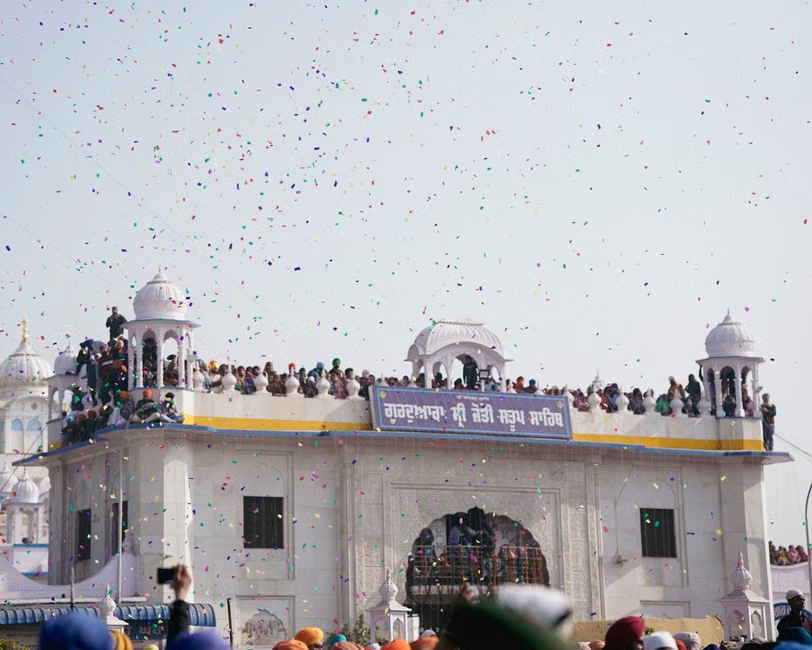
Baisakhi Celebration: Baisakhi is arguably Amritsar's most iconic annual event. The city comes alive with processions, folk performances, and community feasts centred on the Golden Temple. Hosting a Baisakhi celebration here means guests experience the festival in its most authentic form, surrounded by the culture and community that gave rise to it.
Lohri Celebration: Lohri is deeply embedded in Punjabi family and community life, and Amritsar's winter climate in January is perfectly suited to the bonfire-centred festivities. Local vendors, folk performers, and caterers are well-versed in organising Lohri gatherings of all scales.
Cultural Festival Gathering: Amritsar's heritage — spanning Sikh history, Mughal-era architecture, and Punjabi folk traditions — provides a rich, layered backdrop for cultural festivals and heritage-themed gatherings. The city's museums, historic sites, and open grounds offer varied settings for such events.
Spiritual / Pilgrimage Gathering: The Golden Temple draws millions of visitors annually and is the natural focal point for any spiritually oriented gathering. Group pilgrimages, religious commemorations, and faith-based family events find a uniquely meaningful setting here that few other Indian cities can replicate.
Local Folk Festival / Fair: Amritsar's calendar is punctuated by local melas and folk fairs rooted in Punjabi agricultural and religious traditions. The city's open grounds and community spaces are well-suited to hosting folk-fair-style events with traditional food, craft, and performance.
Religious Family Function: Whether a naming ceremony, a family prayer gathering, or a community religious observance, Amritsar's proximity to the Golden Temple and its network of gurudwaras and community halls make it a natural choice for families seeking a spiritually grounded setting for religious milestones.
Venues & Event Spaces
Amritsar's event venue landscape is anchored by a growing inventory of full-service hotel properties offering dedicated banquet halls, outdoor lawns, and multi-function spaces capable of accommodating large guest lists. Several of the city's established hotels have invested in purpose-built event infrastructure, including covered marquee spaces and open-air grounds suited to the winter season.
Beyond hotels, the city has a number of standalone banquet halls and community function spaces that are commonly used for religious family functions, naming ceremonies, and large community gatherings. These tend to offer high-capacity seating and are well-equipped for traditional Punjabi catering setups.
Heritage properties and restored havelis provide a more intimate, culturally textured setting for smaller gatherings, family reunions, and events where the architectural character of the space is part of the experience. While Amritsar does not have the palace-hotel inventory of Rajasthan, its heritage properties carry a distinct Punjabi character that is authentic to the region.
For large-scale cultural festivals and folk fairs, open grounds and community spaces — including those associated with gurudwaras and civic institutions — are frequently used and are well-suited to the kind of high-energy, community-scale events that Amritsar is known for.
Best Time to Celebrate
The winter months of November through February are the clear best season for events in Amritsar. Daytime temperatures typically range from around 10°C to 20°C, with cool, dry conditions that are comfortable for both indoor and outdoor gatherings. This window also coincides with Amritsar's most significant cultural calendar events — Lohri falls in mid-January and Baisakhi in mid-April (just outside the ideal window), making November–February the prime period for events that want to align with or draw on the city's festive energy.
The winter season also sees the Golden Temple at its most atmospheric — morning mist over the sarovar (sacred pool) and the glow of the temple's gold in cool, clear light create a setting that is particularly moving for spiritual gatherings and pilgrimage events.
March through May sees temperatures rise sharply, often reaching 38°C–42°C by May. While indoor events remain feasible, outdoor gatherings become increasingly uncomfortable, and the heat can be a significant logistical challenge for large guest groups.
June through September brings the monsoon season to Punjab, with high humidity, intermittent heavy rainfall, and temperatures that remain elevated. This period is generally unsuitable for large outdoor events and adds logistical complexity to any gathering.
October is a transitional month — temperatures begin to ease but can still be warm, and the post-monsoon humidity lingers into early October. It is a marginal shoulder period rather than a recommended window for events.
Getting There & Local Connectivity
Amritsar is well-served by Sri Guru Ram Dass Jee International Airport, which handles direct flights from Delhi, Mumbai, Bengaluru, and several other major Indian cities, as well as international routes. The airport is located close to the city center, making arrival and transfer straightforward for guests flying in.
Amritsar Junction Railway Station is one of Punjab's principal rail hubs, with frequent services to and from Delhi, Chandigarh, Jammu, and other major cities. For guests travelling from northern India, the train is often a practical and comfortable option, with several overnight and daytime express services available.
Within the city, local transport options include auto-rickshaws, cycle-rickshaws, app-based cabs, and private hire vehicles. For large event groups, coordinating dedicated transport — minibuses or coaches — between hotels, venues, and the Golden Temple is straightforward and commonly arranged by local event coordinators. The city's relatively compact layout means that most key venues, the Golden Temple, and the main hotel clusters are within a manageable distance of one another.
Local Vendor & Hospitality Ecosystem
Amritsar has a well-developed hospitality and event vendor ecosystem shaped by decades of hosting large religious gatherings, cultural festivals, and community celebrations. Local caterers are particularly strong — Punjabi cuisine is a point of genuine pride, and the city's catering professionals are experienced in feeding large groups with the kind of generous, high-quality food that defines Punjabi hospitality.
Folk performers — dhol players, Bhangra troupes, Giddha groups, and traditional musicians — are readily available and are a genuine local resource rather than an imported entertainment option. This gives Amritsar-based events an authenticity that is difficult to replicate elsewhere.
Event decorators and florists in the city are experienced with both traditional Punjabi aesthetics and more contemporary event styling. The local market for event services has grown alongside the city's hotel inventory, and most established event coordinators in Amritsar have experience managing multi-day, multi-function gatherings for large guest groups.
The gurudwara langar tradition — the practice of community kitchens serving free meals to all — also shapes the local hospitality culture in a broader sense: generosity, scale, and inclusivity are embedded in how the city approaches feeding and hosting large groups, and this ethos carries over into the commercial event sector.
Pros & Things to Consider
Why Amritsar Works Well
- Genuinely unmatched setting for spiritual and pilgrimage gatherings, anchored by the Golden Temple
- Authentic Baisakhi and Lohri celebrations — the city is the cultural source, not a recreation of it
- Strong air and rail connectivity makes guest travel manageable from most parts of India
- Mature local vendor ecosystem for Punjabi catering, folk performance, and large-group event logistics
- Cool, dry winter weather (November–February) is genuinely comfortable for both indoor and outdoor events
- Community-scale venue inventory suited to large gatherings — banquet halls, hotel lawns, and open grounds
Things to Consider
- The city's event calendar peaks sharply around Baisakhi (April) and Lohri (January) — venue and accommodation availability can tighten significantly during these periods, and advance planning is essential
- Amritsar's summers are genuinely harsh (May–June temperatures regularly exceed 40°C), making outdoor events in this period impractical without significant infrastructure investment
- The city's heritage venue inventory, while present, is more limited in scale and variety than major Rajasthani destinations — guests seeking palace-hotel grandeur may find the options narrower
- International guest connectivity, while improving, is more limited than gateway cities — guests flying from outside India may need to connect through Delhi or another hub
- The city center around the Golden Temple can be very busy, particularly during religious festivals and weekends — event logistics (transport, parking, crowd management) require careful coordination
When Amritsar May Not Be the Right Fit
- Outdoor events planned for summer (April–September): The combination of extreme heat and monsoon humidity makes large outdoor gatherings in this period genuinely uncomfortable and logistically challenging — a destination with a more forgiving year-round climate would serve better.
- Guests requiring extensive international flight options: While the airport handles some international routes, guests flying from outside India will typically need to connect through a larger hub — for events with a significant international guest list, a better-connected gateway city may reduce travel friction.
- Events seeking palace-hotel grandeur or lakeside settings: Amritsar's venue character is spiritual, cultural, and community-oriented rather than palatial or scenic in the Rajasthani sense — guests whose primary expectation is royal palace aesthetics or dramatic natural scenery may find the city's offering less aligned with that vision.
- Very small, intimate gatherings seeking seclusion: Amritsar is a busy, high-energy city — its strengths lie in community scale and cultural vibrancy. Couples or families seeking a quiet, private, secluded retreat setting for a small gathering may find the city's energy and footfall less suited to that mood.