
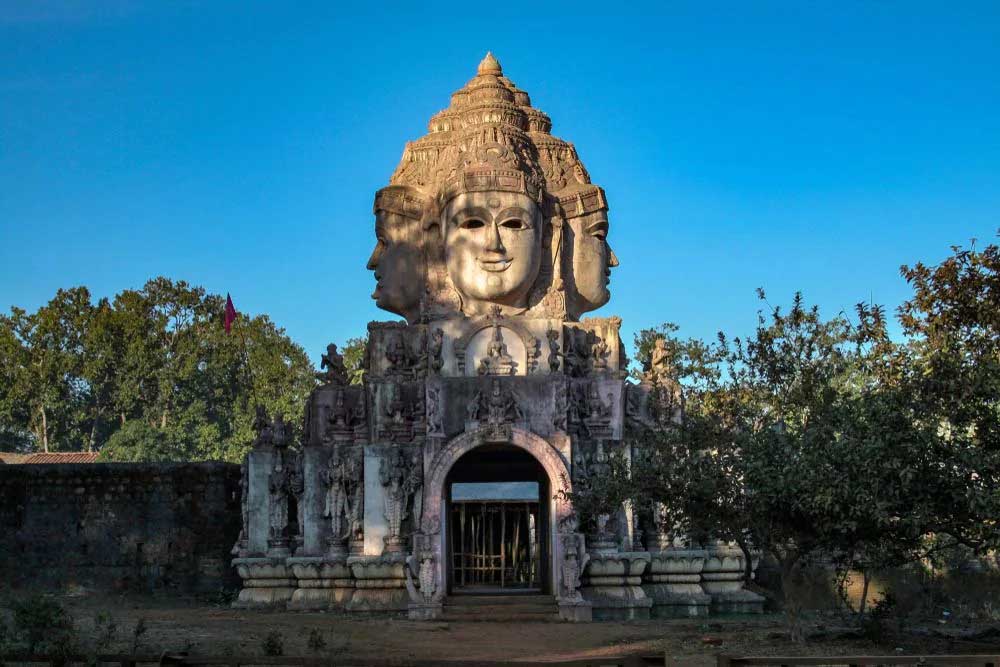
Why Amarkantak is Perfect for Your Celebration
- Origin point of the sacred Narmada river — deeply meaningful for spiritually rooted ceremonies and pilgrimages
- Cluster of ancient temples (Narmada Udgam, Kapildhara, Sarvamangala) provides authentic backdrops for temple festivals and religious functions
- Dense Sal and Teak forests create a naturally serene, distraction-free environment for retreats and cultural gatherings
- Strong regional tribal and folk culture (Gond, Baiga communities) makes it a genuine hub for folk festival gatherings
- Cool, dry winters (November–February) offer comfortable outdoor conditions for multi-day events and processions
- Low commercial footprint preserves an intimate, unhurried atmosphere suited to community-scale and family-scale celebrations
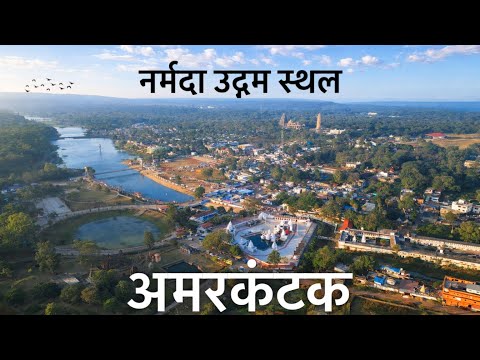
Compare Amarkantak with Other Top Destinations
Frequently Asked Questions
Is Amarkantak a good destination for a spiritual or pilgrimage gathering?
Yes, it is among the most genuinely appropriate destinations in central India for this purpose. Amarkantak is the sacred origin point of the Narmada river, surrounded by active temple complexes and a steady community of priests and ritual specialists. Group pilgrimages, devotional retreats, and spiritually themed gatherings find both the physical setting and the local expertise well-matched to their needs.
What size of guest group can Amarkantak realistically accommodate for an event?
Amarkantak works best for intimate-to-medium gatherings — typically up to around 100–150 guests who can be housed within the town itself. Beyond that, accommodation constraints become significant, and some guests may need to stay in nearby towns with daily transport arranged to the event site. The destination is not suited to large-scale events requiring high-capacity venues.
How do guests typically travel to Amarkantak?
Most guests fly into Jabalpur or Raipur — both roughly 200–220 km away — and then travel onward by road, a journey of approximately four to five hours. Alternatively, guests can arrive by train to Pendra Road station, about 45 km from Amarkantak, and complete the journey by road. Pre-arranged group transport from these hubs is strongly recommended.
What is the best time of year to hold an event in Amarkantak?
November through February is the optimal window. The weather is cool and dry, outdoor spaces are comfortable, and forest paths and temple precincts are fully accessible. The monsoon (June–September) brings heavy rainfall and road disruption, making it unsuitable for organised events. March–May sees rising heat that makes outdoor gatherings increasingly uncomfortable.
What kinds of event venues are available in Amarkantak?
The main venue types include temple precincts and riverside ghats for religious ceremonies, government-run tourist resort lawns for small group events and cultural evenings, ashrams and spiritual retreat centres for residential gatherings, and natural outdoor settings for folk festival formats. Large dedicated banquet halls or high-production wedding lawns are not part of the local landscape.
Can Amarkantak host a regional folk or tribal cultural festival gathering?
Yes, and this is one of its genuine strengths. The surrounding region is home to Gond and Baiga tribal communities with living traditions in folk music, dance, and craft. Local folk artists can be engaged through cultural organisations, making it possible to build an authentic regional folk festival programme rather than a staged approximation.
Is Amarkantak suitable for a temple festival or religious family function?
Yes. The town's active temple ecosystem — including the Narmada Udgam complex and several historically significant shrines — provides consecrated spaces and experienced local priests for temple festivals and rites of passage such as mundan, thread ceremonies, and naming ceremonies. The sacred atmosphere adds genuine meaning to family religious functions.
What should event planners know about local catering and vendor availability?
Local caterers are well-suited to vegetarian and sattvic menus appropriate for religious gatherings. For elaborate multi-cuisine catering or large guest counts, vendors from Jabalpur or Bilaspur should be brought in. Décor, lighting, and sound production equipment are not locally stocked and must be sourced from larger cities, so lead times need to be planned accordingly.
How reliable is internet and mobile connectivity in Amarkantak?
Connectivity is limited and inconsistent, particularly in forested areas around the town. Major mobile networks have some coverage in the town centre, but event planners should not rely on stable real-time digital coordination without testing in advance. Offline contingency plans for communication and scheduling are advisable for multi-day events.
Are there local ritual specialists available for ceremonies in Amarkantak?
Yes. Priests and pandits associated with the Narmada temple complex are locally present and experienced in conducting ceremonies for visiting groups — including large pilgrimage parties and family religious functions. This is a practical advantage over destinations where ritual specialists need to be brought in from outside.
What makes Amarkantak different from a typical event destination?
Amarkantak's distinctiveness lies in its genuine spiritual and cultural authenticity — it is not a resort town that has added a temple or folk show as an amenity. The sacred geography, living tribal traditions, and active religious community are the destination itself. Events here carry a depth of meaning and local rootedness that is difficult to replicate in more commercially developed locations.

Ready to explore venues in Amarkantak?
Amarkantak: Spiritual Gatherings, Temple Festivals & Cultural Event Venues
◆Amarkantak is a small, deeply sacred pilgrimage town in Madhya Pradesh, situated at the meeting point of the Vindhya and Satpura hill ranges and best known as the source of the Narmada river. Its primary strength lies in spiritually rooted and culturally significant gatherings — temple festivals, pilgrimage events, regional folk and tribal cultural celebrations, and religious family functions. The destination is most accessible and comfortable during winter (November–February), when the climate is cool and dry. Accommodation and event infrastructure are modest and community-scale; this is not a destination for large-scale luxury weddings, but it is genuinely distinctive for intimate, meaning-driven celebrations.
Amarkantak at a Glance
| Attribute | Detail |
|---|---|
| Best For | Regional Folk & Cultural Festival Gathering, Spiritual / Pilgrimage Gathering, Temple Festival, Cultural Festival Gathering |
| Primary Vibe | Spiritual & Soulful |
| Other Vibes | Nature-Immersed, Tribal & Folk, Serene & Intimate |
| Best Season | Winter (November–February) |
Why Choose Amarkantak?
- Sacred river origin: Amarkantak is the source of the Narmada, one of India's most revered rivers. This geographical and spiritual significance gives any ceremony or gathering held here a depth of meaning that few other destinations can replicate.
- Concentration of ancient temples: The town contains a cluster of historically significant temples — including the Narmada Udgam complex, Kapildhara, and Sarvamangala temple — providing authentic, consecrated spaces for temple festivals and religious functions without the need for elaborate artificial staging.
- Living tribal and folk culture: The surrounding region is home to Gond and Baiga tribal communities with rich, distinct folk traditions in music, dance, and craft. This makes Amarkantak a genuinely appropriate and vibrant setting for regional folk and cultural festival gatherings, rather than a staged approximation.
- Forested, distraction-free environment: Dense Sal and Teak forests surrounding the town create a naturally calm, immersive atmosphere well-suited to leadership retreats, spiritual retreats, and community gatherings where focus and reflection matter.
- Intimate scale: The town's small size and limited commercial development mean events here feel genuinely community-rooted rather than transactional — a meaningful advantage for family reunions, naming ceremonies, and religious family functions where atmosphere matters more than scale.
- Comfortable winter climate: November through February brings cool, dry, and clear conditions — comfortable for outdoor processions, open-air cultural performances, and multi-day pilgrimage-style gatherings that would be impractical in the heat or monsoon.
Which Celebrations Work Best in Amarkantak?
- Regional Folk & Cultural Festival Gathering: Amarkantak sits within one of central India's richest zones of tribal folk culture. Gond and Baiga traditions in music, storytelling, and visual art are living and locally present — making this an ideal base for curated folk festival gatherings that draw on authentic regional heritage rather than imported entertainment.
- Spiritual / Pilgrimage Gathering: As the origin point of the Narmada river, Amarkantak holds deep significance across multiple Hindu traditions. Group pilgrimages, spiritual retreats, and devotional gatherings organised around the river's source and the surrounding temple complex are among the most natural and well-supported event types here.
- Temple Festival: The town's active temple ecosystem — with regular ritual cycles, seasonal festivals, and a steady flow of devotees — means that organising or participating in a temple festival here connects guests to something genuinely ongoing rather than a one-off production. The Narmada Jayanti festival, celebrated annually at the source, is a particularly significant occasion.
- Cultural Festival Gathering: Beyond strictly religious programming, Amarkantak's forest setting, tribal heritage, and association with classical and folk music traditions (the region has historical connections to devotional music lineages) make it a credible venue for broader cultural festival gatherings with an emphasis on heritage and the arts.
- Local Folk Festival / Fair: The surrounding district hosts seasonal fairs and melas that blend commerce, folk performance, and community ritual. Organising a private folk fair-style gathering in this environment — with local artisans, performers, and food — is both logistically feasible and culturally coherent.
- Religious Family Function: Families seeking to hold a mundan, thread ceremony, naming ceremony, or other rite of passage in a genuinely sacred environment — rather than a hotel banquet hall — find Amarkantak's temple precincts and riverside ghats a meaningful alternative. The scale suits small-to-medium family groups well.
Venues & Event Spaces
Amarkantak's event infrastructure is modest and community-oriented, which is both its character and its honest limitation. The primary venue types available include:
- Temple precincts and ghats: The most distinctive and sought-after spaces for religious and spiritual events. Several temple complexes have open courtyards and mandap areas that can accommodate small-to-medium gatherings for ceremonies and festivals.
- Government-run tourist resorts and bungalows: Madhya Pradesh Tourism operates properties in and around Amarkantak that include lawns and open spaces suitable for small group events, cultural evenings, and family functions. These are the most reliably bookable formal event spaces in the area.
- Private guesthouses and ashrams: A number of ashrams and spiritual retreat centres in the area offer residential accommodation alongside spaces for group meditation, discourse, and cultural programming — particularly suited to leadership retreats and spiritual gatherings.
- Forest clearings and riverside settings: For informal cultural gatherings and folk festival formats, the natural landscape itself — forested hillsides, the Narmada's origin pool, and nearby waterfalls — can serve as atmospheric open-air backdrops, subject to appropriate permissions.
Event planners should note that large banquet halls, dedicated wedding lawns with full production infrastructure, and high-capacity convention spaces are not a feature of Amarkantak's current hospitality landscape. Events here typically work best at an intimate-to-medium scale.
Best Time to Celebrate
November through February is the clear optimal window for events in Amarkantak. Temperatures during this period typically range from around 10°C at night to the low-to-mid 20s°C during the day — comfortable for outdoor processions, open-air cultural performances, and multi-day gatherings. The air is dry and clear, forest paths are walkable, and the Narmada's origin pool and surrounding temple areas are at their most accessible and visually appealing.
March through May sees temperatures rise steadily, with May reaching uncomfortable highs. Outdoor events become increasingly impractical, and the forested setting — while still beautiful — offers less relief than one might expect as humidity builds ahead of the monsoon.
June through September brings the monsoon in earnest. Amarkantak receives significant rainfall — the Vindhya-Satpura junction is a high-rainfall zone — and forest roads can become waterlogged or temporarily impassable. While the landscape is dramatically green and the waterfalls (including Kapildhara and Dudh Dhara) are at their most spectacular, this is a genuinely difficult period for organised group events, particularly those involving elderly guests or large numbers of attendees.
October is a transitional month — the monsoon recedes, but humidity lingers and some roads may still be recovering. It is not a recommended window for events, though conditions improve noticeably toward the end of the month.
Getting There & Local Connectivity
Amarkantak is a remote destination by Indian standards, and guest travel logistics require careful advance planning. The nearest functional airport is at Jabalpur, roughly 220 km away — a journey of approximately four to five hours by road. Guests flying in from major cities will typically route through Jabalpur, Raipur (in Chhattisgarh, at a comparable distance), or Bilaspur, depending on their origin city and available connections.
The nearest railway station with reasonable connectivity is Pendra Road, approximately 45 km from Amarkantak town. Pendra Road sits on the Bilaspur–Katni rail line and connects to central and eastern Indian cities. From Pendra Road, guests travel onward by road — taxis and shared vehicles are available but should be pre-arranged for groups.
Once in Amarkantak, local movement is primarily by road. The town itself is compact and walkable for those staying near the temple complex, but guests accommodated at properties on the outskirts will need vehicle support. For groups, pre-arranged tempo travellers or minibuses are the practical solution. Auto-rickshaws are available within town but limited in number. There is no local public transport system suited to coordinating a large guest group.
Internet and mobile connectivity in Amarkantak is limited — coverage from major networks exists but is inconsistent, particularly in forested areas. Event planners should not rely on real-time digital coordination without testing connectivity in advance.
Local Vendor & Hospitality Ecosystem
Amarkantak's vendor ecosystem is genuinely suited to the kinds of events it does best — small-scale, spiritually rooted, and culturally authentic — but has real limitations for events requiring sophisticated production or large-scale catering.
- Catering: Local caterers are experienced with vegetarian and sattvic menus appropriate for religious and pilgrimage gatherings. For events requiring elaborate multi-cuisine catering or large guest counts, bringing in vendors from Jabalpur, Bilaspur, or Shahdol is advisable.
- Ritual and ceremonial specialists: Priests, pandits, and ritual specialists associated with the Narmada temple complex are locally available and experienced in conducting ceremonies for visiting groups — a genuine advantage for temple festivals and religious family functions.
- Folk performers: Gond and Baiga folk artists — musicians, dancers, and craftspeople — can be engaged through local cultural organisations and tribal welfare bodies. This is one of the ecosystem's genuine strengths.
- Décor and production: Large-scale event décor, lighting rigs, sound systems, and production equipment are not locally stocked. These need to be sourced from larger nearby cities and transported in, adding lead time and logistical complexity.
- Accommodation capacity: The total accommodation inventory in Amarkantak is limited. Groups larger than 80–100 guests may find it difficult to house everyone within the town itself and may need to arrange accommodation in nearby towns such as Shahdol or Anuppur, with daily transport to the event site.
Pros & Things to Consider
Why Amarkantak Works Well
- Unmatched spiritual authenticity — the Narmada's source is a genuinely sacred site, not a recreated one
- Living tribal folk culture provides real, locally-rooted entertainment and cultural programming
- Intimate scale creates a focused, community-feel atmosphere that larger destinations cannot replicate
- Cool, dry winters make outdoor events comfortable and visually beautiful
- Low commercial noise means events feel meaningful rather than transactional
- Experienced local ritual specialists for religious and temple-based ceremonies
Things to Consider
- Remote location means significant travel time for most guests — this is not a convenient destination for a dispersed guest list
- Accommodation inventory is limited; large groups will face genuine capacity constraints within the town
- Production and décor vendors must be sourced from distant cities, increasing complexity and lead time
- Internet and mobile connectivity is unreliable — real-time event coordination requires contingency planning
- Not suited to large-scale events; the infrastructure comfortably supports intimate-to-medium gatherings only
- Monsoon season (June–September) effectively closes the destination to organised group events
When Amarkantak May Not Be the Right Fit
- Large guest lists: If your event involves more than 150–200 guests requiring accommodation in one place, Amarkantak's limited hospitality inventory will create genuine logistical difficulties. A destination with a larger hotel base would serve you better.
- Guests with limited mobility or long travel tolerance: The multi-hour road journey from the nearest airport or railway station, combined with limited medical facilities in the town, makes Amarkantak a challenging choice for events with elderly guests or attendees who find extended travel difficult.
- Events requiring high-production infrastructure: If your celebration depends on elaborate stage production, large sound systems, extensive lighting, or multi-vendor catering at scale, the local ecosystem will require significant external resourcing — and a destination with a more developed event industry would be more efficient.
- Monsoon-season events: Planning any outdoor or semi-outdoor event between June and September carries a high risk of disruption from heavy rainfall and road accessibility issues. This window should generally be avoided for organised group events at this destination.