
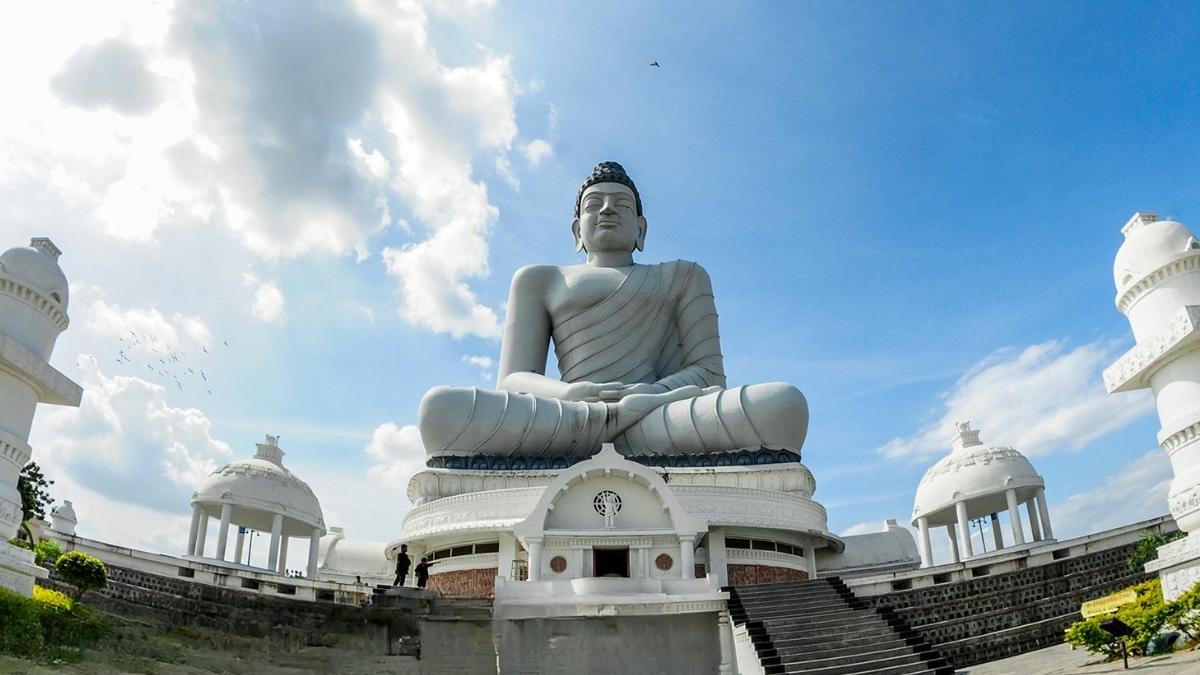
Why Amaravati is Perfect for Your Celebration
- Sacred Krishna River setting provides a unique, scenic backdrop for cultural and corporate events
- Home to the ancient Amaravati Stupa and Buddhist heritage, lending cultural gravitas to gatherings
- Rapidly developing convention and banquet infrastructure as Andhra Pradesh's planned capital
- Ideal for Sankranti and Ugadi celebrations given deep Telugu cultural roots in the region
- Strong regional connectivity via Vijayawada Airport and Junction for multi-city guest groups
- Winter months (November–February) offer reliably dry, comfortable weather for large outdoor events

Top Venues in Amaravati
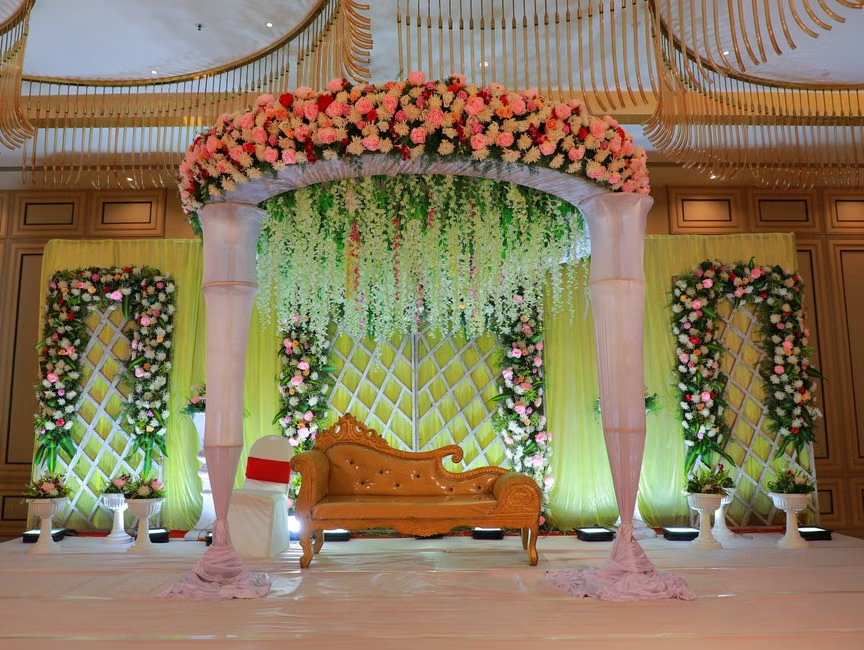
Novotel Vijayawada Varun
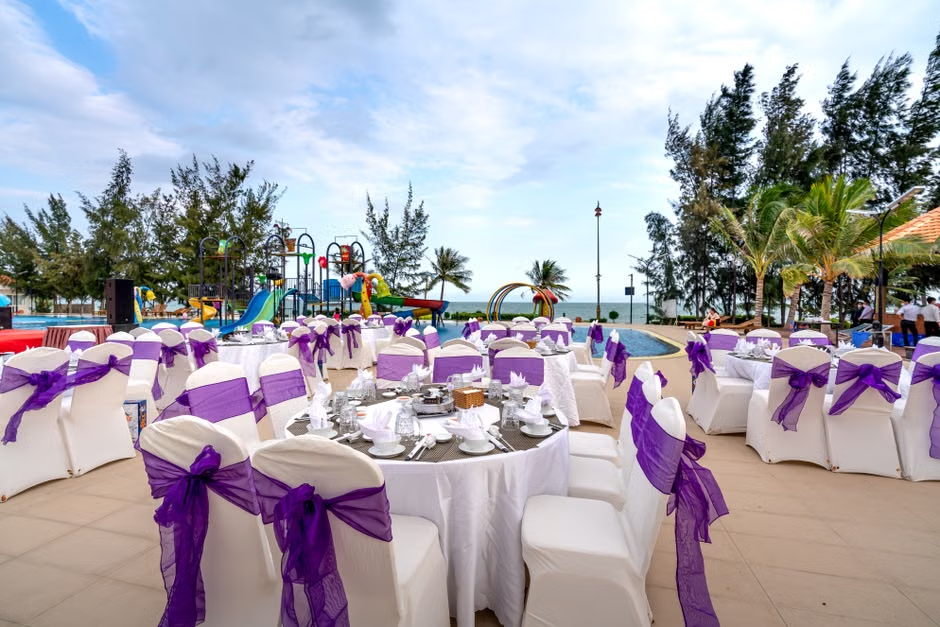
Fortune Murali Park
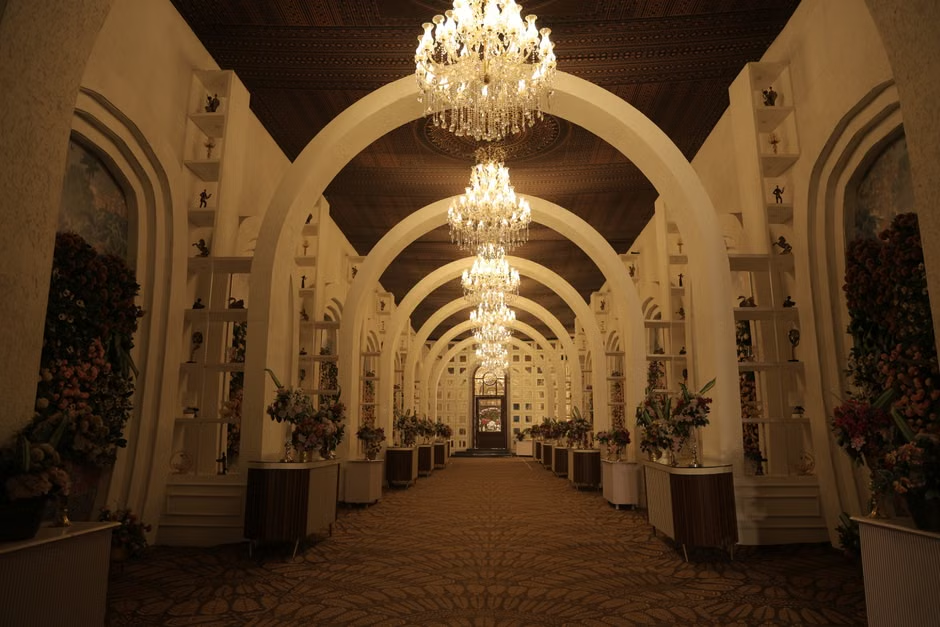
Hotel Ilapuram
Compare Amaravati with Other Top Destinations
Frequently Asked Questions
Is Amaravati a good destination for a corporate offsite?
Yes. Amaravati is well-suited for corporate offsites, particularly for South Indian and pan-Indian companies. The Krishna River setting provides a distinctive, calm environment away from metro noise, while proximity to Vijayawada's airport and railway junction ensures practical accessibility. The growing hotel and convention infrastructure in the broader corridor supports mid-to-large corporate group formats with accommodation, banquet, and meeting room requirements under one roof.
What guest group sizes can Amaravati venues realistically support?
The broader Amaravati–Vijayawada corridor can comfortably support events ranging from around 100 to 600 guests across its established hotel and banquet properties. Very large-scale events exceeding 800–1000 guests may need to combine multiple venues or draw on Vijayawada's larger convention infrastructure. For mid-scale corporate and cultural events in the 150–400 guest range, the destination is generally well-equipped.
What is the nearest airport to Amaravati, and how long does it take to reach the city?
Vijayawada Airport (VGA) is the nearest airport, approximately 25–30 km from Amaravati's city center. Travel time by road is typically 35–50 minutes depending on traffic. The airport has direct connections to Hyderabad, Chennai, Bengaluru, Mumbai, and Delhi, making it practical for most pan-India corporate guest groups, though guests from smaller cities may need a connecting flight.
What is the best time of year to plan an event in Amaravati?
November through February is the best window. This winter season brings dry, mild weather — typically 18°C to 28°C — that suits both outdoor riverside events and indoor convention formats. It also coincides with Sankranti (mid-January), making it ideal for cultural festival events. March–May brings intense heat, and June–September is monsoon season with flooding risk near the Krishna River — both periods are best avoided.
Is Amaravati a good location for a Sankranti celebration?
Yes, and it is among the most culturally authentic locations in Andhra Pradesh for it. Sankranti is deeply embedded in local life here — kite flying, Bhogi rituals, Haridasu performances, and traditional Telugu cuisine are genuine local traditions rather than staged recreations. Local caterers and cultural vendors are highly experienced with large-scale Sankranti event formats, making the planning process more straightforward than in less culturally rooted destinations.
How suitable is Amaravati for a Ugadi celebration event?
Very suitable. As the Telugu New Year, Ugadi carries particular cultural significance in Amaravati. Local event vendors, caterers, and cultural performers are well-versed in traditional Ugadi formats — including the ceremonial Ugadi Pachadi, classical music and dance programmes, and traditional décor. Ugadi typically falls in March–April, which sits just outside the peak winter season, so planners should account for rising temperatures when designing the event format.
How does rail connectivity work for guests travelling to Amaravati?
Vijayawada Junction, approximately 25 km from Amaravati, is one of South India's busiest and best-connected railway stations, with direct services to Chennai, Hyderabad, Mumbai, Delhi, Kolkata, and most major cities. For guests from within Andhra Pradesh, Telangana, or Tamil Nadu, train travel is often the most convenient option. Pre-arranged group transfers from the station to the event venue are the standard logistics approach.
What kinds of event spaces are available in Amaravati?
The destination offers hotel banquet halls and convention spaces ranging from mid-scale to luxury, open riverside lawns and ghats along the Krishna River suited to cultural and outdoor events, resort-style properties with self-contained accommodation and event facilities, and government convention infrastructure aligned with Amaravati's capital-city development. The ecosystem is growing — planners targeting very large or technically complex formats should confirm specific capacity and AV capabilities early in the planning process.
What is the local transport situation for a large guest group once they arrive?
Local app-based cab services are available but may lack the density needed for simultaneous large-group movement. Pre-arranged chartered buses or a coordinated fleet of vehicles is the practical standard for event groups. The road infrastructure connecting Amaravati, Vijayawada, and Guntur is generally well-maintained, and the planned capital's internal road network is relatively modern, making group transfers manageable with advance coordination.
Is Amaravati suitable for a MICE or large annual conference?
Yes, particularly for regional or state-level conferences with a South Indian audience. The city's capital-city mandate has driven investment in convention-grade infrastructure, and its symbolic significance within Andhra Pradesh adds institutional gravitas to conferences held here. For very large international MICE programmes requiring deep specialist vendor depth, planners should assess whether supplementary resources from Vijayawada or Hyderabad will be needed.
How experienced are local vendors with corporate event formats?
For Telugu cultural events — catering, décor, classical performances — local vendor experience is strong and well-established. For corporate-specific requirements such as large-format AV production, simultaneous interpretation, or high-end event design, the ecosystem is growing but may require bringing in specialist vendors from Hyderabad or Vijayawada for the most technically demanding briefs. Hotel-based event teams at established properties are increasingly experienced with corporate formats.
Are there any specific risks or limitations to be aware of when planning an event in Amaravati?
The main risks are seasonal: the monsoon period (June–September) brings genuine flooding risk near the Krishna River, making outdoor events unviable and introducing logistical disruption even for indoor formats. The pre-monsoon heat (March–May) makes outdoor events uncomfortable. Additionally, peak festival dates like Sankranti see high demand on local hospitality — early booking is essential. The venue ecosystem, while growing, is still maturing for very large-scale events.

Ready to explore venues in Amaravati?
Amaravati: Corporate Events, Cultural Festivals & Riverside Venue Guide
◆Amaravati is Andhra Pradesh's planned capital city, positioned along the Krishna River and anchored by deep Telugu cultural heritage including the ancient Amaravati Buddhist Stupa. It is strongest for corporate offsites, dealer and distributor meets, MICE conventions, and major Telugu cultural festivals such as Sankranti and Ugadi. The destination's primary vibe is cultural and riverside, with a growing but still-maturing hospitality infrastructure. Winter (November–February) is the clear best season. Regional accessibility is solid via Vijayawada's airport and railway junction, making it practical for multi-city corporate guest groups across South and Central India.
Amaravati at a Glance
| Attribute | Detail |
|---|---|
| Best For | Corporate Offsite, Dealer / Distributor Meet, Sankranti Celebration, Ugadi Celebration |
| Primary Vibe | Royal & Heritage |
| Other Vibes | Riverside, Cultural, Emerging Convention Hub |
| Best Season | Winter (November–February) |
Why Choose Amaravati?
- Sacred riverside setting: The Krishna River provides a naturally dramatic and spiritually resonant backdrop that few South Indian event destinations can replicate, particularly meaningful for cultural and festival-themed gatherings.
- Deep Telugu cultural roots: As the historic and now administrative heart of Andhra Pradesh, Amaravati carries genuine cultural authority for Sankranti, Ugadi, and other Telugu festival celebrations — local vendors, caterers, and decorators are deeply familiar with these formats.
- Rapidly expanding convention infrastructure: As a planned capital city, Amaravati is actively developing large-format convention and banquet spaces suited to MICE programmes, annual conferences, and product launches at scale.
- Strong regional connectivity: Vijayawada Airport and Vijayawada Junction — both within approximately 25–30 km — connect Amaravati to Chennai, Hyderabad, Bengaluru, Mumbai, and Delhi, making it genuinely practical for pan-India corporate guest lists.
- Proximity to Guntur and Vijayawada: The broader Amaravati–Vijayawada–Guntur triangle gives event planners access to a wider pool of hospitality properties, catering vendors, and event production teams than Amaravati's own city limits alone would suggest.
- Comfortable winter season: November through February delivers reliably dry, mild weather — typically 18°C to 28°C — that makes both outdoor riverside events and indoor convention formats comfortable for guests.
Which Celebrations Work Best in Amaravati?
Corporate Offsite: Amaravati's combination of riverside calm, growing hotel infrastructure, and proximity to Vijayawada's transport links makes it a practical and distinctive choice for corporate offsites seeking a setting that feels removed from a typical metro without being logistically difficult to reach.
Dealer / Distributor Meet: The city's central position within Andhra Pradesh and easy rail and air access from across South India make it a natural gathering point for regional dealer and distributor networks. Banquet and convention spaces in the broader Amaravati corridor can comfortably accommodate mid-to-large dealer meet formats.
Sankranti Celebration: Amaravati is arguably one of the most culturally authentic locations in Andhra Pradesh to host a Sankranti celebration. The festival is deeply embedded in local life here — kite flying, traditional food, Haridasu performances, and Bhogi rituals are all part of the genuine local fabric, not staged recreations.
Ugadi Celebration: As the Telugu New Year, Ugadi carries particular significance in Amaravati. Local caterers and event teams are highly experienced in traditional Ugadi menus (including the iconic Ugadi Pachadi), cultural programmes, and the ceremonial elements that make the occasion meaningful rather than merely decorative.
Annual Conference: The destination's developing convention infrastructure, combined with its symbolic status as Andhra Pradesh's capital, gives annual conferences held here a degree of institutional gravitas. It is particularly well-suited to state-level or regional industry conferences where the Andhra Pradesh connection is itself relevant.
MICE / Convention Programme: Amaravati's planned-city design includes provisions for large-format public and convention infrastructure. For MICE programmes targeting South Indian corporate audiences, the destination offers a combination of scale potential, cultural interest, and improving hospitality depth that is growing year on year.
Venues & Event Spaces
Amaravati and its immediate surrounding corridor — encompassing parts of the Vijayawada and Guntur belt — offer a range of venue types suited to different event formats. The most prominent category is hotel banquet and convention halls, which range from mid-scale properties with flexible indoor ballrooms to larger luxury hotels capable of hosting multi-day MICE programmes with breakout rooms, AV infrastructure, and dedicated event coordination teams.
Beyond hotel venues, the region features open riverside lawns and ghats along the Krishna River that can be configured for cultural festival gatherings, outdoor dinners, and ceremonial events — particularly relevant for Sankranti and Ugadi formats where open-air settings are traditional. Government and institutional convention centres are also part of Amaravati's planned infrastructure, reflecting its capital-city mandate, and these are increasingly available for large-scale conferences and MICE events.
For more intimate corporate offsites or dealer meets, resort-style properties in the broader corridor offer self-contained environments with accommodation, dining, and event space under one roof — reducing the logistical complexity of moving groups between venues. Planners should note that while the venue ecosystem is growing, it is still maturing compared to more established Tier-1 event cities, and early booking — particularly for peak winter dates — is advisable.
Best Time to Celebrate
The winter months of November through February are the clear optimal window for events in Amaravati. Daytime temperatures typically range from around 20°C to 28°C, with cool, dry evenings that make both outdoor riverside settings and indoor convention formats genuinely comfortable. Humidity is low relative to the rest of the year, and rainfall is minimal — critical for events that include outdoor components along the Krishna River or open lawns.
This window also coincides with two of the destination's most culturally significant events: Sankranti (mid-January) and the lead-up period before Ugadi (which falls in March–April depending on the lunar calendar). Planners targeting these festival formats should book well in advance, as local hospitality and vendor capacity tightens considerably around these dates.
March through May brings rapidly rising temperatures, frequently exceeding 38°C–40°C by April and May. Outdoor events become impractical, and even indoor events require robust air-conditioning infrastructure. This period is generally not recommended unless the event is entirely indoors with reliable climate control.
June through September is the Southwest Monsoon season. Amaravati's location along the Krishna River makes it particularly susceptible to flooding risk during heavy rainfall years — the river has historically seen significant flood events in this corridor. Outdoor events are essentially not viable, and even indoor events may face logistical disruption from road flooding and transport delays. This is the period most strongly to avoid for event planning.
October functions as a transitional shoulder month — the monsoon typically retreats, but residual humidity and occasional late-season rainfall mean it is not as reliable as November onward. It can work for fully indoor events with contingency planning in place.
Getting There & Local Connectivity
The primary air gateway for Amaravati is Vijayawada Airport (VGA), located approximately 25–30 km from Amaravati's city center. The airport operates direct flights to major Indian cities including Hyderabad, Chennai, Bengaluru, Mumbai, and Delhi, making it genuinely practical for pan-India corporate guest groups. Flight frequency is reasonable for a Tier-2 airport, though guests from smaller cities may require a connection through Hyderabad or Chennai.
By rail, Vijayawada Junction is one of the busiest and best-connected railway stations in South India, with direct services to virtually every major city in the country. For guests travelling from within Andhra Pradesh, Telangana, Tamil Nadu, or Karnataka, train travel is often the most convenient option. The station is approximately 25 km from Amaravati, and pre-arranged group transfers are the standard approach for event logistics.
Local movement within Amaravati and between Amaravati, Vijayawada, and Guntur is primarily by road. The planned capital's road infrastructure is relatively modern, and the National Highway corridor connecting these three cities is well-maintained. For large event groups, chartered buses or a coordinated fleet of cabs is the practical norm — app-based cab services are available but may not have sufficient density for simultaneous large-group movement without advance coordination.
Local Vendor & Hospitality Ecosystem
Amaravati's vendor ecosystem reflects its dual character: a city with deep, mature cultural traditions on one hand, and a still-developing modern event infrastructure on the other. For Telugu cultural events — Sankranti, Ugadi, traditional catering, classical music and dance performances, and ceremonial décor — the local and regional vendor pool is genuinely strong. Caterers in this corridor are experienced in large-scale traditional Telugu cuisine, and cultural performers are readily available given the region's artistic heritage.
For corporate and MICE formats — AV production, simultaneous interpretation, large-format exhibition setups, and high-end event design — the ecosystem is growing but still relies partly on vendors brought in from Hyderabad, Vijayawada, or occasionally Chennai for the most technically demanding requirements. This is not unusual for an emerging destination, but planners should factor in the logistics and lead time of sourcing specialist vendors from outside the immediate area.
Hotel-based event teams in the broader corridor are increasingly experienced with corporate formats, and the larger properties have dedicated event coordinators. Standalone banquet venues may require more active coordination from the planner's side. Overall, the hospitality ecosystem is best described as capable and culturally rich, with growing but not yet fully mature corporate event depth.
Pros & Things to Consider
Why Amaravati Works Well
- Unique Krishna River setting that provides genuine scenic and cultural distinction for events
- Deeply authentic location for Telugu cultural festivals — Sankranti and Ugadi feel genuinely rooted here
- Strong regional rail and air connectivity via Vijayawada for South and Central Indian guest groups
- Growing convention and banquet infrastructure aligned with the city's capital-city development mandate
- Reliable, comfortable winter season (November–February) with low rainfall and pleasant temperatures
- Access to a broader hospitality and vendor pool across the Amaravati–Vijayawada–Guntur corridor
Things to Consider
- The city's hospitality and event infrastructure is still maturing — very large-scale events may need to draw on venues and vendors from Vijayawada rather than Amaravati proper
- Flood risk during monsoon months (June–September) is a genuine concern given the Krishna River proximity — this season should be avoided for event planning
- Guests flying in from North or West India may face limited direct flight options to Vijayawada and may require a connection, adding travel time
- Local transport density (cabs, auto-rickshaws) may be insufficient for simultaneous large-group movement without pre-arranged chartered vehicles
- Peak festival dates (Sankranti, Ugadi) see high demand on local hospitality — early booking is essential, and last-minute planning is not advisable during these windows
When Amaravati May Not Be the Right Fit
- Events planned during June–September: The monsoon season, combined with the Krishna River's flood history in this corridor, makes outdoor events essentially unviable and introduces real logistical risk even for indoor formats. A destination with lower monsoon exposure would be a more reliable choice for this window.
- Very large-scale events requiring a fully mature, self-contained venue ecosystem: If an event requires multiple large convention halls, a deep bench of specialist AV and production vendors, and extensive luxury accommodation all within a single city, Amaravati's still-developing infrastructure may require supplementing from Vijayawada — which adds coordination complexity.
- Guest groups with a predominantly North or West Indian base: While Vijayawada Airport is well-connected, guests from cities like Jaipur, Ahmedabad, Kolkata, or Pune may face limited direct flight options and longer overall travel times, reducing the destination's convenience advantage for these audiences.
- Events seeking an established, internationally recognised destination profile: Amaravati is an emerging destination — it does not yet carry the brand recognition of more established South Indian event cities. For events where the destination's own prestige or international profile is part of the brief, a more established city may be a stronger fit.