
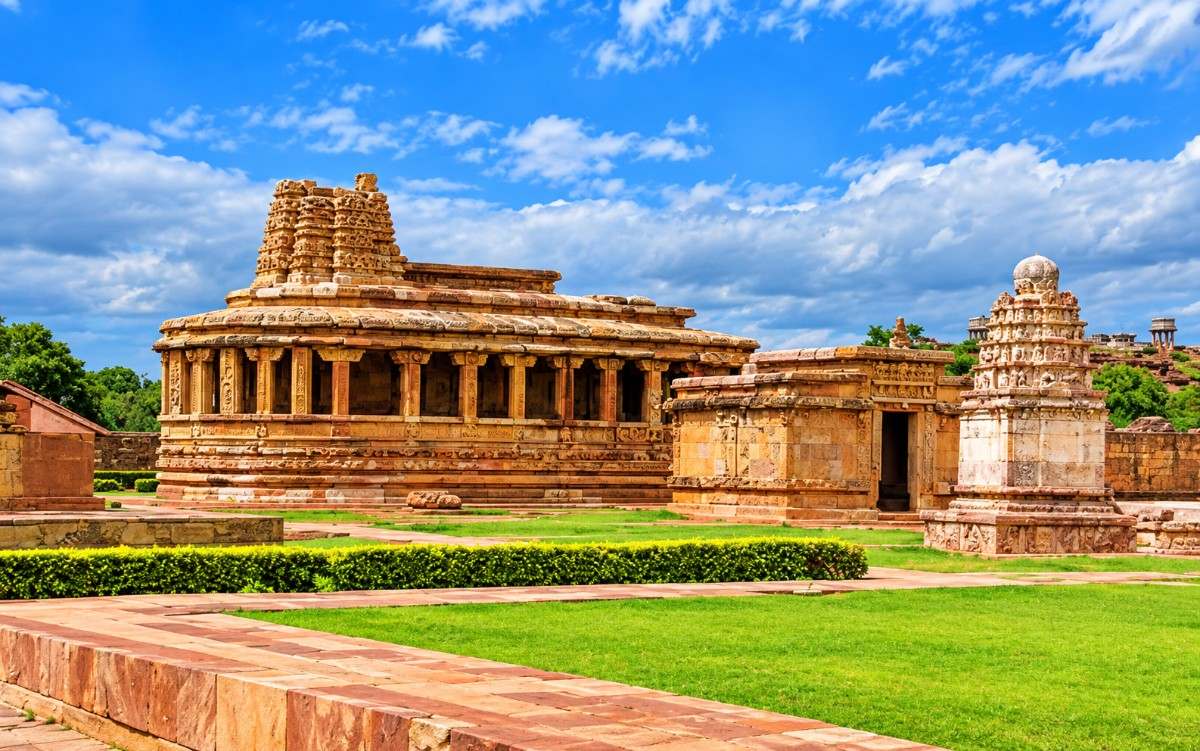
Why Aihole is Perfect for Your Celebration
- Home to over 125 Chalukyan-era temples — an unrivalled heritage backdrop for palace and temple-style weddings
- Deeply authentic Karnataka cultural setting, ideal for Ugadi gatherings and regional folk festivals
- Intimate scale of the destination naturally suits small, meaningful celebrations rather than mass-event formats
- Cool, dry winters (November–February) allow comfortable outdoor ceremonies among ancient stone monuments
- Part of the UNESCO-tentative Badami–Aihole–Pattadakal heritage corridor, lending prestige and cultural depth to any event
- Low commercial density means events feel private and exclusive within a living archaeological landscape
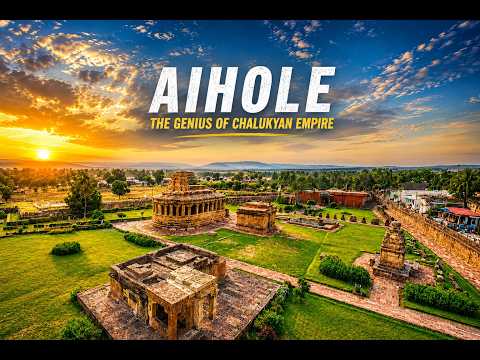
Top Venues in Aihole
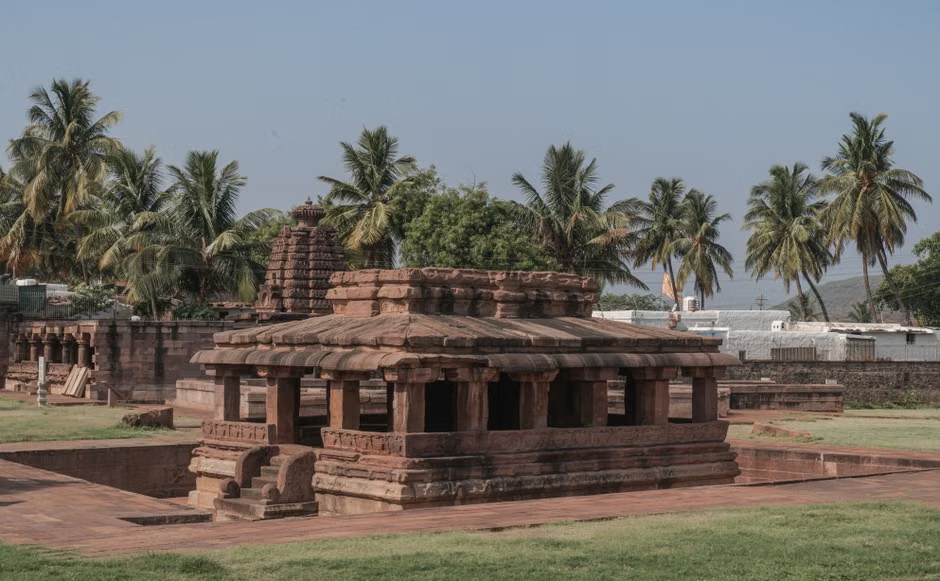
KSTDC Mayura Chalukya
Compare Aihole with Other Top Destinations
Frequently Asked Questions
Is Aihole a good destination for a heritage or temple-style wedding?
Yes. Aihole is particularly well-suited to heritage and temple-style weddings. Its concentration of over 125 Chalukyan-era stone temples along the Malaprabha River creates a ceremonial backdrop of genuine historical depth. Couples seeking an intimate, culturally rooted wedding in a setting that feels ancient and meaningful — rather than a purpose-built resort — will find Aihole a compelling choice, especially during the cool winter months.
What is the best time of year to hold a wedding or cultural event in Aihole?
November through February is the best period. Temperatures are cool and manageable (typically low 20s°C to around 30°C), skies are clear, and humidity is low — all of which make outdoor ceremonies among the ancient temples comfortable and visually beautiful. March onwards brings rising heat, and the monsoon (June–September) makes outdoor events unreliable.
How many guests can Aihole realistically accommodate for a wedding or event?
Aihole works best for intimate events of roughly 30–80 guests. The local accommodation inventory is small, and the heritage properties in the village cannot house a large group under one roof. For guest lists above 100, planners typically need to arrange overflow accommodation in nearby Badami, which adds logistical complexity but remains manageable with advance planning.
Is Aihole suitable for an Ugadi celebration or Karnataka cultural gathering?
Yes — it is among the most culturally resonant settings in Karnataka for exactly this purpose. Aihole's deep Chalukyan heritage, living temple culture, and regional folk traditions make Ugadi gatherings here feel genuinely rooted rather than staged. The destination's connection to Karnataka's cultural identity is a significant draw for families and communities wanting to celebrate the Kannada New Year in a historically meaningful environment.
What is the nearest airport to Aihole, and how do guests typically travel there?
The nearest airports are Hubli (HBX) and Belgaum (IXG), each roughly 100–120 km from Aihole by road. Neither is a major hub, so guests from metros like Bengaluru, Mumbai, or Hyderabad will typically need a connecting flight followed by a road transfer. Event planners are strongly advised to arrange dedicated coach transfers from the airport for all guests.
Is there a railway station near Aihole?
The nearest railway station is Badami, approximately 35 km from Aihole, which connects via Gadag Junction to the broader Indian rail network. Gadag Junction has better inter-city connectivity and is a more practical arrival point for guests travelling by train. From either station, guests will need road transport to reach Aihole — organised group transfers are strongly recommended.
What kinds of event spaces are available in Aihole?
Aihole offers heritage-character accommodation properties with outdoor lawns, open terraces, and modest dining halls suitable for small gatherings. The archaeological temple precincts themselves can serve as ceremonial backdrops for outdoor events, subject to Archaeological Survey of India permissions. There are no large-format ballrooms or convention facilities — the destination's strength is its open-air, heritage character.
Do I need special permissions to hold a ceremony near the Aihole temples?
Yes. Using the archaeological temple precincts for ceremonies or events requires advance permissions from the Archaeological Survey of India (ASI) and relevant local authorities. This process takes time and is not guaranteed, so event planners should begin the permissions process well in advance — ideally several months before the event date — and work with a local coordinator familiar with the requirements.
Can I source wedding vendors locally in Aihole, or do I need to bring them from outside?
For traditional Karnataka-style catering, basic décor, and local folk performers, the Bagalkot district has capable vendors. For specialist requirements — large floral installations, professional lighting, high-end catering, or contemporary entertainment — vendors will typically need to be sourced from Hubli, Dharwad, or Bengaluru. Factor in their travel and accommodation when planning, and allow longer lead times than you would for a city-based event.
Is Aihole suitable for a destination wedding with guests travelling from across India?
Yes, but it requires careful planning. Aihole's remote location means guests face multi-leg journeys (flight or train, then road), and the local accommodation inventory is limited. For couples committed to the heritage experience, these logistics are manageable with advance coordination — dedicated transfers, overflow accommodation in Badami, and clear guest communication. The destination rewards the effort with a genuinely distinctive, memorable experience.
What makes Aihole different from other heritage wedding destinations in Karnataka?
Aihole's distinction lies in its archaeological authenticity — it is a living heritage site, not a restored palace or themed resort. The Chalukyan temples are among the earliest examples of Dravidian and Nagara temple architecture in India, and the destination sits within the celebrated Badami–Aihole–Pattadakal corridor. Events here carry genuine historical and cultural weight that is difficult to replicate elsewhere in the region.
How is mobile and internet connectivity in Aihole for event guests?
Connectivity is limited by urban standards. Mobile signal is available but can be patchy, particularly near the more remote temple clusters, and data speeds are generally slow. Guests should be briefed to expect this. Events requiring reliable live-streaming, high-bandwidth digital production, or real-time coordination via apps will face challenges — a city-based venue would be more practical for those requirements.

Ready to explore venues in Aihole?
Aihole: Heritage Temple Weddings, Cultural Festivals & Event Venues
◆Aihole is best suited to intimate weddings, heritage celebrations, and Karnataka cultural gatherings — particularly Ugadi events and temple festivals — held against the backdrop of over 125 Chalukyan-era stone temples along the Malaprabha River in northern Karnataka. Its primary vibe is royal and heritage-driven, with a rustic, archaeological character that sets it apart from conventional resort destinations. The best season is winter (November–February), when the climate is cool and dry enough for comfortable outdoor ceremonies. Aihole is a remote destination with limited direct transport links, so it rewards careful advance planning; it is not suited to very large guest lists or guests expecting urban-level amenities.
Aihole at a Glance
| Aspect | Detail |
|---|---|
| Best For | Ugadi / Karnataka Cultural Gathering, Palace / Heritage Wedding, Cultural Festival Gathering, Intimate Wedding |
| Primary Vibe | Royal & Heritage |
| Best Season | Winter (November–February) |
Why Choose Aihole?
- Unmatched archaeological setting: Aihole's concentration of over 125 Chalukyan temples — many dating to the 6th–8th centuries CE — creates a ceremonial backdrop that no purpose-built venue can replicate. Events here carry genuine historical weight.
- Part of a celebrated heritage corridor: Aihole sits within the Badami–Aihole–Pattadakal triangle, a region of outstanding cultural significance in Karnataka, lending prestige and narrative depth to any celebration hosted here.
- Authentic Karnataka cultural immersion: The destination is deeply embedded in living Kannada traditions, making it a natural fit for Ugadi celebrations, folk festivals, and religious family functions that draw meaning from their surroundings.
- Natural privacy and exclusivity: Aihole's low commercial density and small-town character mean that a well-organised event can feel genuinely private — guests are not competing with large tourist crowds or adjacent hotel events.
- Outdoor ceremony possibilities in winter: The cool, dry winter months allow open-air ceremonies among ancient stone monuments — an experience that is both visually extraordinary and practically comfortable for guests.
- Intimate scale as a feature, not a limitation: For couples and families who want a small, meaningful celebration rather than a large-format wedding, Aihole's scale is an asset — the destination is designed, by its very nature, for depth over spectacle.
Which Celebrations Work Best in Aihole?
Ugadi / Karnataka Cultural Gathering: Aihole is among the most culturally resonant settings in Karnataka for Ugadi — the Kannada and Telugu New Year. The temple environment, local folk traditions, and the region's deep Chalukyan heritage make gatherings here feel rooted in something genuinely ancient rather than staged.
Palace / Heritage Wedding: While Aihole does not have palace hotels in the Rajasthan sense, its stone temple architecture and heritage-property accommodation create a comparable atmosphere of antiquity and grandeur for couples seeking a heritage wedding with real historical substance.
Cultural Festival Gathering: The destination's open-air temple complex and surrounding landscape provide natural amphitheatre-like spaces for cultural performances, classical music, and Karnataka folk arts — making it a compelling venue for curated cultural festival gatherings.
Intimate Wedding: Aihole's small scale and limited accommodation inventory make it particularly well-suited to intimate weddings of 30–80 guests, where the focus is on meaning, atmosphere, and shared experience rather than scale or production value.
Destination Wedding: For couples willing to embrace the logistical planning that a remote heritage destination requires, Aihole offers a genuinely distinctive destination wedding experience — one that guests are unlikely to have encountered before and are unlikely to forget.
Temple Festival: The living temple culture of Aihole, with its active religious sites and festival calendar, makes it a natural host for temple festival events — particularly those tied to Karnataka's Shaiva and Vaishnava traditions.
Venues & Event Spaces
Aihole's event infrastructure is characterised by heritage-style accommodation properties, open-air temple precincts, and modest banquet facilities rather than large-format resort ballrooms or luxury convention spaces. The most distinctive event spaces are the archaeological precincts themselves — open stone courtyards, temple forecourts, and riverside settings along the Malaprabha — which can be used for ceremonial gatherings, cultural performances, and outdoor receptions subject to Archaeological Survey of India permissions and local authority approvals.
Heritage guesthouses and government-run tourism properties in and around Aihole provide the primary accommodation and event hosting infrastructure. These properties typically offer outdoor lawns, modest dining halls, and open terraces suitable for small gatherings. For larger events, planners often use a combination of the local heritage property as a base and arrange temporary event structures (shamiana-style canopies, outdoor staging) in coordination with local vendors from the broader Bagalkot district.
Guests attending events in Aihole should expect a rustic, heritage-character setting rather than polished five-star banquet facilities — this is precisely the character that makes the destination distinctive, and it is best embraced rather than worked around.
Best Time to Celebrate
The curated best season for Aihole is winter, November through February. During these months, daytime temperatures typically range from the low 20s°C to around 30°C, with cool evenings that make outdoor ceremonies comfortable for guests in formal attire. Humidity is low, skies are generally clear, and the landscape — while semi-arid — takes on a pleasant, golden quality in the winter light that photographs beautifully against the ancient stone temples.
March and April mark the beginning of a rapid temperature rise, with conditions becoming uncomfortably hot for outdoor events by April and reaching peak heat (often above 38°C) in May. June through September brings the southwest monsoon, which, while less intense here than on the coast, brings sufficient rainfall to make outdoor events unreliable and access roads occasionally difficult. October is a transitional month — the monsoon retreats, but residual humidity and unpredictable showers make it a less confident choice for outdoor celebrations. November is generally the earliest reliable month for outdoor events, and February the latest before the heat begins to build again.
Getting There & Local Connectivity
Aihole is a genuinely remote destination by Indian event-planning standards. The nearest airports — Hubli and Belgaum — are each roughly 100–120 km away by road, and neither is a major hub with extensive direct connections from all Indian metros. Guests travelling from Bengaluru, Mumbai, or Hyderabad will typically need to fly to one of these airports and then arrange road transport, or travel by train to Gadag Junction or Badami and continue by road.
The nearest railway station with reasonable connectivity is Badami, approximately 35 km from Aihole, which connects via Gadag to the broader Indian rail network. Gadag Junction itself has better connectivity and is a more practical arrival point for guests coming by train from major cities.
Once guests arrive in the Aihole area, local movement is almost entirely by road. The village and its temple complex are compact and walkable for those staying nearby, but inter-site travel (for guests also visiting Badami or Pattadakal as part of the event programme) requires organised road transport. Event planners are strongly advised to arrange dedicated coach or vehicle transfers for all guests, as local taxi and auto-rickshaw availability is limited relative to the needs of a group event.
Mobile connectivity in Aihole is improving but remains patchy by urban standards — guests should be briefed to expect limited data speeds and occasional signal gaps, particularly in the older parts of the village and near the more remote temple clusters.
Local Vendor & Hospitality Ecosystem
Aihole's local vendor ecosystem is modest in scale and primarily oriented toward domestic tourism rather than large-scale event production. For straightforward cultural gatherings, intimate weddings, and festival events, local caterers and decorators from the Bagalkot district can typically handle requirements — particularly for Karnataka-style cuisine and traditional décor. The region has a genuine tradition of Ugadi and festival catering that translates well to event contexts.
For more elaborate productions — large floral installations, professional lighting rigs, live entertainment beyond local folk performers, or high-end catering — planners will generally need to source vendors from Hubli, Dharwad, or even Bengaluru and factor in their travel and accommodation as part of the event budget. This is a normal and expected part of planning an event in a heritage destination of this type, but it requires earlier lead times and more detailed logistics coordination than a self-contained resort destination would.
The hospitality ecosystem is warm and genuinely hospitable in the Karnataka tradition, but guests should calibrate expectations around service standards to a heritage/guesthouse context rather than a five-star resort context. Staff at local properties are typically experienced with domestic cultural events and religious functions, and can be valuable local knowledge resources for event planners navigating permissions, local customs, and supplier relationships.
Pros & Things to Consider
Why Aihole Works Well
- Extraordinary, genuinely unique heritage setting that no purpose-built venue can replicate
- Deeply authentic Karnataka cultural environment — ideal for Ugadi, temple festivals, and regional cultural gatherings
- Natural privacy and exclusivity; low commercial density means events feel personal and uninterrupted
- Excellent fit for intimate weddings and small cultural gatherings where depth of experience matters more than scale
- Cool, comfortable winter climate allows outdoor ceremonies in a visually spectacular archaeological landscape
- Part of a broader heritage corridor (Badami, Pattadakal) that enriches the guest experience beyond the event itself
Things to Consider
- Remote location with limited direct transport links — guests from major metros face multi-leg journeys requiring careful coordination
- Accommodation inventory is small; large guest lists (100+) cannot be housed within Aihole itself and will require overflow accommodation in Badami or further afield
- Specialist vendors (lighting, large-scale catering, entertainment) must typically be sourced from Hubli or Bengaluru, adding logistics complexity and lead time
- Mobile and internet connectivity is limited — not suitable for events requiring reliable live-streaming or high-bandwidth digital production
- Archaeological site usage for ceremonies requires advance permissions from the Archaeological Survey of India and local authorities — this process takes time and is not guaranteed
- The destination's rustic, heritage character is a strength for the right couple but may not meet expectations of guests accustomed to polished resort-style events
When Aihole May Not Be the Right Fit
- Large guest lists (150+): The local accommodation and venue infrastructure cannot comfortably support very large events without significant logistical complexity — a destination with a larger hotel inventory would serve better.
- Guests with limited travel flexibility: The multi-leg journey required to reach Aihole (flight + road, or train + road) is a genuine burden for elderly guests, guests with young children, or those with tight travel windows — a more accessible destination would reduce attrition and stress.
- Monsoon-season events (June–September): Outdoor ceremonies in Aihole's archaeological setting are the destination's primary draw; if the event must happen during monsoon months, the core experience is significantly compromised.
- Events requiring high-production technical infrastructure: Large-scale AV, live-streaming, broadcast-quality lighting, or complex stage production are difficult to execute reliably in Aihole given connectivity and vendor limitations — a city-based venue would be more practical.