
Why Agartala is Perfect for Your Celebration
- Home to the iconic Ujjayanta Palace, offering a genuinely royal backdrop for cultural and heritage-themed events
- Deeply rooted Tripuri and Bengali cultural traditions make it ideal for Kharchi Puja gatherings and cultural festival events
- Intimate city scale ensures personalized hospitality and less event-day congestion compared to larger metros
- Winter months (November–February) deliver cool, dry, and comfortable conditions perfect for outdoor ceremonies and receptions
- Growing hotel and banquet infrastructure supports mid-size corporate offsites, alumni reunions, and social celebrations
- Proximity to Bangladesh border and unique northeastern identity give events here a rare, memorable character

Top Venues in Agartala
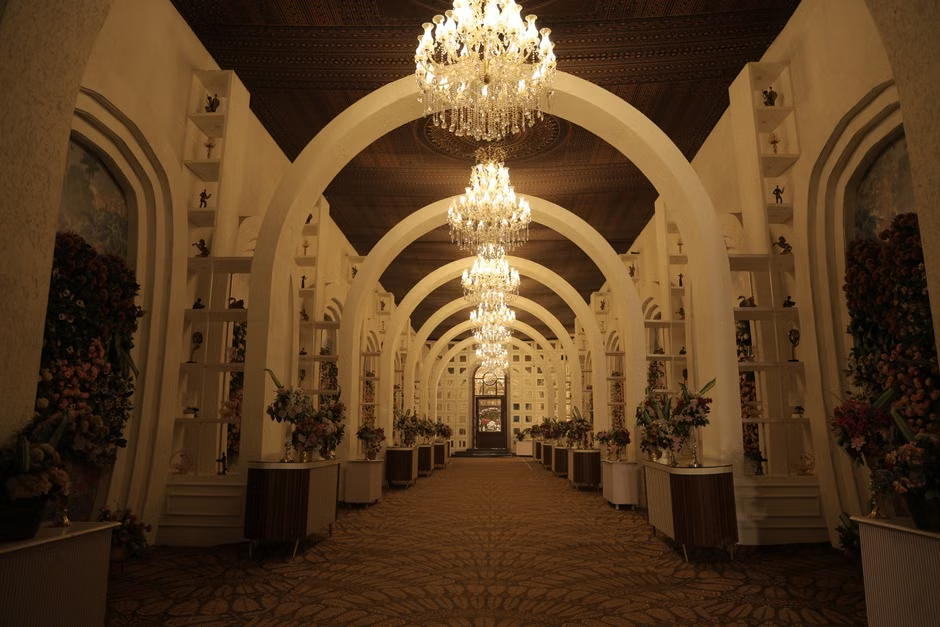
Hotel Polo Towers Agartala
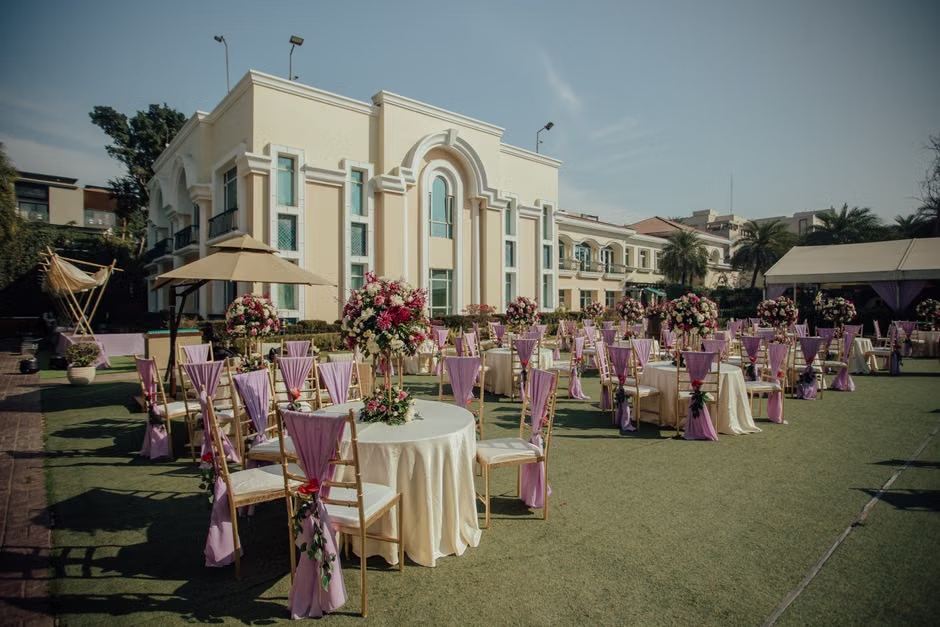
Polo Hotel, Agartala
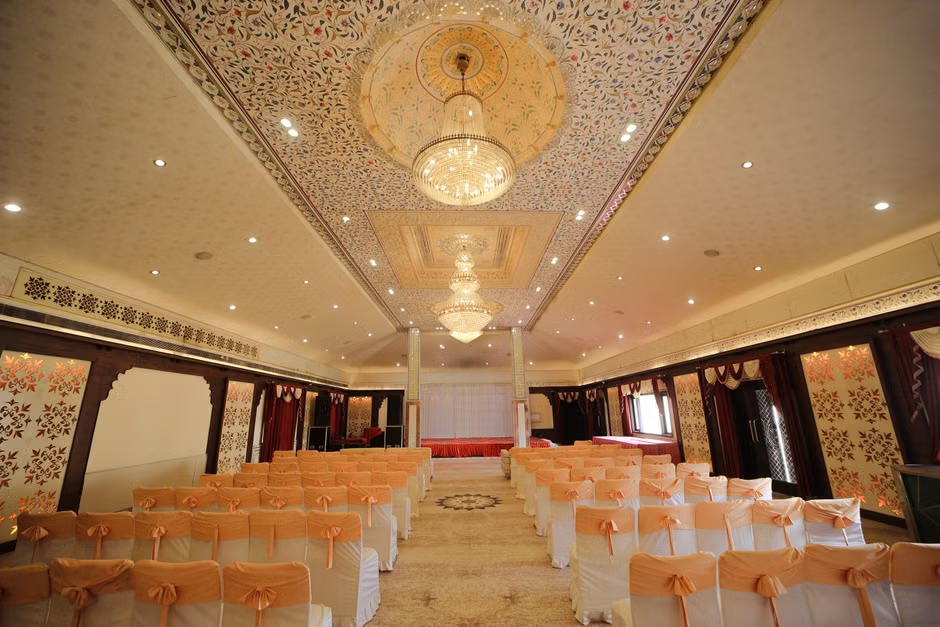
Ginger Agartala
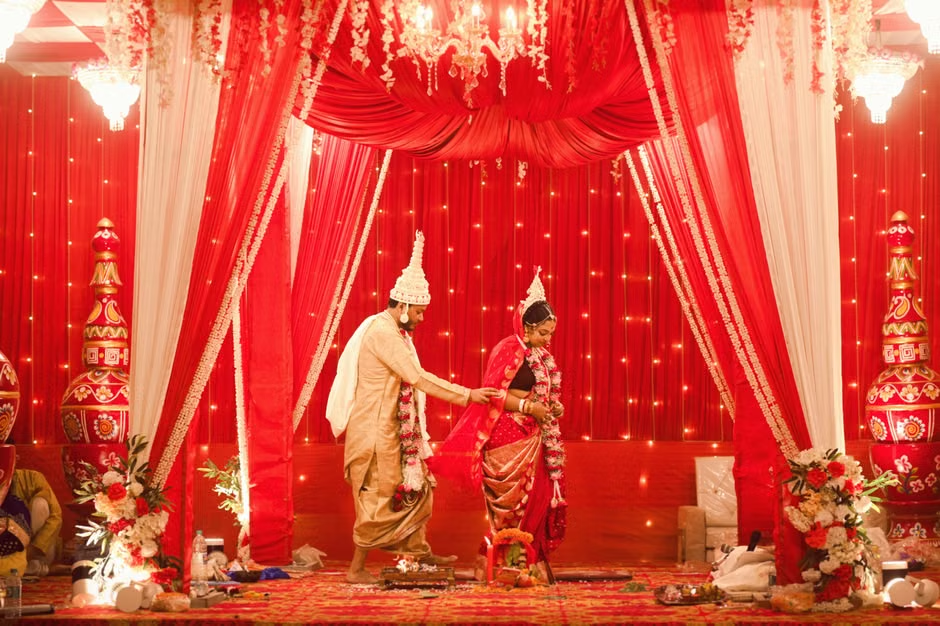
Hotel Sonar Tori
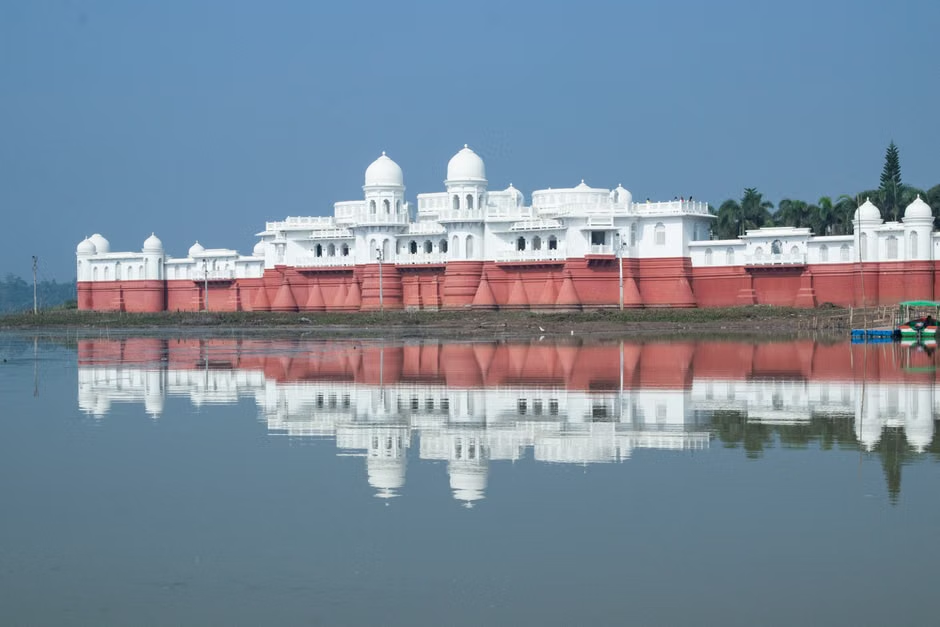
Royal Guest House (TTAADC)
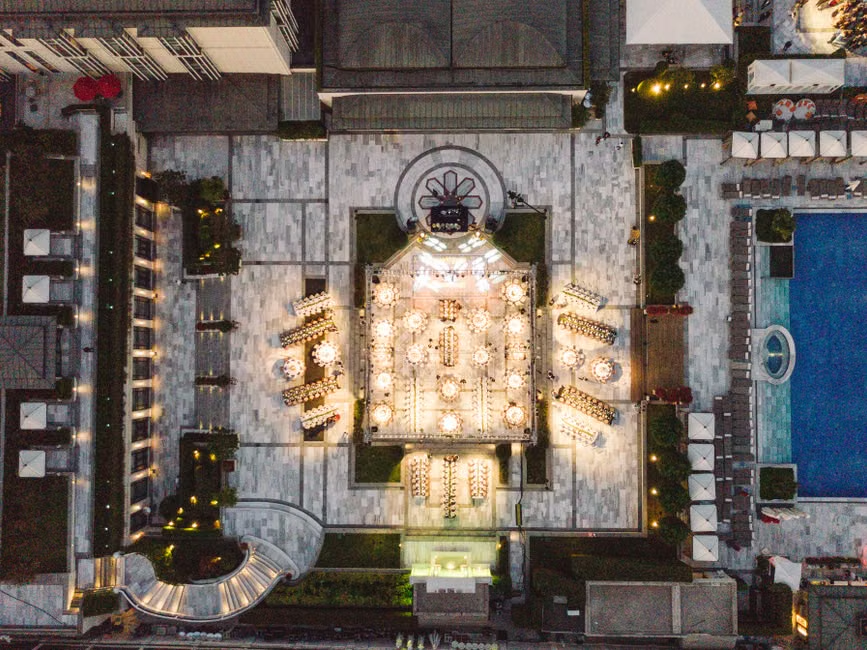
Amanati India Hotels & Resorts
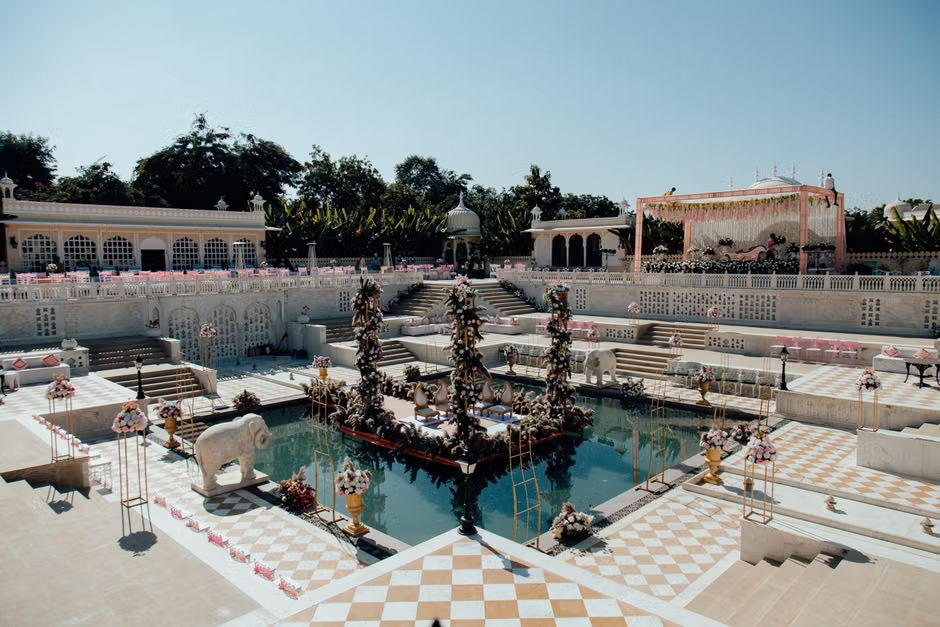
Ektara Sutra Resort
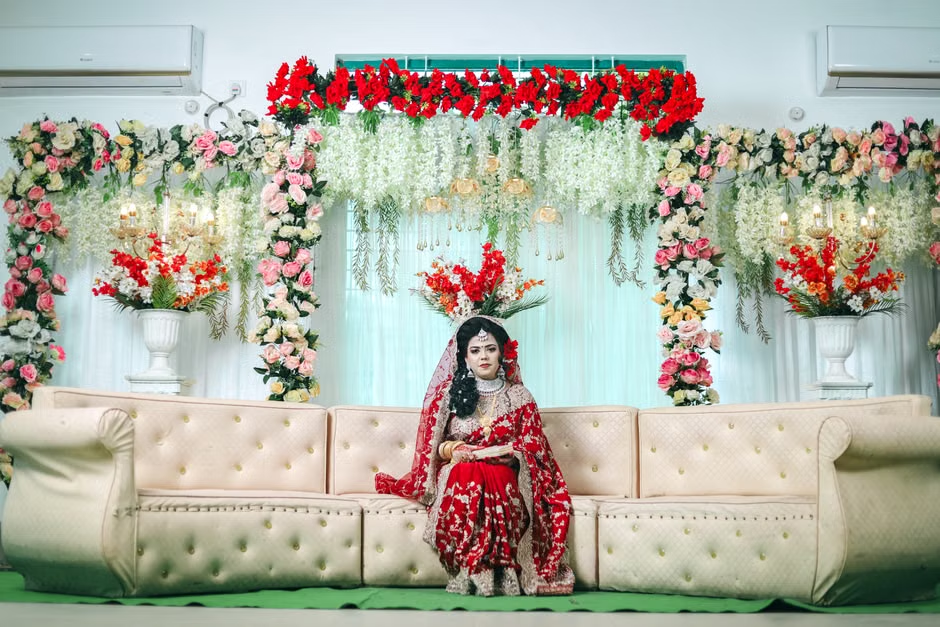
Agartala Homestay আগরতলা হোমস্টে आगरतला होमस्टे
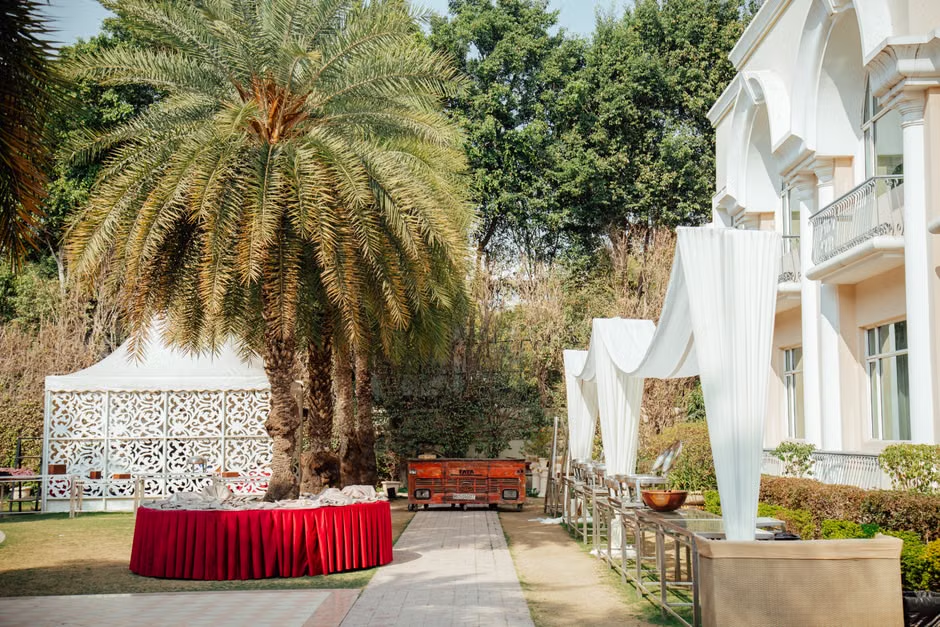
Niralay
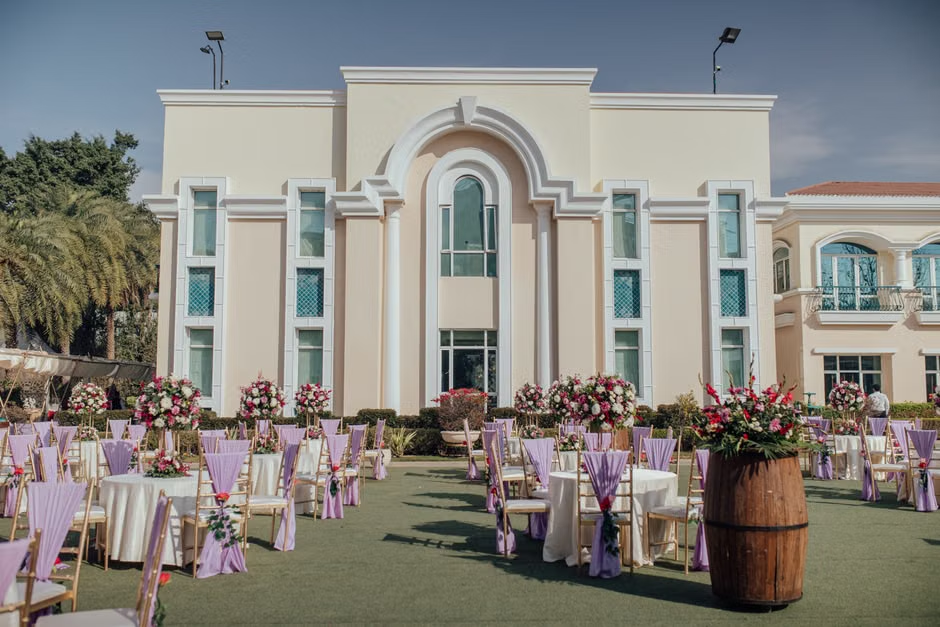
THE PARKLINE CLASSIC
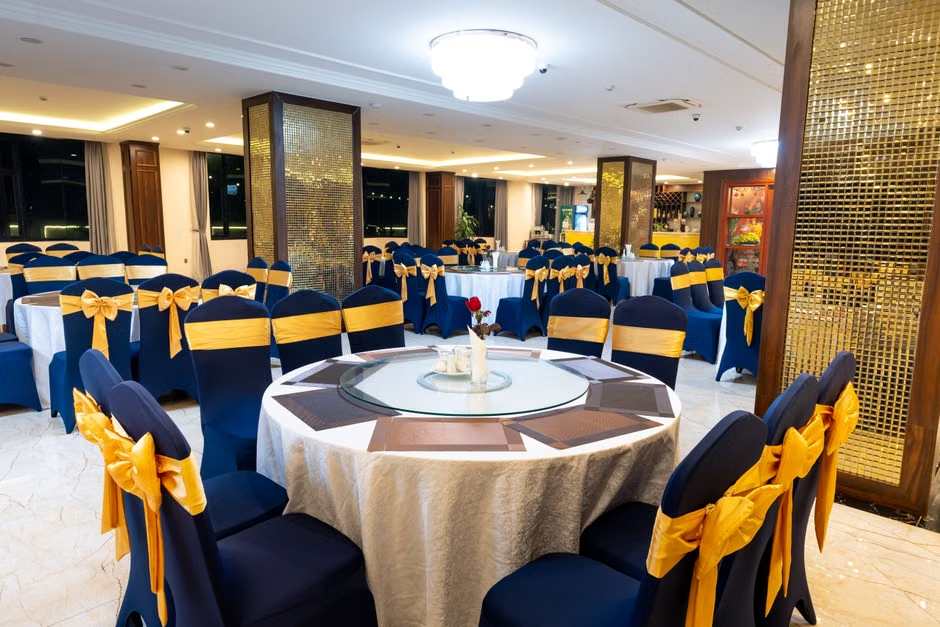
Hotel Rimi International
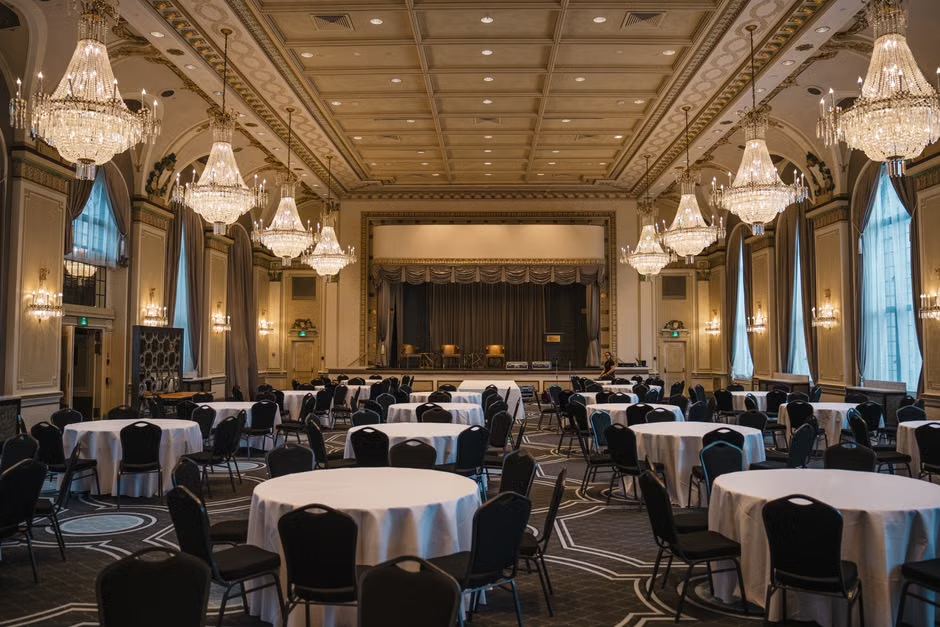
Hotel Airdrop

Hotel Haven Intercontinental
Compare Agartala with Other Top Destinations
Frequently Asked Questions
Is Agartala a good destination for a Kharchi Puja or Tripuri cultural gathering?
Yes, it is arguably the best destination in India for this purpose. Agartala is the cultural heartland of Tripura, and organizing a Kharchi Puja celebration or Tripuri cultural gathering here means access to authentic local performers, traditional cuisine, and a community that genuinely participates in these traditions. The winter season aligns well with the festive calendar, and local vendors are experienced with traditional event formats.
What size of guest group can Agartala's venues realistically accommodate?
Agartala's hotel banquet halls and event spaces are generally well-suited to groups of around 100 to 500 guests. The city's leading properties can handle mid-size social and corporate events comfortably. For very large gatherings exceeding 500–600 guests requiring simultaneous accommodation and banqueting, the local inventory may be stretched and supplementary arrangements would be needed.
How do guests typically travel to Agartala for an event?
Most guests fly into Maharaja Bir Bikram Airport, which has regular connections to Kolkata, Delhi, and Guwahati. Guests from most Indian metros will typically connect through Kolkata. By rail, Agartala Railway Station connects to Kolkata and northeastern cities, though journey times are long. Early travel booking is strongly recommended during the peak November–February season when seat availability tightens.
What is the best time of year to plan a celebration in Agartala?
November through February is the optimal window. This winter period brings cool, dry weather with low humidity — ideal for both outdoor ceremonies and indoor banquet events. December and January are the coolest and most comfortable months. The monsoon (June–September) and the pre-monsoon heat (March–May) are best avoided for events, particularly those with outdoor components.
What kinds of venues are available in Agartala for events?
Agartala offers hotel banquet halls, outdoor lawn spaces, heritage-adjacent properties, and community convention spaces. The venue character is generally functional and improving — well-suited to cultural gatherings, corporate offsites, and social celebrations. Outdoor lawns work particularly well during the winter season. The city does not yet have large purpose-built convention centers, so mid-size events are the sweet spot.
Is Agartala suitable for a Christmas or New Year celebration event?
Yes. December and January fall squarely within Agartala's best weather window, making outdoor New Year events and indoor Christmas gatherings genuinely comfortable. The city's Christian community gives Christmas celebrations local cultural resonance. The cool, festive winter atmosphere and relatively uncrowded event calendar make this a practical and distinctive choice for year-end celebrations.
How easy is it to arrange accommodation for a large event group in Agartala?
Agartala has a growing but still moderate hotel inventory. For groups of up to around 300–400 guests, accommodation can typically be arranged across the city's established properties. For larger groups, planners should book well in advance — particularly during the peak November–February season — and may need to spread guests across multiple properties. A dedicated event coordinator familiar with local inventory is advisable.
What local transport options are available for event groups once they arrive in Agartala?
Within the city, taxis, auto-rickshaws, and app-based cabs are available and generally adequate for small groups. For larger event groups, organizers typically pre-arrange dedicated buses or tempo travellers. Agartala's compact geography is an advantage — most hotels and venues are within a manageable distance of each other and the airport, keeping transfer times short.
Are local vendors in Agartala equipped to handle cultural and corporate events?
Yes, for cultural and mid-size social events. Local caterers are experienced with Tripuri and Bengali cuisine, and decorators familiar with traditional festival setups are available. For technically demanding productions — large AV rigs, specialist lighting, or high-end floral design — planners often supplement local vendors with specialists from Kolkata or Guwahati, which should be factored into planning timelines.
Is Agartala a good fit for an alumni reunion?
Yes, particularly for groups with ties to Tripura or the broader Northeast. The city's intimate scale, manageable hotel inventory, and relatively uncrowded event calendar make logistics straightforward. The distinctive cultural setting — royal heritage, Tripuri traditions, lush surroundings — gives a reunion here a memorable character that stands apart from more generic metro venues.
What are the main planning challenges specific to hosting an event in Agartala?
The primary considerations are moderate air connectivity (limited flight frequencies requiring early booking), the need to source specialist production vendors from outside Tripura for high-end events, and the monsoon season (June–September) effectively ruling out outdoor events. Guests unfamiliar with Northeast India may also need more detailed travel guidance. Planning lead times should be longer than for more mainstream destinations.

Ready to explore venues in Agartala?
Agartala: Destination Wedding, Cultural & Social Event Venues
◆Agartala is best suited for intimate cultural celebrations, heritage-themed social gatherings, and mid-size corporate events. Its primary vibe is Royal & Heritage, anchored by the iconic Ujjayanta Palace and deep Tripuri-Bengali traditions. The destination particularly excels for Kharchi Puja and Tripuri cultural gatherings, cultural festival events, Christmas & New Year celebrations, and alumni reunions. The optimal season runs from November through February, when the climate is cool and dry. Agartala is a moderately accessible city — reachable by air and rail, though with limited frequencies — and its event infrastructure is best suited to groups of up to 400–500 guests rather than very large-scale productions.
Agartala at a Glance
| Attribute | Detail |
|---|---|
| Best For | Kharchi Puja / Tripuri Cultural Gathering, Cultural Festival Gathering, Christmas & New Year Celebration, Alumni Reunion |
| Primary Vibe | Royal & Heritage |
| Other Vibes | Cultural, Intimate, Lush & Green |
| Best Season | Winter (November–February) |
Why Choose Agartala?
- Genuine royal heritage: The Ujjayanta Palace — a late 19th-century royal palace now a state museum — lends Agartala an authentic regal character that few northeastern cities can match, making heritage-themed events feel genuinely grounded rather than staged.
- Distinctive Tripuri cultural identity: Agartala is one of the few Indian cities where Tripuri tribal traditions, Bengali culture, and northeastern customs coexist visibly. This makes it a natural home for Kharchi Puja gatherings, cultural festivals, and events that want to celebrate regional identity.
- Intimate city scale: Unlike larger metros, Agartala's compact geography means guests, vendors, and venues are rarely far apart, reducing logistical friction for event organizers and making the overall experience feel more cohesive and personal.
- Comfortable winter climate: From November to February, temperatures are mild and humidity drops significantly, creating genuinely pleasant conditions for both outdoor ceremonies and indoor banquet events without the need for heavy climate control.
- Growing hospitality infrastructure: The city's hotel and banquet sector has expanded meaningfully in recent years, with properties capable of hosting mid-size corporate offsites, dealer meets, and social celebrations with reasonable catering and AV support.
- Relatively uncrowded event calendar: Agartala does not face the venue-booking congestion typical of larger wedding destinations during peak season, giving planners more flexibility in scheduling and vendor negotiation.
Which Celebrations Work Best in Agartala?
- Kharchi Puja / Tripuri Cultural Gathering: This is arguably Agartala's most natural event fit. The city is the cultural heartland of Tripura, and organizing a Kharchi Puja celebration or Tripuri cultural gathering here means access to authentic local performers, traditional cuisine, and a community that genuinely participates in these traditions rather than staging them for outsiders.
- Cultural Festival Gathering: Agartala's blend of Bengali, Tripuri, and broader northeastern cultural influences makes it well-suited for multi-day cultural festival formats — folk music, traditional dance, craft exhibitions, and regional cuisine can all be sourced locally with relative ease.
- Christmas & New Year Celebration: The winter season aligns perfectly with the city's best weather window, and Agartala's Christian community (particularly in surrounding Tripura) means Christmas celebrations carry genuine local resonance. The cool December–January climate makes outdoor New Year events comfortable and festive.
- Alumni Reunion: The city's intimate scale, manageable hotel inventory, and relatively uncrowded event calendar make it a practical and memorable choice for alumni groups — particularly those with ties to Tripura's educational institutions or the broader Northeast.
- Anniversary Celebration: For couples seeking a heritage-tinged, non-mainstream setting, Agartala's palace backdrop and lush surroundings offer a genuinely distinctive anniversary experience, particularly for milestone celebrations that benefit from a sense of place.
- Diwali Celebration: While Agartala's Diwali is not as visually spectacular as in Rajasthan or Gujarat, the city's Bengali community celebrates the festival with warmth and tradition. Organizing a private Diwali gathering here during the early November window — just as the best season begins — can be both culturally rich and logistically smooth.
Venues & Event Spaces
Agartala's event venue landscape is characterized by hotel banquet halls, heritage-adjacent properties, and open lawns rather than purpose-built convention centers or palace-hotel hybrids. The city's leading hotels offer banquet spaces capable of accommodating mid-size gatherings, typically ranging from around 100 to 500 guests depending on the configuration. Several properties feature outdoor lawn areas that work particularly well during the winter season for pre-function gatherings, cocktail evenings, and cultural performances.
For events with a strong cultural or heritage theme, the broader Agartala area offers access to palace grounds and government-managed heritage spaces that can be arranged for special occasions through appropriate channels. Community halls and convention spaces managed by local bodies also supplement the hotel inventory for larger gatherings that need flat-floor, flexible configurations.
The general character of Agartala's venue stock is functional and improving — not yet at the level of a major metro in terms of luxury finish or technical production infrastructure, but genuinely capable of delivering well-organized, memorable events when planned with local expertise. Outdoor spaces benefit enormously from the winter season's dry, cool conditions.
Best Time to Celebrate
The winter window from November through February is the clear optimal period for events in Agartala. Temperatures during this period typically range from the mid-teens to the mid-twenties Celsius, humidity is at its annual low, and rainfall is minimal. This combination makes outdoor ceremonies, garden receptions, and multi-day cultural gatherings genuinely comfortable for guests traveling from warmer or more humid parts of India.
November is particularly attractive because it sits at the cusp of the post-monsoon recovery and the onset of cool weather — the landscape is still lush and green from the rains, but conditions have stabilized. December and January are the coolest months and are ideal for evening events. February remains pleasant, though temperatures begin to climb toward the end of the month.
March through May sees rising heat and humidity that can make outdoor events uncomfortable and indoor events reliant on heavy air conditioning. June through September brings Agartala's heavy monsoon season — the city receives substantial rainfall, and flooding in low-lying areas is a genuine risk that can disrupt logistics, outdoor setups, and guest travel. October is a transitional month: the monsoon typically retreats, but residual dampness and occasional unseasonal showers make it an unreliable window for events that depend on outdoor spaces or smooth travel connections.
Getting There & Local Connectivity
Agartala is served by Maharaja Bir Bikram Airport, located approximately 12 km from the city center. The airport operates regular flights to Kolkata, Delhi, Guwahati, and a handful of other Indian cities, making it accessible — but with limited frequency compared to major hubs. Guests traveling from most Indian metros will typically route through Kolkata, which adds a connection leg. Early booking is advisable during the peak winter season, as seat availability on Agartala routes can tighten.
By rail, Agartala Railway Station connects the city to Kolkata and other northeastern cities via broad-gauge lines, though journey times are long — the train from Kolkata, for instance, takes well over 24 hours. Rail travel is therefore more practical for guests originating from within the Northeast than from distant metros.
Within the city, local transport options include taxis, auto-rickshaws, and app-based cab services, which are generally adequate for moving small groups between hotels, venues, and the airport. For larger event groups, organizers typically arrange dedicated buses or tempo travellers in advance, as the city's public transport system is not designed for bulk group movement. The compact geography of Agartala works in planners' favor here — most key venues and hotels are within a manageable radius of each other.
Local Vendor & Hospitality Ecosystem
Agartala's vendor ecosystem is genuinely capable for cultural and mid-size social events, particularly those with a Tripuri or Bengali cultural dimension. Local caterers are experienced with both traditional Tripuri cuisine and broader Bengali and pan-Indian menus, and sourcing authentic regional food for a cultural gathering is straightforward. Decorators and event managers with experience in traditional festival setups — including Kharchi Puja and Durga Puja-style arrangements — are available locally.
For more technically demanding productions — large-scale AV setups, elaborate lighting rigs, or high-end floral design — planners may need to supplement local vendors with specialists brought in from Kolkata or Guwahati. This is a common practice for premium events in the city and should be factored into planning timelines and logistics.
The hospitality culture in Agartala is notably warm and attentive. Hotel staff at the city's established properties are accustomed to hosting event groups and generally provide responsive, personalized service. The relatively smaller scale of the local hospitality industry means that event organizers often develop direct relationships with hotel management, which can be an advantage in terms of flexibility and customization.
Pros & Things to Consider
Why Agartala Works Well
- Authentic royal and cultural heritage that gives events a genuine sense of place
- Excellent fit for Tripuri cultural gatherings, festival events, and heritage-themed celebrations
- Cool, dry winter climate (November–February) is genuinely comfortable for multi-day events
- Compact city geography reduces intra-event logistics complexity
- Warm, personalized local hospitality that suits intimate and mid-size groups well
- Less competitive event calendar means more venue flexibility and vendor availability during peak season
Things to Consider
- Air connectivity is moderate — limited flight frequencies mean guests need to plan travel carefully, and last-minute bookings can be difficult during peak winter months
- The venue inventory is best suited to groups of up to around 400–500 guests; very large events may find the local infrastructure stretched
- High-end production vendors (specialist lighting, large AV, luxury floral) may need to be sourced from outside Tripura, adding lead time and logistics
- The monsoon season (June–September) effectively rules out outdoor events and can disrupt travel, making it unsuitable for events that cannot be fully moved indoors
- Guests unfamiliar with Northeast India may require more detailed travel guidance than for more mainstream destinations
When Agartala May Not Be the Right Fit
- Very large guest lists (600+): The current hotel and banquet inventory in Agartala is not well-configured for events requiring simultaneous accommodation and banqueting for very large groups. A destination with a denser luxury hotel cluster would serve such events better.
- Guests with limited travel flexibility: If a significant portion of the guest list is traveling from distant metros and cannot manage a connecting flight or a long rail journey, the moderate connectivity of Agartala may create friction that affects attendance and guest experience.
- Monsoon-season events: Any event planned between June and September that relies on outdoor spaces, smooth road logistics, or reliable flight connections faces genuine risk in Agartala due to heavy rainfall and occasional flooding.
- Events requiring high-end luxury production at scale: If the brief calls for a fully integrated luxury production — multiple 5-star properties, specialist international vendors, large-format staging — Agartala's current infrastructure would require significant supplementation from outside the state, which may make a different destination more practical.