
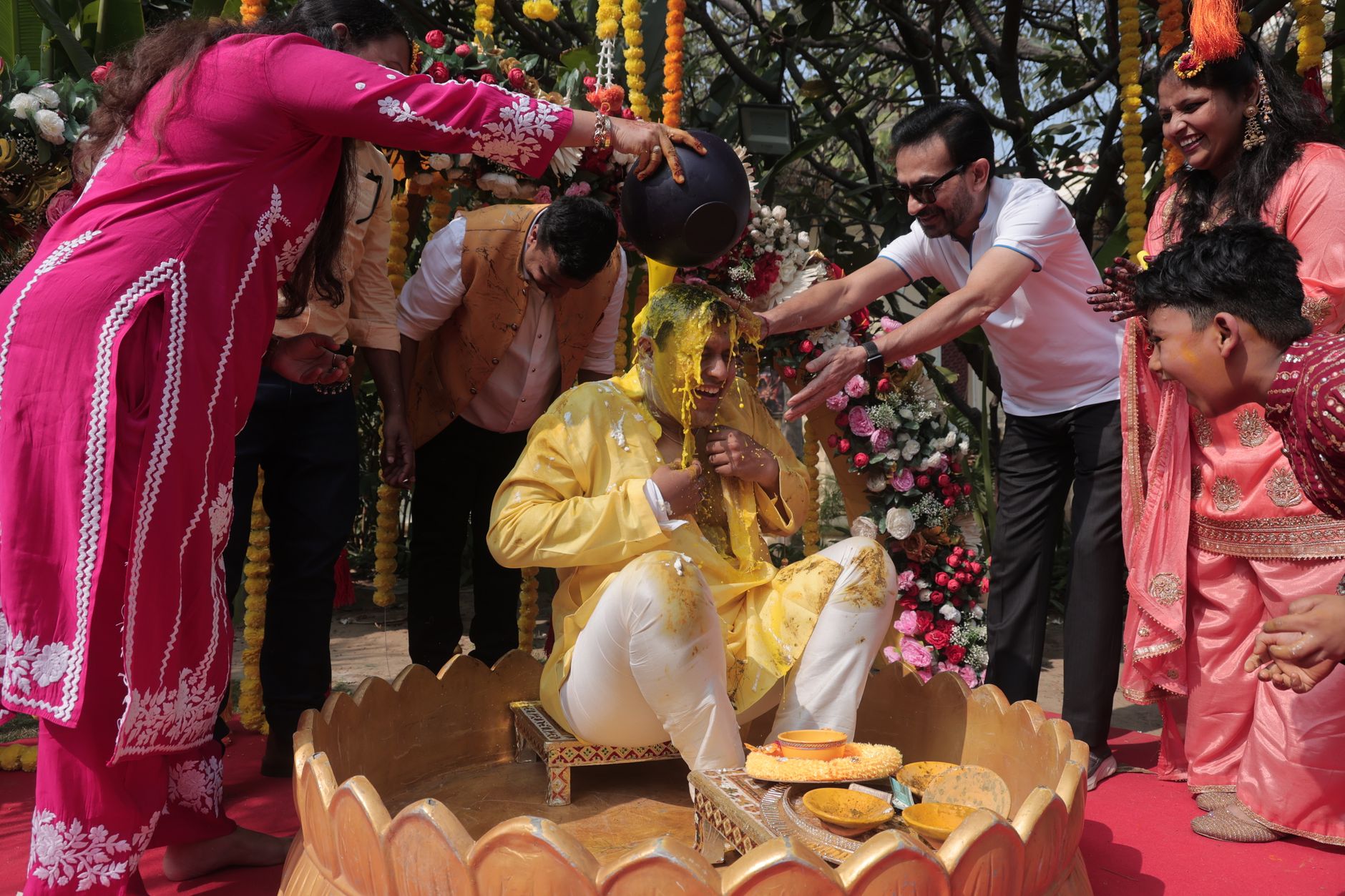
Uniting Traditions in the Valley
Planners in Srinagar
Cross Tradition Function Managers in Srinagar
Srinagar's breathtaking setting — from shikaras gliding on Dal Lake to the grand lawns of Mughal gardens — is becoming one of India's most coveted destinations for couples from different faiths and communities. Cross Tradition Function Managers are specialist planners who understand how to weave two distinct cultural identities into a single, seamless celebration without diluting either. Whether your family follows Hindu rituals and your partner's follows Muslim customs, or you are merging Sikh and Kashmiri Pandit traditions, these professionals coordinate every detail from pandit and qazi scheduling to mixed heritage ceremony planners' protocols, while also handling the very real logistical demands of Kashmir valley wedding venues, permits, and the legendary Kashmiri wazwan feast arrangements that guests expect to savour.
Quick Answer
Cross Tradition Function Managers in Srinagar are wedding and event professionals who specialise in planning celebrations that blend two or more distinct religious or cultural traditions. They coordinate rituals, clergy, decor, menus, and timelines so that both families feel equally honoured. In Srinagar they also navigate local venue permits, seasonal weather, and the iconic Kashmiri wazwan feast arrangements that are central to any major celebration in the valley.
What Do Cross Tradition Function Managers Actually Do in Srinagar?
Cross Tradition Function Managers go well beyond standard event coordination. They begin with in-depth family consultations to map every ritual required by both traditions — identifying overlaps, potential conflicts, and opportunities for beautiful fusion moments. In Srinagar, this frequently means aligning a nikah ceremony with a Hindu saat-phere, or coordinating a Sikh Anand Karaj alongside a Kashmiri Pandit yagna. They liaise directly with religious officiants from both communities to agree on a single merged timeline, ensuring neither set of rituals feels rushed or secondary. These planners also manage the decor narrative — for example, blending the deep red and gold palette of a Hindu celebration with the white and green tones traditional in Kashmiri Muslim ceremonies — so the visual story of the day feels intentional rather than accidental. Multi-cultural event coordinators in this space are trained to mediate sensitive family conversations about seating, dress codes, and food choices, which is especially important when one family insists on a full wazwan spread and the other prefers a purely vegetarian menu. Their experience with Srinagar houseboat celebrations and lakeside marquees means they can advise confidently on venue suitability for outdoor rituals, tent waterproofing during monsoon season, and generator backup for evening functions.
Why Srinagar Is an Ideal City for Multi-Tradition Weddings
Srinagar carries centuries of syncretic cultural history. The city has long been a meeting point of Central Asian, Mughal, Sufi, and Hindu influences, making its residents more naturally comfortable with cultural plurality than many other Indian cities. This heritage makes it genuinely easier for Cross Tradition Function Managers operating here to negotiate permissions from religious authorities and to find vendors — florists, caterers, photographers — who are already accustomed to multi-ritual events. The Dal Lake event backdrops provide a setting that feels neutral and transcendent, belonging to no single religion but resonating with every tradition's love of natural beauty. Neighbourhoods like Rajbagh and Jawahar Nagar have large hotel banquet halls capable of hosting 500+ guests, while the old city lanes of Nowhatta and Maisuma offer intimate havelis ideal for smaller interfaith gatherings. Inter-community wedding organizers in Srinagar also benefit from the city's strong network of wazwan master chefs — known as wazas — who can prepare elaborate non-vegetarian menus alongside dedicated vegetarian stations, satisfying the dietary requirements of virtually any cultural combination. The Mughal garden lawns at Nishat and Shalimar, though primarily government-managed, serve as stunning ceremony backdrops that photographers prize for their symmetry and colour, giving mixed heritage ceremony planners a visually powerful canvas.
How Much Does It Cost to Hire Cross Tradition Function Managers in Srinagar?
Pricing for Cross Tradition Function Managers in Srinagar varies based on the number of traditions being merged, total guest count, number of ceremony days, and the scope of vendor management. For a two-day interfaith wedding with 150-300 guests, professional multi-cultural event coordinators typically charge between INR 1.5 lakh and INR 4 lakh as a planning fee, separate from vendor costs. Larger celebrations with 400-700 guests spanning three or four ritual days — common when both families insist on full ceremonies — can see planner fees ranging from INR 5 lakh to INR 10 lakh. Interfaith wedding planners who offer full end-to-end management, including travel logistics for outstation guests, Srinagar houseboat celebrations as a pre-wedding activity, and post-wedding brunch coordination, command a premium of 15-25% above standard rates. Venue costs are additional: Kashmir valley wedding venues range from INR 80,000 per day for a mid-tier hotel banquet hall to INR 3-5 lakh per day for a premium lakeside resort. Wazwan feast arrangements for 300 guests typically cost INR 1,200-2,000 per plate. Always clarify whether the planner's fee is a flat charge or a percentage of the total event budget, as both models are common in Srinagar.
Key Services Offered by Interfaith Wedding Planners in Srinagar
Beyond ceremony choreography, interfaith wedding planners in Srinagar provide a comprehensive suite of services. Ritual timeline engineering is the most critical: they build a master schedule that allots precise time blocks for each religious ceremony, including buffer time for the inevitable overruns during family-heavy events. Vendor coordination covers priests, qazis, gurdwara granthis, photographers who understand multi-faith settings, and caterers capable of preparing both wazwan and satvik menus simultaneously. Inter-community wedding organizers also handle sensitive decor briefings — telling the florist and lighting team exactly which zones need which cultural motifs — so the mandap area feels distinctly traditional while the reception space tells a blended story. Guest management is another major service: they produce bilingual or tri-lingual event booklets explaining unfamiliar rituals to guests from both families, reducing confusion and enhancing emotional engagement. Many Cross Tradition Function Managers in Srinagar now offer a dedicated family liaison officer who stays with each set of parents throughout the event, ensuring every concern is addressed in real time. Finally, contingency planning is essential in Kashmir: weather can shift quickly, and these planners maintain pre-negotiated backup indoor venues and portable heating solutions for autumn and winter functions.
What Should You Ask Before Booking Cross Tradition Function Managers?
Before signing any agreement, couples should probe the planner's actual experience with their specific tradition combination, not just generic interfaith work. Ask for examples of events where the planner managed both a Hindu and a Muslim ceremony on the same day, or a Sikh and a Christian function, and request references from both families involved. Understanding how the planner handles disagreements between the two families is critical — mixed heritage ceremony planners need strong conflict-resolution skills, not just logistics expertise. Enquire specifically about their relationships with religious officiants in Srinagar: can they arrange for a Kashmiri Pandit priest who is comfortable performing alongside a Muslim qazi? Ask whether they have experience coordinating Dal Lake event backdrops for outdoor rituals and what their contingency plan is if a shikara transfer for a mehendi function is delayed by weather. Clarify the communication structure — will you have a single point of contact, or will each tradition have its own dedicated coordinator? Understanding payment milestones, cancellation policy, and what portion of vendor deposits is refundable is also essential before committing to any Cross Tradition Function Managers in Srinagar.
Cross Tradition Function Managers: Setup Types Compared for Srinagar Weddings
Expert Recommendation
Best for intimate gatherings under 100 guests
Best for destination wedding couples from outside Srinagar
Best for large guest counts of 400 or more
Best for budget-conscious couples
Best for deeply traditional families
Best for couples wanting a modern, experiential celebration
How to Choose the Right Option
✅ Pre-booking Checklist
- Confirm the planner has direct, verifiable experience managing your specific tradition combination, not just generic interfaith events
- Verify they have established relationships with religious officiants from both communities in Srinagar
- Clarify whether wazwan feast arrangements and vegetarian catering can be managed by a single caterer or require two separate vendors
- Confirm their backup plan for weather disruption, especially for any outdoor or Dal Lake components
- Review the communication structure — dedicated single point of contact versus separate tradition coordinators
- Understand payment milestones, cancellation terms, and what percentage of vendor deposits they protect on your behalf
- Ask for references specifically from the family of both traditions, not just the couple
- Confirm their experience with the specific Kashmir valley wedding venues you are considering
🎯 Selection Criteria
- Proven cross-tradition experience: planner should have coordinated at least five multi-faith weddings in Srinagar or Kashmir
- Emotional intelligence and family mediation skills, verifiable through reference calls with past client families
- Active vendor network covering both communities — officiants, decorators, caterers, and photographers
- Transparent pricing with itemised breakdowns rather than bundled lump-sum quotes
- Availability of a dedicated on-ground team member throughout every event day, not just the lead planner
💰 Cost / Quality Factors
- Number of distinct rituals across both traditions directly increases planning complexity and fee
- Guest count and event duration are the primary drivers of venue and catering cost
- Seasonal timing in Srinagar affects outdoor viability, heating requirements, and photography conditions
- Planner's existing relationships with Kashmiri wazwan feast arrangement teams can reduce per-plate pricing by 10-15%
- Distance of venue from Srinagar city centre affects logistics costs for all vendors
- The reputation of the planner with local religious communities can accelerate official approvals and permissions
⚠️ Common Mistakes to Avoid
- Booking a general event planner without verifying specific interfaith wedding experience, then discovering ritual conflicts week-of
- Underestimating how long multi-tradition ceremonies run, leaving inadequate time buffers between rituals
- Failing to brief both families' guests on unfamiliar rituals, resulting in confusion and disengagement during ceremonies
- Choosing Kashmir valley wedding venues primarily for aesthetics without checking their permit status for religious ceremonies
- Neglecting to build a contingency indoor venue option for outdoor or houseboat functions prone to weather disruption
- Delaying the booking of Cross Tradition Function Managers until six months before the event, when peak-season dates are already taken
People Also Ask
What is the difference between a regular wedding planner and Cross Tradition Function Managers?
Can Cross Tradition Function Managers in Srinagar arrange wazwan for guests who are vegetarian?
Is Srinagar safe for an interfaith destination wedding?
How many days in advance should I book multi-cultural event coordinators in Srinagar?
Do inter-community wedding organizers in Srinagar help with outstation guest travel and accommodation?
What guest count is typical for a cross-tradition wedding in Srinagar?
Can Dal Lake event backdrops be used for outdoor religious ceremonies?
What are common challenges in planning a cross-tradition wedding in Kashmir?
Related Experiences on Happiffie
Unite Two Faiths, One Celebration
Unite Every Tradition, One Celebration
Celebrate Every Culture in Madurai
Blend Two Worlds in Kumarakom
Intimate Wedding Venues Raipur
Udaipur Multi-Day Event Retreats
Frequently Asked Questions
Are Cross Tradition Function Managers in Srinagar experienced with Hindu-Muslim weddings specifically?
Can a Srinagar cross-tradition planner manage a destination wedding for guests flying in from multiple cities?
What is the typical timeline for a two-tradition wedding in Srinagar?
Do interfaith wedding planners in Srinagar help with legal documentation for inter-community marriages?
What neighbourhoods in Srinagar are best for cross-tradition wedding venues?
How do Cross Tradition Function Managers handle conflicting family demands during the planning process?
Is it possible to include Kashmiri wazwan in a Hindu or Sikh wedding in Srinagar?
What is the best season to host a cross-tradition wedding in Srinagar?
Key Takeaways
- Cross Tradition Function Managers in Srinagar specialise in merging two or more religious or cultural traditions into a single, harmonious celebration without diminishing either identity.
- Srinagar's centuries-old syncretic culture, diverse venue landscape, and world-class wazwan feast arrangements make it a naturally strong city for multi-tradition weddings.
- Planning fees for Cross Tradition Function Managers in Srinagar typically range from INR 1.5 lakh to INR 10 lakh depending on guest count, event days, and service scope.
- The most important differentiator between planners is verifiable experience with your specific tradition combination, not just a general claim of interfaith expertise.
- Outdoor ceremonies using Dal Lake event backdrops are visually spectacular but require robust weather contingency planning, especially outside the April-October window.
- Booking eight to twelve months in advance is strongly recommended for peak-season dates, as top multi-cultural event coordinators and Kashmir valley wedding venues fill quickly.
- Always obtain references from both families of a previous client, not just the couple, to assess the planner's real cross-tradition mediation capability.
Plan Your Cross-Tradition Celebration in Srinagar
Connect with verified Cross Tradition Function Managers on Happiffie and start building a wedding that honours every ritual, family, and memory.
Find Your Planner
Are you a Vendor? Grow Your Business with Happiffie!
- High intent verified leads
- Reverse auction opportunities
- AI business tools & insights
- Dedicated vendor dashboard
- Grow your business, your way
It's free & takes less than 2 minutes!