
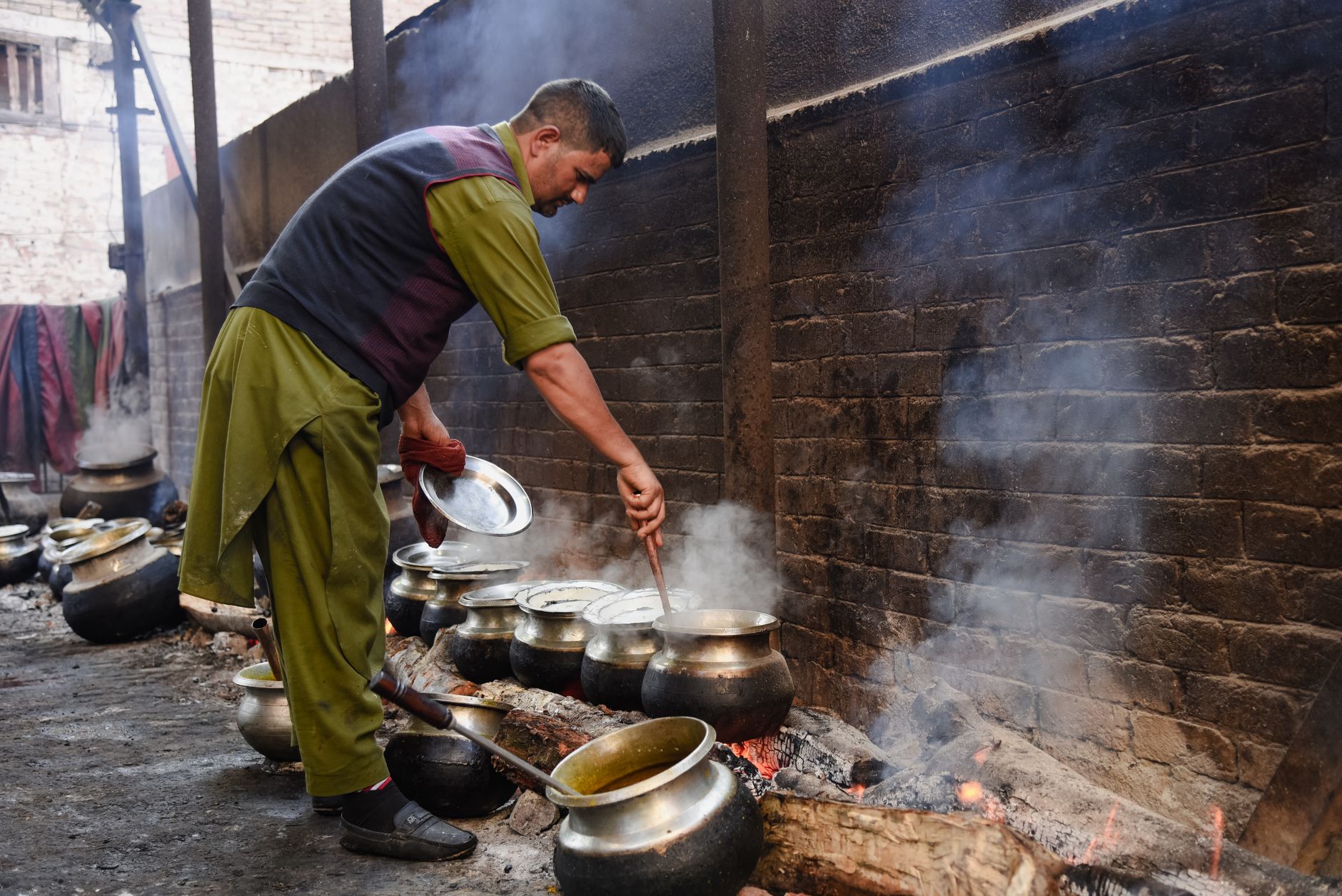
Turn Leftover Feasts Into Community Good
Food & Beverage in Srinagar
Community Food Rescue for Srinagar Weddings & Events
Every grand Kashmiri wazwan spread or lavish shaadi reception generates far more food than guests can consume — and in Srinagar, that surplus need never go to waste. Community Food Rescue is a purposeful, organised approach to collecting, safely packaging, and redistributing leftover food from weddings, engagements, and corporate events to people in need across the city. By integrating surplus food redistribution into your event plan from day one, you honour both your guests and your community. Happiffie connects Srinagar couples and hosts with vetted catering partners and NGO networks committed to responsible catering practices, making giving back a seamless part of your celebration.
Quick Answer
Community Food Rescue is the organised collection and redistribution of surplus food from weddings and events to underserved communities. In Srinagar, catering coordinators, NGO volunteers, and event planners work together to package leftover wazwan, biryanis, and sweets hygienically and deliver them to shelters, orphanages, and relief centres — typically on the same evening as the event, ensuring food safety and reducing landfill waste.
What Is Community Food Rescue and Why Does It Matter in Srinagar?
Community Food Rescue is the structured practice of intercepting edible surplus food before it reaches the bin and directing it to people facing food insecurity. In Srinagar, where celebrations routinely involve wazwan spreads serving 300 to 1,000 guests, the volume of high-quality cooked food left over can be staggering. Rather than discarding perfectly good rogan josh, methi maaz, or firni, a Community Food Rescue plan ensures that food is packed within the food-safe two-hour window, transported in insulated containers, and delivered to nearby shelters, masjid langar programmes, or relief kitchens in areas like Rainawari, Hazratbal, and Bemina. Food insecurity awareness among Srinagar's event industry is growing rapidly, and couples who actively choose this path earn genuine respect from their guests and vendors alike. Platforms like Happiffie help you bake this commitment into your event contract from the very first consultation.
How Surplus Food Redistribution Works at a Kashmiri Wedding
Surplus food redistribution at a Kashmiri wedding follows a clear operational chain. First, your caterer estimates the surplus volume based on confirmed guest counts, menu complexity, and serving style — sit-down wazwan typically generates 10–20 percent surplus while buffet-style receptions can run higher. Second, dedicated food rescue coordinators — either from an empanelled NGO or a trained catering crew — stand by during service to begin safe hot-packaging of untouched dishes. Third, sealed containers are labelled with preparation time and contents, then dispatched to pre-confirmed recipient organisations. Responsible catering practices require that no food is held beyond two hours at room temperature, a standard that vetted Happiffie catering partners uphold rigorously. The process is quiet, runs parallel to your event, and requires zero effort from the bride, groom, or family on the day itself. Wedding food donation, when planned correctly, is completely invisible to guests — yet profoundly impactful for recipients.
Why Should You Choose a Zero Waste Event in Srinagar?
Choosing a zero waste event in Srinagar is no longer a niche lifestyle decision — it is fast becoming a mark of thoughtful hosting. Kashmir's fragile ecosystem, from Dal Lake to the Jhelum riverbank, is acutely sensitive to excess waste, and landfill pressure in the Valley is a documented civic concern. Beyond environmental impact, a zero waste event in Srinagar signals cultural maturity: the Kashmiri tradition of communal generosity, rooted in values of sharing and hospitality, aligns perfectly with the spirit of Community Food Rescue. Couples increasingly include a line in their wedding programme cards or mehendi invitations acknowledging their commitment to leftover food collection. Guests — especially younger millennials and Gen Z attendees — respond warmly. Sustainable wedding planning also translates to tangible savings: when caterers plan tighter quantities backed by a rescue protocol, over-ordering decreases, and per-head catering costs can drop by 8–15 percent without any perceived compromise in abundance.
Event Food Waste Management: Practical Timelines and Costs
Effective event food waste management begins at the menu-planning stage, not at the close of the evening. Srinagar wedding caterers who partner with Community Food Rescue coordinators typically charge a service facilitation fee of INR 3,000 to INR 8,000 per event, covering coordination, packaging materials, and transport within city limits. For larger wazwan banquets — 500 guests and above — this fee may scale to INR 10,000–15,000 when multiple drop-off points are involved. Some NGO-linked coordinators offer this service at no charge in exchange for a small voluntary donation to their organisation. Leftover food collection typically begins 30 minutes before service formally closes, with the final dispatch completing within 90 minutes of the event's end. Early booking — ideally four to six weeks before your event — allows coordinators to pre-confirm recipient organisations and vehicle logistics, ensuring nothing is left to last-minute improvisation. Sustainable wedding planning means building this timeline into your master event schedule, not treating it as an afterthought.
How Do You Integrate Community Food Rescue Into Your Happiffie Booking?
Integrating Community Food Rescue into your Happiffie event booking is straightforward. When browsing caterers or wedding packages on Happiffie, look for the 'Responsible Catering' or 'Zero Waste Partner' badge — these vendors have already agreed to food rescue protocols and have established NGO tie-ups. During your consultation, ask your Happiffie advisor to add a food rescue coordination clause to the catering agreement, specifying the rescue window, packaging standards, and recipient organisations. You can also request a post-event impact summary — a simple document noting the approximate quantity of food redistributed and the communities served. This summary is increasingly popular as a keepsake and a meaningful addition to wedding albums and social announcements. Couples in Anchar, Jawahar Nagar, and Lal Chowk areas have used this documentation to inspire similar commitments among their social circles, creating a quiet but growing culture of food insecurity awareness across Srinagar's wedding community.
Community Food Rescue Setup Options for Srinagar Events
Expert Recommendation
Best for Large Wazwan Banquets (500+ Guests)
Best for Intimate Nikahs and Home Receptions
Best for Budget-Conscious Couples
Best for Eco-Aware Millennial Couples
Best for Corporate and Pre-Wedding Functions
Best for Heritage Venue Weddings near Dal Lake
How to Choose the Right Option
✅ Pre-booking Checklist
- Confirm your caterer is enrolled in or willing to follow a Community Food Rescue protocol before signing the catering contract.
- Identify recipient organisations — shelters, orphanages, langar kitchens — within 10 km of your venue at least four weeks before the event.
- Specify the two-hour food safety window in writing with your caterer and rescue coordinator.
- Arrange insulated packaging materials and labelled containers as part of your catering supply list.
- Assign one designated point-of-contact (not the bride, groom, or immediate family) to liaise with the rescue team on the event day.
- Request a post-event surplus summary noting approximate food weight and recipient communities served.
- Check transport logistics — vehicle size, access roads, and timing — especially for heritage venues near Dal Lake or narrow lanes in old Srinagar.
- Brief your catering head on which dishes are rescue-eligible (untouched, freshly served) versus non-eligible (open display desserts, garnishes).
🎯 Selection Criteria
- Coordinator's existing relationships with recipient NGOs and community kitchens in Srinagar.
- Caterer's prior experience with event food waste management and compliance with FSSAI food safety standards.
- Turnaround time from end of service to completed delivery — should be under 90 minutes.
- Availability of insulated transport vehicles suited to the event venue's location and access.
- Transparency in reporting — does the coordinator provide a post-event impact summary?
💰 Cost / Quality Factors
- Guest count directly determines surplus volume and the number of coordinators and vehicles required.
- Menu complexity — wazwan multi-course meals require more packaging expertise than simple buffet setups.
- Venue location affects transport time; central Srinagar venues allow faster delivery than peripheral areas.
- Coordination fee ranges from INR 3,000 for basic leftover food collection to INR 15,000 for full NGO-managed rescue at large events.
- Seasonal demand peaks in spring and autumn — coordinator availability tightens, so early booking lowers cost and secures better partners.
- Recipient organisation capacity matters; confirm they can receive and distribute the estimated volume on your event date.
⚠️ Common Mistakes to Avoid
- Leaving food rescue planning to the week before the event — coordinators and NGOs need four to six weeks' notice.
- Assuming all caterers automatically support Community Food Rescue — always confirm and document the commitment in your contract.
- Neglecting food safety timing — surplus held beyond two hours at room temperature must not be redistributed under any circumstance.
- Over-estimating redistributable quantity — not all leftovers qualify; only untouched, safely held food should enter the rescue chain.
- Assigning rescue coordination to a family member who will be occupied with wedding duties on the day itself.
- Skipping the post-event impact summary — this document is valuable for couples who wish to acknowledge their contribution publicly or inspire others.
People Also Ask
Is Community Food Rescue legal and hygienic for weddings in Srinagar?
How much surplus food is typically generated at a Kashmiri wazwan wedding?
Which organisations in Srinagar partner with food rescue programmes?
Does opting for leftover food collection reduce my overall catering cost?
Can Community Food Rescue be arranged for corporate events and pre-wedding functions in Srinagar?
What is the difference between surplus food redistribution and composting wedding food?
How early should I book a food rescue coordinator for my Srinagar wedding?
Will guests notice or be uncomfortable with food rescue happening at the wedding?
Related Experiences on Happiffie
Feed More, Waste Less in Patna
Feed More, Waste Less in Noida
Give Back After Every Celebration
Zero Waste Events in Chennai
Jaipur Fusion Weddings Done Right
Beautiful Invitations, Zero Guilt
Frequently Asked Questions
What is Community Food Rescue and how does it apply to Srinagar weddings?
How much does it cost to add a Community Food Rescue service to a Srinagar wedding?
Which areas of Srinagar are typically served by food rescue delivery networks?
Does Community Food Rescue work for smaller pre-wedding functions like mehendi or engagement parties?
How does event food waste management differ from simply donating leftover food yourself?
Can I request a post-event impact report for my Srinagar wedding food rescue?
Is Community Food Rescue aligned with Islamic values observed in Kashmiri wedding traditions?
How do I find a caterer on Happiffie who supports Community Food Rescue in Srinagar?
Key Takeaways
- Community Food Rescue redirects safe, edible surplus from Srinagar weddings and events to shelters, orphanages, and community kitchens — on the same evening as the event.
- Kashmiri wazwan banquets for 300–500 guests can generate 15–25 kg of redistributable food; larger events yield significantly more.
- Coordination fees for surplus food redistribution range from INR 3,000 to INR 15,000 depending on event scale and service level.
- Integrating leftover food collection into menu planning can reduce over-ordering and lower per-head catering costs by 8–15 percent.
- Food safety compliance — packaging within two hours of preparation — is non-negotiable for all responsible catering practices.
- Book food rescue coordinators four to six weeks before peak-season events (spring and autumn) to secure availability and NGO partnerships.
- Happiffie's 'Responsible Catering' badge identifies caterers with established food rescue protocols and active NGO tie-ups in Srinagar.
- A zero waste event in Srinagar is both environmentally impactful and culturally aligned with Kashmir's deep traditions of communal generosity.
Make Your Srinagar Celebration Generous Beyond the Guest List
Connect with Happiffie's vetted responsible catering partners and add Community Food Rescue to your wedding plan today.
Explore Food Rescue Partners
Are you a Vendor? Grow Your Business with Happiffie!
- High intent verified leads
- Reverse auction opportunities
- AI business tools & insights
- Dedicated vendor dashboard
- Grow your business, your way
It's free & takes less than 2 minutes!