

Explore All Religious Ceremonies
Discover traditional rituals, wedding ceremonies, spiritual occasions and meaningful cultural celebrations in Chennai, with trusted services to honour every tradition.
Give Thoughtfully,
Celebrate with Happiffie
From personalised gifts and curated collections to thoughtful presents for every occasion, Happiffie helps you discover gifting options that make celebrations more meaningful and memorable.
- Thoughtful Gift DiscoveryFind gifting options suited to every celebration and occasion
- Personalised GiftingDiscover customised gifts made to create meaningful moments
- Trusted Gift ProvidersConnect with reliable gifting professionals and service providers
Popular Religious Ceremonies
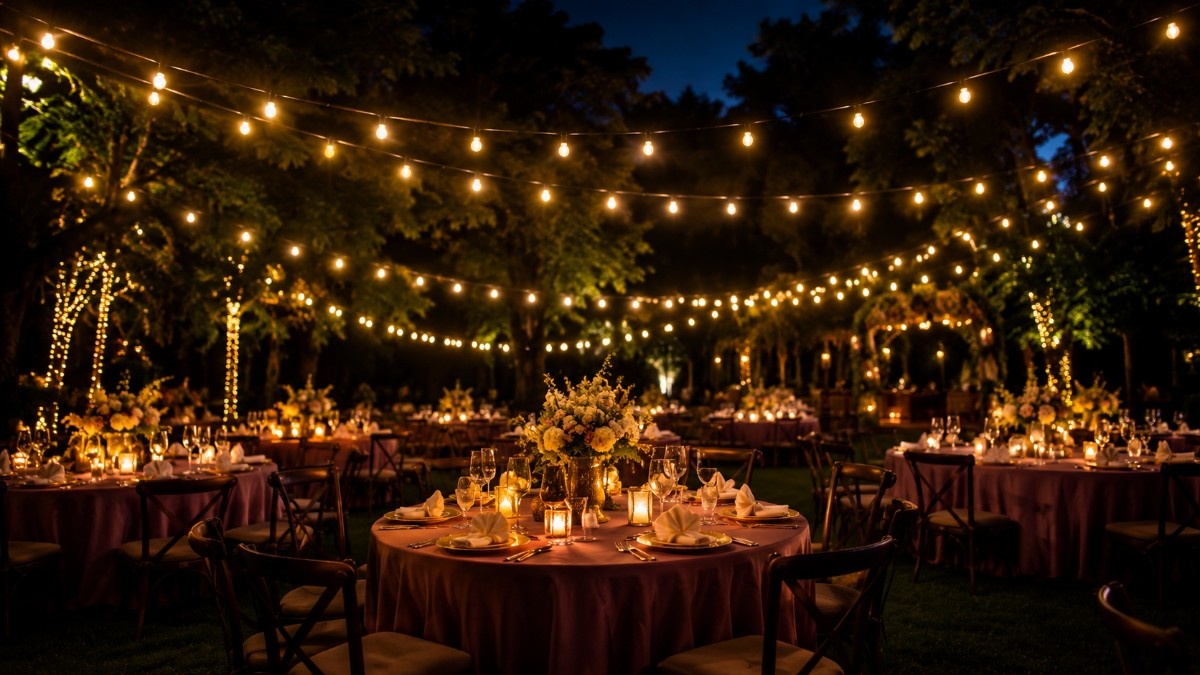 Engagement
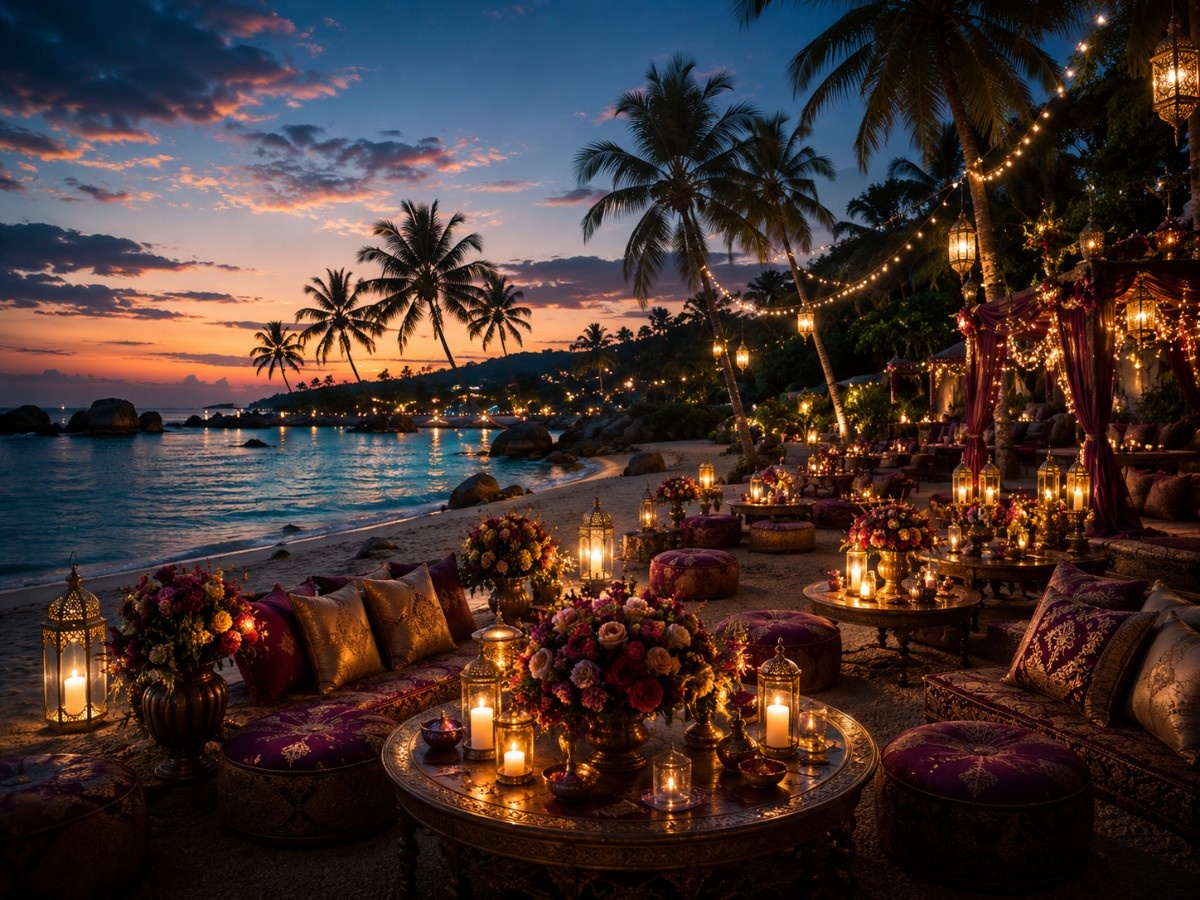 Mehendi
 Sangeet
 Haldi
Haldi Wedding
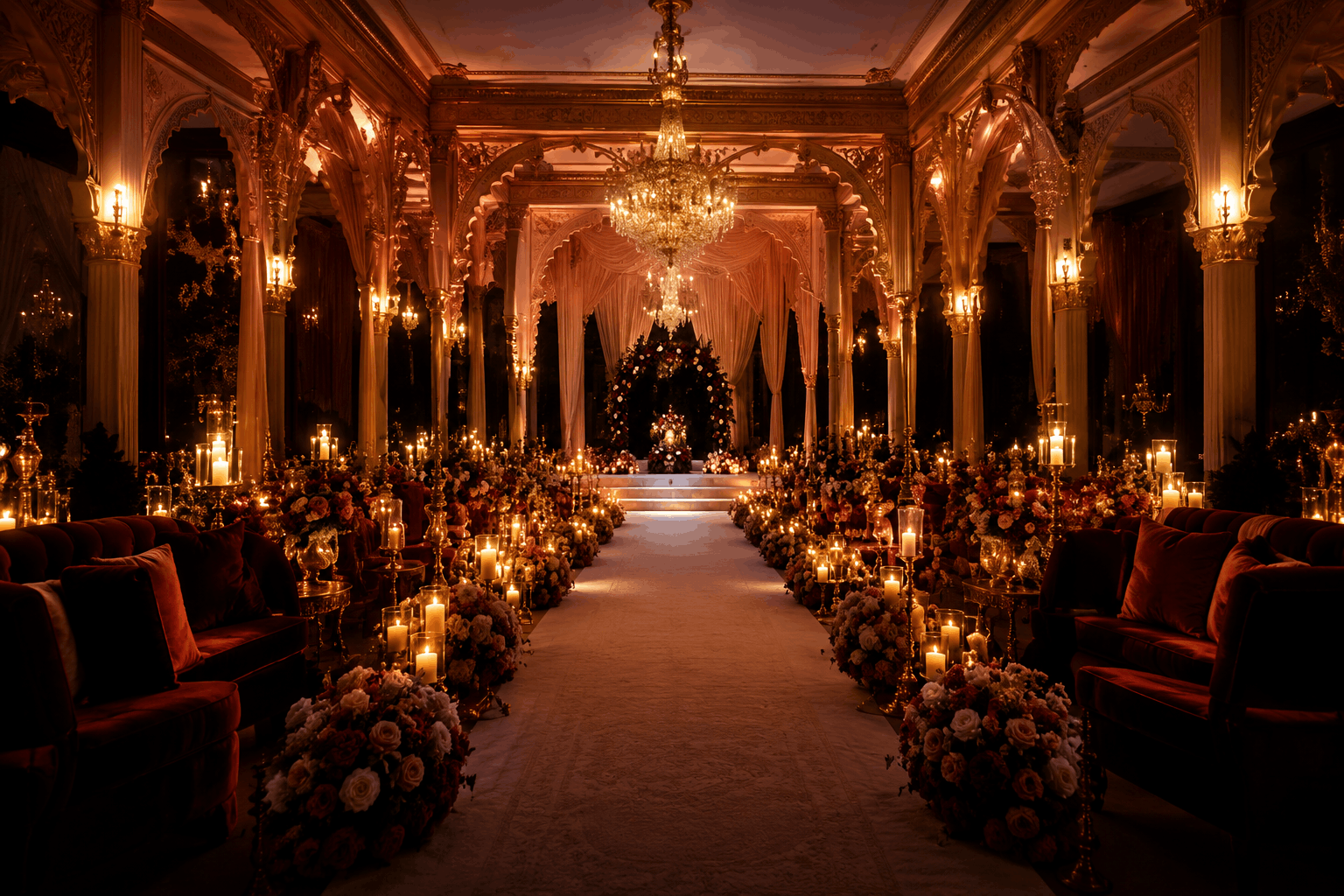 Reception
 Pre Wedding Shoot
 Save The Date Shoot
 Ring Ceremony
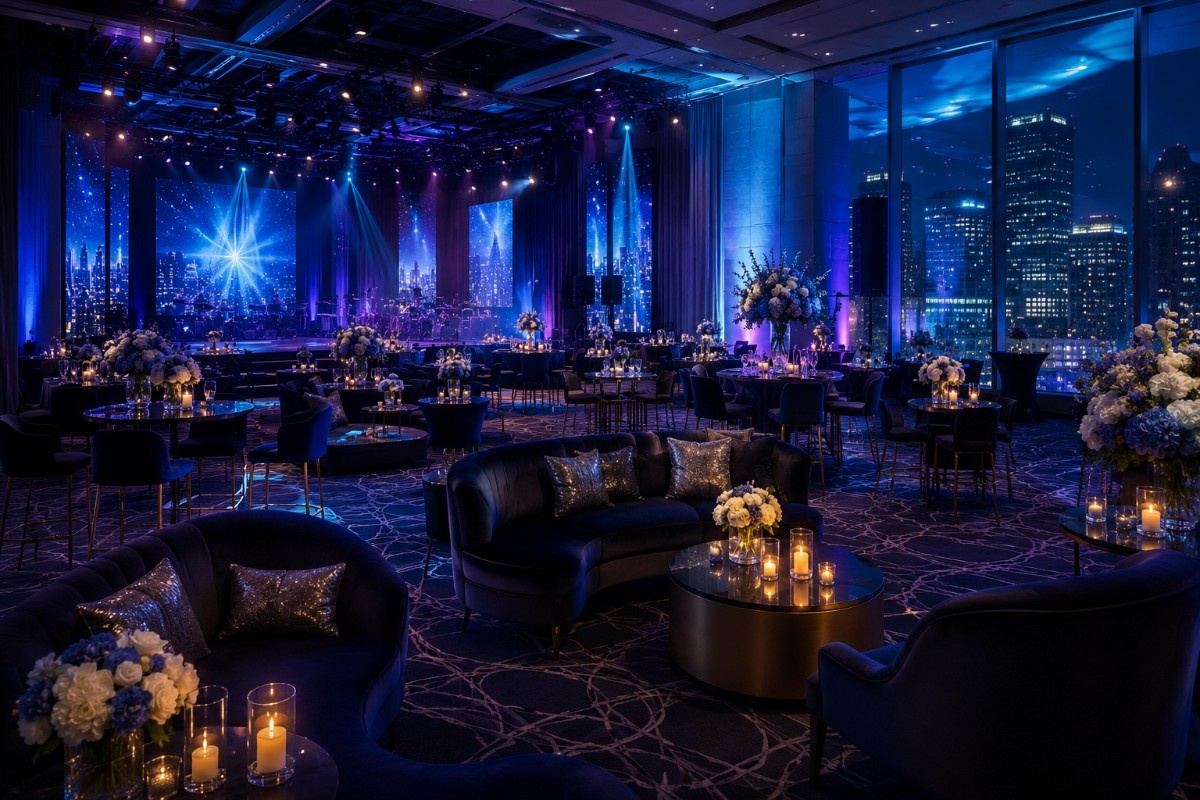 Destination Wedding
 Aviratham (Engagement)
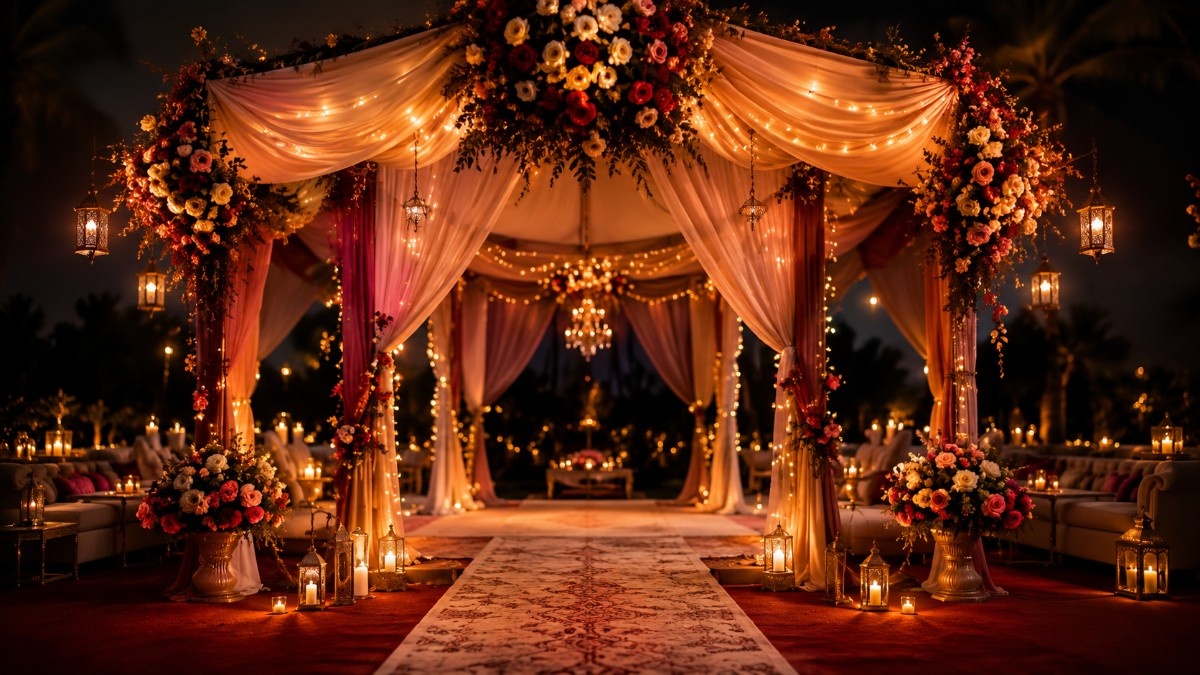 Guru Pooja
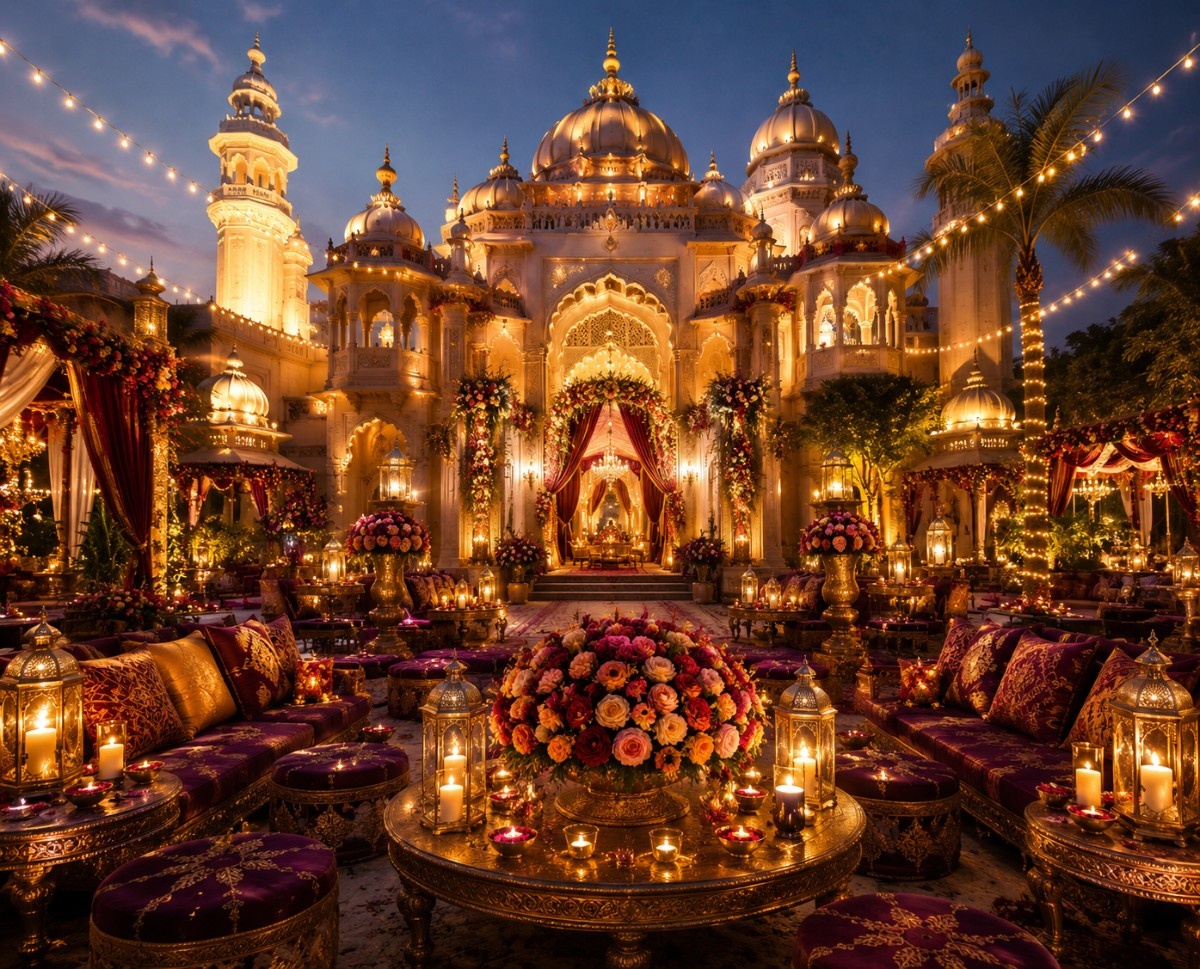 Kashi Yatra
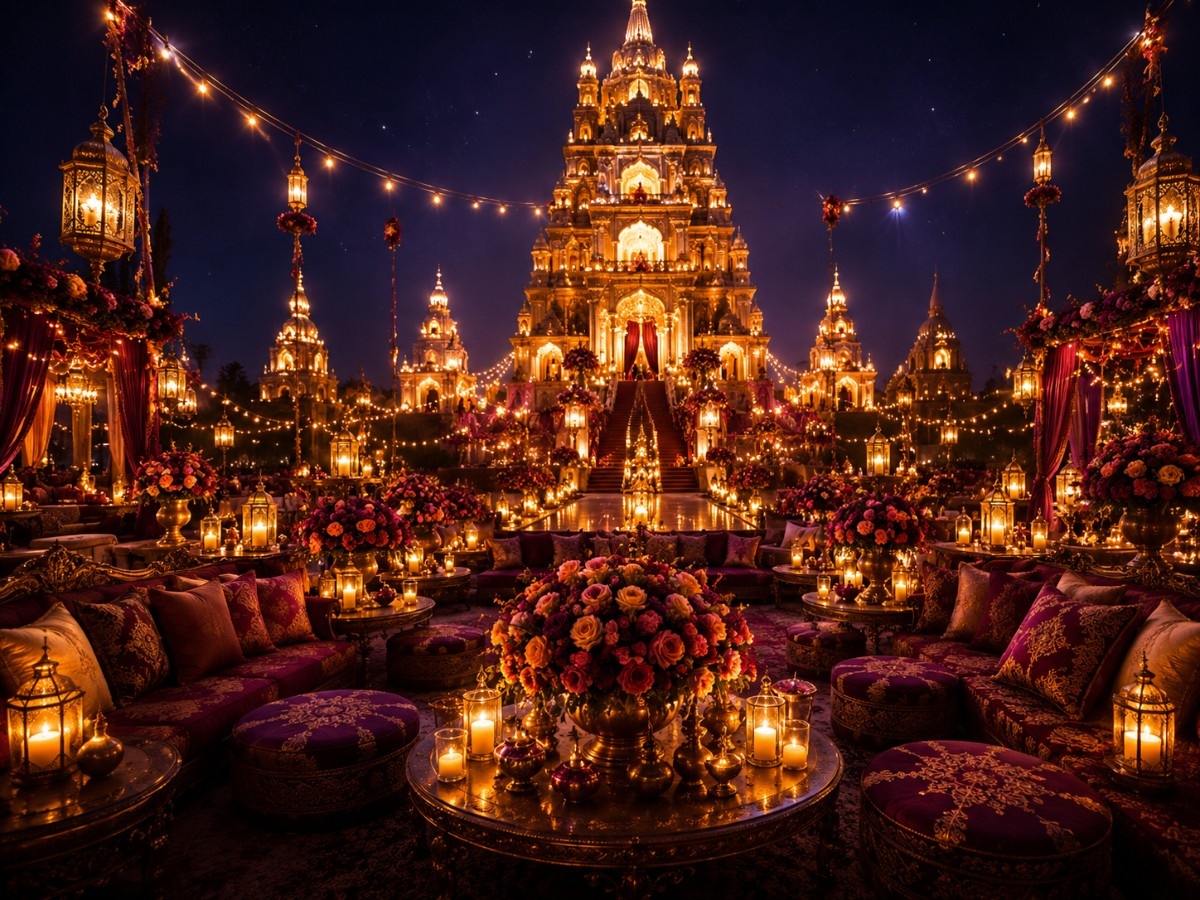 Oonjal Ceremony
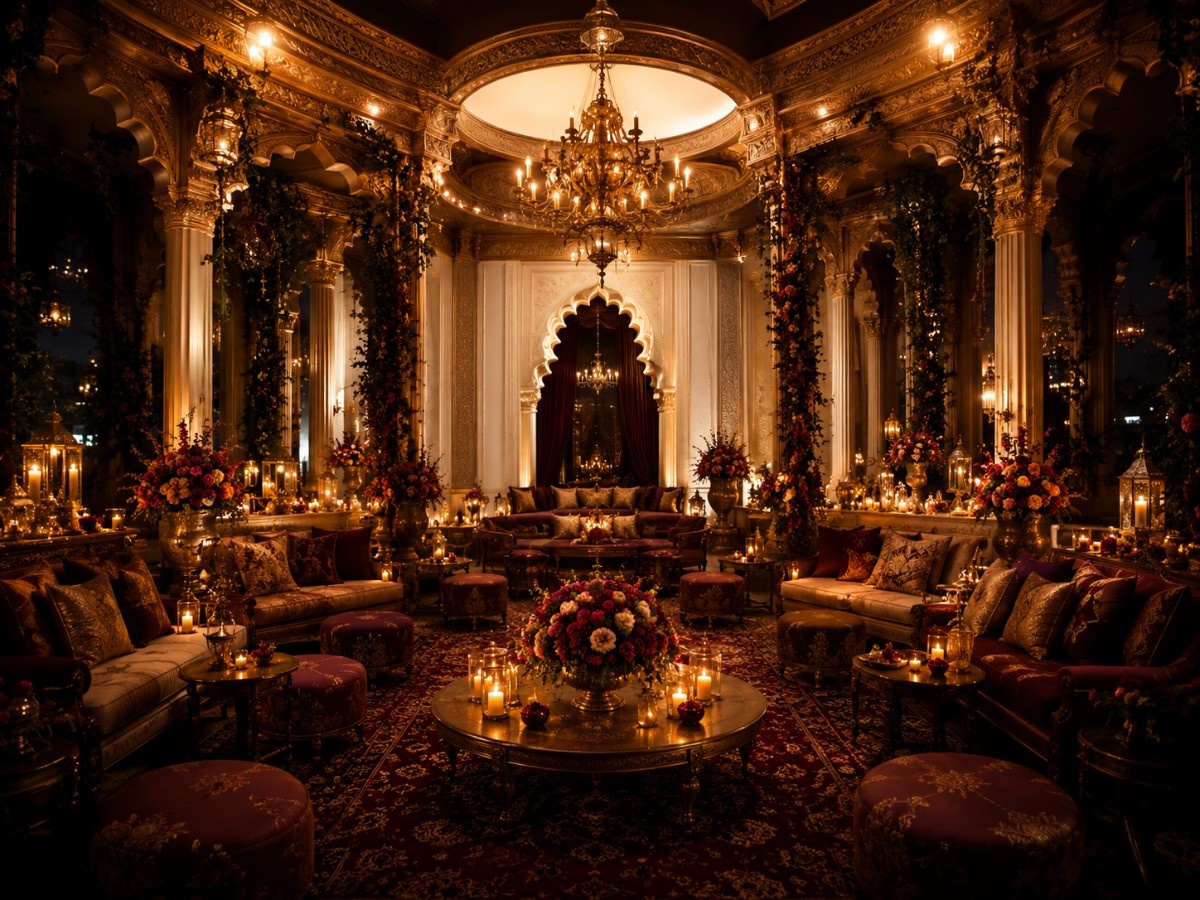 Muhurtham
 Vidaai
 Post Wedding Shoot
 Anniversary Celebration
 Vow Renewal
 Honeymoon Celebration
 Bridal Shower
 Bachelor Party
 Bachelorette Party
 Cocktail Party
 House Warming
 Griha Pravesh
 Satyanarayan Puja
 Naming Ceremony
 Thread Ceremony
 Upanayanam
- 400+Curated Events
- 6Event Universes
- 1000+Verified Vendors
- 70+Locations
- 24/7Customer Support


Not sure which packages fits your celebration?
Let Hiya & Hanu help you find the perfect match!
Explore Celebration Packages- AI-Powered MatchingSmart suggestions for you
- Budget OptimizerGet the best experiences in your budget
- End-to-End SupportWe are with you at every step
Serving Celebrations across 75+ locations in India
Traditional Auspicious Ceremonies for Meaningful Heritage Based Family Celebrations
◆Traditional auspicious ceremonies hold a special place in family life because they connect important occasions with customs passed down through generations. They may mark new beginnings, significant milestones, religious observances or moments when families come together to seek blessings and express gratitude.
While the rituals themselves remain central to the occasion, careful organisation is equally important. Venue preparation, ritual materials, priest coordination, floral arrangements, guest seating and timings all need to work together. Well-planned arrangements allow families to respect established customs while creating a comfortable experience for everyone attending.
Preserving Customs Through Auspicious Ceremonies
Traditions provide continuity between generations. Many families follow ceremonial practices that have been observed by parents, grandparents and earlier generations. These customs can give an occasion a strong sense of identity and purpose.
Traditional auspicious ceremonies are often planned around specific rituals, prayers, offerings or auspicious timings. The exact format can differ according to family traditions, religious practices and the nature of the occasion.
Respecting these differences is important when arranging the event. Rather than applying one standard format to every ceremony, planning should begin by understanding the family's expectations and customary practices.
Understanding the Purpose of the Occasion
The first stage of planning is identifying why the ceremony is being held and what the family hopes to achieve. A ceremony connected with a new beginning may require different arrangements from a prayer gathering or another traditional family observance.
Understanding the purpose helps determine the appropriate format, venue, schedule and participants. It also makes conversations with priests, spiritual professionals and event coordinators more productive.
Families can discuss which rituals are essential, who should participate and whether any particular customs need to be followed. These decisions create a clear foundation for the rest of the planning process.
Selecting a Suitable Traditional Venue
The venue should support the practical and spiritual requirements of the ceremony. Depending on the occasion, families may choose their home, a community hall, a temple-related venue or another suitable event space.
A good venue should provide adequate room for the main ritual area and allow family members to participate comfortably. Accessibility is particularly important when elderly relatives are attending.
Ventilation, cleanliness, seating, lighting and access to basic facilities should also be considered. If decoration or catering is required, the venue should have enough space for those arrangements without interfering with the ceremony.
Planning the Sacred Ritual Area
The ritual area is usually the central point of the ceremony. It should be prepared in a way that supports the required traditions and provides enough space for the people directly involved.
The arrangement may include appropriate vessels, lamps, flowers, offerings and other ceremonial materials. The exact requirements should be confirmed with the person conducting the ceremony rather than assumed.
Keeping the ritual area organised also helps prevent unnecessary movement during the ceremony. Family members and guests can then participate respectfully without disrupting the proceedings.
Preparing Traditional Ritual Materials
Ritual materials can vary significantly depending on the ceremony. Families may need flowers, fruits, leaves, lamps, vessels, offerings, sacred ingredients and other customary items.
A written checklist can be helpful because small requirements are easy to overlook when several family members are involved in preparation. It is also useful to clarify which items will be supplied by the priest or ceremony service provider.
Arranging materials ahead of time gives the family greater confidence on the day. It also allows any unavailable or specialised items to be identified early rather than becoming a last-minute concern.
Coordinating Priests and Ceremony Professionals
The priest or spiritual professional conducting the ceremony has an important role in maintaining the appropriate ritual sequence. Their availability should therefore be confirmed before other arrangements are finalised.
The ceremony date, timing, location and expected duration should be communicated clearly. Families can also discuss specific customs or requirements that are important to them.
Professional coordination becomes particularly valuable when several suppliers are involved. The priest's schedule, venue access, decoration setup and ritual material delivery can all be aligned through a shared event timeline.
Creating a Traditional Visual Atmosphere
The setting of a traditional ceremony can be enhanced with tasteful decorations that complement the cultural character of the occasion. The objective is to create a welcoming and respectful environment rather than an overly elaborate display.
Flowers, traditional decorative elements, lamps, entrance arrangements and simple ceremonial backdrops can contribute to the atmosphere. Colours and floral choices can be selected according to family preferences and the nature of the occasion.
Traditional ceremony decoration should also remain practical. The ritual space needs to stay accessible, and decorative elements should not interfere with movement or safety.
Using Flowers to Enhance the Ceremony
Flowers are closely associated with many traditional ceremonies. They can be used for garlands, entrance decoration, ritual areas, seating spaces and other parts of the venue.
The selection can depend on availability, family preferences and the visual character desired for the occasion. Fresh flowers can create a natural and welcoming environment while complementing other traditional elements.
Floral arrangements should be coordinated with the overall venue design. A consistent approach helps the ceremony space feel carefully prepared without making decoration the main focus.
Keeping Family Participation at the Centre
One of the most meaningful aspects of a traditional ceremony is the involvement of family members. Elders may guide customs, while younger relatives may assist with preparations or participate in selected rituals.
A clear plan can make participation easier. Family members can be informed about arrival times, responsibilities and any materials they need to bring.
This approach also gives younger generations an opportunity to understand and experience traditions that might otherwise become less familiar over time.
Combining Heritage With Practical Planning
Following traditional customs does not mean that modern organisation has to be avoided. Digital invitations, shared schedules, supplier coordination and organised guest communication can make preparations considerably easier.
The traditional character of the ceremony remains intact while practical tasks are handled more efficiently. This is especially useful when relatives are travelling from different places or when the event involves a larger gathering.
A balance between heritage and organisation can make the occasion accessible to different generations while preserving its essential customs.
Planning for Guests and Elders
Guest comfort deserves attention throughout the ceremony. Seating should be arranged according to the expected attendance, with priority given to elderly family members and guests who may need convenient access.
If the ceremony is lengthy, drinking water and refreshments can be arranged appropriately. Clear information about the venue and timing can also help guests arrive prepared.
For larger traditional gatherings, professional event coordination can help manage seating, guest movement, parking and hospitality while the family focuses on the ceremony.
Respecting Auspicious Timings
Timing can be an important consideration for many traditional ceremonies. Families may follow a particular auspicious period or schedule recommended according to their customary practices.
Once the preferred timing is established, other arrangements should be built around it. Venue access, decoration, ritual material preparation and priest availability should all be coordinated accordingly.
Allowing sufficient preparation time before the ceremony can prevent rushed arrangements and give the family a calmer start to the occasion.
Personalising Traditional Arrangements
Traditional ceremonies can still include personal touches. Families may choose particular flowers, decorative styles, seating arrangements or hospitality details that have special significance to them.
Personalisation should complement the established customs rather than overshadow them. Small meaningful details can make the occasion feel more connected to the family.
For example, a family may choose a particular floral style associated with previous celebrations or create a familiar ceremonial setting inspired by an elder's preferences.
Managing the Budget Carefully
A meaningful traditional ceremony does not necessarily require excessive spending. Families can prioritise essential rituals and allocate the remaining budget according to their preferences.
Important cost areas may include the venue, priest or spiritual professional, ritual materials, decoration, flowers, hospitality and event coordination.
A written budget can make decisions easier and reduce unexpected expenses. Comparing service inclusions before confirming providers is also useful, particularly when multiple arrangements are being considered.
The Value of Professional Ceremony Support
Traditional ceremonies can involve many small responsibilities. When these tasks are distributed among several family members, important details can sometimes be overlooked.
Professional support can bring the requirements together into a coordinated plan. Venue preparation, ritual materials, priest communication, decoration and guest arrangements can be managed according to a shared timeline.
This can reduce pressure on family members and allow them to participate more fully in the meaningful parts of the occasion.
Choosing the Right Ceremony Provider
Families should select a ceremony provider based on reliability, communication and an understanding of traditional requirements. A provider should be prepared to listen to the family's expectations instead of automatically applying a standard package.
Before making a decision, it is useful to discuss the ceremony type, preferred date and time, venue, number of guests, ritual materials and decoration requirements.
Clear service details and transparent communication can help families understand exactly what is included and identify any additional requirements before the event.
Creating a Memorable Traditional Experience
The lasting value of a traditional ceremony often comes from the people involved and the significance of the occasion rather than the scale of the decoration.
When rituals are prepared properly, guests are comfortable and family members can participate without unnecessary stress, the atmosphere becomes more meaningful.
Traditional auspicious ceremonies provide an opportunity to honour family customs while bringing generations together. Thoughtful planning ensures that the practical side of the event supports its cultural and spiritual purpose.
Bringing Generations Together Through Tradition
Auspicious ceremonies can preserve more than individual rituals. They can maintain family stories, customs and values that connect one generation with another.
With appropriate venue planning, ritual material preparation, priest coordination, traditional decoration, floral arrangements and guest support, the ceremony can be organised respectfully from beginning to end.
For families seeking Traditional auspicious ceremonies, the best approach is one that protects the importance of established customs while making the overall experience organised and comfortable. Professional coordination can provide the practical support needed to create an occasion that feels authentic, purposeful and memorable.
Frequently Asked Questions
1. What are traditional auspicious ceremonies?
Traditional auspicious ceremonies are family or religious occasions that follow established customs, rituals, prayers or ceremonial practices associated with important milestones and meaningful beginnings.
2. Why are traditional auspicious ceremonies important?
They help families preserve cultural customs, bring generations together and mark significant occasions with rituals and practices that hold personal, religious or cultural meaning.
3. Can a traditional ceremony be organised at home?
Yes. Many ceremonies can be conducted at home when there is sufficient space for the ritual area, family participation and guests. The layout should be planned according to the ceremony requirements.
4. What should be arranged before a traditional ceremony?
Families should generally confirm the ceremony format, auspicious timing where relevant, venue, priest or spiritual professional, ritual materials, decoration, flowers, seating and guest requirements.
5. Can traditional ceremony arrangements include modern event planning?
Yes. Modern tools such as digital invitations, organised schedules and supplier coordination can simplify practical planning while the traditional rituals and customs remain unchanged.
6. How are ritual materials selected?
Ritual materials depend on the specific ceremony and family tradition. The priest or knowledgeable ceremony professional can provide an appropriate checklist before arrangements are made.
7. How can flowers be incorporated into a traditional ceremony?
Flowers can be used for garlands, ritual areas, entrances, decorative arrangements and other ceremonial details. Selection should suit the family's preferences and the nature of the occasion.
8. How can I manage the cost of a traditional ceremony?
Start by identifying essential requirements and establishing a realistic budget. Venue, ritual materials, professional fees, decoration, flowers and hospitality can then be prioritised according to the family's needs.
9. Why is professional coordination useful for traditional ceremonies?
Professional coordination can help manage different responsibilities such as venue preparation, ritual materials, priest communication, decoration and guest arrangements, reducing the workload on family members.
10. How do I choose a suitable traditional ceremony service?
Look for a provider with relevant experience, clear communication, transparent service details and respect for family customs. Discuss your ceremony requirements and expectations before confirming the arrangements.