

Explore All Religious Ceremonies
Discover traditional rituals, wedding ceremonies, spiritual occasions and meaningful cultural celebrations in Chennai, with trusted services to honour every tradition.
Give Thoughtfully,
Celebrate with Happiffie
From personalised gifts and curated collections to thoughtful presents for every occasion, Happiffie helps you discover gifting options that make celebrations more meaningful and memorable.
- Thoughtful Gift DiscoveryFind gifting options suited to every celebration and occasion
- Personalised GiftingDiscover customised gifts made to create meaningful moments
- Trusted Gift ProvidersConnect with reliable gifting professionals and service providers
Popular Religious Ceremonies
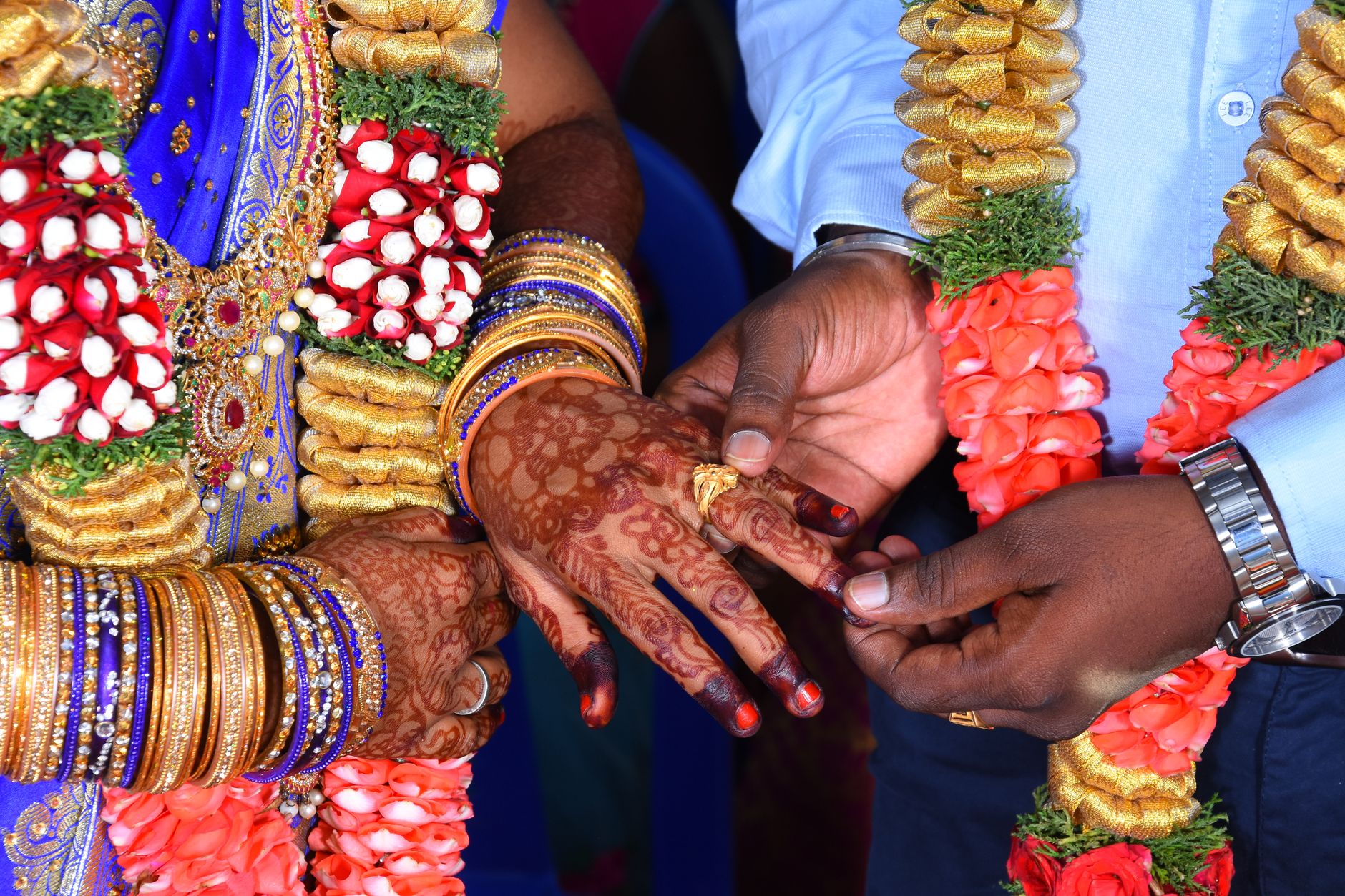 Auspicious Date Astrology
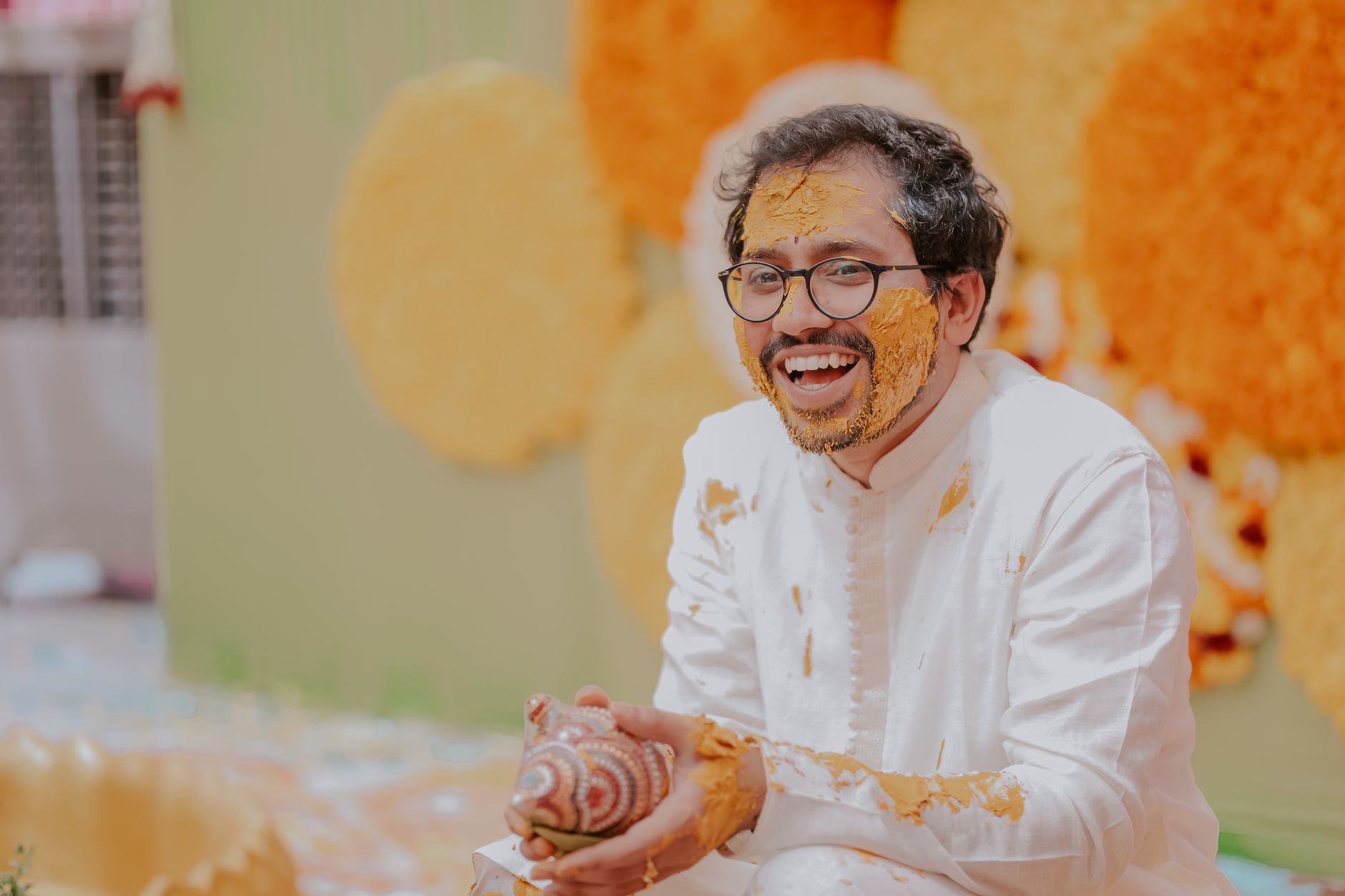 Bilingual Marriage Officiant
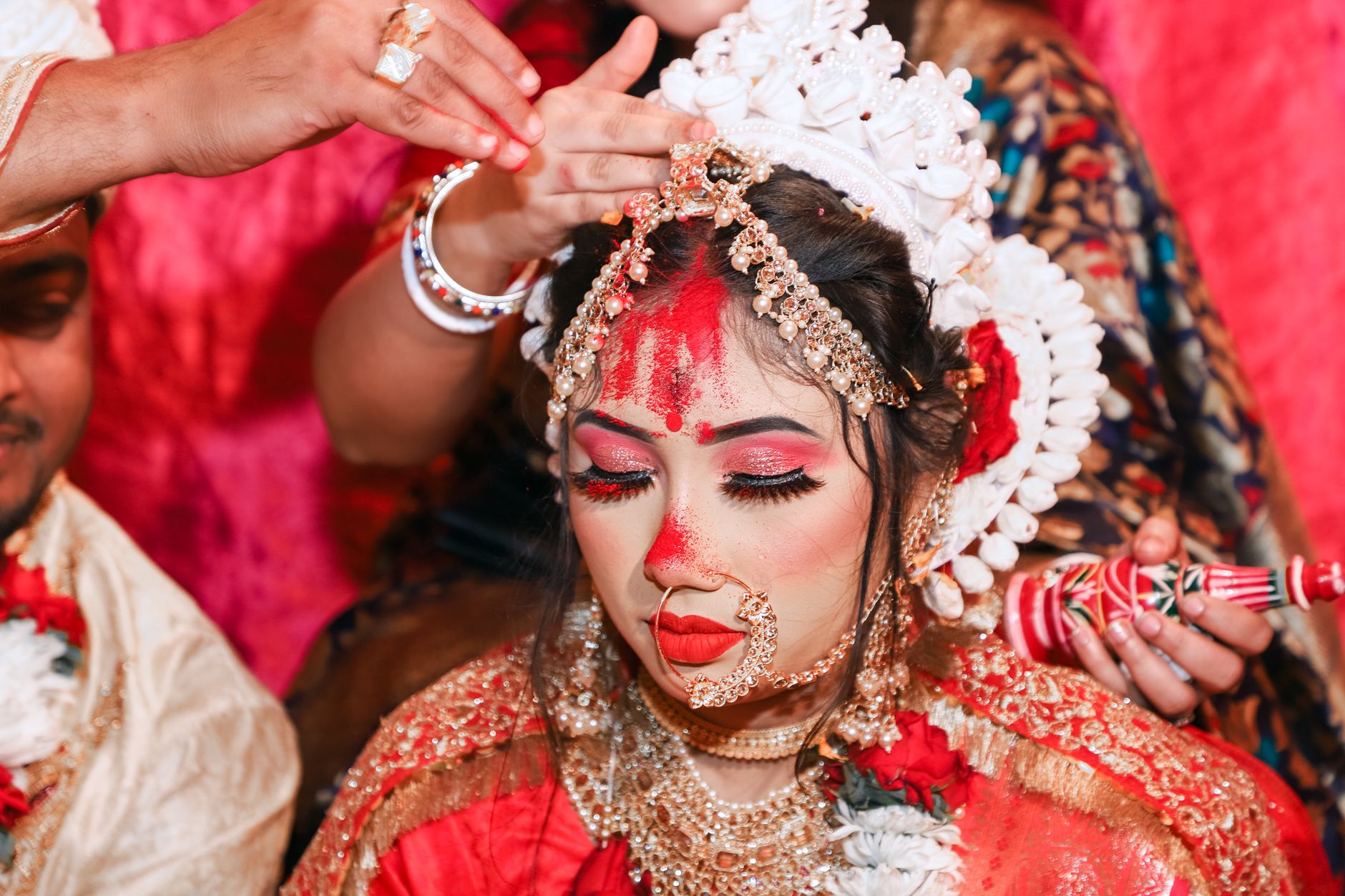 Brahmin Marriage Livestream
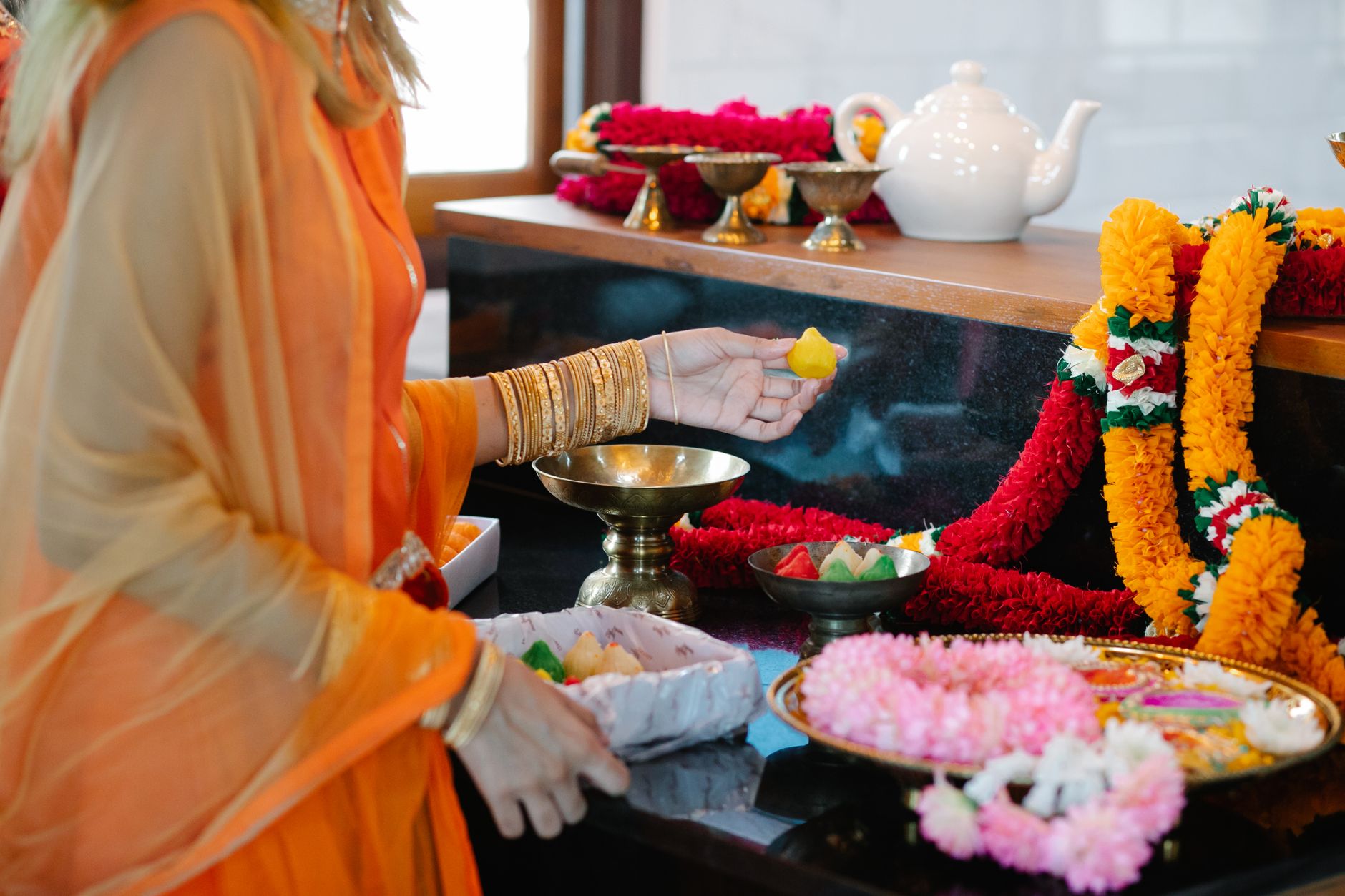 Brahmin Nalangu Ceremony Supplies
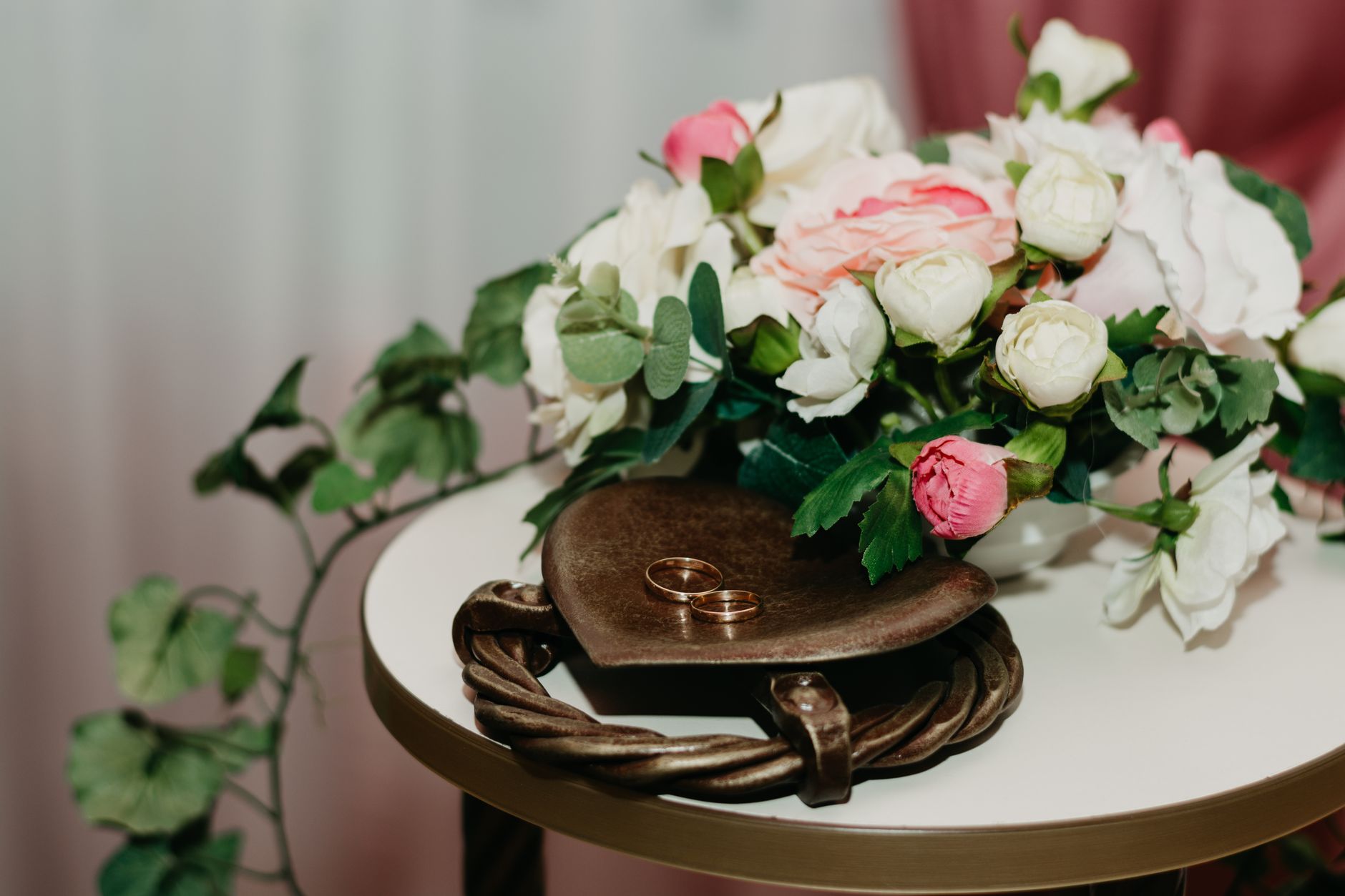 Christian Ring Tray
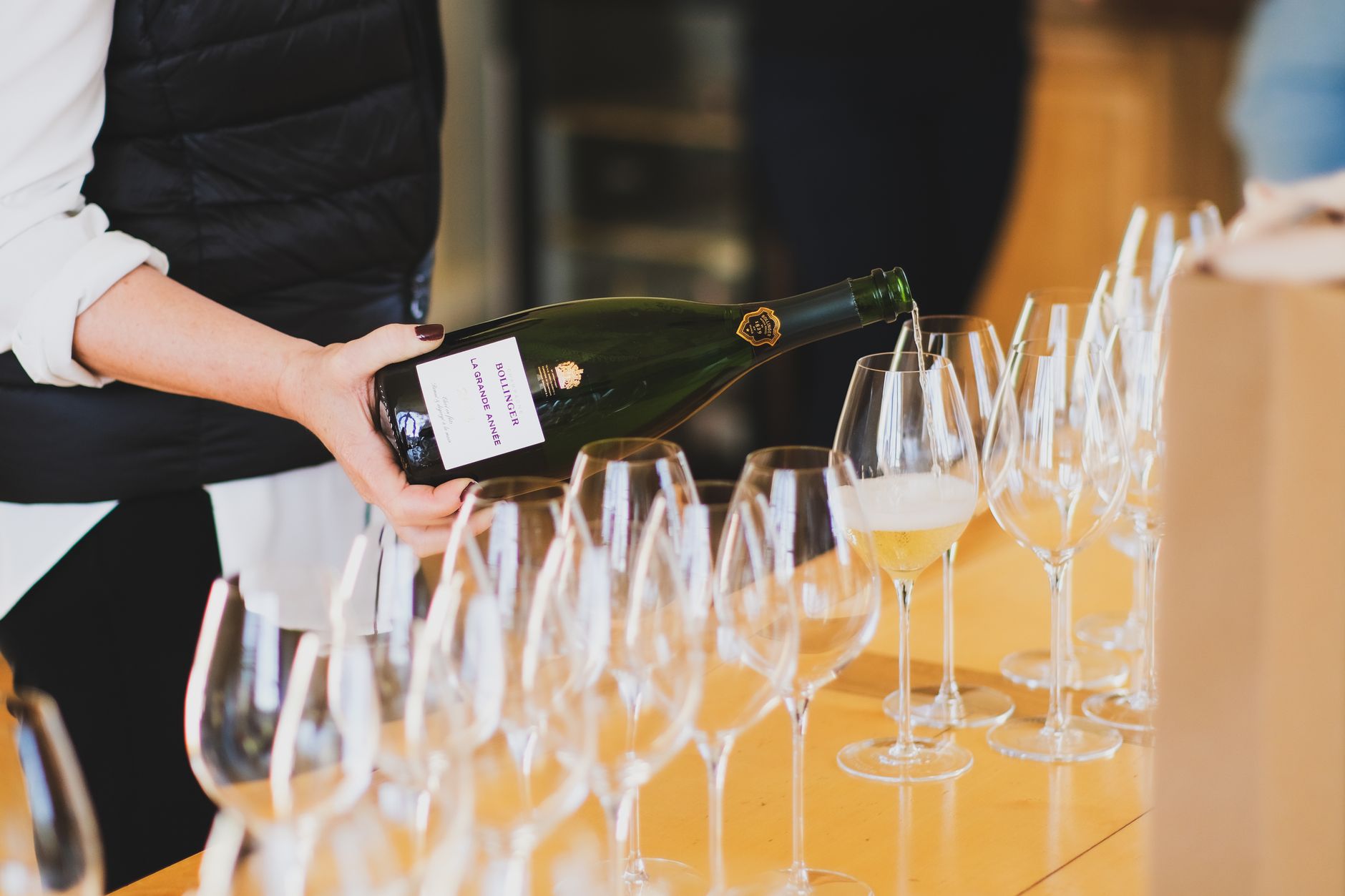 Custom Label Champagne
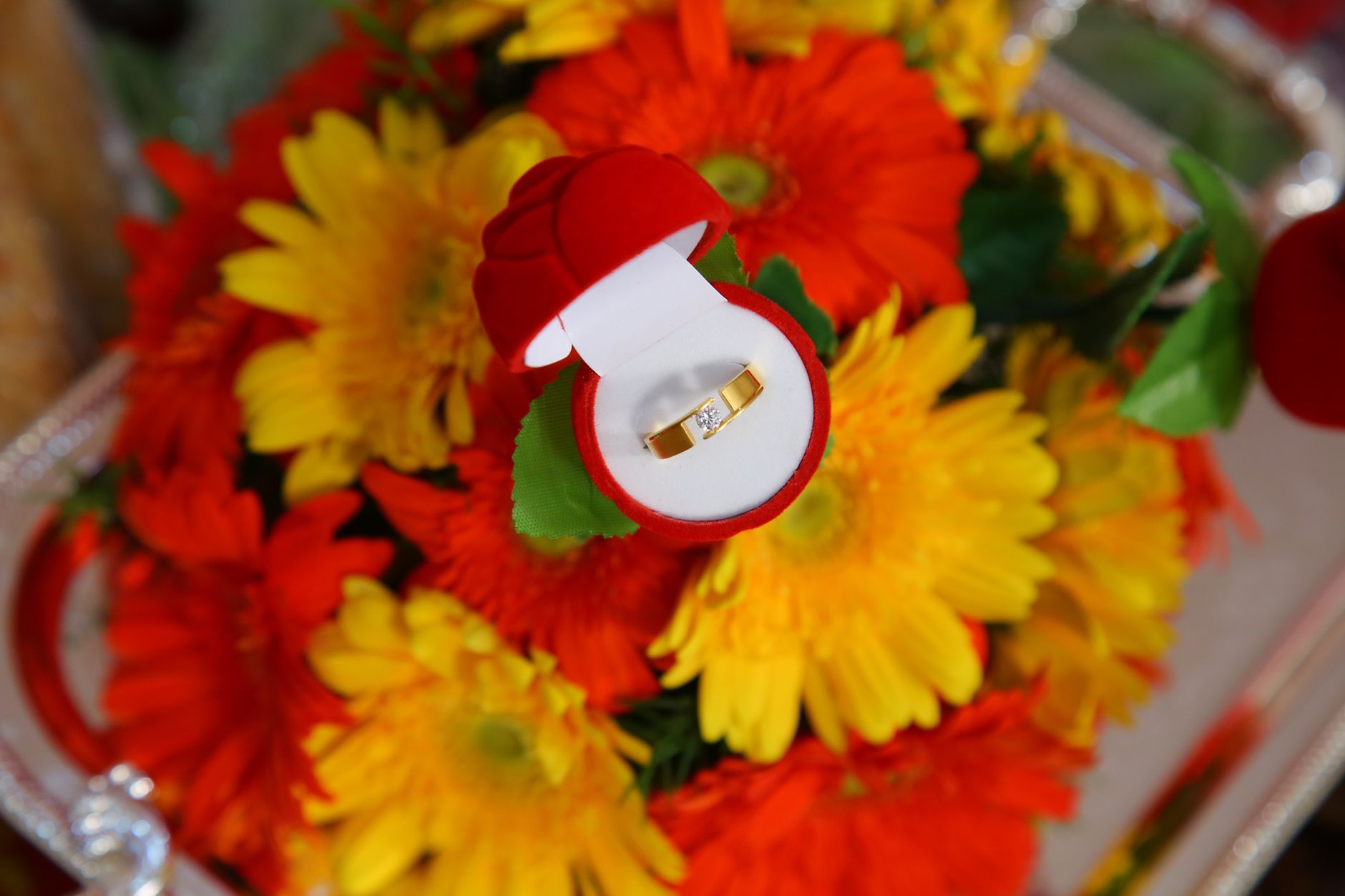 Guest Shaadi return Gifts
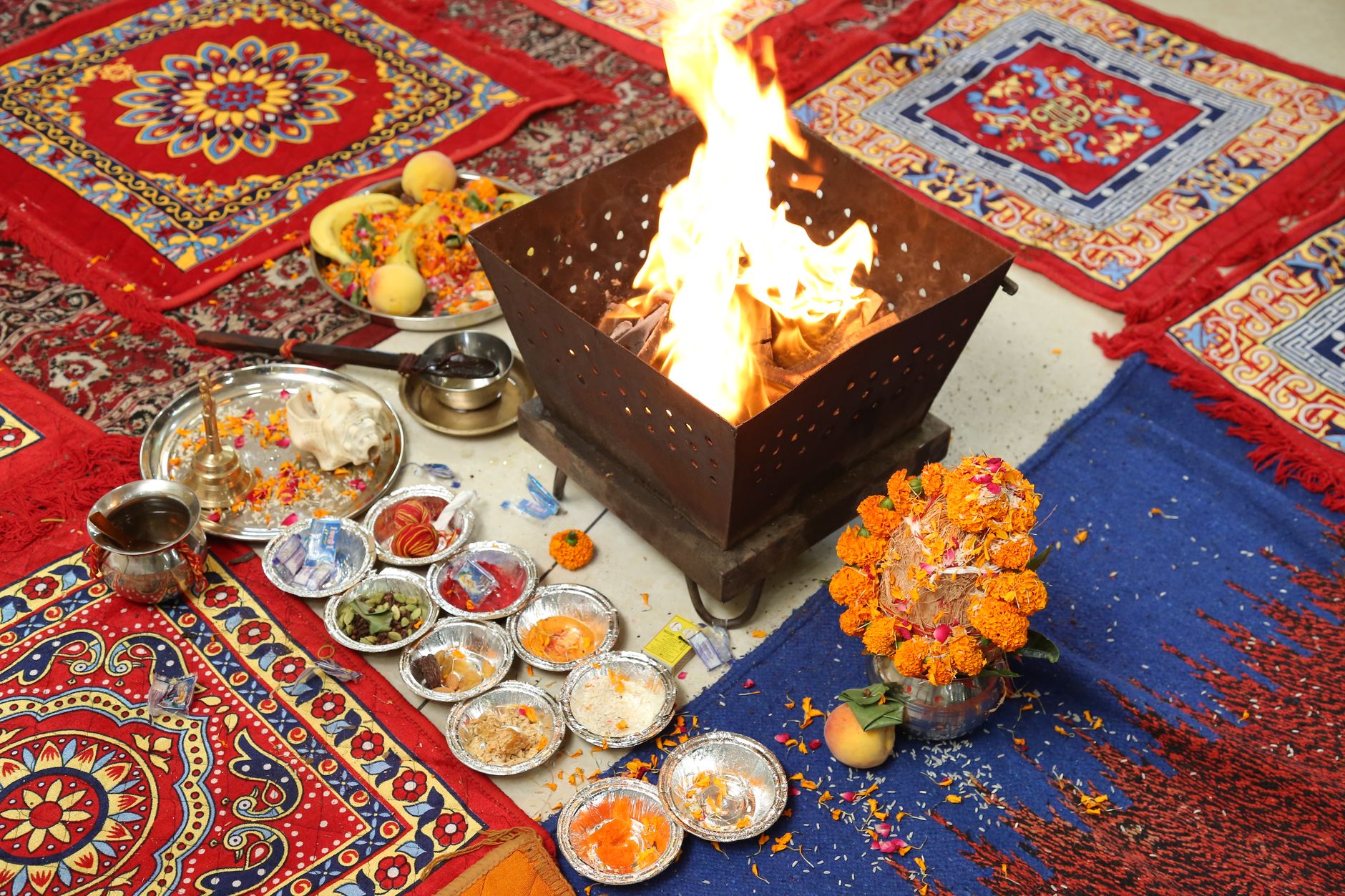 Gujarati Mangal Phera Items
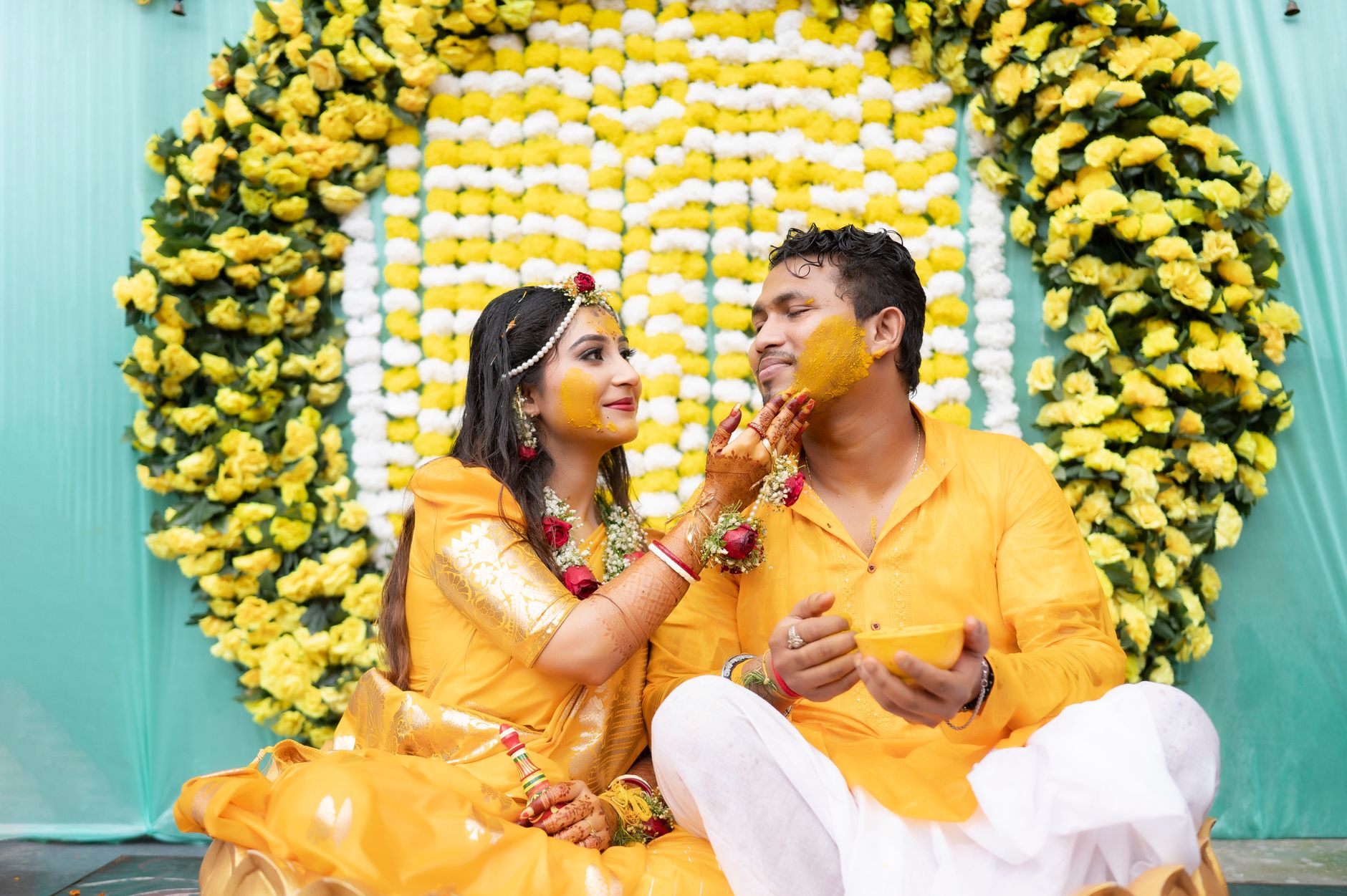 Jain Turmeric Ceremony Items
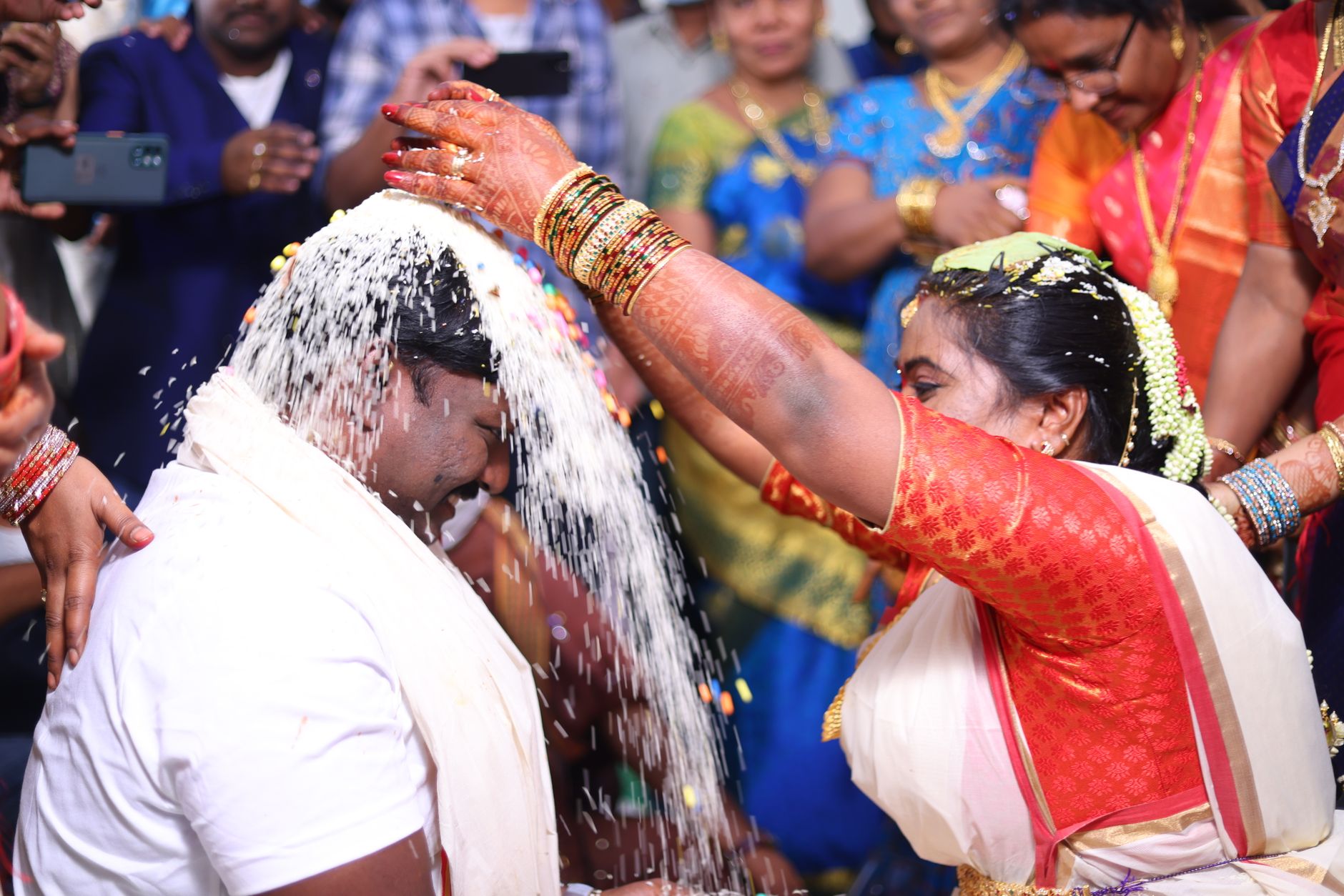 Kannada Akshathe Ceremony Items
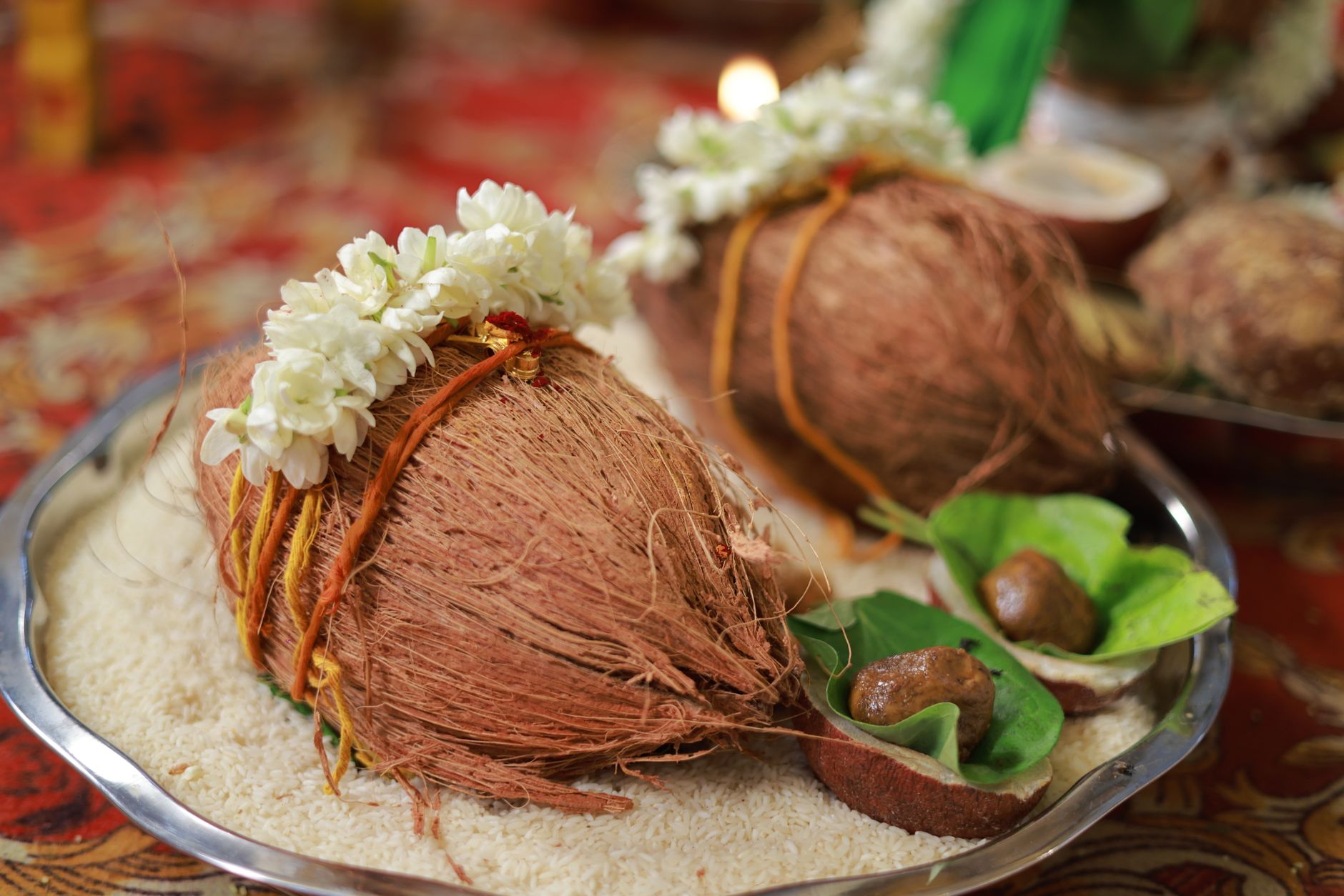 Kerala Betel Leaf Ritual Items
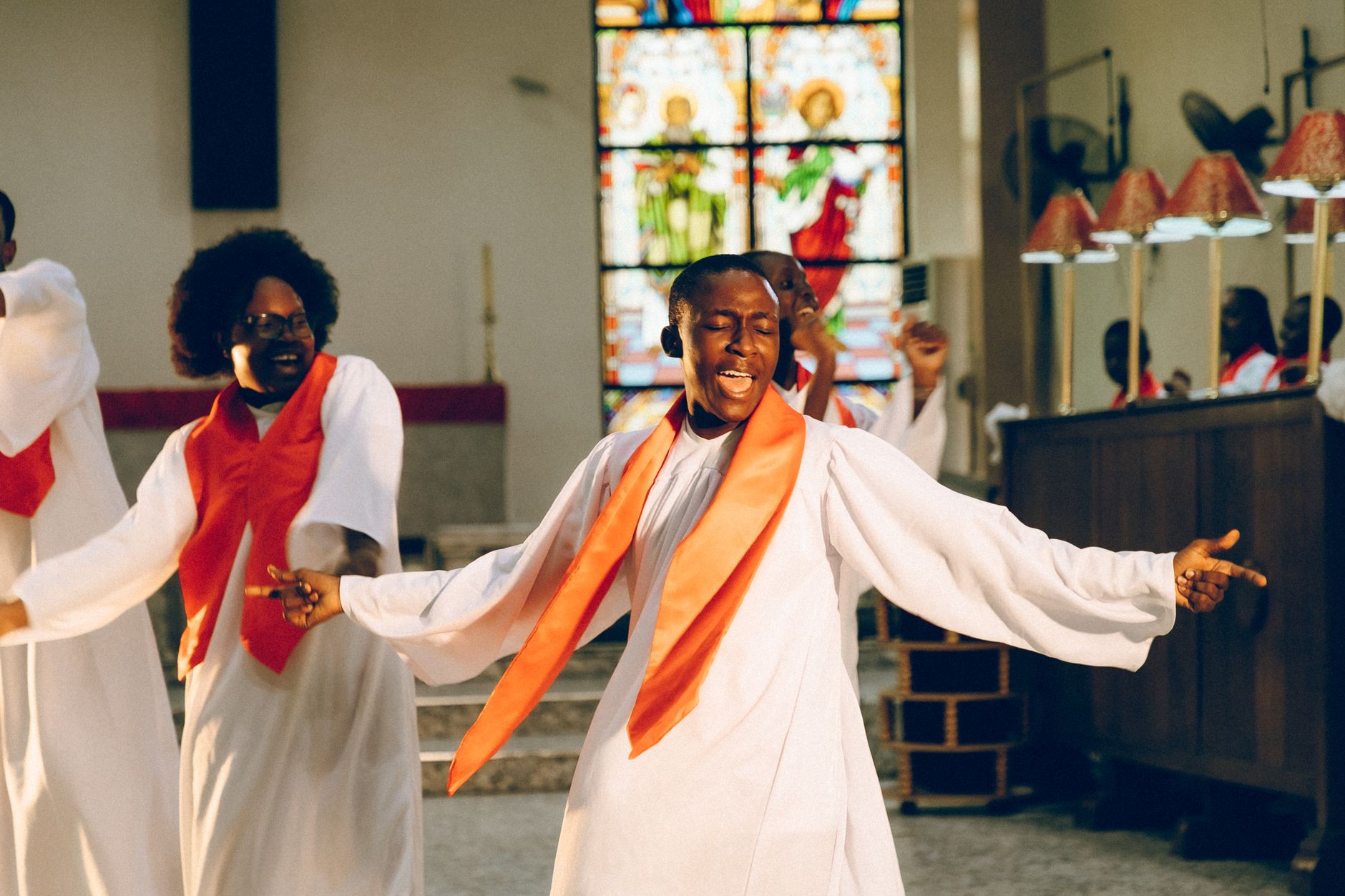 Male Choir Group
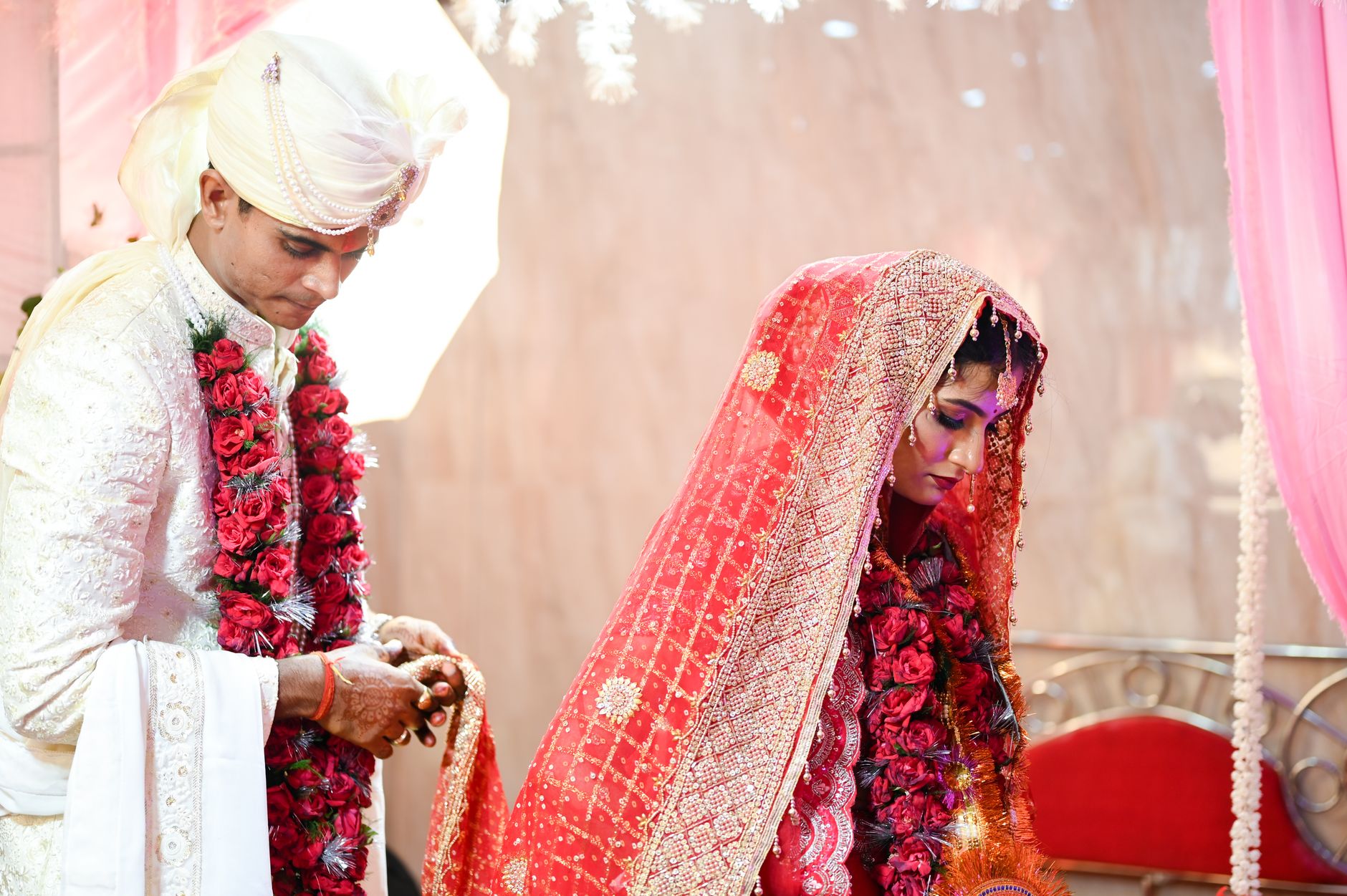 Marwari Phera Ceremony Items
 Minimal Car Decor
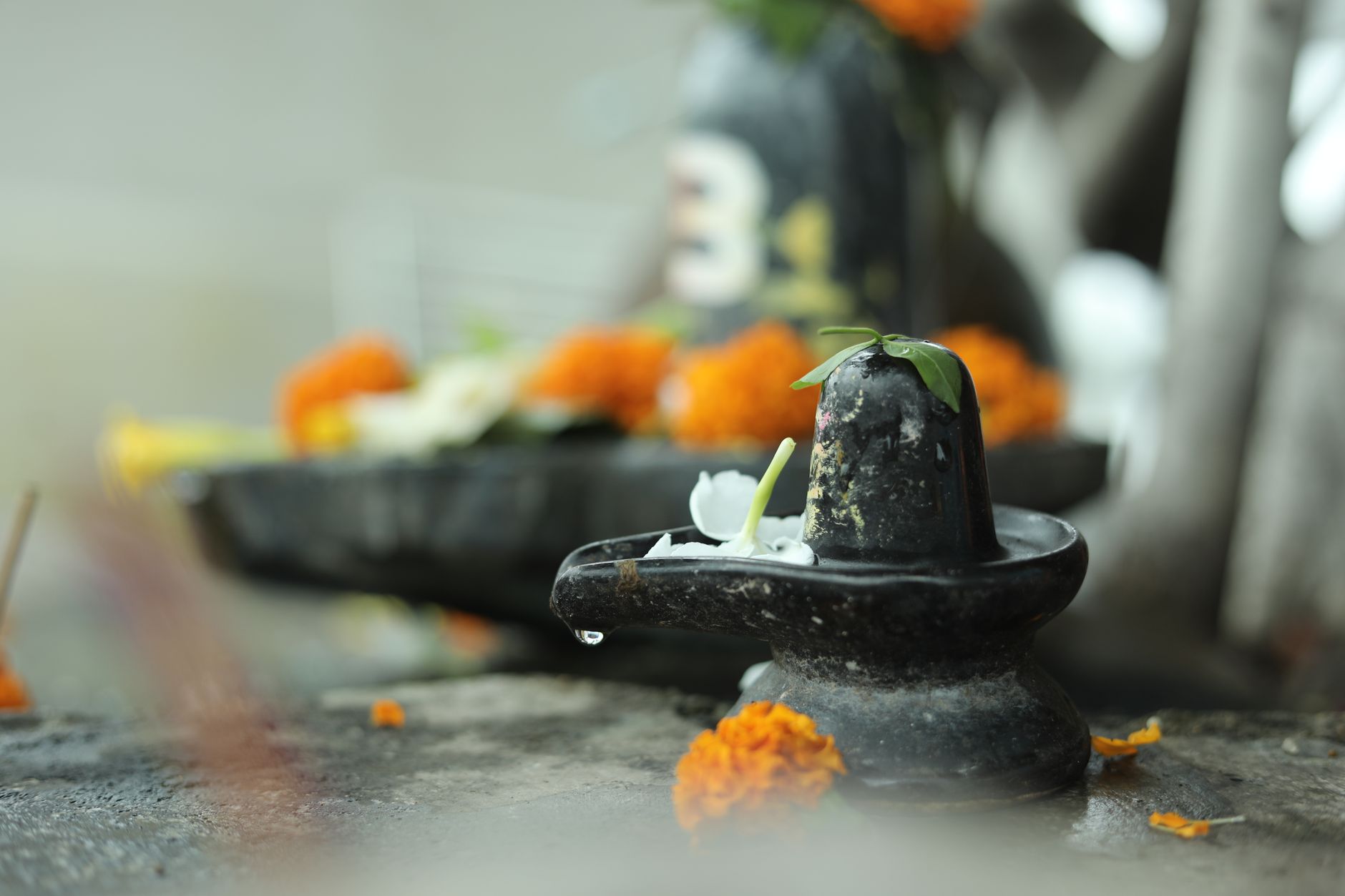 Nikah Ring Platters
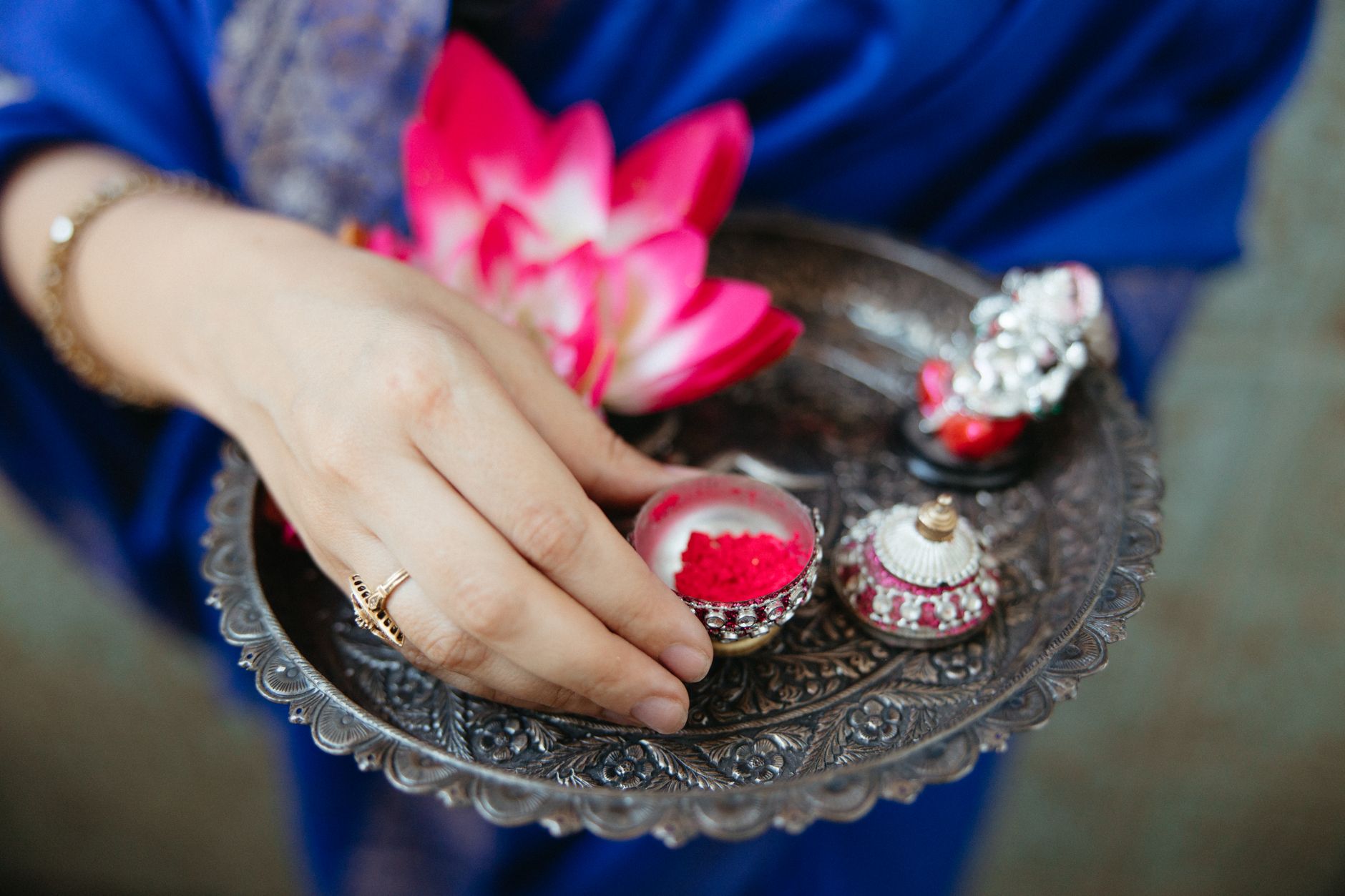 Personalized Ring Platters
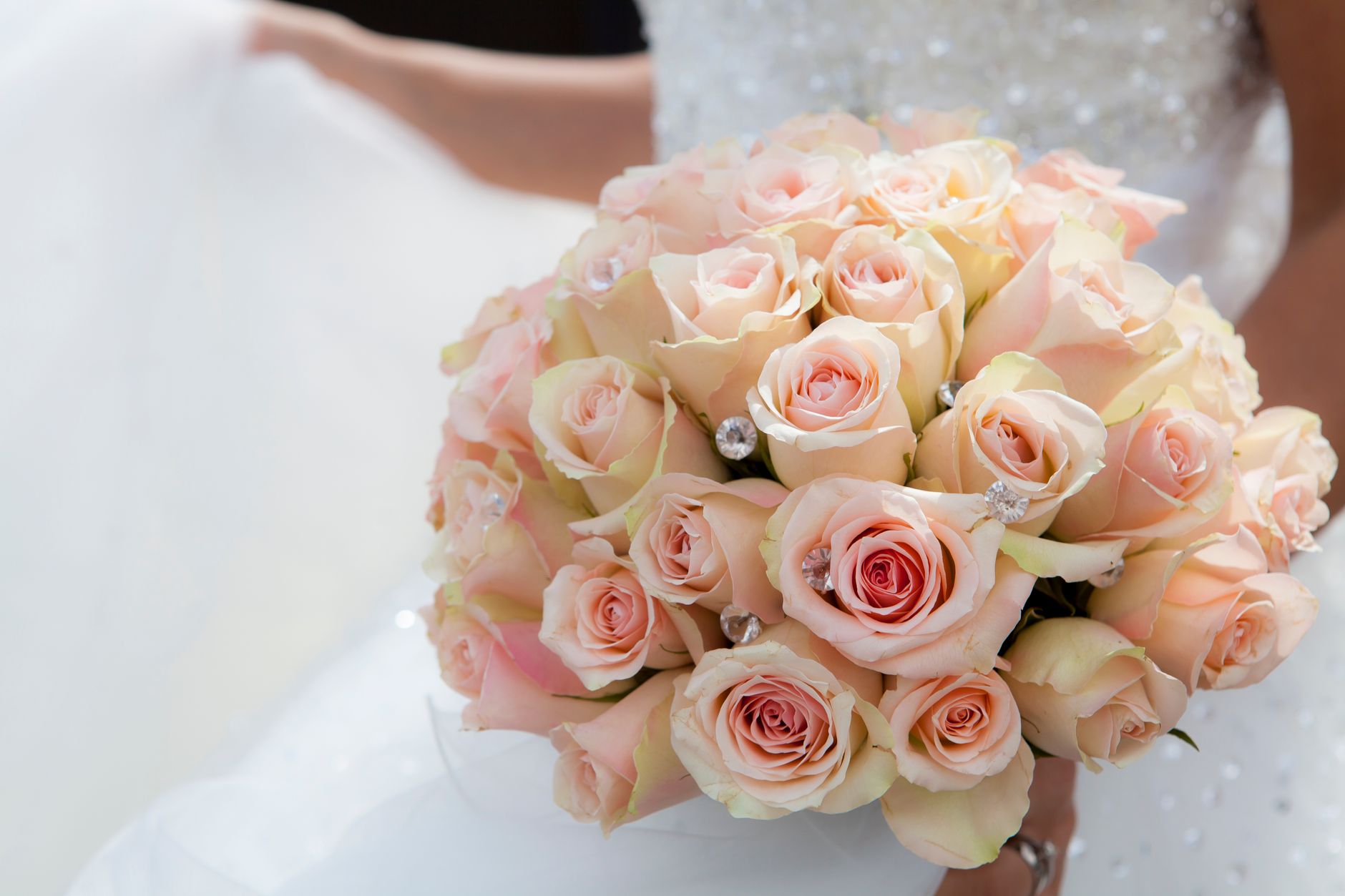 Rose Petal Baskets
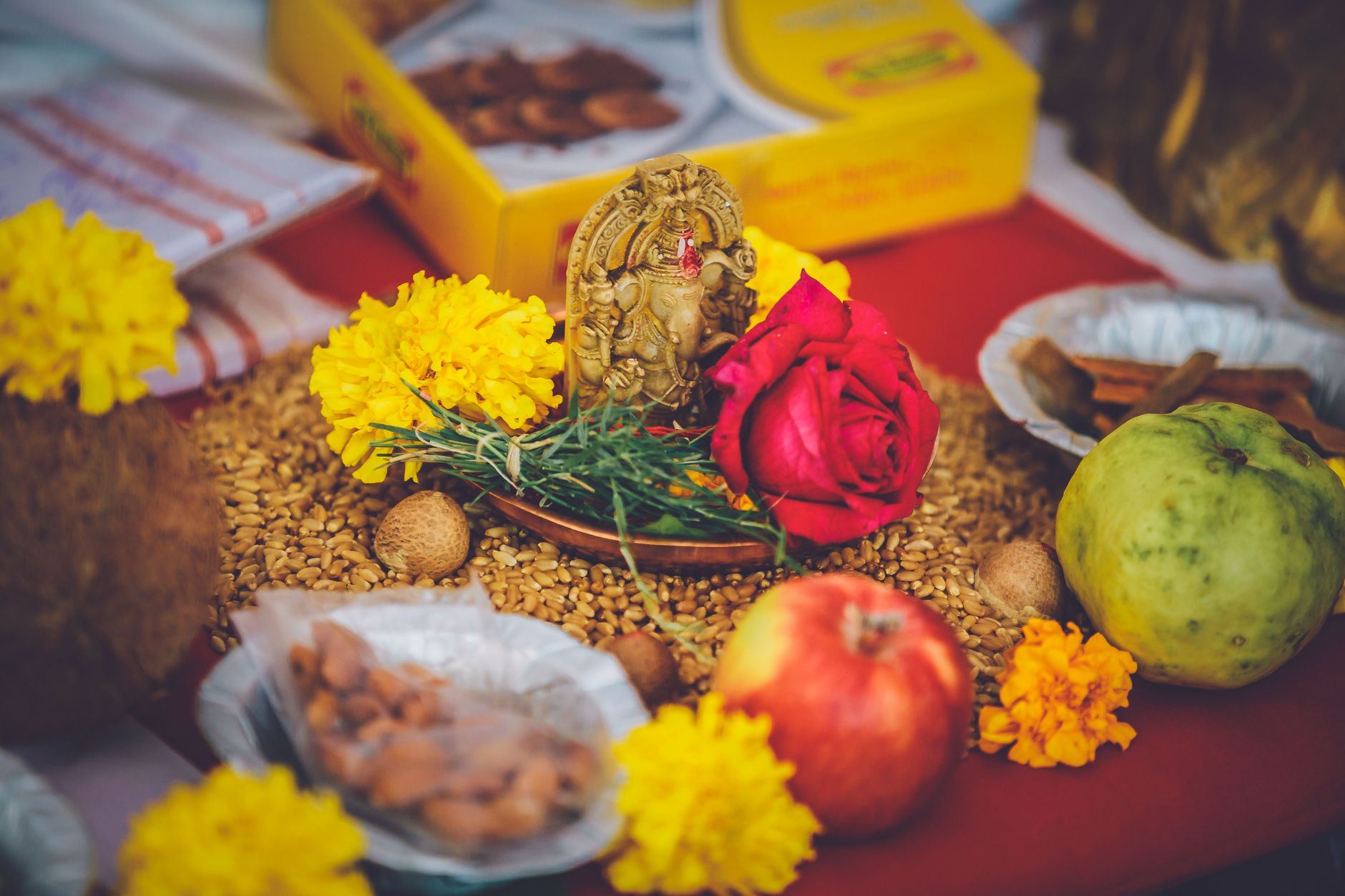 Rudrabhishek Pooja Kit
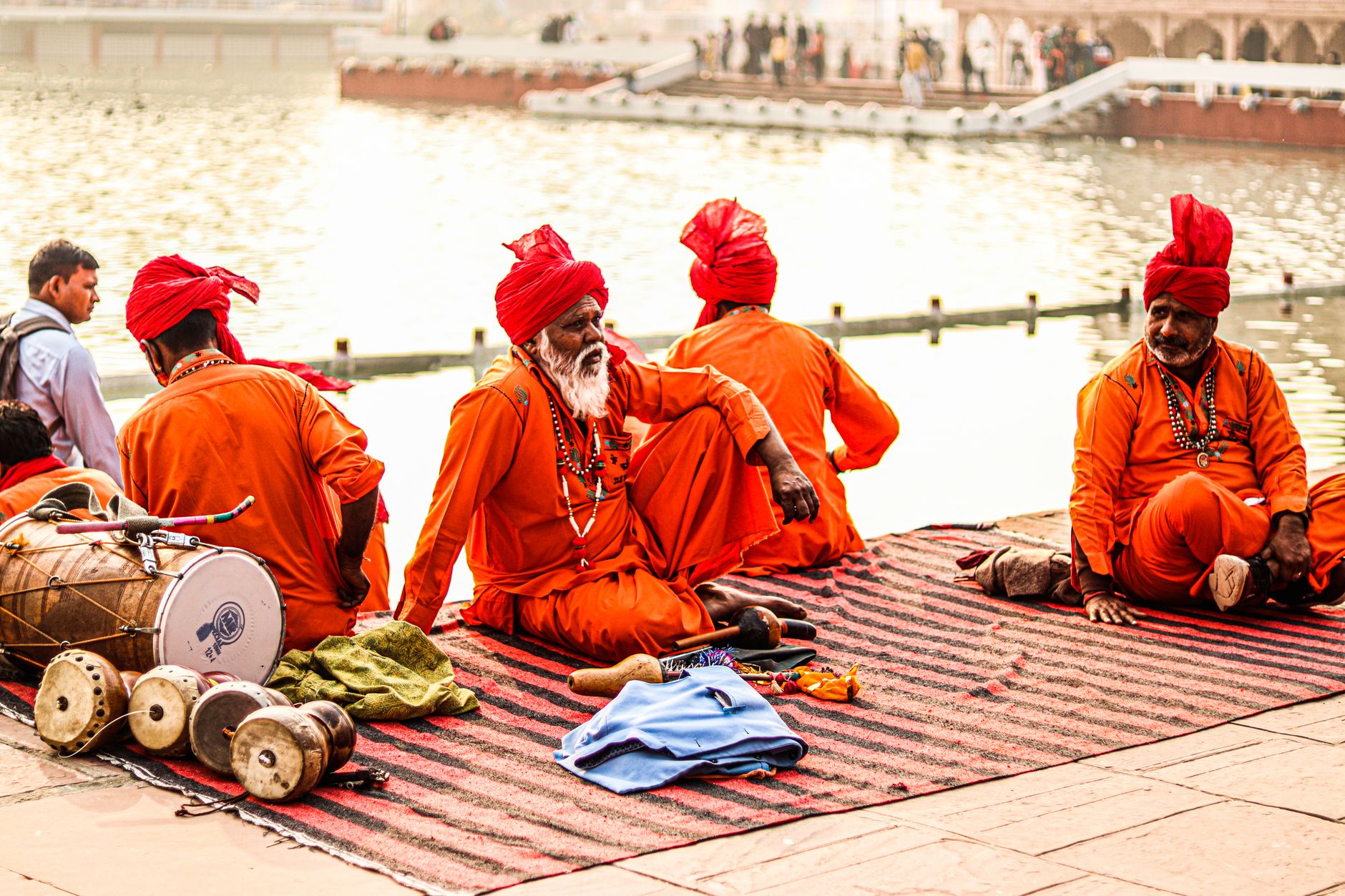 Satsang Music Group
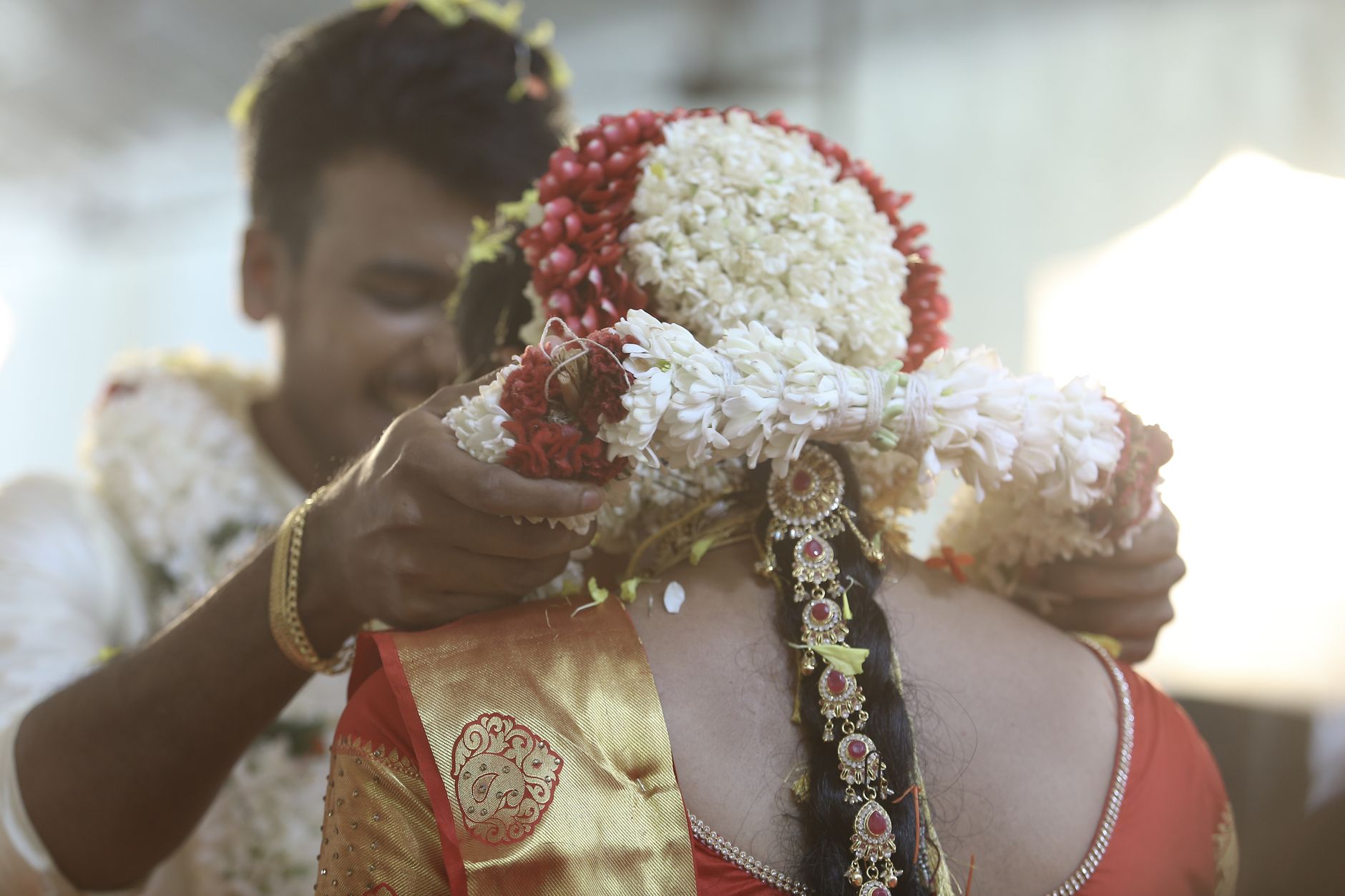 South Indian Marriage Priest
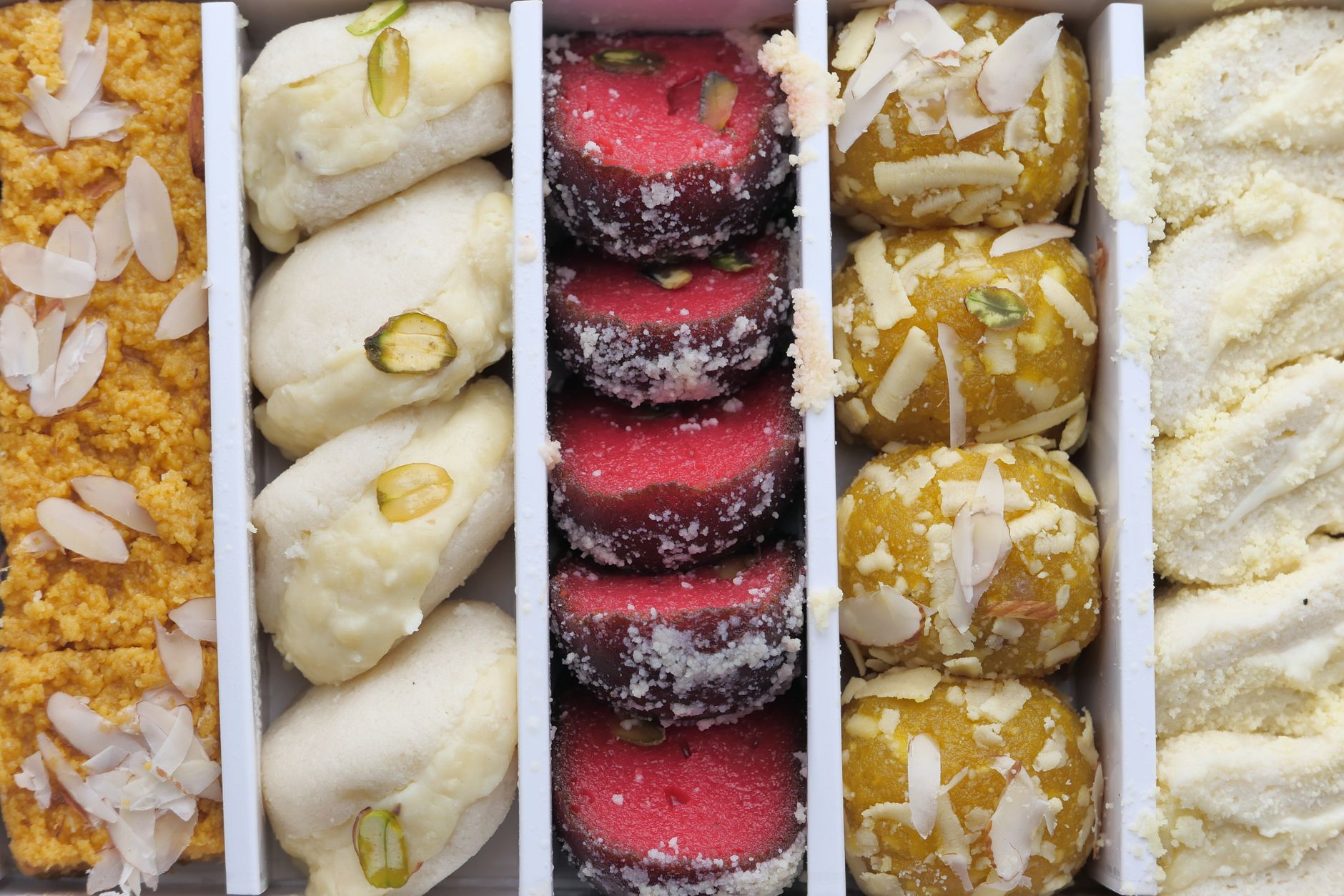 Sweet Box Favours
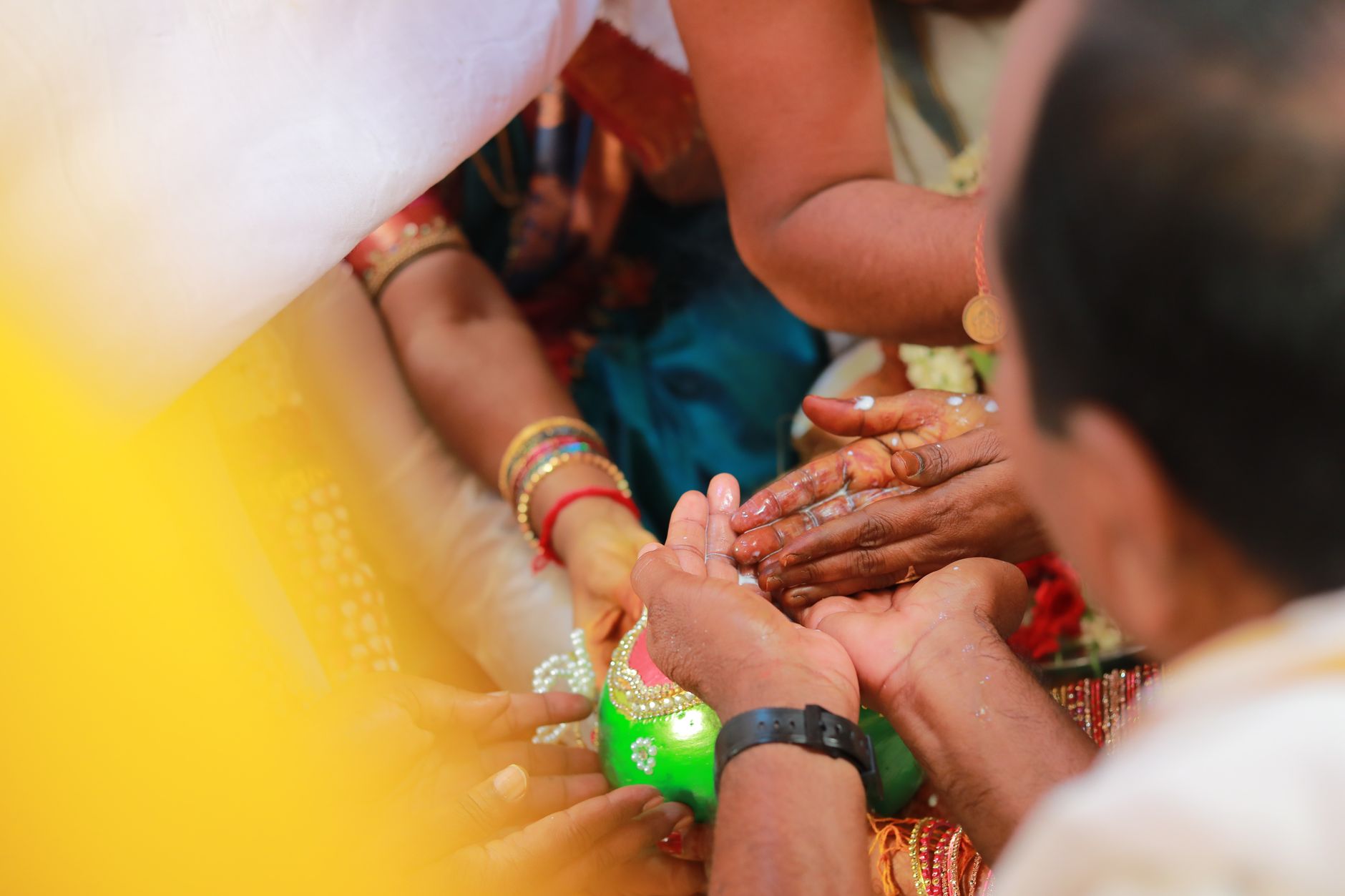 Tamil Kalyanam Items
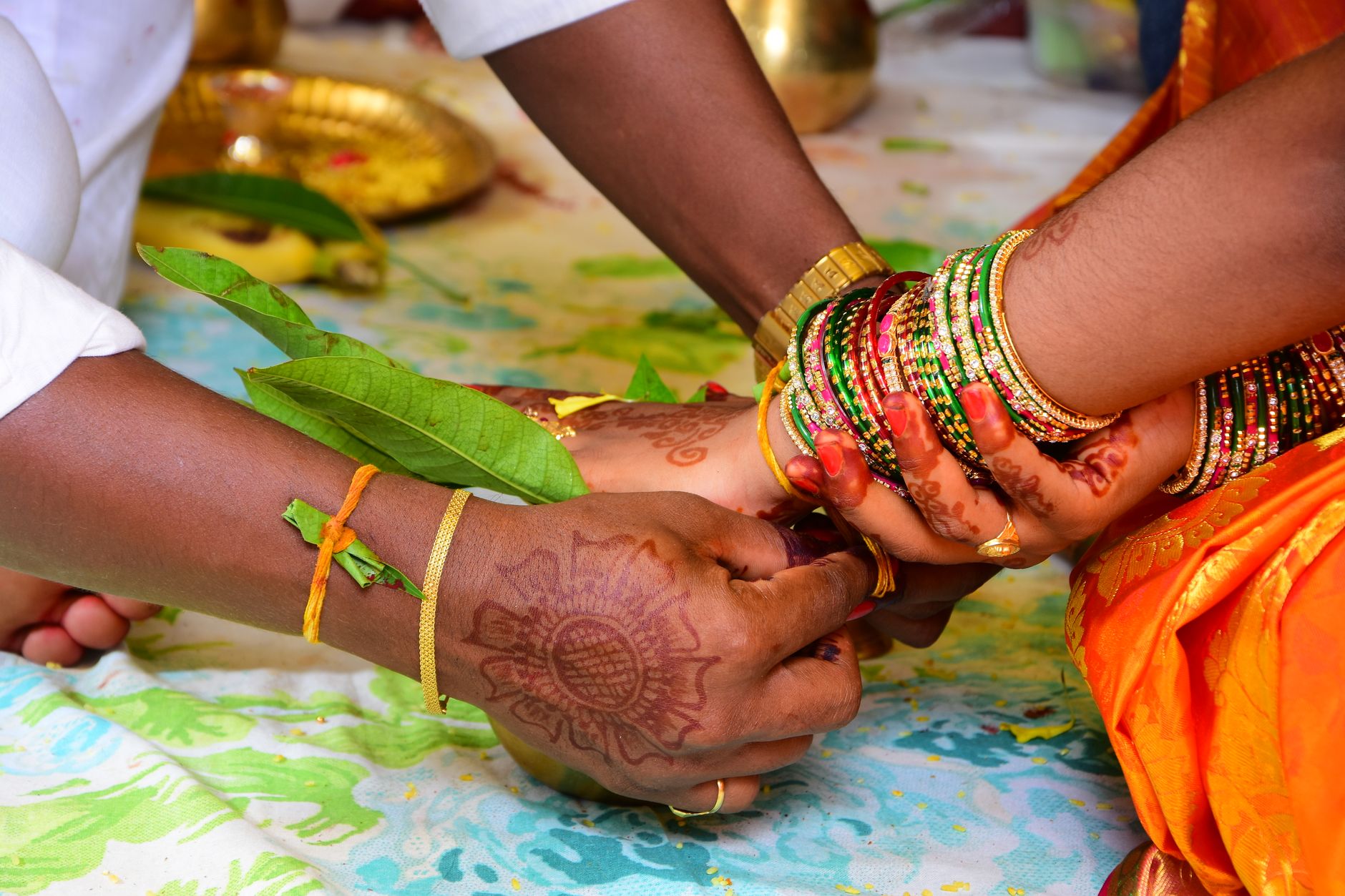 Telugu Marriage Kalasam Items
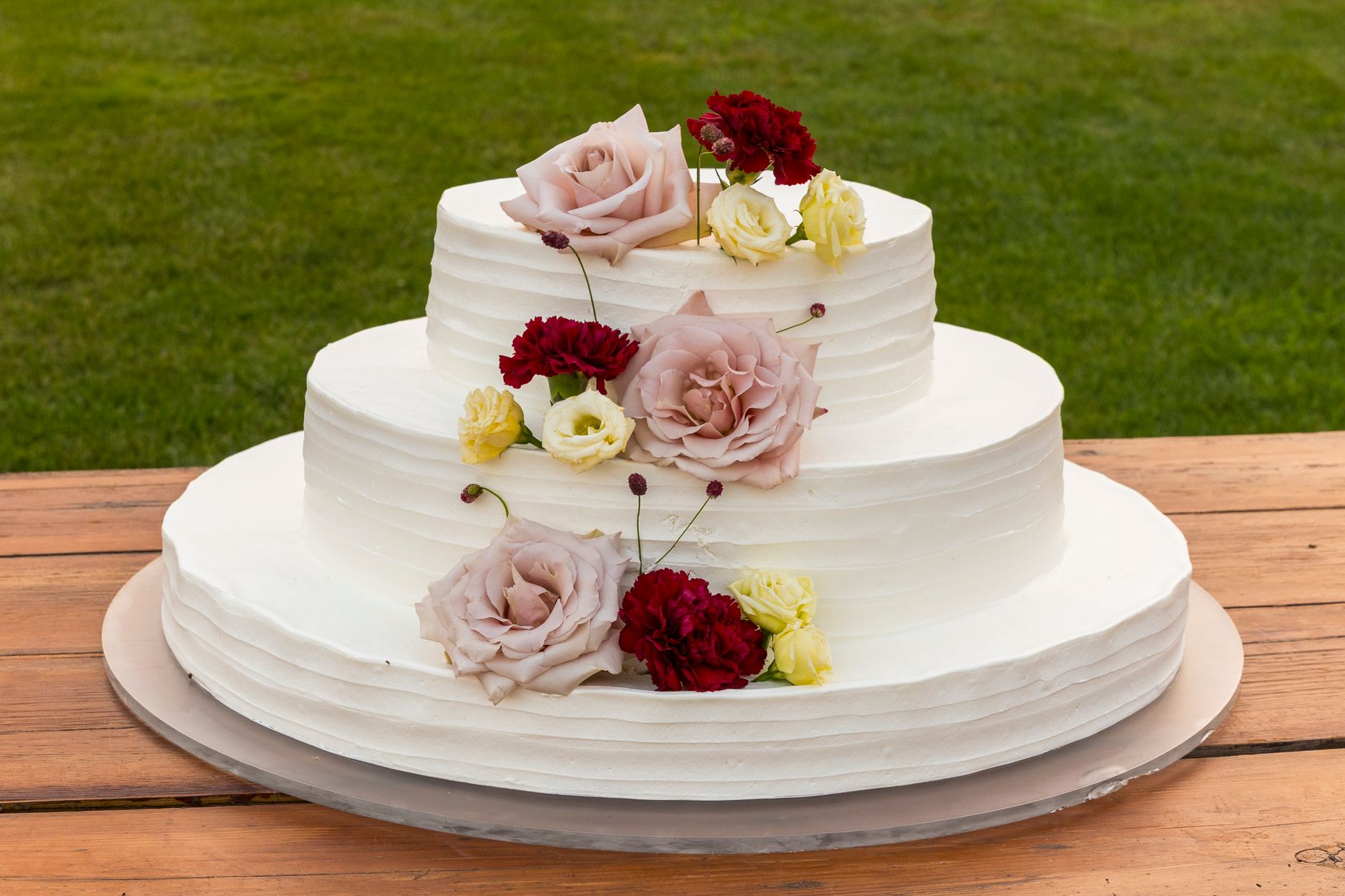 Tiered Christian Marriage Cakes
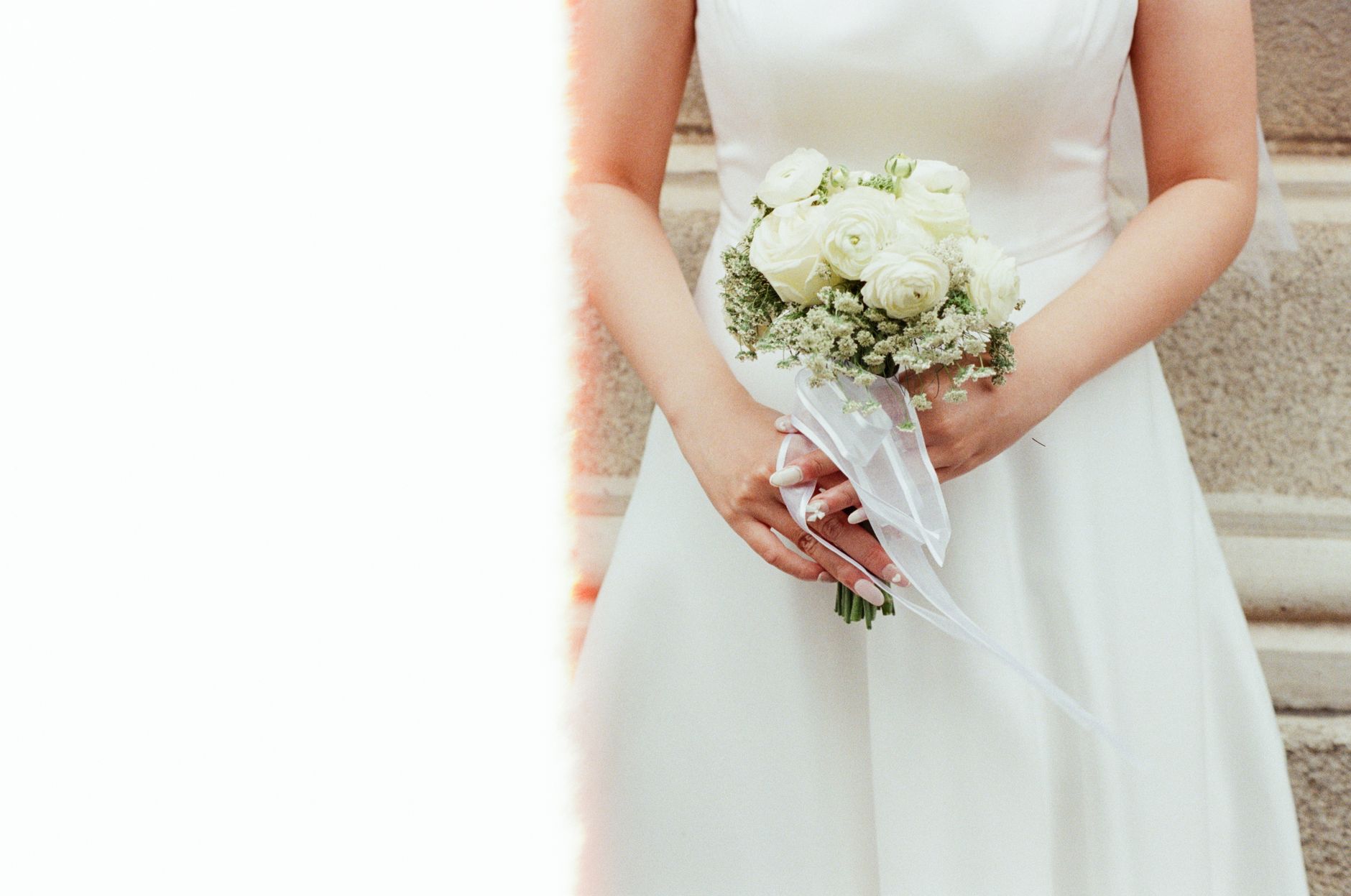 White Bridal Bouquets
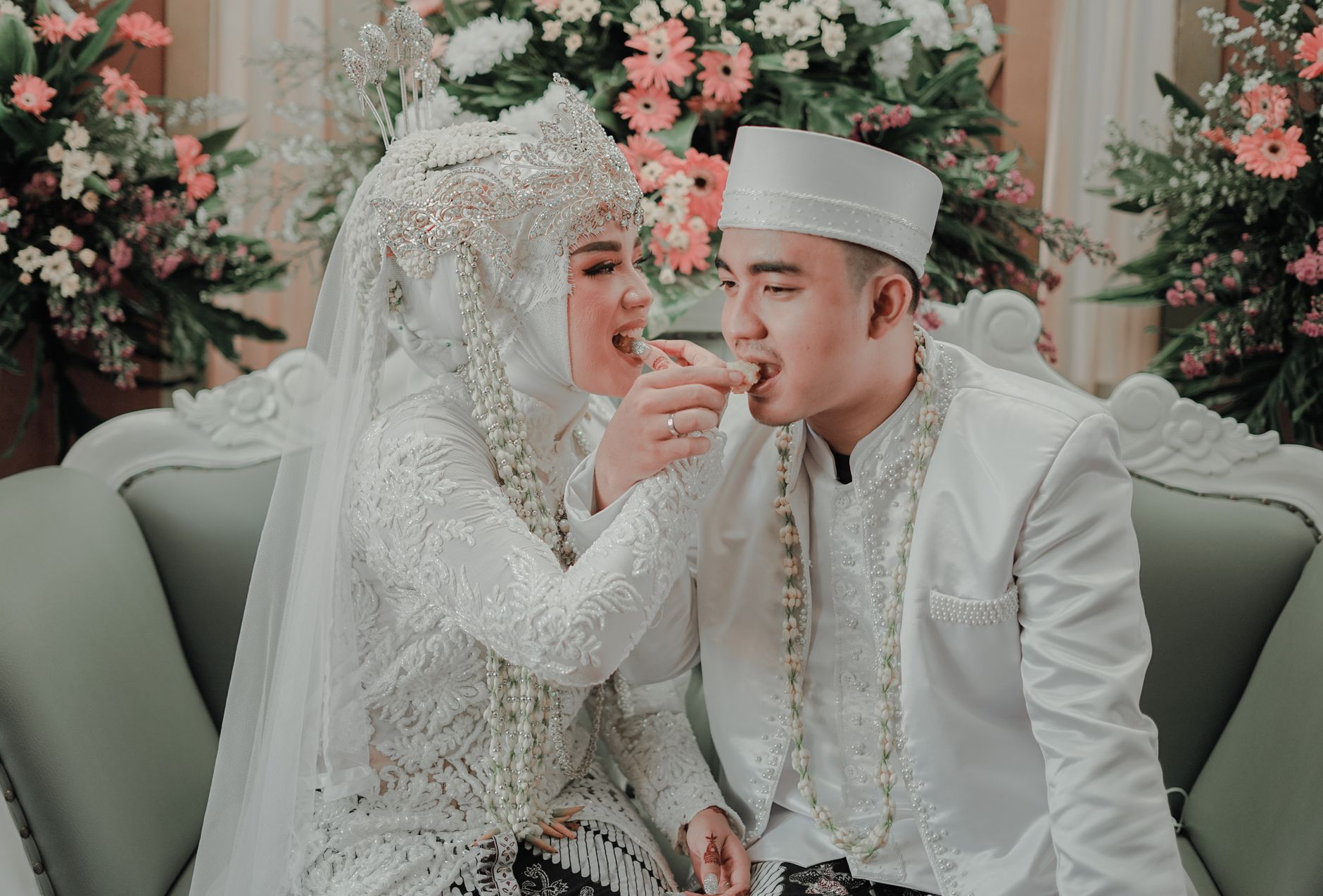 White Floral Varmala
- 400+Curated Events
- 6Event Universes
- 1000+Verified Vendors
- 70+Locations
- 24/7Customer Support


Not sure which packages fits your celebration?
Let Hiya & Hanu help you find the perfect match!
Explore Celebration Packages- AI-Powered MatchingSmart suggestions for you
- Budget OptimizerGet the best experiences in your budget
- End-to-End SupportWe are with you at every step
Serving Celebrations across 75+ locations in India
Top Auspicious Ceremonies for Celebrations With Traditional and Meaningful Planning
◆Celebrating Important Moments With Auspicious Traditions
Many family celebrations carry a deeper meaning beyond the gathering itself. They may mark a new beginning, an important milestone, a blessing, a religious observance or a significant stage in family life. Auspicious ceremonies provide an opportunity to honour these moments through established customs and meaningful traditions.
Top auspicious ceremonies for celebrations can be planned around the family’s cultural practices, spiritual preferences and practical requirements. From choosing the appropriate venue and arranging ritual materials to coordinating priests, flowers and decoration, every element can contribute to a well-organised occasion.
Professional planning is particularly useful when a celebration involves several family members and service providers. A clear plan helps ensure that traditional requirements remain central while practical arrangements are handled efficiently.
Understanding the Meaning of an Auspicious Celebration
The meaning of an auspicious celebration varies between families, communities and traditions. Some ceremonies focus on blessings, while others are associated with new beginnings, family milestones or religious observances.
Before arranging the event, it is useful to identify the purpose of the ceremony and the traditions that need to be followed. This provides a foundation for decisions about timing, rituals, venue, participants and ceremonial requirements.
Top auspicious ceremonies for celebrations should not follow a rigid format simply because it is commonly used. The planning approach should reflect the actual needs of the family and the nature of the occasion.
When the purpose is clearly understood, the supporting arrangements become easier to coordinate.
Popular Types of Auspicious Family Ceremonies
Auspicious ceremonies can be associated with a wide range of family occasions. Depending on individual traditions, they may include house-related ceremonies, religious observances, blessing ceremonies, milestone celebrations, traditional family rituals and other important gatherings.
The specific rituals and customs can differ significantly. Families may follow practices passed down through generations, while others may combine established traditions with a more contemporary event format.
The important consideration is to preserve the practices that are meaningful to the family. Professional organisers can help coordinate the practical side while allowing the family and spiritual professional to guide the ceremonial aspects.
Planning the Ceremony Around the Right Timing
Timing can play an important role in many auspicious occasions. Families may consult an appropriate spiritual or religious professional when deciding on a suitable date and time.
Once the timing is confirmed, the rest of the event can be structured around it. Venue access, decoration, ritual material preparation, priest arrival and guest arrangements should all be aligned with the ceremony schedule.
A detailed timeline can prevent delays and reduce unnecessary pressure. It should include preparation time as well as the actual ceremony period.
If several suppliers are involved, each team should know when their responsibilities need to be completed. This makes the event easier to manage and helps create a smooth transition from setup to celebration.
Selecting an Appropriate Celebration Venue
The venue should suit both the ceremony and the number of people attending. Smaller family occasions may work well in a home or intimate space, while larger celebrations may require a hall or dedicated event venue.
Important considerations include available floor space, seating, accessibility, ventilation, parking and facilities. The ceremony area should have enough room for the spiritual professional and family members taking part in the rituals.
Sacred venue preparation should also allow the decorative and ceremonial elements to be arranged without restricting movement.
A carefully selected venue creates a comfortable setting for guests while supporting the traditional structure of the ceremony.
Organising Traditional Ritual Materials
The required materials can vary depending on the ceremony. Traditional vessels, lamps, offerings, flowers, fabrics and other ceremonial items may be needed.
Preparing a checklist based on the specific ceremony can help prevent omissions. Materials should ideally be sourced before the event day and checked during the final preparation stage.
Top auspicious ceremonies for celebrations benefit from organised material planning because even a small missing item can create unnecessary stress during a traditional ritual.
Where specialist requirements exist, families should confirm them with the relevant priest or spiritual professional rather than relying on a general list.
Coordinating Priests and Spiritual Professionals
A priest or spiritual professional may guide the family through specific rituals and traditional procedures. Their experience can be particularly valuable when the ceremony involves a sequence of practices that need to be performed in a particular manner.
Priest coordination services should be arranged in advance. The professional should receive clear information about the ceremony, date, timing, venue and any specific family requirements.
Coordination between the priest and event team is also important. The ceremony space, seating and ritual materials should be ready before the spiritual professional arrives.
This reduces interruptions and allows the ceremony to proceed in a calm and respectful environment.
Creating a Traditional and Welcoming Setting
The atmosphere of an auspicious ceremony can be enhanced through carefully selected decoration. The objective should be to create a setting that feels festive while remaining appropriate to the spiritual purpose of the event.
Flowers are a natural choice for many traditional celebrations. Ceremonial flower arrangements can be used around entrances, prayer spaces, backdrops and other suitable areas.
Decorative elements should complement the ceremony rather than compete with it. Colours, lighting, fabrics and floral features can be coordinated to create a balanced visual experience.
A well-designed setting can also provide a pleasant environment for photographs and family memories without distracting from the rituals.
Making Family Participation Easy
Family members often play an important role in auspicious ceremonies. Some may participate directly in rituals, while others may assist with preparations or support guests.
The event plan should make these responsibilities clear before the ceremony begins. Participants should know where they need to be and when their involvement is expected.
Older relatives may need convenient seating and easy access to the ceremony area. Children and younger guests can also be accommodated through practical seating and space planning.
Good organisation allows everyone to participate comfortably and reduces the likelihood of confusion during important parts of the ceremony.
Combining Celebration and Spiritual Meaning
An auspicious ceremony can be both spiritually meaningful and celebratory. Families may want to welcome guests, share food and create memorable experiences while also maintaining the importance of the traditional proceedings.
The key is to create a natural connection between the ceremonial and social aspects of the event. The main ritual area should remain clearly defined, while guest arrangements can be organised around it.
Decoration, seating and entertainment, where appropriate to the occasion, should support rather than overshadow the spiritual elements.
This balanced approach allows the celebration to feel warm and enjoyable without losing its traditional identity.
Balancing Traditional Practices With Modern Planning
Modern event coordination can make traditional celebrations easier to organise. Digital schedules, preparation checklists, supplier confirmations and clear responsibilities can all improve efficiency.
These planning methods do not need to alter the traditional ceremony itself. They simply provide a reliable framework for managing the surrounding arrangements.
For larger celebrations, several suppliers may be involved. Florists, decorators, venue teams and spiritual professionals all need to work according to the same schedule.
Professional coordination helps bring these separate responsibilities together, allowing the family to focus on the significance of the occasion.
Planning Decoration and Floral Arrangements
The scale of decoration should reflect the venue, ceremony type and family preferences. Some families may prefer understated traditional decoration, while others may want a more elaborate celebration setting.
Ceremonial flower arrangements can add colour, freshness and cultural character. Flowers may be positioned at the entrance, around the ceremony area or within a suitable backdrop.
Decoration should also remain practical. Ritual spaces need to remain accessible, and important ceremonial items should be easy to reach.
Early coordination with the decoration team helps ensure that setup is completed before guests arrive and does not interfere with the ceremony schedule.
Managing the Celebration Budget
A meaningful auspicious occasion does not require unnecessary expenditure. Families can create a memorable event by identifying essential requirements and prioritising them.
The main budget areas may include the venue, spiritual professional, ritual materials, decoration, flowers, food and guest arrangements. Optional features can be added according to the available budget.
When comparing providers, families should understand exactly what each service includes. Clear pricing and transparent communication can help prevent unexpected costs.
Professional planning can also identify areas where resources can be used more effectively without compromising important traditions.
Making the Occasion Comfortable for Guests
Guest experience is an important part of any family celebration. Seating, access, refreshments and general comfort should be considered alongside the ceremony itself.
Older guests may benefit from seating closer to the main area, while families with children may appreciate practical space arrangements.
Clear directions and organised seating can help guests understand the flow of the event. This becomes especially useful when the ceremony involves a large number of relatives.
When guests are comfortable, family members can participate more freely and focus on the celebration.
Why Professional Ceremony Coordination Helps
Planning an auspicious celebration involves more than arranging the ceremony itself. Venue preparation, spiritual guidance, ritual materials, decoration, flowers, guest management and timing all need to work together.
Professional support can reduce the number of responsibilities placed on the family. An experienced organiser can help coordinate suppliers and ensure that important preparations are completed at the right time.
This can be particularly valuable when the family is also responsible for hosting guests and participating in the rituals.
The aim is to create a well-managed occasion without making the family feel removed from its traditional significance.
Choosing a Suitable Service Provider
The right provider should understand that auspicious ceremonies have cultural and spiritual importance. Families should look for experience, clear communication, reliable coordination and respect for traditional requirements.
Before confirming a service, it is useful to discuss the ceremony type, guest numbers, venue, date, timing, ritual requirements and budget.
Families should also clarify which services are included and whether additional arrangements carry separate charges.
A provider who understands both traditional requirements and practical event management can make the planning process considerably easier.
Creating Lasting Family Memories
Auspicious ceremonies often become important family memories because they bring people together around a shared tradition. Thoughtful preparation can make these occasions feel calm, purposeful and welcoming.
Top auspicious ceremonies for celebrations combine the significance of traditional practices with practical arrangements that support the people attending.
From the initial planning stage to the final guest departure, every detail can contribute to the overall experience. The strongest celebrations are those where the ceremony remains meaningful while the surrounding event feels organised and comfortable.
Planning With Happiffie
Happiffie can support families looking for coordinated ceremony and celebration services tailored to their occasion. The planning process can begin with understanding the ceremony, traditions, venue requirements, guest needs and preferred style.
From venue coordination and ceremonial materials to flowers, decoration and professional support, each element can be considered as part of one organised plan.
A well-prepared auspicious celebration gives families the freedom to participate in meaningful traditions without being overwhelmed by logistical responsibilities.
Frequently Asked Questions
1. What are top auspicious ceremonies for celebrations?
Top auspicious ceremonies for celebrations are traditional or spiritual occasions planned around meaningful family milestones, blessings, religious practices and culturally significant events.
2. What types of celebrations can include auspicious ceremonies?
Depending on family traditions, celebrations may include house-related ceremonies, milestone occasions, religious observances, blessing ceremonies and other significant family events.
3. How do families choose an auspicious date?
Families may follow their traditional practices or consult an appropriately qualified religious or spiritual professional to determine a suitable date and time.
4. Can auspicious ceremonies be held at home?
Yes. Many ceremonies can be conducted at home when there is suitable space for the required rituals, spiritual professional, family members and guests.
5. What should be prepared before an auspicious ceremony?
Families should prepare the venue, ritual materials, spiritual professional arrangements, decoration, flowers, seating and guest requirements according to the specific ceremony.
6. Can a ceremony be both traditional and modern?
Yes. Traditional rituals can remain central while modern planning methods such as schedules, checklists, supplier coordination and organised guest arrangements make the event easier to manage.
7. How can decoration be planned for an auspicious celebration?
Decoration can include suitable flowers, traditional elements, lighting and coordinated backdrops while keeping the main ceremonial area accessible and respectful.
8. How much does an auspicious ceremony cost?
Costs vary according to the ceremony type, venue, number of guests, ritual requirements, decoration and professional services. A clear service quotation can help families plan their budget.
9. Should a priest be booked in advance?
Yes. Booking a priest or appropriate spiritual professional in advance is recommended, especially when the ceremony has a specific date and time.
10. How can I organise an auspicious celebration professionally?
You can work with an experienced event service provider such as Happiffie to coordinate the venue, ceremony requirements, ritual materials, decoration, spiritual professionals and guest arrangements.