
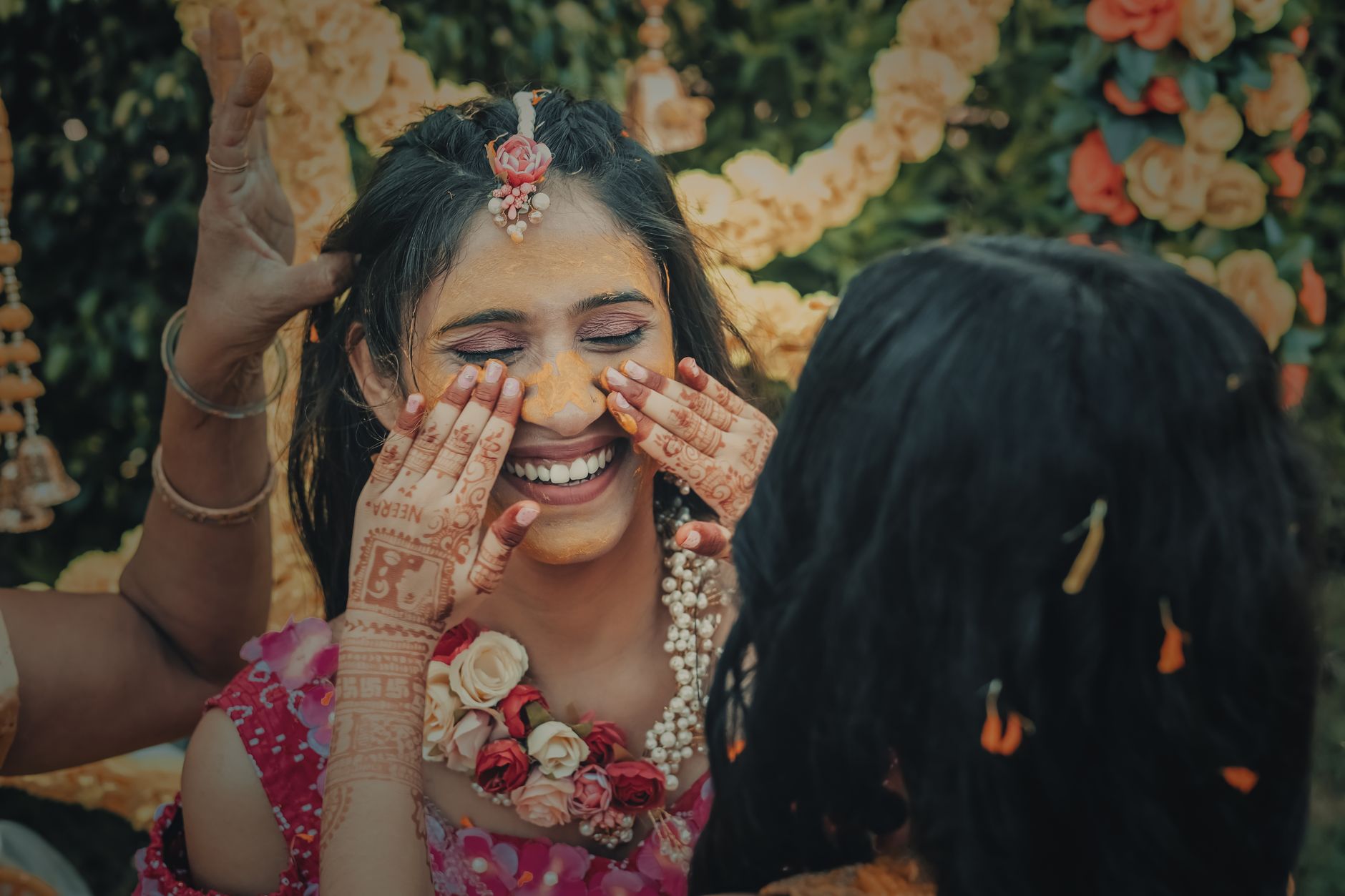
Telugu Mangalasnanam Essentials in Pune
Religious cermony in Pune
Traditional Telugu Mangalasnanam Ceremony Essentials: Complete Guide for Pune Families
The Traditional Telugu Mangalasnanam Ceremony Essentials form the sacred backbone of every Andhra and Telangana wedding celebrated in Pune. Mangalasnanam, the auspicious ritual bath given to the bride and groom on the morning of their wedding day, is a deeply spiritual event that marks the transition from ordinary life to married life. Families living in Pune's Kothrud, Hadapsar, and Wakad neighbourhoods increasingly seek end-to-end guidance on Telugu Mangalasnanam ritual items, from the correct puja samagri to fragrant herbal pastes, fresh flowers, and sacred water vessels. Understanding each element — the turmeric paste, the mango-leaf decorations, the specific mantras — ensures the ceremony is performed with full devotion. Whether you are planning an intimate ceremony at home or a grand hall event for 300 guests, sourcing the right Telugu pre-wedding bath ceremony supplies in Pune sets the spiritual tone for everything that follows.
Quick Answer
Traditional Telugu Mangalasnanam Ceremony Essentials refer to the complete set of ritual items, decorative materials, and puja samagri required for the sacred pre-wedding bath ceremony performed in Telugu (Andhra and Telangana) weddings. Key essentials include turmeric paste (pasupu), sesame oil, sacred water in copper vessels, fresh mango leaves, banana stems, flower garlands, vibhuti, kumkum, and specific herbal powders. A qualified pandit recites Vedic mantras throughout the ceremony.
What Is the Mangalasnanam and Why Does It Matter in Telugu Weddings?
The Mangalasnanam is one of the most significant pre-wedding rituals in Telugu Hindu tradition. The word literally translates to 'auspicious bath,' and it is performed separately for the bride and the groom on the morning of the wedding day, typically before sunrise or in the early hours. The ceremony is believed to purify the body and mind, removing negative energies and invoking divine blessings before the couple enters the sacred institution of marriage. Traditional Telugu Mangalasnanam Ceremony Essentials are carefully assembled the night before to ensure nothing is missing at the auspicious hour. In Telugu-speaking communities in Pune — especially in areas like Shivajinagar, Deccan, and Bibwewadi — families who have migrated from Andhra Pradesh and Telangana take great pride in conducting this ritual exactly as it was performed in their hometowns. The ceremony involves the application of turmeric paste (pasupu) mixed with sesame oil on the bride or groom's body by elderly female relatives, followed by a bath with water infused with sacred herbs and flowers. The ritual also includes the tying of a yellow thread (pasupu dhara) around the wrist, symbolising protection and prosperity. Understanding the correct sequence and the correct Telugu Mangalasnanam ritual items makes the difference between a rushed morning ritual and a genuinely spiritual experience that the family will remember for generations.
The Complete Mangalasnanam Puja Samagri List You Need in Pune
Assembling the right Mangalasnanam puja samagri list is the first practical step for any Pune family planning this ceremony. The core samagri includes fresh turmeric root and turmeric powder (pasupu), gingelly (sesame) oil, neem leaves, mango leaves, banana stems, coconut, betel leaves and areca nuts, camphor (karpuram), incense sticks (agarbatti), kumkum, vibhuti, chandanam (sandalwood paste), and a copper or brass water vessel (kalasam). Fresh flowers — especially marigold, jasmine, and rose — are essential for decoration and for offering to the deity. A small idol or photo of Lord Ganesha and Goddess Lakshmi is placed at the ceremony spot. Additionally, you will need a wooden plank (mancam) or a low wooden seat for the bride or groom to sit on, a brass lamp (deepam), and cloth items like a fresh towel and new clothes for the bride or groom to wear after the bath. Families planning Telugu pre-wedding bath ceremony supplies in Pune often source these items from shops in Laxmi Road, Tulsi Baug market, or specialised Telugu grocery stores near Sadashiv Peth. For a hassle-free experience, Happiffie can connect you with curated vendors who provide the full Mangalasnanam puja samagri list delivered to your venue — whether it is a banquet hall in Viman Nagar or a residence in Aundh.
How to Plan the Mangalasnanam Decoration and Setup at Your Pune Venue
The Mangalasnanam decoration and setup plays a vital role in creating the right sacred atmosphere. Traditional decoration involves framing the ceremony area with fresh mango-leaf torans (door hangings), banana stems on either side, and a floor decorated with rangoli made from rice flour or turmeric. The ceremony seat (mancam) is placed on a clean, freshly washed area, often covered with a fresh cotton cloth. Flower garlands made from marigold and jasmine are used to decorate the surrounding pillars or entry points. A brass or copper kalasam filled with water, mango leaves placed in the mouth of the vessel, and a coconut on top forms the central sacred element of the setup. Many Pune families hosting Telugu wedding rituals in Pune prefer to recreate the village-home ambiance even inside a modern apartment or banquet hall. This means using natural materials — avoiding synthetic flowers where possible — and ensuring the Mangalasnanam decoration and setup respects traditional Vastu guidelines such as orienting the ceremony towards the east. Happiffie-listed decorators familiar with Telugu ceremonial aesthetics can help you create an authentic atmosphere, complete with traditional kolam designs on the floor and fresh flower arrangements that stay vibrant through the morning hours. Budgets for decoration alone typically range from INR 5,000 for a simple home setup to INR 40,000 for an elaborate banquet hall arrangement.
Choosing the Right Telugu Wedding Pandit for the Mangalasnanam in Pune
No ceremony is complete without a knowledgeable pandit who can recite the correct Vedic mantras and guide the family through each step. For the auspicious bath ceremony for bride and groom, the pandit must be well-versed in Telugu (Andhra or Telangana) Brahmin traditions, as the rituals differ slightly from North Indian or Tamil ceremonies. In Pune, there is a growing community of Telugu pandits, particularly in areas like Kothrud, Pimple Saudagar, and Baner, where Telugu-speaking families have settled over the past two decades. A qualified Telugu wedding pandit and puja arrangement service will arrive at your venue with their own samagri kit, chant the appropriate slokas for the Mangalasnanam, and also advise on the muhurtam (auspicious timing) for the ceremony. It is advisable to book your pandit at least 3-4 weeks before the wedding date, especially during peak wedding seasons like Karthika Masam (November) and Magha Masam (January-February), when availability becomes tight across Pune. When evaluating pandits, ask specifically whether they follow Smartha, Vaishnava, or Shaiva traditions, as this affects the specific Traditional Telugu Mangalasnanam Ceremony Essentials they recommend. Happiffie's platform allows you to filter pandits by tradition, language proficiency, and availability, making the selection process straightforward for out-of-town families.
How Much Does a Full Mangalasnanam Setup Cost in Pune?
Understanding costs is essential for any family budgeting a Telugu wedding in Pune. The total expenditure for Traditional Telugu Mangalasnanam Ceremony Essentials depends on the scale of the ceremony, the quality of materials, and whether you hire a pandit and decorator separately or as a package. Here is a general cost breakdown for Pune in 2024-2025. A basic home ceremony with self-sourced Mangalasnanam puja samagri list items typically costs INR 2,500 to INR 5,000. Hiring a Telugu pandit for the ceremony alone ranges from INR 3,000 to INR 8,000 depending on experience and tradition. A curated samagri kit delivered to your home or venue by a specialised vendor costs INR 3,500 to INR 7,000. Mangalasnanam decoration and setup by a professional decorator runs from INR 5,000 for a simple home setup to INR 35,000 for a fully decorated banquet hall in areas like Koregaon Park or Kalyani Nagar. An all-inclusive Mangalasnanam package — covering pandit, samagri, and basic decoration — is available from some Pune vendors in the range of INR 12,000 to INR 25,000. Brahmin wedding ceremony accessories such as silver-plated puja items or imported brass vessels can add INR 2,000 to INR 10,000 to the budget. For families concerned about quality and authenticity, investing in Brahmin wedding ceremony accessories sourced from trusted vendors ensures the auspicious bath ceremony for bride and groom is conducted with genuine traditional materials. The Telugu pre-wedding bath ceremony supplies market in Pune has grown significantly, with vendors offering everything from pre-packaged kits to bespoke arrangements tailored to specific gotrams and kula devata traditions.
Mangalasnanam Setup Options in Pune: A Practical Comparison
Expert Recommendation
Best for Intimate Home Ceremonies
Best for Large Guest Counts (200+)
Best for Budget-Conscious Families
Best for Traditional Brahmin Weddings
Best for Destination Weddings in Pune
Best for Modern Telugu Families
How to Choose the Right Option
✅ Pre-booking Checklist
- Confirm the wedding muhurtam and Mangalasnanam timing with your pandit at least 3-4 weeks before the wedding date
- Prepare or order the complete Mangalasnanam puja samagri list including turmeric, sesame oil, copper kalasam, mango leaves, and fresh flowers
- Book a Telugu-speaking pandit who follows your family's specific Brahmin tradition (Smartha, Vaishnava, or Shaiva)
- Arrange the ceremony venue — at home or at the hall — with mango leaf torans, banana stems, rangoli, and a wooden mancam
- Confirm with the hall management (if applicable) that open-flame lamps and fragrant materials like camphor are permitted
- Order fresh flowers (marigold, jasmine, rose) the morning of the ceremony to ensure they are fragrant and vibrant
- Arrange new clothes and a fresh towel for the bride or groom to wear after the bath
- Keep a backup supply of key samagri items like turmeric, kumkum, and camphor in case of last-minute shortages
🎯 Selection Criteria
- Tradition alignment: ensure the pandit and vendor follow your specific regional Telugu custom (Andhra or Telangana) and gotram requirements
- Material authenticity: prefer natural, unprocessed herbal materials over synthetic or packaged substitutes for ritual items
- Pandit experience: choose a pandit with verifiable experience in Telugu Brahmin ceremonies, not a general puja pandit
- Venue suitability: confirm the space allows traditional elements like open flames, fragrant materials, and water pouring on a mancam
- Package completeness: verify that the vendor's samagri kit covers every item on the standard Mangalasnanam puja samagri list for your tradition
- Timing flexibility: select a service provider who can accommodate early morning ceremony timings (4 AM to 7 AM)
💰 Cost / Quality Factors
- Scale of ceremony: home ceremonies for 20-30 people cost significantly less than hall ceremonies for 200+ guests
- Quality of samagri: fresh, organic turmeric root and natural sesame oil cost more but enhance the ritual quality
- Pandit's experience and tradition: senior pandits with 10+ years of experience typically charge more but reduce the risk of ritual errors
- Decoration scope: basic mango-leaf and banana-stem setups are affordable; elaborate floral and Mangalasnanam decoration and setup with rangoli artists add to cost
- Location and delivery: sourcing Telugu pre-wedding bath ceremony supplies from specialty stores versus standard supermarkets affects both cost and authenticity
- Season and demand: peak Telugu wedding months like Karthika Masam and Magha Masam see higher pandit and vendor fees in Pune
⚠️ Common Mistakes to Avoid
- Booking the pandit too late — Telugu pandits in Pune are booked weeks in advance during peak wedding season
- Using synthetic flowers or artificial turmeric instead of authentic, fresh materials from the Mangalasnanam puja samagri list
- Ignoring the muhurtam — performing the ceremony at the wrong time is considered inauspicious in traditional Telugu belief
- Forgetting to arrange a proper wooden mancam (seat) and instead placing the bride or groom directly on the floor or a plastic chair
- Not confirming venue rules about open flames, water use, and fragrant materials before finalising the Mangalasnanam decoration and setup
- Neglecting to brief the venue or hall staff about the early morning ceremony schedule, causing delays in hall access or setup
People Also Ask
What is Mangalasnanam in a Telugu wedding?
What items are needed for the Mangalasnanam puja samagri list?
How long does the Mangalasnanam ceremony take?
Can Mangalasnanam be performed at a banquet hall in Pune?
Where can I buy Telugu pre-wedding bath ceremony supplies in Pune?
What is the difference between Mangalasnanam for the bride versus the groom?
Do I need a Brahmin pandit specifically for Mangalasnanam?
What is the auspicious timing (muhurtam) for Mangalasnanam?
How much does a Mangalasnanam ceremony cost in Pune?
Is Mangalasnanam performed in both Andhra and Telangana wedding traditions?
Can the Mangalasnanam be combined with other pre-wedding rituals like Pellikuthuru or Pasupu Dancings?
What are common mistakes families make when organising Mangalasnanam?
Related Experiences on Happiffie
Authentic Mangalasnanam Ritual Items
Sacred Addutera Setups for Telugu Weddings
Sacred Mangalasnanam Setup for Telugu Weddings
Bridal Accessory Setups That Dazzle
Sacred Kobbari Bunda Rituals, Perfectly Arranged
All Wedding & Event Services
Frequently Asked Questions
What are the Traditional Telugu Mangalasnanam Ceremony Essentials I cannot skip?
How early should I start planning the Mangalasnanam for a Pune wedding?
Is it possible to hire a Telugu pandit for Mangalasnanam in areas like Wakad or Pimple Saudagar in Pune?
Can I organise the Traditional Telugu Mangalasnanam Ceremony Essentials if I am from Telangana but the wedding is in Pune?
What fresh flowers are traditionally used in Mangalasnanam decoration and setup?
Do Mangalasnanam ritual items differ by gotra or caste community?
How is Mangalasnanam different from the North Indian Haldi ceremony?
Can the auspicious bath ceremony for bride and groom be live-streamed for family abroad?
What is the ideal guest count for a Mangalasnanam ceremony?
Are Traditional Telugu Mangalasnanam Ceremony Essentials available online for delivery in Pune?
What role do female elders play in the Mangalasnanam ceremony?
How does Happiffie help families organise Telugu wedding rituals in Pune?
Key Takeaways
- Traditional Telugu Mangalasnanam Ceremony Essentials include turmeric paste, sesame oil, mango leaves, banana stems, copper kalasam, kumkum, vibhuti, sandalwood paste, fresh flowers, and a wooden mancam.
- The ceremony is performed in the early morning (4 AM to 7 AM) on the wedding day and should be timed according to the couple's janma nakshatram and wedding muhurtam.
- In Pune, complete all-inclusive Mangalasnanam packages (pandit + samagri + decoration) range from INR 12,000 to INR 40,000 depending on scale and venue.
- Families should book their Telugu pandit 3-4 weeks in advance, especially during peak Telugu wedding months like Karthika Masam (November) and Magha Masam (January-February).
- Authentic Mangalasnanam decoration and setup uses natural materials — fresh mango leaves, banana stems, jasmine garlands, and rice-flour rangoli — to create a traditional sacred atmosphere.
- Pune has a growing Telugu community in areas like Kothrud, Pimple Saudagar, Hadapsar, and Baner, with access to specialised vendors for Telugu Mangalasnanam ritual items.
- Happiffie connects Pune families with verified Telugu pandits, curated samagri kit suppliers, and experienced decorators for a seamless, authentic ceremony experience.
- Mistakes like late booking, synthetic materials, and wrong muhurtam can compromise the sanctity of the auspicious bath ceremony for bride and groom — plan early and plan carefully.
Book Your Complete Mangalasnanam Package in Pune Today
Connect with verified Telugu pandits, authentic samagri vendors, and experienced decorators through Happiffie — all in one place, stress-free.
Explore Mangalasnanam Services
Are you a Vendor? Grow Your Business with Happiffie!
- High intent verified leads
- Reverse auction opportunities
- AI business tools & insights
- Dedicated vendor dashboard
- Grow your business, your way
It's free & takes less than 2 minutes!