
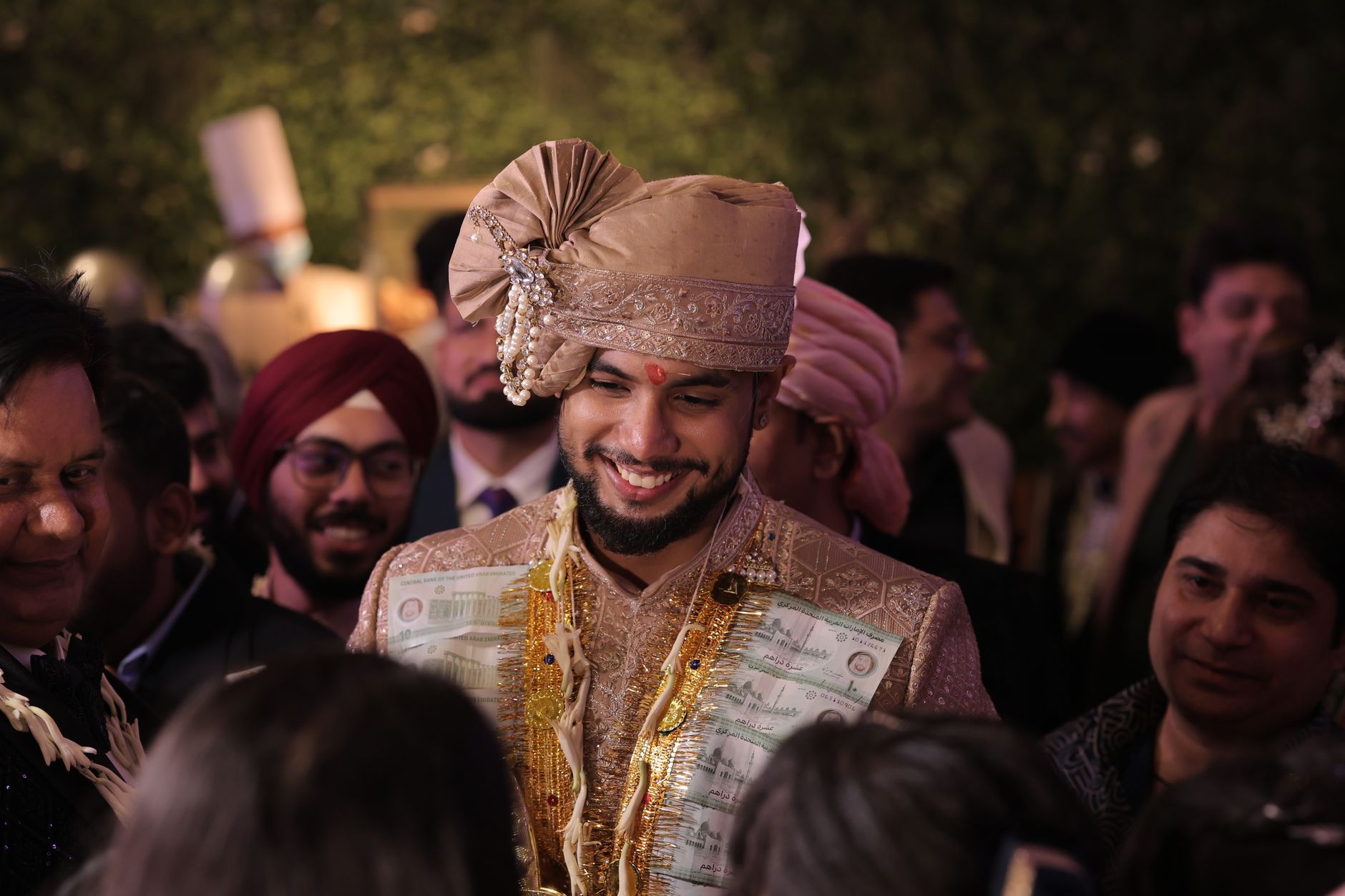
Royal Safas for Your Big Day
Costume in Pune
Traditional Royal Wedding Safa Tying Teams in Pune
A grand Indian wedding is incomplete without the regal sight of a perfectly tied safa adorning the groom and his baraat. Traditional Royal Wedding Safa Tying Teams in Pune bring authentic craftsmanship to every ceremony, whether you are planning a lavish shaadi at a Koregaon Park banquet hall or an intimate gathering in a Kothrud residence. These skilled professionals offer Rajasthani safa tying service, Marathi pheta draping, and Mughal-inspired pagdi styles, ensuring every male family member looks picture-perfect. Many packages also complement your wedding costume rental Pune arrangements by coordinating turban colours with sherwanis and kurta-pyjamas. When you hire through Happiffie, you get vetted specialists who arrive on time, carry their own accessories, and make the morning-of chaos just a little more manageable.
Quick Answer
Traditional Royal Wedding Safa Tying Teams are professional turban draping specialists hired for Indian weddings to tie safas, pagdis, or phetas for the groom, baraat members, and family. In Pune, these teams typically handle 10 to 200 or more members per event, offer Rajasthani, Marathi, and Mughal styles, and charge between INR 50 and INR 250 per person depending on fabric, complexity, and team size.
What Do Traditional Royal Wedding Safa Tying Teams Actually Do?
Traditional Royal Wedding Safa Tying Teams are trained artisans who specialise in draping turbans, safas, pagdis, and phetas for Indian wedding celebrations. Their work begins well before the baraat procession, typically starting two to three hours before the muhurat, when the groom's close family members need to be styled first. A skilled team will measure the head circumference of each guest, select the right fabric length (usually five to nine metres per safa), and execute the fold pattern specific to the chosen regional style. In Pune weddings, popular styles include the Rajasthani safa tying service with its fan-shaped front pleat, the Marathi pheta with its crisp angular folds, and the Mughal-inspired high-rise pagdi suited for heavily embroidered sherwanis. Beyond simple draping, these teams also handle colour coordination. A good wedding pagdi tying expert will carry a range of fabric swatches and match the turban to the groom's outfit, the bride's lehenga palette, or the overall wedding décor theme. Many Pune-based teams now offer WhatsApp consultations where families share outfit photos a week before the event, so the specialist arrives with the exact shade of silk or brocade required. Additionally, baraati safa arrangement service providers manage large groups efficiently by working in parallel teams of two or three people, ensuring even a baraat of 150 men is fully styled within 90 minutes. This systematic approach means no guest is left scrambling with a loose or lopsided turban right before the procession.
Popular Safa Styles Available for Pune Weddings
Pune sits at a fascinating cultural crossroads, drawing wedding guests from Maharashtra, Rajasthan, Gujarat, and Karnataka, which means Traditional Royal Wedding Safa Tying Teams here must be versatile. The most frequently requested style is the classic Rajasthani safa tying service, characterised by a broad, fanned-out front and a trailing tail that drapes elegantly over the shoulder. It suits both large destination weddings in Pune resorts and smaller community gatherings in Hadapsar or Bibvewadi. The Marathi pheta, a staple of Marathi wedding traditions, is a stiffer, pleated turban that carries deep cultural significance, especially for families following a Vedic vivah ceremony. Pheta tying requires a slightly different technique compared to a flowing Rajasthani safa, and specialists who master both are highly sought after. The Punjabi pagg, though less common in Pune, is requested by families with North Indian roots or for pre-wedding ceremonies like the haldi and mehendi where a more casual, colourful look is preferred. For modern grooms who want a fusion aesthetic, groom turban draping specialists also offer the Jodhpuri-style safa, which combines the volume of a Rajasthani turban with the neat tailoring suited to a bandhgala jacket. Some teams even offer custom embellishment — adding kalgi brooches, flower strings, or string pearl accessories — so the safa becomes a complete bridal party grooming package element rather than just a standalone accessory.
How Much Does Hiring a Safa Tying Team in Pune Cost?
Pricing for Traditional Royal Wedding Safa Tying Teams in Pune is usually calculated per head, with a minimum booking guarantee. Entry-level baraati safa arrangement service providers charge approximately INR 50 to INR 80 per person for simple cotton or polyester safas, suitable for a modest baraat of 30 to 50 members. Mid-range packages using silk or georgette fabrics and more intricate fold patterns run between INR 100 and INR 160 per person and often include a fabric rental component. Premium groom turban draping specialists who carry antique brocade, pure silk, or zardosi-bordered fabrics typically charge INR 180 to INR 250 per person, with the groom's safa itself sometimes priced separately at INR 500 to INR 1,200 due to the extra time and embellishment involved. Several factors influence the final quote: travel distance (teams coming from Laxmi Road to an outstation venue in Lavasa or Lonavala may add a conveyance fee), the number of distinct styles requested within the same event, and whether the client supplies the fabric or the team does. Some packages bundle the wedding costume rental Pune component, offering matching kurta sets alongside safa tying, which can reduce the overall per-person cost. Always confirm whether the quoted price includes fabric, accessories, and travel, or if these are billed separately, to avoid surprises on the wedding day.
Why Pune Is an Ideal City for a Royal Wedding Aesthetic
Pune has quietly transformed into one of Maharashtra's most vibrant wedding destinations. The city offers a compelling mix of grand outdoor venues like those in Baner and Wakad, heritage bungalows in Deccan and Camp areas, and luxury resort properties near Mulshi and Khadakwasla that make the perfect backdrop for a destination wedding in Pune. This variety of venues naturally encourages families to lean into royal and traditional themes, which is precisely where Traditional Royal Wedding Safa Tying Teams add the most visual impact. A groom arriving on a decorated ghodi through the lanes of Shivajinagar with 80 baraatis all wearing crisp, colour-matched Rajasthani safas creates a spectacle that no amount of floral decoration can replace. Pune's large Marathi-speaking population also means demand for authentic Marathi wedding traditions remains strong, keeping wedding pagdi tying experts who specialise in pheta draping consistently busy throughout the wedding season from October to February. The city's exposure to pan-Indian culture through its IT workforce and student population means many families now blend two or more regional styles in the same wedding, asking for a Rajasthani safa tying service for the baraat and a Marathi pheta for the kanyadaan ceremony. Happiffie's curated network in Pune covers all these scenarios, connecting families with specialists who understand both the cultural significance and the logistical complexity of managing turbans for a multi-hundred-person guest list.
How Do You Choose the Right Safa Tying Team for Your Wedding?
Selecting the right team from the many available options is one of the most underrated decisions in wedding planning. The first criterion is style expertise: always ask whether the groom turban draping specialists you are considering have hands-on experience with the specific regional style you want, not just a general claim of knowing multiple styles. Request a live or video demonstration before you book. The second factor is team size relative to your baraat. A solo artist, however skilled, cannot efficiently handle 120 baraatis in time for an early-morning procession. Reliable baraati safa arrangement service providers work in teams of two to four, ensuring the job is completed smoothly. Third, confirm fabric quality. Some teams cut costs by using thin synthetic fabrics that tend to unravel within an hour of the ceremony. For a bridal party grooming package that holds up through a three-hour baraat procession, dancing, and photographs, insist on fabric with sufficient body and weight. Fourth, check logistics: does the team carry their own accessories like pins, brooches, and spray starch, or will you need to arrange these? Finally, if you are booking for a destination wedding in Pune or an outstation venue, confirm travel arrangements and buffer time, as Pune traffic, especially on NH-48 and the Expressway, can be unpredictable on peak wedding weekends. Happiffie's pre-vetted listing system includes reviews from verified past clients, making it easier to shortlist teams that consistently deliver on these criteria.
Safa Tying Setup Types: A Practical Comparison for Pune Weddings
Expert Recommendation
Best for Intimate Home Celebrations
Best for Large Baraats with 100+ Guests
Best for Destination Weddings on Pune's Outskirts
Best for Budget-Conscious Families
Best for Traditional Marathi Weddings
Best for Fusion and Modern Royal Themes
How to Choose the Right Option
✅ Pre-booking Checklist
- Confirm the exact number of guests who require safa tying, including baraat members and family
- Decide on the regional style or styles required — Rajasthani safa, Marathi pheta, Mughal pagdi, or a combination
- Ask the team for a video portfolio specifically showing their work for groups of a similar size
- Request an itemised quote separating fabric cost, per-head labour, accessories, and travel charges
- Book at least 2-3 months in advance for peak season dates between October and February
- Share outfit photographs and colour swatches with the team at least one week before the wedding
- Confirm the morning-of timeline and ensure the safa tying schedule aligns with the muhurat and baraat departure time
- Get all terms, including cancellation policy and fabric ownership, confirmed in writing before paying an advance
🎯 Selection Criteria
- Style expertise: verify hands-on experience in your specific regional turban tradition, not just general knowledge
- Team size: ensure the number of artisans is proportionate to the number of guests who need to be styled
- Fabric quality: insist on a fabric sample and a test drape to check durability and visual appeal
- Punctuality track record: confirm arrival time commitment and ask for references from past clients on high-demand dates
- Coordination ability: assess whether the team can work alongside make-up artists and other grooming vendors smoothly
- Transparent pricing: choose teams that provide a detailed written quote with no hidden charges for accessories or travel
💰 Cost / Quality Factors
- Number of guests to be styled directly impacts cost and required team size
- Fabric type (polyester versus silk versus brocade) is the single biggest driver of per-head pricing
- Venue location and accessibility affect travel charges, especially for outstation or resort destinations
- Complexity of style requested — multi-pleat Rajasthani fans versus simple pheta — determines time per guest
- Season and date: peak muhurat dates in November and February command a premium due to high demand
- Add-on accessories like kalgi, brooch sets, or flower embellishments add to the overall package cost
⚠️ Common Mistakes to Avoid
- Booking based solely on price without verifying the team's experience with your specific turban style
- Underestimating the time required and scheduling safa tying too close to the baraat departure time
- Failing to communicate outfit colours in advance, resulting in mismatched or clashing safa fabric on the day
- Not confirming the exact number of artisans who will arrive, leading to delays with large groups
- Overlooking fabric quality checks and ending up with turbans that unravel during the procession or photography
- Skipping a written contract, leaving no recourse if the team cancels last-minute on a peak wedding date
People Also Ask
What is a safa tying team at a wedding?
How early should I book a safa tying team in Pune?
Can one safa tying team handle a baraat of 150 people?
What is the difference between a safa, pagdi, and pheta?
Do safa tying teams in Pune provide the fabric or do I need to arrange it?
Are safa tying services available for pre-wedding events like sangeet or haldi?
How much does a safa tying team cost per person in Pune?
Can I request a Marathi pheta alongside a Rajasthani safa at the same wedding?
What fabric colours are most popular for wedding safas in Pune?
Is there a difference in pricing for safa tying at a destination wedding near Pune?
Do safa tying teams coordinate with other grooming services on the wedding day?
What should I check when reviewing a safa tying team's portfolio?
Related Experiences on Happiffie
Professional Safa & Pagdi Tying
Make Your Grand Entry Unforgettable
Wedding Costume Rentals Hyderabad
Capture Perfect Birthday Moments
Destination Wedding Stories, Captured Forever
All Wedding & Event Services
Frequently Asked Questions
How many hours does a Traditional Royal Wedding Safa Tying Team need on the wedding morning in Pune?
Are Traditional Royal Wedding Safa Tying Teams available for Christian or civil weddings in Pune?
Can Traditional Royal Wedding Safa Tying Teams match the safa colour to the bride's lehenga?
What venues in Pune are most commonly served by safa tying teams?
Do Rajasthani safa tying service providers in Pune also know how to tie a Marathi pheta?
Is there a minimum booking size for safa tying services in Pune?
What materials are used for premium wedding safas in Pune?
Can I book a safa tying team and a sherwani rental from the same vendor in Pune?
What is the cancellation policy for safa tying bookings in Pune?
Do safa tying teams in Pune bring their own fabric or should families supply it?
Are there female safa tying specialists available in Pune for women-led ceremonies?
Can Traditional Royal Wedding Safa Tying Teams travel to Lonavala or Lavasa for a wedding?
Key Takeaways
- Traditional Royal Wedding Safa Tying Teams in Pune offer authentic Rajasthani, Marathi pheta, and Mughal-style turban draping for grooms, baraat members, and family.
- Pricing in Pune ranges from INR 50 to INR 250 per person depending on fabric type, style complexity, and team size.
- Book at least two to three months in advance for peak season dates; top teams fill up quickly on popular muhurat days.
- Multi-artisan teams of three to five specialists can efficiently style a baraat of 100 or more guests within 90 minutes.
- Fabric colour and style should be confirmed one week before the event by sharing outfit photographs with the tying team.
- Bundled wedding costume rental Pune packages that include safa tying can reduce the total per-person cost by 15 to 25 percent.
- Pune's cultural diversity means many weddings blend regional styles, and skilled teams can manage multiple traditions in the same event.
- Always get a written contract covering fabric ownership, team size, arrival time, and cancellation terms before paying any advance.
Book Pune's Best Safa Tying Teams on Happiffie
Find vetted Traditional Royal Wedding Safa Tying Teams for your Pune wedding — match styles, compare prices, and confirm your booking in minutes.
Explore Safa Teams
Are you a Vendor? Grow Your Business with Happiffie!
- High intent verified leads
- Reverse auction opportunities
- AI business tools & insights
- Dedicated vendor dashboard
- Grow your business, your way
It's free & takes less than 2 minutes!