
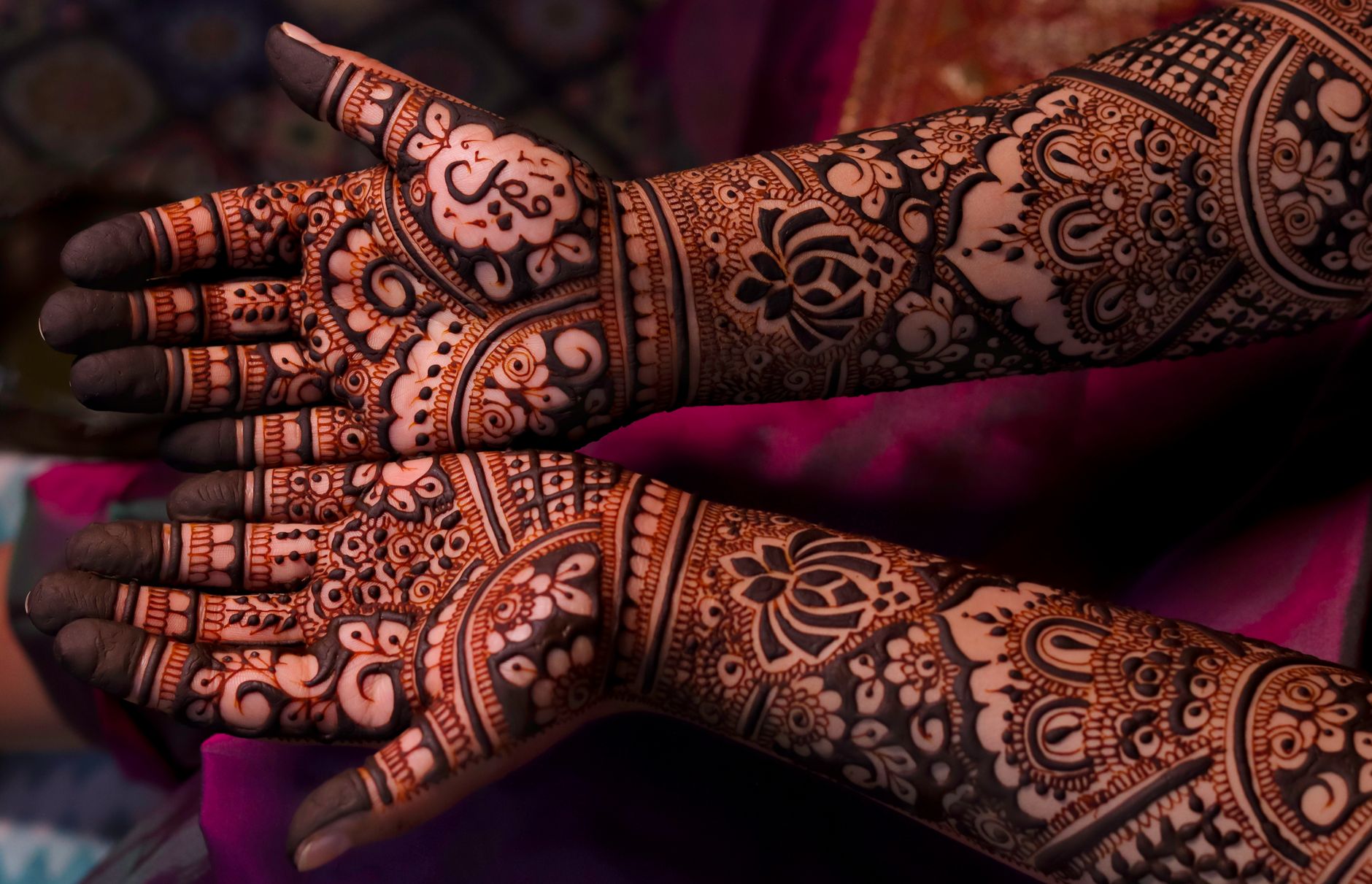
Bridal Mehndi Magic in Pune
B&G in Pune
Traditional Mehndi Art for Celebrations in Pune
Pune's wedding season bursts with colour, emotion, and age-old rituals — and nothing captures that spirit quite like traditional mehndi art for celebrations. From the intimate gallis of Kasba Peth to the sprawling banquet halls of Baner and Wakad, Pune brides are embracing intricate bridal mehndi design as a cherished pre-wedding beauty ritual that blends heritage with personal expression. Whether you are planning a grand Maharashtrian lagna, a Rajasthani-style sangeet, or a fusion destination affair at a Lonavala resort, the right mehndi artist can turn your hands and feet into living artwork. Happiffie connects Pune families with verified, talented mehndi professionals who understand regional motifs, modern aesthetics, and the all-important wedding day preparation timeline — so your mehndi night becomes a celebration in itself.
Quick Answer
Traditional mehndi art for celebrations refers to the application of natural henna paste in intricate patterns on a bride's hands, arms, and feet during pre-wedding or festive rituals. In Pune, this service typically covers bridal mehndi design, includes personalised motifs like peacocks and paisleys, and is performed at home, banquet halls, or dedicated parlours. Prices range from INR 3,000 to INR 25,000 depending on design complexity, coverage area, and the artist's experience level.
What Makes Traditional Mehndi Art for Celebrations So Special in Pune?
Pune sits at a fascinating cultural crossroads. The city's bride is equally at home requesting a classical Rajasthani jaal pattern filled with elephants and camels, a Marathi-style bold floral arrangement favoured in Peth localities, or a contemporary Arabic outline that dries in under an hour — perfect for tight schedules. Traditional mehndi art for celebrations is not merely decorative; it carries centuries of ritual meaning. In many Maharashtrian families, the deeper the mehndi colour, the greater the love the groom holds for the bride — a belief that still brings delightful anticipation on the morning after. The wedding mehndi ceremony, locally called the Mehndi Sohala, typically takes place a day or two before the wedding and doubles as a relaxed gathering for the bride's closest friends and family. Music plays, sweets are served, and the fragrance of henna mixed with eucalyptus oil fills the room. In Pune, popular venues for this ceremony range from rooftop settings in Koregaon Park apartments to climate-controlled party halls in Aundh and Hinjewadi. Choosing a skilled artist who understands Marathi wedding traditions alongside Mughal-era floral motifs gives Pune brides the best of both worlds. Pre-wedding beauty rituals like mehndi also serve a practical purpose: the cooling properties of henna help soothe pre-wedding nerves, making the experience as therapeutic as it is artistic. Happiffie lists artists who specialise in each regional style, complete with portfolio photographs so you can match their craft to your vision before a single call is made.
Bridal Mehndi Design Styles Available in Pune
Understanding the range of bridal mehndi design options available helps you make a confident choice well before your booking date. Pune's mehndi artists generally offer five core style families. Rajasthani mehndi is the most intricate — think fine-line jaal backgrounds, miniature portraits of the bride and groom inside floral circles, and coverage extending from fingertips to elbows and from toes to knees. This style demands four to six hours of sitting time for full coverage. Arabic mehndi uses bold, flowing floral vines with generous negative space, making it ideal for brides who want impact without extended sitting. Indo-Arabic fusion blends both, placing dense focal motifs at the palm centre and wrist while leaving the back hand relatively open. Marathi-style mehndi incorporates traditional motifs like the lotus (kamal), peacock (mor), and temple borders, often in a bolder stroke weight that reads beautifully in photographs against silk nauvari or Paithani saris. Finally, minimalist and contemporary full hand mehndi patterns use geometric shapes and mandala bases — popular among brides with modern aesthetics attending intercultural weddings. Understanding which style resonates with your wedding outfit, jewellery weight, and personal personality is the first step in planning your dulhan mehndi application session. Most artists in Pune are comfortable blending two styles when asked; share your bridal look-book images during the initial consultation for the best outcome.
How Much Does Mehndi Artist Booking in Pune Cost?
Pricing for mehndi artist booking in Pune varies based on four key variables: design complexity, coverage area, artist experience tier, and travel distance from the artist's base. Entry-level artists offering simple floral full hand mehndi patterns typically charge between INR 3,000 and INR 6,000 for a bridal set (both hands and feet). Mid-tier artists with three to five years of portfolio experience and recognisable signature styles charge INR 7,000 to INR 14,000. Senior or award-level artists, particularly those known for ultra-fine Rajasthani jaal work or photorealistic portrait mehndi, can charge INR 15,000 to INR 25,000 or above for the bride alone. Remember that the wedding mehndi ceremony often requires mehndi for bridesmaids, mothers, and guests too — budget an additional INR 500 to INR 2,500 per person depending on design complexity. Travel surcharges apply when the event is outside Pune city limits — for example, for destination weddings at Lavasa, Lonavala, or Mulshi resorts. Some artists charge a flat travel fee; others bill per kilometre. Always clarify in writing whether the quoted price includes henna cone material costs, touch-up cones, and post-application lemon-sugar sealant. Booking three to six months before the wedding date is advisable during peak season (October to February and April to May) to secure your preferred artist on Happiffie.
Planning the Perfect Wedding Mehndi Ceremony in Pune
A successful wedding mehndi ceremony requires coordination across several moving parts. Begin by fixing the date — usually one or two evenings before the wedding — so the mehndi has adequate time to develop its deepest colour through natural oxidation. Darker colour is achieved by keeping the dried paste on the skin for six to ten hours, so an evening application followed by sleeping with the mehndi on is the classic Pune bride's strategy. Venue selection matters: ensure the space has comfortable low seating (floor cushions or chairs with armrests on both sides), good ambient lighting for the artist, and enough room for guests to move freely without accidentally smudging freshly applied designs. Koregaon Park and Kalyani Nagar banquet spaces regularly host mehndi evenings; so do lawns in Baner and Pashan for daytime ceremonies in cooler months. Inform your artist about the number of guests who want mehndi applied so they can bring assistant artists if needed — typically one artist can comfortably handle eight to twelve guests over a four-hour session. Integrate henna for festive occasions into the decor by setting up a dedicated mehndi corner with traditional seating, marigold strings, and diyas. This creates a beautiful photographic backdrop while keeping the mehndi application area organised. Wedding day preparation timeline planning should account for nail prep, waxing, and facials before the mehndi session, never after — heat-based treatments after mehndi application can lift colour and blur fine lines.
How Do You Ensure the Best Colour and Longevity from Traditional Mehndi Art for Celebrations?
The colour payoff from traditional mehndi art for celebrations depends as much on aftercare as on the quality of henna paste used. Authentic henna cones use pure Lawsonia inermis leaf powder — look for a dark green-brown paste with a natural earthy smell. Avoid cones with a chemical or synthetic fragrance, which may indicate the presence of para-phenylenediamine (PPD), a skin-sensitising additive. In Pune's climate, henna dries faster during summer months (March to May) and slower during monsoon humidity (June to September). Once the paste dries, apply a warm lemon-sugar glaze gently with a cotton ball — the sugar helps the paste adhere longer and the citric acid deepens colour penetration. Leave the paste on for a minimum of six hours; overnight is ideal for dulhan mehndi application on the wedding eve. After scraping (never washing) the dried paste off, apply a thin layer of coconut or mustard oil to seal colour. Avoid water contact for at least twelve hours post-removal. For the next three to four days, use oil rather than soap on the hands where possible. Brides following these steps in Pune's relatively dry winters (November to February) consistently report the richest burgundy-red tones. The same traditional mehndi art for celebrations can stay visible on skin for ten to twenty days with diligent care, outlasting the wedding weekend comfortably and remaining beautiful for the post-wedding photoshoots and reception events that follow.
Comparing Mehndi Style Options for Pune Brides
Expert Recommendation
Best for Intimate Home Ceremonies
Best for Large Wedding Guest Counts
Best for Budget-Conscious Brides
Best for Traditional Maharashtrian Weddings
Best for Modern and Fusion Weddings
Best for Destination Weddings Near Pune
How to Choose the Right Option
✅ Pre-booking Checklist
- Set your mehndi ceremony date at least two days before the wedding to allow colour to develop fully overnight
- Review the artist's portfolio specifically for the design style you want — Rajasthani, Arabic, Marathi, or fusion
- Confirm whether the artist provides henna cones, oils, and sealant or if you need to supply materials
- Clarify the pricing structure: per-person rate, hourly rate, or a flat bridal package inclusive of feet and hands
- Book an assistant artist if your guest list for mehndi exceeds ten people
- Schedule all waxing, threading, and facials before the mehndi session — heat treatments after will damage the design
- Prepare your venue with comfortable seating, strong lighting, and easy access to a sink for the artist
- Agree in writing on travel charges if your venue is outside Pune city limits
🎯 Selection Criteria
- Portfolio quality: does the artist's past work match the style and intricacy level you want?
- Experience with your specific wedding community's traditions and preferred motifs
- Flexibility to incorporate custom elements like names, portraits, or personalised symbols
- Availability on your exact date and willingness to commit to a written contract
- Clear communication about the number of hours required and the number of guests they can serve
- Verified reviews or references from past Pune brides for reliability and punctuality
💰 Cost / Quality Factors
- Design complexity: fine-line Rajasthani jaal costs significantly more than bold Arabic outlines
- Coverage area: wrists only versus full arm-to-elbow coverage doubles both time and price
- Artist experience tier: entry-level versus senior artists vary by INR 5,000 to INR 15,000 for bridal packages
- Travel distance: outstation venues like Lonavala or Lavasa attract travel fees of INR 1,500 to INR 5,000 or more
- Season and demand: peak wedding months (October-February) see higher rates and faster booking closure
- Guest count: packages covering ten or more guests are priced differently from individual bridal sessions
⚠️ Common Mistakes to Avoid
- Booking based on price alone without reviewing the artist's style-specific portfolio
- Scheduling mehndi on the morning of the wedding — colour will not have time to develop before the ceremony
- Failing to do a patch test if you have sensitive skin or are trying a new artist's henna paste for the first time
- Ignoring the aftercare instructions — washing hands too soon can reduce colour intensity by thirty to fifty percent
- Not confirming the number of artists needed for your guest count, leading to sessions running until midnight
- Overlooking the written contract for outstation events — verbal agreements often miss travel, accommodation, and cancellation terms
People Also Ask
How early should I book a mehndi artist for my Pune wedding?
What is the difference between Arabic and Rajasthani bridal mehndi design?
Is it safe to get mehndi done during pregnancy?
How long does a bridal mehndi session typically last in Pune?
Can I request a custom motif like my groom's name or a personalised portrait in my mehndi?
What should I wear to my mehndi ceremony so the design is not smudged?
Does the mehndi artist provide all materials or should I arrange anything?
How do I make my mehndi colour darker naturally?
Can mehndi be applied to guests at a Punjabi or South Indian wedding in Pune?
What is the typical timeline for mehndi within the overall wedding day schedule?
Is it possible to get mehndi done at home or does it require a salon visit?
How much should I tip a mehndi artist in Pune?
Related Experiences on Happiffie
Seer Plates That Tell Your Story
Auspicious Nadaswaram for Your Big Day
Your Dream Bridal Look Awaits
Book World-Class Artists for Pune Events
All Wedding & Event Services
Venues in Pune
Frequently Asked Questions
Which Pune localities have the highest concentration of mehndi artists available through Happiffie?
What is the ideal time of year to schedule a mehndi ceremony in Pune for the best colour results?
How many mehndi artists do I need for a ceremony with thirty guests in Pune?
Is natural henna safe for children attending a Pune wedding?
Can I get traditional mehndi art for celebrations applied at my hotel venue in Pune?
What are the most popular traditional motifs requested by Pune brides?
Does Happiffie allow me to compare multiple mehndi artist portfolios before booking in Pune?
How do I handle mehndi for a destination wedding near Pune, such as at a Lonavala resort?
What is the difference between a bridal mehndi package and a regular mehndi service?
Can I request a trial mehndi session before my wedding day in Pune?
What payment methods do mehndi artists in Pune typically accept?
How does traditional mehndi art for celebrations differ from regular parlour henna services?
Key Takeaways
- Traditional mehndi art for celebrations is a deeply rooted pre-wedding ritual in Pune, spanning Maharashtrian, Rajasthani, Punjabi, and intercultural weddings alike.
- Pune brides can choose from Rajasthani jaal, Arabic floral, Marathi traditional, Indo-Arabic fusion, and minimalist mandala styles — each suited to different aesthetics and timelines.
- Bridal mehndi packages in Pune range from INR 3,000 for simple designs to INR 25,000 or above for intricate full-coverage work by senior artists.
- Book your mehndi artist three to six months ahead during Pune's peak wedding season (October to February) to secure your preferred professional.
- Colour longevity depends on paste quality, overnight retention of dried paste, and post-application oil care — avoid water contact for at least twelve hours after scraping.
- Plan your wedding day preparation timeline so mehndi is applied two evenings before the wedding, leaving enough time for colour development before the main ceremonies.
- Henna for festive occasions extends beyond the bride — bridesmaids, mothers, and guests often participate, so budget and artist capacity accordingly.
- Happiffie simplifies mehndi artist booking in Pune by connecting families with verified professionals whose portfolios, pricing, and availability are transparently listed.
Book Your Bridal Mehndi Artist in Pune Today
Explore verified mehndi artists on Happiffie, compare portfolios and pricing, and secure your date before it fills up this season.
Find Artists Now
Are you a Vendor? Grow Your Business with Happiffie!
- High intent verified leads
- Reverse auction opportunities
- AI business tools & insights
- Dedicated vendor dashboard
- Grow your business, your way
It's free & takes less than 2 minutes!