
Bridge Every Language at Your Event
Audio & Lighting in Pune
Real-Time Multilingual Translation Display Systems in Pune
Pune is one of Maharashtra's most cosmopolitan cities, drawing together Marathi, Hindi, Tamil, Telugu, Gujarati, and English-speaking families under one wedding mandap or corporate banquet hall. When your guest list spans multiple states — or even countries — Real-Time Multilingual Translation Display Systems ensure that every vow, speech, and ritual instruction is understood by everyone in the room. Whether you are hosting a grand shaadi at a Koregaon Park five-star venue or an intimate reception in Kothrud, a live multilingual subtitle display transforms language barriers into moments of shared joy. Modern wedding audio visual setup Pune vendors now offer integrated solutions that combine real-time language translation screens with elegant LED panel designs that complement your décor rather than distract from it. This guide helps Pune families compare options, understand costs, and make confident, informed booking decisions.
Quick Answer
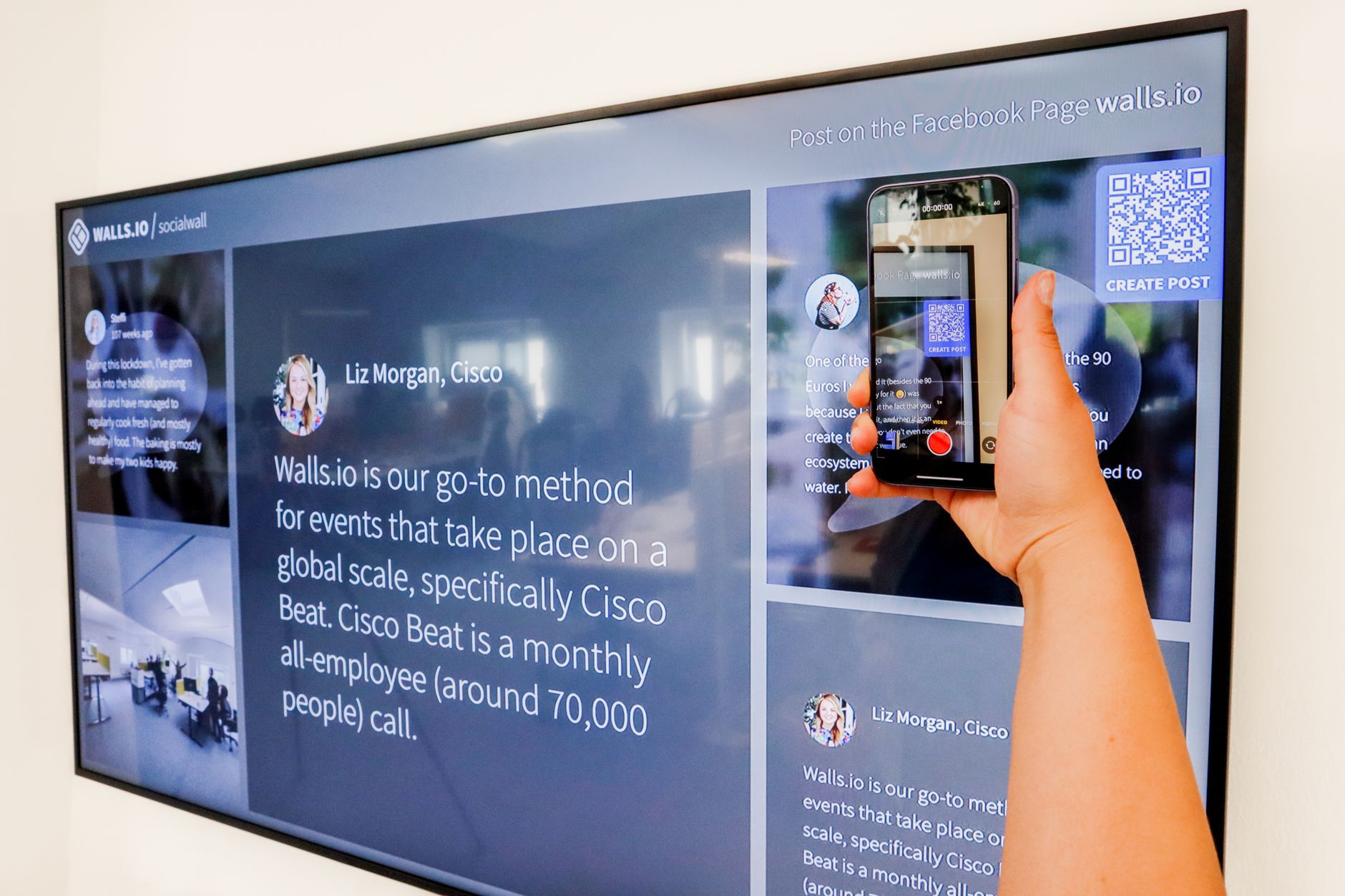
Real-Time Multilingual Translation Display Systems are event technology solutions that capture spoken content — speeches, rituals, announcements — and instantly display translated text on LED or projection screens in multiple languages simultaneously. In Pune weddings and corporate events, they are used so guests speaking Marathi, Hindi, Tamil, Telugu, Gujarati, English, or other languages can follow proceedings in real time without missing a moment.
What Are Real-Time Multilingual Translation Display Systems and How Do They Work?
Real-Time Multilingual Translation Display Systems combine three core components: a live audio input channel, an AI-powered or human-assisted translation engine, and one or more display screens positioned throughout your venue. A trained operator or automated speech-recognition software listens to the speaker — a pandit, an emcee, a corporate presenter — and converts spoken words into text within a one-to-three-second lag. That text is simultaneously pushed to LED screens, projection surfaces, or individual tablet displays in whichever languages your guests need, commonly Marathi, Hindi, English, Tamil, Telugu, Kannada, or Gujarati. In a typical wedding audio visual setup Pune vendors provide, the translation screens are integrated alongside the main stage LED backdrop so the visual experience remains seamless. The system requires a stable local network or dedicated Wi-Fi router at the venue, a laptop or control unit operated by a technician, and at least one screen per seating zone for optimal readability. High-end setups used at venues like those on Nagar Road or Baner also support mobile-device streaming, meaning guests can read translations on their own smartphones. The technology has matured rapidly, and today even mid-budget events in Pune's Hadapsar or Pimpri-Chinchwad corridors can access reliable multilingual event display technology without requiring elaborate infrastructure. Understanding this workflow helps you ask the right questions when comparing vendors on Happiffie.
Why Do Pune Weddings and Events Need Live Multilingual Subtitle Display?
Pune hosts some of India's most linguistically diverse celebrations. IT-sector weddings frequently unite a Marathi bride's family from Pune with a Tamil groom's family from Chennai, while corporate award nights at venues in Shivajinagar draw pan-India audiences. Without a live multilingual subtitle display, elderly relatives, out-of-state guests, and international NRI attendees often sit through rituals or keynote speeches feeling disconnected and confused. This is not merely a comfort issue — it is a hospitality and respect issue that families remember long after the event. Multi-language guest communication has become a genuine differentiator for Pune event planners who want their events discussed positively in family circles for years. From a practical standpoint, real-time language translation screens reduce the workload on emcees who would otherwise need to repeatedly translate announcements, allowing ceremonies to flow naturally and on schedule. Inclusive event experience planning is increasingly an expectation, not a luxury, particularly among Pune's cosmopolitan upper-middle-class families who travel frequently and attend global conferences. A South Indian family attending a Marathi wedding in Deccan will appreciate reading each ritual's meaning in Tamil on a beautifully designed screen near their seating area. Similarly, a Gujarati business delegation at a Kothrud convention centre will engage far more deeply with proceedings when simultaneous interpretation screen setup is available. Simply put, these systems make every guest feel like a first-class attendee.
How Much Does a Real-Time Multilingual Translation Display System Cost in Pune?
Pricing for Real-Time Multilingual Translation Display Systems in Pune varies based on the number of languages supported, the number of screens deployed, the duration of the event, and whether the translation is AI-automated or uses live human interpreters. As a general market guide, a basic automated two-language setup with one screen typically starts around INR 15,000 to INR 25,000 for a single-day event. A mid-range package covering three to four languages with two or three LED screens positioned across the venue hall — suitable for most Pune wedding receptions of 200 to 500 guests — generally falls between INR 35,000 and INR 75,000. Premium packages for large corporate conferences or multi-day destination weddings at resorts near Lavasa or Mulshi, featuring human-assisted simultaneous interpretation screen setup, dedicated technicians, and mobile-device streaming, can range from INR 1,00,000 to INR 2,50,000 or more. LED screen rental for events is often bundled into these quotes, so always ask vendors whether screen hardware, cabling, and the control unit are included in the package or billed separately. It is also worth checking whether the vendor charges per language pair or offers a flat multi-language rate, as this significantly affects overall cost for events needing five or more languages. Booking through Happiffie lets you compare itemised quotes from multiple Pune vendors side by side, ensuring you understand exactly what you are paying for.
Key Features to Look for When Choosing Multilingual Event Display Technology
Not all Real-Time Multilingual Translation Display Systems deliver the same quality, and knowing which features matter most will save you from disappointment on your event day. First, check the translation lag — a system with more than five seconds of delay will confuse guests who are simultaneously listening to the speaker. Leading multilingual event display technology solutions in Pune maintain a one-to-three-second lag through dedicated hardware processing rather than relying on general consumer internet connectivity. Second, confirm language accuracy for Indian scripts — Marathi Devanagari, Tamil, Telugu, and Gujarati script rendering require specific Unicode font support that not all display controllers handle correctly. Third, assess screen brightness and size: indoor banquet halls in areas like Viman Nagar or Koregaon Park often have ambient lighting that washes out dim projectors, so minimum 5000-nit LED panels are recommended. Fourth, ask whether the vendor supports live multilingual subtitle display formatting — font size, colour contrast, and line breaks matter enormously for guests sitting at the back of a hall. Fifth, evaluate the operator's experience with Indian languages specifically, because AI engines trained on formal speech can struggle with regional accents and colloquial wedding blessings. Finally, confirm the backup plan: a secondary laptop, an offline translation dictionary, or a human interpreter on standby can rescue the event if the primary system glitches. These criteria, combined with wedding audio visual setup Pune vendor reviews on Happiffie, give you a reliable shortlist.
How Should You Plan the Screen Layout for a Multi-Language Display at a Pune Venue?
Effective inclusive event experience planning for multilingual displays begins with a venue walkthrough at least two weeks before the event. In large banquet halls — such as those found in Pune's Wakad or Baner corridors — a single central screen is rarely sufficient. Best practice is to place screens at both ends of the seating area and at a mid-point on each side wall so that no guest is more than 20 metres from a readable display. For intimate gatherings of under 100 guests at bungalow venues in Aundh or Boat Club Road, one well-positioned 75-inch LED panel is usually enough. Circular or theatre-in-the-round seating arrangements — common at sangeet functions — need a minimum of three screens placed at equal intervals around the perimeter. Outdoor venues, including lawns in Koregaon Park or poolside settings in Kalyani Nagar, require high-brightness screens rated for ambient daylight and weather-resistant cabling. Always discuss screen placement with your decorator in advance: real-time language translation screens should complement the floral arch and stage backdrop, not block sightlines. For multi-language guest communication to succeed, the text zones on each screen should use high-contrast colours — white text on dark blue or dark green backgrounds are proven to be readable across a crowded room. Coordinate the technician's operating table placement with your event manager so that cables are hidden, walkways remain clear, and the operator has a clear sightline to both the speaker and the screens at all times.
Comparing Real-Time Multilingual Translation Display System Setups for Pune Events
Expert Recommendation
Best for intimate celebrations (under 100 guests)
Best for large banquet weddings (300–800 guests)
Best for destination and resort weddings near Pune
Best for budget-conscious families
Best for corporate events and conferences in Pune
Best for traditional multi-ritual ceremonies
How to Choose the Right Option
✅ Pre-booking Checklist
- Confirm the number of languages required and provide vendor with a complete list at least two weeks before the event
- Request a live demonstration of Indian script rendering — Marathi, Tamil, Telugu — before signing the contract
- Verify whether the quote includes screen hardware, cabling, dedicated network router, and on-site technician hours
- Conduct a venue walkthrough with the vendor to finalise optimal screen placement and sight-line clearance
- Ask for a rehearsal or dry-run slot on the event day, at least two hours before guests arrive
- Confirm the backup plan: spare laptop, offline language model, or standby human interpreter
- Cross-check screen brightness specifications against your venue's ambient lighting conditions
- Ensure the vendor is familiar with your event schedule so the system is live exactly when ceremonies begin
🎯 Selection Criteria
- Translation lag should be three seconds or less for a smooth, natural-feeling experience
- Script support must cover all Indian languages on your guest list, verified through a demo
- Vendor must have prior experience with similar events — weddings, corporate conferences, or multi-day functions — in Pune
- Screen count and placement plan should ensure no seating zone is more than 20 metres from a display
- Network solution must be vendor-supplied and independent of venue public Wi-Fi
- Pricing must be fully itemised, distinguishing hardware rental, software licensing, and human operator fees
💰 Cost / Quality Factors
- Number of languages directly multiplies cost — each additional language pair increases processing load and may require additional licensing fees
- Venue size and screen count required are the primary hardware cost drivers — larger Pune banquet halls need more panels
- AI-only versus human-assisted interpretation creates a significant price gap, ranging from INR 15,000 to INR 2,50,000 depending on scope
- Event duration affects operator fees — full-day or multi-day events are priced differently from a two-hour ceremony
- Outdoor or destination venues near Pune add logistics costs for weather-rated equipment and extended technician travel
- Last-minute bookings during peak wedding season (October to February) attract premium pricing of 20–40% above standard rates
⚠️ Common Mistakes to Avoid
- Relying on venue Wi-Fi instead of a dedicated local network, which causes lag spikes or system dropouts during peak usage
- Booking a system without verifying Indian script rendering, leading to garbled or unreadable text in regional languages on the day
- Choosing the minimum number of screens to cut costs, resulting in guests at the back or sides of the hall unable to read translations
- Skipping the pre-event rehearsal, leaving no time to fix configuration issues before the ceremony begins
- Failing to brief the emcee or pandit about speaking pace — too fast a delivery overwhelms even the best AI translation engine
- Not coordinating with the decorator, leading to screens being blocked by floral arrangements or draping
People Also Ask
Can Real-Time Multilingual Translation Display Systems handle Indian regional scripts like Tamil and Marathi?
How many languages can one system support simultaneously at a wedding?
What is the typical setup time required for multilingual display systems at a Pune venue?
Is Wi-Fi required for real-time language translation screens, or can they work offline?
How do guests receive translated text — on shared screens or their personal phones?
Can multilingual display systems be used for outdoor Pune weddings and sangeet functions?
What is the difference between AI-automated translation and human-assisted interpretation for events?
How far in advance should I book a multilingual translation display vendor in Pune?
Will the translation display system interfere with the main stage LED backdrop at my venue?
Is multi-language guest communication useful for corporate events in Pune, not just weddings?
Can I hire just the screens without the translation software as LED screen rental for events?
What languages are most commonly requested for Pune wedding multilingual display systems?
Related Experiences on Happiffie
Translate Every Moment Live
Make Every Event Unforgettable in Pune
Stream Your Pune Wedding Live
Bridal Accessory Setups That Dazzle
Group Flight Booking Made Simple
Arrive in Style at Every Event
Transform Your Event With 3D Projection Magic
Frequently Asked Questions
Are Real-Time Multilingual Translation Display Systems available for one-day events in Pune?
Which Pune neighbourhoods have the highest demand for multilingual display systems at events?
Can the translation display system be customised with the couple's name or event branding?
How does a simultaneous interpretation screen setup differ from a standard event subtitle display?
Is there a minimum guest count requirement for booking multilingual display systems in Pune?
Do real-time language translation screens work for pre-recorded video content played during the event?
What power and venue infrastructure is needed for multilingual display systems in Pune?
How is LED screen rental for events in Pune priced — per screen or as a package?
Can multilingual display systems support sign language or accessibility overlays for guests with hearing impairments?
What happens if the translation system fails mid-event at a Pune wedding?
Is a wedding audio visual setup Pune vendor the right person to hire for multilingual display systems, or is it a specialist service?
How do I brief my emcee or pandit to work effectively with a multilingual translation display system?
Key Takeaways
- Real-Time Multilingual Translation Display Systems capture live speech and display instant translated text on LED screens, making Pune weddings and events accessible to guests across all language backgrounds.
- Pune events most commonly request Marathi, Hindi, English, Tamil, Telugu, and Gujarati — confirming your language list with the vendor at least two weeks before the event is essential.
- AI-automated setups start at approximately INR 15,000 per day; human-assisted simultaneous interpretation screen setups for large or complex events can reach INR 2,50,000.
- A dedicated local network router — not venue Wi-Fi — is critical for maintaining the one-to-three-second translation lag that makes displays feel natural and synchronised.
- Screen placement strategy matters as much as technology quality: deploy one screen per seating zone and ensure no guest sits more than 20 metres from a readable display.
- Inclusive event experience planning with multilingual displays is rapidly becoming a standard expectation at Pune's high-end weddings, NRI functions, and corporate events.
- Always request a pre-event rehearsal slot, verify Indian script rendering during the demo, and confirm backup hardware with your vendor before finalising the booking.
Find Trusted Multilingual Display Vendors in Pune on Happiffie
Compare packages, check availability, and get custom quotes for Real-Time Multilingual Translation Display Systems tailored to your event size and language needs — all in one place.
Explore Pune Vendors
Are you a Vendor? Grow Your Business with Happiffie!
- High intent verified leads
- Reverse auction opportunities
- AI business tools & insights
- Dedicated vendor dashboard
- Grow your business, your way
It's free & takes less than 2 minutes!