
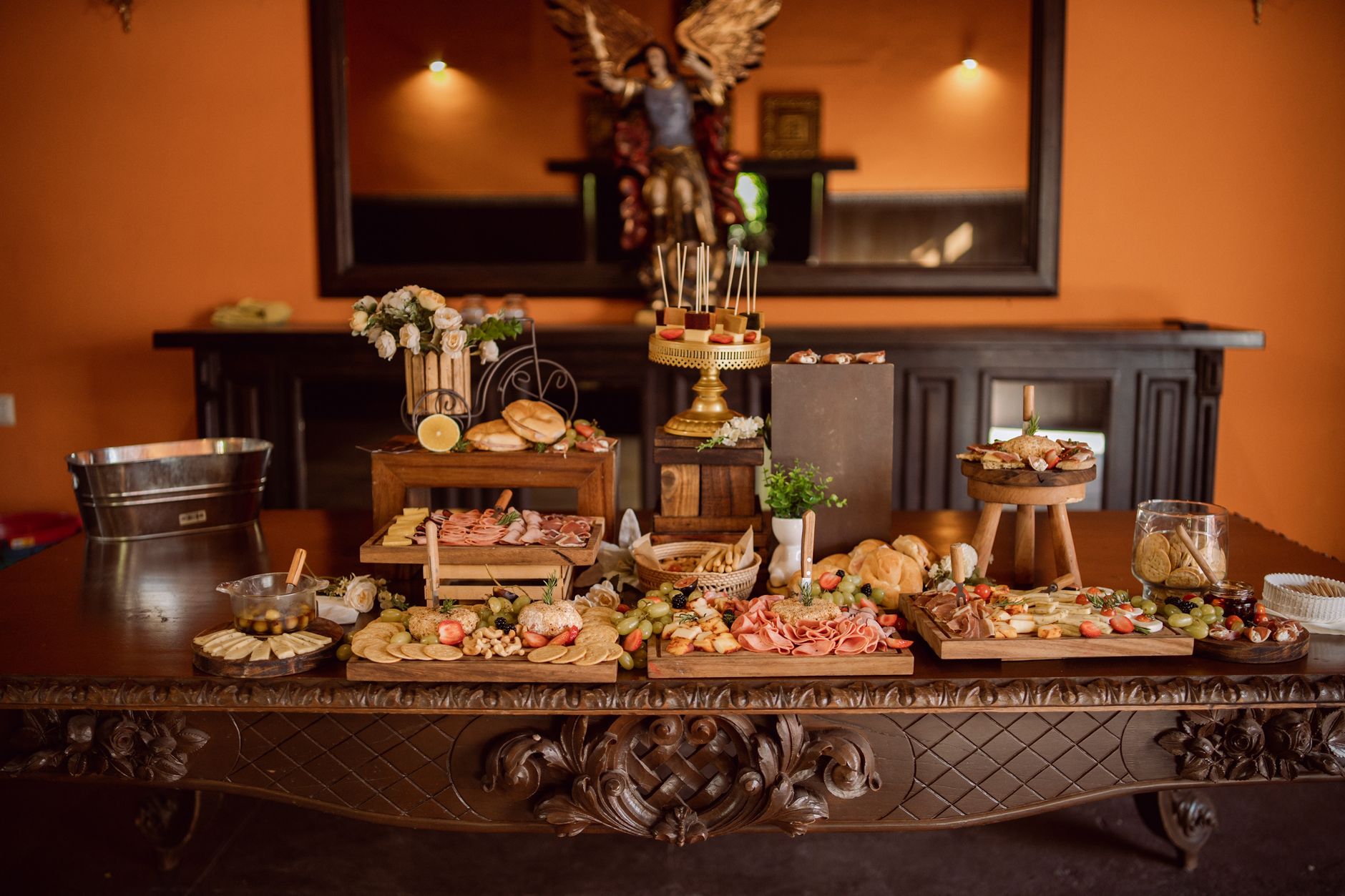
Smart Food Surplus Planning in Pune
Event Support in Pune
Catering Surplus Management for Pune Weddings & Events
Catering Surplus Management has become one of the most important yet overlooked aspects of event planning in Pune. Whether you are hosting a 200-guest shaadi at a Koregaon Park banquet hall or a corporate dinner in Baner, excess food is almost inevitable. Effective wedding food waste reduction not only saves money but also reflects responsible hospitality — a value deeply embedded in Maharashtrian and Indian culture. With Pune's event industry growing rapidly across Wakad, Kharadi, and Hadapsar, sustainable wedding planning is no longer a luxury; it is a practical necessity that your caterer, event manager, and venue should actively support from day one.
Quick Answer
Catering Surplus Management refers to the systematic planning, tracking, and redistribution of excess food generated at weddings, corporate events, and social functions. In Pune, this typically involves pre-event quantity planning, real-time monitoring of buffet consumption, and coordinating with NGOs or food banks for leftover food redistribution. It reduces unnecessary food waste, lowers catering costs, and ensures surplus meals reach communities in need rather than being discarded.
What Is Catering Surplus Management and Why Does It Matter in Pune?
Catering Surplus Management is the end-to-end process of estimating, monitoring, and responsibly handling food prepared beyond what guests actually consume at an event. In a city like Pune — where weddings routinely feed 300 to 1,500 guests across multiple functions including mehendi, sangeet, and the main reception — over-ordering is common because hosts fear the social embarrassment of running short. The result is that tonnes of perfectly edible food are wasted every week across venues in areas like Viman Nagar, Aundh, and Shivaji Nagar. Effective post-event catering inventory assessment helps caterers and clients understand exactly what was cooked versus consumed, creating a data loop that improves planning for future events. Beyond cost savings, surplus food management aligns with responsible catering practices that Pune's younger, socially aware generation of couples increasingly demands. FSSAI guidelines also encourage event organisers to partner with licensed food redistribution agencies, making this a compliance-relevant consideration as well.
How Leftover Food Redistribution Works at Pune Events
Leftover food redistribution is the process of channelling unconsumed but safe-to-consume food from your event to shelters, community kitchens, or NGOs within a defined time window — typically two to three hours after the function ends. In Pune, several registered organisations operate in areas such as Yerwada, Hadapsar, and Pimpri-Chinchwad and are equipped with refrigerated transport to collect food safely. Your catering team must segregate food by type — dry snacks, cooked rice and dal, desserts, and fried items — since not all food is eligible for redistribution under food safety norms. Excess food donation from events is most effective when planned before the event, not as an afterthought. This means briefing your caterer at the time of menu finalisation, confirming collection logistics with the NGO at least five days in advance, and ensuring your venue has a designated handover area. Sustainable wedding planning in Pune increasingly includes this coordination as a standard line item in the event brief.
Planning Quantities Right: The Core of Effective Surplus Reduction
The foundation of any Catering Surplus Management strategy is accurate quantity planning. Most Pune caterers use a standard per-plate multiplier, but this rarely accounts for variables like guest demographics, time of day, season, or the number of competing food stalls at a wedding. A summer afternoon reception in Magarpatta will see lower consumption of hot items compared to a winter evening function in Kothrud. Wedding food waste reduction begins at the planning table — work with your caterer to build a tiered ordering model where core dishes are prepared in full quantity, secondary items are prepared at 80 percent, and specialty live counters are run on demand. This approach, combined with real-time buffet monitoring by a dedicated F&B supervisor, can reduce excess preparation by 15 to 25 percent without any compromise on guest experience. Event budget optimisation is a natural byproduct: every kilogram of food not over-prepared is a direct cost saving passed back to the host.
What Does Catering Surplus Management Cost in Pune?
The cost of structured Catering Surplus Management in Pune depends on whether you integrate it into your existing catering contract or hire a specialised event support coordinator. Most mid-range caterers in Pune, charging between Rs 800 and Rs 1,800 per plate, do not include surplus planning as a defined service. A dedicated post-event catering inventory audit and NGO coordination service typically costs between Rs 5,000 and Rs 18,000 per event depending on guest count and the number of food categories involved. For large weddings above 700 guests — common in venues along the Pune-Nashik Highway corridor — this investment is negligible compared to the Rs 40,000 to Rs 1,20,000 worth of food that can otherwise go to waste. Zero-waste event hosting packages, offered by a small but growing number of Pune event management firms, bundle surplus management, composting of food scraps, and eco-friendly packaging into a single fee. Couples focused on responsible catering practices should request a line-item quote for surplus management rather than assuming it is included.
How Should You Choose a Catering Surplus Management Partner in Pune?
Choosing the right partner for Catering Surplus Management in Pune requires evaluating three distinct capabilities: planning expertise, on-ground execution, and redistribution network. On the planning side, look for a caterer or event support team that uses consumption data from past events to build realistic quantity estimates — not just rule-of-thumb multipliers. For execution, confirm that the team includes a dedicated F&B waste monitor on the event day, empowered to adjust replenishment quantities in real time. For redistribution, verify that the partner has an active, documented relationship with at least one FSSAI-compliant food collection organisation in Pune. Excess food donation from events requires cold chain capability and legal food safety compliance — do not assume any NGO can handle this without checking. Finally, ask for a post-event report that covers food prepared, food consumed, food redistributed, and food composted. This post-event catering inventory document is invaluable for planning your next event and demonstrates genuine commitment to zero-waste event hosting rather than a tokenistic gesture.
Catering Surplus Management Approaches: Pune Event Comparison
Expert Recommendation
Best for intimate celebrations (under 100 guests)
Best for large wedding receptions (300-800 guests)
Best for multi-day wedding functions
Best for budget-conscious couples
Best for eco-conscious, modern couples
Best for corporate and social events
How to Choose the Right Option
✅ Pre-booking Checklist
- Confirm with your caterer whether catering surplus management is included or requires a separate arrangement
- Identify and contact a Pune-registered, FSSAI-compliant food collection NGO at least 7 days before the event
- Build a tiered food ordering plan with your caterer — full quantity for core dishes, 80 percent for secondary items
- Assign a dedicated F&B supervisor to monitor buffet consumption and adjust replenishment on the day
- Designate a clean, accessible food handover zone at the venue for post-event collection by the NGO
- Brief catering staff on food segregation categories — cooked mains, fried items, desserts, and dry snacks
- Request a post-event catering inventory report within 48 hours of the function
- Collect a receipt or certificate from the redistribution partner for your records
🎯 Selection Criteria
- Caterer's track record with structured surplus planning and consumption data from past Pune events
- Availability of a dedicated F&B supervisor for real-time buffet monitoring during the event
- Established and documented relationship with at least one licensed food redistribution agency in Pune
- Ability to produce a post-event catering inventory report covering all food categories
- Compliance with FSSAI food safety guidelines for surplus food handling and transport
- Flexibility to adjust menu quantities based on day-of consumption patterns without extra charges
💰 Cost / Quality Factors
- Event size directly affects surplus volume — larger guest counts above 400 generate proportionally more excess if unmanaged
- Menu complexity — multi-cuisine spreads and live counters increase the risk of over-preparation compared to set menus
- Season and time of day influence consumption; summer afternoon events see 10-20 percent lower food intake than winter evening functions
- Venue location affects NGO collection logistics — central Pune areas like Shivaji Nagar have faster pickup than peripheral zones
- Coordinator experience with responsible catering practices determines how effectively surplus is identified and redirected in real time
- Inclusion of composting infrastructure at the venue impacts the overall zero-waste event hosting cost and outcomes
⚠️ Common Mistakes to Avoid
- Assuming your caterer handles leftover food redistribution without confirming it explicitly in the contract
- Leaving NGO coordination to the day of the event — collection partners need advance notice and menu details
- Over-ordering across every dish as a safety buffer without using tiered or batch-based ordering systems
- Ignoring post-event catering inventory data and repeating the same over-preparation at future functions
- Choosing a redistribution partner that lacks cold chain transport, risking food safety and FSSAI non-compliance
- Treating catering surplus management as an afterthought rather than integrating it into the initial event planning brief
People Also Ask
What is catering surplus management at Indian weddings?
Is leftover food redistribution legal and safe in Pune?
How much food is typically wasted at a Pune wedding?
Does catering surplus management cost extra in Pune?
Which event types benefit most from surplus food planning in Pune?
Can my caterer handle excess food donation from events directly?
How does sustainable wedding planning connect to food surplus management?
What documents should I ask for after a surplus-managed event in Pune?
Related Experiences on Happiffie
Zero Waste Events in Chennai
Feed More, Waste Nothing in Pune
Pune's Finest Event Caterers
Seamless Guest Transit for Indore Weddings
Track Every Rupee of Your Event
Hyderabad's Finest Event Hosts
Frequently Asked Questions
What does catering surplus management include for a Pune wedding?
Which Pune neighbourhoods have the best NGO coverage for food redistribution?
How early should I plan catering surplus management for a Pune event?
Does wedding food waste reduction actually save money in Pune?
Is catering surplus management relevant for corporate events in Pune?
What food categories can be safely redistributed after a Pune event?
Can Happiffie help me find vendors who offer catering surplus management in Pune?
What is a post-event catering inventory report and why do I need one?
Key Takeaways
- Catering Surplus Management reduces food waste, lowers event costs, and ensures excess food from Pune weddings and events reaches communities in need.
- Effective wedding food waste reduction starts at the planning stage with tiered ordering models, not as an afterthought on the day of the event.
- Leftover food redistribution in Pune requires advance coordination with an FSSAI-compliant NGO and proper food segregation by category.
- Post-event catering inventory reports provide actionable data that improves quantity planning for every future event you host.
- Zero-waste event hosting packages — bundling surplus management, composting, and eco-packaging — are increasingly available from Pune event management firms.
- Responsible catering practices are aligned with FSSAI guidelines and resonate strongly with Pune's socially conscious and sustainability-aware event hosts.
- Event budget optimisation and surplus management are the same exercise: reducing over-ordering by 10 percent on a 500-guest event can save Rs 50,000 or more.
- Always request written confirmation from your redistribution partner and a post-event report to create accountability across your vendor chain.
Plan a Zero-Waste Event in Pune with Happiffie
Connect with experienced caterers and event support specialists who make catering surplus management seamless — from quantity planning to post-event food donation.
Explore Pune Vendors
Are you a Vendor? Grow Your Business with Happiffie!
- High intent verified leads
- Reverse auction opportunities
- AI business tools & insights
- Dedicated vendor dashboard
- Grow your business, your way
It's free & takes less than 2 minutes!