
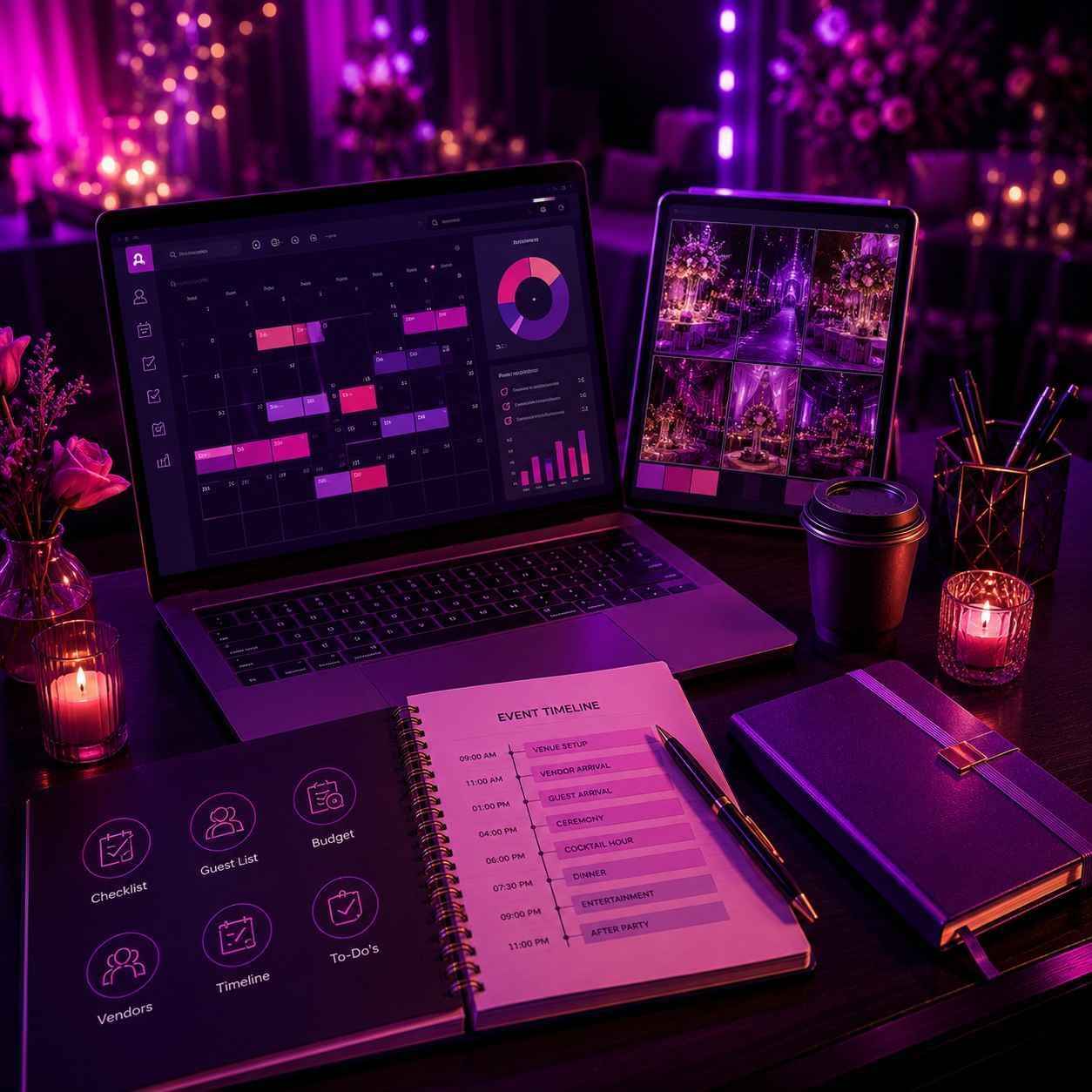
Explore All Planning Tools
Plan your wedding, party or special event with useful tools and resources that make organising every detail easier and more efficient.
Plan Better,
Celebrate with Happiffie
From organising your event details to managing budgets, guests, schedules and essential checklists, Happiffie brings useful planning tools together to make every celebration easier to plan and manage.
- Smart Planning ToolsOrganise important event details with easy-to-use planning tools
- Plan Your BudgetKeep track of event expenses and make informed planning decisions
- Ready-to-Use ChecklistsStay organised with practical checklists for every stage of your event
Planning Tools & Resources
 Engagement
 Mehendi
 Sangeet
 Haldi
Haldi Wedding
 Reception
 Pre Wedding Shoot
 Save The Date Shoot
 Ring Ceremony
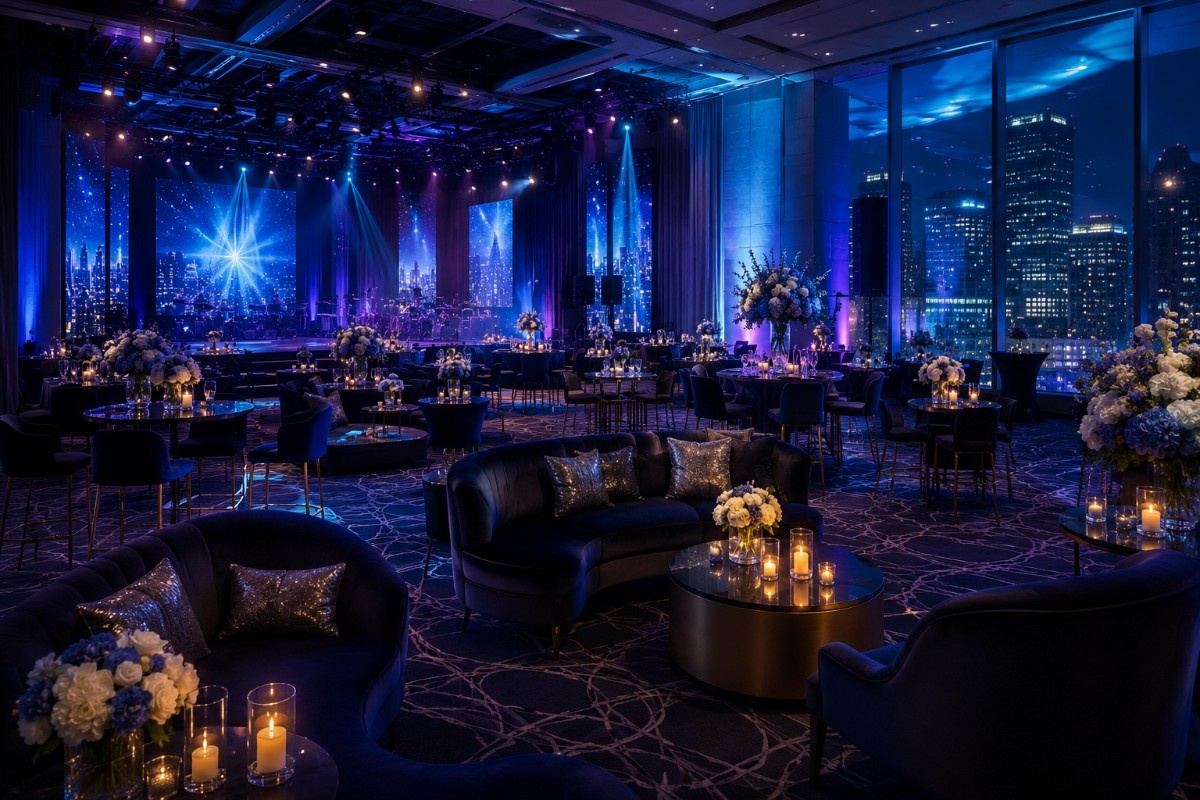 Destination Wedding
 Aviratham (Engagement)
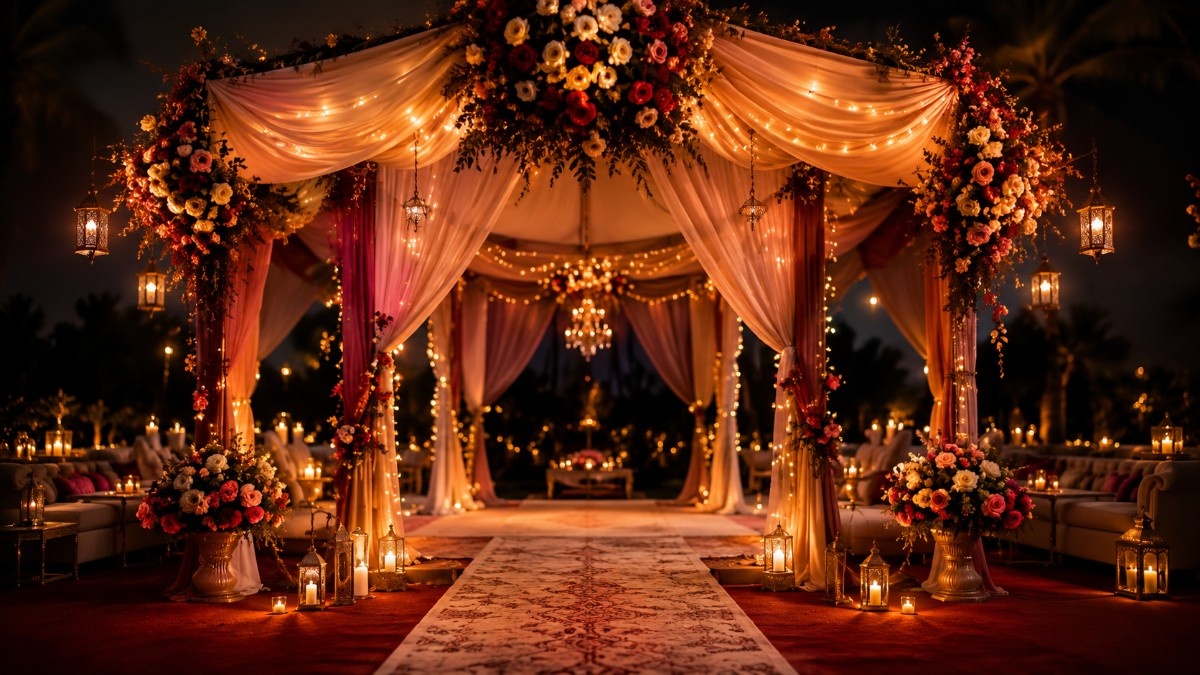 Guru Pooja
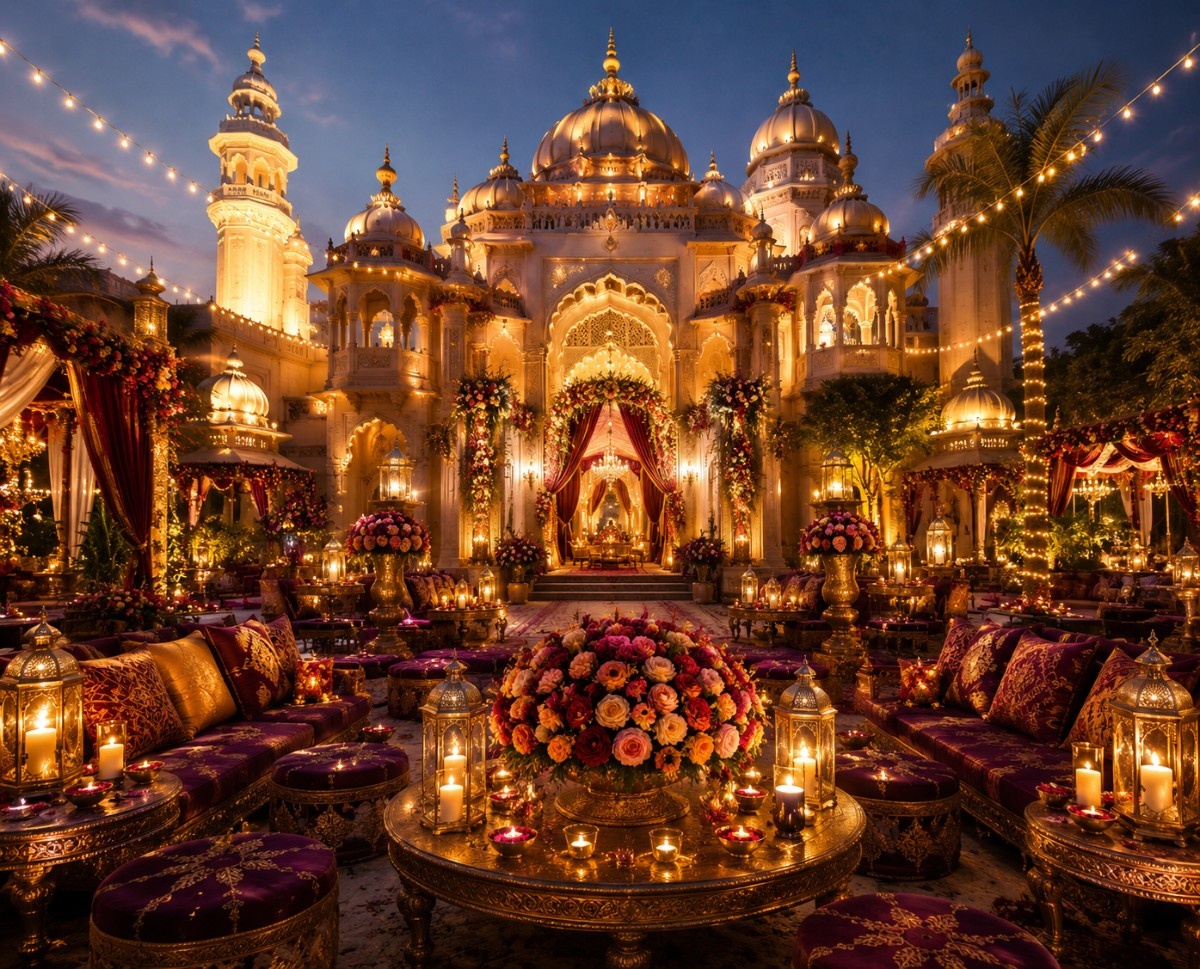 Kashi Yatra
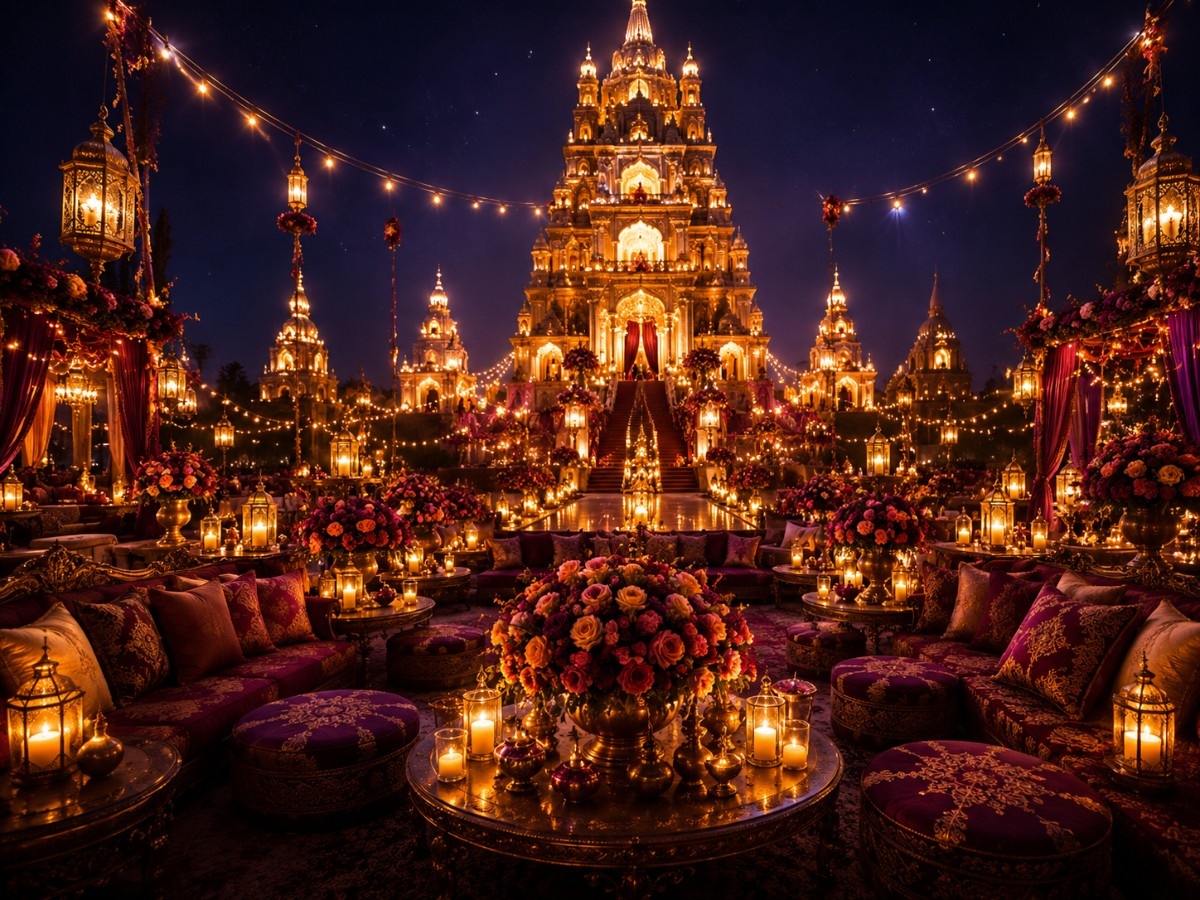 Oonjal Ceremony
 Muhurtham
 Vidaai
 Post Wedding Shoot
 Anniversary Celebration
 Vow Renewal
 Honeymoon Celebration
 Bridal Shower
 Bachelor Party
 Bachelorette Party
 Cocktail Party
 House Warming
 Griha Pravesh
 Satyanarayan Puja
 Naming Ceremony
 Thread Ceremony
 Upanayanam
- 400+Curated Events
- 6Event Universes
- 1000+Verified Vendors
- 70+Locations
- 24/7Customer Support


Not sure which packages fits your celebration?
Let Hiya & Hanu help you find the perfect match!
Explore Celebration Packages- AI-Powered MatchingSmart suggestions for you
- Budget OptimizerGet the best experiences in your budget
- End-to-End SupportWe are with you at every step
Serving Celebrations across 75+ locations in India
Curated Celebration Organising Tools for Thoughtful Event Preparation
◆Organising a celebration involves more than making bookings and confirming a date. Every successful occasion depends on numerous details working together, from venue selection and supplier appointments to guest arrangements, catering, décor and programme timings. When these responsibilities are spread across different notes and conversations, keeping track of everything can become difficult.
Curated celebration organising tools offer a more focused approach. Rather than overwhelming organisers with unnecessary features, curated resources can help bring the most relevant planning functions together. This makes it easier to manage information according to the size, style and requirements of the occasion.
Kerala has a diverse celebration environment where this approach can be especially useful. Traditional weddings may involve several ceremonies and extended family participation. Destination functions require additional hospitality arrangements, while birthdays and anniversaries may centre around décor and entertainment. Corporate occasions often require precise schedules, professional suppliers and carefully managed attendee information.
A thoughtfully selected organising toolkit can provide structure without taking away the personal character of the celebration.
What Makes Organising Tools Curated
A curated planning approach focuses on relevance. Not every celebration requires an extensive collection of software, spreadsheets or digital features.
A small family gathering may need only a guest list, budget tracker and task schedule. A multi-day wedding may require detailed supplier records, several function timelines and accommodation information.
Curated celebration organising tools allow organisers to focus on the resources that genuinely support their occasion.
This approach can also reduce information overload. When only relevant details are maintained, important decisions are easier to find and review.
The objective is simple: create a planning environment that supports the celebration rather than becoming another responsibility.
Creating a Clear Celebration Overview
Before detailed planning begins, organisers need a broad understanding of the occasion. The type of celebration, expected attendance, preferred setting, approximate budget and overall style provide useful foundations.
A planning tool can bring these fundamentals into one central overview.
This allows later decisions to be assessed against the original objectives. A venue can be considered according to capacity and location, while décor can be reviewed according to the preferred atmosphere and available budget.
For larger occasions, the overview can also establish the relationship between different functions.
A clear starting framework prevents planning from becoming a collection of unrelated decisions.
Organising the Celebration Budget
Financial planning is one of the most important parts of organising any occasion. Costs can come from numerous suppliers, and additional requirements can appear as preparation progresses.
A curated budgeting system can separate expenses into meaningful categories such as venue, catering, décor, photography, entertainment, transport and accommodation.
This makes it easier to distinguish between estimated costs and confirmed commitments.
Supplier quotations can also be compared more effectively when their inclusions and additional charges are recorded alongside pricing.
For Kerala celebrations, this can help families balance cultural requirements with modern enhancements while maintaining awareness of the overall budget.
The purpose of budgeting is not simply to minimise spending. It is to ensure that available resources are directed towards priorities that matter.
Managing Supplier Information
Celebrations often involve several different professionals. Depending on the occasion, organisers may work with decorators, caterers, photographers, florists, musicians, entertainers, rental providers and venue teams.
Keeping their details organised can significantly simplify preparation.
A curated organising system can store contact information, quotations, service descriptions, agreed responsibilities and payment milestones.
This makes supplier information easier to retrieve when decisions need to be confirmed.
For larger celebrations, responsibilities can also be associated with individual functions or setup periods. This helps organisers understand which supplier is responsible for a specific requirement.
Such visibility becomes increasingly valuable when multiple teams need to work at the same venue.
Improving Guest Organisation
Guest information can change frequently during celebration preparation. Invitations may receive delayed responses, attendance numbers can change and individual requirements may need attention.
A structured guest management system can help organisers keep this information organised.
Weddings may require seating arrangements, accommodation details and transportation planning. Destination celebrations can involve guests travelling from different cities and therefore require additional hospitality information.
Corporate occasions may need attendee registration, access information and programme communication.
By keeping these details together, organisers can respond more efficiently when circumstances change.
Planning Kerala Weddings Function by Function
Kerala weddings can involve several ceremonies, each with different requirements. Treating the entire wedding as one large task list can make it difficult to understand which arrangements belong to which function.
A curated planning approach can divide preparation into separate sections.
Each ceremony can have its own supplier requirements, décor decisions, catering arrangements, photography coverage and schedule.
Shared information, such as guest details and core supplier contacts, can remain accessible across the wider wedding plan.
This approach helps families distribute responsibilities while maintaining a clear understanding of the overall celebration.
It can also be useful when functions take place across different venues.
Supporting Birthday and Anniversary Celebrations
Birthday celebrations can range from intimate gatherings to elaborate milestone occasions.
For children's parties, organisers may need to manage themes, entertainers, activities, catering, cake arrangements and invitations.
Milestone birthdays and anniversaries may require more attention to décor, photography, entertainment and guest hospitality.
Curated organising tools allow hosts to select the planning elements that suit the celebration.
This prevents a straightforward family occasion from becoming unnecessarily complicated while still providing structure for larger gatherings.
Organising Corporate Occasions
Corporate events have their own planning priorities. Conferences, launches, award ceremonies, annual gatherings and business celebrations often involve attendees, speakers, suppliers and technical teams.
A focused organising system can help maintain programme details, venue information, supplier responsibilities and attendee requirements.
Technical services can also be integrated into the wider schedule. Presentation equipment, microphones and audiovisual arrangements may require specific setup windows.
When responsibilities are distributed among departments, a central framework can make accountability easier to understand.
This contributes to a more professional preparation process.
Selecting Suitable Venues
Venue selection affects many other planning decisions. Capacity, location, accessibility, parking, catering policies and available facilities should all be considered.
Organising tools can help record these details while comparing different locations.
A venue that looks attractive may not necessarily suit the event's operational requirements. Décor installation, furniture arrangements, technical equipment and guest movement can all influence suitability.
Outdoor celebrations may also require contingency arrangements for weather, power and temporary structures.
Recording these considerations early can lead to more informed venue decisions.
Coordinating Décor and Infrastructure
Décor should be planned alongside the practical requirements of the venue. Stage structures, furniture, lighting, floral installations and display elements may all require specific amounts of space.
A curated organising system can record these requirements and connect them with supplier responsibilities.
This is particularly useful when several teams need access during venue preparation.
For example, furniture delivery may need to happen before décor installation, while technical equipment may require access before the programme begins.
A structured setup sequence can help reduce unnecessary conflicts.
Managing Catering Requirements
Catering involves several interconnected decisions. Guest numbers, menu choices, dietary preferences, meal timings and service styles can all influence the final arrangement.
A planning tool can keep these details together.
When attendance changes, organisers can review the impact on catering quantities before final confirmation.
Kerala celebrations may also involve traditional food preferences alongside contemporary menu choices. Recording these requirements early gives caterers better information for preparation.
Good catering organisation helps ensure that the culinary experience supports the occasion naturally.
Scheduling Entertainment and Activities
Entertainment should fit into the wider celebration programme. DJs, live bands, performers, cultural presentations and children's activities may each require dedicated time and setup.
Organising tools can place these activities within the main schedule.
This allows potential clashes to be identified before the event day.
If a decorator requires access to the stage shortly before a performance, the setup sequence can be adjusted accordingly.
Clear timing also helps suppliers understand when their responsibilities begin and end.
Managing Celebration Infrastructure
Larger occasions may require temporary infrastructure such as seating, tables, stages, lighting, technical equipment and display structures.
These requirements should be planned according to venue capacity and guest movement.
A curated toolkit can record quantities, delivery times, installation responsibilities and collection arrangements.
This becomes especially useful when several rental providers are involved.
Early infrastructure planning reduces the possibility of discovering missing requirements immediately before guests arrive.
Building a Practical Timeline
A celebration timeline provides a bridge between planning and execution.
Supplier arrivals, venue setup, guest reception, ceremonies, meals, entertainment and departures can all be included.
The timeline should remain realistic. Building small buffers between major activities allows the programme to absorb unexpected delays.
This is particularly important for weddings where ceremonies may naturally vary in duration.
A good timeline creates structure while preserving enough flexibility for the celebration to feel natural.
Tracking Payments and Confirmations
Financial commitments should be reviewed throughout preparation. Advances, remaining balances and payment deadlines can be recorded alongside supplier information.
Confirmation tracking is equally important.
A booking made several months in advance may still require final confirmation of quantities, arrival times, service duration or technical requirements.
A central planning system gives organisers a convenient place to record these updates.
This helps reduce the possibility of important details being overlooked as the event approaches.
Preparing for Last-Minute Changes
No celebration is completely immune to change. Guest numbers may shift, weather can affect outdoor arrangements or a supplier may need to modify a commitment.
A well-organised planning framework makes these changes easier to manage.
When information is connected, organisers can identify related arrangements that may also require updates.
For example, a change in guest numbers can affect catering and seating. A change in venue can influence transportation, décor and supplier access.
The more clearly information is organised, the easier it becomes to respond without unnecessary confusion.
Choosing Tools According to Your Needs
A curated approach means selecting resources according to the actual occasion.
Small celebrations may need only basic task management and budgeting. Larger weddings may require supplier records, guest management, multi-function scheduling and infrastructure planning.
Corporate events may need greater emphasis on attendee information, programme timing and technical requirements.
The right toolkit should therefore reflect the event rather than force every occasion into the same structure.
Ease of use is also important. A simple system that is consistently updated can be more effective than a sophisticated platform that becomes difficult to maintain.
Combining Digital Organisation With Human Expertise
Planning technology can organise information, but human judgement remains essential.
A digital tool can compare supplier quotations, while an experienced organiser can evaluate service suitability. A scheduling system can display timings, while a professional planner can identify where additional flexibility is needed.
The strongest approach combines both.
Professional event teams can use organised information to reduce administrative effort and focus more closely on creative direction, supplier relationships and guest experience.
Families can also use planning tools while retaining personal involvement in important decisions.
Reviewing the Plan Before Event Day
The final planning review should take place before the celebration rather than during it.
Organisers can check venue arrangements, supplier confirmations, guest numbers, catering, décor, entertainment, transportation and outstanding payments.
Any unresolved responsibility should be identified early enough to address it without unnecessary pressure.
Important contact information should also remain readily available.
A final review transforms the wider planning framework into a practical event-day reference.
Creating a More Focused Planning Experience
Curated celebration organising tools can make preparation more focused by bringing together only the resources that genuinely support an occasion.
For Kerala weddings, birthdays, corporate functions, anniversaries and private gatherings, this approach can improve visibility across budgets, suppliers, guests, schedules and operational requirements.
The greatest benefit is not simply having more planning resources. It is having the right resources arranged in a way that makes decisions easier.
When organised information is combined with professional expertise and thoughtful human choices, celebrations become easier to prepare without losing their individuality.
A well-curated planning framework works quietly behind the scenes, giving hosts greater confidence while allowing them to concentrate on the people, traditions and experiences that make the occasion worth celebrating.
Frequently Asked Questions
1. What are curated celebration organising tools?
They are selected planning resources designed to manage the specific requirements of an occasion without adding unnecessary complexity.
2. Can curated tools help with Kerala wedding planning?
Yes. They can organise multiple functions, suppliers, guests, budgets, décor requirements, schedules and other wedding responsibilities.
3. What should a celebration organising toolkit include?
It can include budgeting, venue comparison, supplier records, guest management, task tracking, scheduling, payment monitoring and final confirmation resources.
4. Are these tools suitable for small celebrations?
Yes. A curated approach allows organisers to use only the functions needed for a smaller birthday, anniversary or family gathering.
5. Can these tools manage corporate events?
Yes. They can support attendee information, programme schedules, venue arrangements, supplier responsibilities and technical preparation.
6. How can organising tools help manage suppliers?
They can keep contacts, quotations, agreed deliverables, payment milestones, responsibilities and setup requirements in an organised location.
7. Can these tools support guest hospitality?
Yes. Guest attendance, seating, accommodation, transportation and special requirements can be organised according to the needs of the occasion.
8. Do organising tools help with event budgets?
Yes. They can separate projected and confirmed costs, helping hosts understand expenditure and make more informed financial decisions.
9. Can a planning toolkit handle last-minute changes?
Yes. A well-organised system can make it easier to identify related tasks when guest numbers, venues, schedules or supplier arrangements change.
10. Should I use digital tools instead of an event planner?
Not necessarily. Digital tools provide organisational support, while professional planners contribute experience, creative judgement, supplier knowledge and practical execution expertise.