

Explore All Religious Ceremonies
Discover traditional rituals, wedding ceremonies, spiritual occasions and meaningful cultural celebrations in Chennai, with trusted services to honour every tradition.
Give Thoughtfully,
Celebrate with Happiffie
From personalised gifts and curated collections to thoughtful presents for every occasion, Happiffie helps you discover gifting options that make celebrations more meaningful and memorable.
- Thoughtful Gift DiscoveryFind gifting options suited to every celebration and occasion
- Personalised GiftingDiscover customised gifts made to create meaningful moments
- Trusted Gift ProvidersConnect with reliable gifting professionals and service providers
Popular Religious Ceremonies
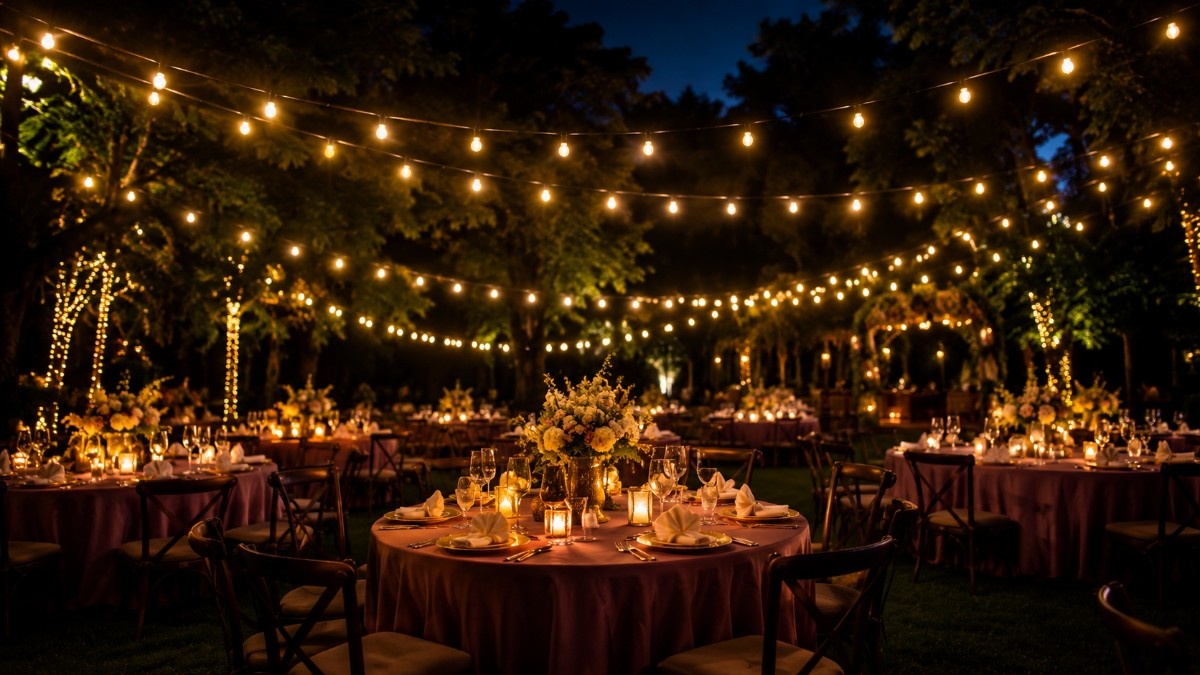 Engagement
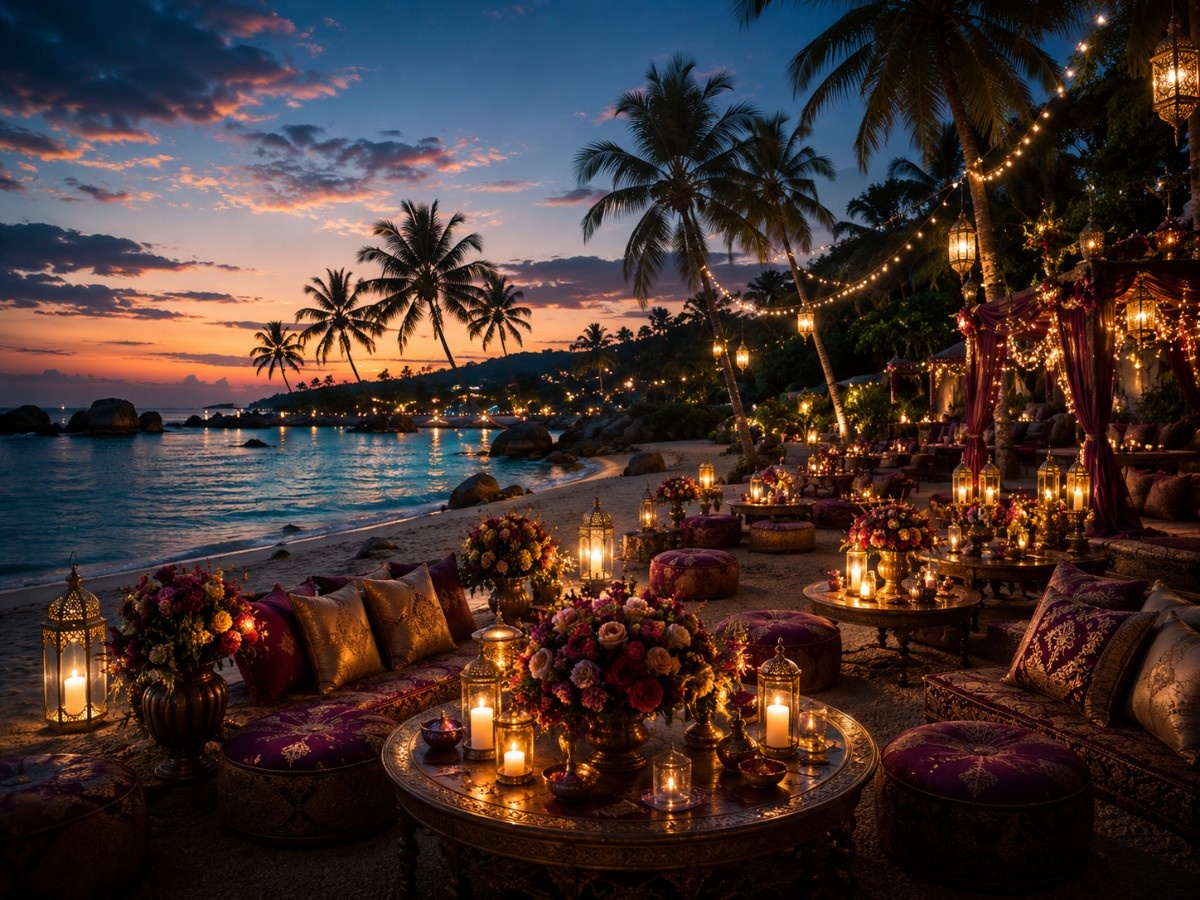 Mehendi
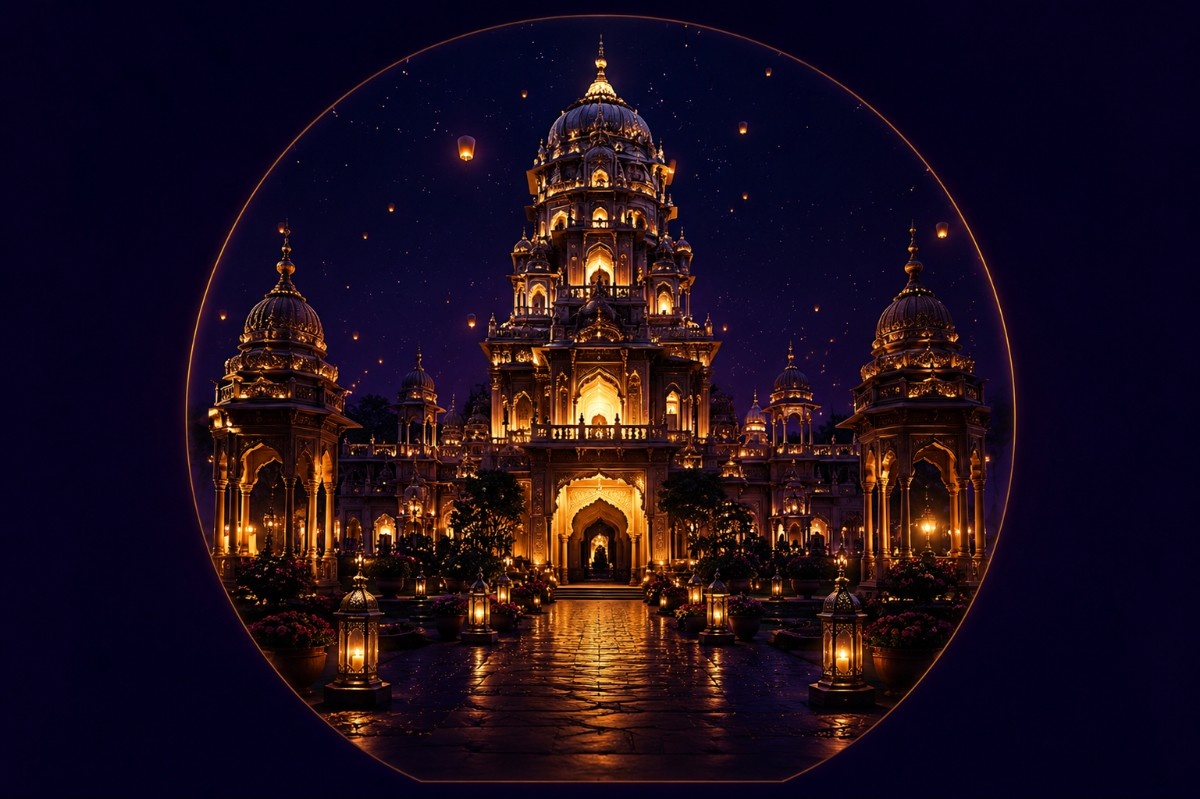 Sangeet
 Haldi
Haldi Wedding
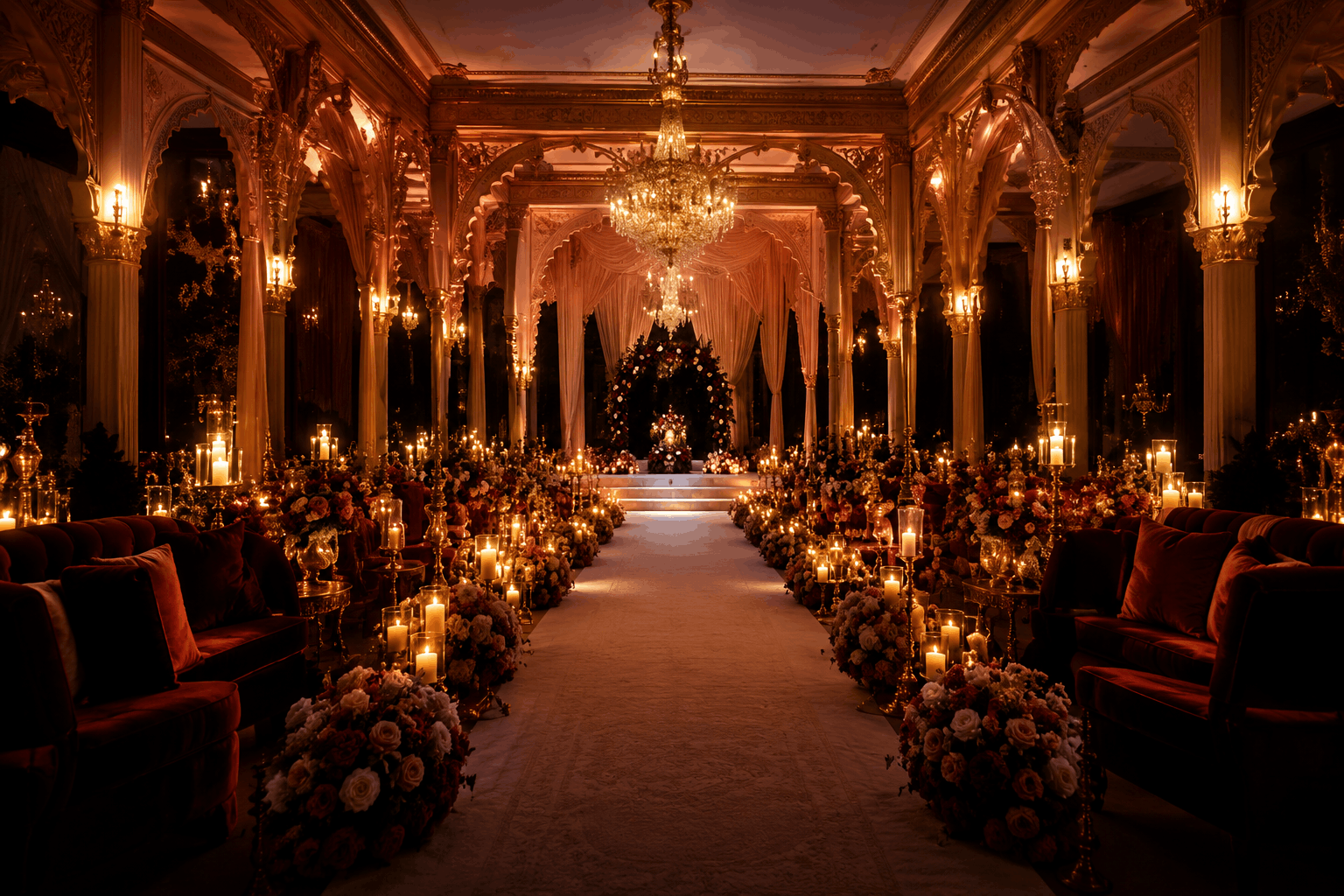 Reception
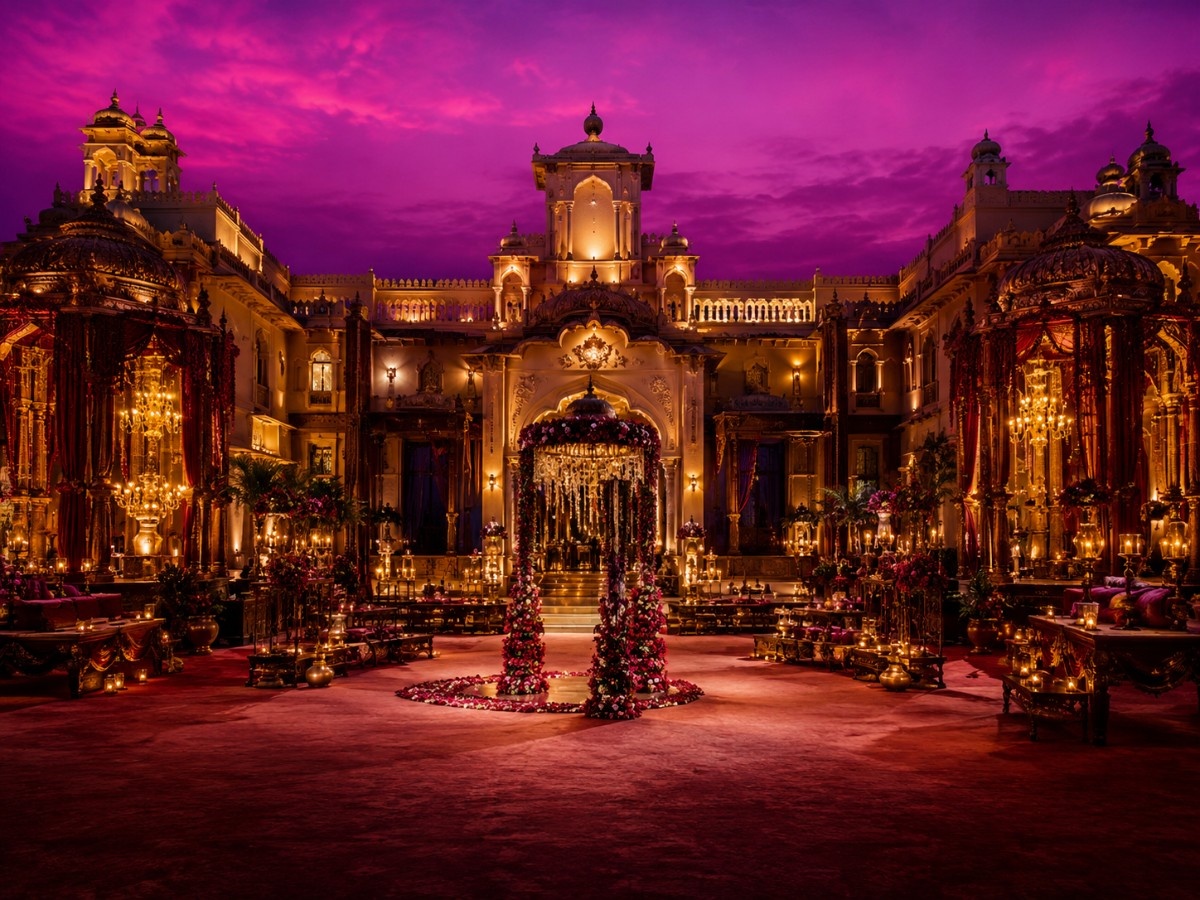 Pre Wedding Shoot
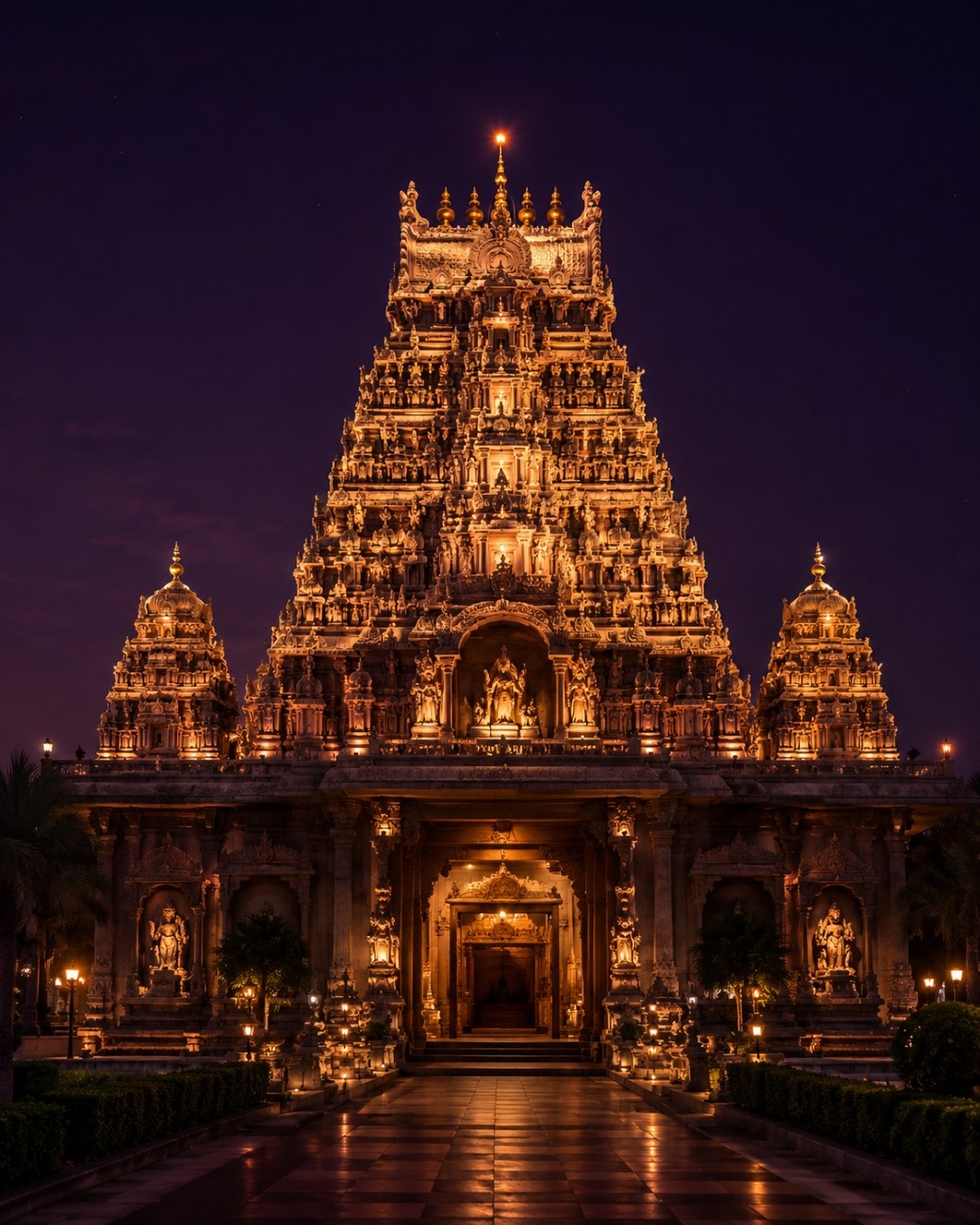 Save The Date Shoot
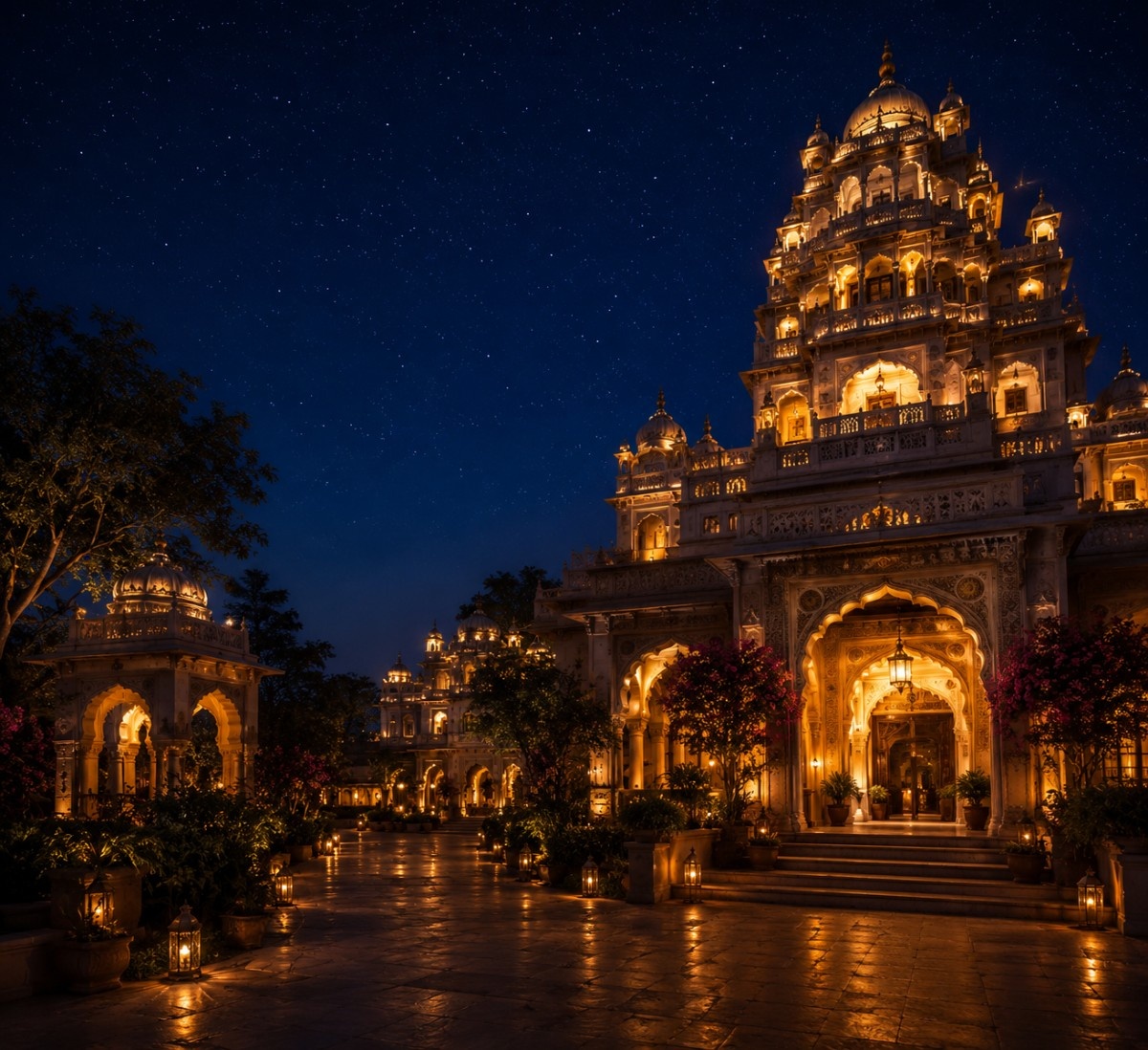 Ring Ceremony
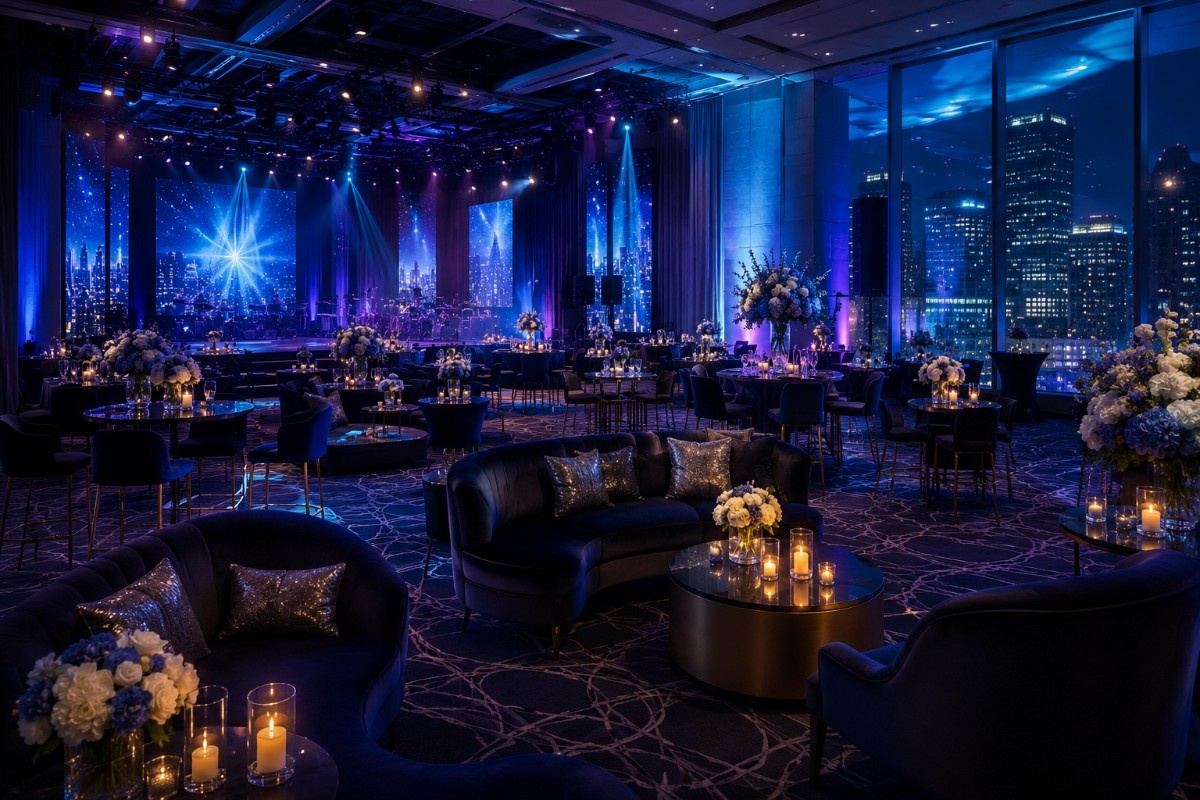 Destination Wedding
 Aviratham (Engagement)
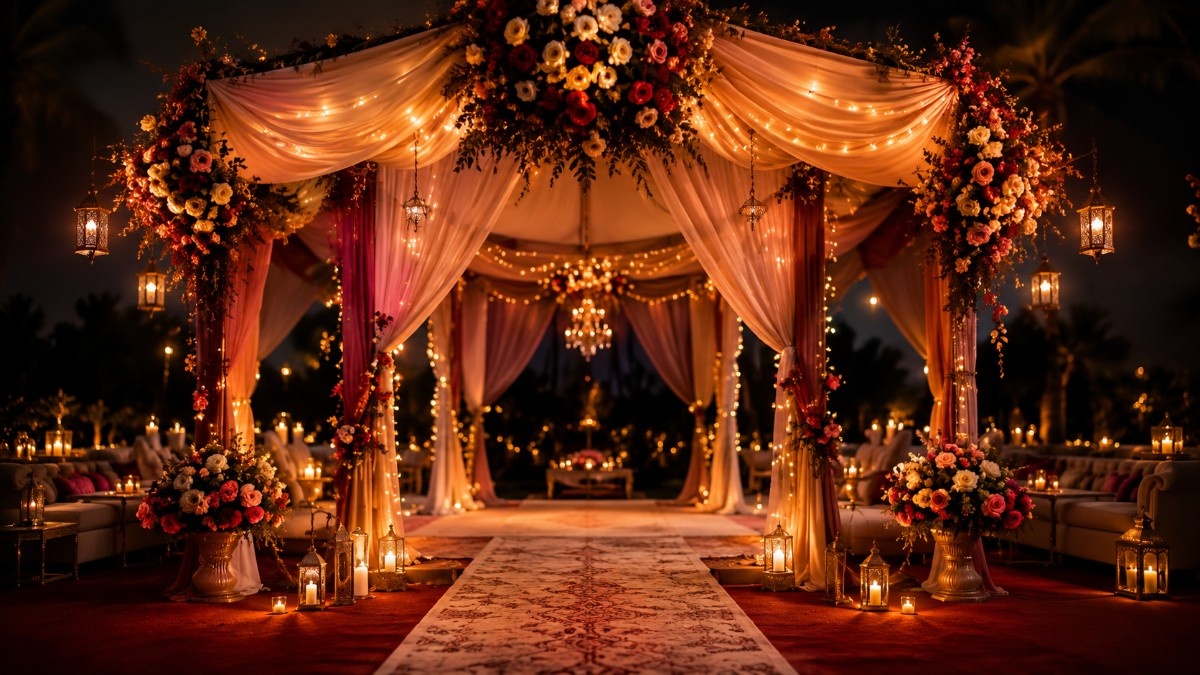 Guru Pooja
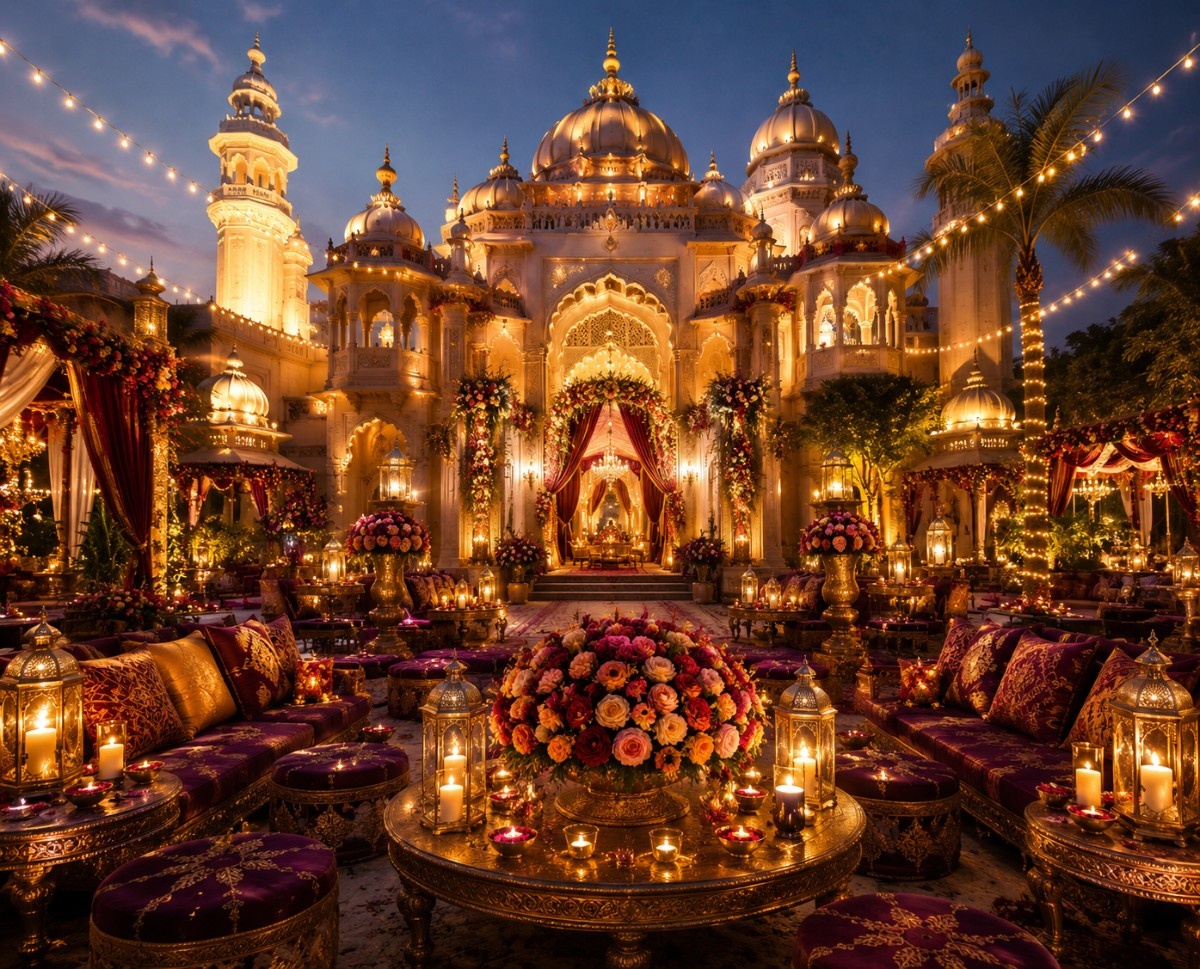 Kashi Yatra
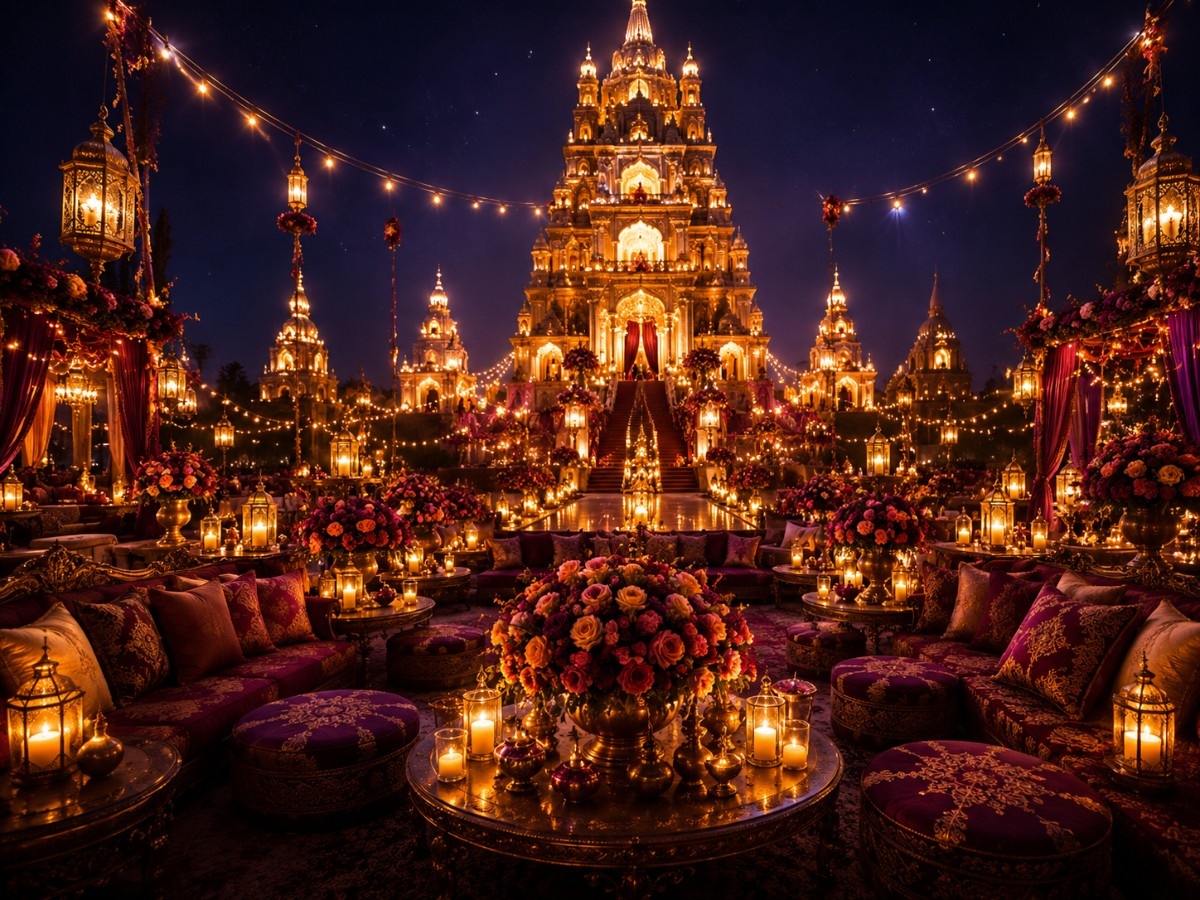 Oonjal Ceremony
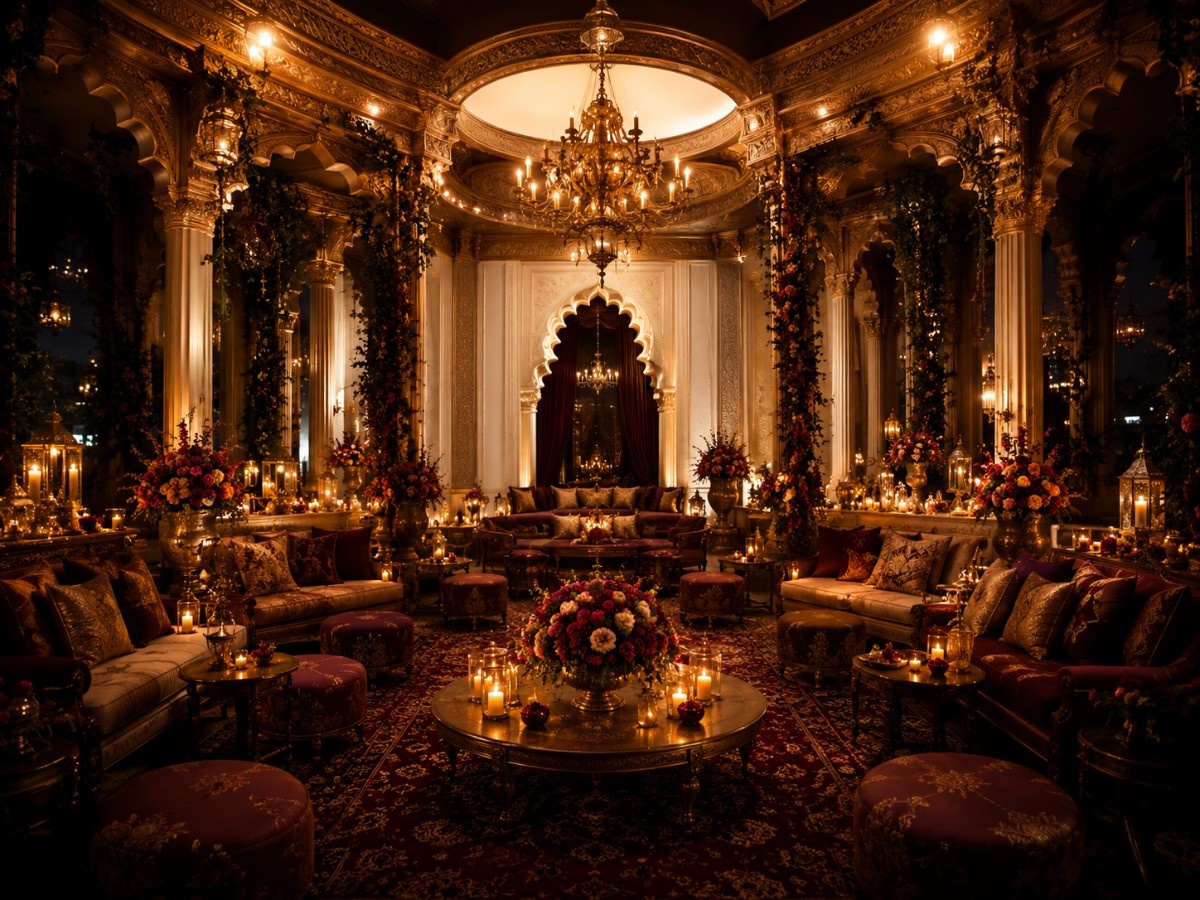 Muhurtham
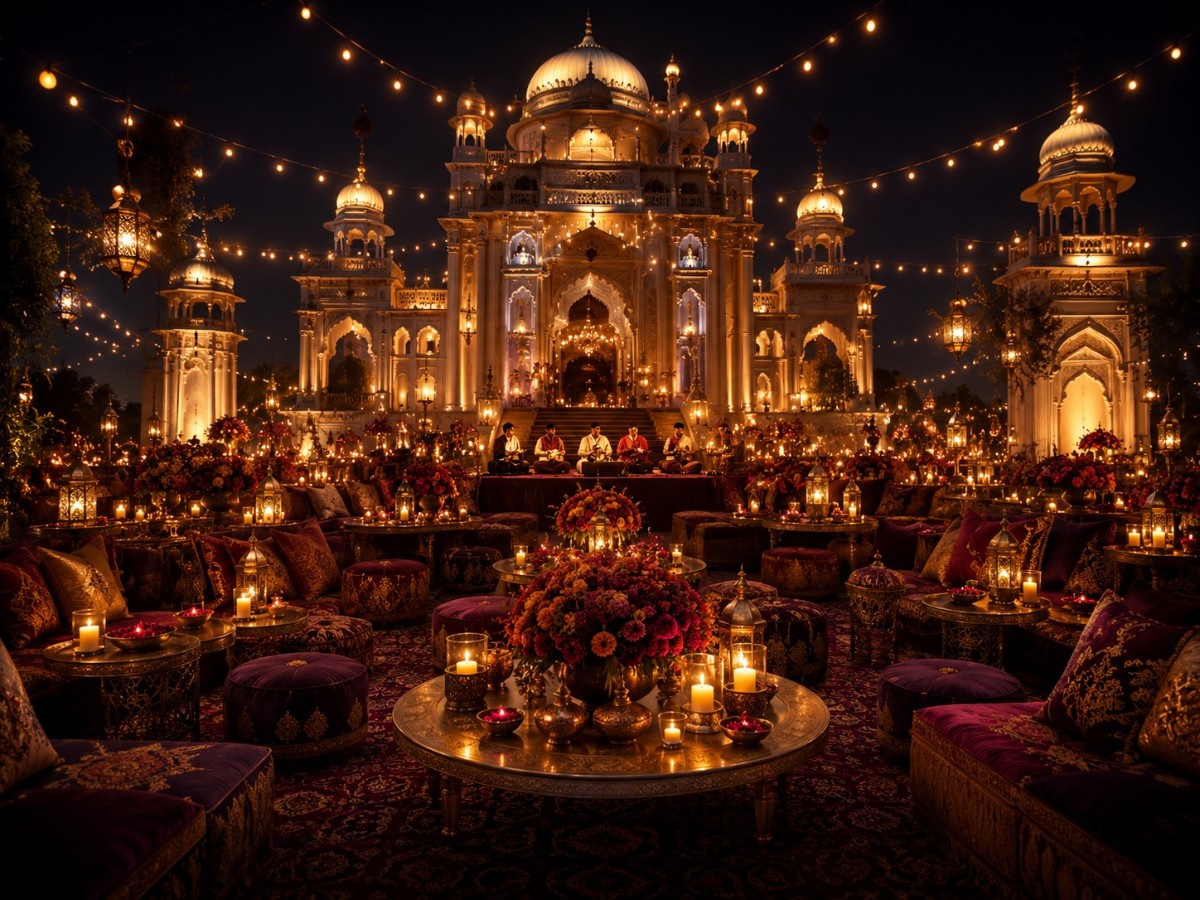 Vidaai
 Post Wedding Shoot
 Anniversary Celebration
 Vow Renewal
 Honeymoon Celebration
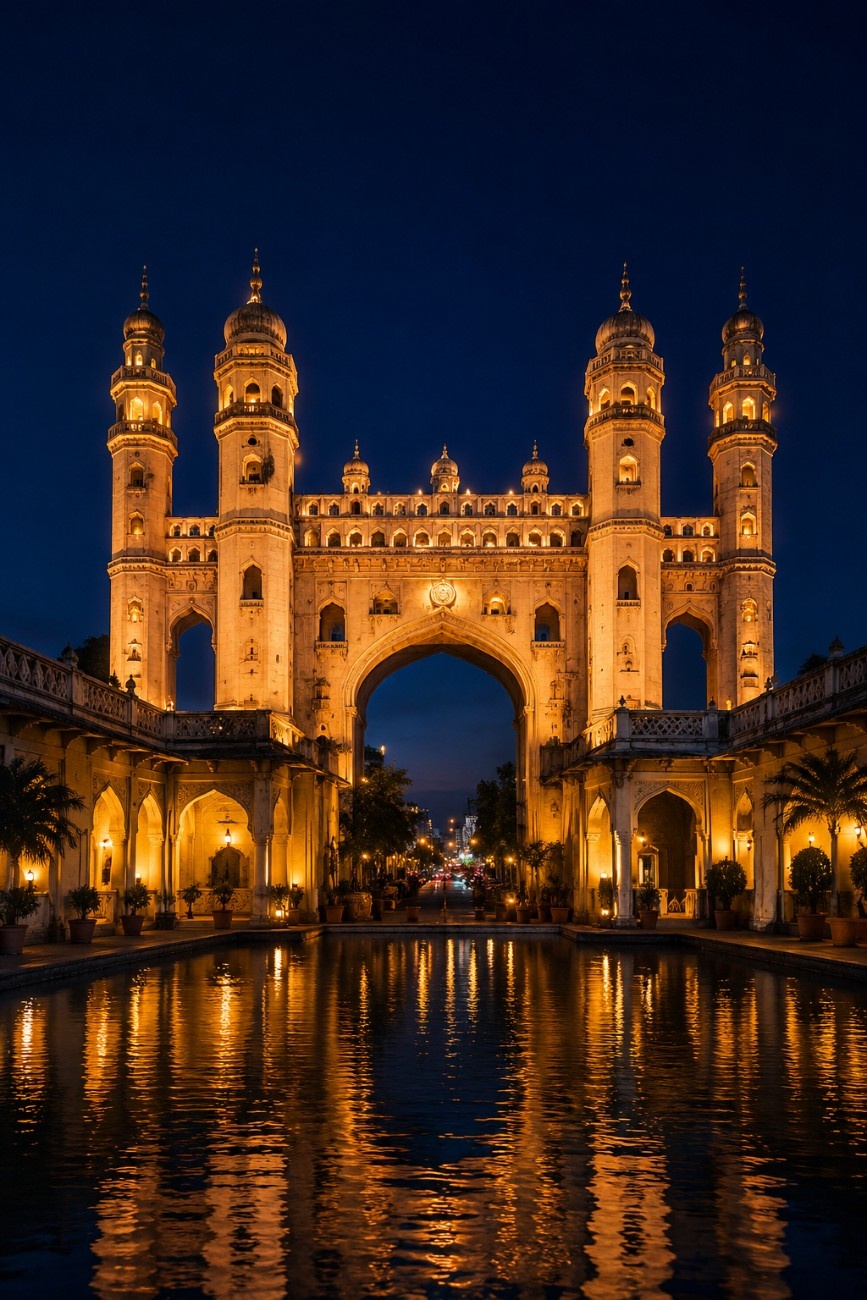 Bridal Shower
 Bachelor Party
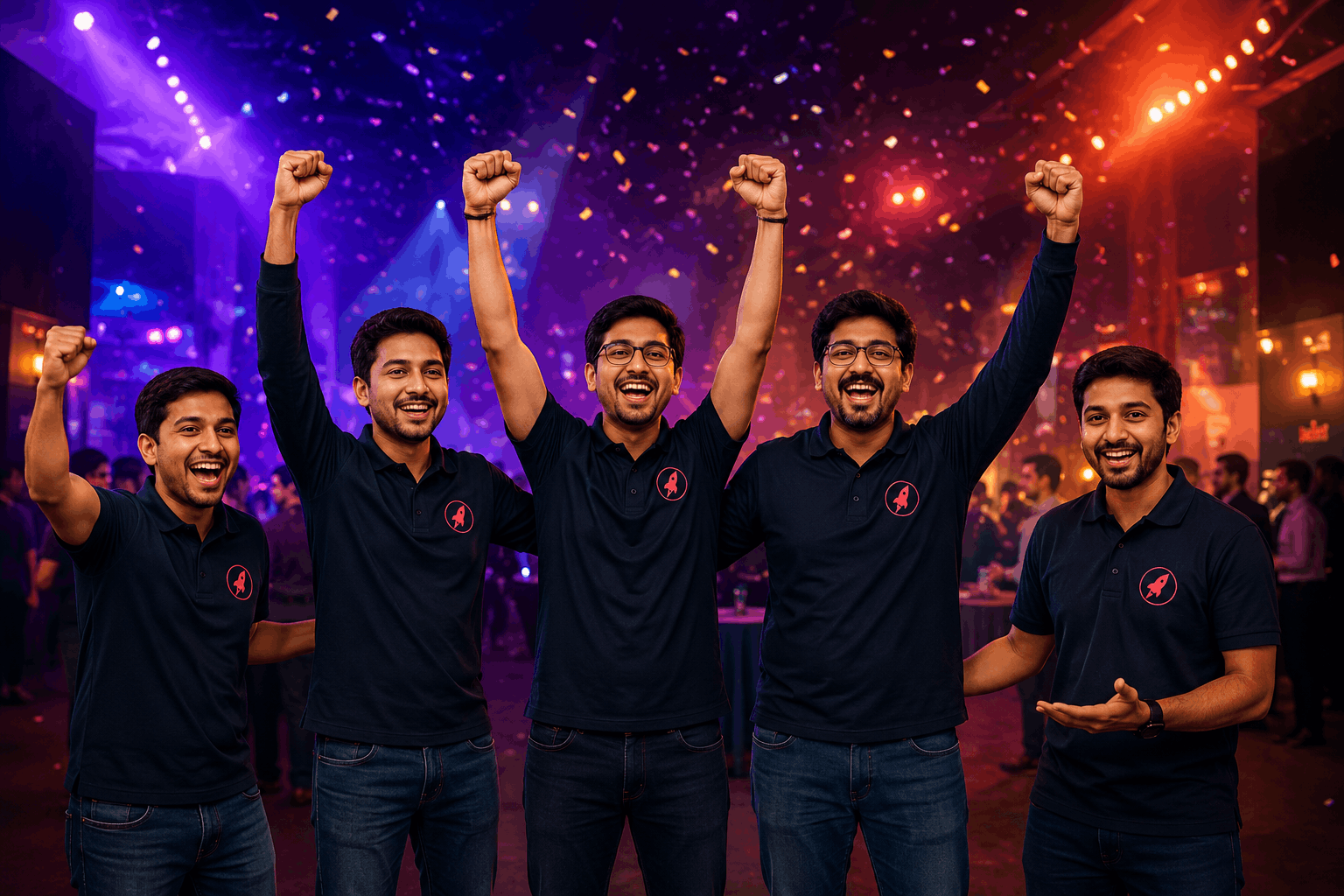 Bachelorette Party
 Cocktail Party
 House Warming
 Griha Pravesh
 Satyanarayan Puja
 Naming Ceremony
 Thread Ceremony
 Upanayanam
- 400+Curated Events
- 6Event Universes
- 1000+Verified Vendors
- 70+Locations
- 24/7Customer Support


Not sure which packages fits your celebration?
Let Hiya & Hanu help you find the perfect match!
Explore Celebration Packages- AI-Powered MatchingSmart suggestions for you
- Budget OptimizerGet the best experiences in your budget
- End-to-End SupportWe are with you at every step
Serving Celebrations across 75+ locations in India
Popular Traditional Ceremonies and Rituals for Meaningful Celebrations
◆Traditional ceremonies and rituals have an important place in family and community life. They connect generations through customs, values and practices that have been carefully preserved over time. From religious occasions and family rituals to cultural celebrations and spiritual gatherings, these events often carry a deeper meaning beyond the celebration itself.
Popular traditional ceremonies and rituals can vary widely according to culture, religion, family customs and regional practices. While the details may differ, many share common elements such as blessings, prayers, symbolic offerings, traditional decorations, family participation and ceremonial gatherings.
Understanding the purpose of a traditional ceremony can help families plan an occasion that respects its heritage while creating a comfortable and well-organised experience for everyone attending.
Understanding Traditional Ceremonies and Rituals
A traditional ceremony is generally an organised occasion connected with established cultural, religious or family customs. Rituals may form an important part of the ceremony, with each activity carrying a particular meaning or purpose.
Some rituals are performed to mark significant milestones, while others are associated with blessings, gratitude, remembrance, spiritual observance or family gatherings. The ceremony may be intimate and family-focused or arranged for a larger group of guests.
Because traditions can differ considerably, families should consider their own established practices rather than assuming that every ceremony follows the same format. Listening to elders and consulting knowledgeable family members can be helpful when preparing important traditional occasions.
Why Traditional Ceremonies Remain Popular
Traditional ceremonies continue to be valued because they create a connection between the past and the present. They provide opportunities for families to maintain customs while bringing different generations together.
For many people, participating in a familiar ritual creates a sense of belonging and continuity. Traditional ceremonies can also provide meaningful opportunities for children and younger family members to learn about their cultural heritage.
Modern lifestyles may change the way celebrations are organised, but the central values of many traditional ceremonies can remain unchanged. Families can use modern planning methods while continuing to observe the rituals that are important to them.
Religious Ceremonies and Rituals
Religious ceremonies are among the most widely observed forms of traditional celebration. They may involve prayers, blessings, offerings, readings, symbolic activities or other practices connected with a particular faith.
The exact format varies according to religious tradition and family preference. Some ceremonies take place in religious venues, while others may be organised at home or in suitable event spaces.
When arranging a religious ceremony, it is important to understand the requirements of the specific tradition. Venue rules, ceremonial timings, dress expectations and ritual materials may need to be considered during the planning process.
Family and Milestone Ceremonies
Many traditional ceremonies are connected with important stages of family life. These can include ceremonies associated with welcoming a child, coming-of-age traditions, marriage-related occasions, blessings, anniversaries and other significant milestones.
Such occasions often involve close family participation. Elders may have an important role, while relatives and friends gather to share the occasion.
The planning approach can be kept simple for an intimate gathering or expanded to accommodate a larger celebration. In either case, the focus should remain on the meaning of the ceremony and the people participating in it.
Cultural Ceremonies and Community Traditions
Cultural ceremonies provide an opportunity to celebrate shared heritage and community identity. They may feature traditional clothing, music, food, decorations, symbolic objects and established rituals.
Community participation can make these occasions particularly memorable. Families may invite relatives, friends and members of their wider community to take part.
A culturally appropriate setting can help reinforce the character of the celebration. Traditional decoration, suitable music and meaningful visual elements can be introduced without taking attention away from the ceremony itself.
Sacred and Spiritual Ceremonies
Sacred and spiritual ceremonies are often centred around reflection, blessings, prayer or connection with deeply held beliefs. They can range from small family gatherings to larger religious or spiritual events.
The atmosphere of these ceremonies is often an important consideration. Quiet, respectful spaces, appropriate seating and thoughtful decoration can help create a suitable environment.
Families planning a sacred ceremony should consider the requirements of the particular tradition and ensure that the venue and arrangements support the intended purpose of the occasion.
Traditional Wedding-Related Ceremonies
Wedding celebrations often include several traditional ceremonies and rituals before, during or after the main wedding event. These may differ considerably between cultures and families.
Traditional wedding rituals can involve family blessings, ceremonial exchanges, prayers, symbolic activities, music, flowers and decorative arrangements. Each stage may have its own requirements and significance.
Careful scheduling is particularly important when several ceremonies take place over a number of days. Coordinating venues, family participation, suppliers and ceremonial materials can help the celebrations progress smoothly.
Traditional Ceremonies for Children and Families
Some popular traditional rituals are associated with children and family milestones. These occasions can bring relatives together while introducing younger generations to established customs.
Family participation is often central to such events. Parents, grandparents, relatives and close friends may each have a role in the celebration.
The setting can be decorated with appropriate flowers, traditional motifs and family-focused details. The arrangements should remain practical and comfortable, particularly when children and older relatives are attending.
The Importance of Ritual Arrangements
Ritual arrangements should be prepared with care because individual ceremonies may require specific items, spaces or sequences.
A planning checklist can help families identify what is needed before the event. This may include ceremonial materials, seating, flowers, decorative elements and other supporting arrangements.
Preparing these details in advance can reduce last-minute pressure. It also gives family members more time to confirm that the arrangements reflect their established customs.
Traditional Ceremony Decoration
Decoration can enhance the atmosphere of a traditional celebration while respecting its cultural character. Traditional ceremony decoration may include floral displays, entrance arrangements, backdrops, decorative fabrics, symbolic motifs and carefully selected colours.
The style should suit the type of ceremony and venue. An intimate family ritual may benefit from simple and elegant decoration, while a larger cultural celebration may require more extensive styling.
Good decoration should complement the ceremony rather than overwhelm it. The ceremonial area should remain clear, accessible and practical throughout the event.
The Role of Flowers in Traditional Celebrations
Flowers have long been associated with many cultural and religious celebrations. They can be used to decorate entrances, ceremonial spaces, stages, seating areas and other important parts of a venue.
Flower selection may depend on cultural preferences, availability, seasonality and the desired visual style. Families may choose traditional varieties or combine different flowers to create a balanced arrangement.
Professional floral coordination can also help manage delivery, placement and timing, especially when flowers are required across multiple areas of a venue.
Choosing the Right Venue
The venue should reflect the needs of the ceremony rather than being selected only for appearance. Families should consider the number of guests, ceremonial activities, accessibility, available facilities and space for decorations.
Some traditional ceremonies may be best suited to homes or religious venues, while larger gatherings may require halls or dedicated event spaces.
The layout should provide enough room for the ceremonial area, guests and supporting arrangements. Good planning can also make movement easier for elderly family members and guests with accessibility needs.
Planning the Ceremony Schedule
Traditional ceremonies may involve several activities that need to take place in a particular order. A clear schedule helps everyone understand when preparations, guest arrival and ceremonial activities should occur.
When several rituals are planned, the timeline should allow sufficient time for each stage without making the occasion feel rushed.
Families can also build flexibility into the schedule for practical changes. Professional coordination can help ensure that suppliers and venue teams understand the agreed timings.
Keeping Traditions Meaningful in Modern Celebrations
Modern event planning can work alongside traditional customs. Families can use contemporary venue arrangements, digital invitations, organised schedules and professional coordination without changing the essential meaning of established rituals.
The key is to identify which traditions are most important and preserve them carefully. Modern decorative choices can also be introduced when they complement rather than replace traditional elements.
This approach allows families to create celebrations that feel relevant to their current lifestyle while remaining connected to their heritage.
Involving Different Generations
Traditional ceremonies can become particularly meaningful when different generations participate. Elders may share knowledge about customs, while younger family members can learn through involvement.
Planning can include roles for relatives according to the nature of the ceremony. This creates a stronger sense of participation and helps families continue traditions in a natural way.
Photographs, family stories and personal memories can also add emotional value to the occasion without altering the ceremonial requirements.
Professional Support for Traditional Ceremonies
Professional ceremony organisers can assist with practical aspects of planning while allowing families to focus on the significance of the occasion.
Depending on the service selected, support may include venue coordination, decoration, floral arrangements, supplier communication, event schedules and ceremony-day assistance.
Professional support is particularly useful for larger gatherings where several arrangements need to be completed within a specific timeframe.
Families should choose providers who listen carefully and understand that traditional ceremonies can have individual requirements. Clear communication before booking can help ensure that expectations are properly understood.
Planning a Traditional Ceremony Within Your Budget
Traditional celebrations can be arranged at different scales and budgets. The most effective approach is to identify essential ceremonial requirements first and then consider additional decorative or entertainment elements.
Families can prioritise the venue, ritual materials, flowers and other important arrangements before adding optional enhancements.
A clear budget also makes it easier to compare service options. Transparent discussions with suppliers can help families understand what is included and avoid unexpected requirements later.
Making Traditional Celebrations Memorable
A memorable traditional ceremony does not need to be excessively elaborate. Meaningful participation, thoughtful preparation and respect for established customs can have a greater impact than unnecessary decoration.
Personal touches can include family photographs, traditional flowers, meaningful colours, heritage-inspired décor or elements that reflect the story of the family.
When these details are combined with organised planning, the celebration can feel personal, respectful and welcoming.
Planning in Advance
Advance planning provides more time to understand the ceremony requirements and arrange the necessary services. This can be particularly important when venues, decorators, florists or other specialists need to be booked.
Families should begin by identifying the ceremony format and important rituals. They can then confirm the venue, guest requirements, decoration, flowers, ceremonial materials and schedule.
A final review before the event can help confirm that every important arrangement is ready.
Choosing Support for Traditional Ceremonies and Rituals
The right support should respect the significance of the ceremony while helping with practical event requirements. Families can look for experienced professionals who communicate clearly and demonstrate an understanding of traditional celebrations.
Before choosing a service, consider the provider's experience, service inclusions, planning process, ability to coordinate suppliers and approach to personalisation.
The goal is not simply to create an attractive event. It is to provide an environment where families can observe meaningful traditions comfortably and confidently.
Popular traditional ceremonies and rituals continue to bring people together because they preserve heritage while creating new memories. With thoughtful planning, suitable arrangements and respectful professional support, families can celebrate these occasions in a way that honours their customs and suits the needs of today's guests.
Frequently Asked Questions
1. What are popular traditional ceremonies and rituals?
Popular traditional ceremonies and rituals are established cultural, religious, spiritual or family practices that are observed to mark important occasions, milestones, blessings or community events.
2. Why are traditional ceremonies important?
Traditional ceremonies can help preserve cultural heritage, bring generations together and provide meaningful ways for families and communities to observe established customs.
3. Can traditional ceremonies be personalised?
Yes. Families can often personalise the venue, decoration, flowers, guest arrangements and supporting details while maintaining the essential rituals and customs of the ceremony.
4. What types of traditional ceremonies are commonly celebrated?
Traditional ceremonies can include religious occasions, family milestone rituals, wedding-related ceremonies, cultural gatherings, spiritual celebrations and community traditions.
5. How should I choose a venue for a traditional ceremony?
Consider the ceremony requirements, guest numbers, accessibility, available facilities, ceremonial space and any rules associated with the particular tradition.
6. Can flowers be included in traditional rituals?
Yes. Flowers can be used for entrances, ceremonial areas, backdrops, stages and other parts of the venue, depending on the customs and preferences of the family.
7. How far in advance should a traditional ceremony be planned?
Planning several weeks or months ahead can be helpful, particularly for larger celebrations. The ideal timeframe depends on the ceremony, venue, guest numbers and services required.
8. Can modern decoration be used for traditional ceremonies?
Yes. Modern decoration can be incorporated when it complements the cultural character of the ceremony and does not interfere with important traditional arrangements.
9. Do traditional ceremonies require professional organisers?
Not always. Smaller ceremonies can often be organised by families, while larger or more detailed occasions may benefit from professional planning and event-day coordination.
10. How can families preserve traditional rituals during modern celebrations?
Families can identify the customs that are most important to them, involve knowledgeable elders, plan the rituals carefully and use modern event-management methods to support rather than replace traditional practices.