
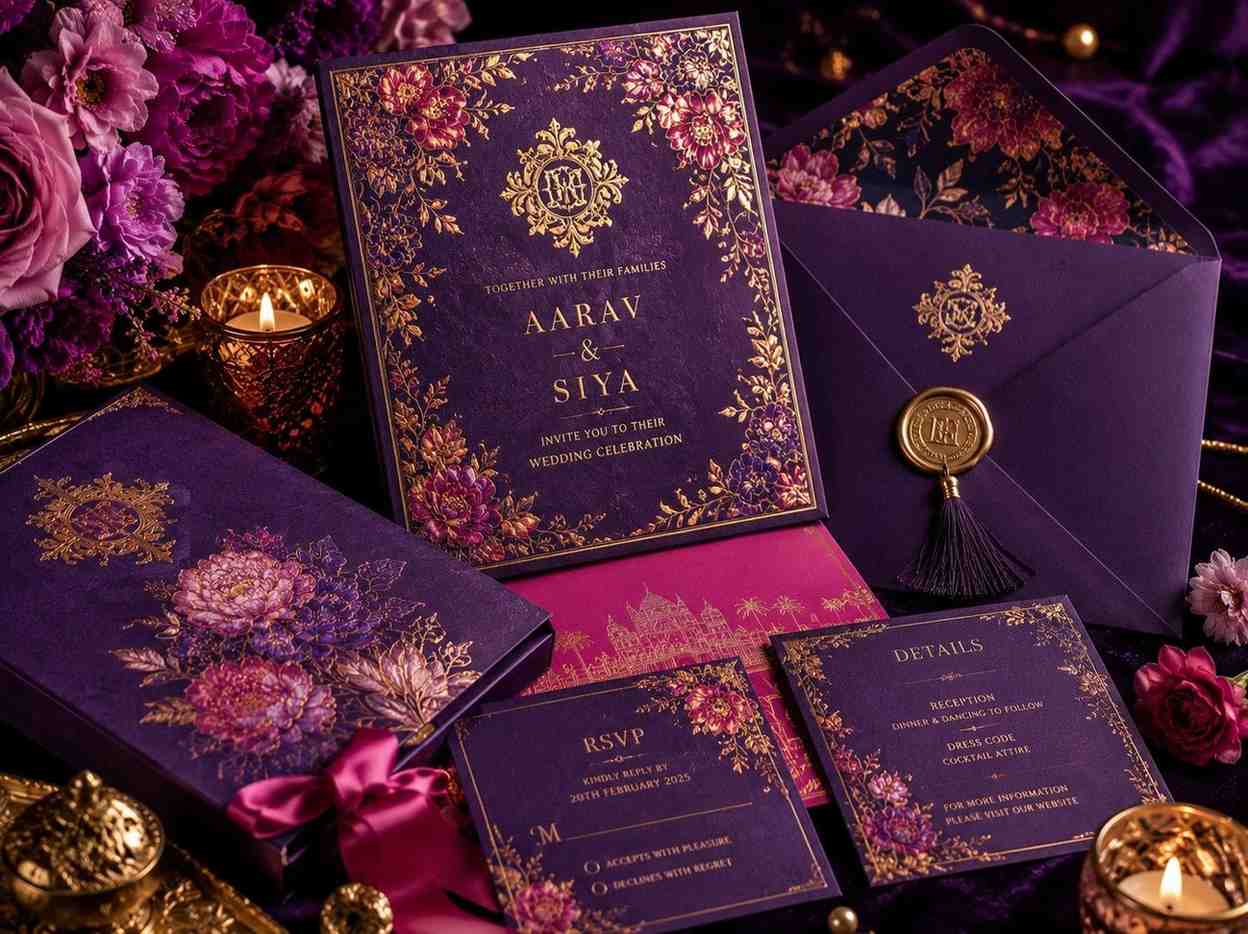
Explore All Invitation & Stationery
Discover elegant wedding invitations, personalised stationery, event invites and creative paper details for weddings, parties, corporate events and special celebrations in Chennai.
Invite With Style,
Celebrate with Happiffie
From elegant wedding invitations and personalised stationery to creative event invites and celebration paper goods, Happiffie helps you discover invitation and stationery services that bring your event's theme, personality and special moments to life.
- Elegant Invitation DiscoveryExplore beautiful invitation designs suited to every occasion
- Personalised GiftingDiscover customised designs that reflect your event and style
- Creative Event DetailsFind stationery ideas that add a polished touch to your celebration
Popular Invitation & Stationery
 Birthday Function Cards
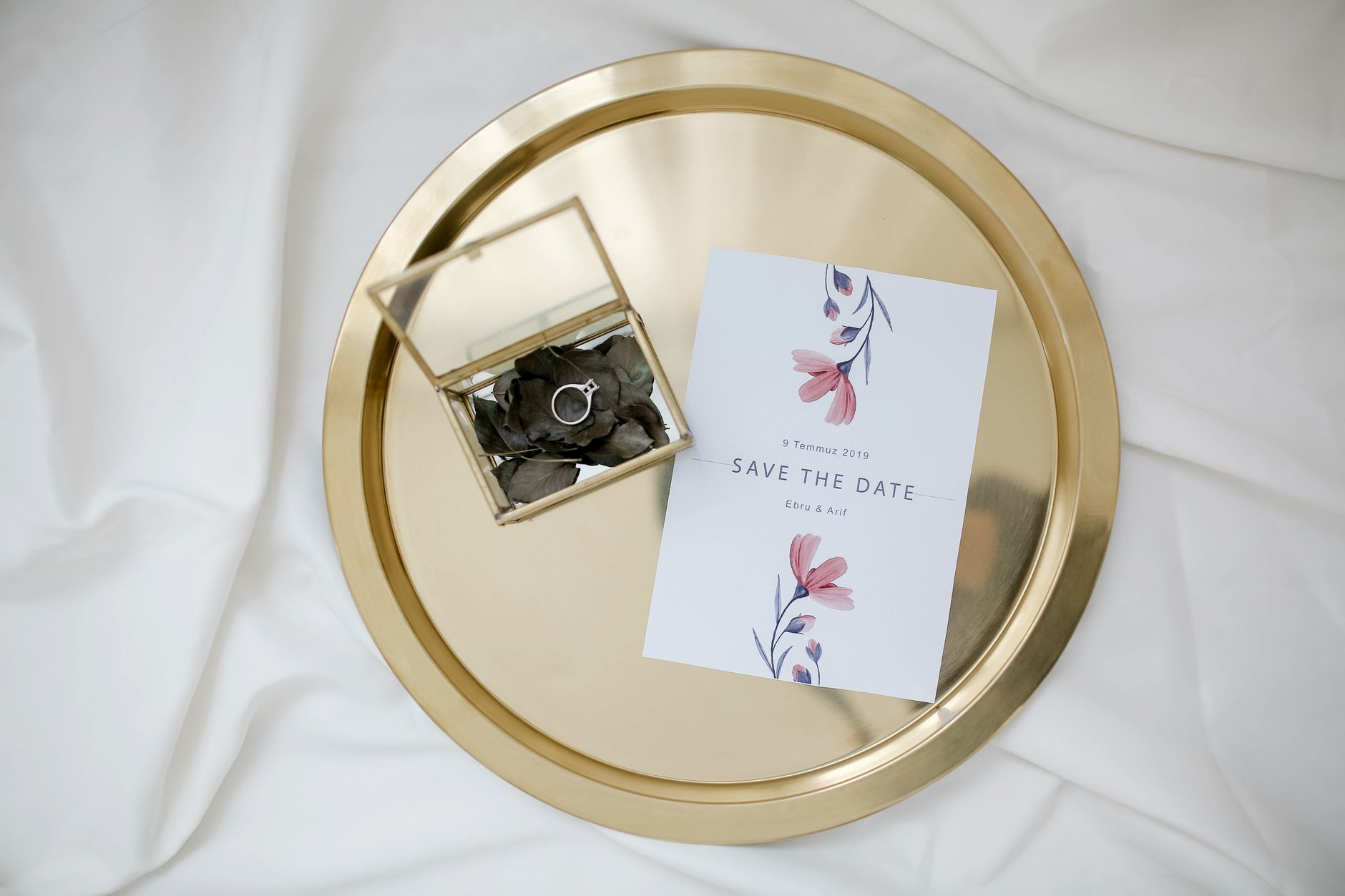 Celebration Stationery
 Date Announcement Invitations
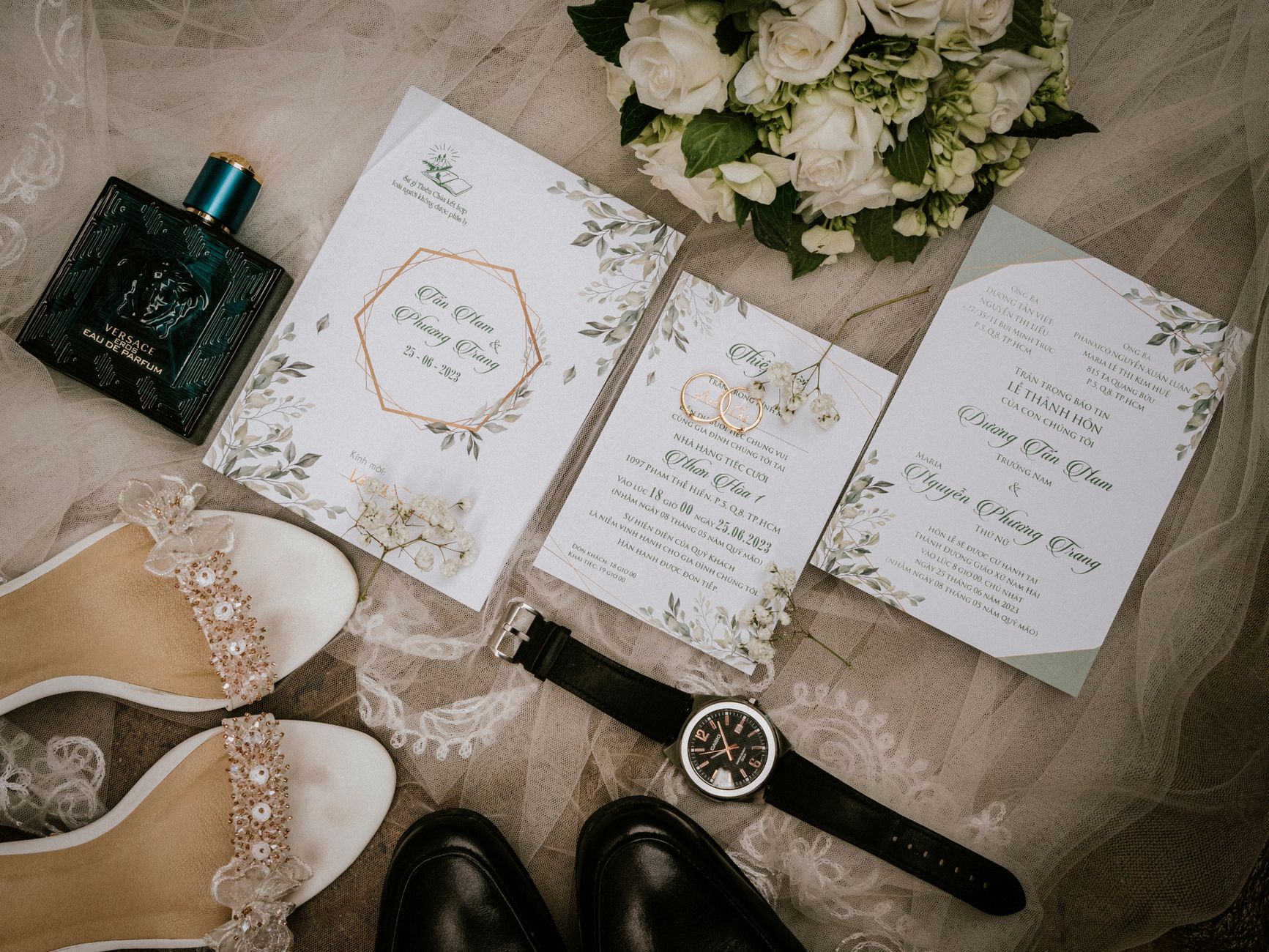 Designer Invitation Suites
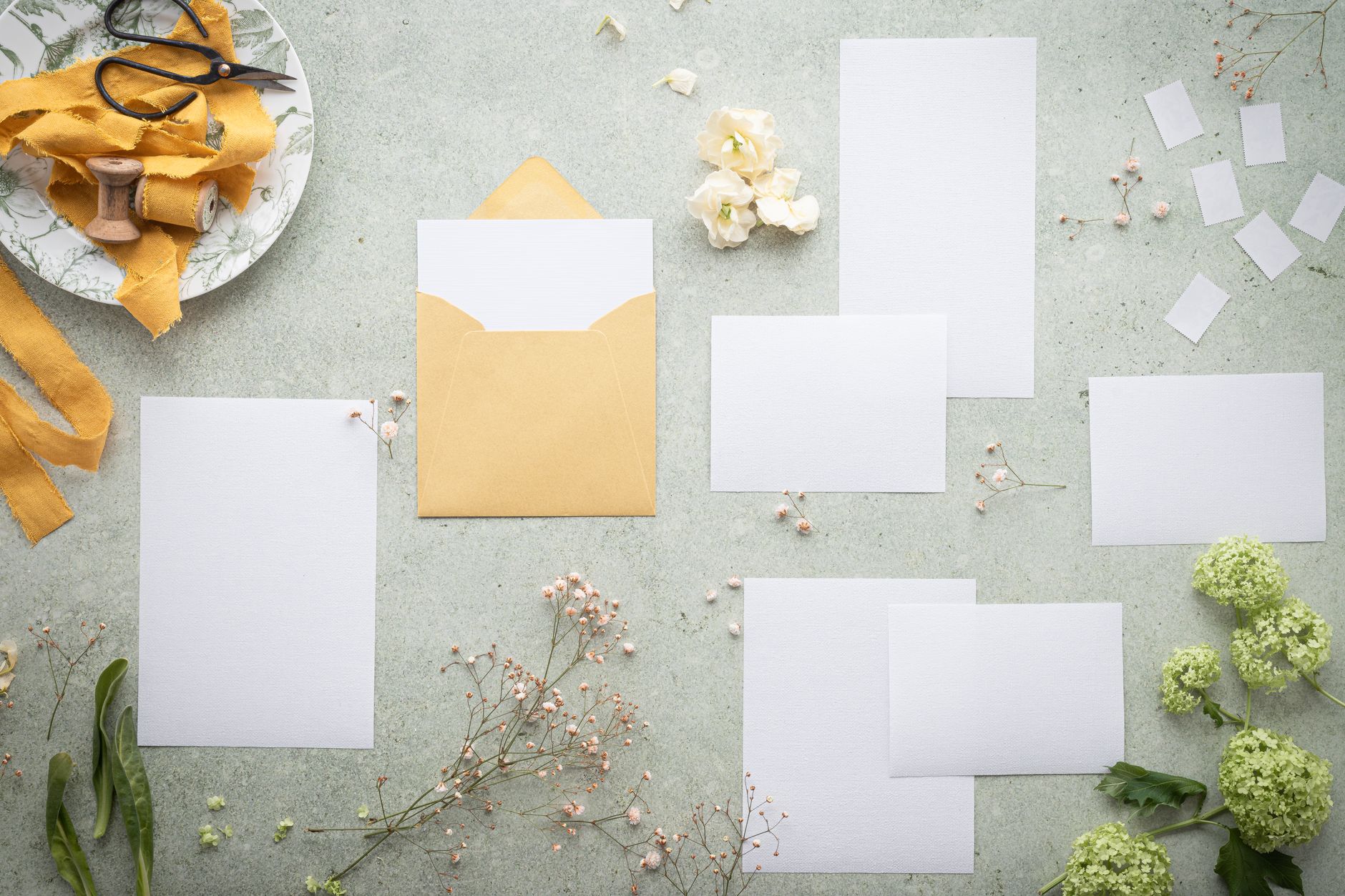 Function Announcements
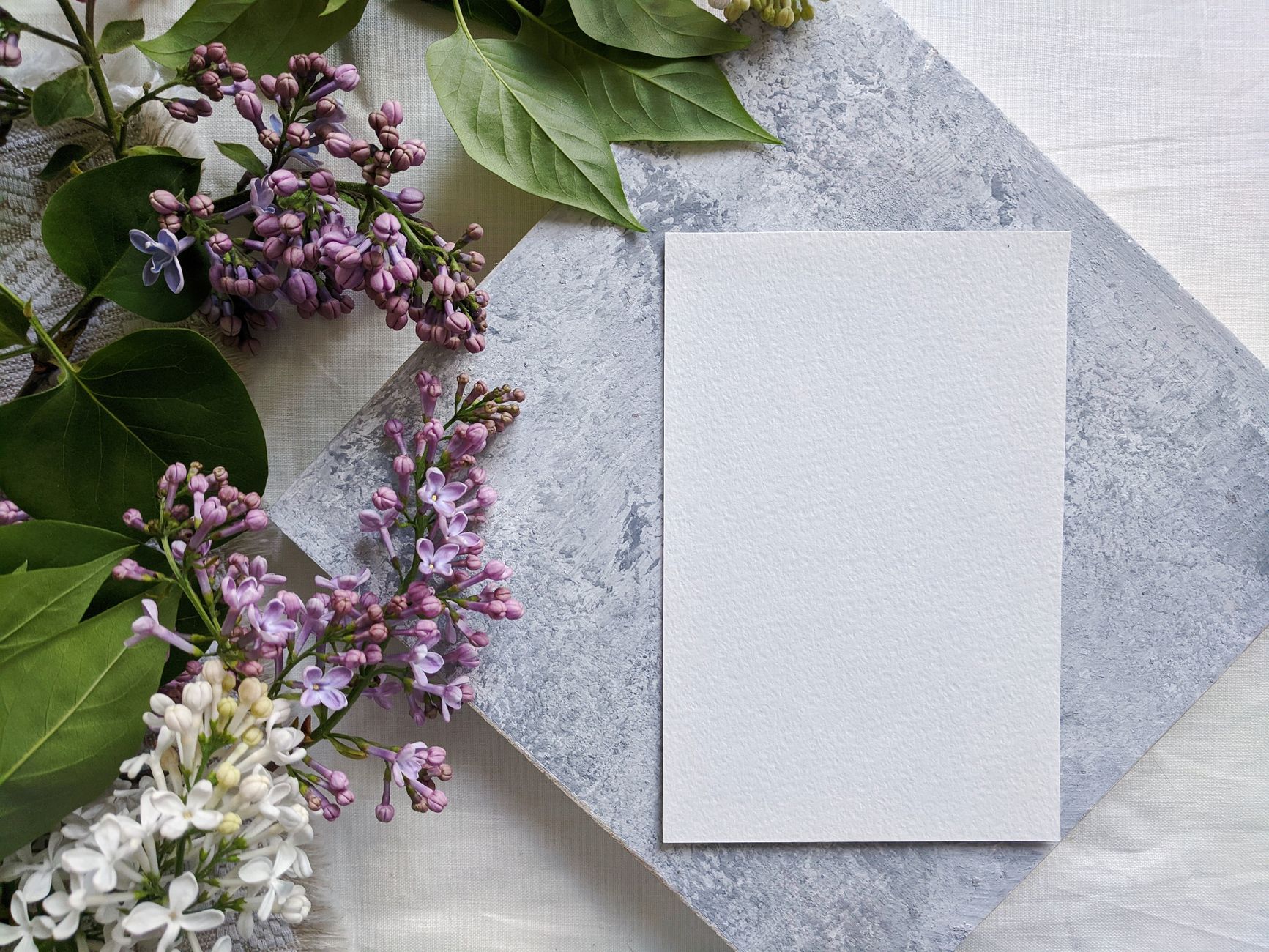 Green Invitation Cards
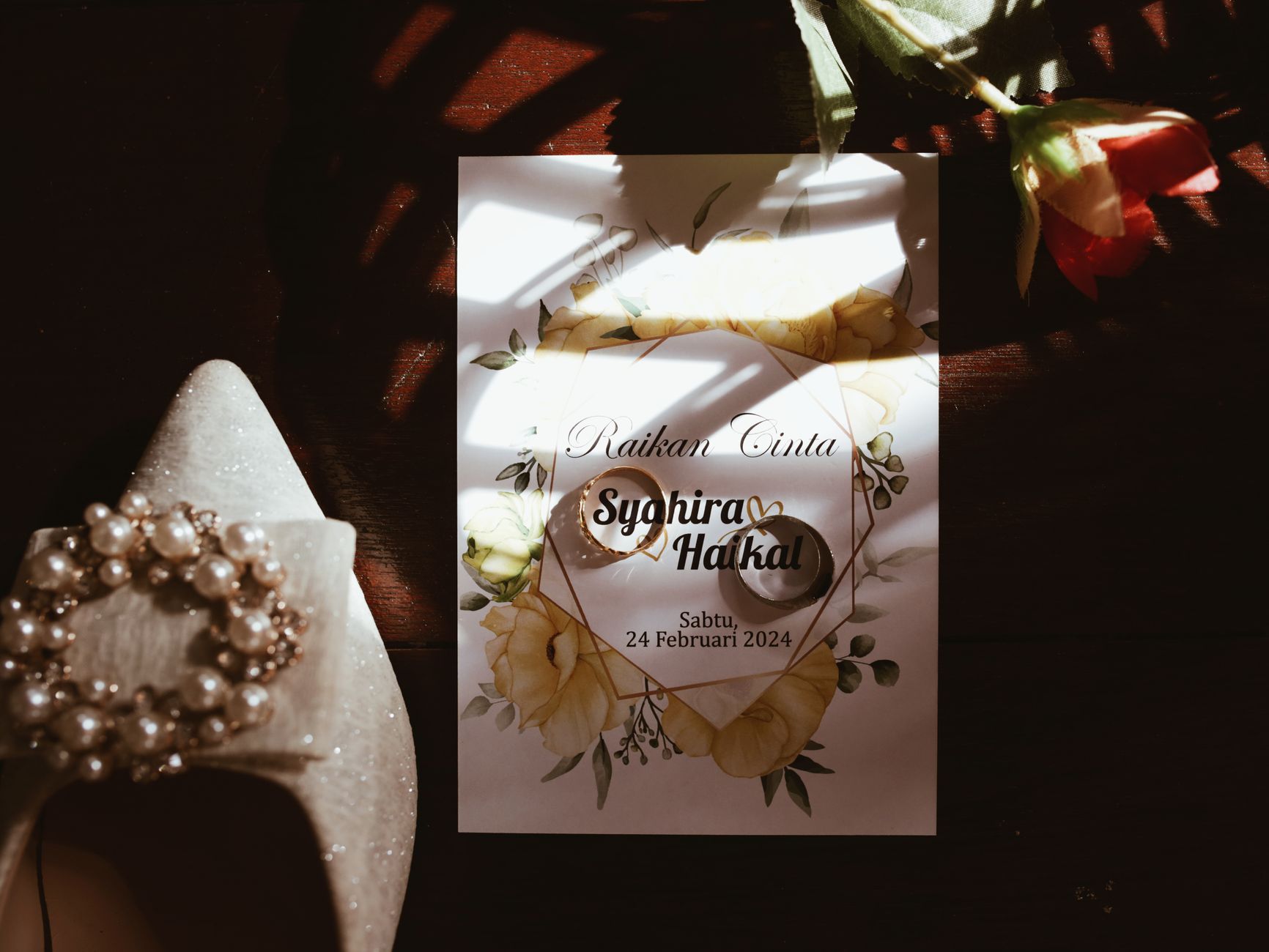 Invitation Designers
 Kids Celebration Invites
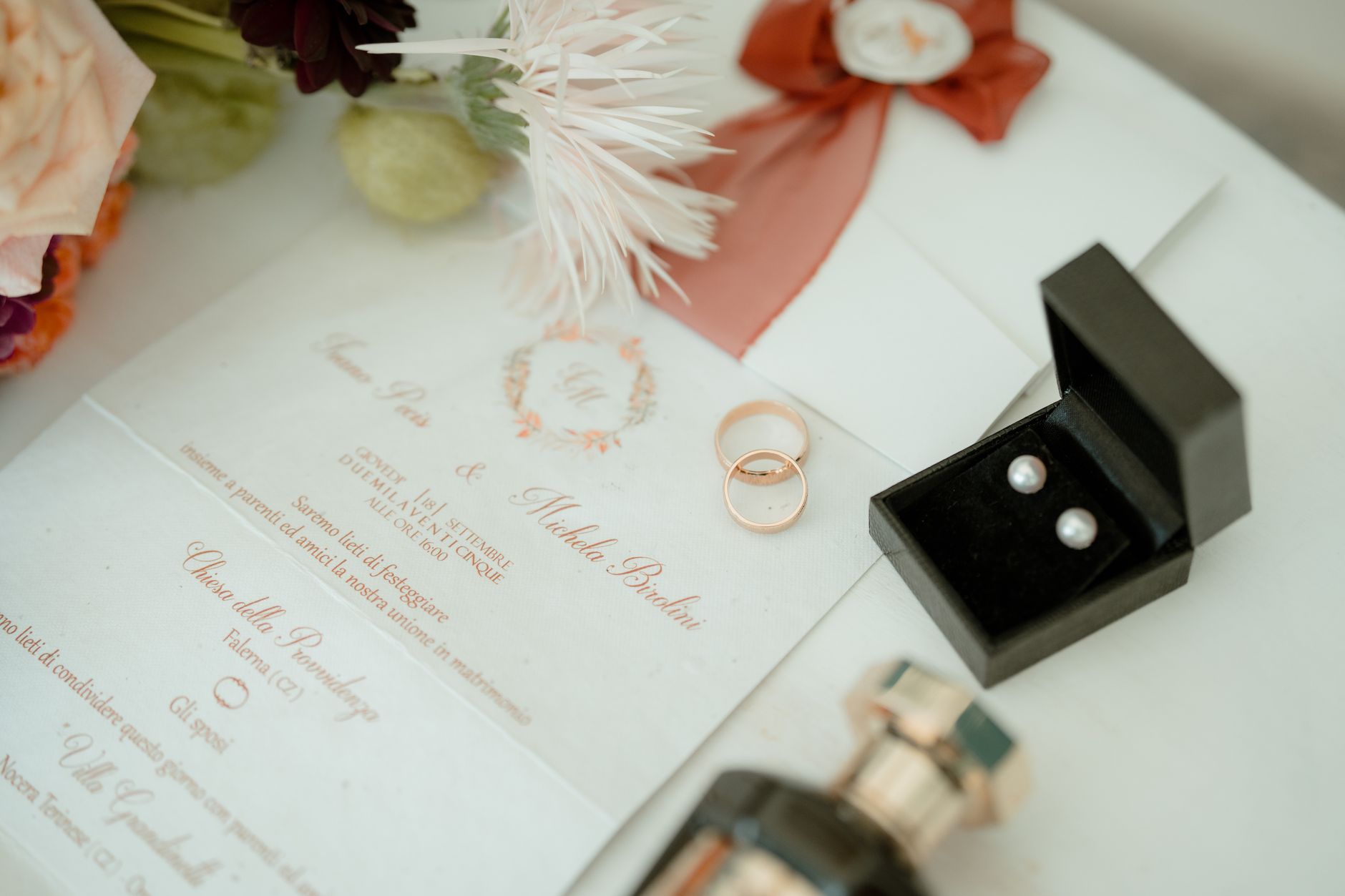 Luxury Invitation Boxes
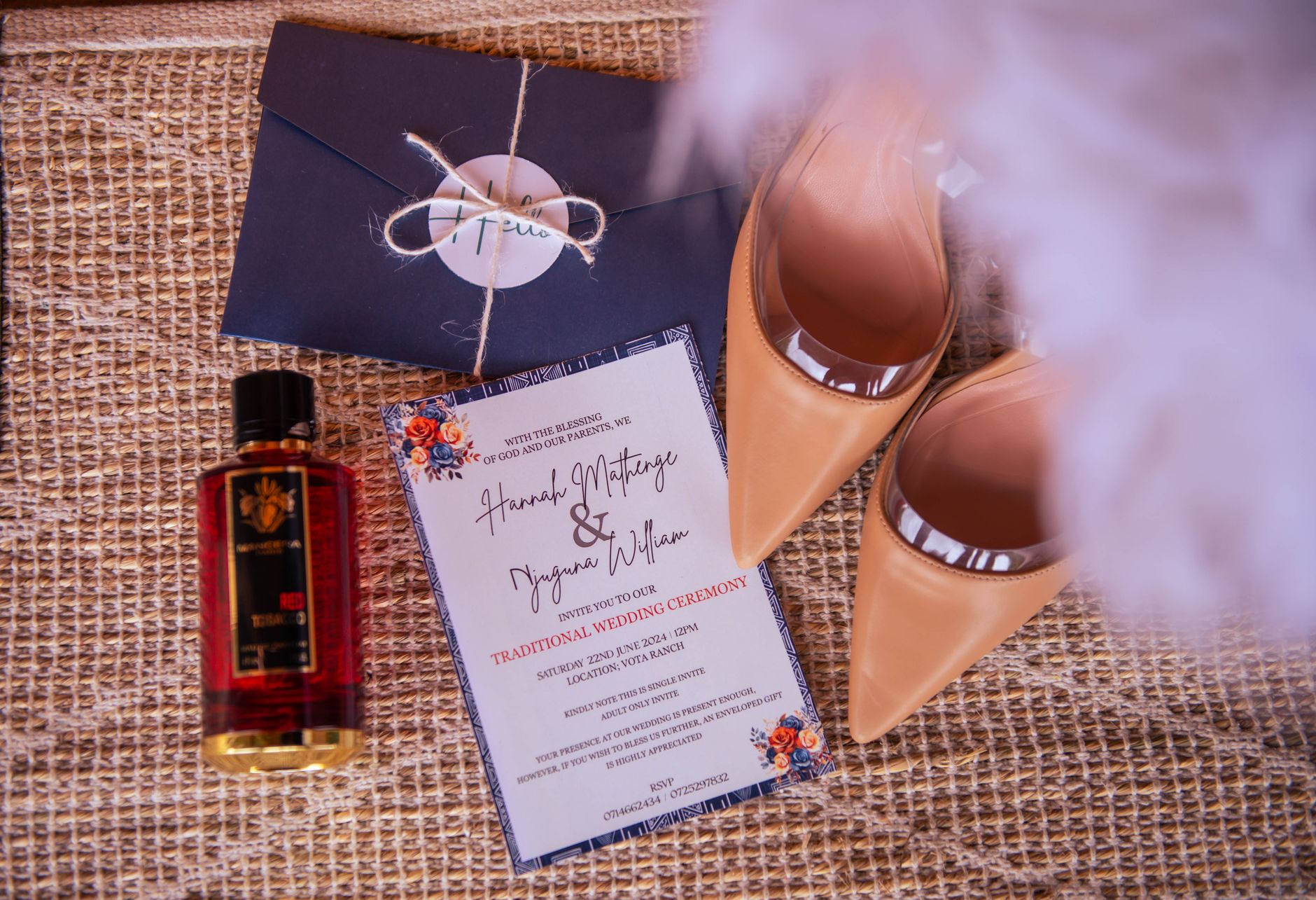 Online Celebration Invitations
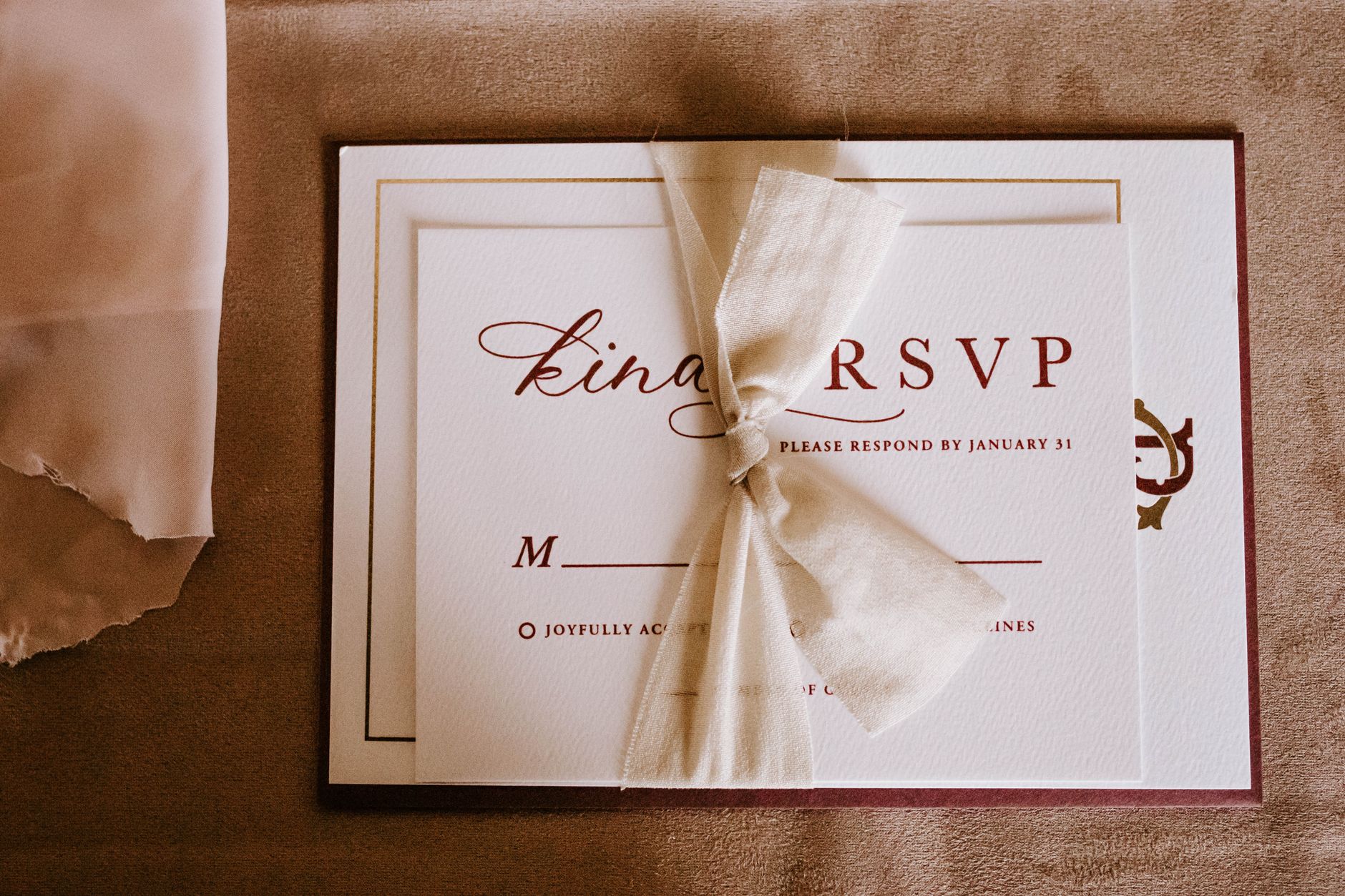 Paper Invitation Suites
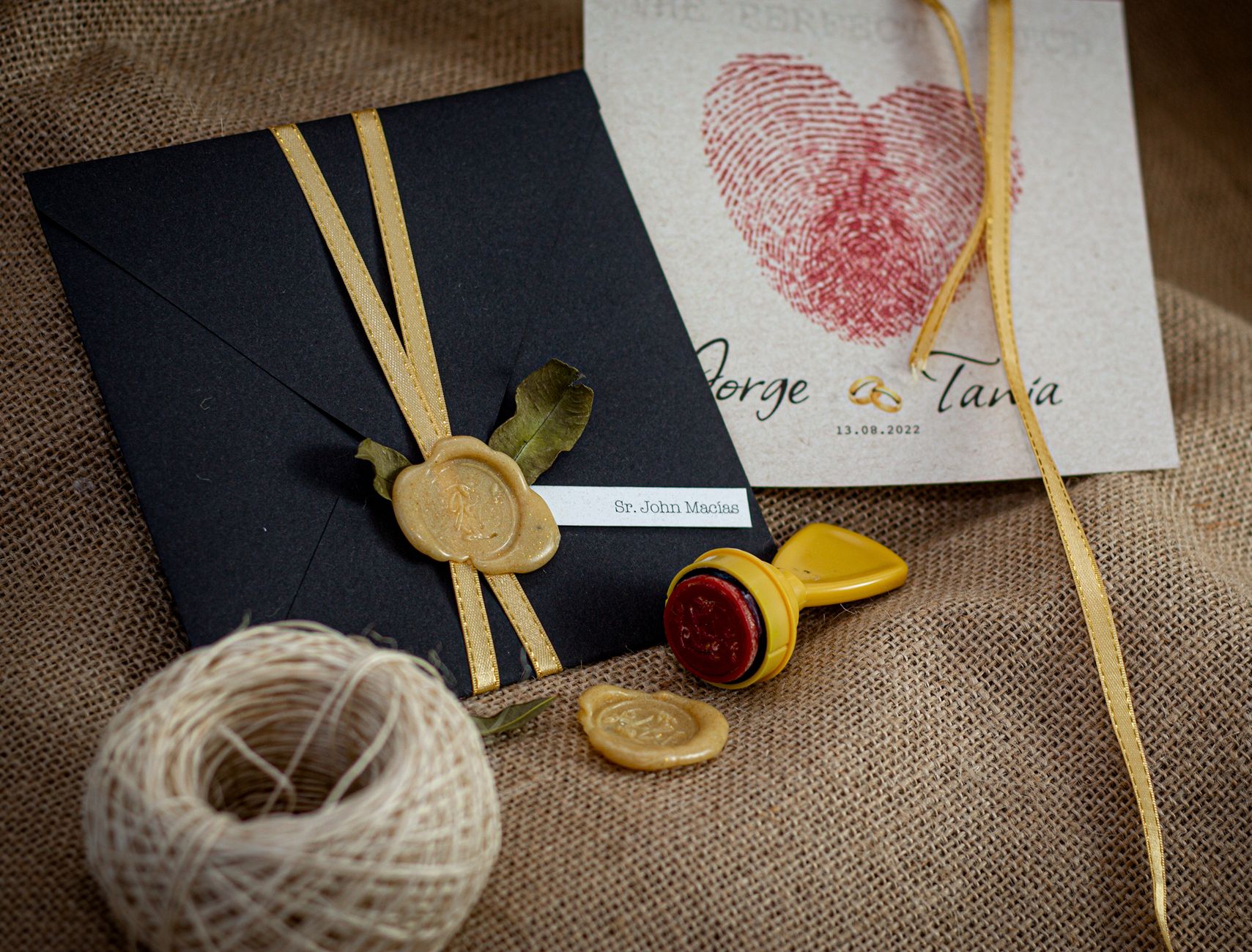 Plantable Invitation Cards
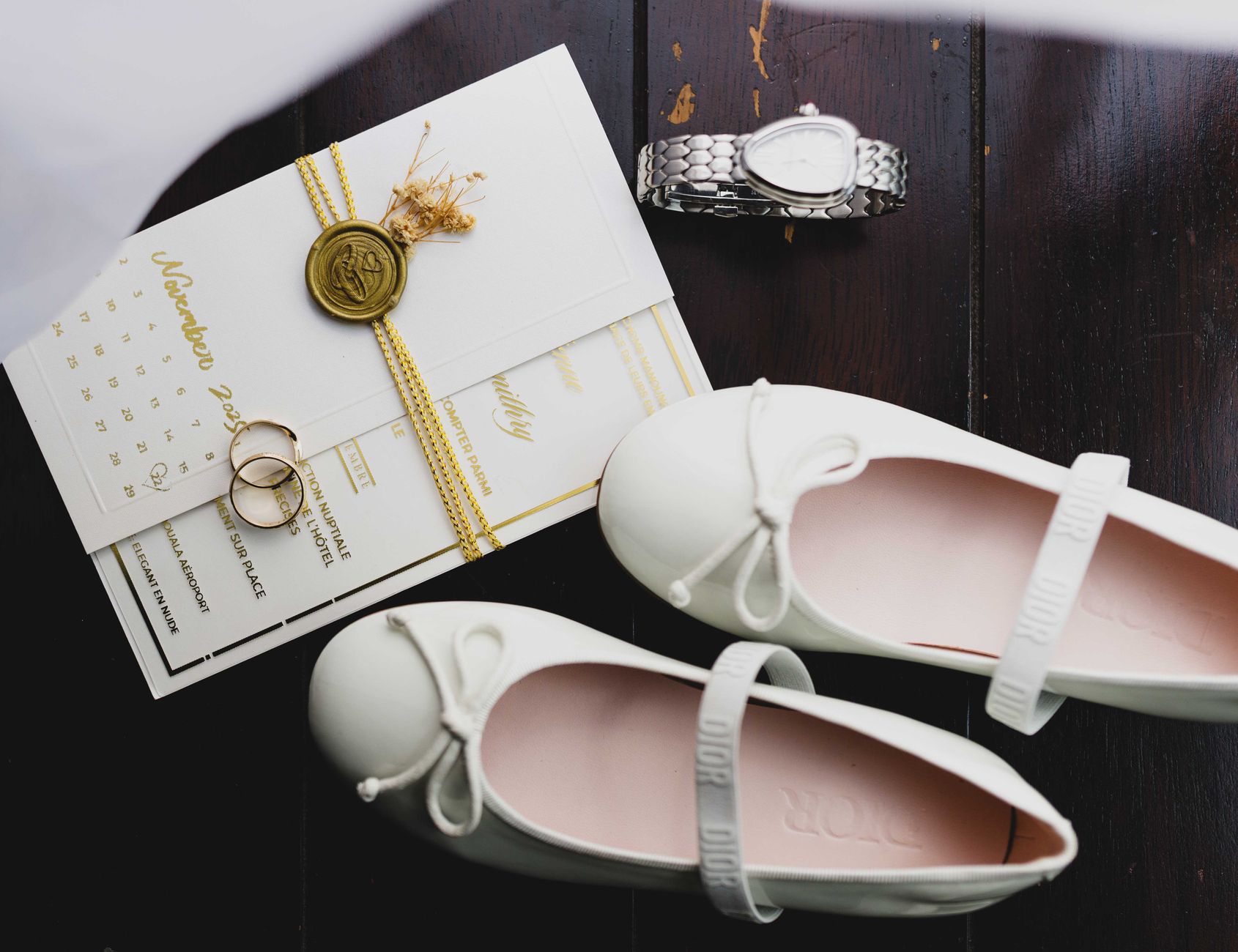 Precision Cut Invitations
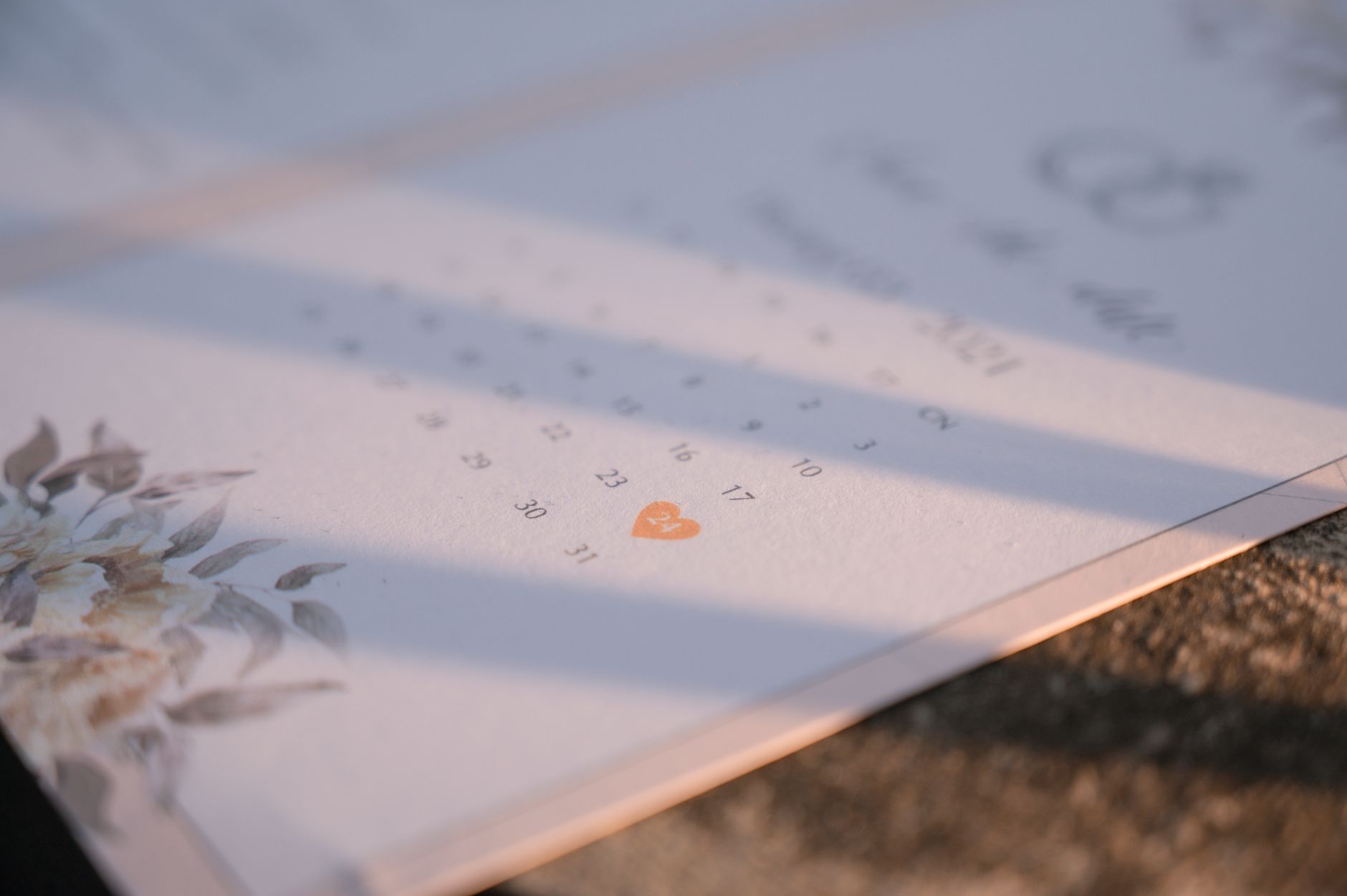 Professional Gathering Invites
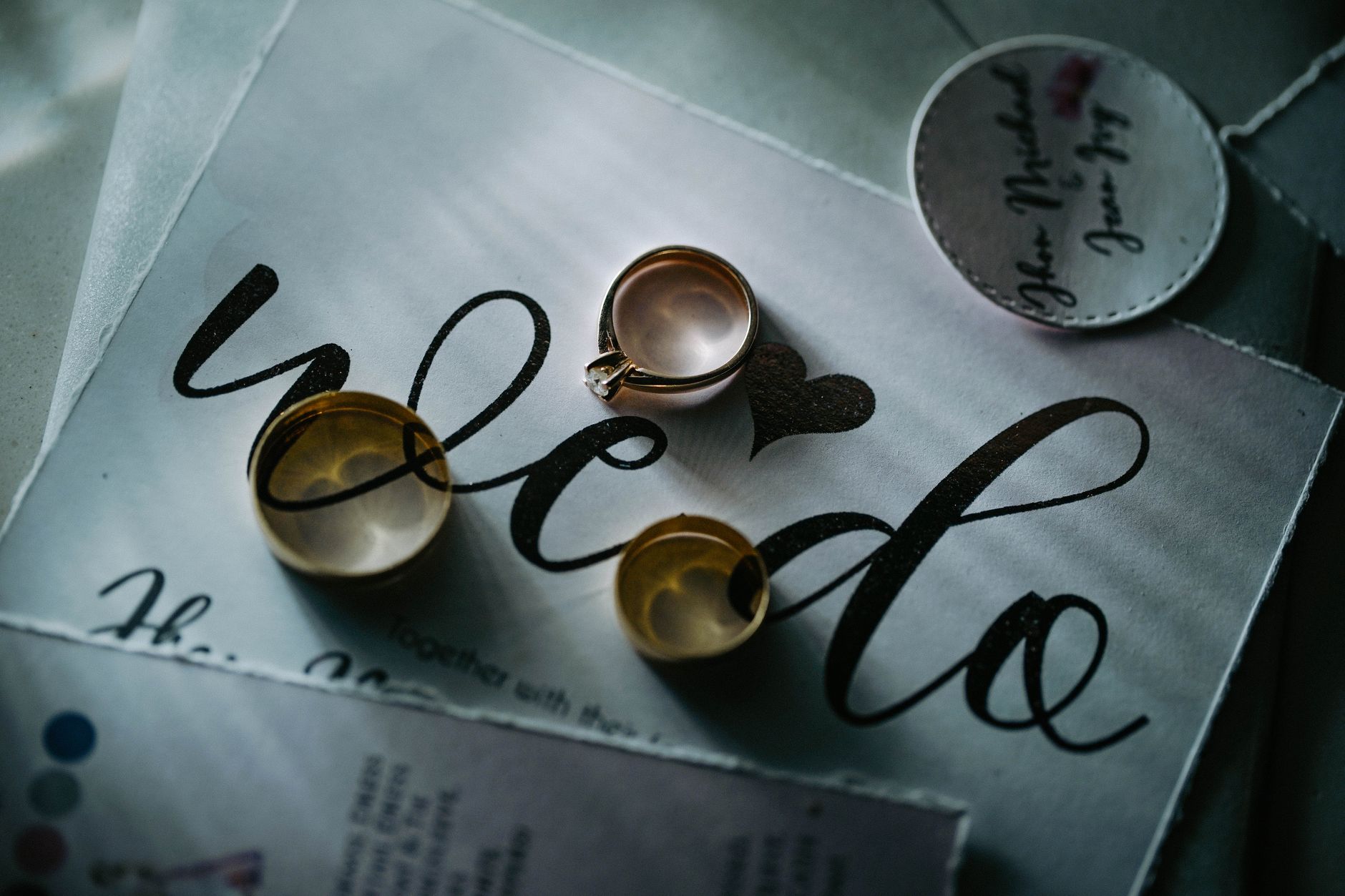 Royal Scroll Invitations
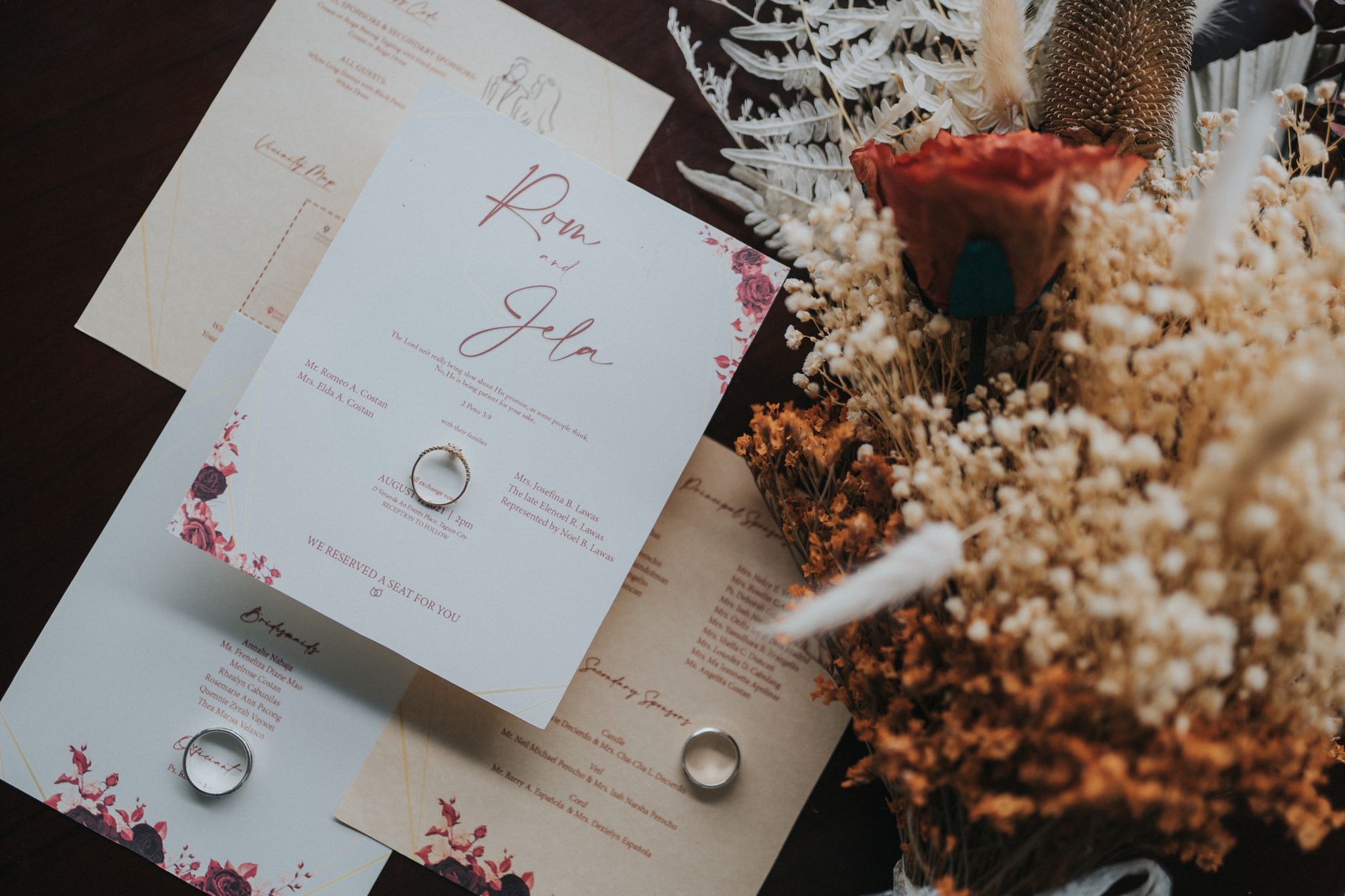 Social Gathering Invitations
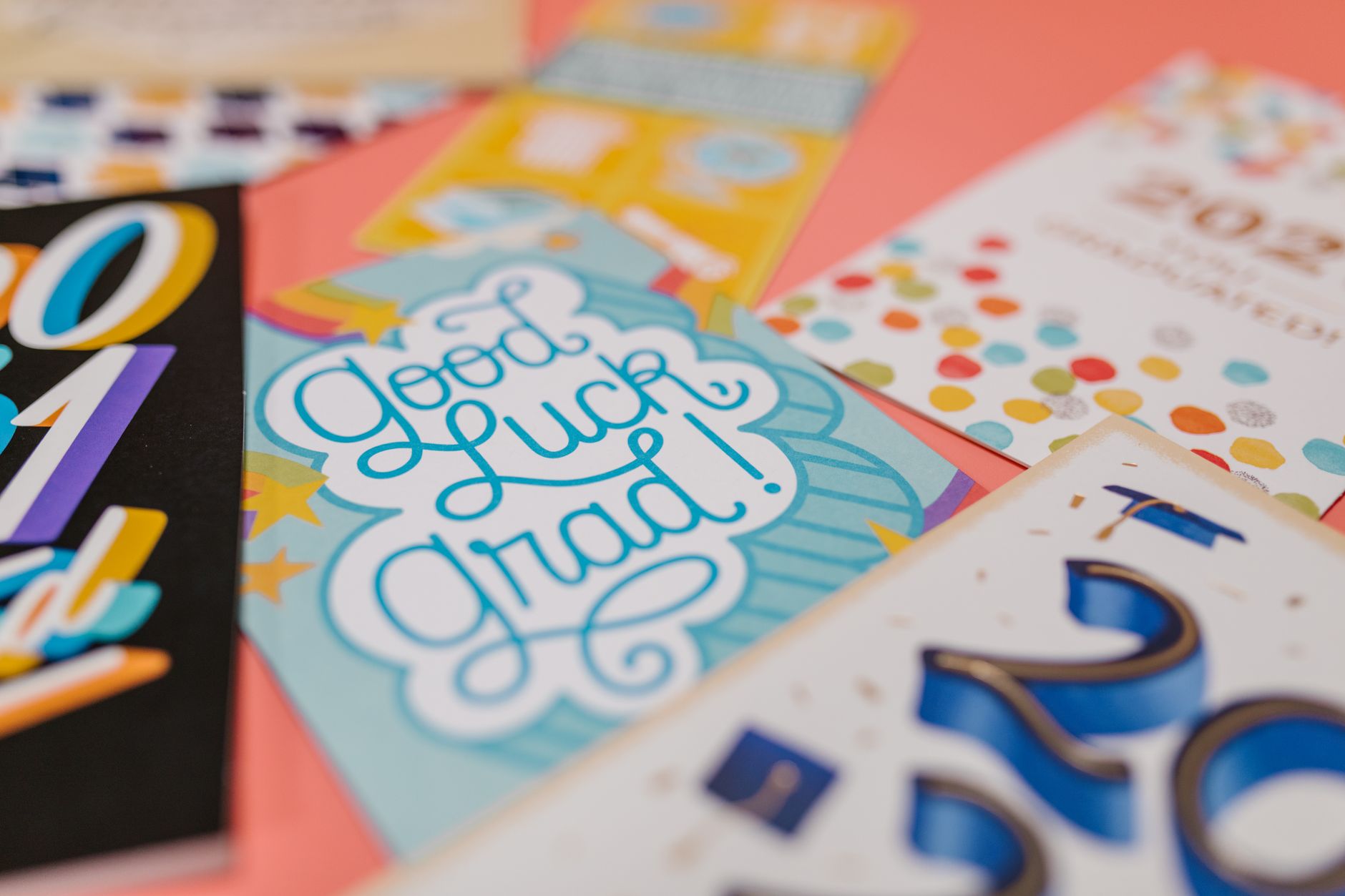 Special Age Birthday Cards
- 400+Curated Events
- 6Event Universes
- 1000+Verified Vendors
- 70+Locations
- 24/7Customer Support


Not sure which packages fits your celebration?
Let Hiya & Hanu help you find the perfect match!
Explore Celebration Packages- AI-Powered MatchingSmart suggestions for you
- Budget OptimizerGet the best experiences in your budget
- End-to-End SupportWe are with you at every step
Serving Celebrations across 75+ locations in India
Popular Custom Invitations and Stationery for Beautiful Celebrations
◆An invitation is often the first physical connection between guests and an upcoming celebration. Before they enter the venue or experience the décor, the invitation introduces the occasion through its colours, typography, wording and presentation. A thoughtfully designed invitation can therefore create anticipation while giving guests the information they need.
Popular custom invitations and stationery provide greater freedom than standard printed designs. Hosts can choose materials, layouts, colours, illustrations and finishing details according to the character of their celebration. The result can feel personal, polished and closely connected to the event.
Ooty offers an inspiring setting for celebrations, particularly weddings, family occasions, milestone birthdays and destination gatherings. Its mountain scenery, gardens, heritage properties and resort venues can influence stationery concepts without requiring an overly literal theme.
A wedding may use delicate botanical illustrations and textured paper, while a birthday celebration could embrace expressive artwork and contemporary typography. Corporate functions may benefit from a cleaner and more structured visual approach.
Custom stationery can also extend beyond the main invitation. Save-the-date cards, RSVP cards, envelopes, menus, ceremony programmes, place cards and thank-you notes can all share a connected design language.
When these details are planned carefully, stationery becomes an important introduction to the celebration itself.
Why Custom Invitations Create Stronger First Impressions
The invitation communicates more than a date and venue. It gives guests an early indication of what the celebration will feel like.
A formal wedding invitation may suggest elegance through refined typography and premium paper. A birthday invitation can express personality through illustrations, photographs or playful compositions.
Corporate invitations need to communicate essential information with professional clarity. Family celebrations may benefit from warmer, more personal visual details.
Customisation also makes it easier to include occasion-specific information. Dress codes, accommodation details, travel guidance, RSVP instructions and multiple function timings can be incorporated into the stationery suite.
The best design balances visual appeal with readability, ensuring guests can appreciate the presentation while quickly understanding the practical information.
Wedding Invitations for Ooty Celebrations
Ooty is well suited to destination-style weddings, intimate ceremonies and family gatherings. The surroundings can inspire stationery that feels elegant without becoming overly themed.
Botanical artwork, delicate foliage, understated landscape references and textured materials can create a subtle connection with the hill setting.
Traditional weddings can incorporate cultural motifs alongside contemporary typography. Modern celebrations may prefer minimalist layouts with carefully selected colours and premium finishes.
When a wedding includes several functions, separate inserts or cards can communicate each ceremony clearly. The overall design can remain consistent through shared typography, colours and motifs.
This approach gives the complete invitation suite a unified appearance while allowing every function to retain its own character.
Custom Birthday Invitations
Birthday celebrations offer considerable scope for creative stationery.
Children's parties can use colourful illustrations, imaginative artwork and playful layouts. Milestone birthdays can take a more sophisticated direction through photographs, elegant typography and premium card stocks.
Personalisation can include the celebrant's name, favourite colours, meaningful photographs or a specific creative theme.
For larger birthday gatherings, RSVP cards and venue information can be incorporated into the invitation package.
A custom design helps the invitation feel connected to the person being celebrated rather than looking like a generic party announcement.
Stationery for Corporate Functions
Corporate occasions require a more structured design approach.
Annual celebrations, award evenings, conferences, networking events and business dinners can all use customised invitations to establish a professional visual identity.
Important information should remain easy to locate. Dates, venue details, timings, registration information and RSVP instructions should not be hidden within decorative elements.
Premium paper, restrained typography and carefully controlled colours can create a sophisticated presentation.
The same design language can continue through event programmes, menus, table cards, name badges and thank-you stationery.
This consistency helps the printed materials feel like part of one professionally planned occasion.
Choosing Colours for Invitation Stationery
Colour plays a major role in shaping the mood of an invitation.
Wedding stationery may use muted pastels, earthy tones, sophisticated neutrals or richer shades depending on the celebration. Birthday invitations can use more expressive combinations, while corporate designs often benefit from controlled palettes.
Ooty's natural surroundings can provide inspiration through greens, botanical tones, soft neutrals and understated floral shades.
However, the palette should reflect the event rather than simply copying the destination.
Colour choices should also preserve readability. Important information needs enough contrast to remain clear when printed.
A considered palette can then be carried across the wider stationery suite.
Typography That Reflects the Occasion
Typography can give stationery its distinctive personality.
Elegant script fonts can highlight names and formal headings, while clean supporting typefaces can make practical information easier to read.
The hierarchy should be clear. Guests should quickly understand who is hosting the celebration, what the occasion is, when it takes place and where they need to go.
Decorative typography should therefore be used selectively.
Generous spacing can also make a design feel more sophisticated. An invitation does not need to fill every available area with text or artwork.
Balanced typography and thoughtful spacing can make even a simple layout appear premium.
Selecting the Right Paper
Paper influences both the visual and tactile experience.
Smooth card stocks can create a contemporary appearance, while textured papers offer a more traditional and tactile character. Heavier card can provide additional substance for formal wedding invitations.
The selected paper should work well with the chosen printing method. Fine illustrations, photographs and detailed typography may require specific paper surfaces.
For an Ooty-inspired design, natural textures can complement botanical or landscape-inspired artwork.
Paper should also be considered in relation to postage, durability and overall budget.
Building a Complete Invitation Suite
A complete stationery package can include several coordinated components.
Save-the-date cards provide an early announcement. The formal invitation communicates the complete event details. RSVP cards support attendance planning, while accommodation inserts can assist guests travelling from outside Ooty.
Envelopes form part of the presentation and can carry matching colours, textures or subtle decorative details.
For multi-day weddings, separate inserts can explain different functions without overcrowding the primary invitation.
Coordinating these components creates a consistent experience from the first announcement through to the event itself.
RSVP Cards for Better Planning
RSVP stationery helps hosts understand attendance before the celebration.
Wedding RSVP cards can request confirmation for different functions, meal preferences or accommodation requirements. Corporate events may use them to collect delegate information.
A digital RSVP option can also be included through a QR code where appropriate.
The design should make the required response clear. Guests should immediately understand what information they need to provide and how to submit it.
Well-structured RSVP stationery can reduce follow-up work while maintaining the visual identity of the invitation.
Save-the-Date Cards
Save-the-date cards are especially useful for destination celebrations.
Guests travelling to Ooty may need additional time to arrange accommodation, transport and leave from work.
The save-the-date does not need to contain the entire programme. Its primary purpose is to communicate the date and encourage guests to reserve the occasion.
It can introduce the colour palette or visual motif that will later appear on the formal invitation.
This creates continuity and gives guests an early glimpse of the celebration style.
Envelopes and Invitation Presentation
The envelope is an important part of the physical invitation experience.
Matching paper, colours and design details can make the complete package feel intentional.
Personalised addressing can create an additional sense of care. Subtle liners, seals or decorative elements can add sophistication without overwhelming the invitation.
For destination weddings, the envelope should also provide adequate protection during delivery.
A restrained outer presentation can often feel more elegant than an excessively decorated one.
Stationery for Traditional Celebrations
Traditional celebrations can use custom stationery to reflect cultural elements in a contemporary way.
Wedding invitations may incorporate ornamental patterns, floral artwork, heritage-inspired details or regionally meaningful motifs.
For celebrations involving several ceremonies, separate cards can explain each function while maintaining a common visual identity.
Traditional design does not need to appear old-fashioned. Contemporary typography, refined spacing and carefully selected materials can give heritage-inspired elements a fresh presentation.
The result can respect tradition while remaining visually current.
Modern Custom Invitation Concepts
Modern stationery often focuses on simplicity, structure and personality.
Minimal designs can use generous white space, restrained colours and strong typography. Abstract artwork or subtle illustrations can introduce individuality without making the layout feel busy.
Photographic invitations can work particularly well for birthdays, anniversaries and intimate family gatherings.
Digital design provides extensive creative possibilities, but the printed result should remain the priority.
A successful contemporary invitation is usually defined by balance rather than complexity.
Premium Printing and Finishing
Finishing techniques can enhance the tactile quality of custom stationery.
Foil can be used selectively for names or important details. Embossing can introduce raised textures, while debossing creates a more understated recessed effect.
Die-cutting can produce distinctive shapes, and layered cards can add visual depth.
These techniques should support the design rather than dominate it.
For many invitations, one carefully selected finish combined with high-quality paper can create a more sophisticated result than several competing effects.
Sustainable Stationery Choices
Sustainable materials are increasingly relevant when planning celebrations.
Hosts can explore responsibly sourced papers, recyclable card stocks and reduced packaging. Digital RSVP systems can also reduce the need for additional printed material.
Natural paper textures can work beautifully with botanical and understated designs.
Sustainable stationery does not have to look plain. Thoughtful typography, quality printing and restrained details can still produce an elegant result.
Material choices should reflect both the celebration style and the host's priorities.
Stationery Inspired by Ooty's Setting
Ooty's gardens, hills and heritage architecture offer many subtle sources of inspiration.
Botanical illustrations can reference the region's greenery, while understated landscape motifs can suggest the surrounding hills.
Heritage venues may inspire classic typography and ornamental details. Contemporary resorts may suit cleaner layouts and modern colour combinations.
The strongest designs interpret these influences rather than reproducing them literally.
This creates stationery that feels connected to the destination while remaining useful and timeless.
Coordinating Invitations With Décor
The invitation can serve as a visual starting point for the wider celebration.
Colours introduced on the stationery can appear later in floral arrangements, table settings, menus and other printed materials.
A botanical invitation could inspire foliage details within the décor. A sophisticated neutral palette could inform table stationery and reception materials.
The relationship should remain subtle. Repeating every element exactly can make the celebration feel overly uniform.
Instead, selected visual cues can create a natural sense of continuity.
Planning Stationery Quantities
The number of invitations required is not always equal to the number of guests.
Some invitations may be sent to couples or families rather than individual attendees.
Hosts should also allow a small reserve for late additions, damaged pieces or addressing mistakes.
Different components require separate quantity planning. RSVP cards, menus, programmes and thank-you notes may have different requirements.
Finalising the guest list before production can reduce waste and prevent unnecessary reprints.
Budgeting for Custom Invitations
Custom stationery costs depend on paper, card size, printing method, finishing, envelope quality and quantity.
A premium appearance does not require every available technique.
Hosts can prioritise the elements that have the greatest visual impact. Quality paper and typography may be more important than multiple decorative finishes.
Larger celebrations can simplify some inserts while retaining a consistent visual identity.
A clear budget allows stationery providers to recommend suitable materials and production methods without compromising the overall concept.
Proofreading Before Printing
Proofreading is one of the most important stages in stationery production.
Names, dates, timings, venue addresses, contact information and RSVP instructions should all be checked carefully.
Multi-day weddings require particular attention because each function may have different details.
Having multiple people review the final proof can help identify errors.
Once printing begins, corrections may become expensive or impossible. Careful approval therefore protects both the quality and budget of the final stationery.
Planning the Production Timeline
Custom stationery requires time for several stages.
The process can include concept development, design revisions, paper selection, proofing, printing, finishing and delivery.
Destination celebrations may require earlier ordering because guests need invitations in time to arrange travel and accommodation.
Special finishing techniques may also require additional production time.
Starting early provides flexibility if the guest list, venue or event details change.
A realistic schedule helps ensure that the final stationery receives the attention it deserves.
Choosing a Custom Stationery Provider
A suitable provider should understand both design and production.
Reviewing previous work can reveal the quality of typography, printing, paper selection and finishing.
Communication is equally important. Providers should clearly explain available materials, production timelines, revision stages and quantity requirements.
Sharing the venue style, celebration type and guest profile gives designers useful context.
The strongest results usually come from combining creative direction with practical production knowledge.
Creating a Memorable Invitation Experience
An invitation can establish anticipation long before guests arrive at the venue.
Popular custom invitations and stationery combine personalisation, clear information, attractive design and suitable materials.
For Ooty celebrations, the surrounding landscape and heritage provide rich inspiration. Yet the most effective stationery uses these influences with restraint, creating designs that feel distinctive without becoming predictable.
Whether the occasion is a destination wedding, birthday, anniversary, corporate gathering or private party, customised paper details can make the first interaction feel more meaningful.
A well-designed invitation does not simply announce a celebration. It begins the experience of attending it.
Frequently Asked Questions
What are popular custom invitations and stationery?
They are personalised invitation and paper products designed around a specific celebration. They can include invitation cards, RSVP cards, envelopes, menus, programmes, place cards and thank-you notes.
Why choose custom stationery for a wedding?
Custom stationery allows couples to reflect their wedding style through colours, typography, illustrations, paper and finishing while presenting important information clearly.
Can birthday invitations be personalised?
Yes. Birthday invitations can include photographs, illustrations, personalised wording, colours and themes that reflect the celebrant and the nature of the party.
What stationery is useful for a destination wedding?
Destination weddings may require save-the-date cards, invitations, RSVP cards, accommodation information, travel inserts, ceremony programmes, menus and thank-you notes.
How early should custom invitations be ordered?
It is best to begin well ahead of the celebration. Design, revisions, proofing, printing, finishing and delivery can all require additional time.
What paper is suitable for premium invitations?
Textured and heavyweight papers can create a sophisticated tactile finish. The ideal choice depends on the design, printing process and desired presentation.
Can invitation stationery match event décor?
Yes. Colours, typography and motifs from the invitation can influence menus, floral arrangements, table cards and other event materials.
Are sustainable custom invitations available?
Many stationery providers can offer responsibly sourced or recyclable papers and reduced packaging. Digital RSVP methods can also reduce additional printing.
Can corporate events use custom invitations?
Yes. Conferences, award functions, business dinners and corporate celebrations can use customised invitations and coordinated stationery while maintaining a professional appearance.
How can I find popular custom invitations and stationery in Ooty?
Compare design quality, paper choices, personalisation options, printing techniques, finishing capabilities and production timelines. Share the event details early to develop an appropriate stationery concept.