
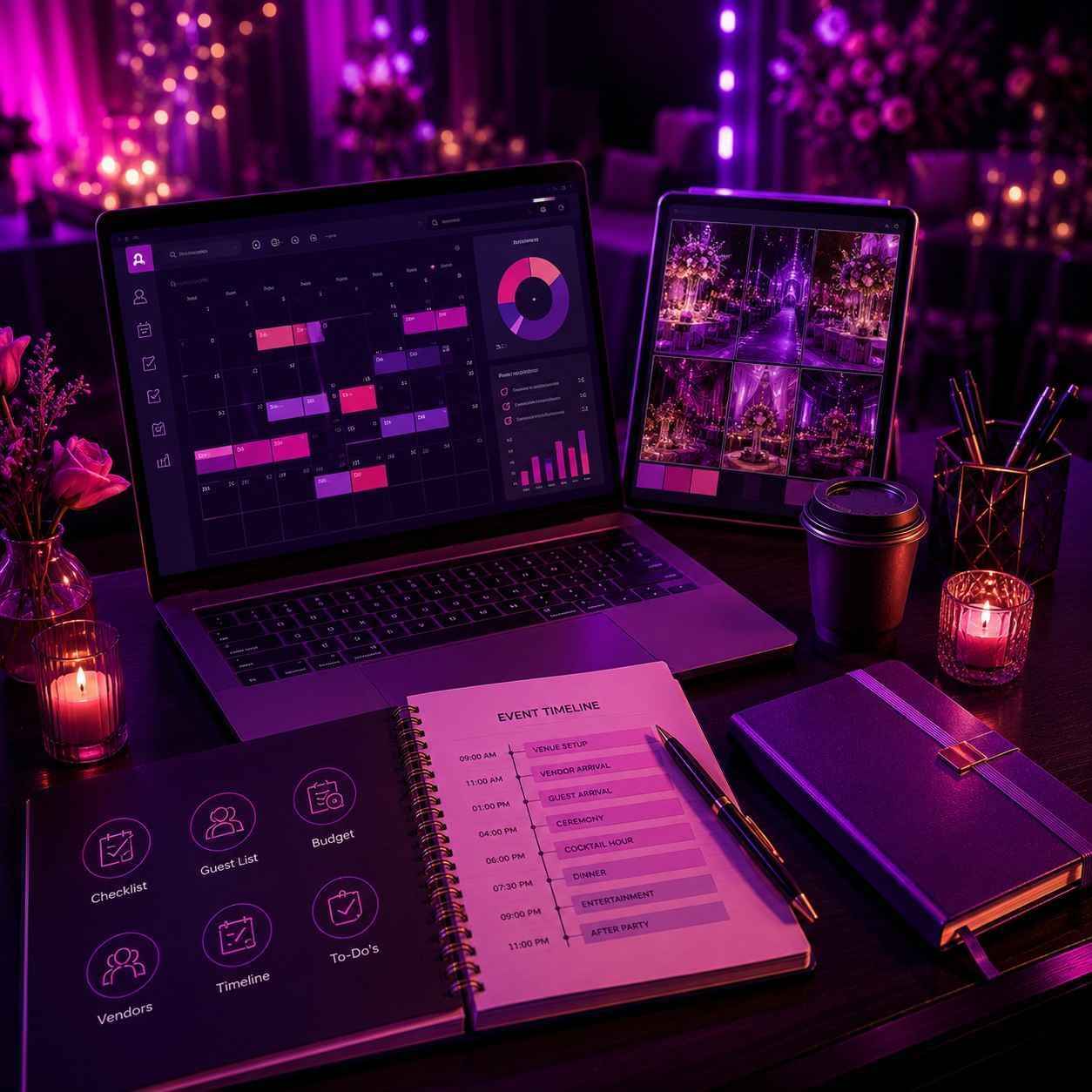
Explore All Planning Tools
Plan your wedding, party or special event with useful tools and resources that make organising every detail easier and more efficient.
Plan Better,
Celebrate with Happiffie
From organising your event details to managing budgets, guests, schedules and essential checklists, Happiffie brings useful planning tools together to make every celebration easier to plan and manage.
- Smart Planning ToolsOrganise important event details with easy-to-use planning tools
- Plan Your BudgetKeep track of event expenses and make informed planning decisions
- Ready-to-Use ChecklistsStay organised with practical checklists for every stage of your event



- 400+Curated Events
- 6Event Universes
- 1000+Verified Vendors
- 70+Locations
- 24/7Customer Support


Not sure which packages fits your celebration?
Let Hiya & Hanu help you find the perfect match!
Explore Celebration Packages- AI-Powered MatchingSmart suggestions for you
- Budget OptimizerGet the best experiences in your budget
- End-to-End SupportWe are with you at every step
Serving Celebrations across 75+ locations in India
Smart Planning and Organising Tools for Better Celebration Preparation
◆Planning a celebration involves many connected responsibilities that need attention at different stages. Venue selection, supplier bookings, guest arrangements, budgets, décor, catering, entertainment and schedules all contribute to the final experience. Without a clear structure, even a carefully planned occasion can become difficult to manage.
Smart planning and organising tools offer a practical way to bring these responsibilities together. They can help organisers record important information, monitor tasks, review spending and maintain awareness of upcoming deadlines.
Kerala provides a diverse backdrop for celebrations, making flexible planning particularly useful. Weddings may involve several ceremonies and extended family participation. Birthday celebrations can combine themed décor, entertainment and catering, while corporate functions may require precise programmes and professional supplier arrangements.
The purpose of smart organisation is not to remove the personal character of an occasion. Instead, it helps reduce administrative complexity so hosts can concentrate on meaningful decisions and guest experience.
Understanding Smart Planning and Organising Tools
Smart planning tools are designed to make information easier to manage. They can combine different planning activities within a structured framework rather than leaving organisers to rely on scattered notes and messages.
A celebration may involve dozens of suppliers, hundreds of guests and numerous deadlines. Keeping every detail separately can make it difficult to understand what has already been completed.
A central organising approach provides a clearer overview.
When one decision changes, organisers can also consider its effect on other arrangements. For example, increasing attendance may influence catering, seating and transportation. Changing the venue can affect décor, infrastructure and entertainment.
Smart organisation makes these relationships easier to identify.
Establishing the Celebration Requirements
Planning should begin with a clear understanding of what the occasion needs.
The celebration type, expected attendance, preferred date, venue style and broad budget provide an initial framework. These fundamentals help guide later decisions.
A small anniversary gathering may require only basic organisation. A large wedding may need several function schedules, extensive supplier records and accommodation arrangements.
Corporate occasions may require more emphasis on programme timing, attendee information and technical preparation.
The organising system should reflect these differences rather than forcing every event into the same structure.
Managing the Celebration Budget
Budget visibility is one of the most useful aspects of smart planning.
Celebration costs can come from many areas, including venue hire, catering, décor, photography, entertainment, transportation and accommodation. Additional upgrades can gradually increase expenditure if they are not tracked.
A structured budget allows organisers to record estimated costs alongside confirmed commitments.
Supplier quotations can also be compared more effectively when service inclusions and additional charges are documented.
For Kerala celebrations, this can help families balance traditional requirements with contemporary design and hospitality choices.
Good budgeting is not simply about spending less. It is about understanding where resources are going and deciding which elements deserve priority.
Organising Supplier Information
Supplier management can become challenging when several professionals are involved.
Decorators, caterers, photographers, florists, entertainers, musicians and rental providers may all have separate responsibilities and timelines.
Smart planning and organising tools can provide a central place for supplier contacts, quotations, agreed deliverables and payment milestones.
This reduces the need to search through multiple conversations when information needs to be confirmed.
Supplier responsibilities can also be connected to specific functions or setup periods. This is particularly valuable for multi-day celebrations.
When everyone understands their responsibilities and timing, preparation becomes easier to manage.
Managing Guest Information
Guest arrangements are an important part of celebration planning.
Hosts may need to track invitations, attendance confirmations, seating preferences, dietary requirements and transportation details.
Destination weddings and celebrations in Kerala may require additional attention to accommodation and travel arrangements for guests coming from other locations.
Corporate occasions can require formal attendee registration and programme communication.
Keeping guest information organised helps hosts respond more efficiently when details change.
It also supports better hospitality because important preferences and arrangements are less likely to be overlooked.
Building a Practical Task Structure
A celebration contains responsibilities that need to happen at different times.
Some tasks should be completed months before the event, while others can only be finalised closer to the date.
Smart organising tools can divide these responsibilities into stages.
Early preparation may involve venue research and supplier selection. Middle-stage planning can cover bookings, guest communication and design decisions. Final preparation can focus on confirmations, deliveries and event-day arrangements.
This makes the overall workload feel more manageable.
It also helps organisers understand which responsibilities deserve attention now and which can wait.
Supporting Kerala Wedding Planning
Kerala weddings can involve multiple ceremonies, traditional rituals and large family groups. Each function may have distinct requirements.
Smart planning can separate the wedding into individual functions while maintaining an overall view of the celebration.
One ceremony may require traditional décor and specific timing, while another may focus on entertainment, photography and reception arrangements.
Supplier responsibilities can be associated with the appropriate function, making it easier to track preparation.
This approach is especially useful for weddings taking place across several days or locations.
Planning Birthday Celebrations
Birthday parties can vary from simple family gatherings to elaborate milestone celebrations.
Children's birthdays may require themes, games, entertainers, cake arrangements and catering. Adult milestone birthdays may focus more heavily on décor, photography, music and guest hospitality.
Smart organising tools allow hosts to select the planning areas relevant to their occasion.
This prevents simple celebrations from becoming burdened with unnecessary administration.
The same framework can support anniversaries, engagement functions, family reunions and private parties.
Supporting Corporate Occasions
Corporate events often require accurate scheduling and clear responsibility.
Conferences, annual functions, award ceremonies, launches and professional gatherings may involve attendees, speakers, technical teams, venue staff and hospitality suppliers.
A smart planning system can organise programme information, supplier requirements and attendee details.
Technical arrangements can also be linked to the schedule. Presentation equipment, microphones and audiovisual systems may require dedicated preparation time.
When several departments participate, a shared structure can make responsibilities easier to understand.
This supports a more consistent and professional preparation process.
Comparing Celebration Venues
Venue selection has a direct influence on many other decisions.
Capacity, accessibility, parking, catering policies and available facilities should all be considered before making a commitment.
Planning tools can help organisers record these factors while comparing different venues.
Practical considerations should also include décor installation, furniture requirements, lighting and technical access.
Outdoor venues may require weather contingencies and temporary infrastructure, while indoor spaces may have access or capacity restrictions.
A structured comparison helps hosts evaluate overall suitability rather than relying only on first impressions.
Managing Décor Requirements
Décor involves both creative and practical considerations.
Stage designs, floral installations, furniture, lighting and display features may each require separate suppliers and installation arrangements.
Smart organising tools can keep these decisions connected.
Design choices can be recorded alongside measurements, supplier details and setup requirements.
This helps organisers understand whether a preferred concept is suitable for the selected venue.
For multi-function weddings, different décor concepts can also be organised according to each ceremony.
Planning Catering Arrangements
Catering requirements depend on guest numbers, menu choices, dietary preferences and meal timings.
A planning framework can record these details and make them easier to review as attendance changes.
Kerala celebrations may combine traditional dishes with contemporary menus, depending on the type of occasion.
Recording food preferences early gives caterers clearer information and allows hosts to make decisions with greater confidence.
Catering should also be considered alongside venue facilities and service arrangements.
Organising Entertainment
Entertainment should fit naturally within the overall programme.
DJs, live bands, performers, cultural presentations and children's activities may each require specific timings and setup arrangements.
Smart planning can place these activities within the main schedule and highlight potential overlaps.
For example, an entertainment team may require stage access before guests arrive, while decorators may need the same area earlier.
Recording these dependencies makes the programme more practical.
Planning Event Infrastructure
Large celebrations can require temporary furniture, stages, lighting, equipment and other infrastructure.
These requirements should be recorded alongside quantities, delivery timings and installation responsibilities.
Smart organisation can help ensure that infrastructure arrives before the relevant setup work begins.
This becomes particularly important when several rental providers are involved.
Early planning also gives organisers more time to identify shortages, unsuitable equipment or venue limitations.
Creating a Realistic Schedule
A celebration schedule provides a framework for turning preparation into action.
Supplier arrivals, venue setup, guest reception, ceremonies, meals, entertainment and departures may all need to be considered.
A good schedule should remain flexible. Ceremonies may run longer than expected, guests may arrive gradually and setup work can sometimes take additional time.
Reasonable buffers between important activities can make the programme more resilient.
Smart scheduling is therefore about creating useful structure rather than controlling every minute.
Tracking Payments and Confirmations
Financial commitments should remain visible throughout the planning period.
Advances, remaining balances and payment deadlines can be recorded alongside supplier information.
Confirmation tracking is equally important. A supplier booked months earlier may still need final confirmation of quantities, arrival times or service requirements.
Keeping these details together reduces the chance of missing an important update.
It also gives organisers a clearer view of what remains outstanding.
Managing Last-Minute Changes
Celebrations can change even after most arrangements are confirmed.
Guest numbers may increase, weather can affect an outdoor function or a supplier may need to modify an arrangement.
An organised planning system makes it easier to understand the wider impact of such changes.
For example, a change in attendance may require updates to catering and seating. A venue change could influence transportation, décor and supplier access.
Clear information helps organisers respond without unnecessary confusion.
Choosing Tools That Match the Occasion
Not every celebration needs an extensive planning system.
A small family gathering may require basic task management and budgeting. A large wedding could benefit from supplier tracking, guest organisation and multi-function scheduling.
Corporate occasions may need greater attention to programme timing, attendees and technical requirements.
The right solution should therefore reflect actual needs.
Ease of use matters just as much as functionality. A simple system that remains updated can be more effective than a complicated one that is rarely maintained.
Combining Technology With Human Expertise
Smart planning tools provide organisation, but they do not replace professional judgement.
A digital system can compare supplier quotations, while an experienced organiser can assess service suitability. A schedule can display timings, while a planner can recognise where additional flexibility is necessary.
These strengths work well together.
Professional planners can use organised information to reduce administrative work and focus on creative direction and execution.
Families can use the same approach to remain personally involved while keeping preparation manageable.
Reviewing the Plan Before the Event
A final review should take place before the celebration day.
Hosts can check venue arrangements, supplier confirmations, guest numbers, catering, décor, entertainment, transportation and payment commitments.
Any unresolved responsibility should be identified while there is still time to address it.
Important supplier contacts and event-day information should also remain easy to access.
This review provides a practical transition from planning into execution.
Creating a More Organised Celebration
Smart planning and organising tools can bring greater structure to weddings, birthdays, corporate occasions, anniversaries and family gatherings.
They can help manage budgets, suppliers, guests, venues, décor, catering, entertainment, infrastructure and schedules within a clearer framework.
For Kerala celebrations, this flexibility is particularly useful because occasions can range from intimate gatherings to complex multi-day functions.
The strongest planning approach is not necessarily the most technologically advanced. It is the one that makes important information accessible and keeps responsibilities understandable.
When smart organisation is combined with thoughtful decisions and professional expertise, hosts can reduce administrative pressure while maintaining the personal character of their celebration.
Good preparation should work quietly in the background. Its real value is giving organisers more confidence and allowing them to focus on welcoming guests and enjoying the occasion.
Frequently Asked Questions
1. What are smart planning and organising tools?
They are digital or structured resources that help organisers manage celebration tasks, budgets, suppliers, guests, schedules and other preparation requirements.
2. Can smart tools help with Kerala weddings?
Yes. They can organise multiple ceremonies, supplier responsibilities, guest arrangements, budgets, décor and wedding schedules.
3. Are smart organising tools useful for birthdays?
Yes. They can support invitations, themes, catering, entertainment, cake arrangements, activities and supplier bookings.
4. Can these tools help manage celebration budgets?
Yes. They can separate spending into categories and help track estimated costs, confirmed commitments and supplier payments.
5. How can smart tools help organise suppliers?
They can maintain supplier contacts, quotations, service details, responsibilities, payment milestones and setup timings.
6. Can these tools support guest management?
Yes. They can organise invitation responses, attendance, seating, accommodation, transportation and special guest requirements.
7. Are smart planning tools suitable for corporate events?
Yes. They can help manage attendees, programme schedules, supplier responsibilities, venue requirements and technical arrangements.
8. Can organising tools help with last-minute changes?
Yes. Organised information makes it easier to identify related tasks when guest numbers, venues, schedules or supplier arrangements change.
9. Do smart planning tools replace professional event planners?
No. They support organisation, while professionals provide practical experience, creative judgement, supplier expertise and event-day knowledge.
10. When should I start using smart organising tools?
Starting during the early planning stage is useful because budgets, suppliers, guest information and schedules can be organised from the outset.