
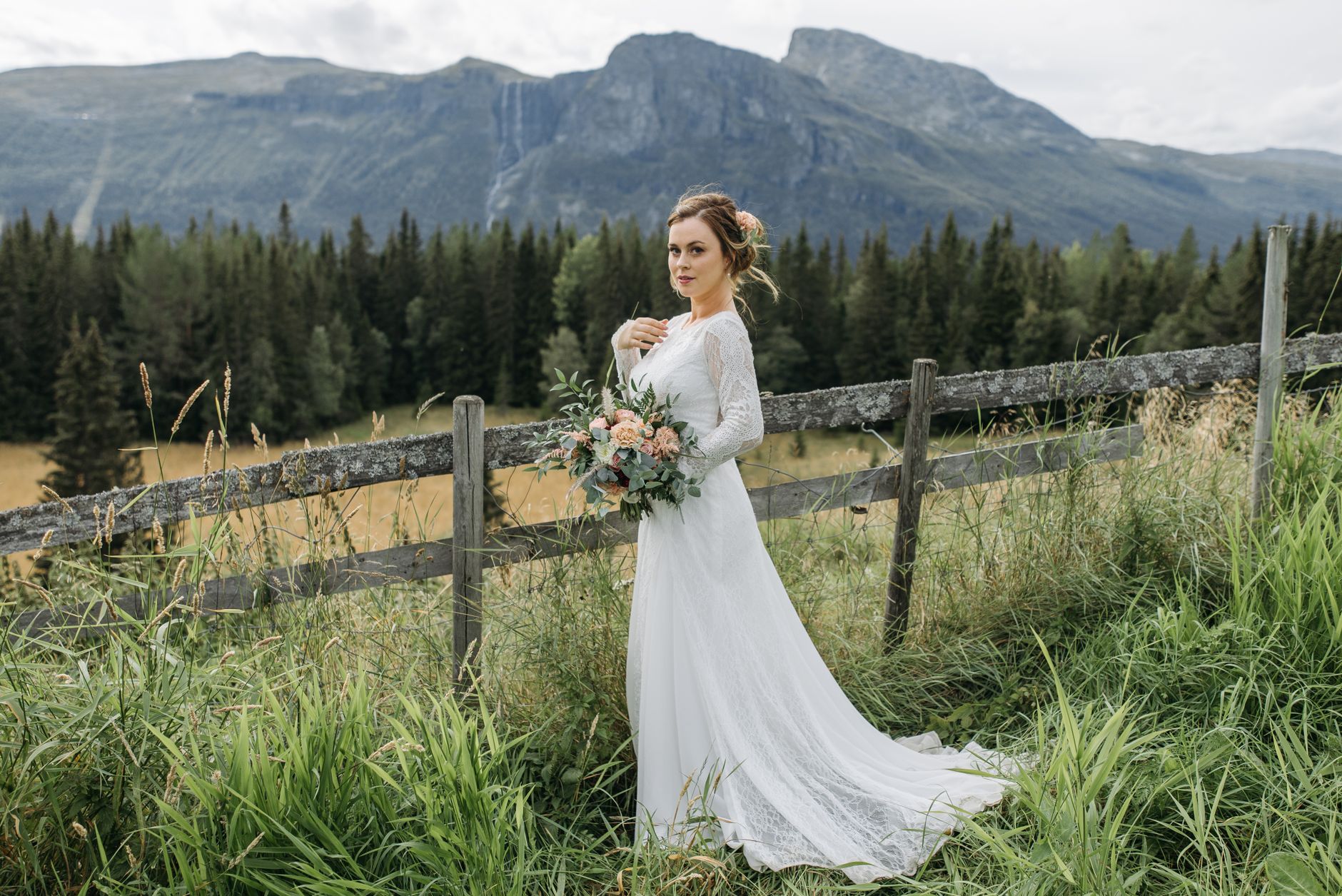
Sustainable Decor Magic in Nainital
Decor in Nainital
Recycled Decor Installations in Nainital for Weddings & Events
Nainital's misty lakeshores and pine-forested venues are a natural canvas for Recycled Decor Installations that celebrate both love and the environment. Couples planning weddings here are increasingly choosing upcycled wedding decor — bamboo centrepieces, jute-draped mandaps, and reclaimed-wood arches — that honour the fragile Kumaon ecosystem. Unlike mass-produced plastic setups, eco-friendly event decor blends seamlessly with Nainital's colonial-era bungalows and hillside lawns. For those pursuing zero-waste wedding planning, these installations reduce landfill waste without compromising on visual impact, delivering a celebration that feels as breathtaking as the Naini Lake at sunrise.
Quick Answer
Recycled Decor Installations are event decorations crafted from reclaimed, upcycled, or repurposed materials — such as old wood, jute, glass bottles, dried florals, and bamboo — instead of single-use plastic or foam. In Nainital, these setups are popular for weddings and corporate events at hill resorts and lakeside venues. They reduce post-event waste, often cost less than imported synthetic decor, and align perfectly with the region's eco-sensitive mountain environment.
What Makes Recycled Decor Installations Ideal for Nainital Weddings?
Nainital sits within a protected ecosystem where plastic waste disposal is genuinely difficult, and many venue owners near Naini Lake and Tiffin Top actively discourage synthetic decorations. Recycled Decor Installations sidestep these restrictions entirely because they use organic or pre-loved materials — reclaimed timber, hand-painted clay pots, upcycled saree fabric, and dried wildflowers — that either biodegrade naturally or can be repacked and reused. Himalayan venue styling demands decor that does not clash with the lush deodar and oak backdrop; earthy tones and raw textures that define recycled setups do exactly that. Couples also benefit practically: most recycled material suppliers in the Uttarakhand hills source locally, keeping logistics lean and last-minute replacements easy. Whether your function is a sunrise pheras on a forested slope or a lakeside cocktail evening, sustainable decor setups make the setting feel intentional rather than decorated.
Key Material Categories Used in Eco-Friendly Event Decor
Eco-friendly event decor in the Nainital belt typically falls into five broad material families. First, reclaimed wood and bamboo form structural elements — mandap frames, aisle markers, and photo-booth backdrops. Second, upcycled textiles like vintage dupattas, kantha quilts, and hand-block-printed fabric panels create bohemian drapery with zero new textile production. Third, glass and metal upcycling converts old jam jars, lanterns, and copper vessels into table centrepieces that catch the Himalayan afternoon light beautifully. Fourth, dried and pressed botanicals — marigold, eucalyptus, pinecones gathered from local forests — replace fresh cut-flower arrangements that wilt quickly at altitude. Fifth, terracotta and clay, sourced from Kumaon potters, provide sculptural elements for entrance installations. Each material category supports repurposed material decorations that tell a craft story, giving guests conversation starters beyond the standard wedding chatter.
How Much Do Recycled Decor Installations Cost in Nainital?
Pricing for Recycled Decor Installations in Nainital varies by scale, material sourcing, and the complexity of structural builds. A basic mandap or entrance arch using bamboo and upcycled fabric typically starts around INR 18,000–35,000 for an intimate gathering of 50–80 guests. A mid-scale setup covering a mandap, aisle, table centrepieces, and a floral photo wall using dried botanicals and reclaimed wood runs approximately INR 55,000–1,20,000 for 100–200 guests. Full-venue transformations for destination weddings at hill resorts — including ceiling installations, lounge corners, and gate decor — can range from INR 1,50,000 to 3,50,000 depending on labour and material variety. Budget-conscious event design is genuinely possible here: because many recycled materials are sourced locally from Haldwani, Almora, or Nainital's own bazaar, transport costs remain low compared to fresh-flower imports from Delhi or Pune. Always request an itemised quote separating material cost from installation labour and post-event removal.
Sustainable Decor Setups Across Nainital's Distinct Venue Types
Nainital's event landscape is unusually diverse for a hill town, and each venue type demands a different approach to sustainable decor setups. Heritage colonial bungalows on the Mall Road suit moody, antique-accented installations — think tarnished brass vessels, hand-stamped linen runners, and cascades of dried roses against exposed brick. Lakeside lawns near Naini Lake call for nature-inspired celebration decor that respects the water body: no glitter, no metallic balloons, only jute, cane, and biodegradable florals. Forested resort properties in Ramgarh or Bhimtal (within easy reach) offer a canopy of deodar branches that function as natural architecture, requiring only minimal suspended decor to look spectacular. Urban banquet halls in Tallital benefit from structured recycled installations — upcycled pallet furniture, jute wall art, and repurposed chandelier frames — that compensate for the absence of a natural backdrop. Matching your decor style to the venue's inherent character is the single most effective decision any couple can make.
How Does Zero-Waste Wedding Planning Connect to Recycled Decor?
Zero-waste wedding planning is a philosophy, and Recycled Decor Installations are its most visible expression. When a couple commits to this approach, the decor vendor becomes a key sustainability partner rather than just a supplier. Practical steps include requesting a material manifest before booking — knowing exactly which items will be repurposed, donated, or composted after the event. Many Nainital-region decorators now offer a decor buyback or donation arrangement: mandap frames go to community halls, dried florals to local schools for craft use, and glass items to NGOs. This closed-loop thinking also influences guest gifts — seed-bomb favours in terracotta cups, for instance, tie the decor aesthetic to a memorable takeaway. Upcycled wedding decor, when planned with this full lifecycle in mind, can reduce a typical 200-guest wedding's non-recyclable waste by a significant margin. For couples who value legacy beyond the wedding day, this matters deeply. Happiffie connects you with Nainital decor vendors who disclose their post-event waste management practices upfront.
Recycled Decor Setup Types: Comparison for Nainital Events
Expert Recommendation
Best for Intimate Celebrations (20–60 Guests)
Best for Destination Weddings at Hill Resorts
Best for Large Guest Counts (200–500 Guests)
Best for Budget-Conscious Couples
Best for Traditional Kumaoni Weddings
Best for Modern, Minimalist Aesthetics
How to Choose the Right Option
✅ Pre-booking Checklist
- Confirm the venue's eco-policy and any restrictions on materials, open flames, or glitter before finalising a decor theme
- Request a written material manifest from your decorator listing every item, its source, and its post-event fate
- Ask whether the quote includes installation, breakdown, removal, and waste disposal to avoid surprise charges
- Book at least 6 weeks in advance for peak season (October–February) to allow custom fabrication
- Visit the venue site with your decorator to assess natural light, wind exposure, and ceiling or anchor points for suspended installations
- Clarify ownership of materials after the event — buyback, donation, or retention by the couple
- Request a small physical sample or mood-board render before approving final material selections
- Check if the vendor has prior experience with hill-town logistics, including narrow roads and altitude-related transport challenges
🎯 Selection Criteria
- Portfolio diversity: has the vendor executed setups across multiple material types and function scales?
- Local sourcing transparency: can the vendor name their Uttarakhand or Kumaon-based artisan and material suppliers?
- Post-event waste plan: do they offer composting, donation, or buyback for all installation components?
- Weather adaptability: can the team pivot to covered or rain-contingency layouts without repricing?
- Design consultation process: do they offer a site visit and a written design brief before execution?
- Licence and vendor credibility: are they listed on a verified platform like Happiffie with verifiable past work?
💰 Cost / Quality Factors
- Material type and origin: locally sourced bamboo and terracotta cost less than imported driftwood or specialty reclaimed metals
- Installation complexity: multi-level suspended installations or structural mandaps require skilled labour and drive up costs
- Venue access: hill-road logistics, altitude, and restricted vehicle access can add 10–20% to transport and labour charges
- Event duration: multi-day celebrations may require decor refreshing or replacement of delicate dried botanicals
- Customisation level: bespoke hand-painted or hand-stitched elements command a premium over ready-stock recycled items
- Season: monsoon weddings require weather-treated or indoor-compatible materials, which may narrow the material palette
⚠️ Common Mistakes to Avoid
- Assuming all eco-decor is fragile — bamboo mandaps and reclaimed wood structures are often more durable than standard PVC frames
- Ignoring altitude and humidity: dried florals can absorb moisture at Nainital's elevation; always verify with the vendor
- Skipping a site visit: decorators unfamiliar with the specific venue may underestimate anchor points or ceiling heights
- Not discussing post-event removal: decor left behind at hill venues incurs cleanup fees and environmental penalties
- Choosing materials purely on trend without considering the function type — pampas grass suits a mehendi, not necessarily a traditional Kumaoni wedding
- Overlooking the permit requirements near the Naini Lake conservation zone, where certain installations need prior venue or municipal approval
People Also Ask
Can recycled decor handle outdoor Nainital weather, including rain and fog?
Is eco-friendly event decor more expensive than conventional decor?
What is the lead time required to book Recycled Decor Installations in Nainital?
Can repurposed material decorations be kept or taken home after the wedding?
Which Nainital venues are most compatible with sustainable decor setups?
Do recycled decor vendors in Nainital offer full-service installation and removal?
How do I ensure the decor aligns with my wedding theme while still being eco-friendly?
Are there local Uttarakhand artisans involved in making these recycled installations?
Related Experiences on Happiffie
Alappuzha Wedding Decor Made Easy
Green Decor for Kochi Celebrations
Eco-Elegant Decor for Darjeeling Events
Earthy, Elegant & Eco-Conscious Decor
Beautiful Decor, Zero Guilt
Prop Rentals That Transform Kovalam Venues
Nature-Inspired Event Decor in Munnar
Bring Nature to Your Big Day
Frequently Asked Questions
What types of events in Nainital commonly use Recycled Decor Installations?
Do Recycled Decor Installations work for traditional rituals like haldi and pheras?
Can Happiffie help me find Nainital vendors who specialise in Recycled Decor Installations?
How durable are bamboo mandap structures at high-altitude venues in Uttarakhand?
Is there a difference between upcycled and recycled decor, and does it matter when booking?
What happens to the decor materials after the wedding?
Are candles and lanterns permitted in eco-sensitive zones near Naini Lake?
How do Recycled Decor Installations photograph compared to conventional decor?
Key Takeaways
- Recycled Decor Installations use reclaimed wood, bamboo, upcycled textiles, dried botanicals, glass, and terracotta instead of single-use plastic or foam decor.
- Nainital's eco-sensitive mountain environment makes these installations not just fashionable but practically necessary at many venues near the lake and forest zones.
- Costs range from INR 18,000 for intimate setups to INR 3,50,000+ for full destination wedding transformations, with local sourcing keeping prices competitive.
- Booking 6–8 weeks in advance is strongly recommended during the October–February peak wedding season in the Kumaon hills.
- Matching material choice to venue type — heritage bungalow, lakeside lawn, or forested resort — is the single most impactful design decision.
- A zero-waste wedding planning approach should include a post-event material plan: donation, buyback, or composting of all installation components.
- Happiffie connects couples with verified Nainital decor vendors who disclose artisan sourcing, waste management practices, and end-to-end installation services.
Plan Your Sustainable Wedding Decor in Nainital
Browse verified vendors on Happiffie who specialise in Recycled Decor Installations — get personalised quotes, compare setups, and book with confidence for your hill wedding.
Explore Decor Vendors
Are you a Vendor? Grow Your Business with Happiffie!
- High intent verified leads
- Reverse auction opportunities
- AI business tools & insights
- Dedicated vendor dashboard
- Grow your business, your way
It's free & takes less than 2 minutes!