
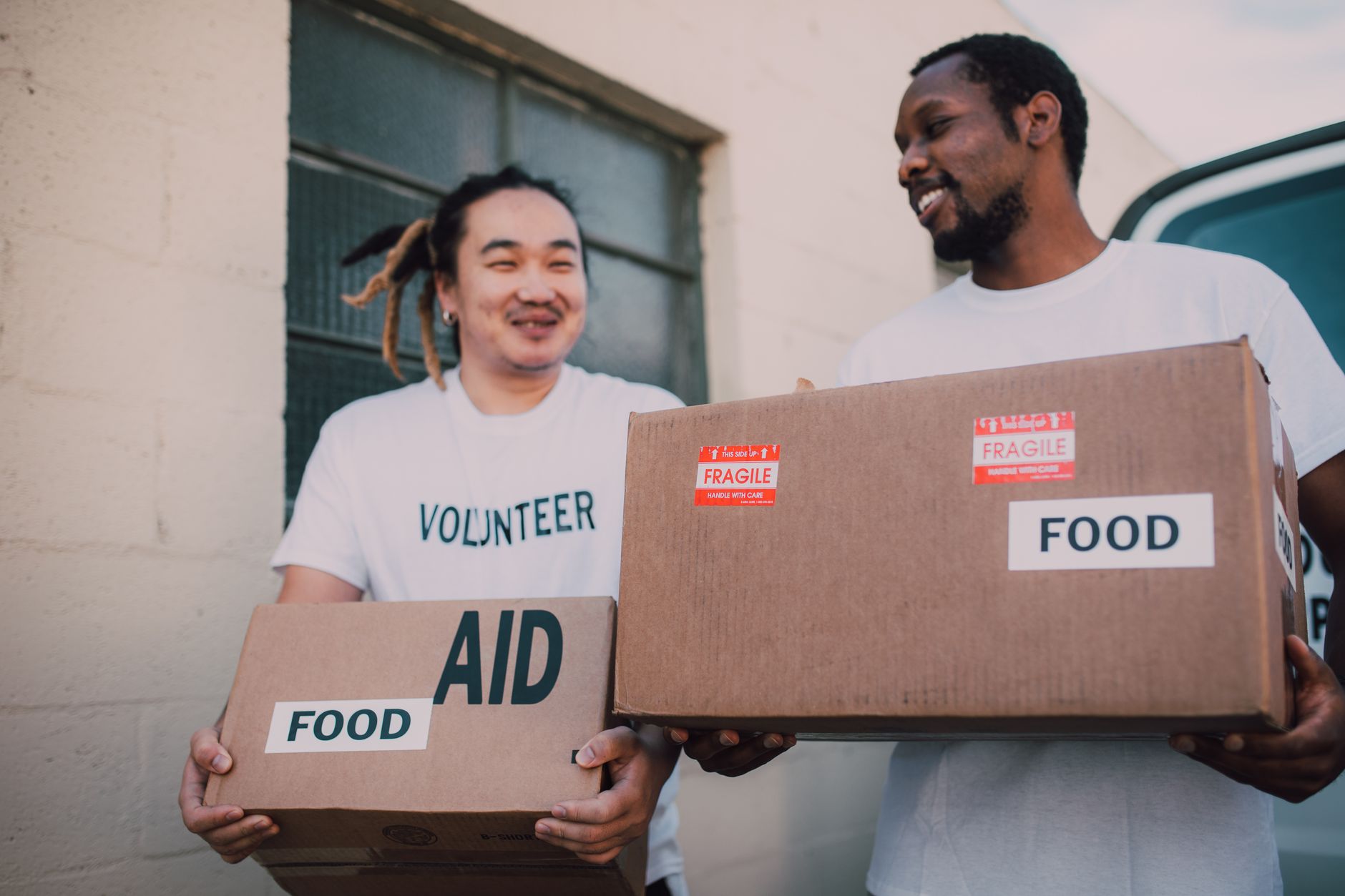
Feed More, Waste Less in Mussoorie
Food & Beverage in Mussoorie
Event Food Redistribution in Mussoorie: A Complete Guide
Every grand wedding or corporate event in Mussoorie's hill-station venues generates far more food than guests can consume — and that surplus deserves a better destination than the bin. Event food redistribution is the organised practice of collecting, safely packaging, and delivering leftover food from celebrations to local shelters, NGOs, and community kitchens before it spoils. When paired with thoughtful leftover food management at weddings, couples can feed dozens of families in Dehradun Road hamlets or Landour colonies on the very night they celebrate. Happiffie helps Mussoorie hosts connect with vetted catering partners and zero waste wedding planning coordinators who treat generosity as part of the service.
Quick Answer
Event food redistribution means collecting safe, unconsumed food from weddings, receptions, and corporate events and delivering it to shelters or NGOs the same day. In Mussoorie, caterers and coordinators work with local charitable organisations to package surplus dishes within two hours of service, ensuring food safety compliance. This practice reduces catering waste by up to 40%, lowers overall event costs through accurate head-count planning, and gives every celebration a lasting social impact beyond the guest list.
What Is Event Food Redistribution and Why Does It Matter in Mussoorie?
Event food redistribution is the systematic process of identifying, safely storing, transporting, and donating unconsumed food from celebrations to people in need — all within a food-safe time window, typically two to four hours after service ends. In a hill destination like Mussoorie, where catering quantities are traditionally overestimated to honour guests, the practice carries special significance. Venues on Mall Road, Camel's Back Road, and Landour are increasingly hosting destination weddings with 200 to 800 guests, meaning the leftover volumes can be substantial — biryanis, paneer gravies, live-counter starters, and dessert spreads that go untouched. Connecting that surplus with shelter homes in Dehradun's outskirts or local anganwadi centres transforms a logistical afterthought into genuine community impact. Sustainable event catering Mussoorie vendors now build redistribution protocols directly into their service contracts, making it seamless for couples and corporate hosts alike.
How Leftover Food Management at Weddings Works Step by Step
Effective leftover food management at weddings follows a clear sequence. First, a designated food coordinator — usually a senior catering staff member — monitors live counters and buffet stations from the midpoint of service onward, flagging dishes that are cooling or underutilised. Second, food-grade containers and insulated carriers, brought in advance by either the caterer or an NGO partner, are filled within 30 minutes of the last service round. Third, a temperature log is maintained to prove that items stayed above 60°C or were rapidly chilled below 5°C, meeting FSSAI-aligned safe-food guidelines. Fourth, a volunteer or driver — coordinated through the NGO food pickup coordination network — collects the containers and reaches the recipient location before the two-hour safety threshold. Mussoorie's proximity to Dehradun (roughly 35 km) makes this timeline achievable for most midnight or post-dinner events. Finally, a donation receipt or acknowledgement letter is issued, which couples can use for CSR documentation or personal records.
Post-Event Food Rescue: Unique Challenges in a Hill-Station Setting
Post-event food rescue in a mountain venue comes with logistical hurdles that flat-city events rarely face. Narrow hill roads, limited refrigerated transport options, and the absence of a dense urban NGO network all complicate same-night delivery. Evening fog between October and February can slow vehicles considerably. To manage these realities, experienced Mussoorie caterers pre-book a dedicated redistribution vehicle — typically an insulated van or a large SUV with cool boxes — as part of the event-day fleet. Coordinators also identify a primary and a backup recipient organisation before the event date, because road conditions can redirect the delivery route. Wedding food waste reduction targets should be set realistically: a 500-guest reception in a Mussoorie resort can realistically redistribute 60 to 80 kg of cooked food if planning begins four weeks before the event. That volume can provide full meals for 150 to 200 people in a single night.
Building a Green Wedding Checklist That Includes Food Redistribution
A green wedding checklist for Mussoorie couples should treat event food redistribution as a non-negotiable line item, not an optional add-on. Start by asking your caterer during the initial tasting whether they have an existing NGO empanelment or whether you will need to arrange it independently. Next, agree on portion quantities using a conservative head-count formula — industry best practice suggests preparing for 90% attendance rather than 100%, then supplementing live counters as needed. Include a food-packaging material budget of roughly INR 3,000 to INR 6,000 per event, covering insulated containers, labels, and gloves. Coordinate NGO food pickup coordination at least three weeks ahead so the recipient organisation can plan storage and distribution on their end. Finally, assign a point person — a family member or wedding coordinator — who holds the caterer accountable for executing the redistribution plan without adding chaos to the event night. Couples who integrate this into their sustainable event catering Mussoorie brief consistently report higher satisfaction with their caterer's overall professionalism.
What Does Surplus Food Donation from Events Cost in Mussoorie?
Surplus food donation from events is not a significant budget line — in fact, it often saves money. The direct costs include insulated food containers (INR 2,000 to INR 5,000 for a 300-guest event), a dedicated redistribution vehicle for two to three hours (INR 1,500 to INR 3,500 depending on distance to the recipient), and sometimes a nominal coordination fee charged by professional zero waste wedding planning consultants (INR 5,000 to INR 15,000 as a one-time service charge). Against these costs, accurate catering quantity planning — which is a prerequisite for any redistribution programme — typically reduces the catering bill by 8 to 12% by eliminating chronic over-ordering. For a Mussoorie wedding with a catering spend of INR 8 lakh, that saving alone can be INR 64,000 to INR 96,000, far outweighing the redistribution logistics cost. Wedding food waste reduction therefore creates a financial incentive alongside the social and environmental one.
Event Food Redistribution Options Compared for Mussoorie Weddings
Expert Recommendation
Best for intimate Mussoorie destination weddings (under 80 guests)
Best for large resort weddings (300 to 800 guests)
Best for budget-conscious couples
Best for corporate and MICE events in Mussoorie
Best for traditional Indian shaadi families
Best for eco-conscious couples building a zero waste wedding
How to Choose the Right Option
✅ Pre-booking Checklist
- Confirm with your caterer at least 8 weeks before the event whether they have an existing NGO empanelment for food redistribution.
- Agree on a conservative head-count catering formula to reduce surplus volume while maintaining guest satisfaction.
- Budget INR 2,000 to INR 6,000 for food-safe insulated containers, labels, and gloves.
- Book a dedicated redistribution vehicle or confirm NGO pickup availability for the specific event date and time.
- Identify a primary and backup recipient organisation in case roads or NGO availability change on the event night.
- Assign one responsible family member or staff coordinator as the single point of contact for redistribution execution.
- Obtain a signed redistribution acknowledgement or donation receipt from the recipient organisation.
- Review and approve the list of donatable versus non-donatable items with your caterer two weeks in advance.
🎯 Selection Criteria
- Caterer's track record with leftover food management at weddings and existing NGO connections.
- Recipient organisation's storage capacity, location proximity to the venue, and late-night operational readiness.
- Availability of insulated transport suitable for Mussoorie's mountain roads in all weather conditions.
- Willingness of the catering team to designate a senior staff member as the on-night redistribution lead.
- Alignment between the estimated surplus quantity and the recipient organisation's realistic absorption capacity.
- Whether the chosen approach generates documented proof suitable for CSR or personal impact reporting.
💰 Cost / Quality Factors
- Guest head count accuracy directly determines surplus volume and redistribution logistics complexity.
- Event timing matters — post-midnight redistribution on hill roads is harder; earlier-service events are logistically simpler.
- Menu composition affects donatable volume; dry dishes and whole curries redistribute more safely than cream-based items.
- Distance from the venue to the nearest recipient centre in Dehradun or local Mussoorie shelters affects delivery feasibility.
- Caterer experience with FSSAI-aligned food safety practices determines whether the donated food meets safety standards.
- Seasonal factors such as monsoon road conditions (July to September) or winter fog (November to February) can affect vehicle timelines.
⚠️ Common Mistakes to Avoid
- Waiting until the event night to find an NGO — recipient organisations need advance notice to prepare storage and distribution.
- Donating unsafe items such as cream-based desserts or cut salads that have exceeded safe holding temperatures.
- Failing to assign a dedicated on-night coordinator, leaving redistribution as an afterthought that never gets executed.
- Over-estimating catering quantities and then assuming redistribution compensates for poor planning — quantity control comes first.
- Not accounting for Mussoorie's hill-road travel time when calculating the safe delivery window for hot foods.
- Skipping documentation — without a receipt, the contribution is unverifiable for CSR or personal records.
People Also Ask
Which NGOs in the Mussoorie and Dehradun area accept food donations from weddings?
How soon after a wedding reception must leftover food be collected for redistribution?
Does surplus food donation from events qualify for any tax benefit in India?
How much food is typically left over at a 400-guest Indian wedding reception?
Can post-event food rescue work for smaller intimate gatherings in Mussoorie?
What types of food can and cannot be donated after an event?
Is wedding food waste reduction a legal requirement in any Indian states?
How do I brief my Mussoorie caterer on including food redistribution in their service?
Related Experiences on Happiffie
Feed More, Waste Less in Coimbatore
Live Food Stations for Your Mussoorie Wedding
Feed More, Waste Less in Ooty
Seamless Guest Transit for Indore Weddings
Sweet Scoops for Every Celebration
All Wedding & Event Services
Frequently Asked Questions
What is event food redistribution and how does it work at Mussoorie weddings?
How far in advance should I plan event food redistribution for my Mussoorie event?
Can leftover food management at weddings really make a financial difference for couples?
Are there specific food safety rules I must follow for surplus food donation from events in India?
Does sustainable event catering in Mussoorie include redistribution as a standard service?
What happens if road conditions in Mussoorie make delivery impossible on the event night?
How does NGO food pickup coordination work for late-night events in Mussoorie?
What is a realistic quantity of food I can expect to redistribute from a 250-guest Mussoorie wedding?
Key Takeaways
- Event food redistribution in Mussoorie transforms surplus wedding and corporate event food into community meals for shelters and anganwadi centres, often the same night.
- Effective leftover food management at weddings begins with conservative quantity planning, which also reduces the catering bill by 8 to 12%.
- Post-event food rescue must follow a two-hour safety window for hot foods; pre-positioned insulated containers and a confirmed vehicle make this achievable on hill roads.
- The total logistics cost of redistribution for a 300-guest event is typically INR 3,500 to INR 8,500 — far less than the savings from reduced over-ordering.
- Sustainable event catering Mussoorie vendors increasingly include redistribution protocols in contracts; ask for this clause at your first briefing.
- NGO food pickup coordination should be confirmed at least three weeks before the event to ensure recipient capacity and alternate-route planning.
- A green wedding checklist that includes food redistribution alongside compostable serviceware creates a holistic sustainability story for eco-conscious couples.
- Surplus food donation from events can be documented through an official receipt from a registered food bank, supporting CSR reporting for corporate hosts.
Make Your Mussoorie Wedding Count Beyond the Guest List
Connect with Happiffie's vetted caterers and zero waste coordinators who build event food redistribution into every celebration — seamlessly and responsibly.
Plan Your Event
Are you a Vendor? Grow Your Business with Happiffie!
- High intent verified leads
- Reverse auction opportunities
- AI business tools & insights
- Dedicated vendor dashboard
- Grow your business, your way
It's free & takes less than 2 minutes!