
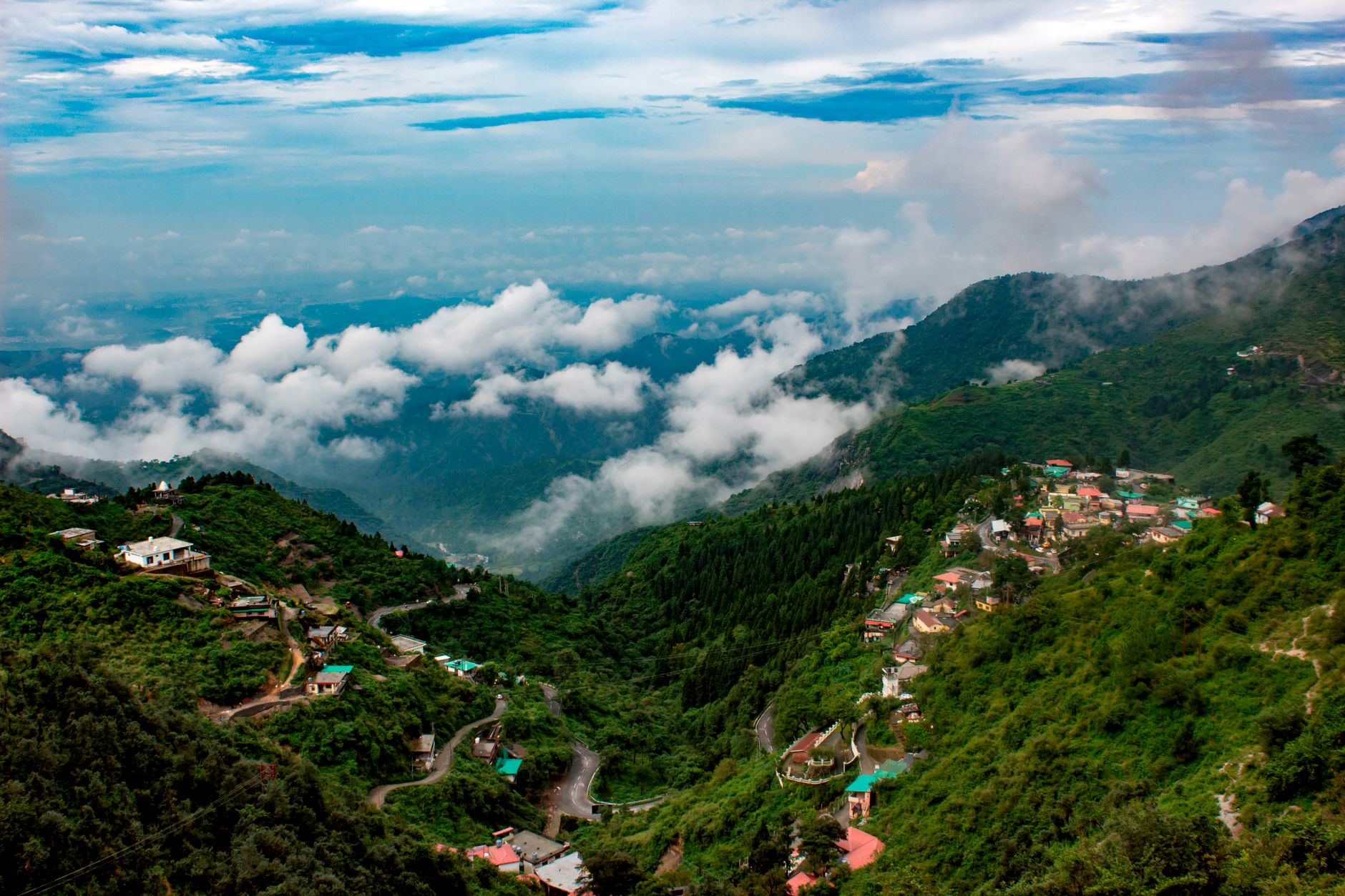
Where Two Worlds Wed Beautifully
Planners in Mussoorie
Cross Cultural Shaadi Planners in Mussoorie
Mussoorie's mist-draped Himalayan backdrop has become one of India's most sought-after settings for a destination wedding in Mussoorie, and nowhere is that magic more alive than at a celebration that honours two distinct traditions under one mandap. Cross cultural shaadi planners specialise in weaving together divergent rituals, families, and aesthetics into a single, seamless event — whether that means blending a Bengali biye with a Punjabi anand karaj, or pairing a South Indian Brahmin ceremony with a Christian exchange of vows. On Happiffie, you can connect with verified multicultural wedding planners who know Mussoorie's venues, weather windows, and vendor ecosystem intimately, so your union of cultures becomes a story worth telling for generations.
Quick Answer
Cross cultural shaadi planners are specialists who design and execute weddings that incorporate rituals, traditions, and aesthetics from two or more distinct cultural or religious backgrounds. In Mussoorie, they manage everything from multi-pandit coordination and dual-cuisine menus to fusion decor and bilingual ceremonies — ensuring both families feel equally seen, respected, and celebrated across every event of the wedding schedule.
What Do Cross Cultural Shaadi Planners Actually Do?
Cross cultural shaadi planners go well beyond standard event management. They act as cultural translators, sitting with both families early in the planning process to map out every ritual — its sequence, duration, dress code, and symbolic meaning — and then building a master timeline that honours all of them without creating fatigue or conflict. In Mussoorie, where many couples choose intimate hillside properties with limited indoor space, this logistical intelligence is critical. A planner might, for instance, schedule a Sikh ardas in the garden at golden hour, followed by a Hindu pheras inside a heated marquee at dusk, managing priest coordination, music transitions, and guest movement between the two spaces. Multicultural wedding planners also negotiate with caterers to produce dual-cuisine buffets — say, a live South Indian counter alongside a Mughlai dastarkhwan — ensuring dietary restrictions from both communities are respected. They brief decorators on the symbolic colour palettes of each tradition, so the mandap and the altar, or the mehndi space and the cocktail lounge, each feel authentic rather than generic.
Why Mussoorie Is Perfect for a Multi-Tradition Celebration
A destination wedding in Mussoorie offers a neutral, breathtakingly beautiful setting that neither family 'owns', which is psychologically important when two distinct cultures come together. The hill station's colonial-era heritage hotels, boutique forest retreats, and panoramic lawn venues provide flexible spaces that can be dressed for any tradition — Rajasthani, Tamil, Bengali, Christian, or a creative fusion of all four. Mussoorie's cooler temperatures between October and March create ideal outdoor ceremony conditions, and the town's relative seclusion encourages guests to stay on-site, fostering the kind of unhurried bonding that multi-day, multi-ritual weddings require. For couples exploring fusion wedding organizers, Mussoorie's vendor community has evolved to support everything from Uttarakhand folk musicians who can segue into Bollywood beats, to floral designers who work with both marigold strings and white orchid centrepieces. The journey to reach Mussoorie — a scenic 290-kilometre drive from Delhi — also functions as a natural icebreaker, giving guests from different backgrounds a shared adventure before the celebrations even begin.
How Much Does a Cross Cultural Wedding in Mussoorie Cost?
Budgets for cross cultural shaadi planners in Mussoorie typically range from INR 18 lakh for a compact 60-80 guest celebration at a boutique property to INR 80 lakh or more for a 250-300 guest multi-day affair at a heritage hotel with full-service production. The complexity of multi-ritual ceremony logistics is the single largest variable: coordinating two pandit teams, a qazi, or a pastor alongside local folk performers can add INR 1.5-4 lakh to your clergy and performer budget alone. Hill station shaadi decor for a dual-tradition setup generally runs INR 4-12 lakh depending on whether you need two full mandap or altar installations with distinct floral palettes. Accommodation packages bundled by Mussoorie's larger properties can reduce per-head costs significantly — expect INR 6,000 to 18,000 per room per night depending on the season and property tier. Interfaith wedding coordinators who are Mussoorie-based often have pre-negotiated rates with local vendors, which can save 10-15% compared to bringing an outside planner unfamiliar with the market. Always allocate a 10% contingency buffer for weather-related rescheduling, generator backup, or last-minute guest-count changes.
Choosing the Right Planner: What to Look For
Not every experienced planner is equipped for cross-cultural complexity. When evaluating cross cultural shaadi planners on Happiffie, look specifically for portfolios that show weddings with visibly distinct ritual stages — not just a generic 'fusion' label. Ask how they have handled theological conflicts in the past, such as when two religious timelines demand the same slot, or when one family's customs restrict photography during specific rites. Mixed heritage wedding planners with genuine bilingual communication skills are invaluable when families speak different languages; misunderstandings during emotional rituals can derail an entire event. It is also worth asking whether the planner has relationships with clergy from both traditions: a planner who personally knows a Gurdwara granthis, a Church of North India pastor, and a Vedic pandit in the Dehradun-Mussoorie corridor will save you weeks of independent research. Wedding guest experience management is another differentiator — the best planners brief guests from each side on the other community's customs before each event, turning unfamiliarity into curiosity and delight.
What Are the Most Common Challenges in a Cross Cultural Shaadi?
The three most frequent friction points in any cross cultural shaadi are ritual sequencing, dietary conflicts, and family politics. Experienced cross cultural shaadi planners pre-empt all three by holding separate consultations with each family's key decision-makers, then a joint session to negotiate the combined programme. In Mussoorie, weather is an additional variable: afternoon mist and occasional November showers mean that any outdoor ceremony must have an equally beautiful indoor alternative on standby, and your planner should have this contingency pre-rigged, not improvised. Multi-ritual ceremony logistics demand meticulous supplier briefings — a caterer who accidentally serves non-halal meat at a Muslim-Hindu wedding, or a DJ who plays a song considered inauspicious by one community, can cause serious offence. The right interfaith wedding coordinators will create detailed supplier briefing documents for every vendor, covering cultural sensitivities, photography restrictions, and timing dependencies. Budget misalignment between two families — one accustomed to grand baraats and one preferring minimalist aesthetics — is also common, and a skilled planner will structure the programme so each family has at least one event that fully reflects their vision.
Cross Cultural Wedding Planner Options in Mussoorie: A Practical Comparison
Expert Recommendation
Best for Intimate Cross Cultural Celebrations (under 80 guests)
Best for Large Multi-Day Weddings (150-300 guests)
Best for Interfaith Ceremonies Requiring Clergy Coordination
Best for Budget-Conscious Couples
Best for Couples Prioritising Aesthetics and Decor
Best for Mixed Heritage Couples with Internationally Based Families
How to Choose the Right Option
✅ Pre-booking Checklist
- Confirm the planner has executed at least 3 cross cultural shaadis with your specific tradition pairing
- Verify clergy contacts for both traditions are already in the planner's network within the Mussoorie-Dehradun corridor
- Check that the chosen venue has separate spaces for each ritual stage, with weather backup for all outdoor events
- Request a sample unified master timeline showing how multi-ritual ceremony logistics are sequenced across days
- Confirm the caterer can produce certified halal, Jain, or community-specific menus as required by both families
- Ensure the planner provides a written cultural briefing document for all suppliers covering sensitivities and photography rules
- Validate accommodation availability for all guests before finalising the date, especially for peak October-February season
- Agree in writing on a contingency plan and budget buffer (minimum 10%) for weather, guest-count changes, or supplier failure
🎯 Selection Criteria
- Demonstrated portfolio of weddings combining your two specific traditions, not just generic 'multicultural' claims
- Bilingual or multilingual communication capability matching your families' primary languages
- Established vendor relationships in Mussoorie for catering, decor, music, and clergy
- Transparent, itemised pricing that separates planner fee from vendor passthrough costs
- Clear escalation process for family-conflict resolution during planning and on the wedding day
💰 Cost / Quality Factors
- Number of distinct ritual events drives cost more than guest count alone — each ceremony needs its own setup, clergy, and catering window
- Mussoorie's altitude and weather require heated marquees or indoor backup, adding INR 1-3 lakh to production costs in winter
- Planner fee structure matters: percentage-of-budget models can incentivise overspending; flat-fee models offer more predictability
- Accommodation bundling with a hotel property can reduce per-head costs by 10-20% compared to guests booking independently
- Off-peak dates (July-September, excluding monsoon peaks) offer 15-25% lower venue rates but require robust rain contingency plans
- Locally based planners save on travel and accommodation costs that out-of-town planners bill as disbursements
⚠️ Common Mistakes to Avoid
- Booking a planner based on social media aesthetics alone without verifying cross-cultural ceremony experience
- Underestimating the time required for multi-ritual ceremony logistics — two ceremonies do not take twice the time; they often take three times
- Failing to brief all suppliers in writing about cultural sensitivities, assuming verbal instructions will be remembered under event-day pressure
- Ignoring dietary complexity and leaving both communities' catering to a single caterer unfamiliar with one of the cuisines
- Not allocating a dedicated family liaison from each side to work with the planner, resulting in contradictory instructions
- Choosing a Mussoorie venue purely for its view without verifying it can physically accommodate your specific ritual setups simultaneously
People Also Ask
Can cross cultural shaadi planners in Mussoorie handle both Hindu and Christian ceremonies in one wedding?
How early should I book a multicultural wedding planner for a Mussoorie destination wedding?
Do fusion wedding organizers in Mussoorie provide bilingual ceremony scripts?
What is the typical guest count for a cross cultural wedding in Mussoorie?
How do interfaith wedding coordinators handle conflicting ritual timings?
Is hill station shaadi decor different for cross cultural weddings?
Can cross cultural shaadi planners manage dietary requirements for two different communities?
What neighbourhoods or venue zones in Mussoorie work best for multi-day cross cultural weddings?
Related Experiences on Happiffie
Plan Your Dream Hill Wedding in Mussoorie
Stunning Indo Western Wedding Fusion
Wed Amid the Mussoorie Clouds
Dream Weddings on Mussoorie Hills
Sacred Ritual Ceremony Priests in Udaipur
Unforgettable Guests, Flawless Events
Frequently Asked Questions
Are cross cultural shaadi planners in Mussoorie familiar with South Indian and North Indian ritual combinations?
What is the best season to plan a cross cultural shaadi in Mussoorie?
Can Happiffie help me find multicultural wedding planners who speak both Tamil and Hindi?
Do Mussoorie venues have space for both a mandap and a Christian altar setup simultaneously?
How do fusion wedding organizers handle music transitions between two traditions?
Is it possible to have a legal multi-faith wedding ceremony in Mussoorie?
What is the minimum budget for a cross cultural shaadi in Mussoorie with 100 guests?
How does wedding guest experience management work in a cross cultural Mussoorie wedding?
Key Takeaways
- Cross cultural shaadi planners in Mussoorie specialise in blending two or more distinct traditions into a unified, respectful, and celebratory wedding programme.
- Mussoorie's destination setting, flexible heritage venues, and evolved local vendor ecosystem make it an ideal location for multi-tradition ceremonies.
- Budgets typically range from INR 18 lakh to INR 80 lakh depending on guest count, number of ritual stages, and property tier.
- Book multicultural wedding planners 10-12 months ahead for peak season dates; clergy and venue availability are the hardest to secure last-minute.
- The best interfaith wedding coordinators already maintain active clergy contacts in the Mussoorie-Dehradun corridor, saving significant sourcing time.
- Hill station shaadi decor for cross cultural weddings must balance two visual and symbolic traditions while complementing Mussoorie's natural landscape.
- A written cultural briefing document for all suppliers is non-negotiable — it prevents costly and emotionally damaging mistakes on the wedding day.
- Happiffie's verified planner network allows couples to compare portfolios, pricing structures, and cultural specialisations before making any commitment.
Find Your Perfect Cross Cultural Shaadi Planner in Mussoorie
Browse Happiffie's verified multicultural wedding planners, compare portfolios, and book your dream Himalayan celebration with confidence.
Explore Planners Now
Are you a Vendor? Grow Your Business with Happiffie!
- High intent verified leads
- Reverse auction opportunities
- AI business tools & insights
- Dedicated vendor dashboard
- Grow your business, your way
It's free & takes less than 2 minutes!