
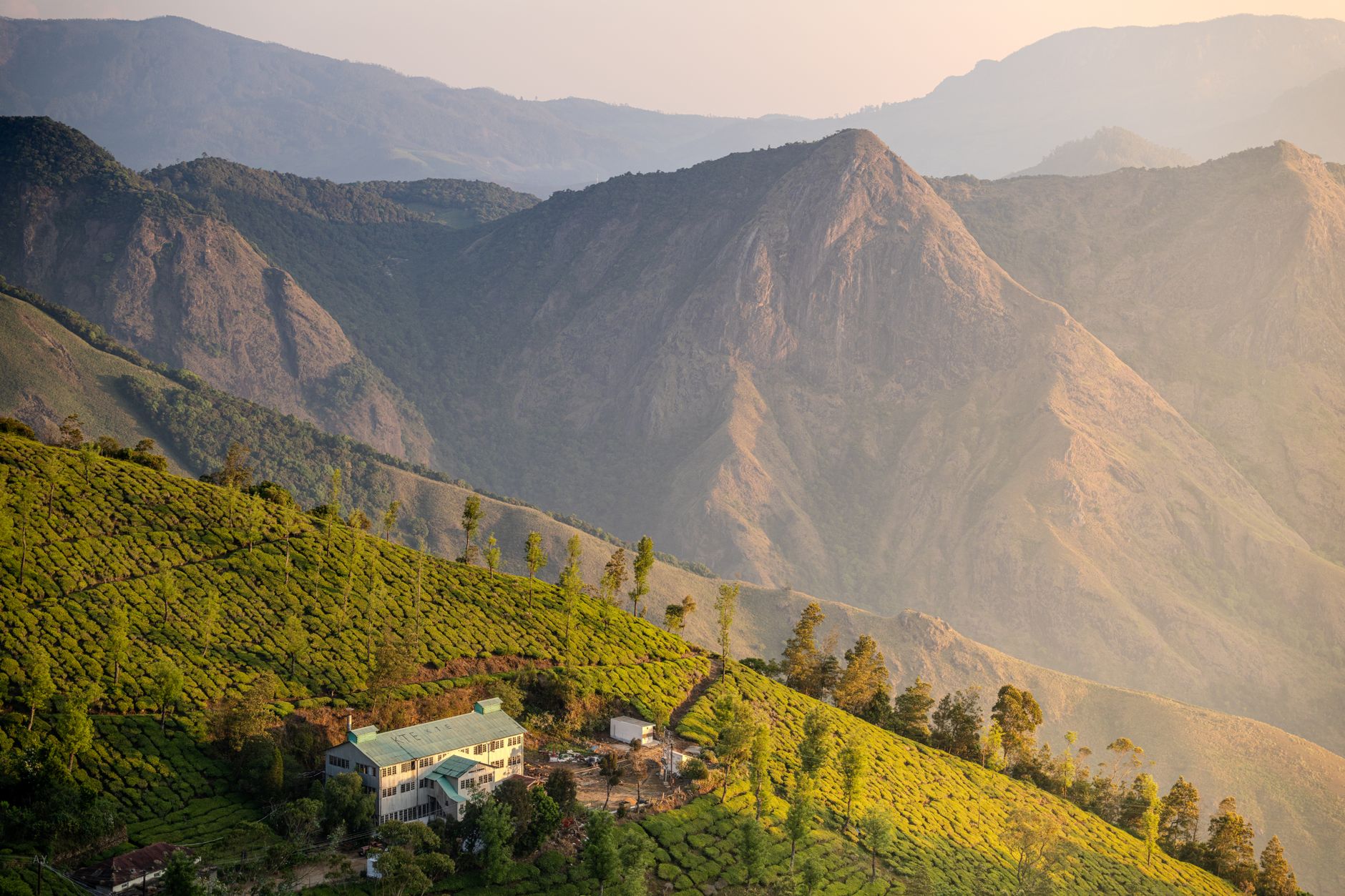
Blend Two Cultures in Munnar's Misty Hills
Planners in Munnar
Cross Tradition Marriage Planning in Munnar: Complete Guide
Munnar's mist-wrapped valleys and emerald tea estates create an unmatched canvas for couples choosing cross tradition marriage planning — where two families, two sets of rituals, and two worlds of meaning come together in a single, seamless celebration. Whether you are blending a Hindu Nair ceremony with a Christian service, or uniting a Tamil Brahmin family with a Malayali Syrian Christian one, interfaith wedding planning in Munnar demands both cultural sensitivity and logistical precision. Happiffie connects you with experienced multicultural wedding coordination specialists who know Munnar's venues, its local vendors, and the delicate art of honouring every ritual without letting the day feel fragmented. A destination wedding in Munnar offers not just scenery but genuine seclusion — giving cross-community couples the privacy to celebrate exactly as they choose.
Quick Answer
Cross tradition marriage planning in Munnar involves coordinating ceremonies, rituals, décor, catering, and timelines across two or more cultural or religious traditions within a single wedding event. Planners handle inter-community marriage ceremony sequencing, separate priest or officiant logistics, dietary considerations, and venue arrangements suited to Munnar's hill-station setting. Costs typically range from ₹8 lakh to ₹40 lakh depending on guest count, venue type, and the complexity of dual rituals.
What Makes Cross Tradition Marriage Planning in Munnar Unique?
Munnar sits at roughly 1,600 metres above sea level in the Idukki district of Kerala, making it one of South India's most atmospheric destination wedding in Munnar locations. Unlike city weddings where logistics dominate, here the natural setting actively contributes — cool temperatures, misty mornings, and a tea garden wedding backdrop that suits both solemn Hindu rites and intimate Christian blessings equally well. Cross tradition marriage planning in Munnar is unique because the hill station's relative remoteness encourages guests to stay overnight, which gives planners a genuine multi-day window to schedule each community's rituals without rushing. Malayalam-speaking local vendors are experienced in handling guests from Kerala's diverse religious communities — Syrian Christians, Nairs, Ezhavas, and Tamil-speaking communities from the nearby estates — making multicultural wedding coordination far more natural here than in metro cities. The region's resort venues also typically have large open lawns and indoor banquet halls, allowing simultaneous use of separate ceremonial spaces for different ritual requirements.
Rituals, Priests, and Timeline: How Planners Handle Dual Ceremonies
The most complex element of interfaith wedding planning is scheduling — deciding which ceremony comes first, how long each runs, and how to transition guests from one ritual atmosphere to another without confusion or disrespect. Experienced planners offering mixed tradition wedding services in Munnar begin by sitting separately with both families to map every ritual, its duration, and its mandatory requirements — whether that is a havan kund, a Bible reading, or a Nikah. They then build a master timeline that gives each ceremony its full dignity while keeping the overall day flowing. Wedding ritual coordination also means managing multiple officiants: a Hindu priest, a church pastor, or a qazi may all be required, and each needs coordination on attire, positioning, and microphone setup. Catering menus at inter-community marriage ceremony events require careful segregation — vegetarian Brahmin meals, non-vegetarian Christian spreads, or halal options may all be served to separate guest groups at the same event. Planners pre-assign serving staff per section so no cross-contamination of food preferences occurs, which is a detail that matters enormously to traditional families.
How Much Does Cross Tradition Marriage Planning Cost in Munnar?
Budgeting for cross tradition marriage planning in Munnar depends on three primary variables: guest count, the number of distinct ceremonies, and the choice of venue. For an intimate gathering of 50-80 guests at a boutique hill resort, a well-coordinated multicultural wedding coordination package typically starts around ₹8 lakh to ₹12 lakh, covering a single planner, basic floral décor in two cultural palettes, and a combined catering setup. Mid-range weddings with 100-200 guests and two full ceremonies at a larger tea-estate property range from ₹15 lakh to ₹28 lakh. Grand celebrations with 300-plus guests, international family members, live music for both traditions, and premium destination wedding in Munnar resort stays can reach ₹35 lakh to ₹45 lakh or beyond. Planner fees themselves are usually 8-12% of total event spend. Couples should budget separately for priest/officiant travel (₹15,000–₹40,000 per officiant from outside Munnar), ritual materials, and guest transport up the ghat roads, which is a logistics cost unique to the Kerala hill station wedding venue setting.
Choosing the Right Venue for a Mixed Tradition Wedding in Munnar
Venue selection is arguably the highest-stakes decision in cross tradition marriage planning because the space must accommodate multiple ritual setups simultaneously or in close succession. A Kerala hill station wedding venue with both an open lawn and an enclosed hall offers the greatest flexibility — outdoor ceremonies can use natural light and mountain views, while indoor spaces handle rituals requiring controlled environments or fire elements. Properties near Mattupetty, Top Station, and Chinnakanal typically offer 2-3 acres of estate space suitable for marquee setups. Couples planning an inter-community marriage ceremony should confirm that the venue permits open-flame rituals (essential for Hindu and Sikh ceremonies) and has adequate power backup for sound systems running across two separate ceremony spaces. A tea garden wedding backdrop is particularly popular for the phera or ring-exchange moment, offering neutral, breathtaking scenery that neither tradition claims exclusively — making it symbolic of the couple's shared journey.
What Should You Look for in a Cross Tradition Marriage Planner in Munnar?
Not every wedding planner has the cultural competence required for cross tradition marriage planning. When evaluating candidates on Happiffie, prioritise planners who have documented experience with at least two specific community combinations — ask for a portfolio or reference contacts. Mixed tradition wedding services require planners who communicate equally well with conservative elders and progressive younger guests, often code-switching between formal Malayalam, Tamil, Hindi, and English within the same conversation. Check whether the planner has established relationships with both Hindu priests and Christian pastors in the Munnar region, as airlifting officiants from Kochi or Coimbatore adds cost and risk. Strong wedding ritual coordination experience also means the planner has a written conflict-resolution protocol — a clear plan for what happens if the Hindu ceremony runs 45 minutes long and the Christian blessing is scheduled to begin immediately after. Finally, confirm they carry vendor insurance and have experience handling ghat-road logistics, since transport delays on the Munnar route are a real operational risk that experienced local planners plan around proactively.
Cross Tradition Wedding Setup Options in Munnar: A Practical Comparison
Expert Recommendation
Best for intimate cross-tradition celebrations (under 75 guests)
Best for destination wedding in Munnar with outstation guests
Best for budget-conscious inter-community couples
Best for large traditional families (200-plus guests)
Best for legally registered inter-community marriage
Best for modern couples wanting a contemporary cross-tradition experience
How to Choose the Right Option
✅ Pre-booking Checklist
- Confirm the venue permits open-flame rituals (havan, diyas) and has indoor backup space for rain contingency
- Verify the planner has experience coordinating the specific two community traditions in your wedding
- Secure all officiants (priests, pastors, qazi) at least 6 months before the date and confirm their travel to Munnar
- File a Special Marriage Act notice with the Idukki district Marriage Officer if legally required for your combination
- Pre-block accommodation across one or two resort properties within 10 km for all outstation guests
- Request a detailed written timeline from the planner showing both ceremonies, transitions, and buffer periods
- Confirm catering team can execute segregated menus with zero cross-contamination across dietary requirements
- Arrange a dedicated ghat-road transport convoy schedule for all guests travelling from Kochi or Coimbatore
🎯 Selection Criteria
- Planner's documented experience with your specific inter-community or interfaith combination
- Venue capacity for simultaneous dual-ceremony setup with separate décor zones
- Planner's local network of officiants, florists, and catering managers in the Munnar area
- Transparent package breakdown distinguishing planner fees from vendor pass-throughs
- Clear written protocol for handling schedule overruns or family disagreements on ritual order
- Planner's ability to communicate sensitively with both families' senior members throughout planning
💰 Cost / Quality Factors
- Number of distinct ceremonies directly multiplies décor, officiant, and setup costs
- Off-peak or weekday dates reduce venue rental by 20-30% with no impact on scenic quality
- Guest count above 150 requires a larger coordination team, increasing planner fees proportionally
- Outstation guest logistics — transport and accommodation — are a significant and often underestimated cost in Munnar weddings
- Premium tea-estate or heritage resort venues command 30-50% more than standard hill-resort properties
- Ritual materials sourced locally cost less than items transported from outside Kerala; plan procurement early
⚠️ Common Mistakes to Avoid
- Booking a planner with only single-tradition experience and assuming they can manage dual ceremonies without cultural competence
- Underestimating ghat-road travel time and scheduling ceremonies too tightly after guest arrival windows
- Delaying Special Marriage Act registration, which can legally complicate the post-wedding documentation process
- Failing to brief catering staff on segregated service zones, leading to dietary incidents that upset traditional elders
- Choosing a venue based solely on photographs without visiting to confirm dual-ceremony spatial capacity
- Not building a 45-60 minute buffer between ceremonies, causing the second ritual to feel rushed
People Also Ask
Can a Hindu and Christian wedding be held on the same day in Munnar?
How far in advance should I book a cross tradition wedding planner in Munnar?
Are there any legal requirements for an inter-community marriage in India?
What is the best time of year for a destination wedding in Munnar?
How do planners handle different dietary requirements at multicultural weddings?
Can Munnar handle a large wedding of 300-plus guests?
What décor styles work for a mixed tradition wedding in Munnar?
Does Happiffie list planners experienced in both South Indian and North Indian traditions for Munnar weddings?
Related Experiences on Happiffie
Seamless Guest Transit for Indore Weddings
Two Cultures, One Perfect Wedding
Blend Two Worlds, One Perfect Wedding
Royal Baraat Journeys Across Delhi
Wed Amid the Mussoorie Clouds
Say I Do in the Hills
Seamless Muslim Weddings in Vizag
Say 'I Do' Amid Ooty's Tea Hills
Frequently Asked Questions
Is cross tradition marriage planning more expensive in Munnar than in a city like Kochi?
Which Munnar neighbourhoods or zones are best for a cross tradition wedding venue?
Can Happiffie help me find a planner who speaks both Tamil and Malayalam for a Tamil-Malayali wedding in Munnar?
How do planners manage competing family opinions during cross tradition marriage planning?
What permits or permissions are needed to hold a wedding ceremony at a Munnar tea estate?
How many days should a cross tradition wedding in Munnar ideally span?
Are Muslim-Hindu or Muslim-Christian interfaith weddings also planned in Munnar?
Does Happiffie verify the cultural experience of planners listed for cross tradition marriage planning in Munnar?
Key Takeaways
- Cross tradition marriage planning in Munnar benefits uniquely from the hill station's multi-day resort culture, giving each ceremony ample time without rushing.
- Costs range from ₹8 lakh for intimate gatherings to ₹40 lakh-plus for grand multicultural weddings with 300 or more guests.
- Interfaith wedding planning requires advance legal preparation under the Special Marriage Act, 1954, completed with the Idukki district Marriage Officer.
- Venue selection must confirm open-flame ritual permission, dual-space capacity, and rain contingency — all non-negotiable for Munnar's conditions.
- Mixed tradition wedding services work best when the planner has direct experience with your specific community combination, not just general wedding coordination.
- A tea garden wedding backdrop provides a culturally neutral, visually spectacular setting that honours both traditions equally.
- Guest transport logistics on Munnar's ghat roads require dedicated convoy planning — a detail unique to this destination that planners must address explicitly.
- Happiffie's curated planner listings let couples filter by cultural specialisation, making it easier to find verified multicultural wedding coordination experts for Munnar.
Plan Your Cross Tradition Marriage in Munnar
Connect with experienced multicultural wedding planners on Happiffie who know Munnar's venues, rituals, and hill-station logistics inside out.
Find My Planner
Are you a Vendor? Grow Your Business with Happiffie!
- High intent verified leads
- Reverse auction opportunities
- AI business tools & insights
- Dedicated vendor dashboard
- Grow your business, your way
It's free & takes less than 2 minutes!